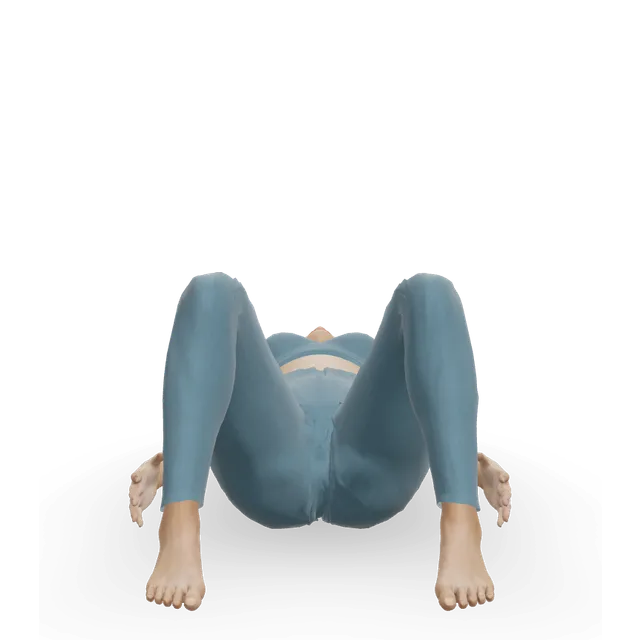
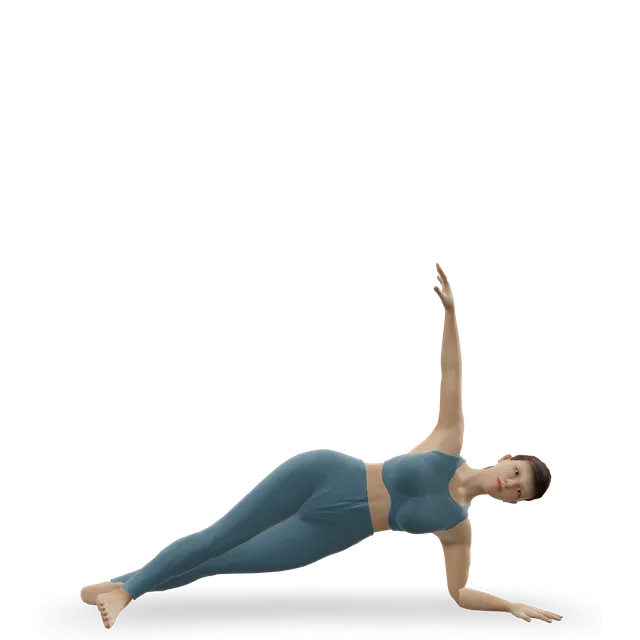
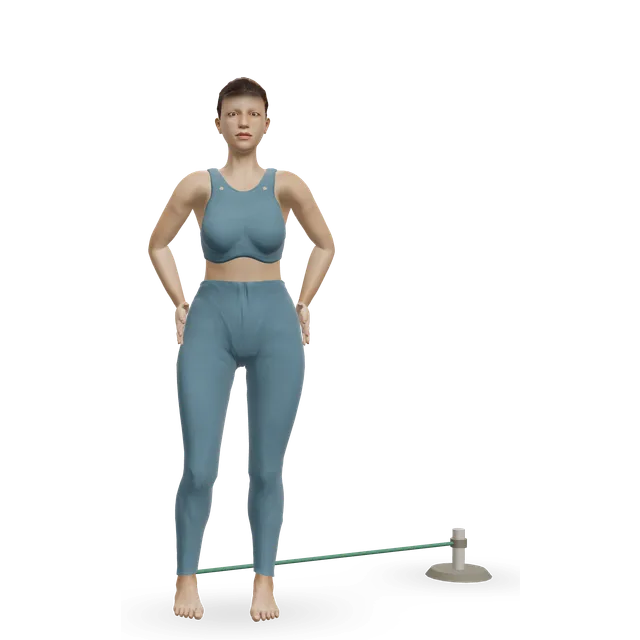
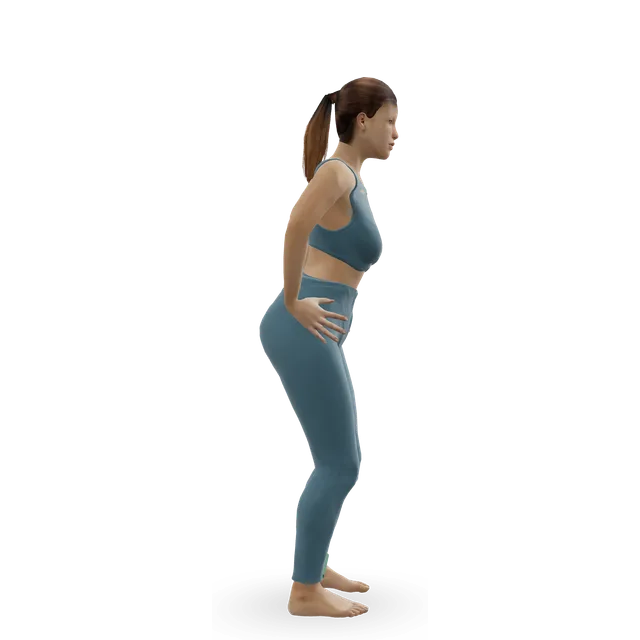
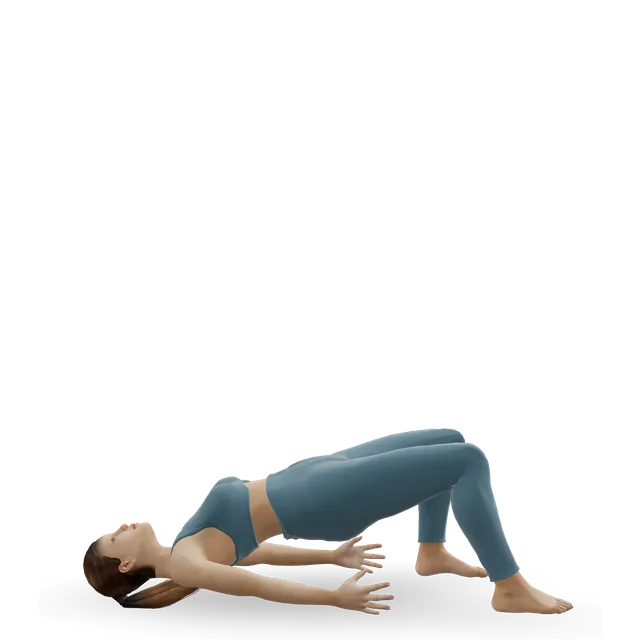
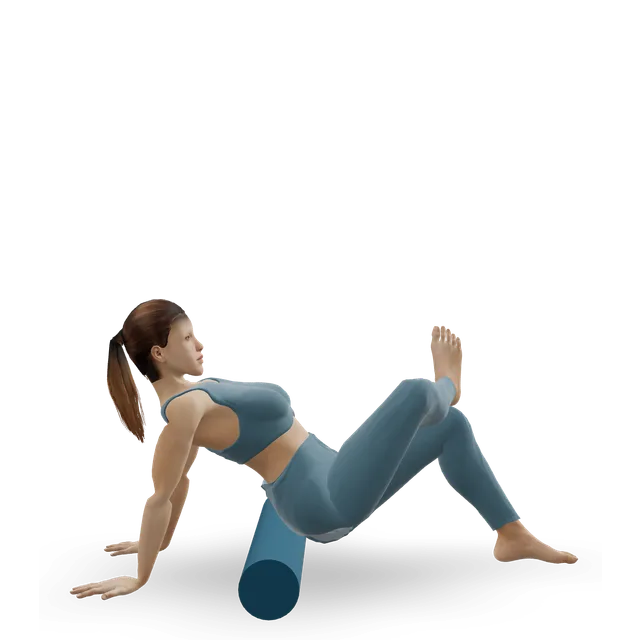
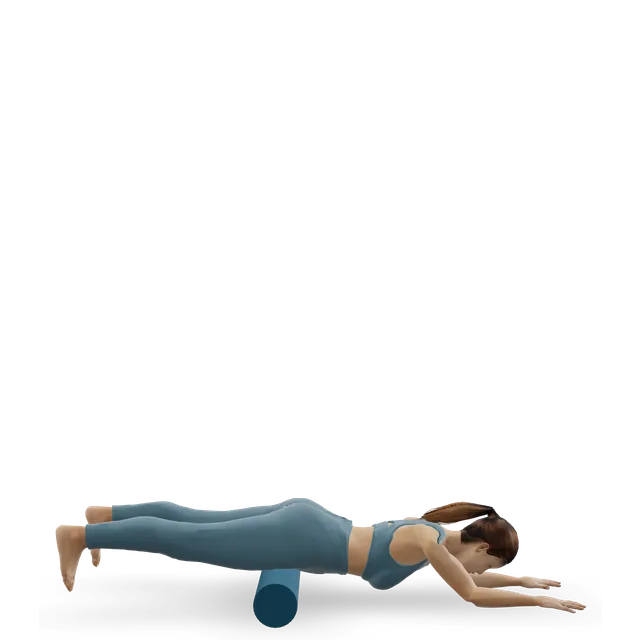
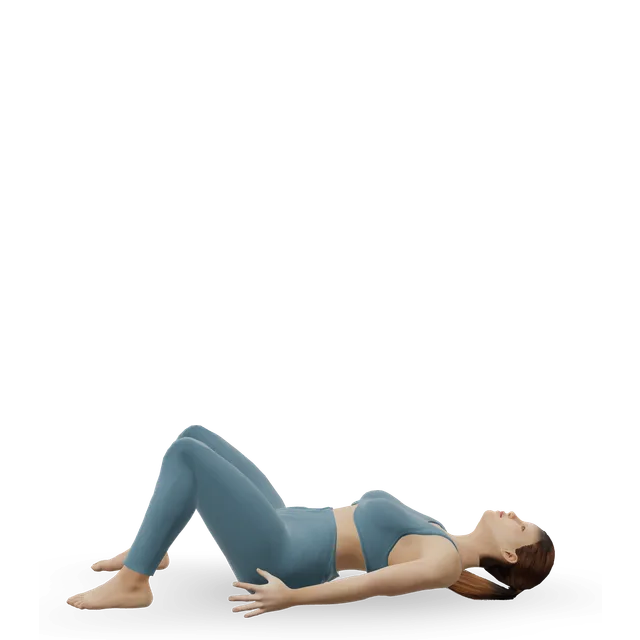
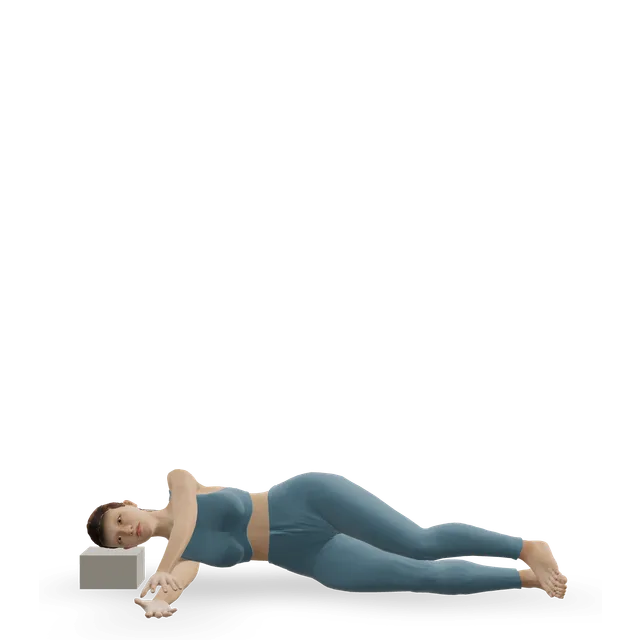
What do clamshells work?
The side and back of your hip: the gluteus medius, the upper part of the gluteus maximus and the deep hip rotators. They use the muscle at the front of the hip relatively little, which is why physiotherapists like them early in rehabilitation.
Do I need a band for clamshells?
No. Start without, and add a light band just above your knees when 3 sets of 15 feel easy. A band makes it harder, and in people with kneecap pain the banded clam was the only one of 11 exercises that worked both glute muscles more than the front of the hip.
How many clamshells should I do?
2 or 3 sets of 12 to 15 each side, 2 or 3 times a week, stopping 1 or 2 reps short; an NHS leaflet uses 3 sets of 8 to 12. Light daily sets are fine in a rehabilitation plan.
Where should I feel clamshells, and why do they hurt?
You should feel them at the side and back of your hip. Feeling them at the front of your hip often means a weight has brought in your hip flexors, or your pelvis has rolled back, which cut the glutes' share in a study. Pain over the bony point on the side of your hip, or in your knee, is a reason to stop and read our outer hip or knee guides.
Are clamshells good for knee pain?
As part of hip and knee strengthening, yes: adding hip work to knee exercises eased kneecap pain more than knee exercises alone. On their own they aren't a fix: in one trial, hip work including clamshells was no better than knee work or free activity with education.
Are clamshells good for hip bursitis or outer hip pain?
Not as a first step. The trial that worked best for outer hip tendon pain used holds, bridges, small squats and side steps, not clamshells. Never lie on the sore side, and when you add side-lying work back, lie on your good side with a pillow between your knees, keeping the bony point no sorer that night.
Do clamshells build glutes or help hip dips?
They strengthen the side of your hip, but they're too light to build much muscle; the main glute muscle grows from loaded hip extension. Hip dips are a normal shape, no exercise spot-reduces fat, and no plan can promise a shape.
Clamshells, side-lying leg raises or the hip abduction machine?
Side-lying leg raises worked the gluteus medius about twice as hard as clamshells in one study, though another found all three alike. Clamshells are the gentle start, and the machine is the easiest to load in small steps, as our hip abduction machine guide explains.
Are clamshells good for sciatica, piriformis or lower back pain?
Physiotherapists often include them, but no trial has tested clamshells for these, and hip strengthening added only small, uncertain benefits for back pain in a review. Follow our sciatica, piriformis and back pain guides for those.
Can I do clamshells when pregnant?
Usually, yes, with pillows under your head and bump and between your knees. With pelvic girdle pain, keep the range small, since moving your legs apart can make it worse.
What is a reverse clamshell?
The same position, but you lift your top foot while your knees stay together, turning the thigh inwards. It worked the deep hip rotators less than a clamshell in a scanning study; it's a gentle add-on, not a replacement.
Do clamshells help the pelvic floor?
No study has tested clamshells for the pelvic floor. Pelvic floor muscle exercises are the tested approach: see our pelvic floor guide.