Training guide

How to do side-lying leg raises: your side glutes, toes forward, bands and ankle weights, knee and outer hip pain, and how many

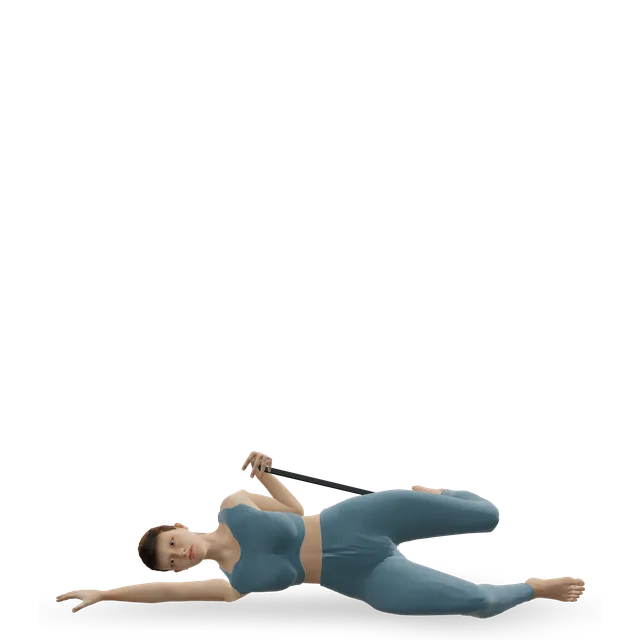
To do a side-lying leg raise, lie on your side with your hips stacked and your bottom knee bent, then lift your straight top leg towards the ceiling with your toes pointing forward and the leg slightly behind your body, and lower it slowly without rolling back. Start with 2 sets of 10 to 12 each side. It's also called a side leg raise, a side-lying leg lift or side-lying hip abduction.

It works the side glutes, the gluteus medius and minimus, harder than clamshells in most studies, though on pooled data the effort is moderate: side planks with a leg lift and single-leg work go further. It belongs in hip and knee strengthening for kneecap pain, but with pain on the outside of your hip it comes last, on your good side with a pillow between your knees.

This guide shows it on the 3D figure, the position details that change which muscle does the work, the versions, what it can and can't do for knee and hip pain, and how many to do.

The short version

The move

Lie on your side in one line, bottom knee bent for balance, hips stacked. Lift your straight top leg to about 30 to 45 degrees, heel leading and toes pointing forward, keeping it in line with or slightly behind your body, then lower slowly. Stop before your pelvis tips or rolls back.

Sources 1, 2, 3

What it works: the side glutes, at a moderate level

The gluteus medius worked at about 40% of its maximum on pooled data from 8 studies, against 17 to 28% for clamshells. Single studies range from about 25% to 81%, depending on how the exercise was done.

Sources 4, 5, 6

Toes forward, and don't roll back

Turning your toes up hands the work to the small muscle at the front of the hip. Rolling your pelvis back or hitching your waist to lift higher does the same, or lets your waist take over. A smaller, cleaner lift works the side glutes better.

Sources 7, 8, 9

Knee pain: part of a programme, not a fix

Adding hip strengthening to knee exercises eased kneecap pain more than knee work alone (14 trials, 673 people). But a hip-only programme built on side-lying raises and clamshells did no better than free activity when everyone was taught about their pain (112 people).

Sources 10, 11

Outer hip pain: last, and cushioned

The programme that helped outer hip tendon pain most used no side-lying raise and taught people not to let the thigh cross the body. When side-lying work comes in, lie on your good side with a pillow between your knees, keep the lift small, and keep the bony point on the side of your hip no sorer that night.

Sources 12, 13, 14

How many

Start with 2 sets of 10 to 12 each side, 2 or 3 times a week, and build to 3 sets of 12 to 15 (our editorial starting point, as our beginner and knee guides use it). Trials used 3 sets of 10 building to 3 sets of 20, or 3 sets of 10 with ankle weights.

Sources 11, 15

What a side-lying leg raise is

A side-hip exercise done lying down

Lying on your side, hips stacked and the bottom knee bent for balance, you lift your straight top leg up towards the ceiling (hip abduction: moving the leg out to the side) and lower it slowly, keeping the toes pointing forward and the leg in line with or slightly behind your body. Your own leg is the weight.

It's also called a side leg raise (which also covers the standing version), a side-lying leg lift, a lateral leg raise, side-lying hip abduction (the clinical name), or in Pilates the side kick up and down.

Sources 1, 2, 16

Side-lying leg raise or clamshell?

In a clamshell your knees stay bent and together and you open the top knee like a book, turning the hip outwards. In a side-lying leg raise the top leg is straight and lifts as a whole. Some exercise libraries online label a clamshell "side-lying hip abduction", so check the picture.

The leg raise works the gluteus medius harder in most studies; the clamshell keeps the muscle at the front of the hip quieter, which makes it the gentler first step.

Sources 4, 17

The muscles and joints

The gluteus medius and gluteus minimus, the side glutes, run from the side of the pelvis to the bony point of the hip. They lift the leg out and hold your pelvis level when you stand on one leg. The upper part of the gluteus maximus helps, more with the leg slightly behind you.

The tensor fasciae latae, a small muscle at the front of the hip, also lifts the leg out, and takes over if your toes turn up or the leg drifts forward. The side waist muscle (quadratus lumborum) hitches the hip if you let it.

Sources 4, 18, 19, 7, 9

How high the leg goes

The hip only moves out to the side to about 45 degrees, as the American Council on Exercise (ACE) explains, so a higher leg means your pelvis or waist is doing the lifting. Most studies lifted to about 30 to 35 degrees.

Sources 1, 3, 7

Before you start

Being comfortable lying on your side, as our move page says. With a sore outer hip, pad it and lie on your good side (see outer hip pain below).

How people differ

People with weak side hips hitched the hip more when ankle weights were added and showed less gluteus medius activity in this exercise. In 12 people with kneecap pain, the gluteus medius worked less than in 20 people without it in 3 of 11 side-hip exercises, hip abduction among them. Start with body weight and a small lift.

How high the leg goes varies with your hip shape: stop before the pelvis tips (our editorial cue). Outer hip tendon pain is more common in women: 167 of the 204 people in the main trial were women.

Sources 20, 8, 21, 12

How to do a side-lying leg raise, step by step

From our move page, ACE, Physitrack and a Royal United Hospitals Bath NHS leaflet ("Lift your top leg up, level with your hip"), in our editorial wording. The pace is from lab protocols, used here as a cue.

  1. Lie on your side with your hips and shoulders stacked, your head on your outstretched lower arm or a pillow, and your bottom knee bent for balance. Rest your top hand on the floor in front of you or on your top hip.
  2. Straighten your top leg in line with your body, or a little behind it, with your toes and kneecap pointing forward, not up to the ceiling.
  3. Breathing out, lift your top leg towards the ceiling, heel leading, to about hip height or a little above (about 30 to 45 degrees).
  4. Stop before your pelvis tips, rolls back or your waist hitches.
  5. Pause for a second, then lower slowly over 2 to 3 seconds, without letting the leg drift in front of you.
  6. Finish your reps, then turn over and do the other side.

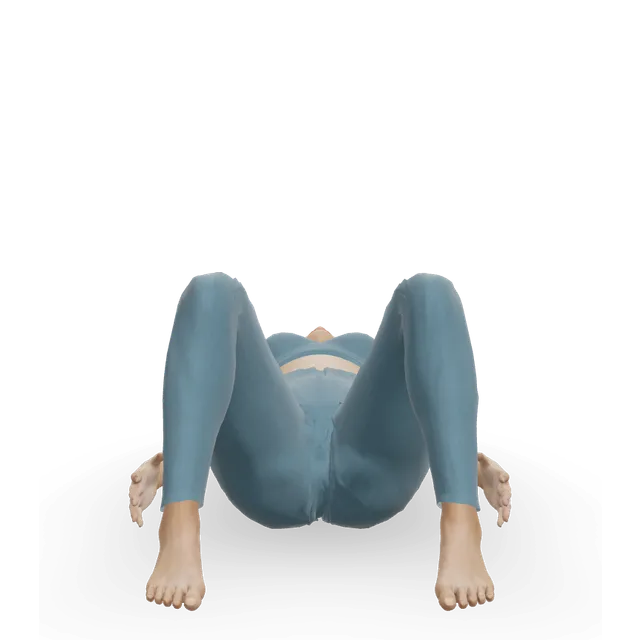
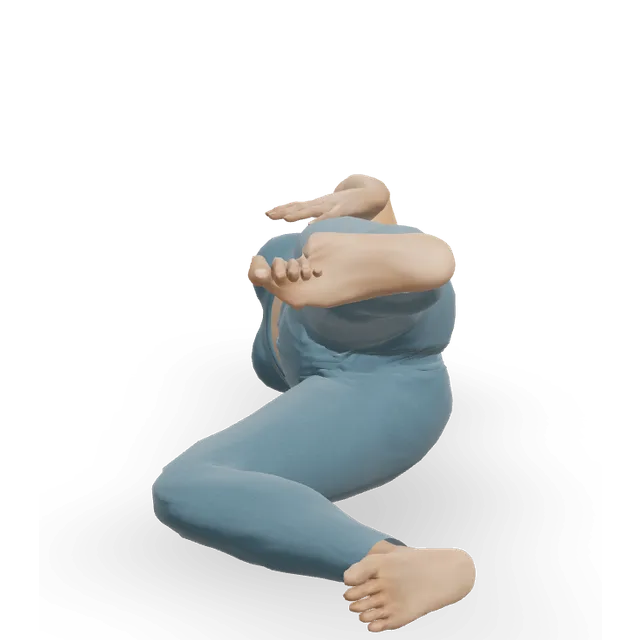
Loading the 3D figure…

Gets into position, then repeats the movement. Technical checks passed; qualified exercise review is pending.

The movement on the figure: Side-lying leg raise

Getting the position right: toes, leg and pelvis

Toes forward, not upEmerging evidence

In 20 distance runners, with a light ankle weight and a 35 degree lift, toes forward worked the gluteus medius at about 79% of its maximum and the tensor fasciae latae at 54%. Turning the toes up made the front-of-hip muscle the busiest (71%) and dropped the gluteus medius to 53%. (The study's abstract prints 70.1% for the gluteus medius; its results give 79.1%.) Turning the hip slightly in raised gluteus medius activity, and turning it out raised the front-of-hip muscle, in healthy people and in people with weak side hips.

Sources 7, 22, 23, 4

Leg in line or slightly behindEmerging evidence

In 12 men, the leg slightly behind the body and very slightly turned in worked the gluteus medius (59%) and the back part of the gluteus minimus (55%) most, late in the lift, of 9 positions tested. Letting the leg drift forward brings the front-of-hip muscle in.

Sources 18, 3

Don't roll backEmerging evidence

In 21 people with weak side hips, rolling the pelvis back cut gluteus medius activity from 30% to 20% of maximum and raised the front-of-hip muscle from 25% to 35%. Rolling very slightly forward raised the gluteus medius to 41%.

Source 8

Keep your waist stillEmerging evidence

In 18 people, holding the lower back steady raised gluteus medius activity from 25% to 46%, cut the side waist muscle's from 60% to 28%, and reduced the side tilt of the pelvis from about 14 degrees to 6. A small rolled towel under the waist didn't change the gluteus medius but quietened the other muscles. Cues to draw the tummy in are mixed: one lowered gluteus medius activity.

Sources 9, 24, 25

Ankle weights: master body weight firstEmerging evidence

In 24 women with weak side hips, ankle weights of 3% and 5% of body weight mostly raised the side waist muscle (from 49% to 82% and 92% of its maximum), so the hip hitched more and the gluteus medius did less of the work. Studies that used weights chose 3 to 5% of body weight.

Sources 20, 7

What it works: what the evidence says

A moderate effort for the side glutesEmerging evidence

A review of 56 muscle-activity (EMG, electromyography: the electrical signal of a working muscle) studies pooled 8 studies of this exercise: the gluteus medius worked at about 40% of its maximum (95% CI, the range the true value probably lies in, 33 to 48%), which the authors call moderate. A review of 9 studies (197 people) found 27% to 81% and put the spread down to the angle, the pelvis position and whether the leg was in front of or behind the body. Single studies: 81% in 21 people, 63% in 24, 42% in 11, 43% in 10.

Sources 4, 5, 6, 3, 26, 27

More than clamshells, in most studiesMixed evidence

Clamshells pooled at 17 to 28%. In 21 people the side-lying raise drew 81% against 38% and 40% for two clamshells, and in 21 women with weak side hips 54% against 26%. But in 11 men doing 10 maximal reps, the raise, the clamshell and the hip abduction machine worked the gluteus medius alike, and with fine-wire electrodes in 20 people the clamshell had the best balance of glute to front-of-hip activity of 11 exercises.

Sources 4, 6, 28, 29, 17

The gluteus minimus and gluteus maximus helpEmerging evidence

The back part of the gluteus minimus worked at about 44% in one study. On MRI after 40 reps in 10 adults, a turned-out version changed the gluteus medius more than clamshells (13% against 5%), but the gluteus minimus (18%) and the front-of-hip muscle (18%) most.

Sources 4, 18, 19

Harder side-hip exercises go furtherEmerging evidence

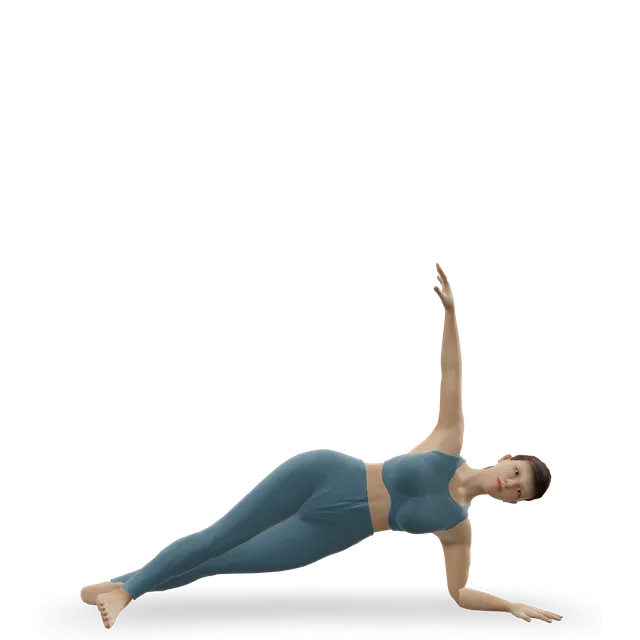
In 24 people, side planks with a leg lift drew 103% and 89% against 63% for the side-lying raise, ranked 7th of 18. Single-leg squats, hip hitches and single-leg bridges also work the side glutes harder, and modelled muscle forces in 14 female footballers put the side plank and loaded single-leg squats and Romanian deadlifts in the top tier. In women with weak side hips, the side waist muscle works much harder in side planks too (122% against 80%).

Sources 3, 4, 30, 28

Lying is harder than standing without loadEmerging evidence

Lying on your side, the hip lifts the leg's weight against gravity, which worked the gluteus medius harder than standing leg raises without a weight in healthy adults.

Source 31

Muscle activity isn't muscle growthStrong evidence

These studies measure effort over a few reps, which doesn't predict what a muscle will build over weeks. We found no growth trial of side-lying raises; loaded cable hip abduction grew the side glutes a little over 10 weeks.

Sources 32, 33

Side-hip moves from easiest to hardest

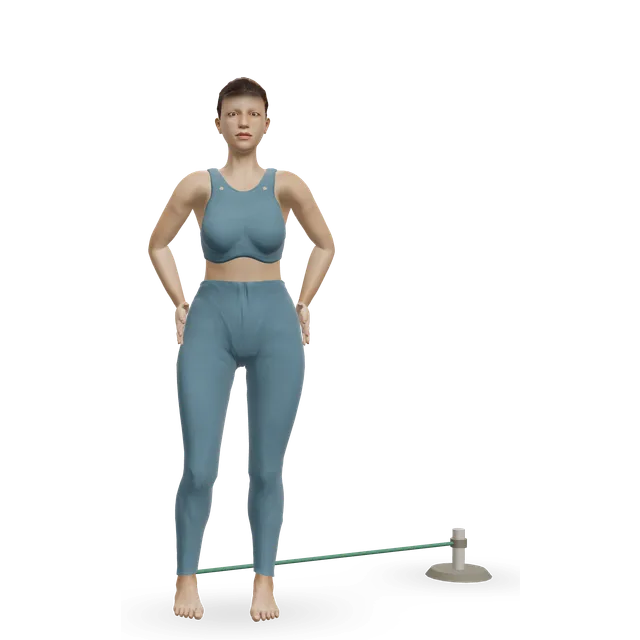
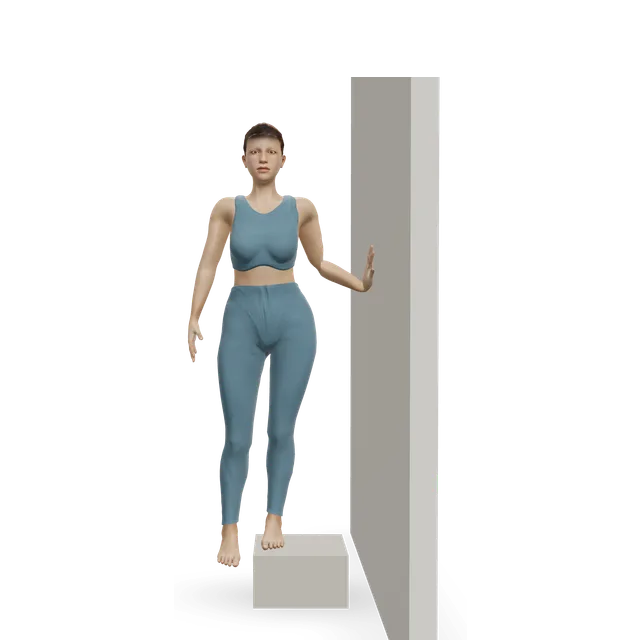
Lying belt-press holds, 3 to 5 of 5 to 10 seconds, and standing wall-press holds, 3 to 5 of 5 to 15 seconds each side, twice a day (the move pages' doses, from the outer hip pain trial). Clamshells, 2 or 3 sets of 12 to 15 each side (our clamshell guide). Side-lying leg raises, 2 sets of 10 to 12 each side, building to 3 sets of 12 to 15 (our editorial starting point; the move page gives no dose). Pilates side kicks, 8 to 10 each side, and leg circles, 8 each direction (the move pages' doses). Standing band hip abduction, 1 to 2 sets of 12 to 15 (our glute challenge workout B). Hip hitches, 2 sets of 10, building to 3 sets of 15 slow reps each side (the move page's dose). Side planks with a leg lift, 2 sets of 8 to 10 each side once side planks are steady (our strength workout for runners at home). The hip abduction machine, 2 to 3 sets of 12 to 20 (our glute workouts).

Cushioned, weighted and banded versions

Cushioned, for a sore outer hip (no separate 3D demo)

The same move as the demo, lying on your good side with a pillow (or two) between your knees, the top leg level with your body or slightly behind it. NHS inform starts with 2 to 3 lifts at a time, building to 8, up to 2 sets of 15. Royal Berkshire starts with a hold, the top leg "no higher than 1cm off the pillow", using two pillows; St George's holds 1 cm off the pillow for 15 to 45 seconds, toes "pointing forwards, NOT towards the ceiling".

Sources 14, 34, 35

With an ankle weight (no separate 3D demo)

A knee arthritis trial used ankle cuff weights at a load people could lift about 10 times, 3 sets of 10. Add one only once 3 sets of 15 are easy and your waist stays still.

Sources 15, 20

With a mini band (no 3D demo)

A loop band above the knees or round the ankles adds resistance at the top of the lift. We found no study of a band in this exercise; it's our editorial option once body weight is easy.

Standing (no separate 3D demo of the chair version)

If lying on your side isn't comfortable, the NHS's sideways leg lift is done standing, holding a chair: 5 each leg, at least twice a week. Arthritis UK's version holds for 5 seconds, 5 each side, and notes it can be done lying sideways. Our wall side leg lift is the closest demo.

Sources 36, 37

Knee pain and side-lying leg raises

Kneecap pain: hip plus knee exercise works bestStrong evidence

Hip and knee strengthening together eased kneecap (patellofemoral) pain by about 1.5 points out of 10 more than knee strengthening alone (14 trials, 673 people), even without a measurable change in strength. The 2018 international consensus recommends combining hip- and knee-focused exercise, and a 2024 best-practice guide recommends knee exercise, with or without hip exercise, alongside education.

Sources 10, 38, 39

Hip-first programmes eased pain soonerEmerging evidence

Starting with hip work eased pain sooner in two trials (33 women; 199 people), hip and knee exercise beat knee exercise at a year in 54 women, and hip strengthening beat no exercise in 28 women. We didn't confirm which exercises these trials used.

Sources 40, 41, 42, 43

Hip work on its own isn't a fixMixed evidence

In 112 people aged 16 to 40 with kneecap pain, a 6-week hip programme of side-lying hip abduction, clamshells and face-down hip extension (3 sets of 10 building to 3 sets of 20, one supervised and two home sessions a week) did no better than knee exercise or free physical activity when everyone had the same education.

Sources 11, 44

Knee arthritisMixed evidence

In 89 people with knee osteoarthritis, 12 weeks of hip strengthening that included weighted side-lying raises (3 sets of 10, 5 times a week at home) eased pain and improved function against no exercise, without changing the load on the knee. Across 8 trials, adding hip work to thigh exercise improved walking but not pain.

Sources 45, 15, 46

Iliotibial band painEmerging evidence

Runners with iliotibial band pain had weaker hip abductors, and 22 of 24 were back running pain-free after a 6-week gluteus medius programme. There was no comparison group, so this is weak evidence.

Source 47

The knee rule

Pain from 0 to 2 out of 10 is fine, and up to 5 is acceptable if your knee is back to its usual level by the next morning; for tendon pain just below or above the kneecap, keep it to 3 or less. Sharp, catching or giving-way pain, or new swelling, means stop. That's our knee guides' rule.

Outer hip pain: side-lying work comes last

The best-tested programme left them outStrong evidence

In the LEAP trial (204 people aged 35 to 70 with outer hip tendon pain, or gluteal tendinopathy), education plus exercise succeeded at 8 weeks in 51 of 66 people, against 38 of 65 after a steroid injection and 20 of 68 with wait and see. Its programme began with holds lying on your back and standing, then moved to bridges, squats and side steps. It had no side-lying leg raise, and used side-lying with pillows only as a test, "to avoid compressive loading" of the tendons.

Sources 12, 13

Don't let the thigh cross your bodyStrong evidence

Trial protocols, reviews and NHS pages agree: avoid crossing your legs, lying on the painful side and letting the top leg drop across your body, and start with holds. NHS inform: "lie on your good side with a pillow between your legs to keep them in line with your hip joints".

Sources 13, 48, 49, 50, 51, 52

Some NHS services bring in a cushioned version laterEmerging evidence

NHS inform's "Side Lying Leg Lift with Pillow" keeps the top leg in line with your body, with pain no more than 5 out of 10 and no worse the morning after. Royal Berkshire and St George's start with a 1 cm hold off the pillow, then reps keeping "the leg behind the bodyline". Other services leave it out and use lying and standing holds, bridges, squats and side steps. No trial has tested the cushioned version.

Sources 14, 34, 35, 53, 54

The teaching may matter as much as the exercisesMixed evidence

In two trials, sham exercise did as well as gluteal loading when both groups had education, and motor control exercise was no better than general exercise in 60 women. Almost all UK physiotherapists (94%) use hip abductor strengthening for this pain.

Sources 55, 56, 57, 58

The outer hip rule

No extra pain over the bony point on the side of your hip during or after, and the hip no worse that night or the next morning, as our outer hip pain guide says.

Source 13

The order to follow

Holds and bridges first, then standing side-hip work, and side-lying leg raises last, on your good side with a pillow between your knees, as our outer hip pain guide's stages set out. If side-lying work makes the bony point sorer that night, go back a step.

Against clamshells, band walks and the machine

Clamshells

The clamshell is easier and keeps the front of the hip quietest; the side-lying raise works the gluteus medius harder in most studies. Start with clams, move on to the raise.

Sources 4, 17

Lateral band walks

Band walks train both hips standing and add balance; the raise isolates one side lying down. Use both, as our glute workout at home does in one circuit.

The hip abduction machine

In 11 men doing 10 maximal reps, the machine, the clam and the raise worked the gluteus medius alike, and the raise worked the front-of-hip muscle most. The machine is easier to load in steps.

Source 29

Standing or lying

Lying is harder without a weight; standing adds balance and suits anyone who can't lie on their side.

Sources 31, 36

How many and how often

Start

2 sets of 10 to 12 each side, 2 or 3 times a week (our editorial starting point: our beginner home workout uses 10 to 12 and our glute workout at home 12; the move page gives no dose). Alternate sides so each rests while the other works.

Build

Towards 3 sets of 12 to 15 each side, as our knee and runner's knee guides use (editorial). Trials used 3 sets of 10 building to 3 sets of 20, three times a week for 6 weeks; 3 sets of 10 at a weight people could lift about 10 times, 5 times a week for 12 weeks; and 3 sets of 10 at rising loads, three times a week for 12 weeks in older adults.

Sources 11, 15, 59

Tempo

About 2 seconds up and 2 down, as lab studies used; we use it as a cue.

Sources 3, 19

Effort

You don't need to go to failure. Let the last set go to within 0 to 2 reps of it, as our plans allow for small moves, and end the set when the hip starts to hitch or roll (editorial).

Source 60

Harder

Add reps first, then a 2 to 3 second hold at the top, then a light ankle weight (about 3 to 5% of your body weight, as studies used) once 3 sets of 15 are easy and only if your waist stays still. A mini band is another option (editorial). Then move on to side planks with a leg lift and standing band work.

Sources 61, 7, 20

With outer hip pain

Follow our outer hip pain guide's order, lie on your good side with a pillow between your knees, and build to NHS inform's maximum of 2 sets of 15.

Source 14

How long

The trials ran 6 to 12 weeks. Judge progress by how your hip and knee feel and what you can do, not by how your hips look.

Common mistakes

Toes turning up

The front-of-hip muscle takes over. Keep your toes and kneecap facing forward.

Source 7

The leg drifting forward

The same problem, as our move page warns. Keep the leg in line with your body or slightly behind it.

Rolling back

Your glutes do less. Physitrack's cue: "making sure you do not roll your body forwards or backwards".

Sources 8, 2

Hitching your waist to lift higher

The side waist muscle does the lifting. Lift only as high as your pelvis stays still: the hip itself only moves out to about 45 degrees.

Sources 9, 1

Swinging the leg

Lift and lower slowly, with a pause at the top (editorial).

Ankle weights too soon

They mostly raised hip hitching in people with weak side hips. Master body weight first.

Source 20

Lying on a sore outer hip

Or letting the top knee drop across your body between reps. Switch sides, use a pillow between your knees, and see outer hip pain above.

Moves that go with it

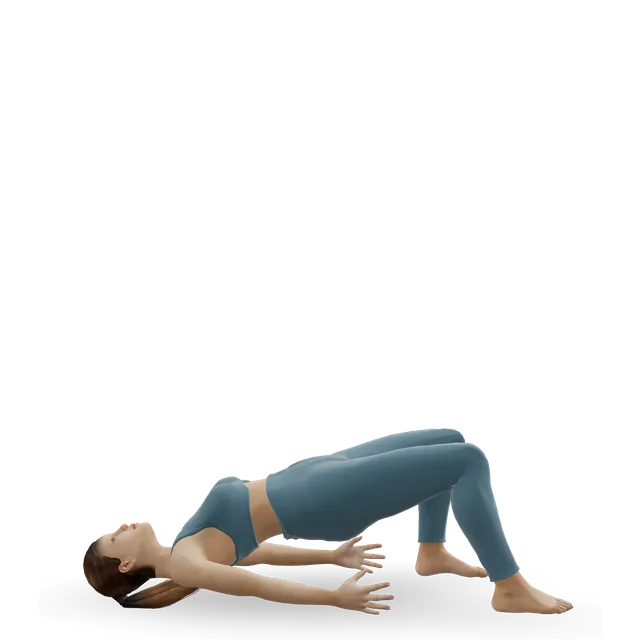
Wall side leg lifts, 10 to 12 each side, and side-stepping, 10 steps each way next to a counter (the move pages' doses). Glute bridges, 2 to 3 sets of 10 to 15 (our beginner lower body workout), and staggered-stance bridges, 5 slow reps each side once a day, building to 2 sets of 5 to 10 (the move page's dose). Knee side planks, 3 holds of 15 to 30 seconds each side (our hip bursitis guide). Lateral band walks, 10 steps each way as a warm-up (our lateral band walk guide). Single-leg stands, 2 holds of 30 seconds each leg (our lateral pelvic tilt routine).

Workouts

The glute workout at home uses 12 each side in a circuit with clamshells and band walks; the lateral pelvic tilt routine 12 each side after the wall-press hold; the beginner home workout 10 to 12 each side; the others 8 to 15 each side.

Glute workout at home

A 25-minute glute workout with bodyweight and a mini band: bridges, clamshells, band walks, kickbacks and lunges.

25 minBeginner9 movesA wall, A band

Lateral pelvic tilt routine: side-hip strength and control

A 25-minute routine for uneven hips: side-hip holds, leg raises, single-leg bridges, step-ups, side planks and balance, for hip strength and pelvic control.

25 minBeginner10 movesA wall, A step

Hip and core control routine: even strength around the pelvis

A 25-minute routine for a pelvis that feels twisted or uneven: gentle holds, bridges, bird dogs, side planks and single-leg balance, the same on both sides.

25 minBeginner11 movesA band, Other / check instructions

Glute session A: bridges to hip thrusts, split squats and side-hip work

Session A of the 30-day glute challenge: a bridge-to-hip-thrust ladder, a split squat ladder and side-hip work, at home or in the gym.

20 minBeginner16 movesA wall, A band

Beginner home workout

A gentle 20-minute beginner home workout with a chair, a wall and a band: sit-to-stands, wall push-ups, band rows, step-ups and dead bugs.

20 minBeginner11 movesA bench or box, A wall

Knee release routine: roll, stretch, strengthen

Roll the thighs and calves, stretch the front of the thigh, then the hip and knee strength work that helps knee pain. About 15 minutes.

15 minBeginner10 movesA foam roller, A bench or box

Pilates for knee pain: a 25-minute class with no kneeling

A 25-minute Pilates class for sore knees and knee arthritis: lying and side-lying leg work, shallow squats and balance, with no kneeling at all.

25 minBeginner15 movesA bench or box, Something with weight

Pilates glute workout: a 25-minute mat class (with a band if you have one)

A 25-minute Pilates class for your glutes: bridges, the side kick series, face-down kicks and standing work at a wall, with a band to make it harder.

25 minBeginner16 movesA wall, A band

Plans that use it

These plans use our glute workout at home, glute challenge workout A or beginner home workout, all of which include side-lying leg raises.

Who should change it

Outer hip pain

Holds and bridges first; side-lying work last, on your good side with a pillow between your knees, within the outer hip rule (see above).

After a hip replacement

Follow your surgical team's precautions and timeline for side-lying work.

Pelvic girdle pain in pregnancy

Lying on your side with pillows under your head and bump and between your knees is usually comfortable. With pelvic girdle pain, keep the range small: the NHS says moving your legs apart can make it worse.

Sources 62, 63

After a sprain of the outer knee ligament

After an LCL (lateral collateral ligament) sprain, leave out lying on your good side with the injured leg on top for now, as our LCL guide says.

Weak side hips

No ankle weights yet: build body-weight reps with a still waist first.

Source 20

Warning signs

Stop and get medical help

If you get chest pain or pressure, feel faint or dizzy, are unusually breathless, or your heart races or beats irregularly during exercise, as our plans advise. The American Heart Association says these need immediate medical evaluation.

Source 64

Call 999 (911 in the US)

For chest pain that comes on suddenly and doesn't go away, feels tight or like squeezing, spreads to your arms, neck, jaw, stomach or back, or comes with sweating, feeling sick, light-headedness or breathlessness; arm pain that comes on suddenly with pressure, heaviness or squeezing across your chest; severe difficulty breathing, or a chest that feels tight or heavy; someone who faints while exercising; palpitations that don't go away, or come with chest pain, shortness of breath or feeling faint; or a headache that starts suddenly and is extremely painful, especially while lifting or straining. The NHS says a bleed on the brain may be more likely when lifting something heavy. Don't drive yourself to A&E.

Sources 65, 66, 67, 68, 69, 70, 71, 72

A headache with effort

Ask for an urgent GP appointment or get help from NHS 111 for a headache that's triggered or made worse by coughing, sneezing, bending down or exercising.

Source 71

Your hip

Call 999 or go to A&E for severe hip pain after a fall or injury, if you can't walk or put weight on your leg, or for tingling or loss of feeling in your hip or leg after an injury. Ask for an urgent GP appointment or get help from NHS 111 for severe hip pain that started suddenly without a fall, a hip that's swollen and feels hot, skin around it that has changed colour, or hip pain with feeling generally unwell and a high temperature.

See a GP if hip pain stops you doing normal activities or affects your sleep, is getting worse or keeps coming back, hasn't improved after 2 weeks of treating it at home, or you have hip stiffness for more than 30 minutes after waking up.

Source 73

Outer hip pain that isn't settling

Outer hip pain that hasn't improved within 6 weeks of following our outer hip pain guide's advice, or that gets worse: talk to a GP or physiotherapist. In many areas you can refer yourself.

Source 14

Pain spreading below the knee

Pain, tingling or numbness spreading below the knee that isn't settling after a few weeks, is getting worse or stops your normal activities: see a GP, as our outer hip pain guide says.

Your knee

Get advice from NHS 111 if your knee is very painful, you can't move it or put weight on it, it's badly swollen or has changed shape, or it locks, gives way or clicks painfully; painless clicking is normal. In the US, use urgent care. See a GP if knee pain doesn't improve within a few weeks.

Source 74

Your back

Call 999 or go to A&E: loss of feeling or numbness around the genitals or bottom, new trouble peeing or controlling your bladder or bowels, changes in genital sensation during sex or problems with erections or orgasm, or pain, tingling, weakness or numbness in both legs. These are signs of cauda equina syndrome, which needs treating in hospital urgently. Don't drive yourself.

See a GP if pain spreading down a leg hasn't improved after a few weeks of home treatment, is getting worse or stops your normal activities. Sciatica on both sides, or weakness or numbness in both legs that's severe or getting worse, is a 999 call or a trip to A&E.

Sources 75, 76

Sore, or hurt?

Muscle soreness for a day or two after a new or harder session is common and fades. Sharp pain, or pain that builds during a set or lingers into the next day, isn't: swap to an easier version, and see a clinician if it persists, as our plans advise. The NHS says to stop exercising straight away if you feel any pain or become unwell, and to get help from 111 if symptoms worry you or don't go away.

Source 77

Before you start

Speak to your GP first if you haven't exercised for some time or have medical conditions or concerns, as the NHS advises. Get advice before hard or straining work if your blood pressure is uncontrolled (140/90 or higher at a clinic, or 135/85 at home), or you have heart disease or chest pain when you're active, a pacemaker or defibrillator, diabetic eye disease, glaucoma, a hernia, recent eye or tummy surgery, or you're pregnant, as our breathing guide lists.

With controlled high blood pressure, the American Heart Association considers low- to moderate-intensity strength training with proper breathing safe. Breathe out as you lift, as our breathing guide advises.

Sources 78, 79, 64

Myths

"Side-lying leg raises are a waste of time"Emerging evidence

They work the gluteus medius at a moderate level, more than clamshells in most studies, and were part of programmes that eased knee arthritis pain and, with weights, cut falls in one small trial in older adults (falls rate ratio 0.30 in a group of about 25). They're a middle step, not the top.

Sources 4, 45, 59

"Side-lying leg raises are the best gluteus medius exercise"Emerging evidence

One study of 12 exercises ranked them top (81%), another ranked them 7th of 18, and pooled data put them at a moderate 40%. Side planks with a leg lift and single-leg work go further.

Sources 6, 3, 4

"Turn your toes up to hit the glutes"Emerging evidence

Turning the toes up made the muscle at the front of the hip the busiest and cut gluteus medius activity. One MRI study found the turned-out version worked the deeper glutes well, but the front-of-hip muscle most. Toes forward, or very slightly in.

Sources 7, 22, 19

"Side-lying leg raises suit outer hip pain"Mixed evidence

The best-tested programme for outer hip tendon pain left them out. Some NHS services bring in a cushioned version later; others leave it out. Never first, never on the sore side, and never with the top knee dropping across your body.

Sources 13, 14, 34, 53

"Side-lying leg raises slim your outer thighs or fix hip dips"Strong evidence

Training one area didn't take more fat off it across 13 studies and 1,158 people. Hip dips are a normal part of many people's shape, and no exercise plan can promise a look.

Source 80

"Side-lying leg raises work your inner thighs"

They work the outer hip, the muscles that move your leg out. Lifting the bottom leg towards the ceiling is a different exercise for the inner thigh.

"Add ankle weights straight away"Emerging evidence

In women with weak side hips, ankle weights mostly raised hip hitching. Master body weight first.

Source 20

Questions people ask

How do you do side-lying leg raises?

Lie on your side with your hips stacked and your bottom knee bent for balance. Lift your straight top leg to about hip height or a little higher, toes pointing forward and the leg slightly behind your body, then lower it slowly without rolling back.

What muscles do side-lying leg raises work?

The side glutes, the gluteus medius and minimus, at a moderate level: the gluteus medius at about 40% of its maximum on pooled data, with some help from the upper gluteus maximus. They work your outer hip, not your inner thigh.

Should my toes point up or forward?

Forward, or very slightly down. Turning your toes up made the muscle at the front of the hip the busiest and cut the gluteus medius's share in a study of 20 runners.

How many side-lying leg raises should I do?

Start with 2 sets of 10 to 12 each side, 2 or 3 times a week, and build to 3 sets of 12 to 15; that's our editorial starting point. Trials used 3 sets of 10 building to 3 sets of 20.

Side-lying leg raises vs clamshells: which is better?

Side-lying raises worked the gluteus medius harder in most studies, about 40% against 17 to 28% for clamshells on pooled data, though one study of maximal reps found them alike. Clamshells are the gentle start; side-lying raises come next.

Lying or standing side leg raises?

Lying makes your hip lift your leg's weight against gravity, which made it harder than standing versions without a weight. Standing versions train balance too and suit anyone who can't lie on their side, like the NHS's sideways leg lift holding a chair.

Should I use ankle weights or a band?

Only once 3 sets of 15 are easy and your waist stays still. In women with weak side hips, ankle weights mostly made them hitch the hip; a knee arthritis trial used ankle weights at a load people could lift about 10 times.

Are side-lying leg raises good for knee pain?

As part of hip and knee strengthening, yes: adding hip work eased kneecap pain more than knee work alone. On their own they aren't a fix, because a hip-only programme with them did no better than free activity when everyone had education. Our runner's knee guide has the full plan.

Are side-lying leg raises good for hip bursitis or outer hip pain?

Not as a first step. The best-tested programme used holds, bridges, squats and side steps instead; when side-lying work comes in, lie on your good side with a pillow between your knees and keep the bony point no sorer that night. Our outer hip pain guide has the stages.

Why do side-lying leg raises hurt my hip?

Lying on a sore outer hip presses on it, and letting the top knee drop across your body squeezes the tendons. Switch sides, put a pillow between your knees and keep the lift small. See a GP if hip pain hasn't improved after 2 weeks.

Do side-lying leg raises get rid of hip dips or slim your thighs?

No. Training one area doesn't burn the fat over it, and hip dips are a normal part of many people's shape. Side-hip work can build the muscle there a little, but no plan can promise a look.

Can I do side-lying leg raises when pregnant?

Usually yes, with pillows under your head and bump and between your knees. With pelvic girdle pain, keep the range small, because moving your legs apart can make it worse.

Sources

  1. American Council on Exercise · Side-lying hip abduction (exercise library)
  2. Physitrack · Side-lying hip abduction (exercise video)
  3. Boren 2011 · Gluteus medius and maximus activity in 18 rehabilitation exercises, 24 people (EMG study, Int J Sports Phys Ther)
  4. Moore 2020 · Which exercises work the gluteus medius and minimus hardest: 56 studies (systematic review and meta-analysis, Int J Sports Phys Ther)
  5. Macadam 2015 · Gluteal muscle activity in hip abduction and outward rotation exercises: 9 studies, 197 people (systematic review, Int J Sports Phys Ther)
  6. Distefano 2009 · Gluteal muscle activity in 12 common rehabilitation exercises, 21 people (EMG study, J Orthop Sports Phys Ther)
  7. McBeth 2012 · Hip muscle activity in 3 side-lying hip exercises, toes forward or up, 20 distance runners (EMG study, J Athl Train)
  8. Baik 2021 · Rolling the pelvis forward or back during side-lying hip abduction in people with weak gluteus medius, 21 people (EMG study, J Athl Train)
  9. Cynn 2006 · Holding the lower back steady and muscle activity and pelvic tilt in side-lying hip abduction, 18 people (EMG study, Arch Phys Med Rehabil)
  10. Nascimento 2018 · Hip and knee strengthening against knee strengthening alone for kneecap pain: 14 trials, 673 people (systematic review and meta-analysis, J Orthop Sports Phys Ther)
  11. Hott 2019 · Hip exercise, knee exercise or free physical activity for kneecap pain, 112 people (randomised trial, Am J Sports Med)
  12. Mellor 2018 · Education plus exercise against a steroid injection or wait and see for outer hip tendon pain: the LEAP trial, 204 people (randomised trial, BMJ)
  13. Mellor 2016 · Exercise and load modification against a steroid injection or wait and see for gluteal tendinopathy: the LEAP trial protocol (randomised trial protocol, BMC Musculoskelet Disord)
  14. NHS inform · Exercises for greater trochanteric pain syndrome
  15. Bennell 2007 · Hip strengthening for knee osteoarthritis: the trial protocol and its exercises (randomised trial protocol, BMC Musculoskelet Disord)
  16. Royal United Hospitals Bath NHS Foundation Trust 2020 · Hip strengthening exercises (physiotherapy leaflet)
  17. Selkowitz 2013 · Which exercises work the glutes while keeping the tensor fasciae latae quiet: 11 exercises, fine-wire electrodes, 20 people (EMG study, J Orthop Sports Phys Ther)
  18. Uebayashi 2026 · Deep hip muscle activity across 9 leg positions in side-lying hip abduction, 12 men (EMG study, PeerJ)
  19. Kim 2026 · Superficial and deep gluteal muscle use in common hip exercises, 10 adults (muscle functional MRI study, Sports Health)
  20. Nam 2021 · Ankle weights in side-lying hip abduction in women with weak gluteus medius, 24 women (EMG study, J Back Musculoskelet Rehabil)
  21. Selkowitz 2024 · Hip abductor activity in 11 exercises in people with and without kneecap pain, 32 people (EMG study, Physiother Theory Pract)
  22. Lee 2013 · Hip rotation and gluteus medius and tensor fasciae latae activity in side-lying hip abduction, 20 people (EMG study, J Sport Rehabil)
  23. Lee 2014 · Hip rotation and hip abductor activity in side-lying hip abduction in people with weak gluteus medius, 19 people (EMG study, J Electromyogr Kinesiol)
  24. Hedt 2023 · Hip, thigh and trunk muscle activity in side-lying hip abduction with and without a towel under the waist, 19 adults (EMG study, Cureus)
  25. Meekins 2025 · Drawing-in instructions and gluteus medius activity in side-lying hip movements, with and without low back pain, 34 people (EMG study, Physiother Theory Pract)
  26. Bishop 2018 · Gluteus maximus, gluteus medius and tensor fasciae latae activity in exercises with and without a band, 11 people (EMG study, Int J Sports Phys Ther)
  27. Moore 2019 · Rehabilitation exercises for the segments of the gluteus medius, 10 people (EMG study, J Sport Rehabil)
  28. Nam 2025 · Clamshell, side-lying hip abduction and side plank in young women with weak hip abductors, 21 women (EMG study, J Manipulative Physiol Ther)
  29. de Almeida Paz 2022 · Hip abduction machine against free exercises for the gluteus medius and tensor fasciae latae, 11 men (EMG study, J Bodyw Mov Ther)
  30. Collings 2023 · Modelled gluteal muscle forces in hip-focused injury prevention and rehabilitation exercises, 14 female footballers (lab study, Med Sci Sports Exerc)
  31. Bolgla 2005 · Hip muscle activity in lying, standing and weight-bearing hip rehabilitation exercises, healthy adults (EMG study, J Orthop Sports Phys Ther)
  32. Vigotsky 2022 · Muscle activity measured in one session doesn't predict muscle growth (review, Sports Med)
  33. Attarieh 2026 · Gluteal muscle growth after 10 weeks of hip extension or hip abduction training (randomised trial, J Strength Cond Res)
  34. Royal Berkshire NHS Foundation Trust 2024 · Greater trochanteric pain syndrome (physiotherapy leaflet)
  35. St George's University Hospitals NHS Foundation Trust 2025 · Greater trochanteric pain syndrome (patient leaflet)
  36. NHS · Strength exercises
  37. Arthritis UK · Exercises for the hips
  38. Collins 2018 · Exercise and other treatments for kneecap pain: recommendations from the 5th International Patellofemoral Pain Research Retreat (consensus statement, Br J Sports Med)
  39. Neal 2024 · Best practice guide for kneecap (patellofemoral) pain from a systematic review, patients and experts (best practice guide, Br J Sports Med)
  40. Dolak 2011 · Hip strengthening before functional exercise against quadriceps strengthening for kneecap pain, 33 women (randomised trial, J Orthop Sports Phys Ther)
  41. Ferber 2015 · Hip and core against knee strengthening for kneecap pain, 199 people (randomised trial, J Athl Train)
  42. Fukuda 2012 · Hip strengthening for kneecap pain with 1-year follow-up, 54 women (randomised trial, J Orthop Sports Phys Ther)
  43. Khayambashi 2012 · Hip abductor and outward rotator strengthening for kneecap pain, 28 women (randomised trial, J Orthop Sports Phys Ther)
  44. Hott 2015 · Isolated hip strengthening, knee exercise or free activity for kneecap pain: the trial protocol (randomised trial protocol, BMC Musculoskelet Disord)
  45. Bennell 2010 · Hip strengthening for knee osteoarthritis: less pain, no change in knee load, 89 people (randomised trial, Osteoarthritis Cartilage)
  46. Hislop 2020 · Adding hip to quadriceps exercise for knee osteoarthritis: 8 trials (systematic review and meta-analysis, Br J Sports Med)
  47. Fredericson 2000 · Hip abductor weakness and a 6-week programme in runners with iliotibial band pain, 24 runners (case series, Clin J Sport Med)
  48. Ganderton 2016 · Hormone therapy, exercise or both for outer hip pain after the menopause: the trial protocol (randomised trial protocol, BMC Womens Health)
  49. Grimaldi 2015 · Gluteal tendinopathy: mechanisms, assessment and management (review, Sports Med)
  50. Grimaldi 2024 · Current and future advances in practice: tendinopathies of the hip (review, Rheumatol Adv Pract)
  51. Almousa 2023 · Education and exercise for gluteal tendinopathy in Ireland: the LEAP-Ireland protocol (randomised feasibility trial protocol, HRB Open Res)
  52. NHS inform · Greater trochanteric pain syndrome
  53. Kingston and Richmond NHS Foundation Trust 2024 · About greater trochanteric pain syndrome (patient leaflet)
  54. NHS Fife · Greater trochanteric pain syndrome (patient advice; past its review date: review due February 2026)
  55. Ganderton 2018 · Gluteal loading against sham exercise for outer hip pain after the menopause (randomised trial, J Womens Health)
  56. McMillan 2022 · Hormone therapy, exercise or both for outer hip pain after the menopause: 2 × 2 trial (randomised trial, Am J Sports Med)
  57. Thomaz de Aquino Nava 2025 · Motor control against general exercise for outer hip pain, 60 women (randomised trial, J Sci Med Sport)
  58. Stephens 2019 · How UK physiotherapists treat outer hip pain (survey, Musculoskelet Sci Pract)
  59. Rogers 2021 · Sideways step training against hip strengthening for balance and falls in older adults, 102 people (randomised trial, J Gerontol A Biol Sci Med Sci)
  60. Refalo 2023 · Training close to failure and muscle growth (systematic review and meta-analysis, Sports Med)
  61. Plotkin 2022 · Progressive overload without progressing load? The effects of load or repetition progression on muscular adaptations (randomised trial, PeerJ)
  62. NHS · Pelvic pain in pregnancy (past its review date: reviewed December 2022, review due December 2025)
  63. NHS · Exercise in pregnancy
  64. Paluch 2024 · Resistance training with and without heart disease: 2023 update (American Heart Association scientific statement, Circulation)
  65. NHS · Chest pain (past its review date: reviewed August 2023, review due August 2026)
  66. NHS · Heart attack
  67. NHS · Elbow and arm pain
  68. NHS · Shortness of breath
  69. NHS · Fainting
  70. NHS · Heart palpitations
  71. NHS · Headaches
  72. NHS · Subarachnoid haemorrhage
  73. NHS · Hip pain in adults
  74. NHS · Knee pain
  75. NHS · Back pain
  76. NHS · Sciatica
  77. NHS · How to warm up before exercising
  78. NHS · Physical activity guidelines for adults aged 19 to 64
  79. NHS · High blood pressure
  80. Ramirez-Campillo 2022 · Does training one area burn the fat over it? Spot reduction across 13 studies (meta-analysis, Hum Mov)

Exercise education, not a personal prescription, and clinical review of these guides is pending. Check with a GP before starting hard training if you have a heart condition, chest pain, dizziness or breathlessness when active, and stop for sharp or increasing pain. Health disclaimer.