Strength at home
Hip and core control routine: even strength around the pelvis
Most pelvises are a little asymmetric, and the hand tests used to find a 'rotated' or 'twisted' pelvis are unreliable, so this routine doesn't try to put anything back in place. It trains what exercise can change: the strength and control of the muscles around your pelvis, worked the same on both sides. In small trials, stabilising exercises eased pelvic girdle pain after pregnancy and gluteal training eased back pain. Do it 2 or 3 times a week.
Warm up
- Cat-cow8 waves, slower than feels naturalBeginner · Back, Abs · 3D demoHarder: Half lord of the fishes (Ardha Matsyendrasana)
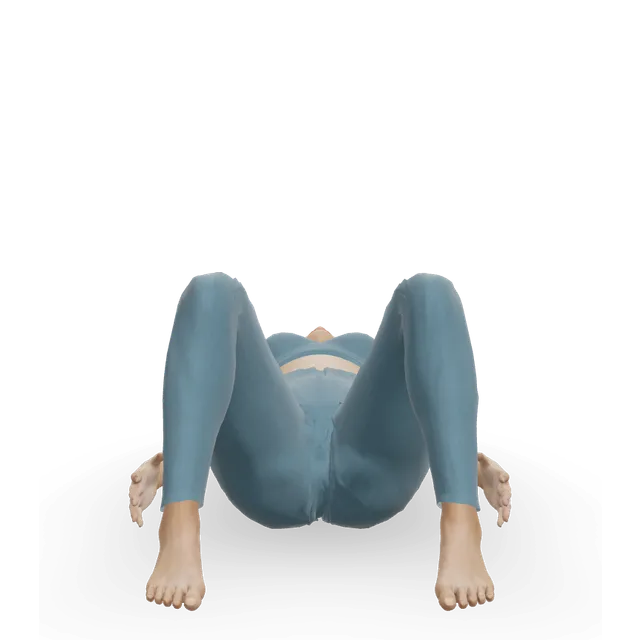
- Hip windshield wipers10 slow passes side to sideBeginner · Glutes, Adductors · 3D demoSmall range at first, and keep it small if spreading your knees hurtsEasier: Supine heel slideHarder: 90/90 switch


Gentle holds
- Supine isometric hip abduction (belt press)4 holds of 10 s at a light effortBeginner · Hip abductors, Glutes, Abs · 3D demoA belt round your thighs; press your knees out into itHarder: Lateral band walk
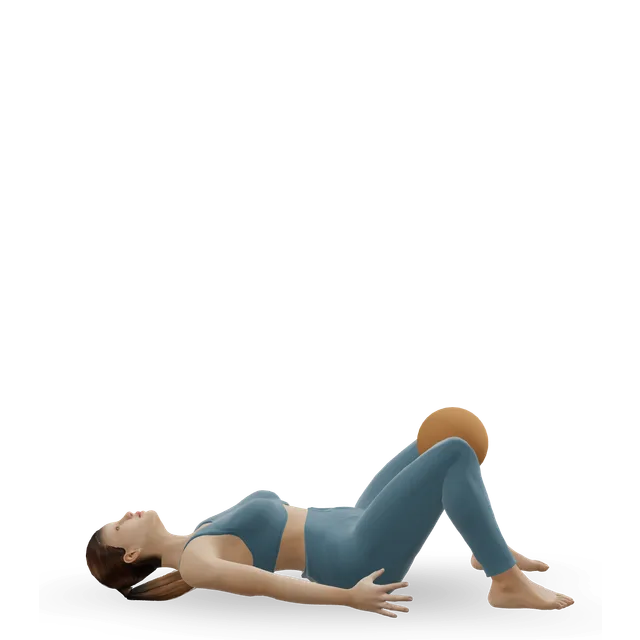
- Lying adductor ball squeeze5 holds of 5 to 10 sBeginner · Adductors, Abs · 3D demoA cushion or soft ball between your knees; squeeze gentlyHarder: Copenhagen plank
Strength circuit
2 rounds · Rest 45 to 60 s between rounds
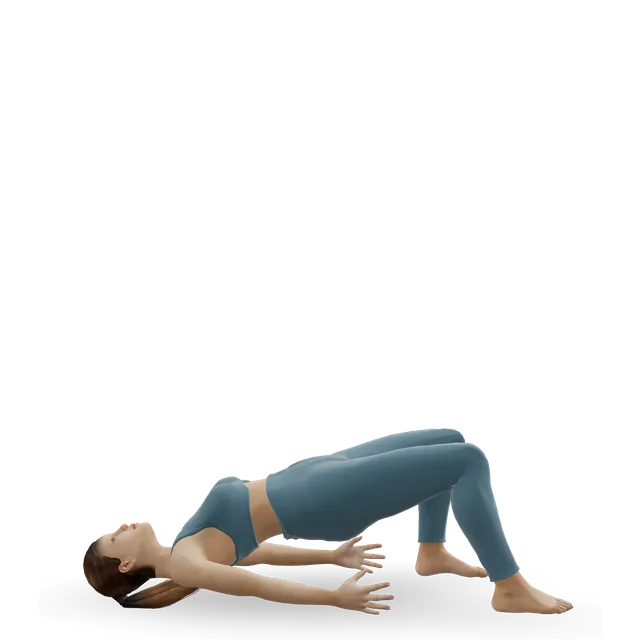
- Staggered-stance bridge (offset bridge)8 each sideBeginner · Glutes, Hamstrings, Hip abductors · 3D demoKeep both sides of your pelvis level at the topEasier: Pelvic tilt into bridgeHarder: Single-leg glute bridge
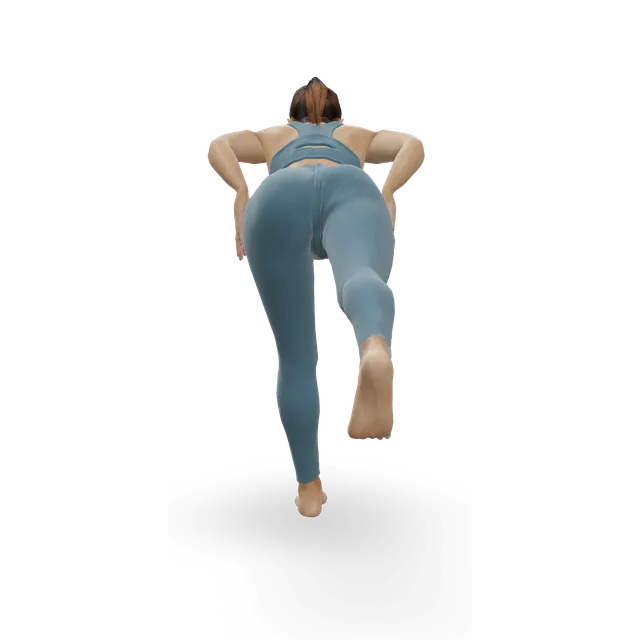
- Bird dog6 each side, 3 s holdBeginner · Back, Abs, Glutes · 3D demoDon't let your pelvis twist as the leg reaches; easier: one limb at a timeEasier: Bird dog, one limb at a timeHarder: Bear crawl
- Dead bug6 each sideBeginner · Abs, Hip flexors · 3D demoOnly as far as your lower back stays stillEasier: Dead bug heel tapsHarder: Forearm plank
- Knee side plank15 to 20 s each sideBeginner · Abs, Hip abductors, Shoulders · 3D demoHarder: Side plank
- Side-lying leg raise10 each side, slowlyBeginner · Hip abductors, Glutes · 3D demoHeel leads, toes pointing forwardEasier: Lateral band walkHarder: Lateral band walk, band at the feet




Balance
- Single-leg stand2 holds of 30 s each legBeginner · Hip abductors, Calves, Glutes · 3D demoBeside a counter; keep your pelvis levelEasier: Tandem stance and heel-to-toe walkHarder: Single-leg reach matrix
- Hip airplane2 sets of 5 slow turns each legAdvanced · Glutes, Hip abductors, Abs · 3D demoHold a support at firstEasier: 90/90 hip lift-offHarder: Flying pigeon (Eka Pada Galavasana)

Tips
- Do it 2 or 3 times a week for at least 6 weeks; the trials behind it ran for 6 to 20 weeks. Judge it by how you feel and move, not by how your pelvis looks.
- Work both sides the same. A 'rotation' found by hand is often just the shape of your pelvis, and these exercises don't move bones.
- Some discomfort is fine if it settles by the next day. Stop any move that brings sharp pain, and go back a step.
- To progress, do 3 rounds, swap the knee side plank for a full side plank, then add a half-kneeling Pallof press (2 sets of 8 each side) if you have a band and a safe anchor, or a suitcase carry.
- Pregnant, or had a baby recently? Follow your midwife or pelvic health physiotherapist, keep moves that spread your knees small, and skip single-leg work that hurts at the front of your pelvis.
- See a GP for pain after a fall, numbness or weakness in your legs, or changes in your bladder or bowels.
The doses are suggested starting points, not a prescription. Choose a range you can control and stop for sharp or increasing pain, numbness or tingling. Get individual advice after an injury or surgery, or if you are pregnant or managing a health condition.
Guides that recommend it
Find more moves like these
More strength at home



Beginner bodyweight workout
A 20-minute full-body workout with no equipment: squats, knee push-ups, bridges, lunges and planks.
20 minBeginner10 movesNo equipment


Full-body bodyweight workout
An intermediate no-equipment workout: push-ups, split squats, single-leg bridges, pike push-ups and core work.
30 minIntermediate11 movesNo equipment


Full-body dumbbell workout
A 35-minute full-body strength workout with dumbbells: goblet squats, presses, rows, Romanian deadlifts and carries.
35 minIntermediate9 movesA band, A dumbbellQuestions people ask
How long does the hip and core control routine: even strength around the pelvis take?
About 25 minutes, including any warm-up and cool-down listed. Shorten it by doing fewer rounds; lengthen it by adding one.
What equipment do I need?
You need: A band, Other / check instructions, A wall. Each move links to its guide, where you can find an alternative if you are missing something.
Is it suitable for beginners?
It is written for beginners. 7 of its 11 moves have an easier option listed beside them if you need one.
How do I make it easier or harder?
Use the easier or harder option listed under each move, change the number of rounds, or adjust the rest. Progress one change at a time.