Flying pigeon (Eka Pada Galavasana)
From standing figure four, the crossed shin hooks high across the upper arms, the elbows bend toward a right angle and the weight tips forward until the standing foot lifts and that leg straightens out behind. It is crow pose with one leg folded across the arms as in pigeon and the other reaching back. Yoga Journal says to stop at the wrap if the foot won't hook round the upper arm, and to read shoulder or knee pain as a sign that more preparation is needed.
Movement guide
Flying pigeon (Eka Pada Galavasana)
Make it easier or harder
Choose a version that fits your control and comfort.
Easier option
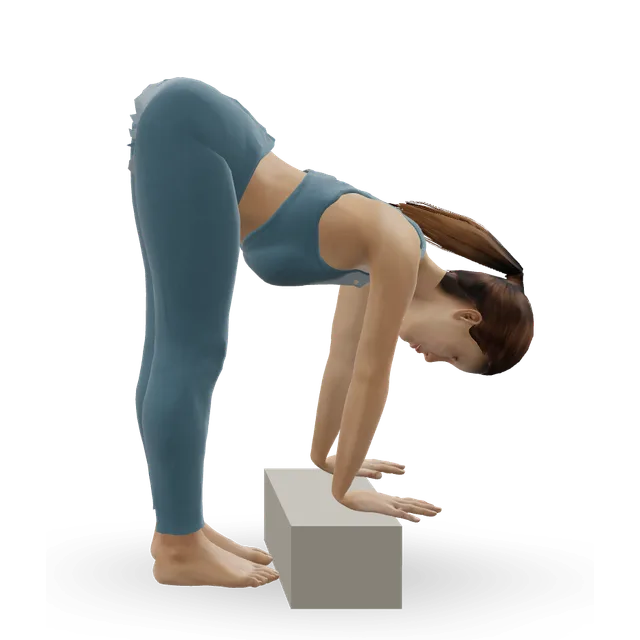 3D demoStanding splits (Urdhva Prasarita Eka Padasana)Advanced · No equipment
Similar move, advanced grade.
Harder option
Keep a comfortable range and follow any technique and timing given in the guide. A deeper stretch or more complex pose is optional, not a required next step. Ingram 2025 review of stretching and range of motion
Source-researched guide.
How to move
- Stand in chair pose and cross the left outer ankle over the right knee, the left foot strongly flexed.
- Fold forward, place the palms flat on the floor shoulder-width apart and bring the left shin high across the backs of the upper arms, hooking the left toes round the right upper arm.
- Bend the elbows and draw the chest forward, coming onto the ball of the right foot, until the elbows near a right angle and the foot gets light. Lift it, drawing the heel toward your seat.
- Straighten the right leg back and up toward hip height, the gaze slightly forward. Hold.
- To come out, bend the right knee, lower the foot, come back up to chair pose and uncross. Change sides.
Form cues
- Wrap the crossed foot firmly round the arm before you lean.
- A block under the standing foot lets you feel the lift before leaving the floor.
- Avoid: letting the hips swing open toward the lifted leg.
Practice and cautions
3 to 5 attempts of 5 to 15 seconds each side, resting about a minute between them, while you are fresh (our editorial starting point).
Falls go forward onto the face: put a firm cushion or folded blankets in front of your hands while you learn to lean, and come out the way you went in, bending the back knee to put the foot down. Wrist pain is common when the hands carry your weight: in a survey of 321 adults who practise handstands, 57% reported chronic wrist pain. Your full weight is on extended wrists; warm them up thoroughly and stop with any tingling or sharp wrist pain. Keep the crossed foot strongly flexed to protect that knee, expect to tip forward while learning, and skip the pose with wrist, shoulder or knee problems. This is movement education, not an assessment or treatment prescription. Stop for sharp or increasing pain, dizziness, numbness or tingling; seek individual guidance for symptoms, injury or restrictions.
Sources and review status
Sources support the educational description; they do not establish that this exercise is suitable for you.
- Yoga Journal · Challenge pose: flying pigeon (how-to: from chair pose, the outer ankle on the standing knee; stop at the wrap if the foot won't hook; shoulder or knee pain means more preparation) ↗
- Yoga International · Flying pigeon step by step (crow pose among its preparations; a block under the standing foot; come out with control) ↗
- Martonovich 2025 · 57% of 321 adults who practise handstands, about a quarter of them from yoga, reported chronic wrist pain (cross-sectional survey, J Funct Morphol Kinesiol; a sibling skill) ↗
No variation is labeled clinically validated.
What it works
Muscles
Main: Shoulders, Triceps, Glutes. Also: Abs, Hamstrings, Chest.
Anatomy: Deltoid, Rotator cuff, Supraspinatus, Infraspinatus, Subscapularis, Teres minor.
Equipment
None: body weight and floor space.
Level
Expert. See the easier and harder options above.
Similar moves
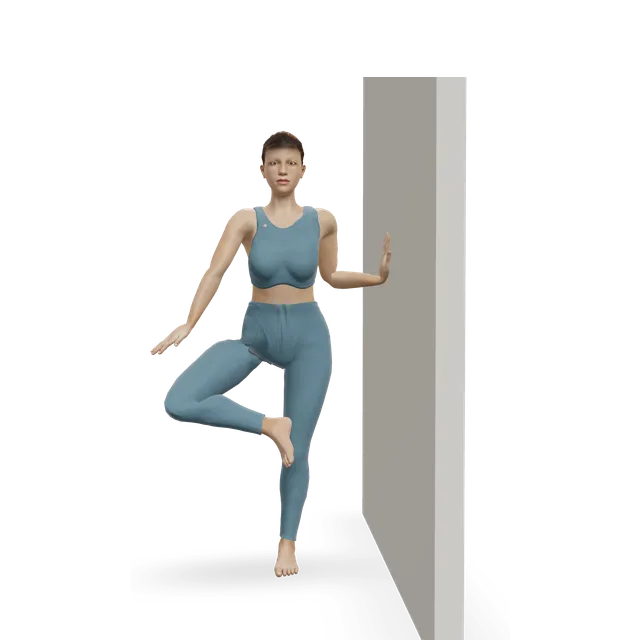 3D demoStanding figure four (chair pigeon, Eka Pada Utkatasana)Intermediate · A wall
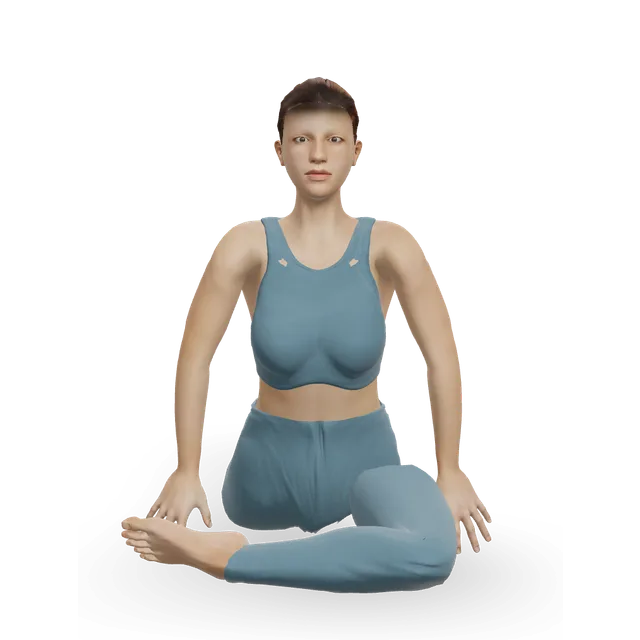 3D demoPigeon preparation (Eka Pada Rajakapotasana prep)Intermediate · No equipment
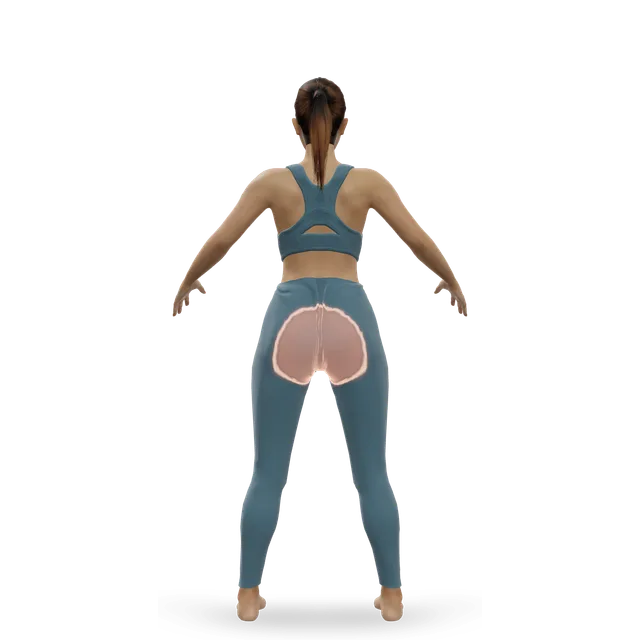 One-legged king pigeon (Eka Pada Rajakapotasana, full)Expert · No equipment
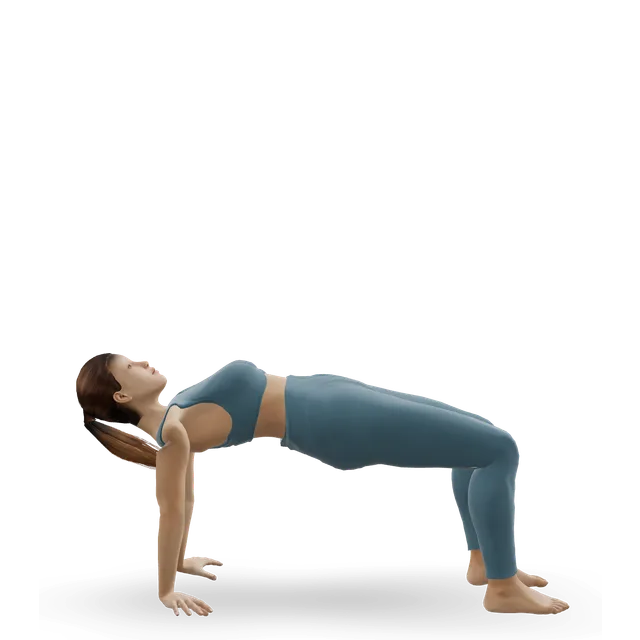 3D demoCrab reachIntermediate · No equipment
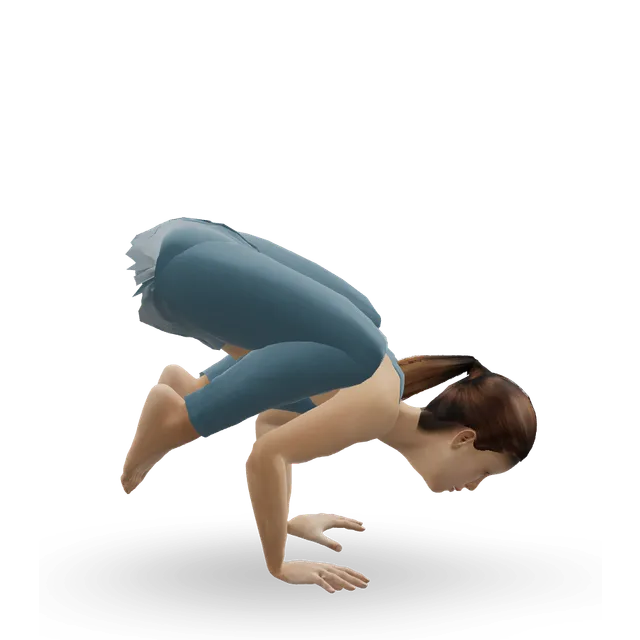 3D demoCrow pose (Bakasana)Intermediate · No equipment
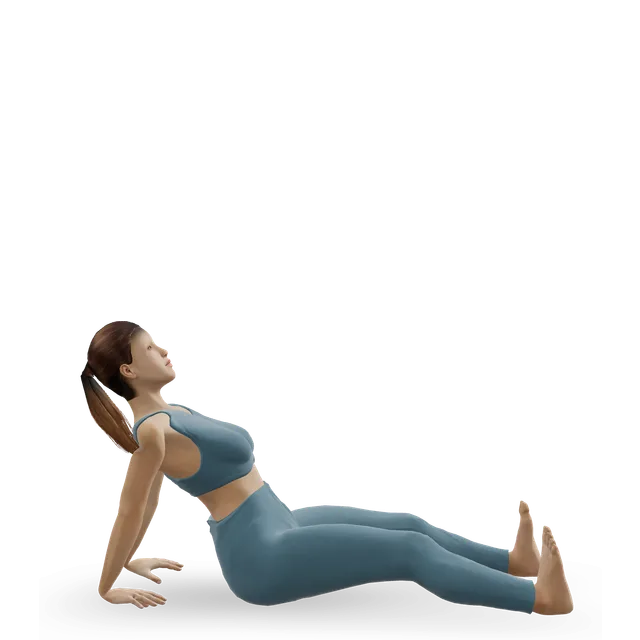 3D demoUpward plank pose (Purvottanasana)Intermediate · No equipment
Browse more
Questions people ask
What muscles does the Flying pigeon (Eka Pada Galavasana) work?
Mainly the shoulders, triceps and glutes, with help from the abs, hamstrings and chest.
What equipment do I need for the Flying pigeon (Eka Pada Galavasana)?
No equipment: your body weight and a little floor space.
Is the Flying pigeon (Eka Pada Galavasana) good for beginners?
It is an advanced move. Build up to it with the Standing splits (Urdhva Prasarita Eka Padasana) first.
What is an easier alternative to the Flying pigeon (Eka Pada Galavasana)?
Try the Standing splits (Urdhva Prasarita Eka Padasana) or the Sots press. It works similar muscles at a lower grade.