What a sit-up asks of the hip, and what no study has countedEmerging evidence
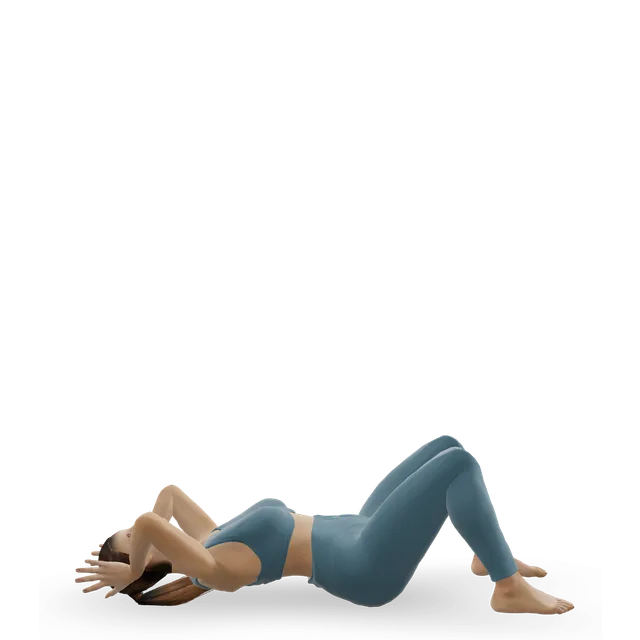
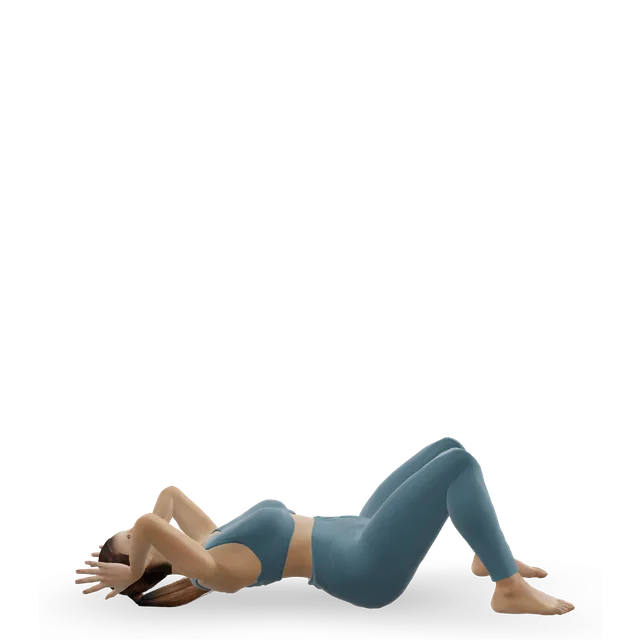
A crunch curls your head and shoulders up until your shoulder blades leave the floor. A sit-up keeps going until your trunk is upright, so the hip flexors (the psoas and iliacus deep in the hip, and the rectus femoris at the front of the thigh) pull your trunk up the rest of the way. Every form of sit-up worked the psoas at 15% to 35% of its maximum in 8 people, against under 10% in a curl-up.
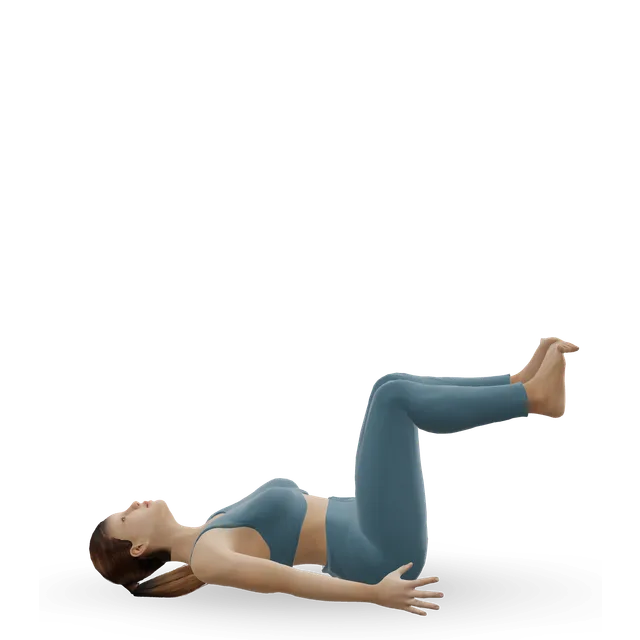
Holding the feet down lowered tummy-muscle activity and raised rectus femoris activity in 14 people, and in 23 British Army personnel feet-held sit-ups and curl-ups raised it further as they tired. Bent knees don't switch the hip flexors off: in a small study of 6 men, bent, supported legs raised hip flexor activity in sit-ups that bend at the hip (the iliacus at 80 on that study's scale, against 60 with straight legs and about 17 in a curl that only lifts the trunk). What lowered it was a smaller range, a sit-up that curls the trunk rather than swinging up from the hips, and squeezing the hamstrings as you rise (the Janda sit-up).
No study has counted hip or groin pain caused by sit-ups, tested anchored against free feet for pain, or followed people with hip flexor pain on sit-ups. The lab studies are in healthy, mostly young adults and soldiers.