Exercise helps back pain, but "core" exercise isn't specialStrong evidence
Across 249 trials, exercise eased long-lasting back pain by about 15 points out of 100 against no treatment, usual care or a placebo (moderate certainty), with mostly minor harms such as soreness. Motor control ("core") exercise beat minimal treatment but was no better than other exercise (29 trials, 2,431 people); stabilisation exercise was no better than other active exercise in the long term, and beat general exercise only in the short term (5 trials, 414 people). Two network analyses ranked Pilates highly and concluded that people should do the exercise they enjoy, and NICE suggests a group exercise programme of any type. A summary of a 2021 consensus for elite rowers goes further, saying static exercises such as planks are unlikely to help (expert opinion). So this plan uses planks as one part of a mix, not as the cure.
Sources 27, 28, 29, 30, 31, 32, 20, 33
The only plank trial for back pain is tinyEmerging evidence
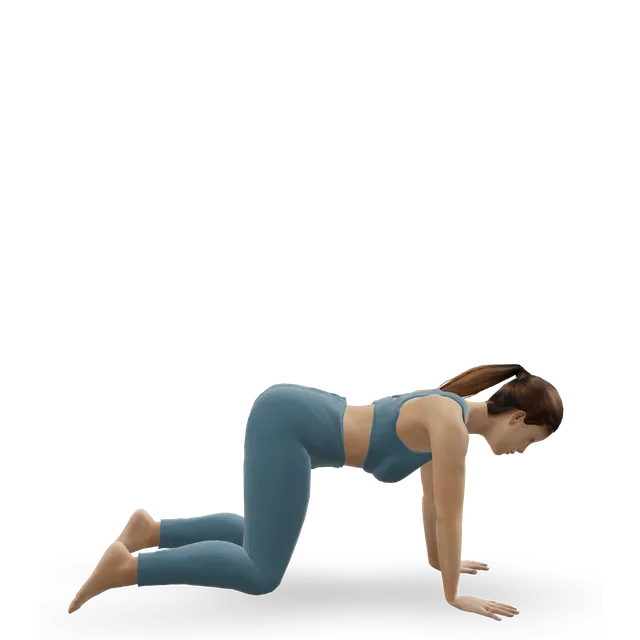
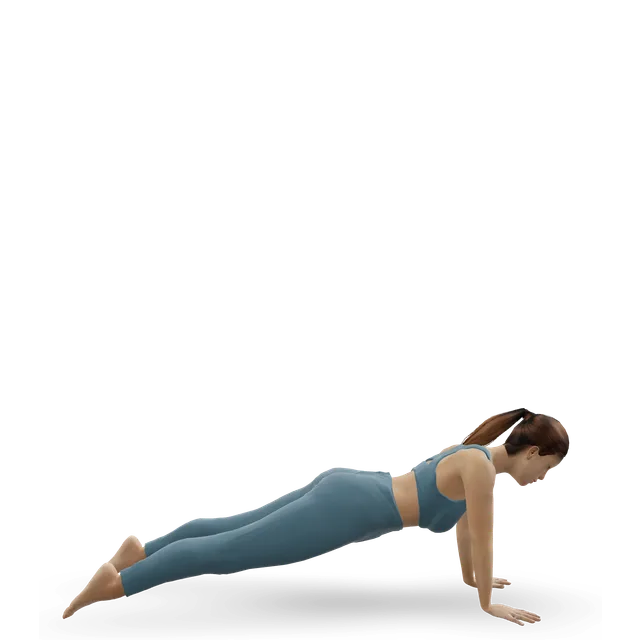
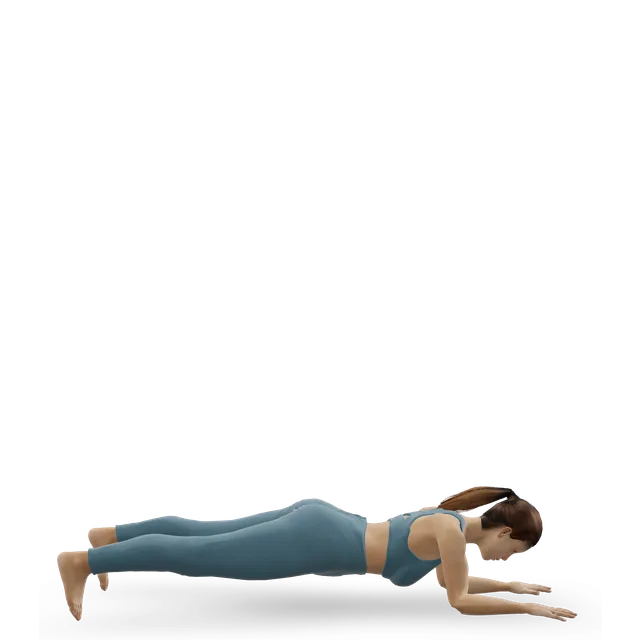
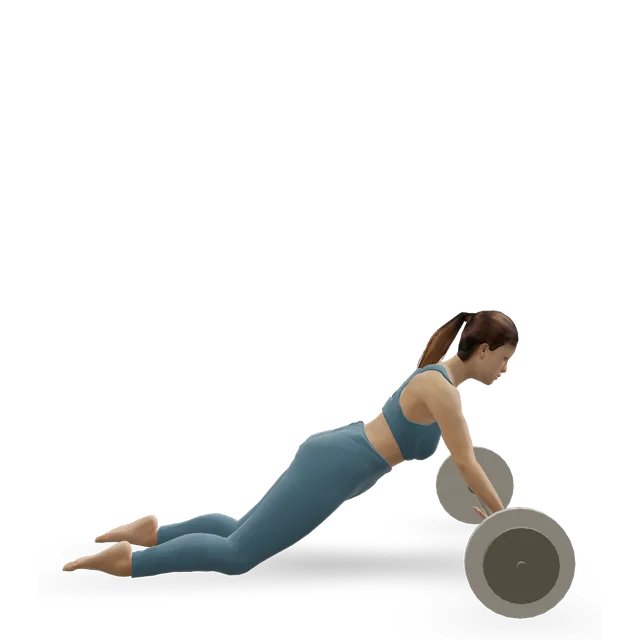
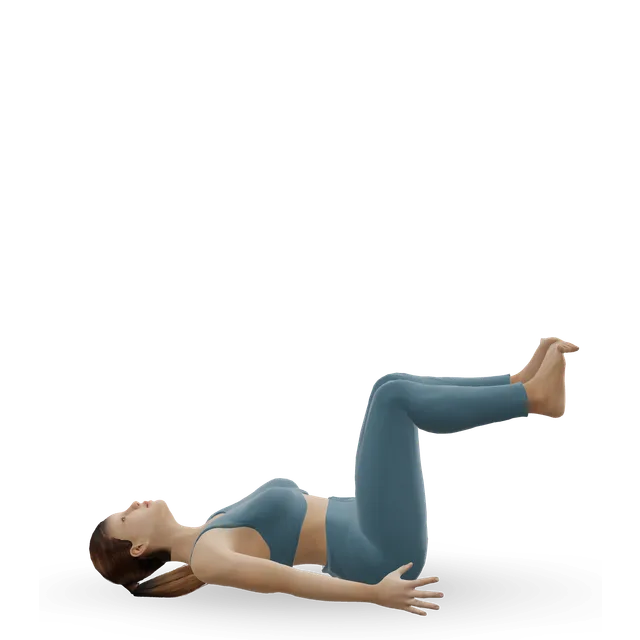
One small trial randomised 38 people with long-lasting back pain to two kinds of bridge on the back or to the plank (a prone bridge): 5 holds of 30 seconds with 30 seconds' rest, 3 sets a day, 3 days a week for 8 weeks, supervised. Disability scores fell further with the plank (from 44 to 24 out of 100) than with the bridges (about 12 points), but the plank group started worse, nobody was blinded and there was no group without exercise. Its companion paper reported that after the 8 weeks, deep and side tummy muscle activity rose more with the plank than with the bridges (45 people enrolled, 38 analysed).
One NHS trust's back leaflet, now past its expiry date, uses five 30-second forearm planks, 3 to 4 times a week; NHS inform's back exercises include no plank.
Sources 34, 35, 36, 37
Planks aren't shown to harm the back, but no one has measured the loadEmerging evidence
The back muscles work at about 5% of their maximum in a plank, and trials of core exercise for back pain reported minor or no side effects. The lab team that measured muscle activity in planks suggests knee planks for people who need to keep spinal compression low, reasoning from muscle activity rather than a measured load. No study we opened measured the compression or shear on the lower spine in a front plank, and a high spinal load quoted for the full side plank is a figure we could only find second-hand. So the honest claim is that planks are not shown to harm the back, not that they are proven safe.
Sources 1, 28, 5, 6
Plank times and back pain don't line upMixed evidence
In a clinic sample, 32 people with long-lasting back pain held a plank for 28 seconds on average, against 73 seconds in 43 people without. In 34 active adults, those with mild back pain held planks about as long as those without (99 against 105 seconds, no real difference). In 117 adults, mostly students, those with back pain held longer, and plank time didn't predict back pain once other factors were counted. A plank test is not a test for back pain, and a long plank doesn't show a healthy back.
Sources 38, 39, 40
A weak core doesn't predict back painStrong evidence
A review of 26 cohort studies found strong evidence that trunk muscle endurance has no relationship with the risk of low back pain, and across 12 cohorts (5,459 people) neither tummy strength nor back endurance predicted it, though in one Danish cohort of 928 adults, weaker back-muscle endurance went with first back trouble in men. In 4,147 soldiers, core stabilisation exercise prevented no more back pain than sit-ups.
Sources 41, 42, 43, 44
The hip flexors: they work in a plank, but tightness isn't the causeEmerging evidence
The rectus femoris works at about 20% of its maximum in a plank on the toes, and in fine-wire recordings push-ups worked the deep hip flexor (the psoas) at up to 25% (a straight-arm plank is the top of a push-up; our inference). But in 118 adults, tight hip flexors weren't linked with back pain once body weight was counted, and in 600 adults hip flexor length wasn't linked with back pain while weaker hip flexors were. Strength comes before stretching.
Sources 1, 45, 46, 47
Hold length: shorter, repeated holds are sensible, not provenMixed evidence
No trial has compared short and long plank holds for back pain. Holds mostly end at the arms and legs, and in 30 adults holding a plank to failure, untrained people leaned more on their back muscles throughout than trained people (muscle activity only). Back-muscle oxygen fell during 30-second seated holds even at 2% of maximum effort in 8 adults, 6 weeks of hold-based training stiffened the trunk in healthy men, and in 15 trained adults a single 3-minute plank, but not a 1- or 2-minute one, caused short-term muscle swelling and loss of force.
Blood pressure passed a safety limit within about 50 seconds of a plank in 97% of 62 healthy adults, with no harm reported. So this guide uses short holds, repeated, and makes planks harder rather than longer.
Sources 3, 48, 49, 50, 51, 52
Plank cues: tuck, brace, and don't suck inEmerging evidence
In lab studies of healthy people, a slight backward tuck of the pelvis with the shoulder blades drawn together drew the most trunk muscle activity, including the back muscles, and felt hardest (15 adults); a long-lever plank with a pelvic tuck drew more ab activity than a standard plank (19 adults). Drawing the tummy in (hollowing) raised side and back muscle activity, not six-pack activity, and felt much harder (20 adults). In 8 men standing, bracing (tightening all round) improved modelled spine stability by 32% for a 15% rise in compression, and the authors saw no mechanical reason to hollow. None of these studies measured pain.
Sources 53, 54, 55, 56
After a birth, in pregnancy, with thin bones or a heart conditionEmerging evidence
The NHS says try to avoid sit-ups, planks and high-impact exercise to start with after a birth, and to begin with gentle tummy exercises. In pregnancy, it says it's usually fine to keep doing activities you already do, not to start a new vigorous activity, and to avoid lying flat on your back for long later on; neither the NHS nor the American College of Obstetricians and Gynecologists mentions planks.
With osteoporosis, a UK consensus advises changing or avoiding sustained, repeated or end-of-range forward bending, and engaging the tummy muscles; neither it nor the Royal Osteoporosis Society's exercise page mentions planks, so the view that planks suit thin bones is our reading of that guidance. With heart failure, the British Heart Foundation says avoid using your whole body as a weight, such as press-ups or planks.
Sources 25, 57, 58, 59, 60, 61