GHD sit-up (glute-ham developer)
With your feet fixed in a glute-ham developer and your hips on the pad, you lower your trunk back through a long arc until your hands pass beyond your head, then sit up sharply, straightening your knees as you come. It travels much further than a floor sit-up and works the hip flexors hard. In a case report, 60 unaccustomed GHD sit-ups in a competition workout were followed by rhabdomyolysis, a severe breakdown of muscle, with pain lasting 25 days.
Movement guide
GHD sit-up (glute-ham developer)
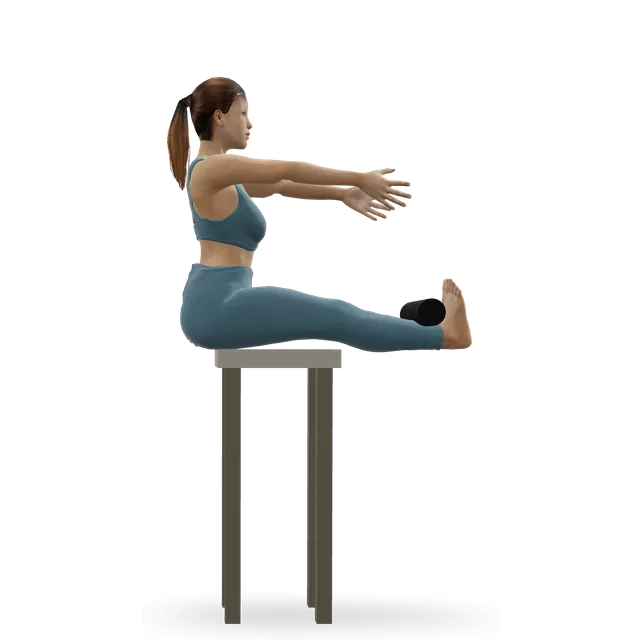
Loading the 3D figure…
Make it easier or harder
Choose a version that fits your control and comfort.
Easier option
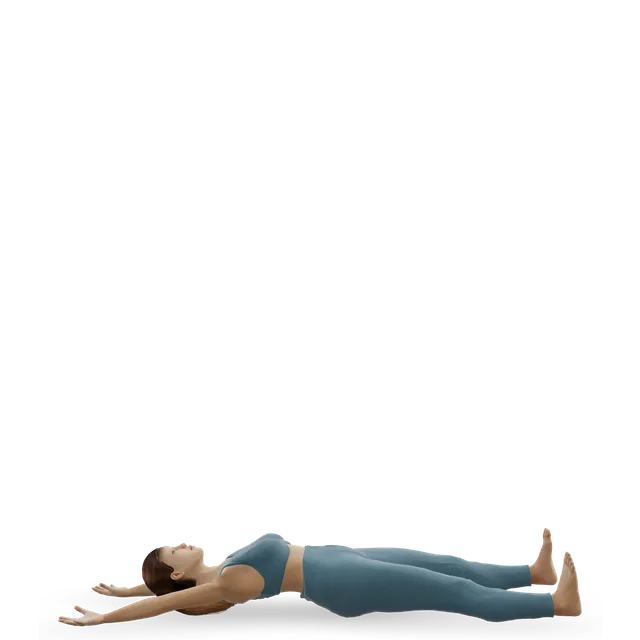 3D demoJackknife sit-up (V-up)Advanced · No equipment
Similar move, advanced grade.
Harder option
Keep this variation and develop the control, repetitions or hold described in its guide before changing skills. ACSM 2026 resistance training position stand
Source-researched guide.
How to move
- Set the foot plate so your hips sit just past the seat pad with your knees slightly bent, and hook your feet firmly under the rollers.
- Sit up tall with your arms reaching forward.
- Lower your trunk backwards under control, letting your arms trail overhead, at first only until your trunk is level with the floor; take your hands back past your head toward the floor only after weeks of practice.
- Come back up by straightening your knees sharply and curling your trunk forward, finishing sitting tall.
Form cues
- Few reps and a short range until your abdominals have adapted.
- Kick your knees straight to come up.
- Avoid: letting your head drop back at the bottom.
Practice and cautions
3 sets of 5 partial-range reps to start (our editorial starting point); add range before reps, over several weeks.
Sit-ups load the lower back heavily: modelled compression passed 3,000 newtons in sit-ups lowered to horizontal, knees bent or straight. Case reports link high volume first exposures to rhabdomyolysis, muscle breakdown serious enough to damage the kidneys. It also travels backwards through an unsupported arc, so avoid it with osteoporosis, neck problems or any current back pain, fix the feet securely, and never do it for reps against a clock. After abdominal or bowel surgery (including gallbladder or appendix removal, a hernia repair, hysterectomy, caesarean, weight-loss surgery or a kidney or liver transplant), or with a stoma, leave this out while your tummy heals: UK stoma and hospital leaflets advise against sit-ups and double leg raises at first. Build up through gentler core exercises, breathe out on the effort, and stop if you notice bulging around a scar or stoma. This is movement education, not an assessment or treatment prescription. Stop for sharp or increasing pain, dizziness, numbness or tingling; seek individual guidance for symptoms, injury or restrictions.
Sources and review status
Sources support the educational description; they do not establish that this exercise is suitable for you.
- CrossFit (Glassman 2005) · The glute-ham developer sit-up (newcomers lower only to parallel, the knees straighten sharply on the way up; no big first sessions) ↗
- Tibana 2018 · Rhabdomyolysis after an unaccustomed set of 60 GHD sit-ups in a competition: creatine kinase 77,590 U/L and muscle pain for 25 days (case report, Sports) ↗
- Naidu 2024 · Severe rhabdomyolysis in a 17-year-old after 200 sit-ups (case report, Int J Community Med Public Health) ↗
- McGill 1995 · Sit-ups compressed the lower back by more than 3,000 newtons, knees bent or straight (modelling study of 12 men, Clin Biomech) ↗
No variation is labeled clinically validated.
What it works
Muscles
Main: Abs, Hip flexors. Also: Quads.
Anatomy: Rectus abdominis, Obliques, Transversus abdominis, Iliopsoas, Rectus femoris, Pectineus.
Equipment
An anchor point
Level
Expert. See the easier and harder options above.
Workouts that use it
Pain guides that use it
Part of a staged plan, with when to get help first.
Guides that use it
Similar moves
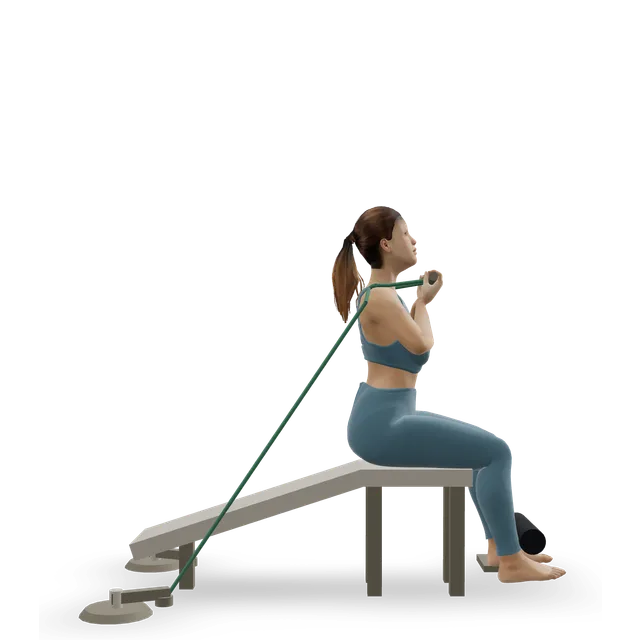
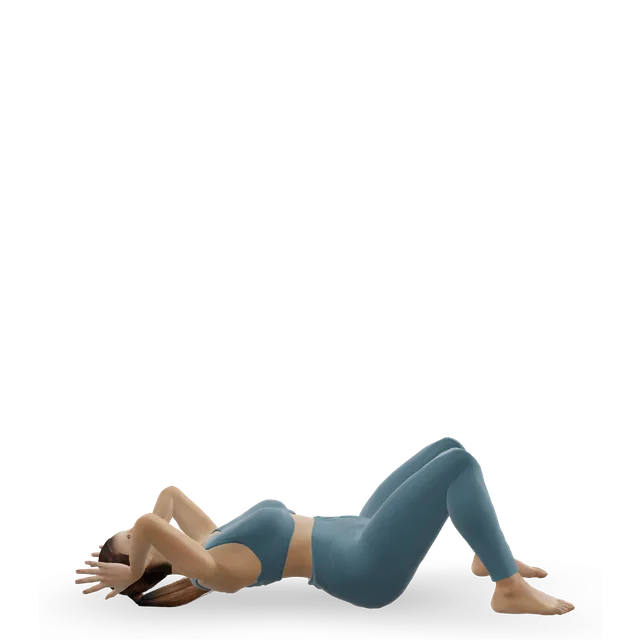
Browse more
Questions people ask
What muscles does the GHD sit-up (glute-ham developer) work?
Mainly the abs and hip flexors, with help from the quads.
What equipment do I need for the GHD sit-up (glute-ham developer)?
An anchor point.
Is the GHD sit-up (glute-ham developer) good for beginners?
It is an advanced move. Build up to it with the Jackknife sit-up (V-up) first.
What is an easier alternative to the GHD sit-up (glute-ham developer)?
Try the Jackknife sit-up (V-up) or the Barbell press sit-up. It works similar muscles at a lower grade.