Sports training
Strength workout for sailors: hiking holds, heavy legs, back extensors, pulling and trunk
Hiking is a held effort of the thighs and trunk, and sailors with stronger thighs tend to hike harder and tire less. In a trial in 24 highly trained dinghy sailors, two extra hiking-bench sessions a week for 8 weeks made hiking more economical and delayed fatigue. This session starts with that trial's first-week holds, then builds the maximal leg strength and trunk endurance that go with better hiking, plus pulling, grip and shoulder care. Nothing here has been tested on sailing injuries; buoyancy aids and cold-water know-how keep you safe on the water. You need a glute-ham developer or hiking bench, a 45-degree back-extension bench, a barbell and rack, a leg-extension machine, a cable or band, heavy dumbbells or kettlebells and a light band.
Warm-up
- Indoor rowing (rowing machine)3 to 5 min easyBeginner · Quads, Glutes, Back · 3D demoOr easy cyclingHarder: Stair climbing
- Intermediate · Shoulders, Back · 3D demoA light bandEasier: Prone Y-T-W raisesHarder: Tuck back lever
- Thoracic rotation6 each sideBeginner · 3D demoSlowEasier: Side-lying open bookHarder: World's greatest stretch
- Beginner · Quads, Glutes, Hamstrings · 3D demoSit between your heelsEasier: Sit squat (partial squat)Harder: Dumbbell goblet squat




Hiking holds, from the hiking-bench trial
Rest 60 s
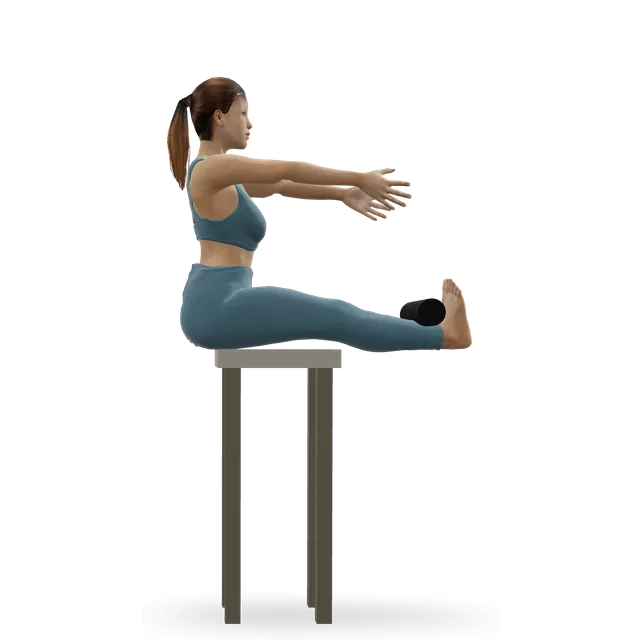
- GHD sit-up (glute-ham developer)3 × 30 to 45 s held at your hiking angle in week 1, 4 sets from week 2Expert · Abs, Hip flexors, Quads · 3D demoThe trial used a hiking bench; this held sit-up position is the nearest move. Feet hooked, thighs on the pad, knees almost straight; lean back only as far as you can hold with a flat lower back, never below horizontalEasier: Jackknife sit-up (V-up)
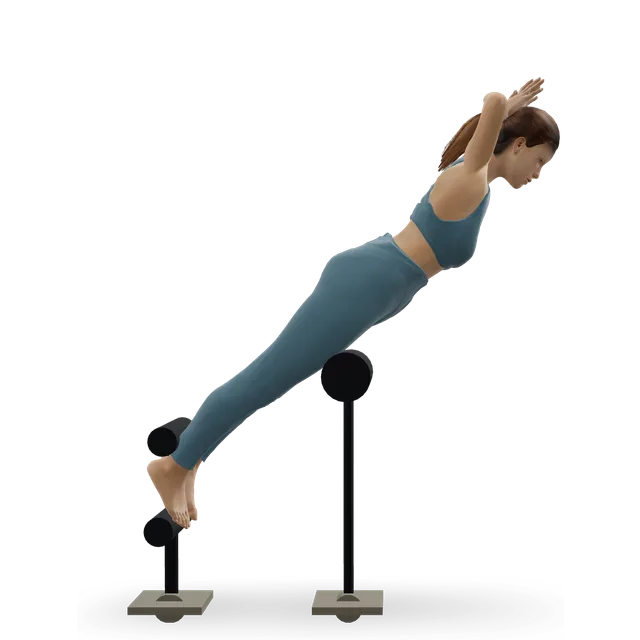
- Back extension on a 45-degree bench3 × 30 to 45 s held at the topIntermediate · Back, Glutes, Hamstrings · 3D demoThe trial's held back-extensor exercise; finish straight, not archedEasier: Ball back extensionHarder: Horizontal back extension (hyperextension, Roman chair)
Heavy legs
Rest 2 to 3 min between sets
- Barbell back squat3 × 5 to 6, after lighter ramp-up setsAdvanced · Quads, Glutes, Hamstrings · 3D demoFull depth you can controlEasier: Bodyweight squatHarder: Overhead squat
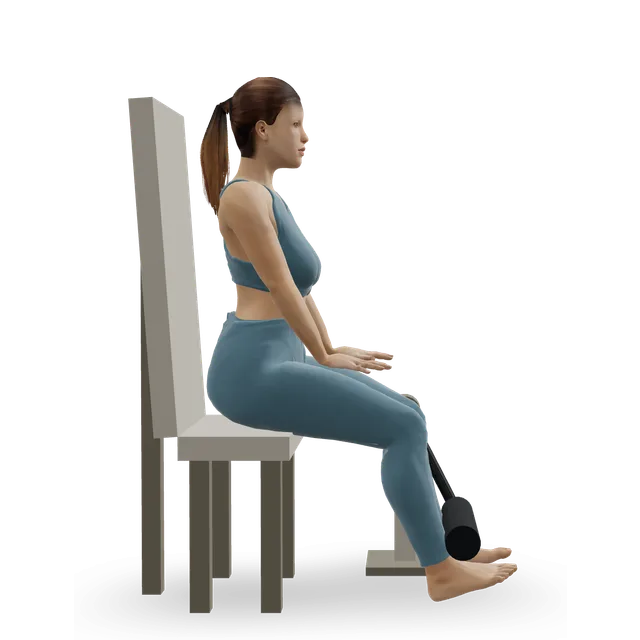
- Leg extension3 × 8 to 10Beginner · Quads · 3D demoSlow on the way down; stop for pain at the front of the kneeEasier: Straight-leg raiseHarder: Barbell box squat

Pulling
Rest 2 min between sets
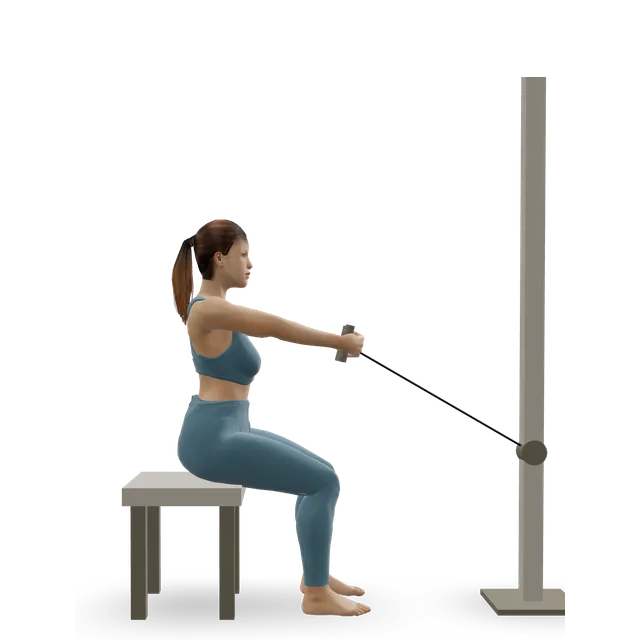
- Seated cable row3 to 4 × 5 to 6, at about 80% of your maximumBeginner · Back, Biceps, Shoulders · 3D demoPull smoothly over about 2 seconds, like sheeting inHarder: Supported single-arm dumbbell row
Trunk and grip
- Side plank2 × 20 to 40 s each sideIntermediate · Abs, Hip abductors, Shoulders · 3D demoHips highEasier: Knee side plankHarder: Side plank with leg lift
- Half-kneeling Pallof press10 each sideBeginner · Abs, Glutes, Shoulders · 3D demoPress out and don't let the band turn youHarder: Pallof press
- Farmer's carry3 walks of 20 to 30 mBeginner · Forearms, Abs, Shoulders · 3D demoStand tall; heavy enough to test your gripHarder: Suitcase carry



Shoulder care
- Standing band external rotation2 × 12 to 15 each armBeginner · Shoulders, Back · 3D demoElbow at your side; slow on the way backEasier: Stick-assisted external rotation (lying)Harder: Side-lying external rotation
- Prone Y-T-W raises2 × 5 of each shapeBeginner · Back, Shoulders, Neck · 3D demoThumbs up, lightEasier: Wall angelHarder: Bent-over reverse fly


Tips
- Twice a week; the hiking-bench trial ran for 8 weeks. Its later weeks: crunches, side bends and trunk rotations while hiking (4 sets of 30 to 60 seconds, with bands in week 4), then single-leg hiking and "hands up" with 2.5 to 5 kg, then medicine-ball passes and throws while hiking (4 sets of 45 to 60 seconds).
- No hiking bench or glute-ham developer, or new to held sit-up positions? Shallow wall sits and back-extension holds train the same muscles, though not the hiking position (editorial). Stop any hold that hurts your lower back.
- Warm up to the squat with lighter sets: about half your working weight for 8 reps, then about three-quarters for 3, and a heavier set before sets of 5 or fewer, as our warm-up guide suggests.
- Hiking holds raise blood pressure. Breathe throughout, and if you have high blood pressure or heart disease, talk to your GP before hard held efforts (our suggestion).
- Before a windy regatta after a calm spell, ILCA coaches add hiking-bench work; in the last week or two, cut the volume and keep the intensity.
- Big-boat grinders: bench press strength and bench pull power track grinding. Add bench presses and fast bent-over rows (3 × 3 to 5, our suggestion).
The doses are suggested starting points, not a prescription. Choose a range you can control and stop for sharp or increasing pain, numbness or tingling. Get individual advice after an injury or surgery, or if you are pregnant or managing a health condition.
Guides that recommend it
Find more moves like these
More sports training

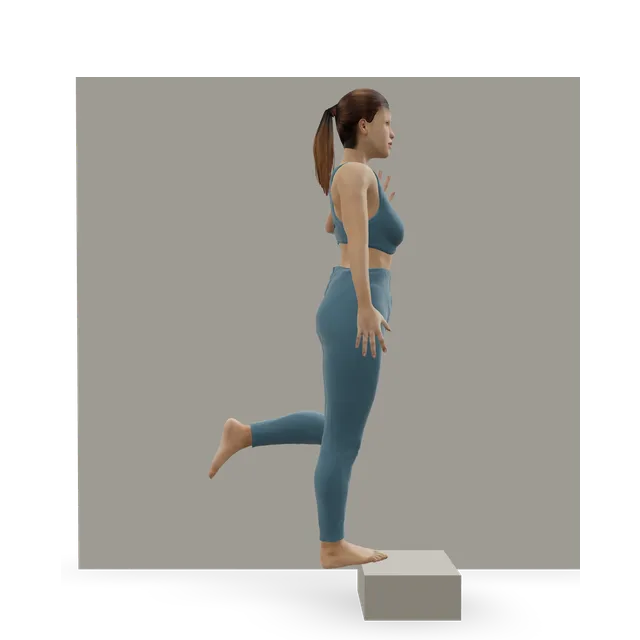

Injury prevention exercises for runners
Foot, calf, balance and hop exercises taken from the running trials with positive results, in a 25-minute home routine for 3 or 4 days a week.
25 minBeginner11 movesOther / check instructions, A bench or box



Plyometrics for runners
A 20-minute hop and bound session for runners: ankle bounces to pogo hops, one-leg hops and bounding, building foot contacts slowly over 10 weeks.
20 minIntermediate8 movesCardio machine


Strength workout for cyclists (gym)
A 50-minute gym session for cyclists: heavy squats, one-leg presses, hip flexion and calf raises as in the cycling trials, plus jumps for bone.
50 minIntermediate13 movesCardio machine, A barbellQuestions people ask
How long does the strength workout for sailors: hiking holds, heavy legs, back extensors, pulling and trunk take?
About 50 minutes, including any warm-up and cool-down listed. Shorten it by doing fewer rounds; lengthen it by adding one.
What equipment do I need?
You need: Cardio machine, A band, An anchor point, A bench or box, A barbell, Strength machine, A cable machine, A dumbbell, A kettlebell. Each move links to its guide, where you can find an alternative if you are missing something.
Is it suitable for me?
It is written at intermediate level. 10 of its 14 moves have an easier option listed beside them; use them freely.
How do I make it easier or harder?
Use the easier or harder option listed under each move, change the number of rounds, or adjust the rest. Progress one change at a time.