What a sit-up asks of the lower back, and what no study has countedEmerging evidence
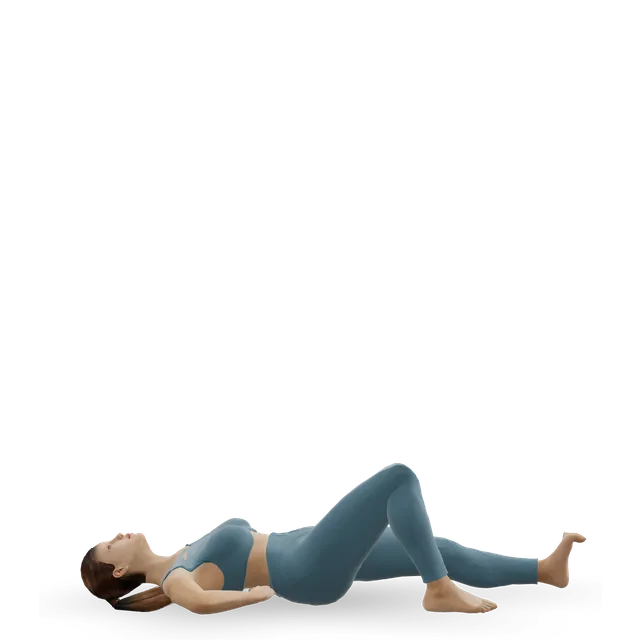
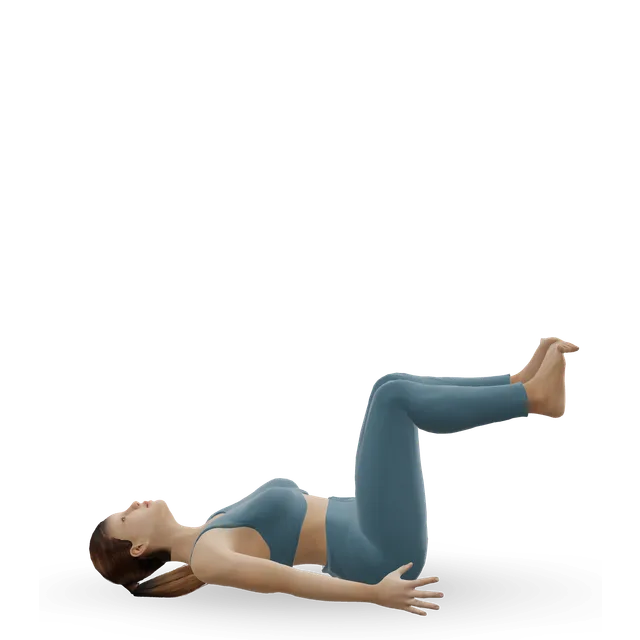
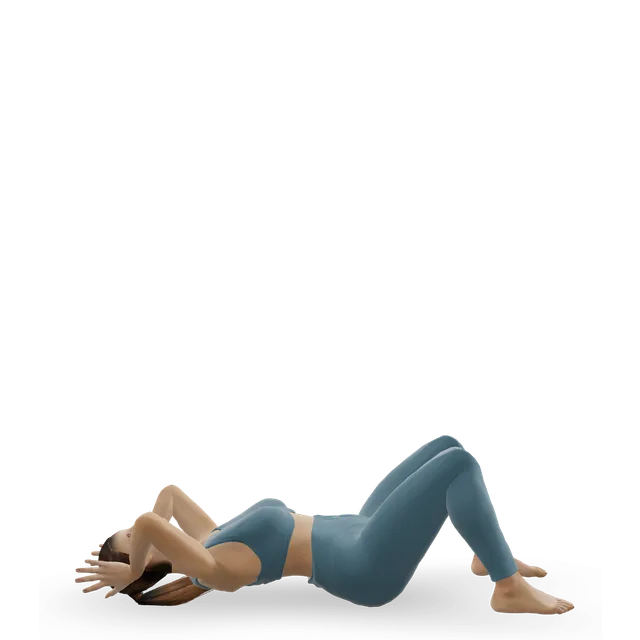
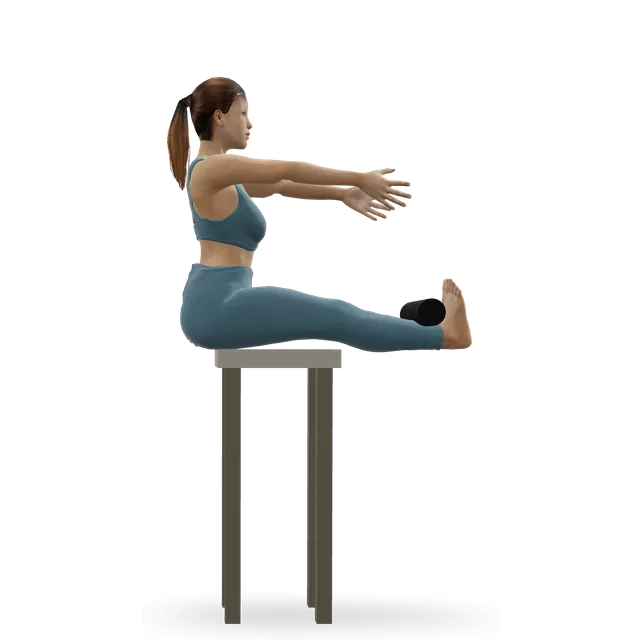
A crunch curls your head and shoulders up until the shoulder blades leave the floor, bending mostly the upper back. A sit-up keeps going until your trunk is upright, so the hip flexors (the psoas, the iliacus and the rectus femoris) pull the pelvis and lower spine up too: every form of sit-up worked the psoas at 15% to 35% of its maximum in 8 adults, against under 10% in a curl-up.
That second half is where the lower back's load climbs. In a lab model of 12 young men, compression of the lower spine passed 3,000 newtons (N) in both bent-knee and straight-leg sit-ups. A curl-up that lifts only the shoulder blades bent the lower back about 3 degrees, against 38 in a full sit-up, and of 12 ab exercises tested in 9 volunteers, partial curl-ups gave the most tummy-muscle work for the least spine load.
No study has counted back pain caused by sit-ups or tested a change to the sit-up for back pain. The evidence is lab and modelling studies in healthy young adults, trials in young soldiers, trials of exercise for back pain in general, a UK consensus on osteoporosis, case reports and NHS pages. That a sore back complains at the moment the hip flexors take over is our reading of these studies.
Sources 1, 2, 3, 4, 5, 6, 7, 8
Where it hurts, and who gets itEmerging evidence
No study gives the share of each cause in sit-ups. An ache across the lower back as you curl or lower is usually ordinary low back pain, the commonest kind: the NHS names a pulled muscle (strain) as a common cause of back pain and says back pain is rarely caused by anything serious.
The people it usually bothers, in our reading: people who jump to full, decline, weighted or GHD sit-ups, timed tests or challenges after little ab work; people whose back already dislikes bending forward; and people training on a hard floor with little padding.
Some pain during sit-ups isn't the back. A sudden sharp pain in one spot of the tummy wall is usually a strain; one man's six-pack muscle was damaged after he started 30 to 40 sit-ups a day. A lump that is bigger when you strain and smaller lying down can be a hernia, which the NHS asks a GP to examine. A ridge down the middle of the tummy during or after pregnancy is a gap between the six-pack muscles: about half of first-time mothers have one at 6 weeks, and the NHS says it usually closes by 8 weeks after the birth.
Sources 9, 10, 11, 12, 13, 14, 15
The hip flexors and anchored feetEmerging evidence
Holding the feet down lets the hip flexors pull you up. With the feet fixed, tummy-muscle activity fell and rectus femoris (a hip flexor) activity rose in 14 people; in 23 British Army personnel, feet-held sit-ups and curl-ups drew more rectus femoris work, rising as they tired; and in 6 men, bent and supported legs raised hip flexor work in full sit-ups without adding tummy work. In a review of 9 studies, the iliacus worked at about 80% of its maximum in full sit-ups with the feet supported, against about 17% in a trunk-only curl.
No study has measured spine load with the feet held against free, so the honest message is about where the work goes: anchored feet mean more hip flexor work. Two muscle activity studies called the bent-knee sit-up's high hip flexor work possibly a problem for people with back problems, which is the authors' opinion, and the traditional army sit-up was mostly hip flexion.
Sources 16, 17, 18, 19, 20, 21, 22
The tailbone and the bony spineEmerging evidence
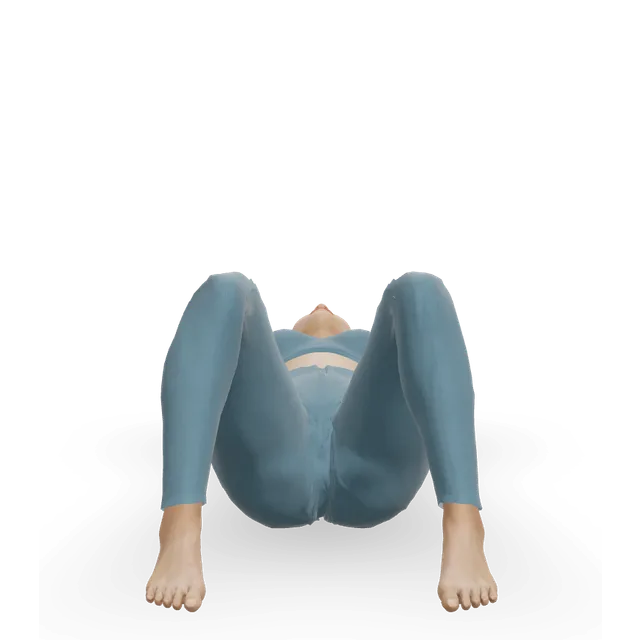
"Sit ups hurt my tailbone" is the first thing Google suggests after "sit ups hurt my". Lying on a hard floor and rolling up presses and rubs the tailbone and the bony bumps of the lower spine on every rep. The NHS lists a fall onto the coccyx and "repeated or prolonged strain on the coccyx" among causes of tailbone pain, and says it is often worse sitting, sitting down or standing up, bending forward and having a poo.
No study links sit-ups to tailbone pain or to rubbed skin over the spine, so the floor explanation is our reading. A thick mat, a folded towel under the tailbone, a smaller range and no rocking are our suggestions; tailbone pain that lingers when you sit belongs to our tailbone pain guide.
Source 11
Discs, bending and the pig spine studiesMixed evidence
Disc pressure rises with forward bending and with many commonly prescribed strengthening exercises. Young pig neck segments herniated when they were bent and straightened over and over under load, up to 86,400 times at one a second.
The review that weighs these studies points out they used dead animal tissue bent continuously, far beyond any workout, that living tissue adapts, that it is premature to say a human spine has a limited number of bends, and that no study has tested bending exercise on living human spines. In lifting, a rounded back hasn't been shown to cause back pain (low-quality evidence from 11 studies), though even physiotherapists tend to see round-back bending as dangerous. With an irritable disc or leg pain, bending forward often provokes symptoms, which is why our herniated disc guide swaps sit-ups for the dead bug and McGill curl-up while it settles.
Sources 23, 24, 1, 25, 26
Osteoporosis: the clear exceptionStrong evidence
The UK consensus on exercise for osteoporosis says movements that involve sustained, repeated or end-range bending of the spine should be modified or avoided, especially with a weight, and notes reports of spinal fractures with sit-ups. It is an expert recommendation built mainly on one small, old study that wasn't randomised: new fractures followed in 8 of 9 women given flexion exercises, against 4 of 25 given extension exercises.
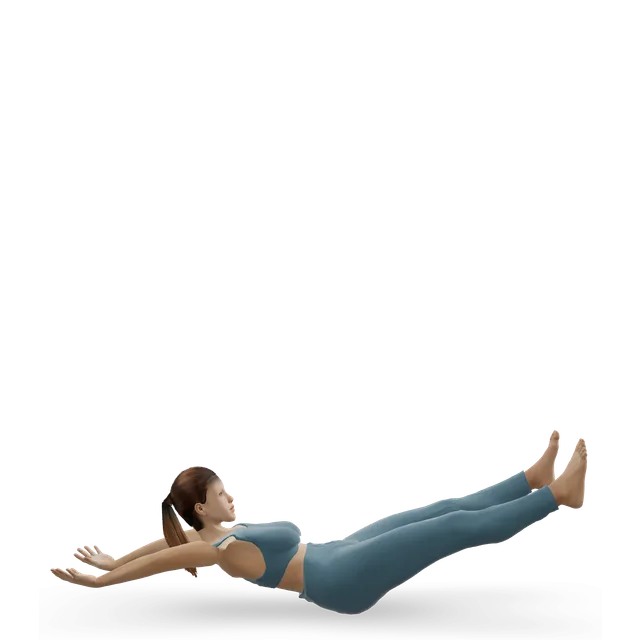
The Royal Osteoporosis Society names sit-ups among exercises that "can put pressure on the spine" and teaches bending from the hips instead. The consensus also says inactivity should be avoided: the dead bug, bird dog and plank train the trunk without rounding it.
Sources 8, 27, 28
What a scan shows, and when a test mattersStrong evidence
The National Institute for Health and Care Excellence (NICE) says "Do not routinely offer imaging in a non-specialist setting" for back pain. In 3,110 people without back pain, disc wear on scans rose from 37% at 20 to 96% at 80, and disc bulges from 30% to 84%, so a report of a bulging disc doesn't explain pain on its own. An NHS emergency department leaflet says imaging "is not usually required".
A test matters for the cauda equina signs, which need an emergency magnetic resonance imaging (MRI) scan, the only way to confirm or rule it out according to an NHS spinal team's leaflet; for sudden pain after a minor fall, lift or cough with thin bones; for a teenager whose back hurts more arching backwards; and for a lump that may be a hernia, which a GP examines first.
Sources 29, 30, 31, 32, 33
How it usually goesStrong evidence
No study follows back pain from sit-ups. In new back pain, across 33 groups of people (11,166 in all), average pain fell from 52 out of 100 at the start to 23 at 6 weeks, 12 at 26 weeks and 6 at a year; in pain that had already lasted, it fell more slowly, from 51 to 23 at a year.
The NHS says back pain usually improves within a few weeks but can last longer or keep coming back, and that sciatica usually gets better in a few weeks to a few months. Herniated discs often shrink on their own. The NHS asks for a GP if tailbone pain hasn't improved after a few weeks. No one can promise a date.
Sources 34, 9, 35, 36, 11