Pain guide · Back pain

Back pain in older adults: stenosis, spinal fractures from thin bones, what helps and warning signs

Back pain is common in later life, and severe back pain becomes more common with age, not less: it often comes and goes, and staying active is still the treatment. Most of it is ordinary back pain, which scans can't pin down because the same changes show in most people over 60 without pain. Two patterns become more common: spinal stenosis, where the buttocks and legs ache or feel heavy on standing or walking and ease when you sit or lean forward, and spinal fractures from thin bones, which often follow a minor strain or nothing at all.

A few signs need help first: call 999 or go to accident and emergency (A&E) for numbness around the genitals or bottom, new bladder or bowel problems or symptoms in both legs, and call 999 for sudden, severe tummy or back pain, which can be a burst aortic aneurysm. Back pain with a fever or feeling unwell needs your general practitioner (GP) or the National Health Service's 111 line (NHS 111) the same day, and sudden new pain after a minor fall, lift, cough or sneeze needs a GP, because it can be a spinal fracture. This guide covers the causes and how common each is, what scans mean, what helps (exercise, walking, medicines and procedures), moving safely with thin bones, falls, and a three-stage plan with 3D demos.

When to get help first

Exercise is for pain that has been checked or is clearly mild and settling.

Get urgent medical help if

  • Call 999 or go to A&E: loss of feeling or numbness around the genitals or bottom, new trouble peeing or controlling your bladder or bowels, changes in genital sensation during sex or problems with erections or orgasm, or pain, tingling, weakness or numbness in both legs. These are signs of cauda equina syndrome, which needs treating in hospital urgently. Don't drive yourself.
  • Call 999: sudden, severe pain in the tummy or back, which can come with breathlessness, pale or grey skin, or collapse. It can be a burst abdominal aortic aneurysm, most common in men aged 65 or over and in people who smoke or used to smoke.
  • Call 999 or go to A&E: back pain with chest pain, or back pain that started after a serious accident, such as a car crash.
  • Call 999 if you or someone else has fallen and may have hurt the head, back, neck or hip, or cannot get up. Get help from NHS 111 after a fall if you may be in pain, injured or unwell.
  • Call 999 or go to A&E if breathing suddenly becomes difficult, if pain in your chest or upper back comes on suddenly with breathlessness or a very fast heartbeat, or if someone passes out. These are the NHS's signs of a blood clot in the lungs (a pulmonary embolism) or another serious condition. Don't drive yourself.
  • Same day (urgent GP appointment or NHS 111): throbbing pain in one leg (rarely both), usually the calf or thigh; swelling in one leg (rarely both); red, blue or darkened skin around the painful area, which may be harder to see on brown or black skin; or swollen veins. This can be a deep vein thrombosis (DVT). It is more likely after surgery, a hospital stay, 3 or more days in bed, a journey of over 4 hours, pregnancy or a recent birth, cancer, a previous clot, or contraception or hormone replacement therapy (HRT) that contains oestrogen.
  • Same day (GP or NHS 111): back pain and you feel hot, cold, shivery or generally unwell, or severe pain that starts suddenly or is getting worse quickly.
  • Ask for an urgent GP appointment or get help from NHS 111 if you think you may have a kidney infection (often pain in your lower back or side, with burning or stinging when you pee or needing to pee more often) and you have a very high temperature or feel hot, cold or shivery, a temperature below 36C, pain in the lower tummy or in the back just under the ribs, blood in your pee, you feel or are sick, you haven't had a pee all day, or you're pregnant. Call 999 or go to A&E if you're confused, drowsy or have difficulty speaking.
  • Same day: you have or have had cancer, and new back pain that is severe and doesn't let up, is getting steadily worse, is worse at night and disturbs your sleep, is worse when you cough, sneeze or strain, or comes with tenderness over the spine. Contact your cancer team or GP urgently. With cancer, new weakness, difficulty walking, numbness or bladder or bowel problems are an emergency.
  • Same day: leg weakness that is getting worse.
  • Contact a GP immediately, go to 111.nhs.uk or call NHS 111: a new or frequent headache that usually comes on suddenly (your scalp may also feel sore or tender), pain in the jaw muscles or tongue when eating or talking, or problems with your sight, such as double vision or loss of vision in 1 or both eyes. With pain and stiffness around the shoulders, these can be signs of temporal arteritis (giant cell arteritis), which up to 1 in 5 people with polymyalgia rheumatica develop. If you suddenly can't see from 1 or both eyes, call 999 or go to A&E.

See a doctor or physiotherapist if

  • Sudden new back pain after a minor fall, lift, cough or sneeze, from 50 or past the menopause, or if you take long-term steroid tablets; or height loss, a curved spine or a change in posture: see a GP. It can be a spinal fracture.
  • A spinal fracture found on an X-ray or scan: ask your GP about a bone health check and treatment to prevent another. UK guidance asks for follow-up through a fracture liaison service for women past the menopause and men aged 50 and over with a new spinal fracture.
  • Back pain that hasn't improved after a few weeks of looking after it at home, stops you doing day-to-day activities, worries you, or you're struggling to cope.
  • Unexplained weight loss, or a lump, swelling or change in the shape of your back.
  • Pain that doesn't improve with rest or is worse at night, or pain that is worse when you sneeze, cough or poo.
  • Pain at the top of the back, between the shoulders, rather than in the lower back.
  • You are 60 or over with bone pain in your hips, back, ribs or shoulders that won't go away, especially with tiredness, feeling very thirsty or weight loss: see a GP. The National Institute for Health and Care Excellence (NICE) asks GPs to offer blood tests for myeloma in people 60 and over with persistent bone pain.
  • Buttock or leg pain, heaviness or tingling that comes on when you stand or walk and only eases when you sit or bend forward, or the distance you can walk keeps shrinking: see a GP or physiotherapist (possible spinal stenosis). Leg weakness that is getting worse, or numbness around your genitals or bottom, is urgent (above).
  • Leg ache when you walk that goes after a few minutes' rest: possible peripheral arterial disease (narrowed leg arteries), especially if you smoke or have diabetes.
  • A change in your ability to walk, including balance problems or weakness or heaviness in your legs: see a GP. If it's new or getting worse quickly, contact your GP practice urgently, or NHS 111 if it's closed.
  • See a GP if you have pain and stiffness for more than a week, especially if you're over 50, it's in both shoulders (often the neck and hips too) and the stiffness lasts longer than 45 minutes in the morning. It can be polymyalgia rheumatica.
  • Tummy or back pain that doesn't go away or keeps coming back, or a lump you can feel in your tummy: see a GP.
  • Any fall or near-fall, new unsteadiness, or a new fear of falling: ask about a falls assessment.
  • Walking keeps getting harder despite pacing and the plan, or you're planning your days around it: see a GP or physiotherapist, and ask about a walking aid and a falls check (our suggestion).

Where does it hurt?

Location narrows the likely causes; it does not diagnose.

An ache or stiffness across the low back, worse first thing or after sitting, easing as you move

Usually ordinary back pain, which often comes and goes: the plan on this page is for it.

Read: Back pain →
Buttocks and legs aching, heavy or tingling when you stand or walk, eased by sitting or leaning forward

The pattern of spinal stenosis, a narrowing around the nerves that becomes common in later life.

Read: Lumbar spinal stenosis →
Back pain that builds on longer walks

Our walking guide covers pacing, leaning forward and walking aids.

Read: Back pain when walking →
Sudden mid or lower back pain after a minor fall, lift, cough or sneeze, or with no clear cause

Possibly a spinal fracture from thin bones: see a GP (the warning signs).

Read: Spinal compression fracture →
Height loss, or a back that is becoming more rounded

Often old spinal fractures, some of which never hurt: see a GP. Our kyphosis and osteoporosis exercise pages cover posture and bone health.

Pain down one leg below the knee, with tingling or numbness

Usually an irritated nerve (sciatica).

Read: Sciatica →
A scan report that says degeneration, a bulging disc, facet joint arthritis or a slipped vertebra

Mostly normal ageing: these show in most people over 60 without pain.

Read: Degenerative disc disease →
Back pain for more than 3 months, or that keeps coming back

Our chronic back pain guide covers good and bad days and flare-ups.

Read: Chronic low back pain →
Stiff and sore first thing in the morning

Our morning guide covers why, and what helps.

Read: Back pain in the morning →
Low back, buttock or groin pain after a minor fall, with walking very hard

Possibly a fragility fracture of the pelvis or the base of the spine, which a plain X-ray can miss.

Read: Broken pelvis →
Groin or buttock pain with a stiff hip, and socks and shoes hard to put on

The hip can be felt in the buttock and groin: our hip pain in older adults guide covers it.

Read: Hip pain in older adults →
Both shoulders, the neck and the hips stiff for more than 45 minutes each morning

Possibly polymyalgia rheumatica: see a GP (the warning signs). Our polymyalgia rheumatica exercise page covers staying active.

Sudden, severe tummy or back pain with breathlessness, pale or grey skin, or collapse

Possibly a burst aortic aneurysm: call 999.

Back pain with a fever, shivers, feeling unwell or pain when you pee

Possibly an infection: get help the same day (the warning signs).

A band of pain or tingling on one side of the body, then a rash

Possibly shingles: see a pharmacist.

Low back pain in a man, with trouble peeing or groin pain

Our lower back pain in men guide covers the causes to know.

Read: Lower back pain in men →
Low back pain around or after the menopause

Our lower back pain in women guide covers the causes at each stage of life.

Read: Lower back pain in women →
Knee pain too

Our knee pain in older adults guide covers arthritis, walking aids and falls.

Read: Knee pain in older adults →

Understand it

Common in later life, and it doesn't fade with ageStrong evidence

Low back pain affected 619 million people worldwide in 2020, and how common it is, and the disability it causes, rise with age to a peak at about 85, with women more affected, more so over 75 (modelled estimates). The idea that back pain eases after the mid-50s holds only for milder pain: most population studies that measured severe back pain found it becoming more common with age.

Of 5,304 people aged 65 and over registered with Oxfordshire general practices, 34% had back pain, a further 19.5% had back pain with leg pain, and 11.2% had symptoms that fit spinal stenosis; those with back pain reported more falls, frailty, low confidence walking and loss of mobility. In people aged 75 and over in Cambridge, 6% had back pain that disabled them and 23% back pain that didn't, and studies of people aged 60 to 102 put the figure anywhere from 21% to 75%, depending on the question asked. Poor self-rated health, low mood and earlier back pain predicted new back pain in the Cambridge group: links, not proof of cause, but a reason to look after mood and general health alongside the back.

Sources 1, 2, 3, 4, 5

Spinal stenosis: the classic later-life patternEmerging evidence

Spinal stenosis is a narrowing of the spaces in the spine that hold the nerves. In the lower back, NHS inform says, it can cause pain, aching, cramping, heaviness, weakness, tingling or numbness in the legs, usually worse with walking or standing and relieved by sitting or leaning forward. Most narrowing is a normal part of ageing and often causes no problems, and low back pain without leg symptoms usually isn't from stenosis. It is diagnosed in about 11% of the general population and 25% of people seen with back pain in general practice, from studies mostly at high risk of bias, and 9.3% of 1,009 Japanese adults (average age 66) had both the symptoms and narrowing on a scan.

Narrowed leg arteries (peripheral arterial disease) can feel similar: a painful ache in the legs on walking that usually goes after a few minutes' rest, more likely if you smoke or have diabetes, and the NHS says many people mistakenly think it's just part of growing older. Leaning forward improved walking distance in 11 of 19 people with the stenosis pattern in a small study, but walking and cycling tests didn't reliably tell the two apart, so leg ache on walking needs a GP's check.

Sources 6, 7, 8, 9, 10

Spinal fractures from thin bones: common, and often quietStrong evidence

A spinal fracture (a vertebral or compression fracture) is when a weakened bone in the spine squashes. In 15,570 people aged 50 to 79 in 19 European countries, 12% of women and 12% of men had a squashed vertebra on an X-ray, more often with age, rising more steeply in women. They often follow little or no injury: 83% of diagnosed spinal fractures in a US town followed moderate or no injury. Of 107 people seen in a Swedish emergency unit with a new fracture (average age about 75), 65.4% had fallen from standing height or had a minor injury, and 34.6% remembered no event at all. The NHS says a cough or sneeze can sometimes cause one of the bones of the spine to partly collapse.

Many are never diagnosed. In a large trial of older women, only about 1 in 4 new squashed vertebrae seen on X-rays (22.6% of 446) had been diagnosed in the community; in an international study of 2,451 women, local X-ray reports missed 34% of spinal fractures; and the UK osteoporosis guideline says most remain undiagnosed. Not every spinal fracture hurts: the signs are back pain or a change in body shape, such as height loss or a curved back, the Royal Osteoporosis Society says. Of 669 people over 55 who saw a GP in the Netherlands with back pain, 5% were diagnosed with a spinal fracture within a year, more often at 75 or over, after an injury, with known osteoporosis, with severe pain or with pain in the middle or upper back.

Sources 11, 12, 13, 14, 15, 16, 17, 18, 19

Scans: mostly ageing, and when a test helpsStrong evidence

In people with no back pain, scans showed disc wear in 88% at 60, 93% at 70 and 96% at 80; disc bulges in 69%, 77% and 84%; wear in the small facet joints in 50%, 69% and 83%; and a slipped vertebra (spondylolisthesis) in 23%, 35% and 50% (33 studies of 3,110 people). The authors call these part of normal ageing. NICE says don't routinely offer imaging for low back pain outside specialist care, and in specialist care only if the result is likely to change what happens. NHS inform says most back problems don't need an X-ray or a magnetic resonance imaging (MRI) scan, and in 5,239 adults aged 65 and over, early X-rays or scans weren't linked with better recovery at a year.

Tests answer specific questions. Spine X-rays, or a side view of the spine on a bone density scanner, look for a spinal fracture after sudden back pain in someone at risk of osteoporosis, or with height loss of 4 cm or more, a rounded upper back or long-term steroid tablets, and a bone health check follows. The cauda equina signs need emergency assessment in hospital, and suspected pressure on the spinal cord in someone with cancer and nerve signs needs an MRI scan within 24 hours. NICE asks for blood tests for myeloma at 60 and over with persistent bone pain, particularly back pain, or an unexplained fracture, and an urgent scan for pancreatic cancer at 60 and over with weight loss and back pain. A suspected spinal infection needs a blood test for inflammation and an MRI scan, since the fever and nerve signs may not all be there at first. An ultrasound scan finds an aortic aneurysm, and men in England are offered one the year they turn 65.

The warning signs aren't perfect: single signs such as being over 50 raise many false alarms, while a past cancer (for cancer) or a significant injury, long-term steroid tablets and being over 70 (for a fracture) carry more weight, and several together more still.

Sources 20, 21, 22, 23, 17, 24, 25, 26, 27, 28, 29

An aneurysm, cancer and infection: rare, with their own signsStrong evidence

An abdominal aortic aneurysm is a swelling of the main artery in the tummy. It often causes no symptoms, though as it gets bigger it can cause tummy or back pain or a pulsing feeling in the tummy, and sudden, severe tummy or back pain can mean it has burst, which needs 999. It is most common in men aged 65 and over and in people who smoke or used to smoke: men in England are invited for screening the year they turn 65, and 1.34% of the first 700,000 men screened had one. Women get them less often, but NICE says a woman's is more likely to burst, so the 999 signs apply to everyone.

Cancer explains 0% to 0.66% of back pain seen in primary care (6 studies, 6,622 people), though a past cancer raises the chance considerably. NICE asks GPs to offer blood tests for myeloma, a cancer of the bone marrow, at 60 and over with persistent bone pain, particularly back pain, or an unexplained fracture. Myeloma can bring bone pain in the back, hips, shoulders or ribs, tiredness, thirst and weight loss, and about 6,532 people a year are diagnosed with it in the UK. With a past or current cancer, back pain that is severe and doesn't let up, keeps getting worse, or is worse at night or when you strain needs the cancer team's advice within 24 hours, NICE says.

An infection in the spine is rare: 2.2 rising to 5.8 cases per 100,000 people a year in one Danish county, highest over 70. Back pain and fever are the commonest symptoms, and diabetes the commonest underlying illness. In one series, 27% of 260 spinal bone infections followed a procedure on the spine, and in 63 people with an abscess next to the spinal cord, back pain, fever and nerve problems were all present in only 13% at the first visit, so a fever isn't always there. A kidney infection also causes back or side pain with a high temperature (the warning signs).

So the causes that need a quicker look have their own clues: sudden, severe tummy or back pain with collapse (an aneurysm); back pain with a fever or feeling unwell (an infection); constant or night pain, weight loss or a past cancer (rarely cancer). Ordinary back pain and stenosis change with movement and position and come and go, and a spinal fracture usually hurts most when you move and less when you lie down.

Sources 30, 31, 32, 28, 29, 25, 33, 34, 24, 35, 36, 37, 26, 38

Polymyalgia rheumatica and shinglesStrong evidence

Polymyalgia rheumatica causes pain and stiffness around both shoulders and often the neck and hips, worst in the morning for more than 45 minutes, mostly in people over 65; the British Society for Rheumatology's 2026 guideline says about 1% of people in the UK have it. Neither the NHS nor that guideline lists low back pain as a feature, so stiff shoulders, neck and hips, rather than the low back, are the clue. Some people with it develop temporal arteritis (giant cell arteritis): up to 1 in 5, the NHS says, while the guideline gives about 5% to 10%; its signs are in the warning signs.

Shingles can start as a tingling or painful patch of skin on one side of the body, often the chest or tummy, with a rash a few days later, and rarely it causes pain without a rash. See a pharmacist, ideally within 3 days of the rash appearing (the NHS).

Sources 39, 40, 41, 42

How it usually goesEmerging evidence

The NHS says back pain usually improves within a few weeks but can last longer or keep coming back, and NHS inform expects the biggest change in the first couple of weeks and most problems to improve within 6 weeks; both are written for adults of any age. In later life it more often lingers. In 5,211 people aged 65 and over who saw a doctor with a new episode, most of the improvement came in the first 3 months, 44.8% had at least 30% less pain at a year, and 23.0% said it had gone completely. In the Oxfordshire cohort, 23% of those with back pain had none 2 years later. Staying active is still what helps, even when pain lingers.

Spinal stenosis usually changes slowly. Without surgery, about a third of people improve, about half stay the same and 10% to 20% get worse over up to 3 years; in 146 people (average age 68) followed for about 3 years, leg pain was better in 32%, unchanged in 55% and worse in 13%. NHS inform says any progression is usually slow, and that the nerves can learn to adapt to the narrowed space. No one can promise a timescale.

Sources 43, 22, 44, 3, 45, 46, 6

How a spinal fracture heals: two different picturesMixed evidence

The Royal Osteoporosis Society says a spinal fracture takes 6 to 12 weeks to heal, that you can usually expect it to heal within about 3 months, and that the pain usually gets better as it heals, though for some people it doesn't go away completely. But in 107 people seen in a Swedish emergency unit with a new, painful spinal fracture, pain had improved only 10% to 15% by 3 months and changed little after that, up to a year.

The two disagree, so the honest answer is that the bone usually heals within about 3 months, many people improve as it does, and some have pain for longer. Staying as active as you can helps, the society says, and movement doesn't affect the healing.

Sources 47, 48, 13

What helps, and how strong the evidence is

Keep moving: the first advice at any ageStrong evidence

The NHS says stay active and try to continue your daily activities, and don't stay in bed for long periods; NICE asks clinicians to encourage people to continue with normal activities. NHS inform adds that any activity is better than none, that you don't need to brace or hold yourself still because your back is designed to move, that if you have to sit or rest you should change position regularly, and that your posture doesn't need to be perfect.

Sources 43, 21, 22

Exercise helps long-lasting back pain, though the evidence in later life is weakerEmerging evidence

Across 249 trials, exercise eased long-lasting low back pain by about 15 points out of 100 against no treatment, usual care or a placebo (moderate certainty), and improved function a little (about 7 points), but the people in those trials averaged 44 years old. In people aged 65 and over, two reviews found low-quality evidence of a small to moderate benefit, with no one type of exercise clearly best, so the choice can follow what you enjoy and will keep doing. NICE suggests considering a group exercise programme within the NHS.

Sources 49, 50, 51, 21

Spinal stenosis: a physiotherapy programme improved walking and cut fallsEmerging evidence

In the UK's BOOST trial, 438 older adults (average age 75) with the stenosis pattern had 12 weekly group sessions of 90 minutes, plus home exercise twice a week. Each session had about half an hour of education and an hour of exercise: a seated warm-up, knee straightening, sit-to-stands, standing hip exercises at an effort of 5 to 6 out of 10, balance work, stretches and a 20-minute walking circuit. At a year, they walked 21.7 metres further in 6 minutes and had lower odds of falling (odds ratio 0.6) than people given best-practice advice; disability was better at 6 months but not at a year, and there were no serious side effects from the treatment.

In 68 people with stenosis (average age 58), cycling and supported treadmill walking, each added to an exercise programme, helped about equally over 6 weeks, so a bike, which lets you exercise bent forward, is a good option. A review found hands-on treatment with exercise did better than medical care or group exercise in the short term (moderate-quality evidence), and that epidural steroid injections weren't effective; NICE says don't use epidural injections for the leg symptoms of central spinal stenosis.

Sources 52, 53, 54, 21

Surgery for stenosis: not clearly better than non-surgical careMixed evidence

Across 5 trials of 643 people, there was very little confidence to say whether surgery or non-surgical care is better (low-quality evidence), with side effects in 10% to 24% of surgical cases and none reported with non-surgical care. In 169 people aged 50 and over who were candidates for surgery, physical function improved by 22.4 points with surgery and 19.2 with physiotherapy at 2 years, a similar result, though 57% of the physiotherapy group crossed over to surgery. The NHS says you may have other treatments first, such as physiotherapy, before decompression surgery, that serious complications are uncommon, and that it may take up to 12 weeks to get back to all your usual activities; NICE says don't offer spinal fusion for low back pain except in a trial.

Sources 55, 56, 57, 21

Thin bones: bend, lift and exercise, with careStrong evidence

UK guidance recommends progressive strength exercise for people with osteoporosis, including the back muscles, and after a painful spinal fracture it starts back-muscle work without load, for example lying down. Back-muscle exercises are repeated 3 to 5 times and held for 3 to 5 seconds, and after spinal fractures, impact stays no harder than brisk walking. It finds little evidence of harm: across 62 bone trials, 5.8% of exercisers and 9.6% of the comparison groups had fractures.

Bending forward is generally safe and won't cause a spinal fracture, the Royal Osteoporosis Society says, but you can over-flex the spine, especially with uncontrolled, repeated or sudden movements or with a load. What UK guidance asks you to change is sustained, repeated, end-range or loaded rounding of the back: the society names sit-ups, touching your toes and the Pilates roll-down and curl-up, and suggests bending from the hips instead. It teaches how to lift rather than "don't lift" ("It is how you lift rather than how much you lift that matters"), and says exercise isn't a replacement for an osteoporosis medicine.

Sources 58, 17, 59, 18, 60

A rounded upper backEmerging evidence

In 99 adults aged 60 to 88 with a rounded upper back, 6 months of group spine strengthening and posture training 3 times a week reduced the curve by 3 degrees against health education, with no change in physical function. The Royal Osteoporosis Society says exercise can't reverse the shape changes that spinal fractures cause, but may make some difference.

Sources 61, 62

Medicines: two guidelines differMixed evidence

NICE says consider anti-inflammatory tablets for low back pain, taking account of the person's risks, including age, at the lowest effective dose for the shortest time. It says consider weak opioids for short-term pain only if anti-inflammatories aren't suitable or haven't worked, and don't offer paracetamol alone, opioids for long-lasting low back pain, gabapentinoids or antidepressants. After a spinal fracture, the UK osteoporosis guideline says avoid anti-inflammatories in older people, or give a medicine to protect the stomach if they're used. The two differ, so a pharmacist or GP should help you choose; the NHS says anti-inflammatories may not be suitable for everyone, and opioid painkillers raise the risk of falls, the World Falls Guidelines note.

Sources 21, 17, 43, 63

Braces, injections and cement: not routineStrong evidence

NICE says don't offer belts or corsets, spinal injections for low back pain, or epidural injections for the leg symptoms of central spinal stenosis. After a new spinal fracture, a rigid brace for 12 weeks did no better than a soft one in 284 women aged 65 to 85 (there was no group without a brace), and the UK osteoporosis guideline says routine bracing can't be recommended.

Cement injections into a fractured vertebra (vertebroplasty) gave no clinically important benefit against a placebo procedure across 5 trials of 541 people (0.7 points better out of 10 at a month). NICE recommends vertebroplasty or kyphoplasty only for severe ongoing pain after a recent, unhealed fracture despite the best pain relief, and the Royal Osteoporosis Society says they aren't suitable for most people.

Sources 21, 64, 17, 65, 66, 47

Back pain and fallsEmerging evidence

In 5,568 men aged 65 and over, back pain went with a higher risk of falling more than once in the next year (risk ratio 1.3). In 1,890 Japanese adults aged 60 to 79, persistent low back pain went with falls that caused injury (odds ratio 2.46), and across 7 studies, pain went with repeated falls (odds ratio 2.04). In the Oxfordshire cohort, people with back pain reported more falls. These are links, not proof that back pain causes falls, but the World Falls Guidelines count pain as a risk factor, and opioid painkillers as another.

Sources 67, 68, 69, 3, 63

Strength and balance exercise prevents fallsStrong evidence

Across 108 trials of 23,407 people with an average age of 76, exercise cut the rate of falls by 23% and the number of people falling by 15% (high-certainty evidence). The World Falls Guidelines recommend balance-challenging and functional exercise, such as sit-to-stands and stepping, 3 or more times a week, made harder over at least 12 weeks and continued for longer effect, and note that 1 in 8 older adults who fall lie on the floor for more than an hour.

NICE asks for falls programmes that are progressive and tailored. The NHS advises activities that improve strength, balance and flexibility on at least 2 days a week for adults aged 65 and over, and its own strength and balance exercises start with 5 slow sit-to-stands, side-stepping, heel-to-toe walking and one-leg stands, near a wall or a sturdy chair.

Sources 70, 63, 71, 72, 73, 74

How much pain is OK while you exercise?

Up to about 5 out of 10, settling within an hour and no worse the next morning; with leg symptoms, walk in spells; after a spinal fracture, move as far as pain allowsEmerging evidence

Rate your back pain from 0 to 10 during exercise. NHS inform's back exercise scale calls 0 to 3 minimal, 4 to 5 acceptable and 6 to 10 excessive; if it goes above 5, do fewer repetitions, move more slowly or rest longer between movements. It should settle within an hour or so (our back pain guide's rule, editorial), and your back should be no worse the next morning; if it is, do a little less next time, not nothing.

With the stenosis pattern, walk until the leg symptoms start to build, then sit or lean forward until they ease, and go again: the time or distance you can walk is the measure that should improve (our spinal stenosis guide's rule). NHS inform says walking is safe as long as the symptoms stay manageable.

After a spinal fracture, move slowly into each position as far as your pain allows, holding for 3 to 5 seconds, and alternate gentle movement with rest if the pain is very severe at first (the Royal Osteoporosis Society). Stiffness or soreness for a few days after new exercise is normal. During bone-strengthening exercise, the society says stop for feeling sick, dizziness, severe shortness of breath, clamminess or sweating, chest tightness or any pain, and put a weight down if you feel the strain in your back. That stricter "any pain" rule applies to the strength moves after a fracture, and the 0 to 5 scale to ordinary back pain (our reading of the two sources).

Stop or shrink any movement that sends pain, pins and needles or numbness further down a leg (our back pain and sciatica guides' rule). New leg weakness, numbness around the genitals or bottom, bladder or bowel changes, a fever, chest pain, or sudden, severe tummy or back pain aren't pain-rule questions: see the warning signs.

Sources 75, 6, 48, 18

The exercise plan: 3 stages

Start at the first stage. Each move opens a full guide with a 3D demo.

Stage 1

Keep moving, and find what eases it

About the first 2 weeks: daily, little and often. Keep walking in shorter spells within the pain rule; ease stiffness and the stenosis pattern by sitting, leaning forward or cycling; start the gentle back-muscle work that UK guidance and the Royal Osteoporosis Society give after spinal fractures; and set up your home (the written steps below). Our spinal stenosis guide eases the stenosis pattern with deep knee hugs; this plan leaves them out and keeps the cat small, because spinal fractures are common, and often undiagnosed, in later life, and UK guidance asks people with thin bones to avoid deep or repeated rounding (our suggestion). If you know your bones are healthy, that guide's knee hugs are an option. With any warning sign, get checked first; with a known spinal fracture or spinal stenosis, that guide's plan or your team's comes first, and after a painful spinal fracture a physiotherapist's advice is worth having before you build strength. Do the standing moves next to a kitchen counter, a sturdy chair or a wall. No trial has tested this plan as a whole: it follows the shape of the BOOST programme (education, strength, balance and walking) and the UK consensus on exercise with thin bones.

Treadmill walking demonstrated on the 3D figure3D demoTreadmill walkingBeginner · Cardio machine

5 to 10 minutes, several times a day; with the stenosis pattern, about 10 minutes in total, in spells · As in our back pain when walking and spinal stenosis guides (editorial); walking outdoors counts the same, and NHS inform encourages walking short distances regularly. Sit or lean against a wall when the legs build. After a spinal fracture, build towards 20 minutes a day, no faster than brisk walking (the UK consensus)

Harder: Treadmill jogging

Stationary cycling demonstrated on the 3D figure3D demoStationary cyclingBeginner · Cardio machine

10 to 15 minutes, easy · As in our spinal stenosis guide (editorial): sitting on a bike bends you forward, which eases the stenosis pattern, and cycling helped about as much as supported treadmill walking in one trial

Easier: Recumbent exercise bike · Harder: Air bike intervals

Seated upper-back lift (sit tall, shoulders back) demonstrated on the 3D figure3D demoSeated upper-back lift (sit tall, shoulders back)Beginner · A bench or box

3 to 5 repetitions, each held 3 to 5 seconds, at least twice a week; after a painful spinal fracture, daily, building to up to 10 · The move page's dose, from UK consensus statements on exercise with thin bones. Stop if it brings on sharp pain, or pain that spreads round the ribs, as the move page says

Easier: Elbows back · Harder: Prone Y-T-W raises

Cat-cow demonstrated on the 3D figure3D demoCat-cowBeginner · No equipment

Hold each end for 3 to 5 seconds, 3 to 5 times, at least once a day, keeping the rounding small · The Royal Osteoporosis Society's cat, moved as far as your pain allows, with the UK consensus's 3 to 5 repeats; the move page's own dose is 8 waves

Harder: Half lord of the fishes (Ardha Matsyendrasana)

Pelvic tilt into bridge demonstrated on the 3D figure3D demoPelvic tilt into bridgeBeginner · No equipment

The tilt only at first, holding for 2 seconds: 2 to 3 at a time, building to sets of 8 · NHS inform's pelvic tilt, with its pacing. With osteoporosis, peel up only part of the way into the bridge, as the move page says

Harder: Glute bridge

Lateral breathing (Pilates breathing) demonstrated on the 3D figure3D demoLateral breathing (Pilates breathing)Beginner · No equipment

5 to 8 slow breaths at the start of each session · The move page's dose, an editorial starting point; the UK consensus recommends breathing exercises for symptoms that a very rounded upper back can make worse

Harder: Roll-up (Pilates)

Move on when: You can walk 15 to 20 minutes, or your walking spells are getting longer, and your back is no worse the next morning (editorial).

Follow along: a timer, a cue and the next move, one step at a time.
Stage 2

Build: legs, back muscles and balance

About weeks 2 to 8: strength 2 or 3 days a week with a day's rest between, balance at least twice a week, and walking on most days. The kinds of strength and balance work in the BOOST programme and the NHS strength and balance exercises, built up gradually. After a spinal fracture, wait until the bone has healed, which can take up to 3 months, before building up strength work, but keep moving (the Royal Osteoporosis Society).

Sit to stand from a chair demonstrated on the 3D figure3D demoSit to stand from a chairBeginner · A bench or box

5 slow repetitions to start, using your hands if you need to, building to 3 sets of 8 to 12 at an effort that feels hard · The start is the NHS strength exercises'; the build is the UK consensus's 8 to 12 repetitions, up to 3 sets, and BOOST worked at 5 to 6 out of 10. Use a firm chair that can't slide or tip, as the move page says

Easier: Sit to stand, pushing on the thighs · Harder: Bodyweight squat

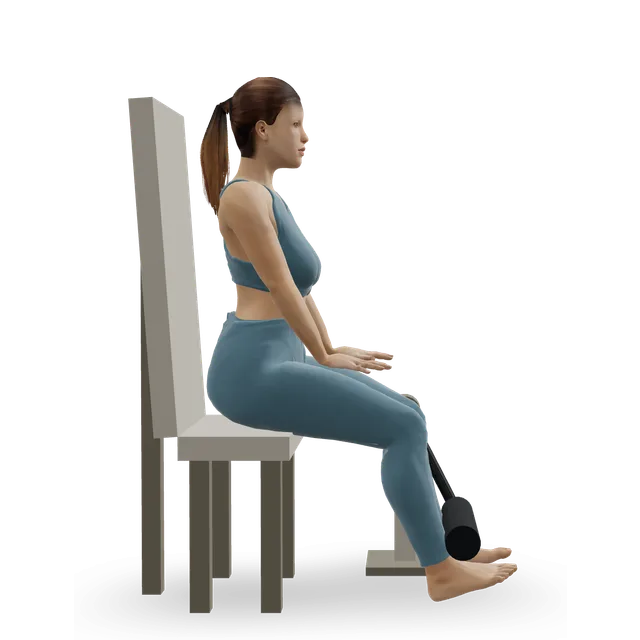
Seated knee extension (chair) demonstrated on the 3D figure3D demoSeated knee extension (chair)Beginner · A bench or box + Something with weight

3 sets of 10 to 15 each leg, 2 to 3 days a week · The move page's dose, an editorial starting point; BOOST included sitting knee extension

Easier: Quad set (static quads) · Harder: Leg extension

Wall push-up demonstrated on the 3D figure3D demoWall push-upBeginner · A wall

3 sets of 5 to 10 · The NHS strength exercises' dose

Harder: Push-up

Band row demonstrated on the 3D figure3D demoBand rowBeginner · A band + An anchor point

3 sets of 10 to 15, stopping 2 to 3 repetitions short of failure · The move page's dose, an editorial starting point; the UK consensus includes the back muscles in strength work

Harder: Supported single-arm dumbbell row

Glute bridge demonstrated on the 3D figure3D demoGlute bridgeBeginner · No equipment

2 to 3 sets of 10, only as high as is comfortable · As in our back pain guide (editorial); BOOST trained hip extension

Easier: Pelvic tilt into bridge · Harder: Single-leg glute bridge

Tandem stance and heel-to-toe walk demonstrated on the 3D figure3D demoTandem stance and heel-to-toe walkBeginner · A wall

At least 5 heel-to-toe steps beside a wall, building to 3 holds of 20 to 30 seconds · The steps are the NHS balance exercises'; the holds are our spinal stenosis guide's (editorial). Walk beside a wall or rail if you have fallen in the past year, as the move page says

Easier: Semi-tandem stance · Harder: Single-leg stand

Move on when: You can walk for 20 to 30 minutes, with pauses if you need them, the strength sets feel steady, and your back is no worse the next morning (editorial).

Follow along: a timer, a cue and the next move, one step at a time.
Stage 3

Stronger for everyday life, then your usual activities

From about week 6 to 8: 2 or 3 strength days a week, balance 3 or more times a week, walking on most days, and keep going. Strength for stairs, carrying, gardening and getting up from the floor, balance for falls, and walking building towards 150 minutes a week (the NHS). For falls, the World Falls Guidelines recommend balance-challenging and functional exercise 3 or more times a week, made harder over at least 12 weeks and continued for longer effect. Add a little load or a harder option every week or two while the pain rule holds (editorial). Longer walks, gardening, shopping, bowls, golf, swimming, dancing and travel come back one at a time, a little less than before at first, adding a little every week or two (editorial). Twisting should be smooth and comfortable (the Royal Osteoporosis Society), and after spinal fractures, keep impact to brisk walking unless a physiotherapist advises more (the UK consensus).

Dumbbell goblet squat demonstrated on the 3D figure3D demoDumbbell goblet squatIntermediate · A dumbbell

3 sets of 8 to 10 to a chair or box, holding a light dumbbell · As in our spinal stenosis guide (editorial), within the UK consensus's 8 to 12 repetitions. Breathe out as you stand: the move page says don't hold your breath under load if your blood pressure is uncontrolled

Easier: Bodyweight squat · Harder: Barbell front squat

Step-up demonstrated on the 3D figure3D demoStep-upBeginner · A step

Up to 5 steps with each leg on the bottom stair, holding the rail, building to 3 sets of 8 to 10 each leg · The start is the NHS balance exercises'; the build is editorial. Lower yourself under control rather than dropping off the edge, as the move page says; BOOST's walking circuit added stairs

Easier: Low step-up · Harder: Dumbbell step-up

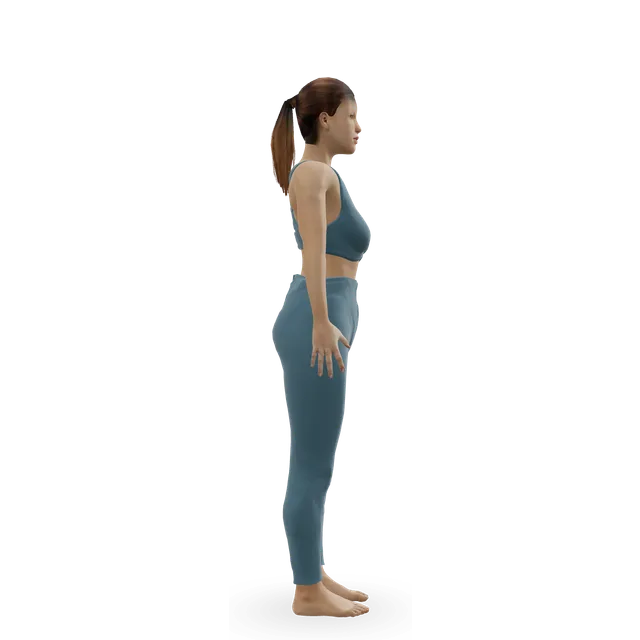
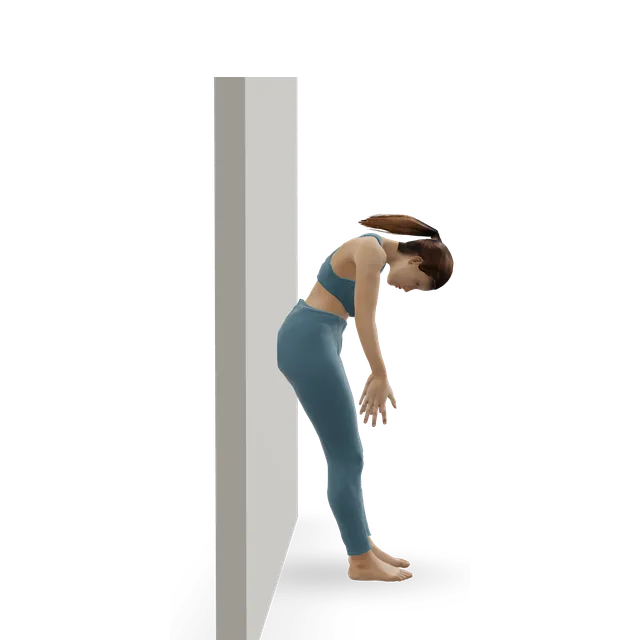
Hip-hinge practice demonstrated on the 3D figure3D demoHip-hinge practiceBeginner · No equipment

2 to 3 sets of 8 to 10 · Editorial: the hip hinge is how UK guidance and the Royal Osteoporosis Society teach bending and lifting with thin bones

Harder: Dumbbell Romanian deadlift

Farmer's carry demonstrated on the 3D figure3D demoFarmer's carryIntermediate · A dumbbell + A kettlebell

3 walks of 20 to 30 metres with a light weight in each hand, shoulders level and the load close · As in our back pain guide (editorial): practice for carrying, though the Royal Osteoporosis Society suggests a trolley rather than a basket or bags

Harder: Suitcase carry

Single-leg stand demonstrated on the 3D figure3D demoSingle-leg standBeginner · A wall

3 holds of 5 to 10 seconds each leg, fingertips on the wall, building towards 30 seconds · The start is the NHS balance exercises'; the build is editorial. With dizziness or a recent fall, stay within arm's reach of something solid with someone nearby, as the move page says

Easier: Tandem stance and heel-to-toe walk · Harder: Single-leg reach matrix

Get up and down from the floor demonstrated on the 3D figure3D demoGet up and down from the floorBeginner · No equipment

5 to 8 slow cycles down and up, changing the leading leg · The move page's dose, an editorial starting point. With acute back pain, check which positions are allowed first, and practise the first few times with someone present and a sturdy chair close by, as the move page says. The NHS's steps for getting up after a fall are in the written steps below

Easier: Sit to stand from a chair · Harder: Bodyweight get-up

Move on when: Our suggestion: a normal week of activity passes the pain rule. Keep 2 strength days and 3 balance sessions a week, and drop back a stage for a week or two after a flare rather than stopping. A class, a walking group or a falls service programme helps people keep going: in BOOST, the share doing their home exercises at least twice a week fell from 73.9% at 6 months to 57.2% at a year.

Follow along: a timer, a cue and the next move, one step at a time.

What to change for now

A flare: the first days (written steps)

Our 3D figure can't show these. Each step names its source.

  • 1. Stay as active as you can and try to continue your daily activities; don't stay in bed for long periods, and if you have to sit or rest, change position regularly (the NHS and NHS inform). Any activity is better than none, and you don't need to hold yourself stiff (NHS inform).
  • 2. A heat pack or hot water bottle wrapped in a tea towel can ease stiffness or muscle spasm, and an ice pack wrapped in a tea towel can ease pain and swelling (the NHS). NHS inform suggests ice for up to 15 minutes, with a few hours between treatments, and neither ice nor heat if you have problems with circulation or feeling.
  • 3. Anti-inflammatory medicine like ibuprofen may not be suitable for everyone, and paracetamol on its own isn't recommended for back pain, so check with a pharmacist or GP which painkiller suits you (the NHS).
  • 4. You don't need to be free of pain to return to work, and staying at or returning to work as soon as you can helps (NHS inform).

Sources 43, 22

Getting out of bed and up from a chair (written steps)

These are NHS inform's steps for moving with back pain.

  • 1. To get out of bed, roll onto the side you find most comfortable, support yourself with the arm closest to the bed and use your other arm to slowly raise yourself up, then carefully bring your legs to the floor and stand up.
  • 2. To get into bed, feel the bed at the back of your legs, tighten your tummy muscles, sit down slowly, pushing on your thighs, lower yourself onto your side using your arms, then roll onto the side you find most comfortable.
  • 3. To get up from a chair, ease forward to the edge, tighten your tummy muscles, and use the arms of the chair to stand up, or push on your thighs if it has none.

Source 22

Walking, walking aids and shopping (written steps)

Each step names its source, or says it's our note.

  • 1. With the stenosis pattern, walking is safe as long as the symptoms stay manageable: walk short distances regularly, take breaks by sitting down or leaning against a wall when the legs build, and talk to a healthcare professional about a walking aid if walking is a struggle (NHS inform).
  • 2. A walking stick can give you confidence and make walking less painful, and a walking frame gives more support: frames without wheels are best indoors, frames with wheels are better outdoors, and some have a seat so you can rest (the NHS). You can borrow some sticks and frames through the NHS, sometimes for a deposit, your local council may provide a frame free after a needs assessment, and a physiotherapist can advise on using a stick on steps (the NHS). Make sure it's the right height for you (the Royal Osteoporosis Society).
  • 3. We found no trial of a wheeled frame for spinal stenosis, so any extra walking distance from leaning on one is untested (our note).
  • 4. When shopping, push a supermarket trolley rather than carrying a basket, and use a shopping trolley on wheels rather than carrying bags (the Royal Osteoporosis Society).
  • 5. Build walking towards 150 minutes a week of moderate activity, with activities for strength, balance and flexibility on at least 2 days (the NHS's advice for adults aged 65 and over).

Sources 6, 76, 77, 72

Bending, lifting and jobs around the home with thin bones (written steps)

These come from the Royal Osteoporosis Society and UK guidance.

  • 1. "Think straight": keep your upper back straight and your neck in line with your spine when you bend or lift, tighten your tummy muscles, and move slowly and smoothly within a range that feels comfortable. Twisting should be smooth and comfortable.
  • 2. Bending forward is generally safe, but avoid over-flexing, especially with uncontrolled, repeated or sudden movements or with a load. Bend from your hips (the hip hinge) with your back straight, and keep loads close.
  • 3. Put a weight down if you feel the strain in your back, then lighten it or change your technique: "It is how you lift rather than how much you lift that matters."
  • 4. In the garden, use raised or narrow beds, do a little often with breaks every 10 to 15 minutes, and use a padded kneeling stool, a hose rather than a heavy watering can, and a wheelbarrow or trolley for heavy things.

Sources 78, 59, 18, 58, 77

If you fall, and around the home (written steps)

These come from the NHS falls page, unless they say otherwise.

  • 1. If you fall, try to stay calm, and take a couple of minutes to check for pain or injury. If you feel able to get up, take your time: roll onto your side, push up onto your hands and knees, crawl to something stable such as a heavy piece of furniture, put one foot flat on the floor and stand up slowly, holding on, then sit down and rest.
  • 2. If you can't get up, use a phone or personal alarm, or shout or bang on a wall or the floor for help; keep warm, keep moving gently, and try to change position about every 30 minutes. If someone else has fallen, keep them comfortable and warm, but don't try to lift them yourself.
  • 3. Call 999 if someone has fallen and may have hurt the head, back, neck or hip, or can't get up; get help from NHS 111 if they may be in pain, injured or unwell; and see a GP after a fall or if you're worried about your balance. In some areas you can refer yourself to a falls service.
  • 4. Around the home: shoes or slippers that fit well, don't slip off and grip; a personal alarm or a mobile phone with you; a non-slip mat in the bath or shower; rails on steps and grab rails in the bathroom; less clutter and nothing to trip on, such as loose wires or rugs; and help with tasks you find difficult, such as lifting or reaching. Your local council can do a free care needs assessment, including changes to make your home safer.
  • 5. Have regular eye and hearing checks, and ask a GP or pharmacist if your medicines could be affecting your balance; opioid painkillers raise the risk of falls (the World Falls Guidelines). Practising getting down to the floor and back up is the plan's last stage.

Sources 79, 63

Bone health after a spinal fracture

A new spinal fracture from thin bones calls for prompt treatment to prevent another, and UK guidance asks for follow-up through a fracture liaison service for women past the menopause and men aged 50 and over with a newly diagnosed spinal fracture. Exercise isn't a replacement for an osteoporosis medicine, the Royal Osteoporosis Society says. Ask your GP about a bone health check; our osteoporosis exercise page covers bone-strengthening exercise.

Sources 17, 60

Positions to swap, and why

Habit or positionWhy it mattersInstead
Bed rest, or sitting still until it stops hurtingThe NHS says don't stay in bed for long periods, and NICE asks for normal activities to continue.Short walks and the first-stage moves.Try: Treadmill walking
Giving up walking because the legs ache with stenosisNHS inform says walking is safe while the symptoms stay manageable, and a programme with a walking circuit improved walking in the BOOST trial.Walks in spells with sitting breaks, or the bike.Try: Stationary cycling
Deep knee hugs with thin bones or a spinal fractureUK guidance asks you to change sustained, repeated or end-range bending forward, and the move page says avoid deep or repeated rounding with osteoporosis (leaving them out of this plan is our suggestion).Sitting or cycling bent forward to ease stenosis legs, and the pelvic tilt.Try: Pelvic tilt into bridge
Sit-ups, toe touches and Pilates roll-downs with thin bonesThe Royal Osteoporosis Society names them among the moves that can put pressure on the spine, and the sit-up's move page says avoid deep or repeated rounding with osteoporosis.The seated upper-back lift.Try: Seated upper-back lift (sit tall, shoulders back)
Lifting with a rounded back, or fast, loaded twisting"Think straight", bend from the hips and twist only smoothly, the Royal Osteoporosis Society and UK guidance say.Hip hinge practice, with the load close.Try: Hip-hinge practice
Backbends such as the cobra, with the stenosis patternBending back narrows the space for the nerves, and the move page says skip it with spinal stenosis.The seated upper-back lift.Try: Seated upper-back lift (sit tall, shoulders back)
A back brace or corsetNICE says don't offer belts or corsets for low back pain, and UK guidance says routine bracing after a spinal fracture can't be recommended.Back-muscle and leg strength.Try: Sit to stand from a chair
Paracetamol on its own, or opioids for long-lasting painNICE says don't offer either for low back pain, and opioids raise the risk of falls.Ask a pharmacist or GP.
A scan to find the causeMost scan findings are part of normal ageing, and early scans didn't improve recovery in older adults.The warning signs decide when a scan is needed.
An epidural injection for stenosisNICE says don't use them for the leg symptoms of central spinal stenosis.The walking plan and leg strength.Try: Seated knee extension (chair)
Cement injections (vertebroplasty) as a first step for a new spinal fractureNo important benefit over a placebo procedure in trials; NICE keeps them for severe ongoing pain despite the best pain relief.Pain relief, gentle movement and the first-stage moves.Try: Lateral breathing (Pilates breathing)
Carrying heavy shopping in one hand or a basketThe Royal Osteoporosis Society suggests a trolley.A trolley, and carrying practice with light weights.Try: Farmer's carry
Loose slippers, clutter, loose wires and rugsThe NHS asks for shoes or slippers that fit, stay on and grip, and nothing to trip on at home.Well-fitting shoes or slippers, a phone or alarm with you, and balance practice.Try: Single-leg stand

Routines to follow

More moves for this area

Questions people ask

Why does my back hurt more as I get older?

Back pain becomes more common with age, and severe back pain in particular rises through later life. Most of it is ordinary back pain that a scan can't pin down, since the same disc and joint changes show in most people over 60 without pain. Spinal stenosis and spinal fractures from thin bones also become more common, and staying active and strong helps with all of them.

When should I worry about back pain in later life?

Call 999 for numbness around the genitals or bottom, new bladder or bowel problems or symptoms in both legs, and for sudden, severe tummy or back pain, which can be a burst aortic aneurysm. Get an urgent GP appointment or NHS 111 the same day if you feel hot, cold, shivery or unwell with it, and contact your cancer team or GP urgently with new back pain if you have had cancer. See a GP for sudden pain after a minor fall, lift, cough or sneeze, weight loss, or pain that is worse at night. These are uncommon: 6% of people over 55 who saw a GP with back pain had a serious cause, mostly a spinal fracture.

Could my back pain be a fracture from thin bones?

It could, especially if it started suddenly after a minor fall, lift, cough or sneeze, or with nothing at all, and hurts more when you move: 83% of diagnosed spinal fractures in one US study followed moderate or no injury. Not all of them hurt, so height loss or a back that is becoming more rounded is also a reason to see your GP. The Royal Osteoporosis Society says a spinal fracture heals in 6 to 12 weeks, but in one Swedish study pain had eased only a little by 3 months, so some people have pain for longer.

What is spinal stenosis, and will it get worse?

It's a narrowing of the spaces around the nerves in the lower back that makes the buttocks and legs ache, feel heavy or tingle when you stand or walk, easing when you sit or lean forward. Most narrowing is a normal part of ageing, and without surgery about a third of people improve, half stay the same and 10% to 20% get worse over up to 3 years. Walking in shorter spells, cycling and strength work help, and NHS inform says walking is safe while the symptoms stay manageable.

Do I need an X-ray or an MRI scan?

Usually not: NICE says don't routinely scan for low back pain, because disc and joint changes show in most people over 60 without pain, and early scans didn't improve recovery in older adults. Tests matter for the warning signs: spine X-rays for a suspected fracture, blood tests for myeloma at 60 and over with persistent bone pain, and urgent tests for nerve, cancer or infection signs.

What are the best back exercises for older adults?

A mix of walking, leg strength such as sit-to-stands and step-ups, back-muscle work such as the seated upper-back lift, and balance, built up slowly, as the BOOST programme and UK guidance on thin bones do. Aim for strength on 2 or 3 days a week and balance at least twice a week, or 3 or more times a week to prevent falls. With thin bones, swap deep forward bends and sit-ups for moves that keep the back long.

Is walking good for back pain, and should I use a stick or a frame?

Usually, yes: the NHS says activities like walking may help ease back pain, and with stenosis NHS inform says walking is safe while the symptoms stay manageable, in shorter spells with sitting breaks. A stick can make walking less painful, and a frame gives more support, with wheels for outdoors and a seat if you need to rest. You can borrow some through the NHS, and it should be the right height for you.

Which painkillers are safe for back pain in later life?

NICE says don't offer paracetamol on its own for back pain, and don't offer opioids for back pain that lasts. Anti-inflammatory tablets can help but need care with age, the stomach, kidneys and heart, and after a spinal fracture UK guidance says avoid them in older people or add stomach protection. Ask a pharmacist or GP which suits you; opioids also raise the risk of falls.

Can back pain be a sign of an aneurysm?

Rarely. An abdominal aortic aneurysm usually causes no symptoms, but sudden, severe tummy or back pain, especially with breathlessness, pale or grey skin or collapse, can mean it has burst: call 999. Tummy or back pain that doesn't go away, or a lump in your tummy, needs a GP, and men in England are invited for screening the year they turn 65; 1.34% of the men screened had one.

Could my back pain be cancer?

It's rare: cancer explains less than 1 in 100 cases of back pain seen in general practice. The signs that matter are a past cancer, weight loss you can't explain, pain that is constant or worse at night, and, at 60 and over, bone pain that won't go away, for which NICE asks GPs to offer blood tests for myeloma.

Does back pain make falls more likely, and what should I do if I fall?

Back pain went with more falls in older adults in several studies, and strength and balance exercise cut the rate of falls by 23% in trials. If you fall, check for injury, roll onto your side, get onto your hands and knees, crawl to something sturdy and stand up slowly; call 999 if you may have hurt your head, back, neck or hip, or can't get up. Ask about a falls assessment after any fall or near-fall.

Should I wear a back brace, or have an injection or surgery?

NICE says don't offer belts or corsets, spinal injections for low back pain, or epidurals for the leg symptoms of stenosis. Cement injections for spinal fractures did no better than a placebo procedure, and stenosis surgery wasn't clearly better than non-surgical care in trials, though the NHS describes it as an option after other treatments such as physiotherapy. Exercise and staying active come first.

Related exercise guides

Other pain guides

Sources

  1. GBD 2021 Low Back Pain Collaborators 2023 · Low back pain worldwide, 1990 to 2020, its risk factors and projections (Global Burden of Disease modelling study, Lancet Rheumatol)
  2. Dionne 2006 · Does back pain become less common with age? (systematic review, Age Ageing)
  3. Williamson 2023 · Back pain in older adults: the BOOST research programme, with the OPAL cohort of 5,304 people (NIHR programme report)
  4. Docking 2011 · Back pain in people aged 75 and over in Cambridge, and what predicts it (cohort study, Rheumatology)
  5. de Souza 2019 · How common low back pain is in adults aged 60 and over: 35 studies (systematic review, Clinics)
  6. NHS inform · Spinal stenosis
  7. Jensen 2020 · How common lumbar spinal stenosis is in the population and in clinics (systematic review and meta-analysis, Eur Spine J)
  8. Ishimoto 2012 · Spinal stenosis with symptoms in 1,009 Japanese adults: the Wakayama Spine Study (population study, Osteoarthritis Cartilage)
  9. NHS · Peripheral arterial disease (PAD)
  10. Dong 1989 · Walking and cycling tests for leg pain from the spine or the leg arteries (clinical study, Spine)
  11. O'Neill 1996 · Squashed vertebrae on X-ray in 15,570 European men and women aged 50 to 79 (population study, J Bone Miner Res)
  12. Cooper 1992 · Clinically diagnosed spinal fractures in Rochester, Minnesota (population study, J Bone Miner Res)
  13. Suzuki 2008 · Pain and disability over a year after a spinal fragility fracture in 107 people (cohort study, Eur Spine J)
  14. NHS · Osteoporosis (past its review date: reviewed October 2022, review due October 2025)
  15. Fink 2005 · How many new spinal fractures seen on X-ray are diagnosed: older women in a large trial (cohort study, J Bone Miner Res)
  16. Delmas 2005 · Spinal fractures missed on X-ray reports worldwide: the IMPACT study (J Bone Miner Res)
  17. Gregson 2022 · UK clinical guideline for the prevention and treatment of osteoporosis (NOGG guideline, Arch Osteoporos)
  18. Royal Osteoporosis Society · How to exercise safely for bones
  19. Enthoven 2016 · Specific causes and warning signs in 669 people over 55 with back pain in general practice (cohort study, Phys Ther)
  20. Brinjikji 2015 · Spine degeneration on scans of people without back pain (systematic review of 33 studies, AJNR)
  21. NICE NG59 · Low back pain and sciatica in over 16s: assessment and management (2016, updated 2026)
  22. NHS inform · Back problems
  23. Jarvik 2015 · Early imaging for back pain and how 5,239 adults aged 65 and over did (cohort study, JAMA)
  24. NICE NG234 · Spinal metastases and metastatic spinal cord compression (2023)
  25. NICE NG12 · Suspected cancer: recognition and referral (2015, updated 2026)
  26. Davis 2004 · Spinal epidural abscess in the emergency department: how it showed and the cost of delay (case-control study, J Emerg Med)
  27. NHS · Abdominal aortic aneurysm (AAA) screening
  28. Henschke 2013 · Warning signs to screen for cancer in low back pain (Cochrane review)
  29. Downie 2013 · Red flags to screen for malignancy and fracture in low back pain (systematic review, BMJ)
  30. NHS · Abdominal aortic aneurysm (past its review date: reviewed June 2023, review due June 2026)
  31. Jacomelli 2016 · The first 5 years of England's aortic aneurysm screening programme for men (programme review, Br J Surg)
  32. NICE · Abdominal aortic aneurysm: diagnosis and management (NG156, guideline)
  33. NHS · Symptoms of myeloma
  34. Cancer Research UK · Myeloma statistics (for health professionals)
  35. Kehrer 2014 · Spinal infection over 14 years in a Danish county (population study, J Infect)
  36. Mylona 2009 · Infection of the spinal bones: clinical features (systematic review, Semin Arthritis Rheum)
  37. Gupta 2014 · Long-term outcome of infection of the spinal bones in 260 people (cohort study, Open Forum Infect Dis)
  38. NHS · Kidney infection
  39. NHS · Polymyalgia rheumatica (past its review date: reviewed April 2023, review due April 2026)
  40. Toyoda 2026 · The British Society for Rheumatology guideline for treating polymyalgia rheumatica (guideline, Rheumatology)
  41. NHS · Temporal arteritis (giant cell arteritis) (past its review date: reviewed August 2023, review due August 2026)
  42. NHS · Shingles
  43. NHS · Back pain
  44. Rundell 2015 · How back pain goes over a year in 5,211 adults aged 65 and over (cohort study, J Am Geriatr Soc)
  45. Katz 2022 · Diagnosis and management of lumbar spinal stenosis (review, JAMA)
  46. Wessberg 2017 · Central lumbar spinal stenosis without surgery: 146 people over about 3 years (cohort study, Eur Spine J)
  47. Royal Osteoporosis Society · Spinal fractures (past its review date: reviewed April 2022, review due April 2025)
  48. Royal Osteoporosis Society · Exercises to help with back pain after spinal fractures (past its review date: reviewed February 2019, review due February 2022)
  49. Hayden 2021 · Exercise therapy for chronic low back pain (Cochrane review of 249 trials)
  50. Kuss 2015 · Active treatments for long-lasting low back pain in older adults (systematic review, Physiotherapy)
  51. Vadalà 2020 · Physical activity for long-lasting low back pain in older adults (systematic review, J Clin Med)
  52. Williamson 2022 · The BOOST trial: a physiotherapy group programme for 438 older adults with neurogenic claudication (RCT, J Gerontol A Biol Sci Med Sci)
  53. Pua 2007 · Supported treadmill walking vs cycling for lumbar spinal stenosis in 68 people (RCT, Aust J Physiother)
  54. Ammendolia 2022 · Non-operative treatment for lumbar spinal stenosis with neurogenic claudication (updated systematic review, BMJ Open)
  55. Zaina 2016 · Surgical vs non-surgical treatment for lumbar spinal stenosis (Cochrane review)
  56. Delitto 2015 · Surgery or physiotherapy for lumbar spinal stenosis (randomised trial of 169 people, Ann Intern Med)
  57. NHS · Lumbar decompression surgery
  58. Brooke-Wavell 2022 · Strong, steady and straight: UK consensus on exercise for osteoporosis (consensus statement, Br J Sports Med)
  59. Royal Osteoporosis Society · Bending forward (past its review date: reviewed February 2019, review due February 2022)
  60. Royal Osteoporosis Society · Exercise for bones
  61. Katzman 2017 · Spine strengthening for a rounded upper back in 99 adults aged 60 to 88: the SHEAF trial (RCT, Osteoporos Int)
  62. Royal Osteoporosis Society · Exercises to help with posture (past its review date: reviewed February 2019, review due February 2022)
  63. Montero-Odasso 2022 · World guidelines for falls prevention and management for older adults (Age Ageing)
  64. Kato 2019 · Rigid vs soft brace for acute osteoporotic vertebral fracture (RCT of 284 women, J Clin Med)
  65. Buchbinder 2018 · Vertebroplasty for osteoporotic vertebral compression fracture (Cochrane review of 21 trials)
  66. NICE TA279 · Percutaneous vertebroplasty and balloon kyphoplasty for osteoporotic vertebral compression fractures (2013)
  67. Marshall 2017 · Back pain and falls in 5,568 men aged 65 and over (cohort study, J Gerontol A Biol Sci Med Sci)
  68. Kitayuguchi 2017 · Low back and knee pain and falls in 1,890 Japanese adults aged 60 to 79 (cohort study, Geriatr Gerontol Int)
  69. Stubbs 2014 · Pain and repeated falls in older adults (systematic review and meta-analysis, Pain Med)
  70. Sherrington 2019 · Exercise for preventing falls in older people living in the community (Cochrane review)
  71. NICE NG249 · Falls: assessment and prevention in older people and in people 50 and over at higher risk (2025)
  72. NHS · Physical activity guidelines for older adults
  73. NHS · Strength exercises
  74. NHS · Balance exercises
  75. NHS inform · Exercises for back pain
  76. NHS · Walking aids, wheelchairs and mobility scooters
  77. Royal Osteoporosis Society · Getting back to everyday activities after a broken bone (past its review date: reviewed January 2022, review due January 2025)
  78. Royal Osteoporosis Society · Protecting your back (past its review date: reviewed February 2019, review due February 2022)
  79. NHS · Falls
  80. NHS · Vision loss
  81. NHS · Deep vein thrombosis (DVT)
  82. NHS · Pulmonary embolism

Exercise education, not a diagnosis or treatment plan. It is written from the guidelines and studies listed above; review by a clinician is pending. If your pain follows an injury, is severe, is getting worse, or comes with any warning sign listed on this page, get it assessed. Health disclaimer.