Pilates
Pilates for osteoporosis: a mat class with safe swaps
This session follows the order of a mat Pilates class, with each move that rounds the spine under load swapped for the version the Royal Osteoporosis Society suggests in its Pilates fact sheet: the roll-down at a wall with your hands on your thighs, the knee fold instead of the hundred and leg stretches, the hip roll with your feet down, the spine curl only part of the way up, and the cat instead of rolling like a ball. The back-strengthening lifts are held for 3 to 5 seconds, as a UK consensus on osteoporosis advises, and it ends with balance and sit-to-stands. Move smoothly within a comfortable range, and keep a wall or chair nearby. If a spinal fracture still hurts, see a physiotherapist before you start.
Breathe
- Lateral breathing (Pilates breathing)5 to 8 breathsBeginner · Abs · 3D demoLying on your back, knees bent, with a small cushion under your head if your chin pokes upHarder: Roll-up (Pilates)

Standing: the roll-down swap and balance
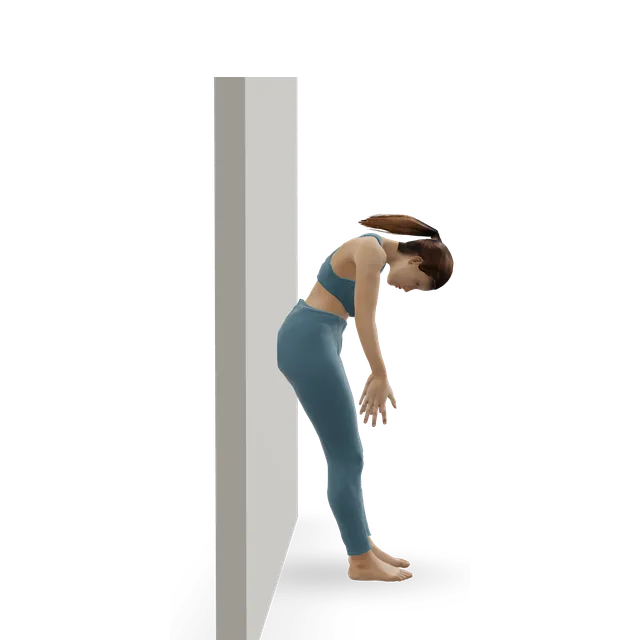
- Wall roll-down (wall Pilates)3 to 5 slow repsBeginner · Abs, Back, Hamstrings · 3D demoBack against the wall, feet a little away, hands on your thighs the whole time; bend only as far as is comfortable with your lower back still on the wallHarder: Roll-up (Pilates)
- Hip-hinge practice8 slow repsBeginner · Glutes, Hamstrings, Back · 3D demoLong back, hips travel back: the hinge replaces rounding forwardHarder: Dumbbell Romanian deadlift
- Single-leg stand2 holds of 20 to 30 s each legBeginner · Hip abductors, Calves, Glutes · 3D demoBeside a wall or worktop; touch it whenever you need toEasier: Tandem stance and heel-to-toe walkHarder: Single-leg reach matrix


On your back: abdominals without curling up
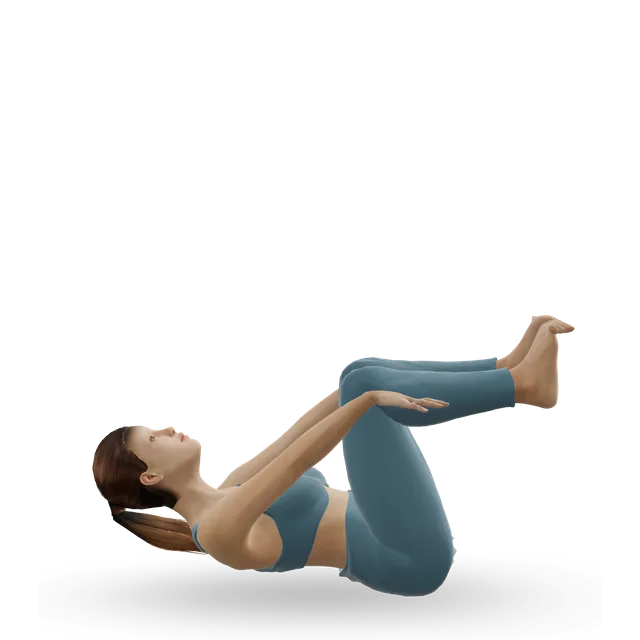
- Knee fold5 to 10 each sideBeginner · Abs, Hip flexors · 3D demoHead stays down: the society's swap for the hundred, roll-up and leg stretches. Harder: straighten the leg as it lifts, or add slow arm circlesEasier: Supine heel slideHarder: Dead bug heel taps
- Single-leg circle (Pilates one leg circle)5 each direction, each legBeginner · Abs, Hip flexors, Adductors · 3D demoBottom knee bent, small circles, pelvis stillHarder: Corkscrew (Pilates)
- Hip windshield wipers10 slow passesBeginner · Glutes, Adductors · 3D demoThe hip roll with both feet on the floor and knees together, in a small rangeEasier: Supine heel slideHarder: 90/90 switch
- Pelvic tilt into bridge6 to 8 slow repsBeginner · Glutes, Abs, Hamstrings · 3D demoThe spine curl instead of the roll-over: lift part of the way, not as high as a full shoulder bridgeHarder: Glute bridge




On your side: hips
- Side kick (Pilates side kick series)8 each sideBeginner · Hip flexors, Glutes, Hip abductors · 3D demoHead resting on your lower arm, legs slightly forward of your hipsHarder: Side-lying leg circles (Pilates side kick series)
- Clamshell10 each sideBeginner · Hip abductors, Glutes · 3D demoHips stackedEasier: Supine isometric hip abduction (belt press)Harder: Lateral band walk


Face down: back strength, the swap for curl-ups
- Swan (Pilates swan dive)3 to 5 small lifts, each held 3 to 5 sIntermediate · Back, Glutes, Triceps · 3D demoForehead on your hands; lift only your chest a little, like the society's diamond pressEasier: Mermaid (Pilates seated side bend)Harder: Double-leg kick (Pilates double kick)
- Swimming (Pilates)3 to 5 each side, each held 3 to 5 sIntermediate · Back, Glutes, Shoulders · 3D demoSlow opposite arm and leg lifts, not the fast flutter, like the society's starEasier: Mermaid (Pilates seated side bend)Harder: Leg pull back (Pilates leg pull up)


All fours: the swap for rolling like a ball
- Cat-cow5 or 6 slow roundsBeginner · Back, Abs · 3D demoMove gently through your spine; the society has no concern with the catHarder: Half lord of the fishes (Ardha Matsyendrasana)
- Bird dog5 each sideBeginner · Back, Abs, Glutes · 3D demoHold each for up to 3 breathsEasier: Bird dog, one limb at a timeHarder: Bear crawl


Sitting: a smooth twist
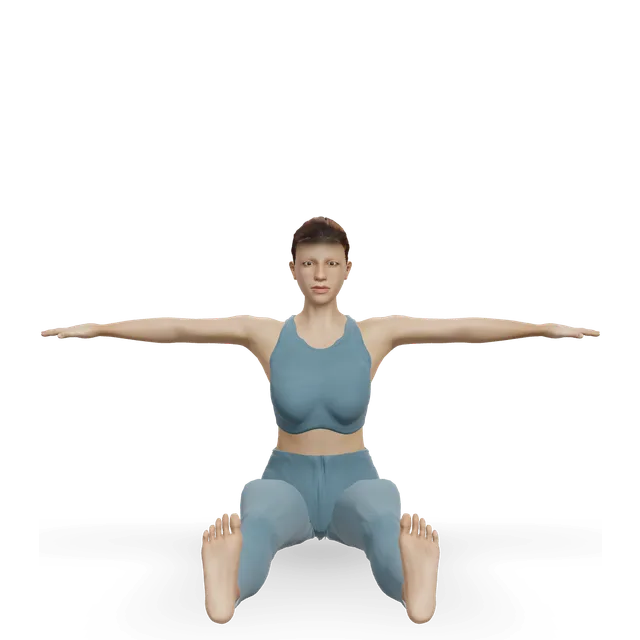
- Spine twist (Pilates)3 each sideBeginner · Abs, Back, Shoulders · 3D demoSit tall on a folded towel or block and twist slowly, only as far as is comfortable; leave it out if you've been told your fracture risk is highHarder: Saw (Pilates)
Standing finish
- Sit to stand from a chair8 to 10 slow repsBeginner · Quads, Glutes, Hamstrings · 3D demoArms crossed if you can, hands on your thighs if notEasier: Sit to stand, pushing on the thighsHarder: Bodyweight squat

Tips
- Twice a week counts toward the UK advice to do balance and strength exercise, including Pilates, at least twice a week. For your bones, add strength training with weights on 2 or 3 days and, if it suits you, about 50 impacts such as heel drops on most days.
- If you already do the hundred, roll-up or leg stretches regularly, easily and without pain, the Royal Osteoporosis Society says you may decide to carry on. If you're unsure, or have had a spinal fracture, keep the swaps.
- Stop if you feel sick, dizzy, very short of breath, clammy, tight in the chest or any pain, and call 111, or 999 (911 in the US) in an emergency.
- To get up from the floor, our suggestion is to roll onto your side and push up with your arms, rather than sitting straight up.
The doses are suggested starting points, not a prescription. Choose a range you can control and stop for sharp or increasing pain, numbness or tingling. Get individual advice after an injury or surgery, or if you are pregnant or managing a health condition.
Guides that recommend it
Find more moves like these
More pilates



Beginner Pilates workout
A 20-minute mat Pilates workout for complete beginners. It covers breathing, spine position and the foundation moves, each with an easier option.
20 minBeginner13 movesNo equipment

10-minute Pilates abs
Ten minutes of the classic Pilates abdominal series: the hundred, the roll-up and the series of five, with a plank to finish.
10 minIntermediate11 movesNo equipmentFull-body mat Pilates workout
A 30-minute intermediate mat Pilates class that follows the classical order, from the hundred to the push-up, with prep versions of the hardest moves.
30 minIntermediate22 movesNo equipmentQuestions people ask
How long does the pilates for osteoporosis: a mat class with safe swaps take?
About 25 minutes, including any warm-up and cool-down listed. Shorten it by doing fewer rounds; lengthen it by adding one.
What equipment do I need?
You need: A wall, A bench or box. Each move links to its guide, where you can find an alternative if you are missing something.
Is it suitable for beginners?
It is written for beginners. 8 of its 16 moves have an easier option listed beside them if you need one.
How do I make it easier or harder?
Use the easier or harder option listed under each move, change the number of rounds, or adjust the rest. Progress one change at a time.