Pilates guide

Pilates for the hip flexors: tight or weak, stretching and strengthening, the lower back and pelvis, and moves to start with

Pilates works the hip flexors from both sides: it strengthens them, stretches the front of the hip, and builds the glutes and trunk that share the load. That matters, because feeling "tight" isn't always about short muscles, and in trials strengthening improved range of movement as much as stretching. No trial has tested Pilates for tight or painful hip flexors, so this guide uses the stretching and strengthening trials.

This guide explains the hip flexor muscles, what sitting does (less than you might think), whether tight hip flexors cause back pain or a tilted pelvis, how to stretch and strengthen them well, why they ache in some Pilates moves, and when hip or groin pain needs a physiotherapist or GP. It ends with a 25-minute class with 3D demos.

The short version

"Tight" often isn't short

Common hip flexor tests are unreliable unless the pelvis is held still. People who sat a lot and moved little had about 6 degrees less hip extension in one study, but that's a link, not proof that sitting shortens the muscles.

Sources 1, 2, 3

Tight hip flexors don't explain most back pain

Back pain wasn't linked with hip flexor range once body weight was taken into account, and people with back pain don't stand with more pelvic tilt. Trunk endurance and hip strength had stronger links.

Sources 4, 5, 6

Stretching improves range, not posture

Twice-daily hip flexor stretching for 10 weeks increased hip extension in older adults, and stride length in those who started stiff. But stretching didn't change pelvic or spinal posture in 23 studies.

Sources 7, 8, 9

Strengthen as well as stretch

Strength training improved range as much as stretching in 11 trials, 6 weeks of band training raised hip flexor strength by 17%, and weak hip flexors predicted declining mobility in older adults.

Sources 10, 11, 12

How to stretch well

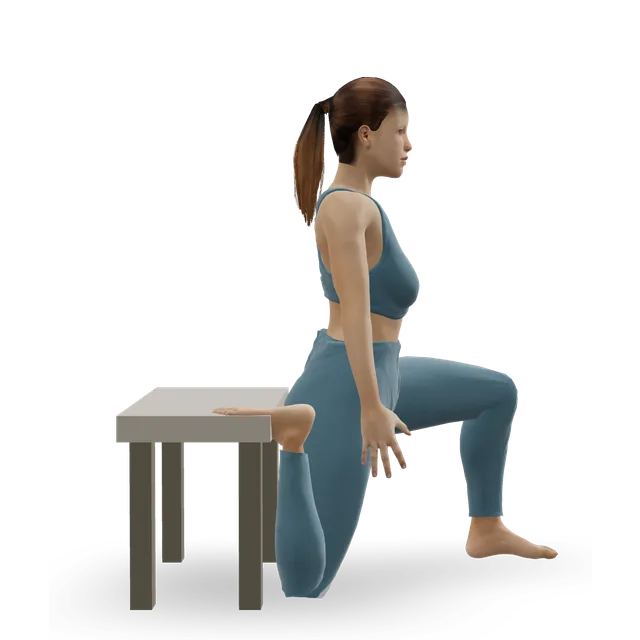
Tuck your pelvis under in the kneeling stretch, keep it mild, and hold 20 to 30 seconds: gains level off at about 4 minutes a session and 10 minutes a week.

Sources 13, 14, 15

A pulled hip flexor needs loading before stretching

Strains happen when kicking, sprinting or changing direction. Start with gentle marches and bridges, and stretch once loading is pain-free. A pop with bruising or weakness lifting your knee needs checking within days.

Sources 16, 17

The hip flexors: what they are and what they do

The iliopsoas and rectus femoris

The main hip flexor is the iliopsoas: the psoas major, from the sides of the lower spine, and the iliacus, from the inside of the pelvis, sharing a tendon to the inner thigh bone. The rectus femoris, the one thigh (quadriceps) muscle that crosses the hip, helps and also straightens the knee. Sartorius and tensor fasciae latae help too.

Sources 18, 16

What they doEmerging evidence

They lift the knee towards the chest when you climb stairs, walk, sprint or kick, and with the legs held down they curl the trunk up in the second half of a sit-up. The psoas helps hold the lower spine upright when you sit tall and steadies it sideways. Contrary to popular claims, it "cannot have major affects to 'control lordosis'", the curve of the lower back.

Sources 18, 19, 20, 21

Weak hip flexors matter tooEmerging evidence

In 433 older adults, weak hip flexors were the main predictor of declining mobility over a year, and in a small study, strengthening them improved step length and walking speed.

Sources 12, 22

Tight, short or weak? Sitting and the hip flexor test

The test isn't reliable on its ownEmerging evidence

The modified Thomas test (lying at the end of a bed hugging one knee) caught a real shortfall in hip extension only about a third of the time unless the pelvis was held still, and pass or fail scoring agreed poorly between testers. With careful methods, reliability is better.

Sources 1, 2, 23

Sitting: a small link, not proofMixed evidence

People who sat more than 7 hours a day and were inactive had 6.1 degrees less hip extension than active people who sat little. In another study, body weight, not back pain, predicted hip flexor range. Nobody has followed people over time to show that sitting shortens the muscles.

Sources 3, 4

What "tight" might mean

The feeling of tightness can come from stiffness, a sensitive area, or muscles working hard to hold you steady, as well as from length (our reading). That's one reason strengthening and gentle stretching both help.

Sources 1, 15

What the evidence says about stretching and strengthening

No trial has tested Pilates for tight or painful hip flexors; the trials below tested stretching and strengthening programmes, mostly small and short.

Stretching increases rangeStrong evidence

Across 77 studies, stretch training increased range of movement by a moderate to large amount, with static and contract-relax stretching beating bouncing or swinging stretches. Across 189 studies, static stretching gains levelled off at about 4 minutes a session and 10 minutes a week, and people who started stiffer gained more.

Sources 24, 14

Hip flexor stretching and walking in older adultsEmerging evidence

In 96 older adults, stretching twice a day for 10 weeks increased hip extension a little (from about 6 to 8 degrees). With supervision, it increased stride length and walking hip extension in those who started stiff, and walking speed and stride length in frail older adults. Hip and ankle stretching for 8 weeks increased walking speed in 40 older adults.

Sources 7, 8, 25, 26

Active or passive: both workEmerging evidence

Active and passive hip flexor stretching increased hip extension equally over 6 weeks in 33 people. In 40 professional footballers with back pain and stiff hips, 8 weeks of dynamic stretching improved hip range and pain, and some of the gain faded after 4 weeks off.

Sources 27, 28

Strengthening improves range as much as stretchingEmerging evidence

In 11 trials with 452 people, strength training and stretching improved range of movement equally. In 39 dance students, end-range hip flexor strengthening and gentle stretching (3 out of 10) improved usable, active range more than moderate to hard stretching.

Sources 10, 15

Stronger hip flexorsEmerging evidence

Band hip flexor training 3 times a week for 6 weeks raised strength by 17% in 33 adults. Strengthening improved walking speed and step length in a small study, and sprint and shuttle times in active adults. The hip flexors work hardest between about 30 and 60 degrees of hip bend, as in straight-leg raises.

Sources 11, 22, 29, 30

Pilates and the hip flexorsMixed evidence

In 14 women aged about 62, 12 weeks of mat Pilates raised hip flexor and extensor strength (no control group). Nine months of Pilates didn't change the size of the iliopsoas or glutes in 12 women, so its benefits are probably in control rather than muscle size. We found no trial of Pilates for tight or painful hip flexors.

Sources 31, 32, 33

Stretching doesn't change postureStrong evidence

Across 23 studies, stretching didn't change spinal or pelvic posture, and 20 stretching researchers agreed that stretch training doesn't "improve posture" or prevent injuries on its own. One session of hip flexor stretching reduced pelvic tilt by about 1 degree straight afterwards.

Sources 9, 34, 35

The lower back and pelvis

Hip flexor length and back painEmerging evidence

In 118 adults, back pain wasn't linked with hip flexor range once body weight was taken into account. In 600 adults, iliopsoas length, the lower-back curve and pelvic tilt weren't linked with back pain, while back muscle endurance and hip flexor, inner thigh and tummy strength were. Links between hip range and back pain are very low quality, and hip flexor length wasn't among the measures that predicted back pain in long-term studies.

Sources 4, 5, 36, 37

Pelvic tilt varies, and doesn't track the hip flexorsEmerging evidence

People with back pain stand with no more lower-back curve or pelvic tilt than people without it (43 studies). Most pain-free young adults tilt forwards a little, and the shape of the pelvis alone changes the measured angle. Hip extension range was unrelated to pelvic tilt or the lower-back curve.

Sources 6, 38, 39, 40

Treatments for excessive tiltMixed evidence

Programmes aimed at a tilted pelvis changed it by under 2 degrees, with very low-quality evidence. Our Pilates for anterior pelvic tilt guide covers this in full.

Source 41

Why hip flexors ache in Pilates, and what to do

Some moves load the hip flexors heavilyEmerging evidence

The hundred with straight legs, the roll-up, the double-leg stretch, double-leg lowers and the teaser all ask the hip flexors to work hard. Sit-ups worked the psoas at 15% to 35% of its maximum against under 10% in curl-ups, and leg raises peak around 30 to 60 degrees of hip bend.

Sources 19, 30, 18

Make it easier

Bend your knees to a tabletop, keep your feet lower or on the floor, keep your head down, roll up with your knees bent or using a strap, and build up the tummy work first (teachers' methods, our suggestion).

Sources 19, 30

When the ache is something else

An ache that settles within a day is usually overload. Pain on resisted hip flexion or on stretching, with tenderness in the groin, fits iliopsoas-related groin pain, which needs a physiotherapist. A pop with bruising or weakness needs checking within days.

Sources 42, 17

Hip flexor strains and groin pain

How they happenEmerging evidence

Hip flexor injuries make up about a third of sudden groin injuries in male athletes: the rectus femoris mostly when kicking or sprinting, the iliacus and psoas when changing direction. In women's football, inner thigh injuries were the commonest groin injury, then the iliopsoas and rectus femoris.

Sources 16, 43

Most get better without surgeryMixed evidence

In athletes and people without a hip replacement, exercise-based treatment helped 77% to 100% of people with iliopsoas-related groin pain, though the studies were low quality.

Sources 44, 42

Load first, stretch laterStrong evidence

The NHS advises avoiding strenuous exercise such as running for up to 8 weeks after a strain. Start with gentle marches, knee folds and bridges, add band work, and add stretching once loading is pain-free. Our hip flexor pain guide has the staged plan.

Sources 17, 11

How much, and how often

A starting point

Our 25-minute class 2 or 3 times a week for 6 to 10 weeks (our editorial starting point, from the stretching trials' 10 weeks and the strength trials' 6 to 8). On other days, a kneeling stretch with your pelvis tucked, 2 to 4 holds of 20 to 30 seconds each side; there's little extra gain beyond about 10 minutes a week.

Sources 7, 8, 11, 14, 13

Compared with our other hip flexor routine

Our tight hip flexors routine is strength-led, with a band and lunges. The Pilates class adds trunk control, breathing and balanced work for both sides; either is a good choice.

Find your pelvis and hip flexors

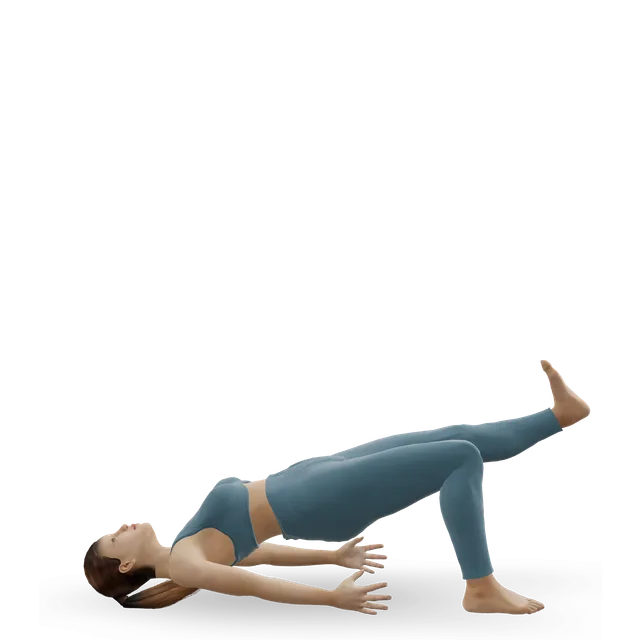
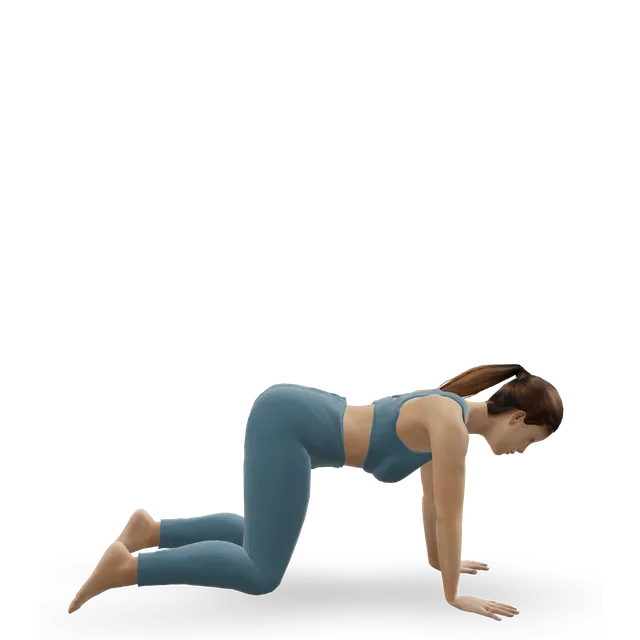
Pelvic tilt into bridge, 6 slow reps, and dead bug heel taps, 6 each side (our beginner class); knee folds, 2 sets of 5 to 10 each side (the move's page); single-leg circles, 5 each way, each leg, other knee bent (the move's page).

Strengthen the hip flexors

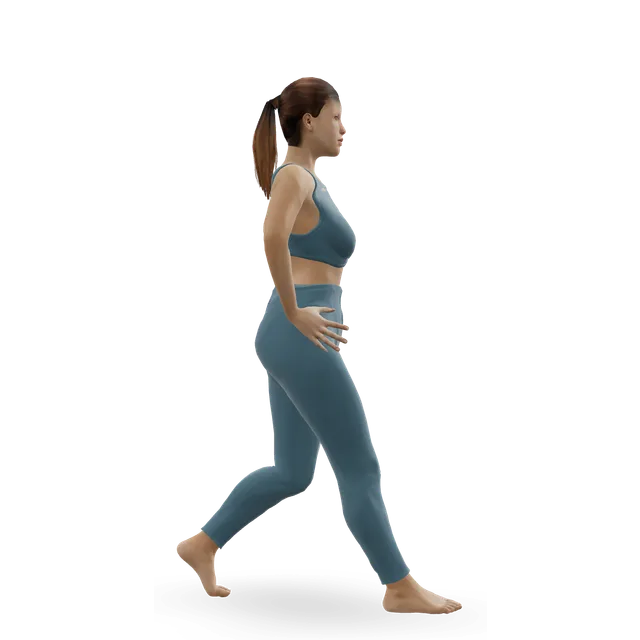
Standing march, 10 each side with a low knee, and band hip flexion, 3 sets building from 15 to 8 hard reps over the weeks (our hip flexor pain guide, from the Thorborg trial); straight-leg raises, 8 each leg (our knee pain class); single-leg stretch, 6 each side (our beginner class); dead bug, 6 each side to start (our editorial starting point).

Stretch the front of the hip

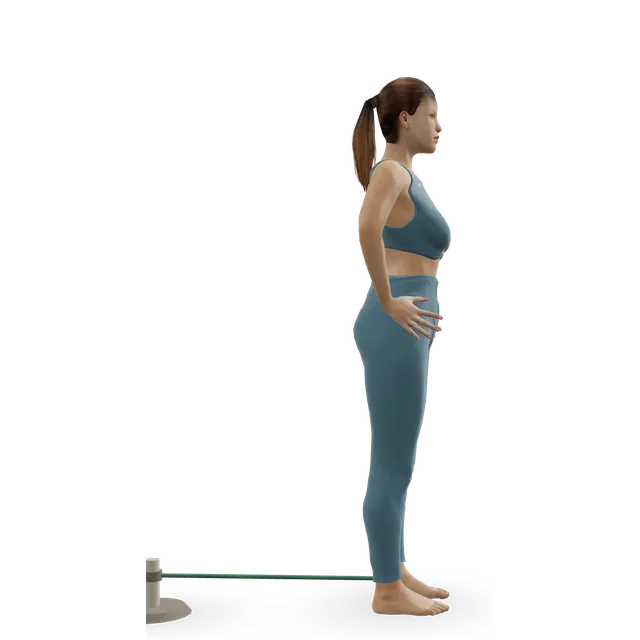
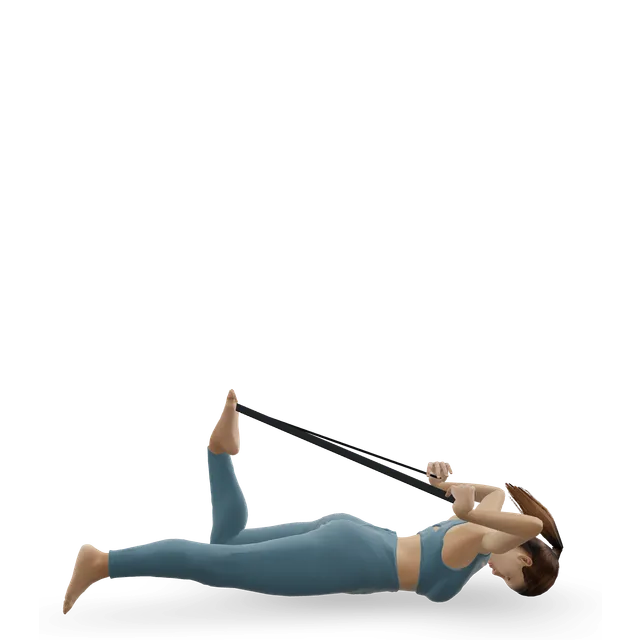
Kneeling hip flexor stretch with your pelvis tucked, 2 to 3 holds of 30 seconds each side, mild (our hip flexor pain guide); standing and face-down strap stretches, 20 to 30 seconds, 2 to 4 times each side (the moves' pages); single-leg kick, 6 to 8 each leg (the move's page); couch stretch, 2 holds of 30 seconds each side, later (our editorial starting point).

The back of the hip and your trunk

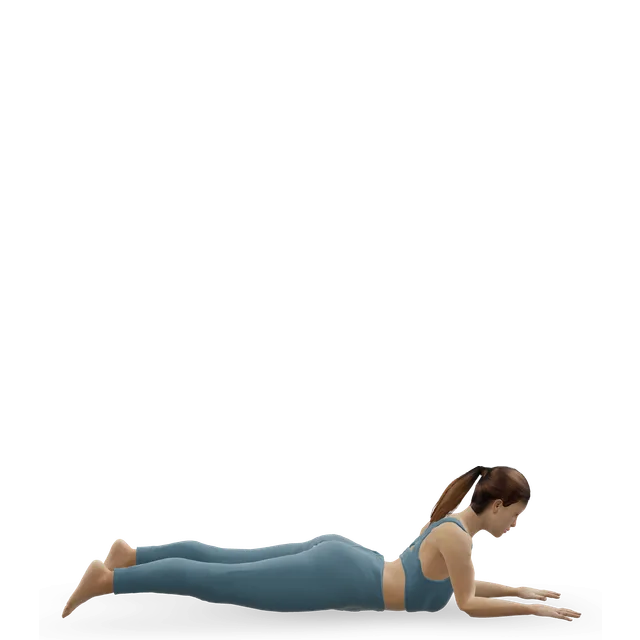
Glute bridge, 2 sets of 10 (our hip flexor pain guide); shoulder bridge, 3 to 5 kicks each leg, swimming, 2 to 3 sets of 20 to 30 seconds, and knee hover, 3 holds of 15 to 30 seconds (the moves' pages); clamshells, 10 each side (our knee pain class); bird dog, 5 each side (our beginner class).

Moves to change or leave out

Double-leg lowers and the teaser

These load the hip flexors most. Use bent knees and keep your head down until your trunk can hold your pelvis still.

Sources 19, 30

After a hip replacement

Follow your surgical team's precautions: ask before bending the hip past a right angle, and after a front (anterior) approach replacement, leave out kneeling and lunge stretches while your team restricts taking the leg behind you.

With hypermobility

Keep stretches mild and in the middle of your range, and favour the strengthening moves: the NHS says not to overextend your joints just because you can.

Source 45

Sore knees, or a back that dislikes arching

Use the standing or face-down strap stretch instead of kneeling or the couch stretch, and keep your pelvis tucked in any lunge.

Our class and other workouts

Our 25-minute Pilates class controls, strengthens and stretches the front of the hip and trains the back of it. The tight hip flexors routine is the strength-led alternative with a band; the hip release and anterior pelvic tilt routines add stretches and pelvic control; the glute class trains hip extension.

Stretch-and-strengthen Pilates for the hip flexors: a 25-minute class for the front and back of the hip

A 25-minute Pilates class for the hip flexors: pelvic control, hip flexor strength, the glutes and back of the hip, and a gentle pelvis-tucked stretch.

25 minBeginner16 movesA band, An anchor point

Tight hip flexors routine: stretch, then strengthen

Hips that feel tight: a tucked hip flexor stretch, then band knee drives, leg raises, dead bugs, bridges and lunges. Strength through range loosens hips too.

15 minBeginner8 movesA band, An anchor point

Hip release routine: roll, stretch, strengthen

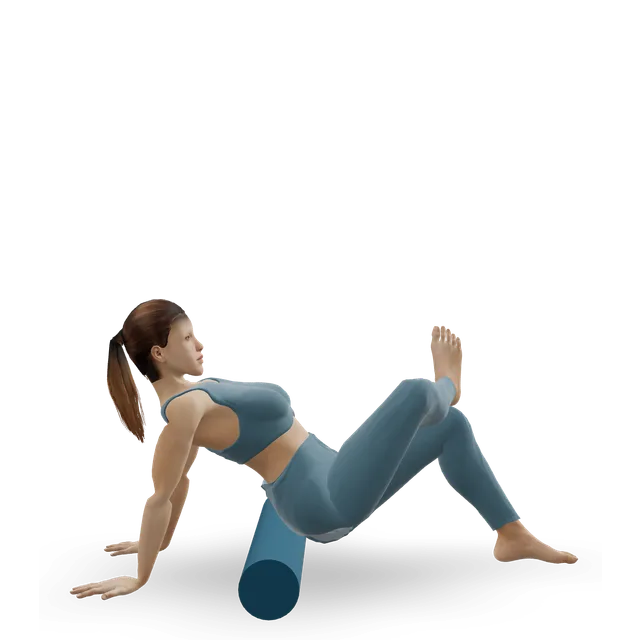
Stiff hips and glutes: a few minutes of rolling the glutes and thighs, two stretches while the extra range lasts, then strength work to keep it. About 15 minutes.

15 minBeginner7 movesA foam roller

Anterior pelvic tilt routine: hips and core

A 20-minute routine for anterior pelvic tilt: hip-flexor stretches, pelvic tilts, glute bridges, dead bugs, bird dogs and planks, for hip range and strength.

20 minBeginner10 movesA wall

Pilates glute workout: a 25-minute mat class (with a band if you have one)

A 25-minute Pilates class for your glutes: bridges, the side kick series, face-down kicks and standing work at a wall, with a band to make it harder.

25 minBeginner16 movesA wall, A band

Pilates for hip pain: a 20-minute class that spares the hip

A 20-minute Pilates class for hip pain: bridges, outer-hip holds, standing leg work and balance, without deep bends, crossed legs or lying on the sore side.

20 minBeginner14 movesA band, A wall

Warning signs: when to get help

These match our hip and groin pain guides. In the US, call 911 where this page says 999.

Call 999 or go to A&E

  • Call 999 or go to A&E: severe hip pain after a fall or injury, or you cannot stand, walk or put weight on the leg. In an older adult this can be a broken hip; the leg may be at an odd angle or look shorter. Don't drive yourself.
  • Call 999 or go to A&E if your child gets sudden pain in their hip, knee or thigh (hip problems can sometimes be felt in the thigh or knee) or cannot put any weight on their leg. If your child is limping, ask for an urgent GP appointment or get help from NHS 111 the same day. This applies to teenagers too, and in some children knee pain is the only sign.
  • Call 999 or go to A&E now if you have a femoral hernia (a small lump at the top of the thigh, in the groin) and very bad tummy pain, you feel sick or are being sick, you cannot fart or poo, you have a high temperature or feel hot, cold or shivery, or you've suddenly become confused. It may be strangulated, which is an emergency. Don't drive yourself.

Sources 46, 47, 48

The same day

Ask for an urgent GP appointment or get help from NHS 111 if you have severe hip pain that started suddenly but you've not had a fall or injured your hip, your hip is swollen and feels hot, the skin around your hip has changed colour, or you have hip pain, feel generally unwell and have a high temperature (or feel hot, cold or shivery). A hot, swollen hip with a high temperature can be a joint infection.

Same day: a teenager with sudden pain at the front or top of the hip bone after a sprint, kick or jump, often with a pop. A piece of growth plate can pull off the pelvis (an avulsion fracture), and it needs an X-ray the same day.

Get help from NHS 111 if you have a hernia (a lump in the groin or tummy) and pain in or around it, a bloated tummy, you feel sick or are being sick, you're vomiting blood or your vomit looks like coffee grounds, you're constipated, you have a high temperature or feel hot, cold or shivery, or you've suddenly become confused.

Sources 46, 49, 50

Within days: a possible hip flexor tear

A pop or sudden sharp pain at the front of the hip or top of the thigh during a lunge, kick or sprint, then a large bruise, a dent, or real weakness lifting your knee: get it assessed within days. Most hip flexor strains settle with rehab, but a torn or pulled-off tendon may need a scan to plan treatment (our suggestion).

Sources 16, 17

See a GP: a lump in the groin

A lump in the groin, upper thigh or tummy, especially one that appears when you cough or strain and goes when you lie down: see a GP, as it may be a true hernia. A femoral hernia (a small lump at the top of the thigh, mainly in women over 50, though it can happen to anyone) needs treating in hospital.

Sources 50, 48

Runners

Same day, and stop running now: groin or front-of-hip pain in a runner, sometimes felt in the thigh or knee, that builds with running, hurts with every step or at night, or hurts when the hip is turned to the end of its range. Keep weight off the leg, using crutches if you have them, and get an urgent GP appointment or help from NHS 111 the same day: a stress fracture of the hip (femoral neck) needs urgent imaging.

Source 46

See a GP or physiotherapist

Hip pain that stops normal activities or disturbs sleep, keeps getting worse or keeps coming back, or has not improved after 2 weeks of looking after it at home.

In many areas you can refer yourself to NHS physiotherapy.

Source 46

Chest pain or fainting: call 999

Call 999 if:

  • You get sudden pain or discomfort in your chest that doesn't go away; it can feel like squeezing or pressure, burning or indigestion.
  • The pain spreads to your left or right arm, or your neck, jaw, stomach or back.
  • You have chest pain and feel sweaty, sick, light-headed or short of breath.
  • Someone faints while exercising, can't be woken within 1 minute, or has chest pain or a pounding, fluttering or irregular heartbeat.

Sources 51, 52

Before you start

The NHS advises getting advice from a healthcare professional first if you have a health problem, an injury or symptoms, or have recently had a heart attack or an operation.

Source 53

Myths

"Sitting makes your hip flexors short"Mixed evidence

One study found about 6 degrees less hip extension in people who sat a lot and moved little. That's a link, and no study shows sitting shortens the muscles over time.

Source 3

"Tight hip flexors cause low back pain"Emerging evidence

Back pain wasn't linked with hip flexor range once body weight was considered, or with iliopsoas length in 600 adults.

Sources 4, 5, 36

"Tight hip flexors tip your pelvis forward"Emerging evidence

Hip extension range was unrelated to pelvic tilt, most pain-free adults tilt forward a little, and stretching doesn't change posture.

Sources 40, 38, 9

"Just stretch tight hip flexors; never strengthen them"Emerging evidence

Strengthening improves range as much as stretching, and weak hip flexors predict declining mobility as you get older.

Sources 10, 12

"The psoas stores emotions and needs releasing"Mixed evidence

We found no evidence for it. The psoas bends the hip and steadies the spine, and months of Pilates didn't change its size. Gentle stretching and slow breathing can feel good, which is reason enough.

Sources 18, 20, 32

"Hard stretching works best"Mixed evidence

Gentle stretching improved usable range more than hard stretching in dancers, and gains level off at about 4 minutes a session.

Sources 15, 14

Questions people ask

Is Pilates good for hip flexors?

It can be: Pilates trains hip flexor control and strength, stretches the front of the hip and strengthens the glutes and trunk. No trial has tested Pilates for tight or painful hip flexors, but mat Pilates raised hip flexor strength in older women, and programmes that stretch and strengthen improve range.

What are the best Pilates exercises for tight hip flexors?

A kneeling hip flexor stretch with your pelvis tucked under, the single-leg kick, and strengthening moves such as the knee fold, dead bug and single-leg stretch, with bridges for the back of the hip. Our 25-minute class puts them together.

Does sitting all day make your hip flexors tight?

One study found people who sat a lot and moved little had about 6 degrees less hip extension. That's a link, not proof that sitting shortens the muscles. Breaking up sitting, stretching and strengthening all help range.

Do tight hip flexors cause lower back pain?

The evidence doesn't show that: back pain wasn't linked with hip flexor range once body weight was considered, or with iliopsoas length in 600 adults. Trunk endurance and hip strength had stronger links.

Should I stretch or strengthen my hip flexors?

Both. Strength training improves range as much as stretching, and weak hip flexors matter for walking and stairs as you get older. Gentle stretching suits most people.

Why do my hip flexors hurt in Pilates?

Moves like the hundred, roll-up and double-leg lowers load the hip flexors heavily, especially before your tummy can hold your pelvis still. Bend your knees, keep your feet lower and your head down, and build up. Sharp pain, a pop or bruising needs checking.

How long should I hold a hip flexor stretch?

20 to 30 seconds, 2 to 4 times each side, at least 2 days a week. Gains level off at about 4 minutes a session and 10 minutes a week, and gentle stretching works as well as hard.

Can Pilates fix anterior pelvic tilt from tight hip flexors?

Not really: hip flexor length doesn't track pelvic tilt, and stretching doesn't change standing posture. Pilates builds strength and control; our anterior pelvic tilt guide covers this.

Can I do Pilates with a hip flexor strain?

Yes, gently: start with marches, knee folds and bridges, and leave stretches until loading is pain-free. The NHS advises avoiding strenuous exercise such as running for up to 8 weeks after a strain. See someone within days for a pop with bruising or weakness lifting your knee.

Is reformer Pilates good for hip flexors?

The reformer offers supported lunges and leg work, but no trial has compared it with mat work for the hip flexors. Either works if it includes strengthening and a stretch with your pelvis tucked.

What is the psoas, and does it need releasing?

The psoas is the deepest hip flexor, running from the lower spine to the thigh bone; it lifts the leg and steadies the spine. There's no good evidence that it stores tension or emotions. Stretching and breathing can feel good, and strengthening matters too.

How do I know if my hip flexors are tight?

Common tests, like lying at the end of a bed hugging one knee, are unreliable unless the pelvis is held still. If your hip moves comfortably and doesn't hurt, you don't need to chase a number.


Sources

  1. Vigotsky 2016 · The modified Thomas test isn't valid unless the pelvis is controlled: 29 students (validity study, PeerJ)
  2. Peeler 2008 · How reliable the modified Thomas test is: 54 adults (reliability study, J Athl Train)
  3. Boukabache 2021 · Long sitting, low activity and hip extension in 98 adults (cross-sectional study, Musculoskelet Sci Pract)
  4. Eimiller 2026 · Tight hip flexors and low back pain in 118 adults (cross-sectional study, Clin Biomech)
  5. Nourbakhsh 2002 · 17 physical measures and low back pain in 600 adults (cross-sectional study, J Orthop Sports Phys Ther)
  6. Laird 2014 · Lower back and pelvis movement with and without back pain: 43 studies (systematic review and meta-analysis, BMC Musculoskelet Disord)
  7. Kerrigan 2003 · Hip flexor stretching and walking in 96 older adults (randomised trial, Arch Phys Med Rehabil)
  8. Watt 2011 · Supervised hip flexor stretching and walking in 82 older adults (randomised trial, PM R)
  9. Warneke 2024 · Stretching or strengthening for spine and pelvis posture: 23 studies (systematic review and meta-analysis, Sports Med Open)
  10. Afonso 2021 · Strength training or stretching for range of movement: 11 trials, 452 people (systematic review and meta-analysis, Healthcare)
  11. Thorborg 2016 · Band hip flexor strength training in 33 adults (randomised trial, Knee Surg Sports Traumatol Arthrosc)
  12. Ikezoe 2021 · Weak hip flexors and declining mobility in 433 older adults (cohort study, Arch Gerontol Geriatr)
  13. González-de-la-Flor 2024 · Two ways to do the kneeling hip flexor stretch: 26 adults (randomised crossover trial, BMC Musculoskelet Disord; read in full)
  14. Ingram 2025 · The best dose of static stretching: 189 studies (systematic review and meta-analysis, Sports Med)
  15. Wyon 2013 · Strengthening or gentle or hard stretching for active range in 39 dance students (randomised trial, J Strength Cond Res)
  16. Serner 2018 · Acute hip flexor injuries on MRI in 33 athletes (case series, Scand J Med Sci Sports)
  17. NHS · Sprains and strains
  18. Andersson 1995 · What the psoas and iliacus do for the spine, pelvis and hip: 7 adults (muscle activity study, Scand J Med Sci Sports)
  19. Juker 1998 · Psoas and tummy muscle activity in many exercises: 8 adults (muscle activity study, Med Sci Sports Exerc)
  20. Santaguida 1995 · The psoas major in three dimensions (cadaver and scan study, J Biomech)
  21. Bogduk 1992 · Anatomy and mechanics of the psoas major (cadaver and modelling study, Clin Biomech)
  22. Sato 2020 · Hip flexor strengthening and walking in 40 people (intervention study, J Orthop Sci)
  23. González-de-la-Flor 2026 · Reliability of hip flexor flexibility tests: 27 studies (systematic review and meta-analysis, PM R)
  24. Konrad 2024 · Long-term stretching and range of movement: 77 studies (systematic review and meta-analysis, J Sport Health Sci)
  25. Watt 2011 · Supervised hip flexor stretching and walking in 74 frail older adults (randomised trial, PM R)
  26. Christiansen 2008 · Hip and ankle stretching and walking speed in 40 older adults (randomised trial, Arch Phys Med Rehabil)
  27. Winters 2004 · Active or passive hip flexor stretching: 33 people (randomised trial, Phys Ther)
  28. Iranmanesh 2025 · Dynamic hip flexor stretching in 40 footballers with low back pain (randomised trial, J Sports Sci)
  29. Deane 2005 · Hip flexor training, sprinting and jumping in 48 adults (controlled study, J Strength Cond Res)
  30. Juan 2024 · Hip flexor muscle activity in common exercises: 9 studies (systematic review, J Clin Med)
  31. Bertoli 2018 · Mat Pilates and hip and knee strength in 14 women aged about 62 (uncontrolled study, J Bodyw Mov Ther)
  32. Dorado 2020 · 36 weeks of Pilates and the size of the hip and lower back muscles in 12 women (study, Sports Health)
  33. Europe PMC · Our search for trials of Pilates and the hip flexors (October 2026)
  34. Warneke 2025 · Practical recommendations on stretching from 20 researchers (Delphi consensus, J Sport Health Sci)
  35. Preece 2021 · Pelvic tilt before and after one hip flexor stretching session: 23 men (study, J Manipulative Physiol Ther)
  36. Avman 2019 · Hip range of movement and low back pain: 24 studies (systematic review, Musculoskelet Sci Pract)
  37. Sadler 2017 · Physical measures that predict low back pain: 12 cohort studies (systematic review and meta-analysis, BMC Musculoskelet Disord; read in full)
  38. Herrington 2011 · How much pelvic tilt is normal: 120 adults (measurement study, Man Ther)
  39. Preece 2008 · Pelvic shape and measuring pelvic tilt: 30 pelves (cadaver study, J Man Manip Ther)
  40. Heino 1990 · Hip extension range and posture in 25 adults (study, J Orthop Sports Phys Ther)
  41. Falk Brekke 2020 · Treatments without surgery for excessive anterior pelvic tilt: 4 studies (systematic review, EFORT Open Rev)
  42. Weir 2015 · The Doha agreement on terms and definitions for groin pain in athletes (consensus, Br J Sports Med; read in full)
  43. Thorarinsdottir 2024 · Groin injuries in women's top-flight football in Norway (cohort study, Scand J Med Sci Sports)
  44. Frans-Jozef 2026 · Diagnosis and treatment of iliopsoas-related groin pain: 74 studies (systematic review, J Clin Med)
  45. NHS · Joint hypermobility syndrome (past its review date: reviewed August 2023, review due August 2026)
  46. NHS · Hip pain
  47. NHS · Hip pain in children (irritable hip)
  48. NHS · Femoral hernia
  49. NHS · Septic arthritis
  50. NHS · Hernia
  51. NHS · Chest pain (past its review date: reviewed August 2023, review due August 2026)
  52. NHS · Fainting
  53. NHS · Pilates for beginners (exercise video, with safety information)

Exercise education, not a personal prescription, and clinical review of these guides is pending. If you are pregnant, have a health condition or have had recent surgery, check with a doctor, midwife or physiotherapist before starting, and stop for sharp or increasing pain. Health disclaimer.