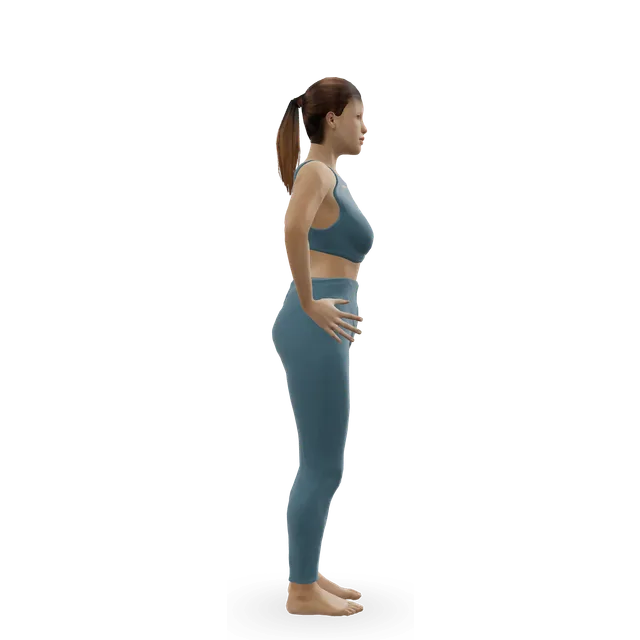
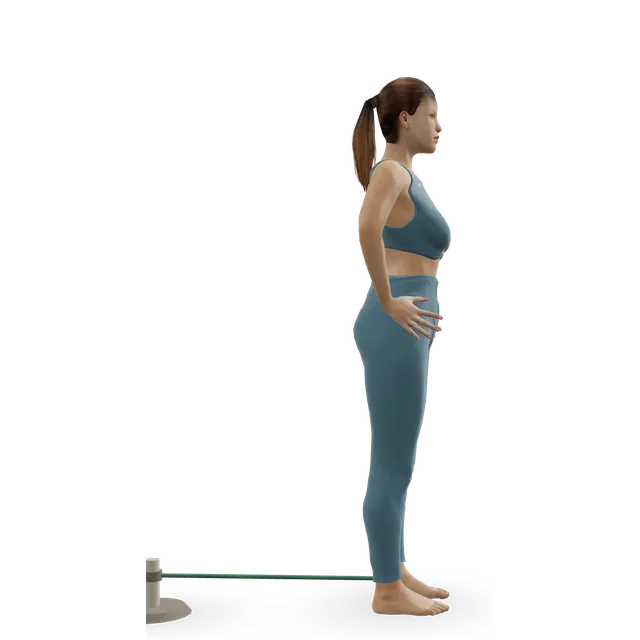
A forward tilt is normal
In 120 healthy young adults, 85% of men and 75% of women stood with their pelvis tipped forward. Part of what's measured is the shape of the pelvis itself, which varied by up to 23 degrees between pelvises.
Pilates guide
Most people's pelvis tips forward a little when they stand, and how much depends partly on the shape of their bones. A forward tilt isn't a diagnosis, and studies haven't linked it with back pain.
Exercise, Pilates included, hardly changes how your pelvis sits when you stand still. What Pilates can do is make your hips and trunk stronger, loosen tight hamstrings, and help back pain about as much as other exercise.
This guide explains what anterior pelvic tilt is and isn't, what happened to the tilt in exercise and Pilates studies, what neutral and imprint mean in a Pilates class, and the moves worth doing for your hips, glutes and trunk. Our anterior pelvic tilt guide covers the posture itself.
In 120 healthy young adults, 85% of men and 75% of women stood with their pelvis tipped forward. Part of what's measured is the shape of the pelvis itself, which varied by up to 23 degrees between pelvises.
On average, people with back pain don't stand with more pelvic tilt or a deeper lower-back curve, and research hasn't shown that posture causes back pain.
In healthy people, stretching didn't change the posture of the pelvis and lower back, and programmes aimed at an excessive tilt changed it by 2 degrees or less.
In 236 teenagers, 9 months of Pilates didn't reduce pelvic tilt significantly more than in a comparison group, and in people with back pain, Pilates improved disability but not alignment on X-ray.
Pilates strengthens the trunk and hips, loosens the hamstrings and helps back pain about as much as other exercise. Do the moves for what they build, not to fix an angle.
Your pelvis tips forward and back on your hip joints like a bowl. In an anterior tilt, the front of the pelvis sits lower than the back. It's usually measured as the angle between the bony points at the front and back of the pelvis. Tipping your pelvis on purpose changes your lower-back curve: tilting fully forward deepened the curve by about 11 degrees in one study.
In 120 healthy adults with an average age of 24, 85% of men and 75% of women had an anterior tilt, 6% and 7% a backward tilt, and 9% and 18% were level. On average, women tilt forward more than men.
In 30 pelvises held in the same position, the usual measurement varied from 0 to 23 degrees just because pelvises are shaped differently, with up to 11 degrees between the two sides of one pelvis. So a large measured tilt can be down to the shape of your bones, and every clinical way of measuring tilt has limits.
When people stand naturally, pelvic tilt and the lower-back curve are only weakly related, or not at all. Tilt wasn't related to how far the hip extends, to the length of the tummy, back, hip and thigh muscles in 103 teenage girls, or to abdominal strength in men. Researchers concluded in 1996 that using tummy strengthening or stretches "to correct faulty standing posture should be questioned".
A meta-analysis of 43 studies found that people with back pain stand with no more lower-back curve or pelvic tilt than people without it; they move their lower back less, and more slowly. In 600 adults, back muscle endurance had the strongest link with back pain, while the lower-back curve, pelvic tilt and the length of the hip flexor and hamstring muscles weren't linked. A review of 41 reviews found no agreement that posture causes back pain.
Pelvic tilt matters more in some hip and groin conditions, where a physiotherapist may assess and train it. Even there, a 12-week programme in 42 young people with a hip socket problem changed tilt by only about 1.6 degrees.
The idea is that tight hip flexors and back muscles, with weak glutes and tummy muscles, pull the pelvis forward. Measurement studies haven't found tilt tracking the length or strength of those muscles, and in a study of muscle stiffness the predicted pattern "was not confirmed".
The modified Thomas test, often used to judge tight hip flexors, picked up a shortfall in hip extension only about a third of the time unless the pelvis was held still, in a study of 29 students.
Source 24
In a 2024 meta-analysis of 23 studies in healthy people, stretching didn't change the posture of the pelvis and lower back (5 studies), and neither did strengthening (2 studies), though strengthening did improve upper-back and neck posture. The authors found no evidence to recommend stretching to change posture.
Source 6
A review found 2 small randomised trials and 2 non-randomised studies of programmes for an excessive tilt; one trial found a reduction of under 2 degrees, and the overall certainty was very low. Small trials of core and corrective programmes report less tilt within the groups that did them, but often have no untreated comparison group.
One session of hip flexor stretching reduced tilt by about 1 degree straight afterwards, with no change in the lower-back curve. In people with back pain, stretching or strengthening the hamstrings lengthened them but didn't change pelvic tilt.
In 236 teenagers, 9 months of short Pilates sessions in physical education lessons reduced pelvic tilt within the Pilates group (from about 26 to 24 degrees), but the difference from the comparison group, about 2 degrees, wasn't statistically significant. The other studies are small: 6 months of Pilates improved pelvis alignment in 74 women (the abstract gives no angles), Pilates and suspension training both reduced tilt in 20 women with no untreated group, and in 22 people with back pain, Pilates improved disability but not alignment on X-ray.
A 2024 review of 18 studies found moderate-certainty evidence that Pilates improved spinal posture angles a little in children and teenagers, but only very low to low certainty in adults. In 50 active adults, 12 weeks of Pilates improved endurance and flexibility but not posture.
In a Cochrane review, Pilates eased back pain more than minimal treatment and about as much as other exercise. In trials it improved trunk muscle endurance and hamstring flexibility, and let the pelvis tip further in a forward bend: more movement, not worse posture.
From STOTT PILATES and Studio Pilates teaching notes. Schools differ, and our beginners guide explains how classical teachers use the imprint. Neither is a posture to hold all day.
See the movement on the 3D figure: Pelvic tilt into bridge
Tilting your pelvis back and forward teaches you to control it, and the standing tilt makes a good break from sitting.
Our editorial starting point, as in our anterior pelvic tilt guide: 2 or 3 holds of 30 to 45 seconds each side. The stretch changes tilt only briefly, so do it because it feels good.
Strength for the back of your hips and steadiness for your trunk. The anterior pelvic tilt routine below gives doses for the bridge, dead bug, bird dog and plank, and the Pilates moves' pages give theirs; leave out big back arches if they pinch.
 3D demoGlute bridgeBeginner · No equipment
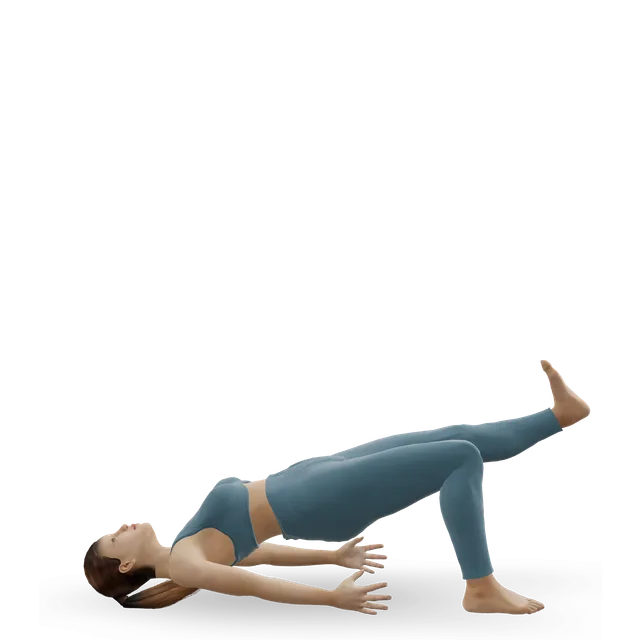 3D demoShoulder bridge (Pilates)Intermediate · No equipment
 3D demoSide kick (Pilates side kick series)Beginner · No equipment
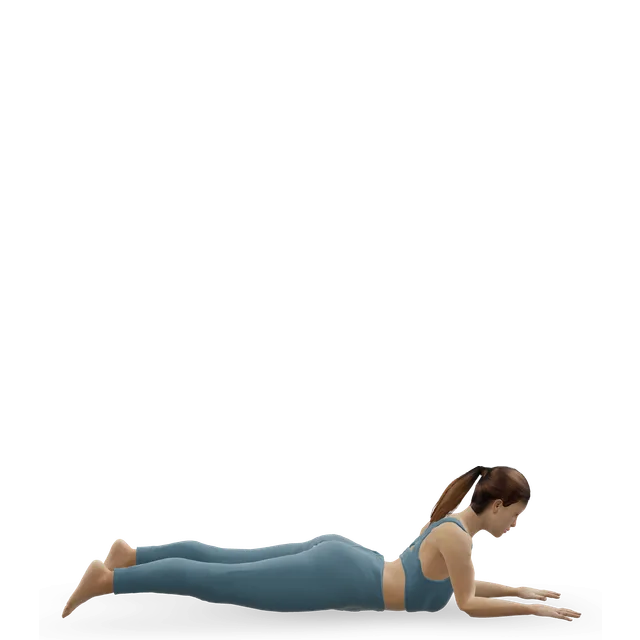 3D demoSingle-leg kick (Pilates one leg kick)Beginner · No equipment
 3D demoSwimming (Pilates)Intermediate · No equipment
 3D demoDead bugBeginner · No equipment
 3D demoSingle-leg stretch (Pilates one leg stretch)Intermediate · No equipment
 3D demoHundred (Pilates)Intermediate · No equipment
 3D demoBird dogBeginner · No equipment
 3D demoKnee plankBeginner · No equipment
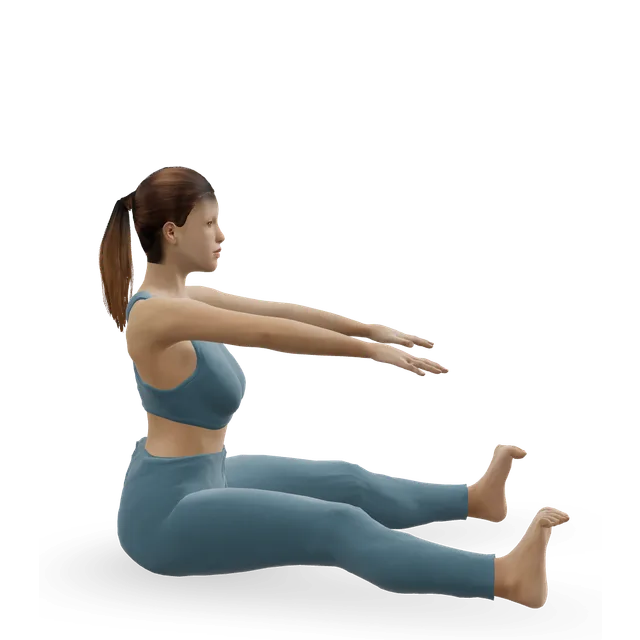 3D demoSpine stretch forward (Pilates spine stretch)Beginner · No equipment
Our editorial starting point, as in our anterior pelvic tilt guide: 2 or 3 sessions a week for 6 to 8 weeks, with bridges for 2 to 3 sets of 10 to 12, dead bugs and bird dogs for 2 to 3 sets of 6 to 8 each side, and planks held 3 times for 20 to 45 seconds. Twice a week also counts towards the NHS muscle-strengthening guideline.
Source 36
Imprint is for moves with both legs in the air; for most other moves, start from neutral. There's no need to tuck your pelvis all day.
Pilates helps back pain about as much as other exercise, and the National Institute for Health and Care Excellence (NICE) suggests group exercise programmes, including mind-body ones. Skip or shrink any arching move that sends pain down a leg.
The anterior pelvic tilt routine combines the hip flexor stretch, pelvic tilts and glute and trunk work; the Pilates glute workout is the mat class version.
A 20-minute routine for anterior pelvic tilt: hip-flexor stretches, pelvic tilts, glute bridges, dead bugs, bird dogs and planks, for hip range and strength.
20 minBeginner10 movesA wallA 25-minute Pilates class for your glutes: bridges, the side kick series, face-down kicks and standing work at a wall, with a band to make it harder.
25 minBeginner16 movesA wall, A bandHips that feel tight: a tucked hip flexor stretch, then band knee drives, leg raises, dead bugs, bridges and lunges. Strength through range loosens hips too.
15 minBeginner8 movesA band, An anchor pointA gentle 15-minute Pilates-based routine for ongoing low back pain, built from neutral-spine moves with options for backs that dislike bending or arching.
15 minBeginner10 movesNo equipmentA 20-minute mat Pilates workout for complete beginners. It covers breathing, spine position and the foundation moves, each with an easier option.
20 minBeginner13 movesNo equipmentBoth plans build a habit of short sessions a few times a week.
A free 4-week, 3-day Pilates plan for complete beginners. Two mat days and one wall day, with clear rules for when to move each exercise to its harder version.
3 training days25 minBeginner2 days a weekYour first four weeks: two, then three short strength sessions a week at home plus walks, building gently to a full routine.
2 training days20 minBeginnerIn the US, call 911 for 999, and use your doctor's urgent line or urgent care for NHS 111.
Source 40
Source 40
In many areas you can refer yourself to NHS physiotherapy without seeing a GP first.
Source 40
Hip or groin pain that isn't settling is worth a check with a GP or physiotherapist; pelvic tilt matters more in some hip conditions.
Source 13
Most healthy people tilt forward, people with back pain don't stand with more tilt, and tilt wasn't linked with back pain in 600 adults.
In measurement studies, tilt hasn't tracked hip flexor or hamstring length, or abdominal strength in men, and a study of muscle stiffness didn't find the predicted pattern.
Stretching didn't change pelvis and lower-back posture in healthy people; one session reduced tilt by about 1 degree straight afterwards.
In the biggest trial, Pilates didn't change pelvic tilt significantly more than a comparison group, and in back pain, alignment on X-ray didn't change. Pilates teachers don't teach that neutral means a flat back.
Imprint is a teaching position for moves with both legs lifted. Neutral, with its natural curve, is the starting position for most other moves.
Probably not, and you may not need it to. A forward tilt is normal for most people, and in the biggest Pilates trial, in teenagers, tilt didn't change significantly more than in a comparison group. Pilates can make your hips and trunk stronger and help back pain.
Usually not. Most people in a healthy sample had one, and people with back pain don't stand with more tilt than people without it.
Partly the shape of your pelvis, which varies a lot, and partly how you stand. Measurement studies haven't linked it to tight hip flexors, short hamstrings or weak abs, as the lower crossed syndrome idea suggests.
Pelvic curls and bridges, the shoulder bridge, side kicks, the single-leg kick and swimming work your hips; the hundred and single-leg stretch work your trunk; pelvic tilts teach control. Pair them with a hip flexor stretch if your hips feel tight. They build strength and control, not a different resting posture.
Exercise hardly changes standing tilt in studies: stretching didn't change it, and programmes aimed at it changed it by 2 degrees or less. Aim for strength and comfort over 6 to 8 weeks, not an angle.
One stretching session reduced tilt by about 1 degree straight afterwards, with no change in the lower-back curve, and regular stretching didn't change posture in healthy people. Stretch if it feels good, not to change your shape.
Studies say no: tilt wasn't linked with back pain in 600 adults, and reviews found no agreed link between posture and back pain. If you have back pain, exercise, Pilates included, helps.
Neutral keeps the natural curve of your lower back: lying on your back, your two front hip bones and your pubic bone are roughly level. It's the starting position for most moves.
Imprint is a slight tuck that eases your lower back towards the mat, used when both legs are lifted, as in the hundred. It's for those moves, not for standing or walking around.
No trial has tested the reformer for pelvic tilt. Its footwork, bridging and leg work train the same hip and trunk muscles as the mat, so choose whichever you'll keep doing.
Only if you have pain: see a GP or physiotherapist for back or hip pain that isn't improving after a few weeks. Get help urgently for numbness or weakness in both legs, or changes in your bladder or bowels.
Exercise education, not a personal prescription, and clinical review of these guides is pending. If you are pregnant, have a health condition or have had recent surgery, check with a doctor, midwife or physiotherapist before starting, and stop for sharp or increasing pain. Health disclaimer.