Usually a small to moderate gain
Pilates improved the sit-and-reach test in women and in older adults compared with no exercise. In a review of healthy adults, the gain wasn't statistically clear.
Pilates guide
Yes, Pilates usually makes you a little more flexible, mostly in your hamstrings, hips and spine, with clearer changes after 4 to 8 weeks of 2 or 3 classes a week. It works about as well as yoga or stretching.
Its stretches are mostly moving ones with short holds. If you want more range, holding some stretches for longer helps, and the gains fade if you stop.
This guide covers what the trials found, how Pilates compares with stretching and yoga, how fast range improves and whether it lasts, which moves to do (and which to change with osteoporosis or very flexible joints), and when a stretch needs checking. You don't need to be flexible to start. For a class to follow today, try our 25-minute Pilates for flexibility class.
Pilates improved the sit-and-reach test in women and in older adults compared with no exercise. In a review of healthy adults, the gain wasn't statistically clear.
In a trial matched for effort, Pilates and yoga improved flexibility about equally, and Pilates did about as well as static stretching and other exercise.
Trials of 2 or 3 classes a week found clearer range within 4 to 8 weeks.
Static stretching improved flexibility a lot across 189 studies. Our flexibility guide's starting point is to hold a stretch for 30 to 60 seconds, on most days, alongside Pilates' shorter moving stretches.
The NHS calls Pilates suitable for people of all ages and fitness levels, and people who start stiff gained the most from stretching.
Stop for a sudden sharp pain or a pop at the back of your thigh, and with osteoporosis, avoid deep or loaded rounding of the spine.
Flexibility is how far a joint moves. Most Pilates trials use the sit-and-reach test, which measures the hamstrings and lower back together; others measure how close your fingertips get to the floor, how far your trunk bends and twists, or each joint with a measuring device.
In stretching programmes of 3 to 8 weeks (26 studies), people mostly tolerated more stretch, with trivial changes in the muscles and tendons themselves. A panel of 20 stretching researchers agreed that stretching improves range and reduces stiffness, but doesn't substantively build muscle, prevent all injuries, improve posture or speed recovery.
Mostly with moving stretches and short holds: in one trial's programme, you hold the end of the stretch "for a few seconds, time necessary to inhale again". Classical mat moves that take joints through their range include the spine stretch forward ("focuses on your hamstrings and abdominal muscles"), the saw ("help increase spinal rotation"), the spine twist ("increase spinal and trunk mobility"), the roll-up ("stretching and releasing the back") and the double leg kick ("opening and stretching the muscles of the shoulders and chest").
On equipment, the ladder barrel's "primary focus is spinal flexibility", the Cadillac is "perfect for stretching, strengthening, and flexibility exercises", and on the reformer, pull straps "Opens the chest, creates flexibility in upper thoracic / ribcage area".
Across 11 trials, strength training and stretching improved range about equally, and across 55 studies resistance training improved range, though training with body weight alone didn't, significantly.
In a 2026 review of studies in adult women (read in full), Pilates improved the sit-and-reach test against no exercise across 7 studies with 279 women: a moderate improvement, though the review's text and its summary table give different sizes for it, and the studies varied a lot.
Source 1
In older adults, flexibility improved against no exercise across 39 studies, at low certainty, and mat Pilates improved hip and lower back flexibility across 9 trials. An earlier review of 10 studies found a smaller effect.
Across 9 trials in healthy adults, the gain against no exercise wasn't statistically clear. Older reviews called the evidence strong or moderate, but their trials were mostly small and of low quality, and results in athletes were contradictory.
Pooled against other exercise, Pilates made no difference to sit-and-reach or a behind-the-back shoulder reach, at low or very low certainty. In 32 older women, in a trial from a research group whose several small reports may share participants, Pilates and static stretching both improved flexibility and differed only in bending backwards. In 23 adults with stress, Pilates and yoga matched for effort for 8 weeks improved sit-and-reach and trunk rotation about equally, though the yoga group started far more flexible. And a low-load, high-repetition class didn't improve flexibility where Pilates did.
In one small trial in 32 inactive young women, an 8-week equipment Pilates programme with its stretching block improved sit-and-reach by about 4 cm, while the same programme without the stretches barely changed it; strength gains were the same. The two groups started with different flexibility, so treat it as a hint, not proof.
Source 18
In 40 adults, 2 classes a week improved sit-and-reach against a control group by 4 weeks, and more by 8. In 47 female students it was clearer by week 6, and in the yoga comparison trial both groups improved within 8 weeks. An earlier review suggested at least 3 sessions a week for 6 weeks for the largest gains in forward bending.
In 32 adults doing one class a week, fingertip-to-floor reach improved by a median of 3.4 cm at 2 months and 4.3 cm at 6 months, without a control group. Weekly classes for 10 weeks also beat a control group in young women, in a study that wasn't randomised.
Our editorial starting point, agreeing with our flexibility guide: after a session or on other days, hold a stretch for 30 to 60 seconds, to a clear pull rather than pain, on most days. In a review of 189 studies, gains peaked at about 10 minutes of stretching per muscle a week, a rough target from one analysis, and across 77 studies, static and contract-relax stretching improved range more than bouncing or fast stretches.
Lower-body flexibility held through a 3-week break in 20 women who did Pilates, and 12 weeks after a school programme in 441 teenagers. But it fell after 6 weeks off in 10 older women, and an earlier review found hamstring flexibility fell from the second week off.
Across 13 stretching studies, range was still above where people started 2 to 6 weeks after stopping, but it had slipped. In a trial, stretching 2 or 3 days a week kept hamstring range, while stopping lost about 7 degrees in 4 weeks.
Most trials measure these. In 50 active adults, 12 weeks of twice-weekly mat classes improved hamstring flexibility against a control group.
In 20 older adults over 10 weeks, without a control group, bending and twisting range in the middle and lower back improved most (forward bending 16%, side bending about 38 to 40%, rotation about 24%), and hip bending rose 10 to 16%. Trunk rotation rose 10 to 12 degrees in 8 weeks in the yoga comparison trial.
In 9 novices, a shoulder reach test improved 6.9 cm after 8 weeks against active controls. Pooled, Pilates and other exercise changed a behind-the-back shoulder reach about the same.
Ten minutes of Pilates twice a week in school physical education lessons for 12 weeks improved a toe-touch test in 441 teenagers, and 9 months of short sessions improved hamstring flexibility in 236. In 40 children aged 8 to 12, there was no difference from a control group. Our Pilates for kids guide has more.
One reformer session raised sit-and-reach slightly more than one session on the Cadillac or the chair, in 15 women.
Source 39
A 10-week Pilates programme slightly reduced the forward curve of the upper back when standing in 34 older adults, but the change didn't last, and the stretching panel agreed that stretching doesn't improve posture. Our Pilates for posture guide covers it.
The NHS calls Pilates suitable for people of all ages and fitness levels, and every move has an easier version: bend your knees, sit on a cushion, make circles smaller. People who start stiff gained the most from stretching.
Build strength and control rather than more range. The NHS says the main treatment for joint hypermobility syndrome is improving muscle strength and fitness, and advises: "do not overextend your joints just because you can". Stop before the end of your range, as the move pages advise; our Pilates for hypermobility guide has more.
Source 41
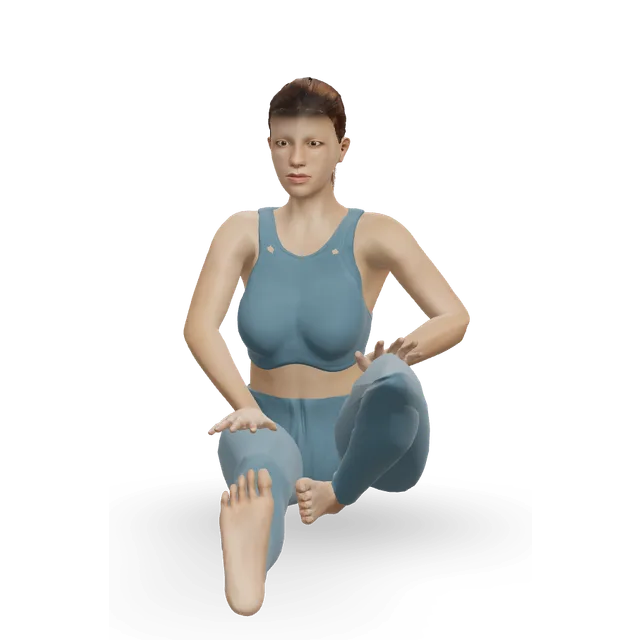
From Pilates Anytime's description of the classical spine stretch forward; the cushion and bent knees are our suggestion, and 3 to 5 is the move page's dose. With osteoporosis, sit tall and hinge forward a little instead of rounding, as the move page advises.
See the movement on the 3D figure: Spine stretch forward (Pilates spine stretch)
A UK consensus advises avoiding loaded flexion or end-of-range movements in exercise such as Pilates or yoga, and says repeated or end-range flexion should be avoided, while still recommending balance and strength activities such as Pilates at least twice a week. The move pages swap the roll-down, roll-up, spine stretch forward and saw for flat-back hinges, head-down versions and twisting without rounding; our Pilates for osteoporosis guide has the swaps.
Source 13
Slow stretching with a straight knee can strain the hamstring near the sitting bone: in 15 professional dancers, the injury felt fairly mild at first but took a median of 50 weeks to get back to their previous level. The NHS lists a sharp pain at the back of the thigh, and in severe injuries a snapping sensation or a "pop", as signs of a hamstring injury.
Skip forward rolling that brings on pain down a leg (our Pilates for sciatica guide covers it), and with glaucoma keep head-down positions such as roll-downs and child's pose brief, as the move pages advise.
Rolling, twisting, side bending and arching. The class below gives a starting dose for each; with osteoporosis, use the flat-back and no-rounding versions on the move pages.
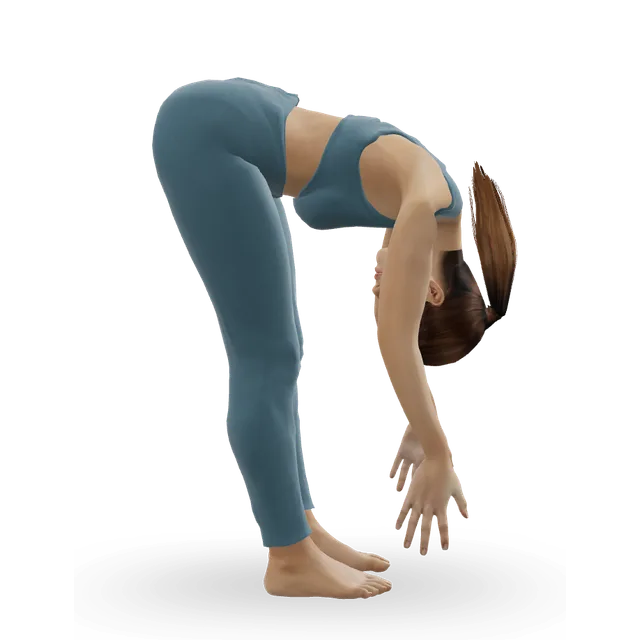 3D demoSegmental roll-downIntermediate · No equipment
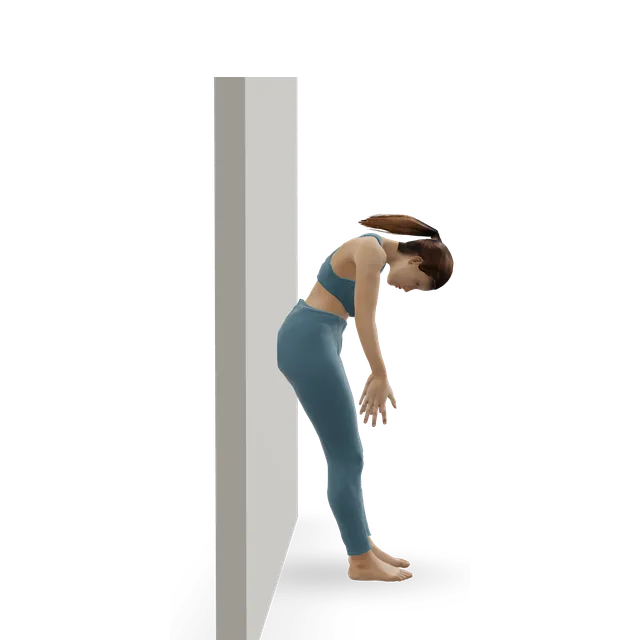 3D demoWall roll-down (wall Pilates)Beginner · A wall
 3D demoCat-cowBeginner · No equipment
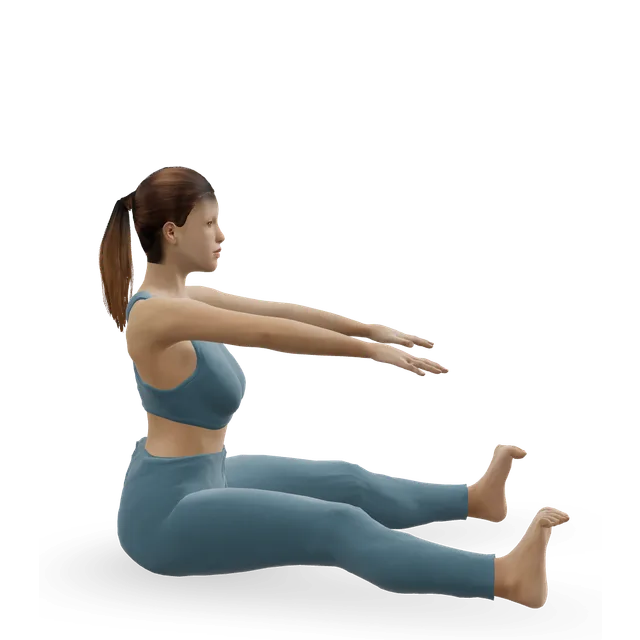 3D demoSpine stretch forward (Pilates spine stretch)Beginner · No equipment
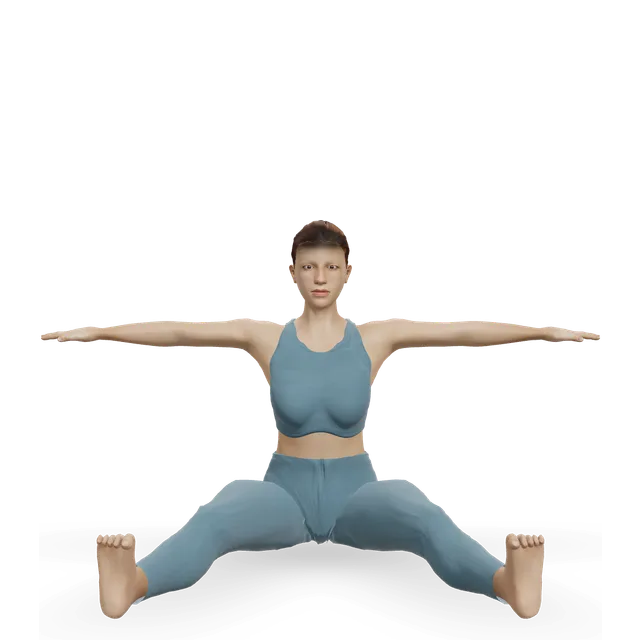 3D demoSaw (Pilates)Intermediate · No equipment
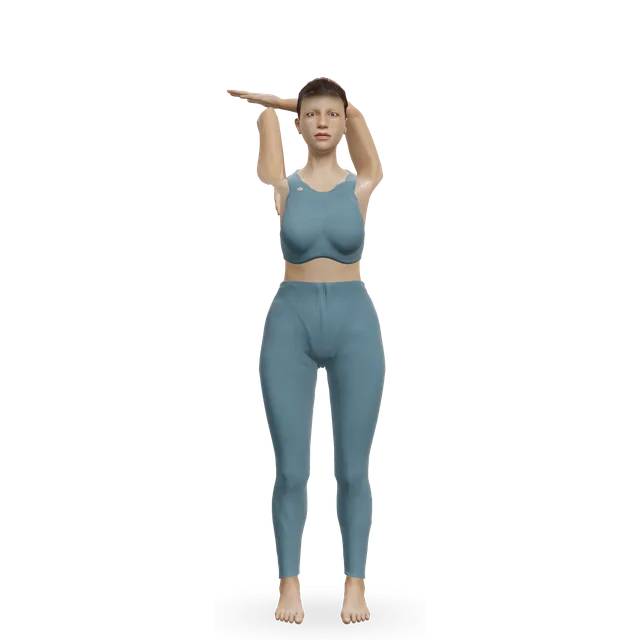
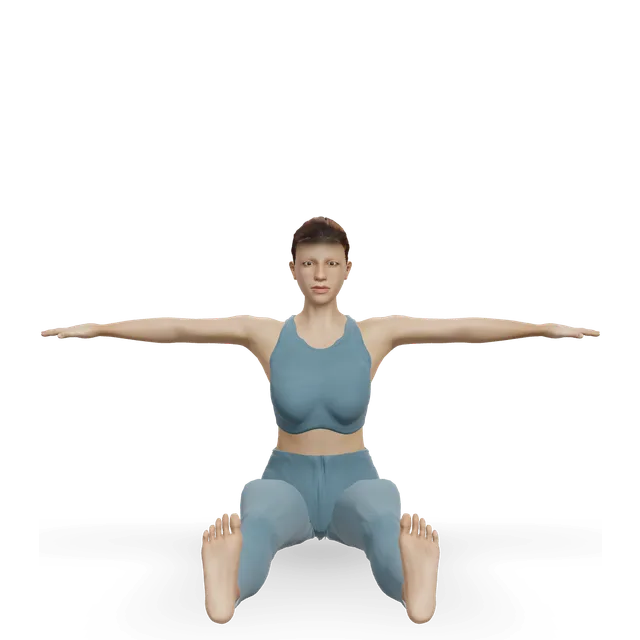 3D demoSpine twist (Pilates)Beginner · No equipment
 3D demoMermaid (Pilates seated side bend)Beginner · No equipment
 3D demoSide-lying open bookBeginner · No equipment
 3D demoSwan (Pilates swan dive)Intermediate · No equipment
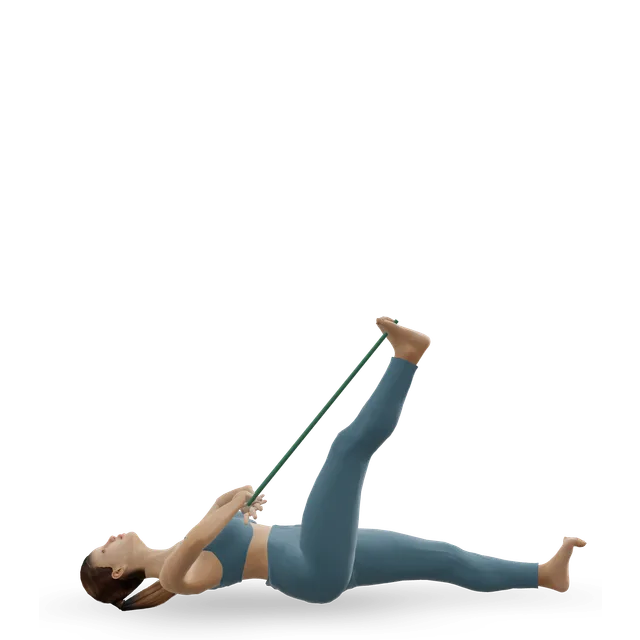
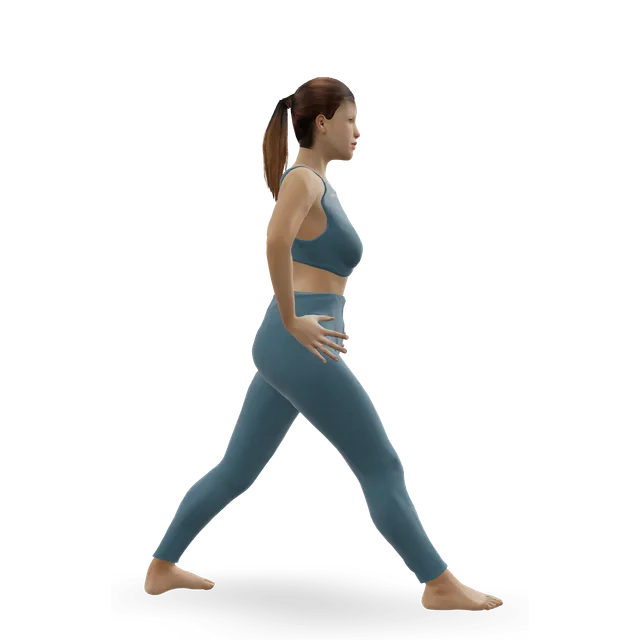
Leg circles and the side kick take the hip through its range; hold the strap stretch, the figure four and the low lunge for 30 seconds or more.
 3D demoSingle-leg circle (Pilates one leg circle)Beginner · No equipment
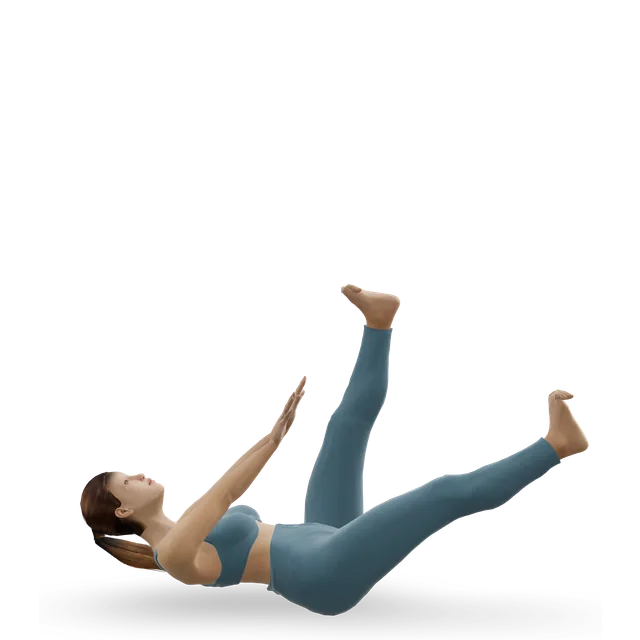 3D demoSingle straight-leg stretch (Pilates scissors)Intermediate · No equipment
 3D demoSide kick (Pilates side kick series)Beginner · No equipment
 3D demoSupine hamstring stretch with a strapBeginner · No equipment
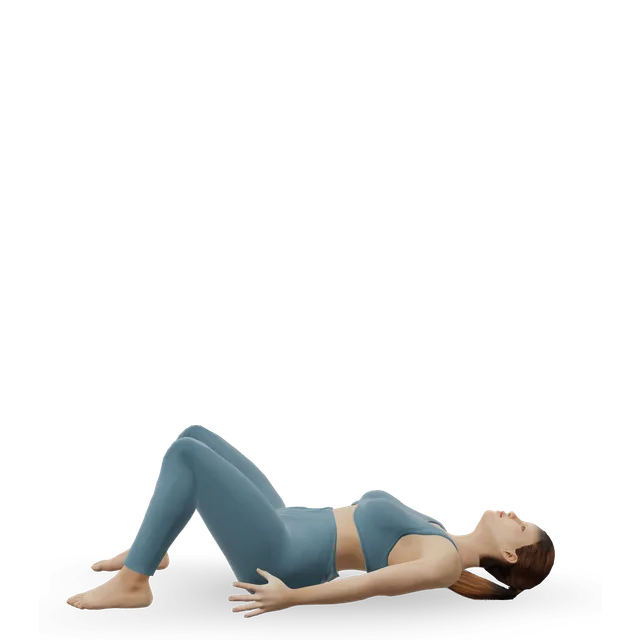 3D demoReclined figure four (eye of the needle, Sucirandhrasana)Beginner · No equipment
 3D demoLow lunge (Anjaneyasana)Beginner · No equipment
Start with the 25-minute Pilates for flexibility class two or three times a week, and add a short held-stretch routine on other days if you want more range.
A 25-minute Pilates class for flexibility: roll-downs, spine stretches and twists, hip circles and held stretches for the hamstrings, hips and back.
25 minBeginner14 movesNo equipmentA 12-minute routine to loosen tight hamstrings with strap stretches, PNF, folds and hinges.
12 minBeginner7 movesNo equipmentA 15-minute head-to-toe stretch for the neck, shoulders, back, hips, hamstrings and calves.
15 minBeginner11 movesA wallA 15-minute routine that moves your neck, upper back and lower back through bending, arching, side bending and twisting, then holds the spine steady.
15 minBeginner12 movesNo equipmentA 15-minute hip opener: 90/90 switches, windshield wipers, CARs, Cossack squats, frog and pigeon.
15 minIntermediate8 movesA wallA 25-minute yoga sequence for the hamstrings, hips, inner thighs, spine and shoulders, holding each pose for 30 to 60 seconds, as in the stretching trials.
25 minBeginner12 movesNo equipmentAdd a held-stretch routine on one or two of the plan's rest days.
Stop straight away if you feel a sudden sharp pain at the back of your thigh, or a snapping sensation or a "pop". In the US, use your doctor's urgent line or urgent care for NHS 111.
Source 12
See a GP if you think you have joint hypermobility syndrome: for example, joints and muscles that keep hurting, sprains and strains that keep happening, or joints that keep dislocating.
Source 41
Tell the teacher about osteoporosis, a back problem, hypermobility or an old hamstring injury before a class. The NHS advises getting advice first if you have a health problem, an injury or any symptoms, and stopping straight away if you feel pain or become unwell.
Source 11
Every move has an easier version, and people who start stiff gain the most from stretching.
In a trial matched for effort they improved flexibility about equally, and pooled against other exercise, Pilates was no better.
Early gains are mostly a greater tolerance for stretch rather than longer muscles, and range slips when you stop. Stretching 2 or 3 days a week kept it in a trial.
Very flexible people need strength and control. The NHS advises not overextending your joints just because you can.
Source 41
A panel of stretching researchers agreed it doesn't improve posture, and one Pilates trial found a small change that didn't last.
Resistance training with a load improved range of motion about as much as stretching.
Usually, by a small to moderate amount. It improved the sit-and-reach test in women and in older adults compared with no exercise, though one review of healthy adults found the gain wasn't statistically clear.
Most trials found clearer range after 4 to 8 weeks of 2 or 3 classes a week. Even one class a week helped a little.
In a trial that matched them for effort, both improved flexibility by about the same amount. Choose the one you'll keep doing; our Pilates vs yoga guide compares them.
About the same: against static stretching, Pilates was better only for bending backwards, in one small trial. In another small trial, the same Pilates programme without its stretches barely changed flexibility, though the groups started differently. For more range, add held stretches.
No. The NHS calls Pilates suitable for people of all ages and fitness levels, every move has an easier version, and people who start stiff tend to gain the most from stretching.
The spine stretch forward for the hamstrings, the saw and spine twist for rotation, the roll-up for the back, leg circles and the side kick for the hips, and the swan for the front of the body. Add longer holds for the hamstrings and hips.
It helps general hip and hamstring range, but the splits need their own stretches held over time. Our guide to the splits covers them.
Some of it, over time. Gains held through a 3-week break in one study and 12 weeks in teenagers, but faded within 6 weeks in older women. Stretching 2 or 3 days a week kept range in a stretching trial.
Yes: hamstring flexibility improved in trials of 6 to 12 weeks. Bend your knees as you need to, and stop for a sharp pain or a pop at the back of your thigh.
Hip bending improved in small studies in older adults. Leg circles, the side kick and a low lunge take the hips through their range; hold the lunge for 30 seconds or more for extra stretch.
Yes, for strength and control rather than more range. The NHS advises not overextending your joints just because you can, so stop before the end of your range.
It can: in professional dancers, slow stretching with a straight knee strained the hamstring near the sitting bone, and those injuries took months to heal. Stop for a sharp pain or a pop at the back of your thigh, and with osteoporosis, avoid deep or loaded rounding.
Exercise education, not a personal prescription, and clinical review of these guides is pending. If you are pregnant, have a health condition or have had recent surgery, check with a doctor, midwife or physiotherapist before starting, and stop for sharp or increasing pain. Health disclaimer.