Yoga guide

Yoga for cyclists: the hips, hamstrings, back and neck after riding, and what it can and can't do

Yoga after a ride can feel very good. Riding keeps your hips bent, your lower back rounded and your head tipped back for hours, and yoga takes the front of the hips, the back, the chest and the neck the other way, with slow breathing to help you wind down.

But no trial has tested yoga in cyclists. In riders, back pain went with how much they rode and with weaker back endurance, not with tight hamstrings, and stretching doesn't prevent sports injuries or make you faster. Whether long holds just before a hard ride cost you anything is unclear: small lab studies disagree.

This guide covers what riding does to your body, what the evidence shows, when to flow and when to hold, the poses to use and change, how yoga fits with riding, strength and bike set-up, the warning signs, and a free 25-minute class for after a ride.

The short version

Riding holds you in one shape for hours

On the bike your lower back rounds in every hand position, most on aero bars, and lower, further grips round it more. To see the road, your head tips back. Yoga takes these areas the other way: the front of the hips, gentle back bends, the chest and upper back, and the neck.

Sources 1, 2

No trial of yoga in cyclists

We found no trial of yoga in cyclists for pain, injury or performance. The only studies are a small stress pilot in young riders and a comparison in which regular yoga practitioners rode no longer than people who didn't do yoga. Everything else on this page is borrowed from other evidence, and we say where.

Sources 3, 4, 5

Tight hamstrings aren't the story

Off-road racers with back pain had less back-muscle endurance and thinner deep trunk muscles, but no less flexibility. How often amateurs stretched wasn't linked with back pain, and hamstring length didn't change the shape of the spine on the bike. What does go with overuse pain is how much you ride.

Sources 6, 7, 8, 9

Stretching doesn't prevent injuries

Across 25 trials in sport, stretching programmes didn't prevent injuries, while strength training cut them to under a third and balance training to about half. Stretch for comfort and range; strengthen to protect.

Sources 10, 11

Flow before a ride, hold after

Four small lab studies found long static stretching just before riding lowered efficiency or time to exhaustion for a while, but another found more leg power, so the evidence in riders conflicts. To be safe, keep it moving before a ride and save holds of 30 to 60 seconds for afterwards or a rest day (our suggestion).

Sources 12, 13, 14, 15, 16, 17

Bike fit, load and strength matter more

A bike fit eased riding pain in a trial of 162 amateurs, how much you ride matters for overuse pain, and heavy strength training is what improves riding, as our cycling page explains. Road cycling doesn't build bone, and yoga doesn't either.

Sources 18, 9, 19

What riding does to your body

The lower back rounds

In 28 professional riders, the lower back went from its normal inward curve when standing to rounded in every hand position on the bike, most on aero bars. Across 16 studies, a lower, further grip rounded it more, and lower handlebars tilted the pelvis further forward. Road riders' lower backs bent more on the bike than mountain bikers'.

Sources 1, 2, 20

The upper back and the neck

On the bike the upper back sits straighter than when you stand, because your arms prop it up. Off the bike, 58% of elite and 53% of masters road riders in one study stood with a rounded (hyperkyphotic) upper back, though the authors say this isn't directly caused by the riding position. To see the road, your head tips back, more the lower the bars, as our neck pain when cycling guide explains.

Sources 21, 2

The hips stay bent

Pushing the pedal down straightens the hip, but because you sit on the saddle, the hips never fully straighten during the pedal stroke (our reading). We found no study that measured hip flexor length in cyclists. High-volume road riders actually had larger, leaner psoas (deep hip flexor) muscles, better-hydrated spinal discs and better trunk endurance than adults who didn't do sport: cycling doesn't seem to harm the spine.

Source 22

Hamstrings: often better than you'd think

Road riders had better hamstring flexibility than mountain bikers and non-riders. In 96 trained cyclists, hamstring flexibility changed the shape of the spine in a sit-and-reach test, but not when they were standing or on the bike.

Sources 20, 8

The hands

Your hands carry weight on the bars, which can squeeze the nerves at the wrist: carpal tunnel syndrome and ulnar nerve problems are both seen in cyclists. Neck pain is common too.

Source 23

Where riders get sore

Recreational ridersEmerging evidence

In a 1995 survey of 518 recreational cyclists, 85% reported at least one overuse complaint: the neck (48.8%), knees (41.7%), groin and buttocks (36.1%), hands (31.1%) and back (30.3%). Women had higher odds of neck and shoulder complaints than men.

Source 24

Professional ridersEmerging evidence

Of 109 professional road cyclists, 58% had had low back pain and 36% pain at the front of the knee in the previous 12 months. Knee injuries cost the most time off the bike.

Source 25

Amateurs and back painEmerging evidence

In 1,274 Italian amateurs, 26.5% had low back pain in the past year, and 29.2% of 1,521 riders at bike-fit services reported it. Back pain before taking up cycling went with about 4 times the odds of it. These are surveys, so they can't show that riding causes the pain.

Sources 7, 26

Each pain has its own guide

Our cycling pain guides cover the back, neck, upper back, hips, knees, numb hands and numb feet, with what to change on the bike and an exercise plan for each.

What the evidence says

No trial of yoga in cyclistsMixed evidence

A PubMed search for yoga and cycling returned 91 records, and none tested yoga in cyclists for pain, injury, comfort or performance; a Europe PMC title search found none either. In a pilot study in sub-junior (teenage) cyclists, a yoga programme shifted heart rate variability, used as a stress measure, towards the calming side; the abstract doesn't give the group size or length. Nine regular yoga practitioners rode no longer in an endurance test than 6 matched people who didn't do yoga (17.3 against 19.6 minutes, not a significant difference).

Sources 3, 27, 4, 5

Back pain goes with endurance and load, not flexibilityEmerging evidence

Off-road racers with back pain had less back-muscle endurance and thinner deep trunk muscles than racers without it, but the same flexibility and back strength. Across 8 studies, riders with back pain had weaker back-muscle endurance and bent their lower backs more on the bike. Across 18 studies, how much people rode had moderate evidence of a link with overuse symptoms.

In 1,274 amateurs, how often they stretched wasn't linked with back pain, while back pain before cycling (about 4 times the odds) went with more of it, and coached or planned training (about half the odds) and specific pedalling training went with less.

Sources 6, 28, 9, 7

Hamstrings and a lower positionEmerging evidence

In 50 trained men, hamstring flexibility predicted how low riders set their handlebars and went with performance, and in 15 young off-road riders, better flexibility went with less pressure on the front of the saddle. These are correlations, not trials, and hamstring length didn't change the spine's shape on the bike in 96 trained cyclists. A rider who wants a lower, more aerodynamic position has a reason to work on hamstrings and hips; a commuter has less of one (our reading).

Sources 29, 30, 31, 8

Hip flexors: a belief, not a findingMixed evidence

We found no study that measured hip flexor length in cyclists, and the deep hip flexors of high-volume riders were larger and leaner than non-riders'. Hip flexor and thigh stretches suit riders because riding never fully straightens the hip (our reading), not because cycling is shown to shorten the muscles.

Source 22

Yoga for back pain in generalStrong evidence

Across 21 trials (2,223 people), yoga for long-lasting low back pain improved function by 1.69 points on a 24-point scale and pain by 4.53 points out of 100 at 3 months against no exercise, smaller than the changes people notice, and worked about as well as other back exercise. It caused more side effects than no exercise, mostly more back pain. NICE (the National Institute for Health and Care Excellence) suggests considering a group exercise programme, which can include mind-body exercise, for an episode or flare-up of low back pain. There were too few cycling trials to say whether riding itself helps back pain.

Sources 32, 33, 34

Before or after a ride

Long holds just before riding: the lab studies conflictMixed evidence

In 9 men, passive stretching just before riding cut time to exhaustion at a hard pace (85% of maximal aerobic capacity) by 26% and efficiency by 4%. In 10 trained cyclists, about 16 minutes of static stretching raised the oxygen cost of moderate riding for the first 5 minutes, with no difference later. Prolonged stretching cut sprint power by 5% and shortened severe-intensity riding in 10 men, and raised the oxygen cost of hard riding in 8 people.

One study found the opposite: in 27 volunteers, 5 minutes of easy riding plus 15 minutes of static stretching produced more peak leg power, for up to an hour, than easy riding alone. All five were small, short lab studies.

Sources 12, 13, 14, 15, 16

Across sportsStrong evidence

Static stretches held for 60 seconds or more per muscle just before testing cut performance by about 4.6% on average, against 1.1% for shorter holds, and dynamic (moving) stretching improved it slightly. When people moved again after stretching, there was no clear effect.

Source 17

So: flow before, hold after

Before a ride: 2 to 5 minutes of moving poses, such as 2 or 3 slow sun salutations and lunges rocked in and out, with any hold under 30 seconds. After a ride or on a rest day: holds of 30 to 60 seconds and slow breathing (our suggestion, as in our yoga for athletes and yoga for runners guides).

Source 17

A calm cool-down, not faster recoveryEmerging evidence

In 20 male athletes, 15 minutes of yoga after interval training slowed breathing more at 5, 10 and 15 minutes, and raised heart rate variability (HRV, a sign that the body's calming system is taking over) more at 5 and 10 minutes, than 15 minutes of static stretching. Across 223 studies, slow breathing raised HRV while people did it and straight afterwards. Neither shows that strength or performance comes back faster.

Sources 35, 36

Injuries: what stretching can and can't do

Stretching doesn't prevent sports injuriesStrong evidence

Across 25 trials (26,610 people), stretching programmes didn't prevent sports injuries, while strength training cut them to under a third, balance training to about half and programmes with several parts by about a third. A 2025 consensus of 20 stretching researchers agreed that stretching improves range of motion and eases muscle stiffness, but isn't an all-round injury prevention strategy, doesn't improve posture and doesn't speed recovery in the short term.

Sources 10, 11

In cyclistsMixed evidence

No trial has tested stretching or yoga to prevent cycling injuries. In 1,274 amateurs, how often they stretched wasn't linked with back pain. In the 1995 survey, women who stretched less before riding reported more groin and buttock complaints: an association in one group, not proof.

Sources 7, 24

What does helpStrong evidence

Strength and balance training prevented injuries in trials, and the International Olympic Committee (IOC) says poor management of training load, including sudden jumps in training, is a major cause of injury. Build distance up gradually, and use the strength workout on our cycling page.

Sources 10, 37

Back, neck and hands

Back pain on the bike

Our back pain when cycling guide's rule: aim for pain you would call mild to moderate, no more than about 5 out of 10, and your back should be no worse the next morning; shorten or stop any ride or exercise that sends pain, pins and needles or numbness further down your leg. Do back bends such as sphinx only if leaning back eases your back. Add back endurance work, since riders with back pain lacked it: locust, bird dog and side plank are yoga-style holds that train it.

Sources 6, 28

Neck pain

Our neck pain when cycling guide explains that riders' neck pain looks like an endurance problem from holding your head up to see the road, and that strengthening the neck and shoulders has the best support. Chin tucks and gentle neck movement ease stiffness after a ride. Don't ride until you can turn your head far enough to check behind you.

Numb or sore hands

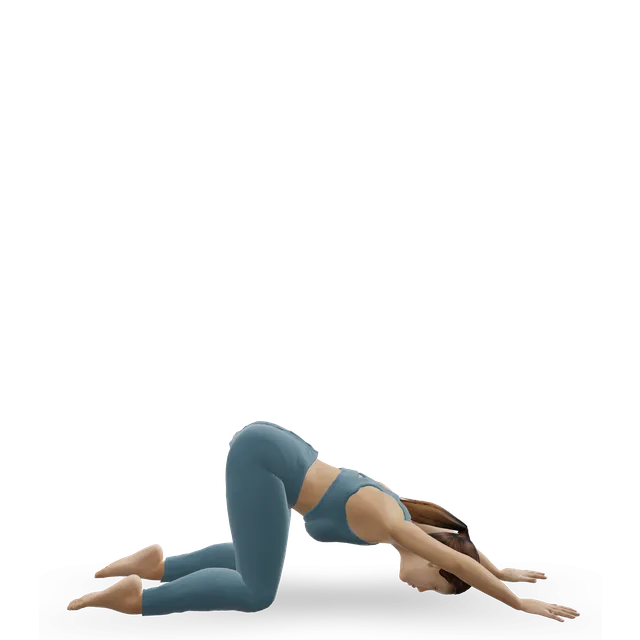
Change hand position often on the bike. In yoga, keep weight off numb or sore hands: forearm versions instead of all fours, and extended puppy instead of long downward dogs. Our numb hands when cycling guide covers bike set-up and nerve glides.

Source 23

Saddle numbness

Numbness in the saddle area that clears soon after a ride is usually pressure from the saddle (our back pain when cycling guide's suggestion), but numbness that doesn't clear needs checking urgently, as the warning signs below say. That guide also covers saddle changes.

Bike fit, riding load and bones

Bike fitEmerging evidence

In 162 amateurs, a 3D bike fit improved comfort and eased groin and back pain over 15 days more than a handout of posture advice. A 2026 review of bike fitting for back pain found 3 studies, all reporting less pain over 30 days to 6 months, but only one was randomised.

Sources 18, 38

How much you rideEmerging evidence

Across 18 studies, how much people rode had moderate evidence of a link with overuse symptoms, and many traditional bike-fit measurements had moderate evidence of no link. In 40 recreational riders, a 3-hour ride raised back pain by about the same on a road bike or a mountain bike, and the authors put it down to the rider more than the bike.

Sources 9, 39

BonesStrong evidence

Across 31 studies, road cycling "does not appear to confer any significant osteogenic benefit", and adult road riders in regular training had low bone density in places such as the lower spine. Yoga isn't the impact or heavy strength work that builds bone either. The UK osteoporosis consensus recommends impact and progressive strength training, and the strength workout on our cycling page includes jumps.

Sources 19, 40

Fitting yoga into your riding week

These are our editorial suggestions: no trial has tested how riders should fit yoga in.

How much

One or two sessions a week of 20 to 30 minutes, after rides or on rest days, plus a few minutes of moving poses before rides if you like.

Strong classes count as training

Power and hot yoga are training sessions in their own right, so count them in your week, keep them away from races and hard interval days, and keep gentle or restorative yoga for easy days.

Source 37

Keep your strength sessions

Heavy leg work improves riding, and jumps help the bones that cycling doesn't load. Yoga goes alongside them, not instead.

Before a ride: keep it moving

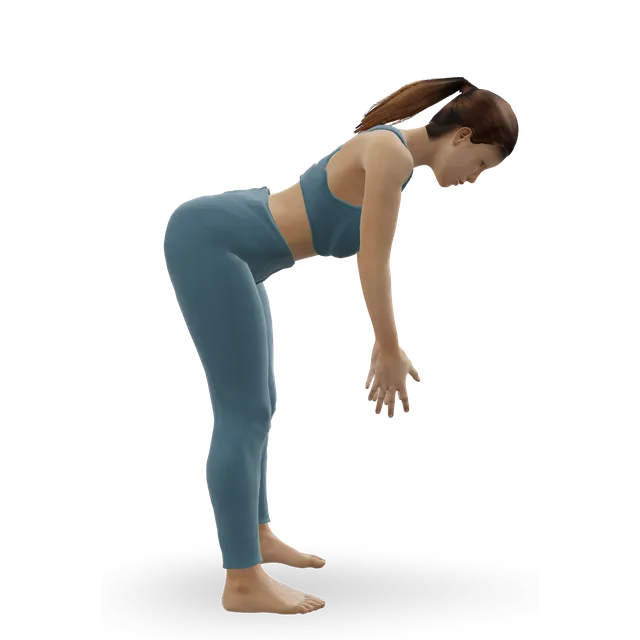
Two to five minutes, with any hold under 30 seconds. Cat-cow: 8 waves, slower than feels natural; thoracic rotation: 6 rotations per side, moving with the breath; world's greatest stretch: 4 slow reps each side, 1 or 2 rounds (the moves' pages). Sun salutation: 2 or 3 slow rounds, lowering to your knees if your trunk sags; low lunge: 5 slow rocks in and out each side (our yoga for runners and yoga for athletes guides).

After a ride: hips, thighs, hamstrings and buttocks

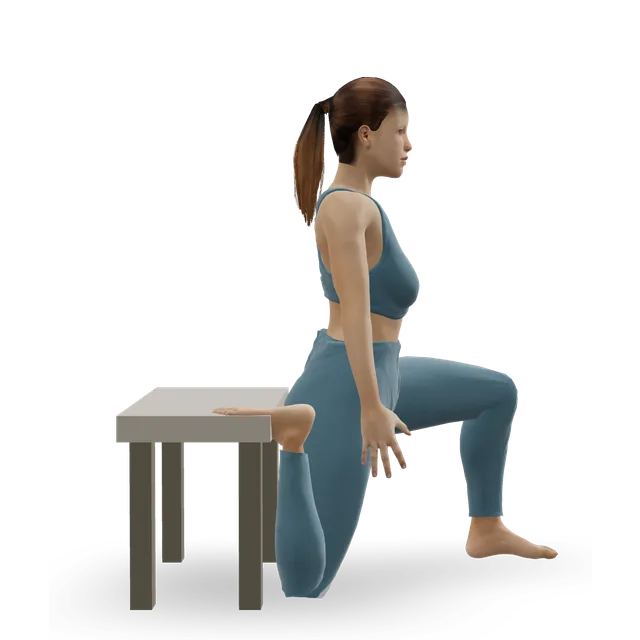
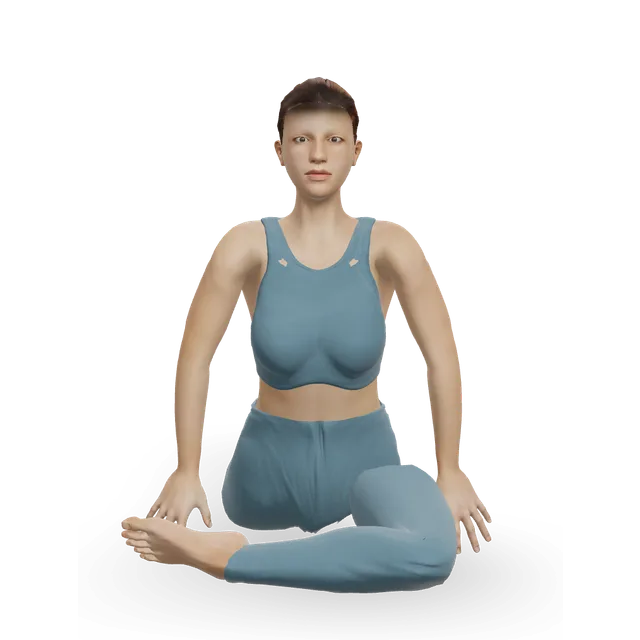
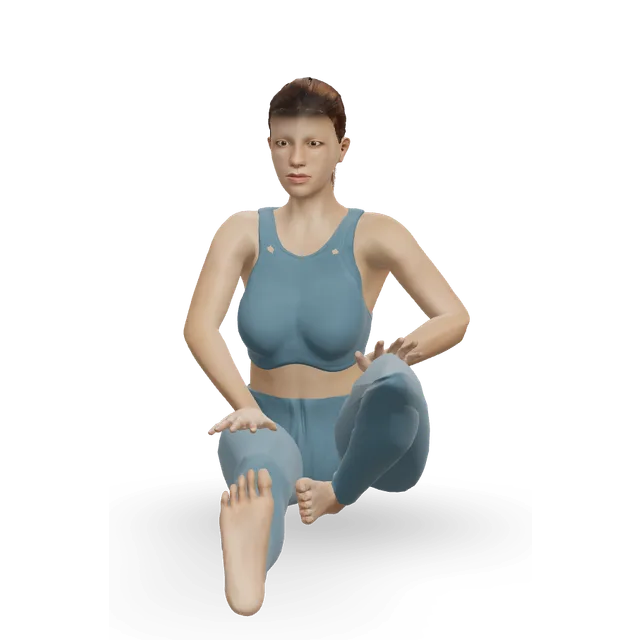
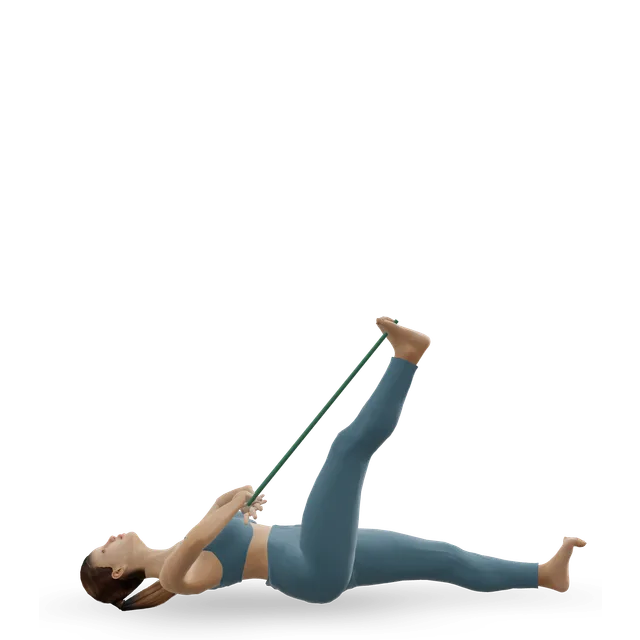
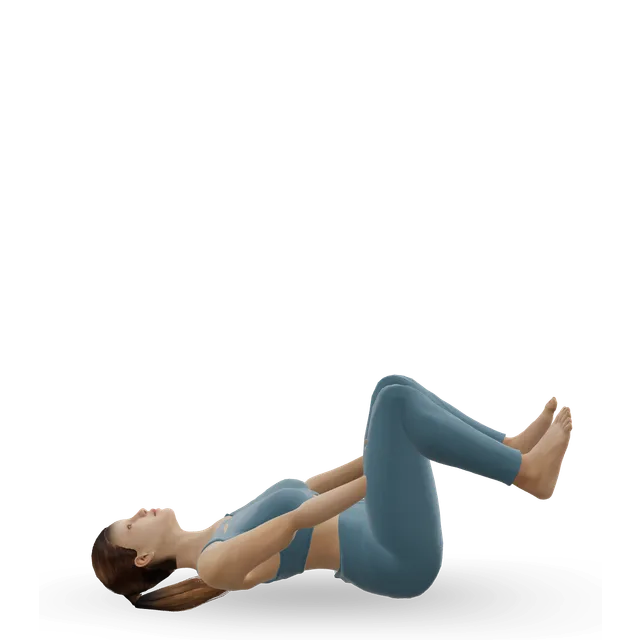
Low lunge, the strap hamstring stretch and reclined figure four: 45 seconds each side; head-to-knee pose: 50 seconds each side, sitting on a blanket with the knee bent (our yoga for runners routine). Half-kneeling hip flexor stretch: 2 holds of 30 seconds each side (our mobility routine for cyclists). Standing quad stretch: 20 to 30 seconds, 2 to 4 times each side (the move's page). Couch stretch, the harder version: 2 holds of 30 seconds each side (our editorial starting point), skipped with knee problems. Pigeon preparation: 45 to 60 seconds each side (our yoga for athletes guide), back to figure four if the front knee hurts. Ease off any stretch that sends tingling down a leg.

After a ride: the back the other way, and back endurance

Sphinx: 3 holds of 20 to 30 seconds, only if leaning back eases your back (our back pain when cycling guide). Low cobra: 3 to 5 slow lifts of 3 breaths (our editorial starting point), skipped with spinal stenosis or leg symptoms. Locust: 2 holds of 5 breaths (our yoga for athletes guide). Bird dog: 2 sets of 6 each side with 5-second holds (our mobility routine for cyclists). Child's pose: 1 to 3 minutes (the move's page). Supine twist: 45 seconds each side (our editorial starting point), gently with disc problems. Stop any back bend that sends symptoms down a leg.

After a ride: chest, upper back, neck and hands

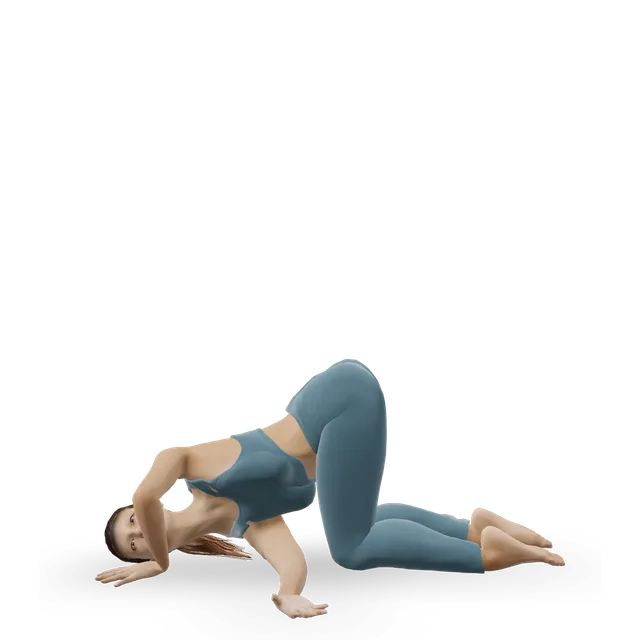
Thread the needle: 30 to 60 seconds each side, 2 rounds, skipped with numb hands or a sore wrist; side-lying open book: 8 to 10 slow openings each side; neck circles (controlled articular rotations, or CARs): 3 slow circles each way, once or twice a day, or separate nods, tilts and turns with a sore neck (the moves' pages). Doorway chest opener: 2 holds of 30 seconds; chin tucks: 10 holds of 5 seconds; wrist and forearm flow: 1 minute (our mobility routine for cyclists). Extended puppy: 2 holds of 45 seconds (our yoga for athletes guide), in place of long downward dogs when your shoulders or hands are tired from the bars, kept brief with glaucoma.

Breathing and rest

Slow breathing: 2 minutes at the start of a session after a ride (our yoga for runners routine, from the recovery trial), or at least 5 minutes as a daily practice (the move's page). Legs up the wall: 2 minutes, optional, with your hips flat or skipped if you have glaucoma; corpse pose: 3 minutes (our yoga for runners routine).

Poses to change or leave out

Before races and hard sessions

No long static holds just before a race, an interval session or a hard climb: move instead (our suggestion, from the lab studies above).

Sources 12, 14, 17

Tired shoulders or numb hands

Swap long downward dog holds for extended puppy or dolphin, and all-fours poses for forearm versions or fists (our suggestion, as our numb hands when cycling guide asks riders to change hand position and reduce pressure).

Osteoporosis

Fold from your hips with a long back, keep twists smooth and comfortable, and leave out plough and shoulder stand, as our osteoporosis and yoga for seniors guides say. The UK consensus advises avoiding loaded or end-of-range rounding of the spine, including in yoga.

Source 40

Sore knees

Pad kneeling poses, and skip deep knee bends such as hero pose, or child's pose with the knees fully bent, if they hurt (our knee pain when cycling guide and the moves' cautions).

After a hip or knee replacement

Follow your surgical team's limits: no cross-legged sitting, deep folds, pigeon or figure four while you recover, and kneeling only once you're cleared (our yoga for seniors and replacement guides).

Eyes, blood pressure and pregnancy

With glaucoma, skip headstands, shoulder stands and other full inversions, and keep other head-down poses brief or use a supported version. With high blood pressure that isn't controlled, skip headstands, shoulder stands and long head-down holds, with no breath holds. With severe or proliferative diabetic retinopathy (eye damage from diabetes), avoid holding your breath, hard holds, jumping, jarring and head-down positions. In pregnancy, after the first trimester keep time flat on your back short. (Our glaucoma, high blood pressure, diabetic retinopathy and pregnancy guides.)

Free classes

Start with our 25-minute yoga for cyclists class once or twice a week, after rides or on rest days (our suggestion). The mobility routine for cyclists is the shorter, non-yoga routine from our cycling page, and the strength workouts carry the leg strength and bone loading that yoga doesn't give.

Yoga for cyclists: 25 minutes after a ride or on a rest day

A 25-minute yoga class for riders: front of the hips, hamstrings and buttocks, gentle back bends, chest, neck and hands, after a ride or on a rest day.

25 minBeginner15 movesA wall

Mobility routine for cyclists

A 15-minute routine for cyclists: hips, upper back, chest, neck and wrists through the ranges riding doesn't use, plus back and neck endurance.

15 minBeginner12 movesA foam roller, A wall

Yoga for runners: 20 minutes after a run or on a rest day

A 20-minute yoga cool-down for runners: calves, hip flexors, hamstrings and glutes, one balance pose and a rest, after an easy run or on a rest day.

20 minBeginner11 movesA wall

Strength workout for cyclists (gym)

A 50-minute gym session for cyclists: heavy squats, one-leg presses, hip flexion and calf raises as in the cycling trials, plus jumps for bone.

50 minIntermediate13 movesCardio machine, A barbell

Strength workout for spin classes: legs, jumps for bone, back, neck and shoulders

A 45-minute dumbbell session for riders: easy cycling, hops or heel drops, squats, split squats, Romanian deadlifts, calf raises, rows, back and neck work.

45 minIntermediate16 movesCardio machine, A dumbbell

Yoga for tight hips

A hip-opening yoga sequence: low lunge, lizard, goddess, pigeon, bound angle and happy baby.

25 minBeginner10 movesA wall

Hamstring flexibility routine

A 12-minute routine to loosen tight hamstrings with strap stretches, PNF, folds and hinges.

12 minBeginner7 movesNo equipment

Yoga for back pain (gentle beginner sequence)

A gentle 20-minute yoga sequence for back pain, based on the first weeks of a 12-week trial programme: lying, all-fours and standing poses, then rest.

20 minBeginner12 movesFirm cushion

Yoga for neck pain: a 20-minute gentle sequence

Twenty minutes of slow breathing, small neck movements, poses that keep your head supported or level, and upper-back strength, with nothing that loads the neck.

20 minBeginner14 movesA step

Restorative yoga sequence: 45 minutes of supported rest

A 45-minute restorative yoga sequence: five fully supported poses held for 4 to 10 minutes each, with slow breathing and a long final rest.

45 minBeginner6 movesFirm cushion, A wall

Warning signs: when to get help

These follow our back pain, neck pain and numb hands when cycling guides, word for word, and the NHS. A&E means accident and emergency. In the US, call 911 for 999, and use your doctor's urgent line or urgent care for NHS 111.

Call 999

Call 999 if:

  • You get sudden pain or discomfort in your chest that doesn't go away; it can feel like squeezing or pressure, burning or indigestion.
  • The pain spreads to your left or right arm, or your neck, jaw, stomach or back.
  • You have chest pain and feel sweaty, sick, light-headed or short of breath.
  • Someone faints while exercising, can't be woken within 1 minute, or has chest pain or a pounding, fluttering or irregular heartbeat.

Sources 41, 42

Back pain and saddle numbness

  • Call 999 or go to A&E: loss of feeling or numbness around the genitals or bottom, new trouble peeing or controlling your bladder or bowels, changes in genital sensation during sex or problems with erections or orgasm, or pain, tingling, weakness or numbness in both legs. These are signs of cauda equina syndrome, which needs treating in hospital urgently. Don't drive yourself.
  • Numbness in the saddle area that doesn't clear after a ride needs checking urgently, and with any of the signs above it is the 999 emergency. Numbness that clears soon after a ride, with none of those signs, is usually pressure from the saddle (our suggestion).

Source 43

Neck

  • Call 999 or go to A&E: new problems walking, loss of bladder or bowel control, or a sudden loss of coordination, such as difficulty doing up buttons. These can be signs of pressure on the spinal cord.
  • You can't turn your head far enough to check behind you: don't ride until you can (the NHS says not to drive or cycle while you can't move your neck), and see a general practitioner (GP) if it doesn't ease within a few weeks.
  • After a crash with any knock to the head or signs of concussion: no riding, and follow our concussion guide.

Numb hands

Numbness or pins and needles that is still there after a ride, comes back on every ride despite the changes on our numb hands when cycling guide, or is there all the time: see a GP. The NHS says to see a GP if pins and needles keeps coming back or lasts a long time, and if you have any tingling or loss of feeling in the hand.

See a GP or physiotherapist

See a GP if back pain hasn't improved after a few weeks, it's stopping your daily activities, or it's worse at night. In many areas you can refer yourself to NHS physiotherapy.

Source 43

During yoga

Keep back pain within the rule above, and stop any back bend or stretch that sends pain, pins and needles or numbness down a leg. Stop for chest pain, dizziness or unusual breathlessness. After a crash, come back to yoga through our concussion guide's steps, with no head-down poses or inversions until you're cleared, as our yoga for athletes guide says.

Source 41

Myths

"Cyclists need to stretch to stop injuries"Strong evidence

Stretching didn't prevent sports injuries across 25 trials, while strength and balance training did, and stretching researchers agree it isn't an all-round injury prevention strategy. No trial has tested it in riders, and amateurs who stretched more often didn't have less back pain. Stretch because it feels good and keeps your range; strengthen to protect.

Sources 10, 11, 7

"Cycling shortens your hip flexors"Mixed evidence

We found no study that measured it, and high-volume riders had bigger, leaner deep hip flexors and healthier discs than people who didn't do sport. Hip flexor stretches still feel good after riding, because the hips stay bent on the saddle.

Source 22

"Tight hamstrings cause back pain on the bike"Emerging evidence

Hamstring length didn't change the shape of the spine on the bike, and off-road racers with back pain had less back endurance, not less flexibility.

Sources 8, 6

"Always stretch well before a race"Mixed evidence

Four small lab studies found long static holds just before riding lowered efficiency or time to exhaustion for a while, and one found more leg power, so the evidence conflicts. Across sports, holds of 60 seconds or more just before testing cost about 4.6%. Moving poses and your usual warm-up are the safer choice before a race.

Sources 12, 13, 14, 15, 16, 17

"Yoga will make you a faster rider"Mixed evidence

No trial has tested it, and regular yoga practitioners rode no longer than people who didn't do yoga in an endurance test. Heavy strength training is what improved riding in trials, as our cycling page explains.

Sources 5, 3

"Yoga is enough cross-training for your bones"Strong evidence

Road cycling doesn't build bone, and yoga isn't the impact or heavy strength work that does. Add jumps and strength training, as our cycling page and osteoporosis guide explain.

Sources 19, 40

Questions people ask

Is yoga good for cyclists?

It can ease the stiffness of long rides, give you back range in the hips, back, chest and neck, and help you wind down. No trial has tested yoga in cyclists, and it won't prevent injuries or make you faster on its own, so use it alongside riding and strength training.

What does cycling do to your body that yoga can help with?

On the bike your hips stay bent, your lower back rounds, more with lower bars, and your head tips back to see the road. Yoga takes each of these the other way, with hip flexor stretches, gentle back bends, chest and upper-back openers and neck movement.

Should I do yoga before or after cycling?

Mostly after, or on a rest day. Small lab studies disagree about whether long stretches just before riding cost you anything, so before a ride flow through a couple of sun salutations and some lunges, and save the holds for later.

What are the best yoga poses for cyclists?

Low lunge and a hip flexor stretch, a strap hamstring stretch, figure four for the buttocks, sphinx and locust for the back, thread the needle and a doorway stretch for the upper back and chest, and chin tucks for the neck. Our free 25-minute class puts them together.

Can yoga help lower back pain from cycling?

A little: yoga eases long-lasting back pain about as much as other exercise. In riders, back pain went with weaker back endurance and how much they rode rather than tight hamstrings, so add back endurance work and check your position, as our back pain when cycling guide explains.

Does yoga help neck pain from cycling?

Neck movement and chin tucks can ease stiffness, but riders' neck pain looks like fatigue from holding the position, and strengthening the neck and shoulders has the best support. Our neck pain when cycling guide has the plan.

Do cyclists have tight hip flexors?

We found no study that measured it, and high-volume riders actually had bigger, leaner deep hip flexors than people who didn't do sport. Hip flexor stretches still feel good after riding, because your hips stay bent on the saddle.

Will stretching prevent cycling injuries?

Not on its own. Across 25 trials in sport, stretching didn't prevent injuries, while strength and balance training did, and in 1,274 amateur riders, how often they stretched wasn't linked with back pain.

Will yoga make me a faster cyclist?

There's no evidence that it does: regular yoga practitioners didn't ride longer in an endurance test. Heavy strength training is what improved performance in trials, as our cycling page explains.

Can yoga help me get lower and more aero on the bike?

Possibly. Riders with more hamstring flexibility set their bars lower, but that's a correlation, not a trial, and a bike fit decides your position.

Is yoga or Pilates better for cyclists?

Neither has been tested in riders. Yoga suits hip, back and chest range and winding down, Pilates suits trunk control, and strength training does more for performance than either.

Does yoga help cyclists' bones?

No: road cycling doesn't build bone, and yoga isn't the impact or heavy strength work that does. Jumps and strength training do, as our cycling page and osteoporosis guide explain.


Sources

  1. Muyor 2015 · Hand position on the handlebars and spinal posture in 28 professional cyclists (cross-sectional study, J Back Musculoskelet Rehabil)
  2. Antequera-Vique 2023 · Cycling and spinal posture in professional and recreational riders (systematic review, Sports Biomech)
  3. PubMed · Search for yoga and cycling: 91 records, no trial of yoga in cyclists for pain, injury or performance (27 October 2026)
  4. Patil 2013 · Yoga and heart rate variability as a stress measure in sub-junior cyclists (pilot study, Indian J Physiol Pharmacol)
  5. Beutler 2016 · Regular yoga practice, breathing and endurance: 9 yoga practitioners and 6 non-practitioners (comparative study, PLoS One)
  6. Rostami 2015 · Trunk muscles, flexibility and endurance in off-road cyclists with and without low back pain: 38 riders (case-control study, J Back Musculoskelet Rehabil)
  7. Battista 2021 · Low back pain in 1,274 Italian amateur cyclists (cross-sectional study, Sports Med Open; full text read)
  8. Muyor 2011 · Hamstring flexibility and the shape of the spine in 96 highly trained cyclists (cross-sectional study, J Hum Kinet)
  9. Visentini 2022 · What goes with overuse injury in cyclists: 18 studies (systematic review, J Sci Med Sport)
  10. Lauersen 2014 · Exercise to prevent sports injuries: 25 trials, 26,610 people (systematic review and meta-analysis, Br J Sports Med)
  11. Warneke 2025 · Practical recommendations on stretching: an international Delphi consensus of 20 experts (consensus statement, J Sport Health Sci)
  12. Esposito 2012 · Passive stretching before riding, cycling efficiency and time to exhaustion: 9 men (crossover lab study, Scand J Med Sci Sports)
  13. Wolfe 2011 · Static stretching and cycling economy over time: 10 trained cyclists (crossover lab study, J Strength Cond Res)
  14. Colosio 2020 · Prolonged static stretching and severe-intensity cycling: 10 men (crossover lab study, Appl Physiol Nutr Metab)
  15. Waki 2022 · Static stretching and efficiency in high-intensity cycling: 8 people (crossover lab study, J Sports Med Phys Fitness)
  16. O'Connor 2006 · Static stretching in a warm-up and leg power during cycling: 27 volunteers (lab study, J Sports Med Phys Fitness)
  17. Behm 2016 · Stretching just before exercise: effects on performance, range of motion and injury (systematic review, Appl Physiol Nutr Metab)
  18. Dias Scoz 2025 · A 3D bike fit or posture advice for riding pain and comfort: 162 amateurs (randomised trial, Sports Biomech)
  19. Olmedillas 2012 · Cycling and bone health: 31 studies (systematic review, BMC Med)
  20. Muyor 2016 · The spine and hamstrings in 30 road riders, 30 mountain bikers and 30 non-riders (cross-sectional study, Int J Sports Med)
  21. Muyor 2011 · Spinal posture on and off the bike in 120 elite and masters road cyclists (cross-sectional study, J Sports Sci Med)
  22. Belavy 2019 · Discs and muscles in 18 high-volume road cyclists and 18 adults who didn't do sport (cross-sectional study, Med Sci Sports Exerc)
  23. Cyr 2022 · Neck, nerve and overuse problems in cyclists' arms (narrative review, Phys Med Rehabil Clin N Am)
  24. Wilber 1995 · Overuse complaints in 518 recreational cyclists (survey, Int J Sports Med)
  25. Clarsen 2010 · Overuse injuries in 109 professional road cyclists (cross-sectional study, Am J Sports Med)
  26. Pernambuco 2025 · Low back pain in 1,521 cyclists at bike-fit services (cross-sectional study, J Bodyw Mov Ther)
  27. Europe PMC · Search for yoga with swimmers, golf or cycling in the title: 6 records, no yoga trial in swimmers or golfers, and only a stress pilot in cyclists (27 October 2026)
  28. Streisfeld 2017 · Riding position, muscle activity and spine movement in cyclists with and without low back pain: 8 studies (systematic review, Sports Health)
  29. Holliday 2021 · Body size, flexibility and training history as predictors of bike set-up: 50 trained men (cross-sectional study, Sports Med Health Sci)
  30. Holliday 2021 · Performance, bike set-up and flexibility (cross-sectional study, J Sci Med Sport)
  31. Vicari 2024 · Hamstring and lower back flexibility and saddle pressure in 15 young off-road cyclists (cross-sectional study, Front Sports Act Living)
  32. Wieland 2022 · Yoga for chronic low back pain: 21 trials, 2,223 people (Cochrane review, Cochrane Database Syst Rev)
  33. NICE NG59 · Low back pain and sciatica in over 16s: assessment and management (2016, updated July 2026)
  34. Pocovi 2022 · Walking, cycling or swimming for low back pain: 19 trials, 2,362 people (systematic review and meta-analysis, J Orthop Sports Phys Ther)
  35. Petviset 2025 · Yoga or static stretching after interval training: 20 male athletes (randomised crossover trial, Int J Exerc Sci)
  36. Laborde 2022 · Slow breathing and heart rate variability: 223 studies (systematic review and meta-analysis, Neurosci Biobehav Rev)
  37. Soligard 2016 · How much is too much? Load in sport and risk of injury (IOC consensus statement, Br J Sports Med)
  38. Barrajón 2026 · Bike fitting for low back pain in cyclists: 3 studies (systematic review, Cureus)
  39. Garrosa-Martín 2023 · Low back pain after 3 hours on a road bike or a mountain bike: 40 men (crossover study, Int J Environ Res Public Health)
  40. Brooke-Wavell 2022 · Strong, steady and straight: UK consensus on exercise for osteoporosis (consensus statement, Br J Sports Med; full text read)
  41. NHS · Chest pain (past its review date: reviewed August 2023, review due August 2026)
  42. NHS · Fainting (last reviewed August 2026)
  43. NHS · Back pain (last reviewed March 2026)

Exercise education, not a personal prescription, and clinical review of these guides is pending. If you are pregnant, have a health condition such as glaucoma, high blood pressure or osteoporosis, or have had recent surgery, check with a doctor, midwife or physiotherapist before starting, and stop for sharp or increasing pain. Health disclaimer.