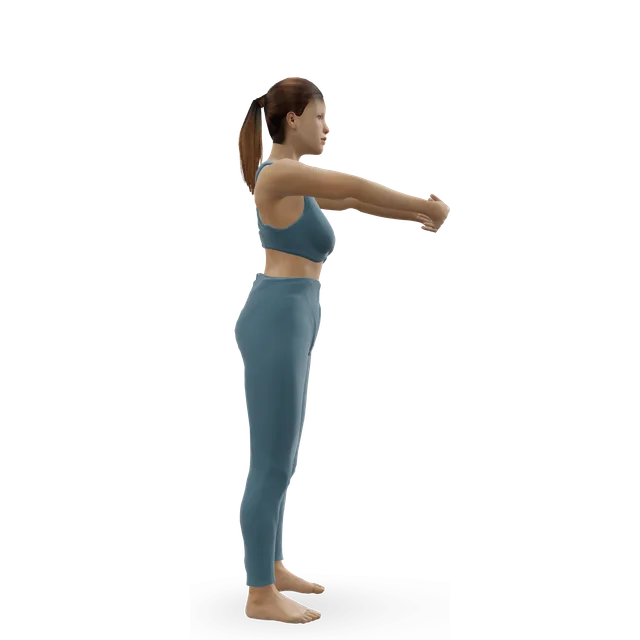
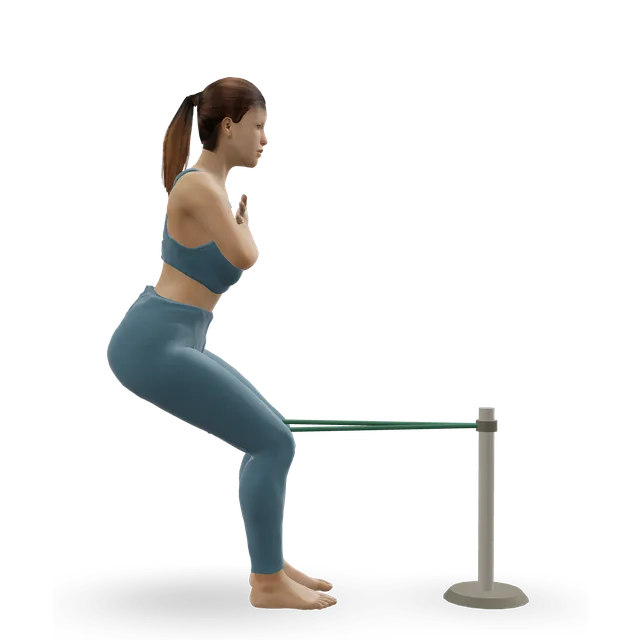
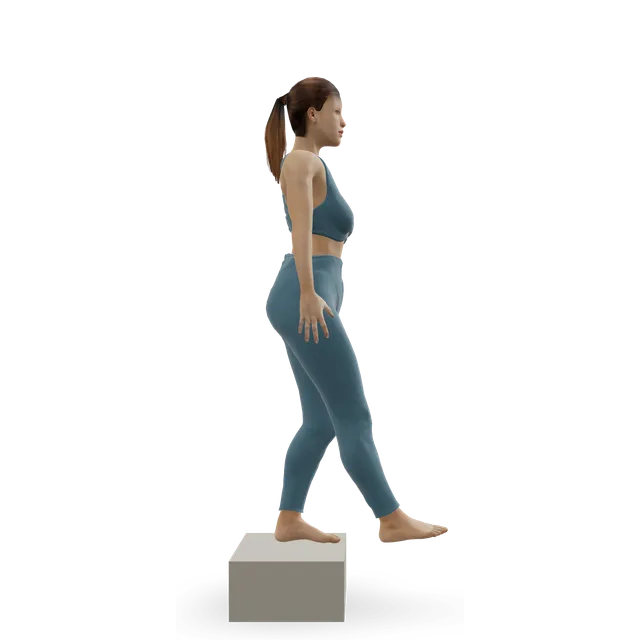
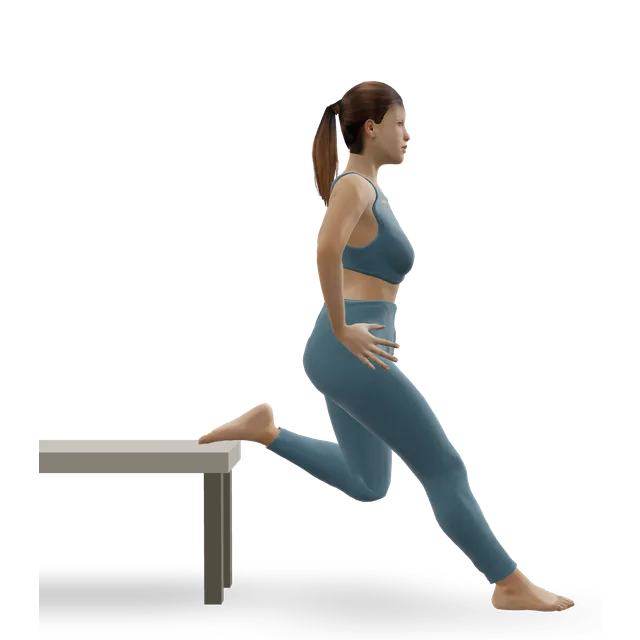
Hip and knee strengthening is the core treatment for kneecap painStrong evidence
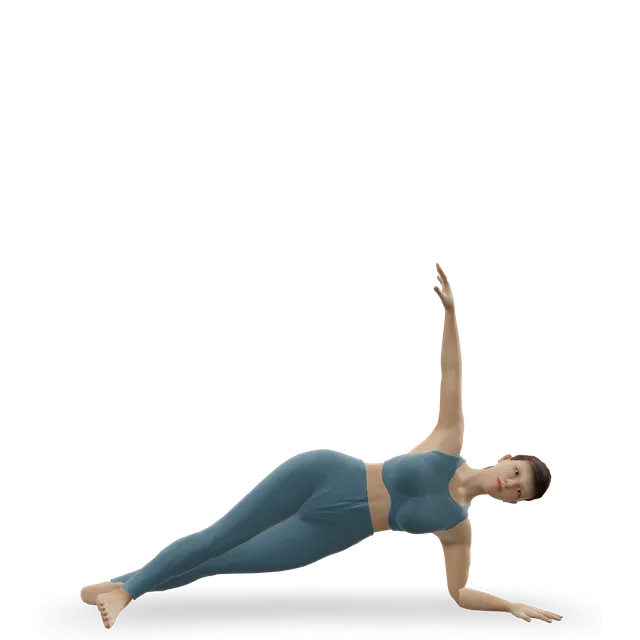
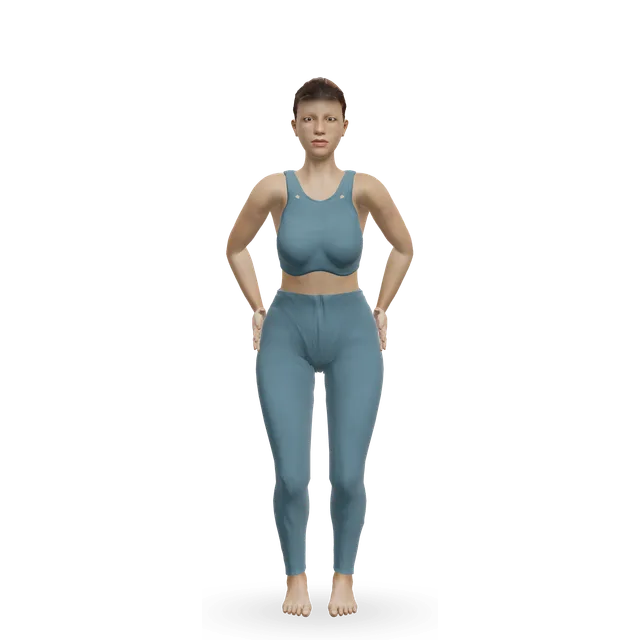
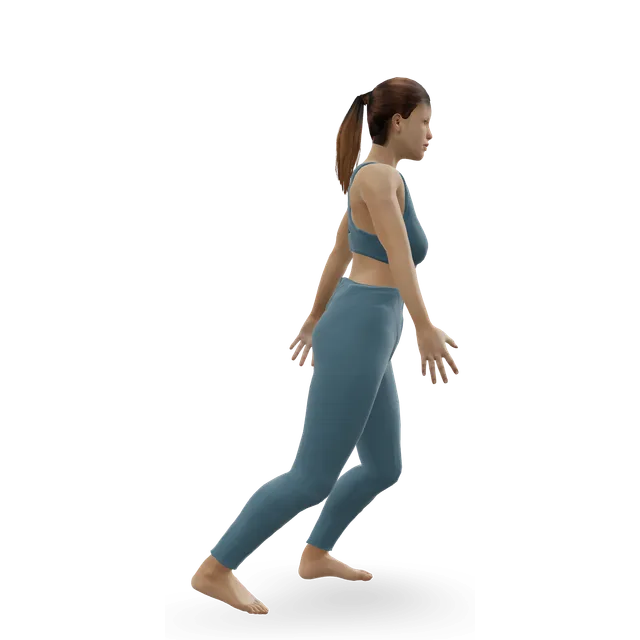
In a Cochrane review of 31 trials (1,690 people), exercise reduced kneecap pain during activity by about 1.5 points out of 10 in the short term against no exercise. The trials were small and low quality, but the results were consistent. An international consensus statement and a US physical therapy guideline recommend hip and knee exercises together.
A National Health Service (NHS) leaflet for kneecap pain starts with 3 sets of 8 to 12, with mini squats to less than 30° of knee bend, and suggests stationary cycling as a gentler alternative to high-impact exercise. None of these trials was in riders: the evidence is borrowed from kneecap pain in general.
Sources 24, 25, 26, 27
Hip strength for IT band painEmerging evidence
Across 13 small studies (201 runners), strengthening the muscles on the outside of the hip was the commonest treatment for IT band syndrome, with pain falling by 27 to 100% over 2 to 8 weeks; the studies were too different to pool. In 24 distance runners with the condition, hip strength rose by about 35 to 51% over 6 weeks and 22 were pain-free and back running, in a case series without a comparison group. Both are in runners, not riders.
Sources 28, 29
A staged programme for tendon painEmerging evidence
In the largest trial (76 people with patellar tendon pain), a staged programme of holds, then slow strength work, then springy loading, then sport, with pain kept at 3 out of 10 or less, improved a tendon score by 28 points against 18 with painful squats at 24 weeks. People moved on a stage after at least a week with pain at 3 or less on a single-leg squat. For pain above the kneecap, our quadriceps tendinopathy guide adapts the same idea.
Source 30
Saddle height: a measuring convention, not a proven numberEmerging evidence
The classic method sets a knee bend of 25 to 35° with the pedal at the bottom, measured with an angle gauge while you sit still. That range is a measuring convention: no study has tested it against injury. While you pedal, the angle reads larger, about 30 to 40° at hard efforts and 33 to 43° at easy ones, and filming in two dimensions under-reads three-dimensional capture by about 2°.
Formulas based on leg length (inseam) often missed the range: 109% of inseam fell outside 25 to 35° in 73% of trials in 11 riders, and it doesn't give the same height as the knee-angle method. In 30 experienced indoor riders, 20 to 33% of the women were in the recommended range with the formulas, against 73% at their own preferred height. Across 18 studies, the evidence on saddle height and pain conflicted.
Sources 31, 32, 33, 34, 35, 36, 13, 8
Lighter gears and a smooth cadence (lab data)Emerging evidence
In a lab study of 56 riders, peak knee loads tracked the push on the pedals, and at the same power a quicker cadence lowers that push. The total straightening load over an hour rose with cadence, though, and no study has linked gears or cadence to injury. A 1991 review advises lower gears at a higher cadence on expert grounds.
Our suggestion: use lighter gears at a smooth cadence you can hold comfortably, especially on climbs, rather than grinding big gears.
Sources 15, 16, 37
Cleats, float, setback and crank length: lab work, no clear rulesEmerging evidence
Float (letting the shoe twist a little on the pedal) lowered twisting loads at the knee in lab studies, but riders didn't respond in a predictable way, and wedges and insoles changed where the knee travelled with wide differences between riders. Moving the saddle forward raised knee bend by 22 to 36% and cut shear at the knee by 26% in one lab study; a saddle 10% further back gave more knee extension and less comfort in 34 riders. Small studies disagree on crank length.
A review of 47 positional studies, none rated good quality, found no clear recommendation for crank length, bar height, pedal width or cleat position. None of this has been tested against knee pain in a trial.
Sources 38, 14, 39, 18, 40
A bike fit helps comfort; no study shows it prevents injuryEmerging evidence
In the one randomised trial (162 amateur riders), a fit based on three-dimensional motion capture improved comfort and riding pain over 15 days compared with a handout of posture advice; it didn't count injuries. A physiotherapist-led fit with advice and exercise went with less knee pain at 12 weeks in 76 riders with knee pain, and a fit went with less knee pain at 30 days in 160 mountain bikers, both without a comparison group.
Across 18 studies, many of the measurements used in fitting weren't linked with pain, body position in photos didn't separate riders with and without pain, and experts agree on how to measure a bike, not on the right numbers. No study shows a fit prevents injury.
Sources 41, 22, 42, 8, 43, 44
Cycling doesn't wear out healthy kneesEmerging evidence
In 2,607 adults, a history of cycling went with less frequent knee pain and less knee osteoarthritis with symptoms, in a one-time analysis of a long-running study. In the lab, riding put less total load through the knee than running and no more than walking. Across 11 trials (724 people), stationary cycling eased knee osteoarthritis pain against no exercise, though its other benefits were small.
Sources 45, 46, 47
Stretching and rolling the IT bandEmerging evidence
In cadavers and living people, the IT band lengthened less than 0.5% with stretching or a hip contraction, and in 30 people one session of rolling or stretching didn't change its stiffness. The treatment studies that worked built hip strength instead. Rolling is fine if it feels good, but it isn't the fix.
Sources 48, 49, 28