Brace or surgery: chosen by the breakStrong evidence
Health New Zealand says a break in a good position needs a brace or cast and crutches, and one that isn't in a good position, is unstable or involves the joint surface needs an operation. US orthopaedic surgeons (the American Academy of Orthopaedic Surgeons) say surgery to restore the joint is often right for an active person, while for others, medical problems may make surgery of limited benefit.
Operations use plates and screws, sometimes with bone graft or a substitute to fill the gap left when the sunken surface is lifted, or an external frame, which can be temporary while the skin and muscles recover. We found no trial comparing surgery with a brace for the same fracture. In the 1,101-person cohort, people treated without surgery ended closer to their peers, but their breaks were less severe, so this doesn't show that surgery made anyone worse.
Sources 17, 1, 2, 13
How long without full weight: practice variesEmerging evidence
As your surgeon allows. Your weight-bearing status is decided by your surgeon and written on your plan. UK hospitals describe it as non-weight-bearing, limited or unrestricted, and the British Orthopaedic Association (BOA) asks for the reason and how long it lasts to be written down too.
US orthopaedic surgeons say full weight usually waits until some healing has occurred, which may take 3 months or more. Traditional aftercare after surgery is 10 to 12 weeks of no or limited weight, but practice varies widely: of 111 Dutch surgeons, 72% started weight earlier than that, and of 151 surgeons worldwide asked about the same cases, most restricted weight, for anything from 2 to 12 weeks, and 45% said their plan was based on 'gut feeling'.
Sources 18, 2, 1, 19, 20
Putting weight on earlier: one small trial and low-quality pooled dataEmerging evidence
As your surgeon allows. In one small randomised trial, 54 people with simpler, one-sided plateau fractures fixed by surgery were allotted to walking on the leg as much as was comfortable straight away, or to no weight for 6 weeks, with the same exercises; 45 finished. At 6 months the immediate group had better pain, walking and knee movement scores, with no difference on X-ray or CT, and the joint surface sank in 1 person against 3.
Pooled studies (10 studies, 940 adults, mostly lower quality) found that early weight-bearing didn't increase pain, slow healing or non-union, and a review of 9 studies called it safe in selected cases. In older people, a matched study found similar knee scores but more widening of the plateau on X-ray with early weight.
This isn't standard practice yet, and hospitals differ. Complex or two-sided breaks are usually protected for longer, and your surgeon decides when you can put weight on the leg.
Sources 21, 22, 23, 24
Compartment syndrome and blood clotsStrong evidence
Compartment syndrome is a dangerous build-up of pressure in the leg muscles. In 766 plateau fractures at one centre, 14 (1.8%) developed it, mostly when they first arrived and mostly in younger men; with prompt surgery to release the pressure, function at a year matched that of people without it. A review calls the risk high after high-energy plateau fractures.
UK standards list pain out of proportion to the injury, and pain when the muscles are passively stretched, as the key signs, and ask for surgery immediately once it's diagnosed. NICE says blood-thinning injections may be considered while the leg is immobilised, if the risk of a clot outweighs the risk of bleeding.
Sources 25, 26, 27, 28, 29
Exercise after a plateau fracture: practice-basedEmerging evidence
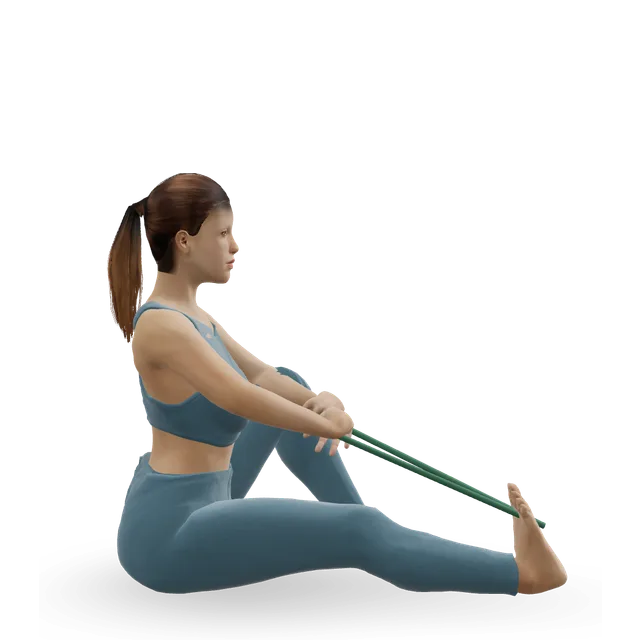
Apart from the timing of weight-bearing, we found no trials of rehabilitation programmes. NHS physiotherapy leaflets start ankle pumps (10 every hour), thigh tightening, heel slides, straight-leg raises, knee straightening in a chair, hip movements and a calf stretch, 10 of each, 3 times a day, within any brace limits, often with a range-of-movement brace for about 6 weeks.
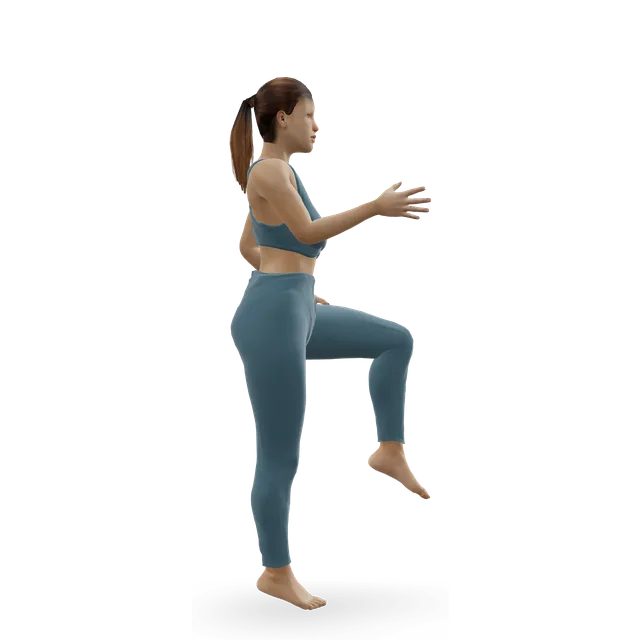
Another NHS knee fracture leaflet expects normal daily activities in 6 to 12 weeks, apart from high-impact tasks, and no sport for at least 12 weeks. People interviewed 5 to 10 years later asked for physiotherapy to be arranged routinely. The later stages and milestones here are editorial.
Sources 2, 31, 30, 14
Arthritis and knee replacement: a real risk, not a certaintyEmerging evidence
Half of people had arthritis on X-ray about 10 years after the fracture, with higher odds after breaks of the inner side or both sides, and those with arthritis scored lower for pain and function. In a large matched study, 7.3% had a knee replacement within 10 years of surgery, about 5 times the rate in similar people without the injury; older age and more severe breaks raised the risk.
So most people didn't need a replacement, but the risk is real. Keeping the thigh strong is a sensible way to look after the knee, though no trial has tested it after a plateau fracture (our suggestion).
Sources 15, 16