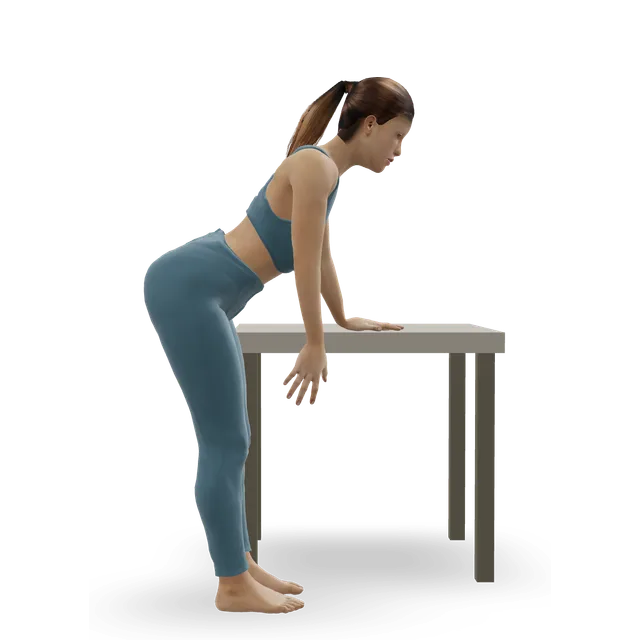
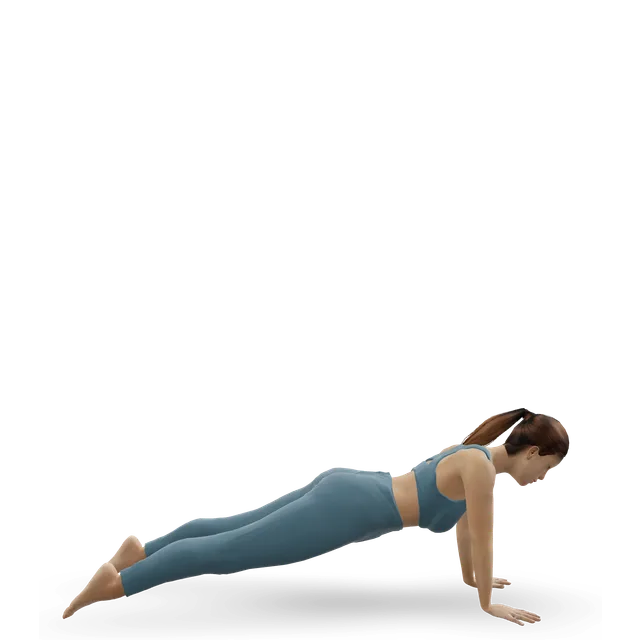
Shoulder pain is the commonest problem
In 80 young elite swimmers, 91% reported shoulder pain, and about 1 in 5 female club and masters swimmers of every age had pain that got in the way. It tracks how much you swim, and sudden jumps in training.
Yoga guide
Yoga can help swimmers keep the upper back and hips moving, build control around the shoulder blades and trunk, and wind down after hard sessions. But shoulder pain is the commonest problem in swimming, and many swimmers' shoulders are already loose, so the right yoga for swimmers works on strength and control rather than stretching the shoulders further.
No trial has tested yoga poses in swimmers; one small study found yogic breathing improved young swimmers' lung tests. Breathing practice belongs on land: holding your breath or over-breathing in the water can cause a blackout without warning.
This guide covers swimmer's shoulder, looseness and the few stiffnesses worth stretching, the upper back, hips and knees for breaststroke, breathing safely, how yoga fits with dryland training, the poses, the warning signs, and a free 25-minute dryland class.
In 80 young elite swimmers, 91% reported shoulder pain, and about 1 in 5 female club and masters swimmers of every age had pain that got in the way. It tracks how much you swim, and sudden jumps in training.
Loose, unstable shoulders are a risk factor, and athletes with very flexible (hypermobile) joints had about 3 times the odds of a shoulder injury. Stretching aggravated painful shoulders in a survey of 1,262 swimmers, and the NHS says not to overextend your joints just because you can.
The one shoulder stretch with trial support, the cross-body stretch, restored about 20 degrees of inward turning in people who had lost it on one side. Across 22 studies, shoulder range itself had moderate evidence against being a risk factor.
Weaker endurance at the back of the shoulder predicted pain, five shoulder exercises twice a week held rotator cuff strength through a season, and dryland strength training improved swimming. Yoga adds shoulder-blade, back and trunk holds, not a replacement.
In 27 young swimmers, a month of yogic breathing improved lung tests. But Swim England says never hyperventilate or practise prolonged breath-holding: it can cause a blackout underwater without warning.
We found no trial of yoga poses in swimmers, so this page borrows from shoulder and dryland studies. Swimming doesn't build bone, and yoga doesn't either.
The arms produce most of the propulsion by pulling down and in, so the muscles that turn the arm inwards get strong compared with those that turn it out (our swimming page). Every stroke streamlines the body with the arms overhead, and front crawl and backstroke rotate the trunk with each breath and stroke.
Butterfly and breaststroke arch the lower back, and the breaststroke kick loads the inside of the knee. Starts and turns are leg power (our swimming page).
Source 17
It's mostly an overloaded rotator cuff tendon (supraspinatus tendinopathy) that tracks how much you swim, with looseness, the shoulder blade, stroke technique, posture and sudden jumps in training playing parts. Our shoulder pain when swimming guide covers it in full.
Elite swimmers' shoulders are looser than recreational swimmers', partly inborn and partly from training. Yet some swimmers also lose inward turning at the back of the shoulder, or stiffen through the chest and upper back. So the shoulder can be too loose one way and stiff another, which is why blanket stretching doesn't suit it.
A PubMed search for yoga or pranayama (yogic breathing) with swimming returned 46 records: one trial of yogic breathing, and none of yoga poses in swimmers. A Europe PMC title search found none either. What yoga does for swimmers is borrowed from shoulder, posture and dryland studies, below.
In one small randomised study, 27 national and international swimmers aged 13 to 20 did yogic breathing for 30 minutes, 5 days a week, for a month: sectional breathing, bellows breathing (bhastrika) and alternate nostril breathing with breath holds. Their maximal voluntary ventilation (how much air they could move in a minute of hard breathing), forced vital capacity (how much air they could blow out after a full breath in) and strokes per breath improved more than in swimmers who had no extra training. This page doesn't teach the fast breathing or the breath holds, for the safety reasons below.
Source 12
Across 64 studies, swimmers' bone density was similar to that of people who didn't exercise, and lower than in high-impact sports. Yoga isn't the impact or heavy strength work that builds bone either; our swimming page has the jumps and strength training.
Source 16
Of 80 elite swimmers aged 13 to 25, 91% reported shoulder pain. Of 236 female competitive swimmers aged 8 to 77, about 1 in 5 in every age group, masters included, had shoulder pain with disability. Across 12 studies (1,460 swimmers), shoulder pain ranged from 19.4% to 91.3% by age group, highest in teenagers.
Of 52 elite swimmers scanned, 69% had supraspinatus tendinopathy, and it went with more hours (a correlation of 0.39) and more distance (0.34) swum, a modest link. Shoulder looseness was only weakly linked with pain and not with the tendon changes. In teenage swimmers, training volume was linked with pain, and reviewers advise avoiding sudden large increases.
In 201 youth swimmers followed for two seasons, a sudden jump in training load (about 4 times the odds), weaker endurance at the back of the shoulder and errors in how the hand entered the water predicted shoulder pain that got in the way. Across 29 studies, looseness and instability, shoulder rotation range, past pain or injury and competitive level were the risk factors with moderate certainty. A 22-study review named strength endurance at the back of the shoulder as possibly the most relevant risk factor you can change.
Loose, unstable shoulders were among the risk factors with moderate certainty across 29 studies. Athletes with hypermobile joints had 3.25 times the odds of a shoulder injury (8.23 times with a hypermobile shoulder), on low-quality evidence. The NHS says the main treatment for joint hypermobility syndrome is improving muscle strength and fitness, and "do not overextend your joints just because you can".
In a 1993 survey of 1,262 US competitive swimmers, current shoulder pain ranged from 10% in age-group swimmers to 26% on the national team, and those with painful shoulders found that weight training, hand paddles, kickboards, stretching and resistance work aggravated them.
Source 6
In small studies, less range taking the straight arm out and back at shoulder height (24 young swimmers), stiffer back-of-shoulder and small chest muscles (46 swimmers over 6 months), and less inward turning with a rounder upper back (64 men) went with pain, and in 1985 a lack of flexibility predicted swimmer's shoulder in 168 swimmers. But a 22-study review found moderate evidence against shoulder rotation range as a risk factor. A study of 236 swimmers suggested chest and back-of-shoulder stretching only as part of a programme with less swimming, cross-training and strengthening.
In 54 adults (not swimmers) whose shoulder turned inwards at least 10 degrees less on one side, the cross-body stretch, 5 holds of 30 seconds once a day for 4 weeks, gained 20.0 degrees against 5.9 in the control group; the sleeper stretch's 12.4 degrees wasn't a significant gain. In 44 college swimmers, adding corner and sleeper stretches to band strengthening changed nothing measured.
In 14 competitive swimmers, 2 holds of 30 seconds for the back and chest muscles after an aerobic warm-up gave small range gains and small power losses that weren't significant; adding band pull-overs gave the biggest range gain and better strength. Across sports, long holds of 60 seconds or more just before testing cost about 4.6%. So keep long holds for after training.
Strength and control first; stretch only a clear stiffness, such as one shoulder turning inwards less than the other, with the cross-body stretch at chest height. With a loose shoulder: no binds, deep shoulder openers, hanging in downward dog or holds at the end of your range, and stop or shrink any move that feels as if the shoulder might slip (our shoulder pain when swimming and hypermobility guides).
In 34 college swimmers, upper-back rotation wasn't linked with shoulder pain or with how the shoulder blade moved. In 64 male swimmers, a bigger upper-back curve while lifting the arm went with pain. An 8-week posture exercise programme changed forward head and rounded shoulder posture in 28 college swimmers, while a consensus of stretching researchers agrees that stretching alone doesn't improve posture.
Upper-back twists and gentle back bends feel good and let the shoulder blade move, but they haven't been shown to prevent shoulder pain. Pair them with the shoulder-blade holds below (our reading).
Weaker endurance at the back of the shoulder predicted pain in youth swimmers, and a 22-study review named it as possibly the most relevant risk factor you can change. In 30 competitive swimmers, five shoulder exercises twice a week for 12 weeks limited the fall in rotator cuff strength over a season. A review of 14 low-quality studies found 6 to 8 weeks of strengthening the muscles that turn the arm out and draw the shoulder blades back, with chest stretches, may reduce shoulder pain.
Across 27 studies, strength training plus swimming beat swimming alone, improving performance by about 2% to 2.5%. Across 36 trials (844 swimmers), combined water and dryland training took about 2 seconds off 100 metres.
The shoulder care routine and dryland workout on our swimming page carry the strength. Yoga adds holds lying on your front for the shoulder blades and back (locust, prone Y-T-W raises), weight on the arms built up gradually, as our yoga for shoulder pain guide does, and trunk holds such as boat pose and side plank.
In 341 elite swimmers, the 200 to 400 metre breaststroke carried 5.1 times the risk of knee pain, and butterfly 2.5 times the risk of low back pain and 4 times the risk of neck injuries; more than 4 sessions a week raised the risk of knee and shoulder problems. Swimmers who stretched had about a fifth of the risk of overuse knee injuries, but that's an association in one German study, read as its English abstract, not proof that stretching prevents them.
Source 17
Our knee pain when swimming guide reports that breaststrokers with frequent knee pain had less inward rotation at the hip in a small series, and uses 90/90 switches for hip rotation, skipped if they press on a sore inner knee. Leave out hero pose, lotus and deep kneeling while the inner knee is sore.
Keep back bends small and stop if arching hurts. A teenager whose low back pain lasts and is worse arching backwards, in butterfly, breaststroke or push-offs, may have a stress fracture of the spine and needs it checked, as our back pain when swimming guide explains.
In 27 young competitive swimmers, a month of yogic breathing improved lung tests and strokes per breath against no extra training. It's one small study, and its practice included fast breathing and breath holds that this page doesn't teach.
Source 12
In 13 teenage swimmers, 7 weeks of slow breathing at 6 breaths a minute improved how recovered and in control they felt and how they rated their training, but not heart rate or heart rate variability. Across 223 studies, slow breathing raised heart rate variability while people did it. It's a calm way to wind down, on land.
Swim England says "Do not practise prolonged breath-holding" and "Never hyperventilate": over-breathing lowers carbon dioxide, so the urge to breathe comes late and a swimmer can lose consciousness underwater. The Royal Life Saving Society UK says shallow water blackout can happen at any depth and "the swimmer may experience no warning symptoms prior to the blackout"; breathe normally before going under, don't resist the urge to breathe, and never swim alone.
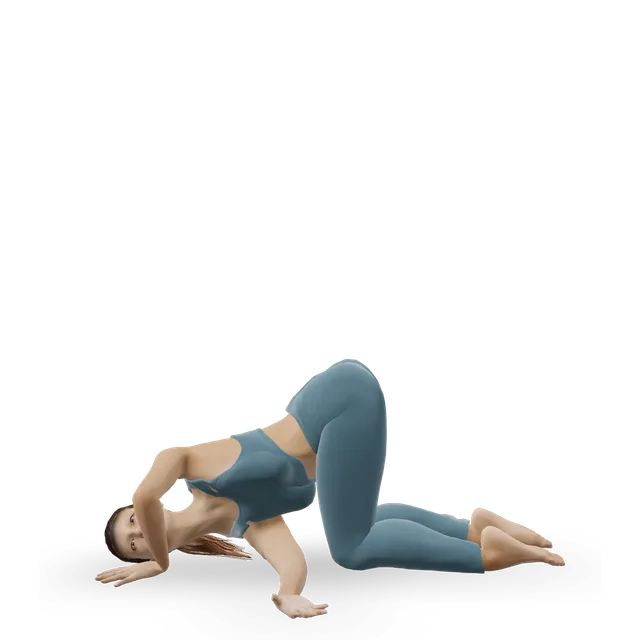
Cat-cow: 8 waves, slower than feels natural; thoracic rotation: 6 rotations per side; side-lying open book: 8 to 10 slow openings each side, keeping the top arm low if the front of the shoulder pinches or feels loose; thread the needle: 30 to 60 seconds each side, 2 rounds, without dropping weight onto the shoulder underneath (the moves' pages). Sphinx: 3 holds of 20 to 30 seconds (as in our back pain when cycling guide), left out if arching hurts your low back.
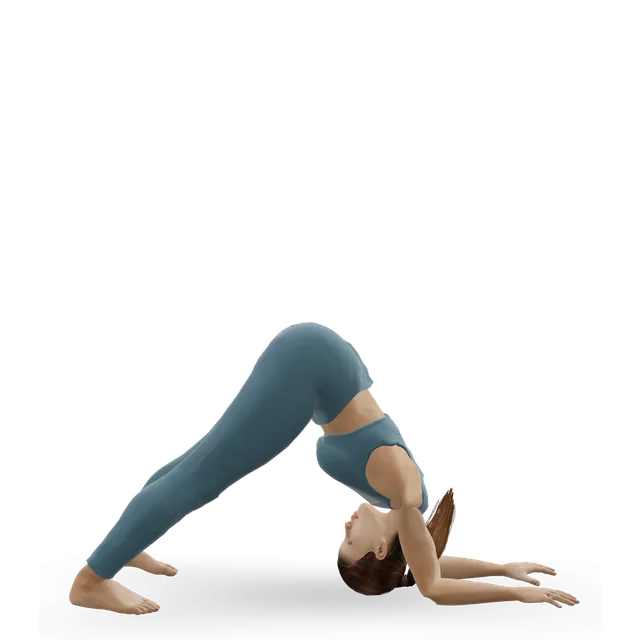
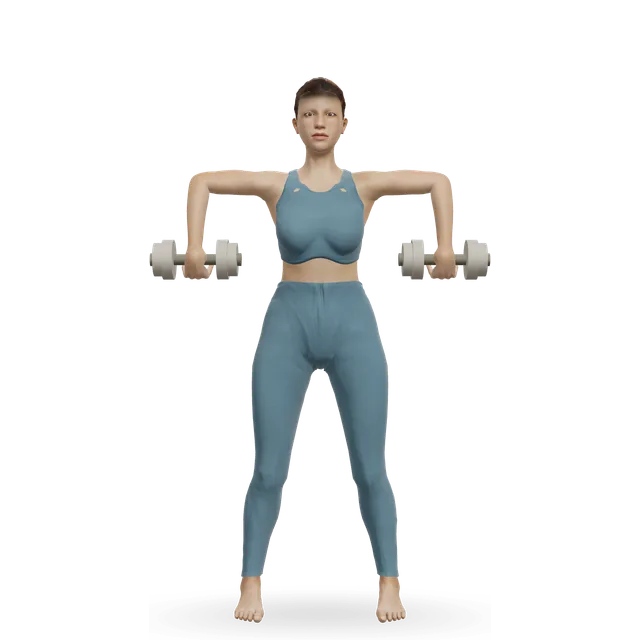
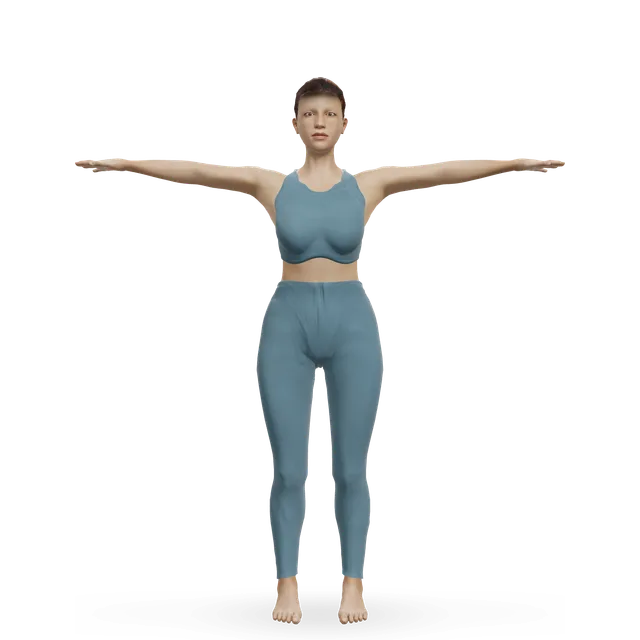
Locust with your arms reaching forward: 2 holds of 5 breaths (our yoga for athletes guide); in a lab study it worked the lower trapezius hardest of 15 poses, as our yoga for shoulder pain guide reports. Prone Y-T-W raises: 1 or 2 rounds of 8 of each letter (our mobility routine for cyclists), or 2 sets of 10 of the T and Y (our shoulder care routine for swimmers). Wall angels: 8 slow slides, a small range is fine (our shoulder care routine for swimmers). Dolphin: 3 holds of 3 to 5 breaths (our editorial starting point), only once weight on your arms at the wall and on your knees feels fine, as our yoga for shoulder pain guide builds it up; keep head-down time brief with glaucoma.
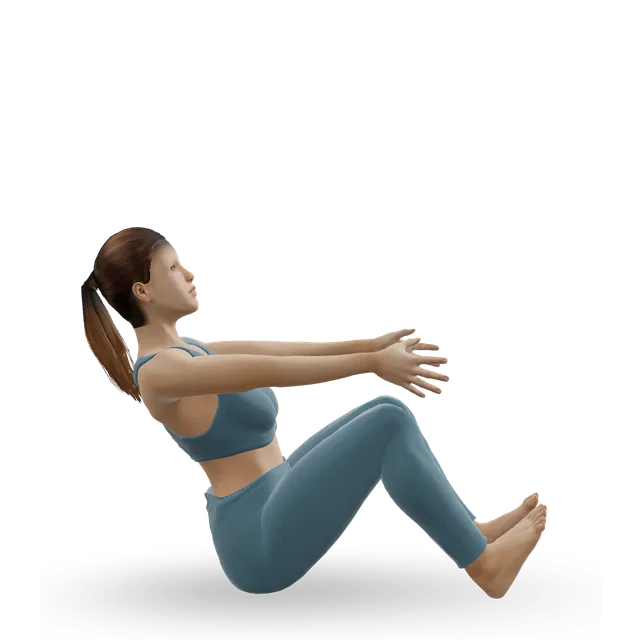
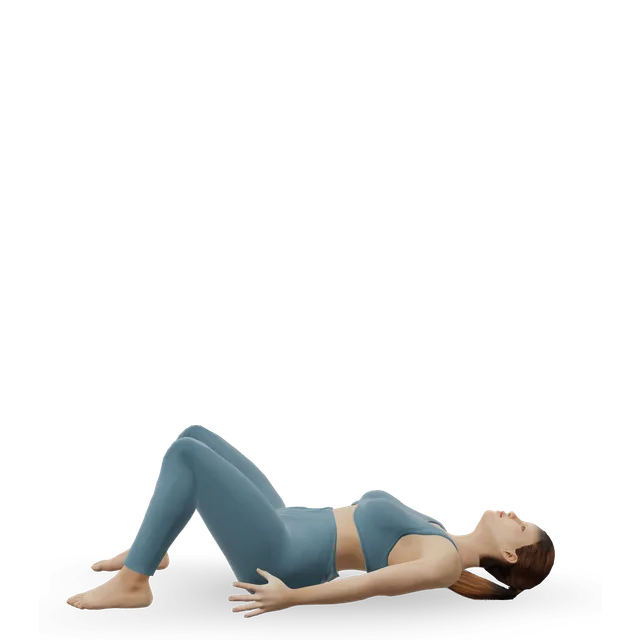
Boat pose: 3 holds of 5 breaths, knees bent while you build strength; side plank: 2 holds of 15 to 30 seconds each side (our yoga for athletes guide). Knee side plank, on your forearm, if the full version hurts the supporting shoulder: 2 holds of 15 to 20 seconds each side; glute bridge: 2 sets of 10 (our editorial starting points).
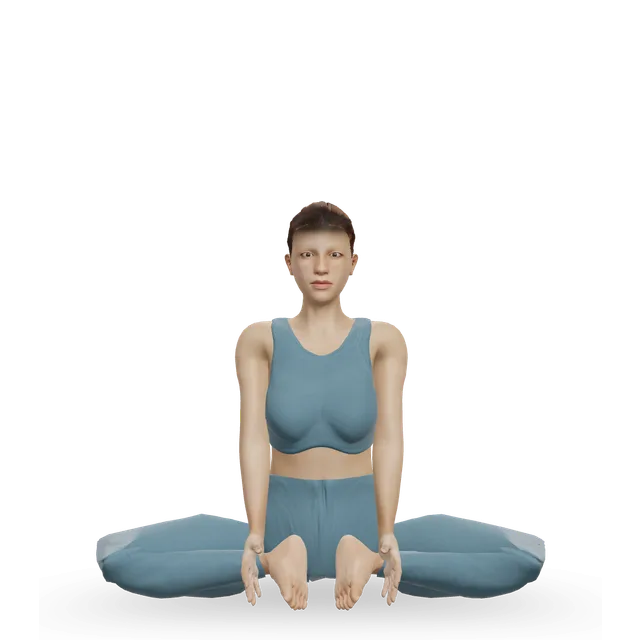
Low lunge and reclined figure four: 45 seconds each side (our yoga for runners routine). 90/90 switch: 10 slow switches, pausing at the ends (the move's page), skipped if it presses on a sore inner knee, as our knee pain when swimming guide says. Bound angle pose: 5 to 10 slow breaths (our editorial starting point), without pressing the knees down.
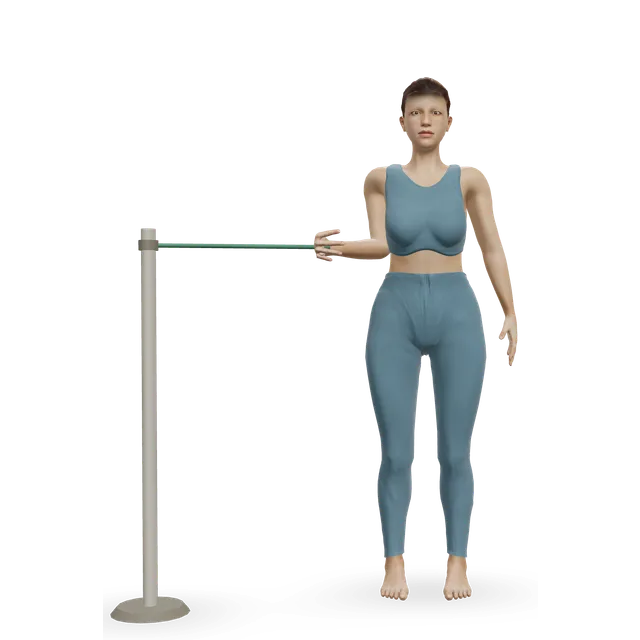
Cross-body shoulder stretch: 5 holds of 30 seconds on the tighter side, once a day, only if turning one arm inwards is clearly stiffer than the other (our shoulder care routine for swimmers, from the trial), and skipped with a loose or dislocated shoulder. Doorway chest opener: 2 holds of 30 seconds (our mobility routine for cyclists), elbow at or below shoulder height; after a dislocation, start with the elbow low and stop at any slipping feeling.
Slow breathing, with no holds: at least 5 minutes as a daily practice (the move's page), or 2 minutes at the start or end of a session (our editorial starting point). Child's pose with your knees wide: 1 to 3 minutes (the move's page), arms by your sides if your shoulders are sore. Corpse pose: 3 minutes (as in our yoga for runners routine).
Leave out end-of-range shoulder stretches, binds (cow face arms, reverse prayer, eagle arms held long), hanging in downward dog, and wheel pose, whose page says to choose bridge pose instead after a shoulder dislocation (our shoulder and hypermobility guides).
It did no better than the cross-body stretch in the trial, and lying on the shoulder squeezes it, so our swimming routines leave it out.
Source 8
Leave out deep back bends (bow, camel, wheel and upward dog), and get a teenager's lasting low back pain checked (our back pain when swimming guide).
Source 17
Leave out hero pose, lotus, half lotus and deep kneeling (their cautions and our knee pain when swimming guide).
No breath holds, no fast or forceful breathing such as bhastrika and kapalabhati, and never over-breathe before going underwater.
With glaucoma, skip headstands, shoulder stands and other full inversions, and keep other head-down poses brief or use a supported version. With high blood pressure that isn't controlled, skip headstands, shoulder stands and long head-down holds. In pregnancy, after the first trimester keep time flat on your back short. (Our glaucoma, high blood pressure and pregnancy guides.)
For shoulder pain prevention, start with the shoulder care routine for swimmers twice a week, from the swimmers' trial; our 25-minute yoga for swimmers class goes alongside it once or twice a week, after pool sessions or on dry days (our suggestion). The dryland workout carries strength and power, and the breathing class is slow breathing only: skip any breath holds if you're prone to over-breathing.
A 25-minute dryland yoga class for swimmers: upper-back turns, shoulder-blade and trunk holds, hips for kicking and slow breathing, safe for loose shoulders.
25 minBeginner16 movesA wallA 20-minute rotator cuff and shoulder-blade routine for swimmers, from a 12-week trial in competitive swimmers, plus a daily cross-body stretch.
20 minBeginner9 movesA wall, A dumbbellA 45-minute dryland session for swimmers: jumps for starts and turns, heavy pulls, leg strength and trunk work, twice a week alongside the pool.
45 minIntermediate14 movesA band, A bench or boxA 20-minute yoga sequence for shoulder pain: gentle movement, standing poses with the arms low, shoulder strength, and weight on the arms built up from the wall.
20 minBeginner16 movesA bench or box, A wallTwenty-five minutes of back-strengthening yoga for posture: arm and leg reaches, face-down back lifts and standing poses with the arms raised.
25 minBeginner15 movesNo equipmentTwenty minutes of plank, side plank, boat pose, back lifts and standing balances: the yoga poses that work the trunk hardest, with easier and harder options.
20 minBeginner13 movesNo equipmentA 6-minute breathing routine: slow breathing, crocodile breathing, alternate nostril breathing, box breathing and 4-7-8 breathing.
6 minBeginner5 movesNo equipmentThese follow our shoulder pain and back pain when swimming guides, word for word, and the NHS. A&E means accident and emergency. In the US, call 911 for 999, and use your doctor's urgent line or urgent care for NHS 111.
Source 36
Source 38
Swim England says anyone rescued after losing consciousness underwater should go to hospital straight away, and anyone who feels ill after prolonged underwater breath-holding should "seek medical advice urgently". Practise breathing on land, and never hold your breath or over-breathe in the water.
With a loose shoulder, stop an exercise or shrink its range if you feel the shoulder is about to slip, as our shoulder dislocation guide advises. Mild shoulder discomfort, up to about 5 out of 10 and settled by the next session, is fine; stop for sharp, pinching or worsening pain (our shoulder care routine for swimmers). Stop for chest pain, dizziness or unusual breathlessness.
Source 39
Loose, unstable shoulders are a risk factor, elite swimmers' shoulders are already looser than most, and stretching aggravated painful shoulders in a survey of 1,262 swimmers. Stretch only a clear stiffness, such as one shoulder turning inwards less than the other.
It's mostly an overloaded rotator cuff tendon that tracks how much you swim, with looseness only weakly linked, and weaker endurance at the back of the shoulder predicted pain.
Breath-holding after over-breathing can cause a blackout underwater without warning. Swim England says never hyperventilate and don't practise prolonged breath-holding.
Strength training plus swimming improved performance by about 2% to 2.5%, and combined water and dryland training took about 2 seconds off 100 metres, while no trial has tested yoga poses in swimmers.
Some flexibility helps the stroke, but athletes with hypermobile joints had about 3 times the odds of a shoulder injury, and the NHS says not to overextend your joints just because you can.
It can keep the upper back and hips moving and build shoulder-blade and trunk control, as long as you don't push loose shoulders further. No trial has tested yoga poses in swimmers, so use it alongside your dryland and shoulder strength work.
Only the right kind. Swimmer's shoulder is mostly an overloaded tendon and loose shoulders are a risk factor, so choose holds that strengthen the shoulder blades and the back of the shoulder, not deep shoulder stretches. Our shoulder pain when swimming guide has the plan.
Only a clear stiffness. Stretching aggravated painful shoulders in a survey of 1,262 swimmers, while the cross-body stretch restored about 20 degrees of inward turning in a small trial of people who had lost it on one side.
Yes, focused on strength and control in the middle of your range rather than flexibility. Athletes with hypermobile joints had about 3 times the odds of a shoulder injury, and the NHS says not to overextend your joints just because you can.
Upper-back twists, sphinx, locust with the arms forward, prone Y-T-W raises, wall angels, boat pose and side plank for the trunk, and lunges and 90/90 switches for the hips. Our free 25-minute dryland class puts them together.
After pool sessions or on dry days. Short stretches with band exercises are fine before a swim, but long holds just before explosive efforts can sap power for a while.
In 27 young competitive swimmers, a month of yogic breathing improved lung tests and strokes per breath. Practise slow breathing on land only: never hold your breath or over-breathe in the water, which can cause a blackout.
Hip rotation work may help, since breaststrokers with frequent knee pain had less inward hip rotation in a small series, but leave out hero pose, lotus and deep kneeling while the inner knee hurts. Our knee pain when swimming guide has the plan.
Gentle movement can, but butterfly and breaststroke arch the back, so keep back bends small and stop if arching hurts. A teenager whose back pain lasts or is worse arching backwards needs it checked.
No. Swimming plus strength training beat swimming alone, and combined water and dryland training took about 2 seconds off 100 metres; yoga is an extra.
Neither has been tested for injuries in swimmers. Both can train trunk control; if your shoulders are loose, choose classes that build strength and control rather than flexibility.
No: swimming doesn't load bone much, and yoga isn't the impact or heavy strength work that does. Jumps and strength training do, as our swimming page explains.
Exercise education, not a personal prescription, and clinical review of these guides is pending. If you are pregnant, have a health condition such as glaucoma, high blood pressure or osteoporosis, or have had recent surgery, check with a doctor, midwife or physiotherapist before starting, and stop for sharp or increasing pain. Health disclaimer.