Yoga guide

Yoga for glutes: the poses that work them hardest, stretching or strengthening, and a 25-minute class

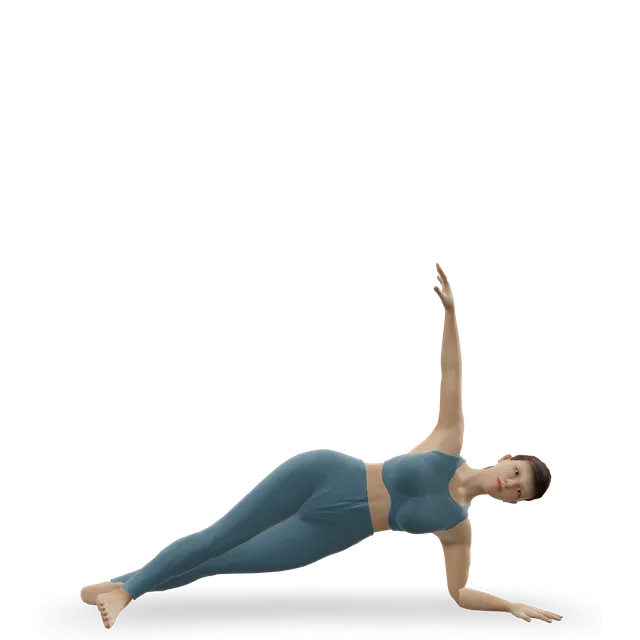
Yoga can work your glutes hard, if you choose the right poses: in a lab study, half moon and warrior III worked the buttock muscles hardest of the poses tested, and single-leg bridges and side planks work them too. Other favourites, such as warrior II and tree, worked them only lightly in young adults, though one-leg poses do load the side of the hip.

What yoga hasn't been shown to do is grow your glutes: no study has measured that, and muscle grows with load you can keep increasing. Stretching your glutes feels good and helps range, but it doesn't build muscle. This guide covers which poses do what, yoga against weights, stretching against strengthening, how to make poses harder, sore hips and buttocks, and a free 25-minute glute class.

The short version

Some poses work them hard, many don't

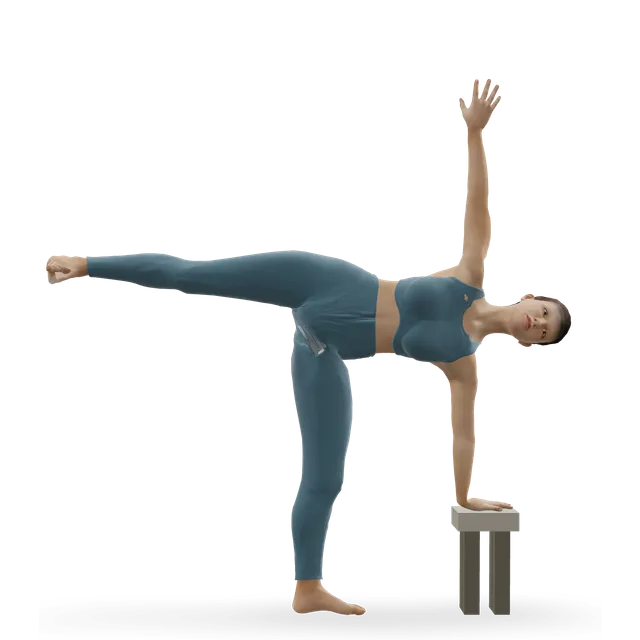
In 31 young adults, half moon worked gluteus maximus, the big buttock muscle, at 63% of its maximum on the lifted leg, and warrior III at 46%; both worked the side glute at about 42%. Tree and warrior II worked them lightly, and chair pose and downward dog asked less of the side glute than half moon, tree or warrior III.

Sources 1, 2

One-leg poses for the side of the hip

In older adults, only one-leg standing poses such as tree loaded the muscles at the side of the hip, and a hand on the wall didn't reduce the load.

Source 3

Working hard isn't the same as growing

How hard a muscle works in one session doesn't predict how much it grows: hip thrusts worked the glutes harder than squats, but grew them about the same.

Sources 4, 5

Yoga builds strength; growing the glutes takes load

Yoga improved leg strength in older adults across 22 trials, but no study has measured glute size after yoga, and a yoga-based programme didn't change muscle mass. Resistance training with weights grows gluteus maximus.

Sources 6, 7, 8

Stretching won't build them

Stretching experts agree it doesn't add much muscle, and strength training improves range of movement about as much as stretching does. Stretch for comfort; strengthen for stronger glutes.

Sources 9, 10

Sore hips need some changes

With pain on the outside of the hip, education and exercise did better than a steroid injection in a trial, and our yoga for hip pain guide leaves out deep crossed-leg stretches such as pigeon and figure four.

Source 11

Your glutes, and how glute work is measured

Three muscles

Gluteus maximus, the big muscle at the back, straightens your hip: standing up, climbing stairs, a bridge. Gluteus medius and minimus at the side lift the leg out to the side and keep your pelvis level when you stand on one leg (our Pilates for glutes guide).

How the studies measure it

Electrodes on the skin measure how hard a muscle works, as a percentage of a maximal effort (maximal voluntary isometric contraction, or MVIC). Other studies measure how much load a pose puts on a joint. Both show which poses work the glutes, not how much the muscles grow. The authors of the main yoga study called 21% to 40% moderate, 41% to 60% high and over 60% very high; treat these as rough bands.

Sources 1, 3, 4

Which poses work your glutes hardest

Compare poses within a study, not across them: the studies used different people, holds and methods.

Hardest: half moon and warrior IIIEmerging evidence

In 31 healthy adults aged 18 to 35, each pose held for 7 seconds, half moon worked gluteus maximus at 63% of maximum on the lifted leg and 62% on the standing leg, and warrior III at 46% and 44%. Gluteus medius worked at about 42% on the lifted leg in both. Bird dog's lifted leg reached 37% for gluteus maximus. Men and people newer to yoga used gluteus medius more.

Source 1

Lighter: warrior II, tree, chair pose and downward dogEmerging evidence

In the same study, tree worked gluteus maximus at 13% to 29% and warrior II at about 12% to 13%, with gluteus medius under 20% in both. In 13 experienced practitioners, chair pose and downward dog worked gluteus medius less than half moon, tree and warrior III, and chair pose worked the front of the thigh most. Gluteus maximus worked about the same in chair pose, warrior I, high plank and upward dog in another study. In 22 trained people, gluteus medius worked at 32% to 42% in side-lying and "tiger" poses on all fours, and under 20% in warrior poses and downward dog.

Sources 1, 2, 12, 13

One-leg poses load the side of the hipEmerging evidence

In 20 older adults after 32 weeks of classes, only one-leg standing poses (tree and a one-leg balance) loaded the muscles that lift the leg out to the side, and tree with one hand on a wall loaded them as much as tree without support. Chair, warrior I and II and crescent lunge loaded the thigh. Of 7 standing poses, a side stretch (pyramid) put the most demand on the muscles that straighten the hip. So tree matters for beginners and older adults, even though it's light work in young adults.

Sources 3, 14

Moving in and out works them harderEmerging evidence

In 8 practitioners doing sun salutations, gluteus maximus worked hardest in the lunge (38.5% of maximum), and all the muscles measured worked harder moving between poses than holding them.

Source 15

Bridges and locust: no yoga dataMixed evidence

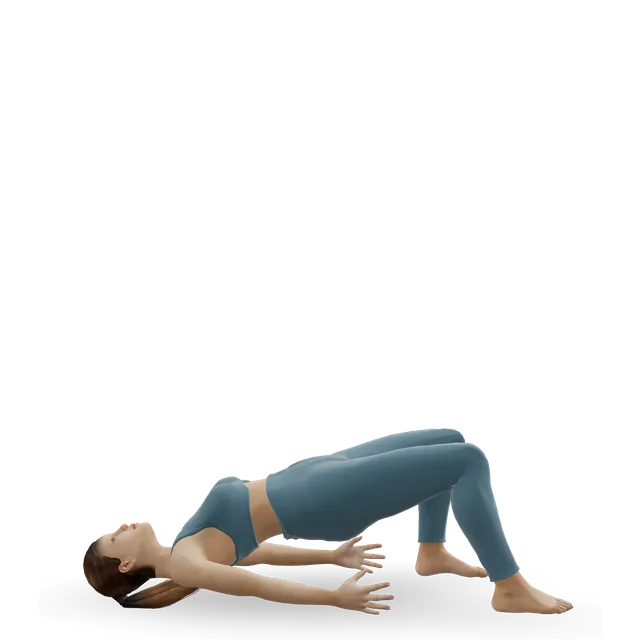
We found no study, in PubMed or Europe PMC, that reports how hard the glutes work in yoga's bridge or locust pose. In 14 men, a yoga-style version of the adductor side bridge worked gluteus maximus and medius harder than the standard version, and a yoga-style back bridge worked the trunk and shoulder-blade muscles harder than a standard bridge, with no glute difference reported. Outside yoga, a review of bodyweight exercises found the single-leg bridge reached 54% of maximum.

Sources 16, 17, 18, 19

For comparison: moves with weightsEmerging evidence

Across 16 studies, step-ups, deadlifts, hip thrusts, split squats and lunges worked gluteus maximus at over 60% of maximum. Among bodyweight exercises, a single-leg squat against a wall reached 86%.

Sources 20, 19

Can yoga grow your glutes?

Working hard isn't the same as growingEmerging evidence

Muscle activity measured in one session isn't a proven guide to growth. In 34 untrained young adults, hip thrusts worked the glutes harder than squats, but 9 weeks of either grew them about the same on MRI scans.

Sources 4, 5

No study of yoga and glute sizeMixed evidence

We found no study that measured glute size after yoga: a PubMed search for yoga or Pilates with glute size measures found one Pilates study. A 3-month yoga-based programme in 75 middle-aged adults (not fully randomised) improved core strength and hamstring flexibility and lowered body fat, without changing muscle mass.

Sources 21, 7

Load grows themStrong evidence

Resistance training grew gluteus maximus moderately across 11 studies (standardised mean difference 0.71). Over 10 weeks, full squats grew it by 6.7% against 2.2% for half squats in 17 men, and hip thrusts and squats grew it about equally. For a bigger or much stronger bum, add squats, lunges, step-ups or hip thrusts with weights you can keep increasing; our glute growth guide has the details.

Sources 8, 22, 5

Strength from yogaEmerging evidence

In older adults, yoga improved leg strength compared with inactive groups (effect size 0.45) and with active ones (0.49) across 22 trials. In 117 people with knee osteoarthritis, yoga eased knee pain as well as a physiotherapist's strengthening programme over 12 weeks. A 32-week class for older adults improved chair stands, though without a comparison group.

Sources 6, 23, 24

Stretching or strengthening?

Stretching doesn't build muscleStrong evidence

A 2025 consensus of 20 stretching researchers agreed that stretching improves range of movement and eases stiffness, but doesn't contribute much to muscle growth, isn't an all-round way to prevent injury and doesn't improve posture.

Source 9

Strength work improves range tooEmerging evidence

Across 11 trials (452 people), strength training improved range of movement about as much as stretching, though the trials varied a lot.

Source 10

So which?

If your glutes feel tight, strengthening through a full range, such as lunges and warrior III, helps range as well. Hold glute stretches for 30 to 60 seconds if you enjoy them (our yoga for flexibility and legs guides), but don't expect them to build the muscle.

Sources 9, 10

How to make yoga harder for your glutes

Our editorial suggestions, from the muscle activity studies and the NHS test for strength work.

One leg instead of two

Single-leg bridges instead of two-leg bridges, and warrior III and half moon instead of warrior II.

Sources 1, 19

Hold until you need a short rest

The National Health Service (NHS) says strength work should take your muscles to the point where you need a short rest before repeating, on at least 2 days a week, and lists yoga as one way to do it.

Source 25

Lower slowly, and move between poses

Come out of poses slowly, and move in and out of lunges: in sun salutations, the muscles worked harder in the transitions than in the holds.

Source 15

Add a band, then weights

A resistance band above your knees in bridges and chair pose (our Pilates for glutes guide), and, for growth, squats, lunges, step-ups or hip thrusts with weights.

Source 8

The big glute: bridges, locust and bird dog

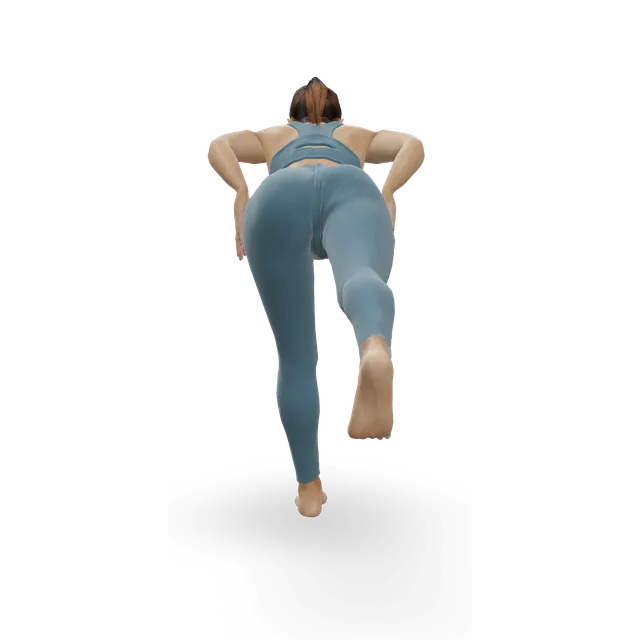
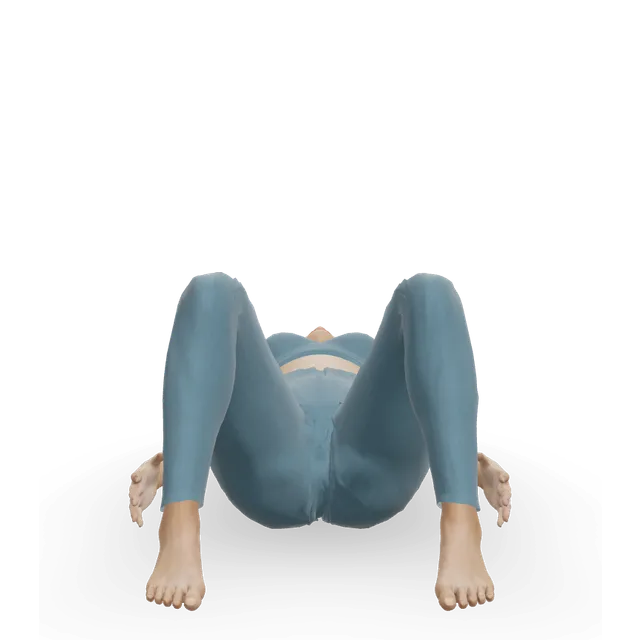
Glute bridge: 10 slow lifts; single-leg bridge: 8 to 10 each side; locust: 3 holds of 3 breaths, lowering your chest and legs if your lower back pinches (our yoga for legs class). Staggered-stance bridge: 5 slow repetitions each side once a day, building to 2 sets of 5 to 10 (the move's page). Bird dog: 2 sets of 6 each side with 5-second holds (our mobility routine for cyclists).

One leg: both glutes, the hardest yoga work

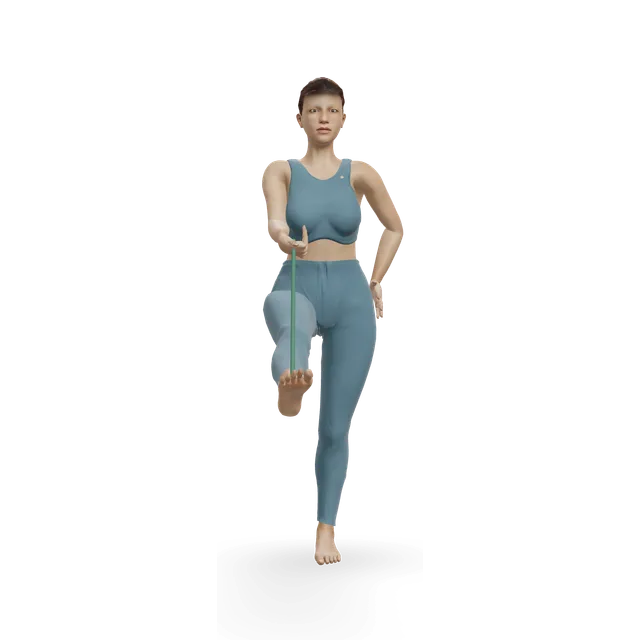
Warrior III and half moon: 3 to 5 breaths each side, hands on a wall or a block to start (our yoga for legs class). Tree: 3 to 5 breaths each side, twice, never pressing your foot into the side of your knee (our yoga for legs and yoga for balance classes); standing hand-to-big-toe: 3 breaths each side (our yoga for balance class). Standing wall press: 3 to 5 holds of 5 to 15 seconds each side, twice a day; hip airplane: 2 sets of 5 slow turns each leg (the moves' pages).

The side glutes, lying and in side plank

Side plank: 2 holds of 15 to 30 seconds each side, knees down for a lighter version (our yoga strength class). Side-lying leg raise: 10 each side (our Pilates glute workout). Side plank with a leg lift, once side plank is steady for 30 seconds: 5 slow lifts each side (our editorial starting point). With outer hip pain, don't lie on the sore side.

Squats and lunges: thighs and glutes

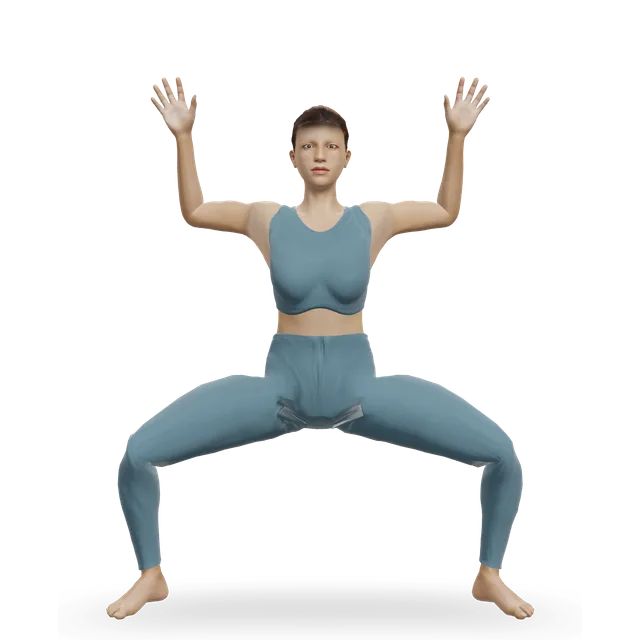
Chair pose: 3 holds of 20 to 30 seconds, sitting back as if onto a tall stool; high lunge: 5 breaths each side; goddess: 12 slow pulses (our yoga for legs class). Warrior I: 3 to 5 breaths each side (our editorial starting point).

Stretches, for comfort and range

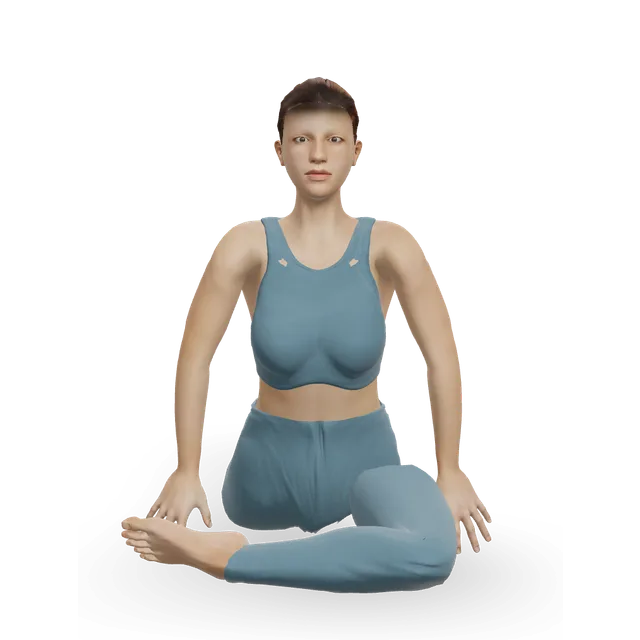
Reclined figure four and low lunge: 45 seconds each side (our yoga for legs class); pigeon preparation: 60 seconds each side; happy baby: 45 seconds (our yoga for hips class). Never press down on the crossed knee, and leave out figure four and pigeon with pain on the outside of your hip.

With weights, for growth

Step-ups, split squats, lunges, single-leg Romanian deadlifts and goblet squats with weights grow the glutes; our glute guide and workouts have the doses.

Sore hips and buttocks

Pain on the outside of the hipStrong evidence

In 204 adults with outer hip tendon pain (gluteal tendinopathy), education about load plus exercise gave more people a good overall result at 8 weeks than a steroid injection or waiting (51 of 66, against 38 of 65 and 20 of 68), and beat the injection at a year. Our yoga for hip pain guide leaves out pigeon, figure four, cow face, eagle, a lying twist with the knee pulled across, and lying on the sore side, and uses standing and lying presses instead.

Source 11

Kneecap painStrong evidence

For pain around the kneecap (patellofemoral pain), international experts recommend exercise, especially hip and knee strengthening together.

Source 26

Buttock pain that spreads down the leg

Buttock pain that spreads down your leg, with or without back pain, usually comes from the back. Our buttock pain and sciatica guides map the causes, and our piriformis syndrome guide explains why that diagnosis is debated.

"Dead butt syndrome"Mixed evidence

We found no study of "dead butt syndrome" or "gluteal amnesia": a PubMed search returned 14 records, all on sitting pressure. Breaking up long spells of sitting is still worth doing for other reasons.

Source 27

Poses to change or leave out

Pain on the outside of the hip

Leave out pigeon, figure four, cow face, eagle, twists with the knee pulled across, and side-lying on the sore side. Use the standing wall press and the lying belt press instead (our yoga for hip pain guide).

Source 11

Knee pain

Short stances and shallow bends, and reclined figure four instead of pigeon (our yoga for legs guide).

Pregnancy

In later pregnancy, the NHS says not to lie flat on your back for more than a few minutes, so prop yourself up for bridges or swap them for all-fours work. Skip one-leg and wide poses if you have pelvic girdle pain (our yoga for legs guide).

Source 28

After a hip replacement

Figure four, pigeon and standing figure four only with your surgical team's agreement (our yoga for legs guide).

Low back pain

Keep locust and bridges within comfort, lower your chest and legs in locust if your back pinches, and stop for any pain or tingling spreading down a leg.

Eyes and blood pressure

With glaucoma, skip headstands, shoulder stands and other full inversions, and keep other head-down poses brief or use a supported version. With high blood pressure that isn't controlled, skip headstands, shoulder stands and long head-down holds, with no breath holds. (Our glaucoma and high blood pressure guides.)

Fitting it into your week

Our editorial suggestions: no trial has tested a yoga routine for the glutes.

How often

2 or 3 sessions a week, on days that aren't back to back, holding poses until your muscles need a short rest (the NHS test for strength work).

Source 25

Alongside weights

If growth is your goal, keep your loaded sessions and use yoga as an extra session for control, balance and range.

Source 8

Free classes

Start with our 25-minute glute class 2 or 3 times a week (our suggestion). Yoga for legs works the thighs and calves too, the yoga strength class adds a band, and yoga for hip pain spares a sore outer hip. The Pilates and home glute workouts add more load.

Yoga for glutes: a 25-minute class for the big and side glutes

A 25-minute yoga class for your glutes: bridges and locust, chair pose and lunges, warrior III and half moon, side work, then a short stretch and rest.

25 minBeginner16 movesA step, A wall

Yoga for legs: a 25-minute strength and stretch routine for thighs, glutes and calves

A 25-minute yoga routine for your legs: standing holds for the thighs, one-leg poses for the glutes, bridges, calf and shin raises, then hip and hamstring stretches.

25 minBeginner17 movesA step, A wall

Strength yoga: a 35-minute workout with a band

Thirty-five minutes of yoga built for strength: long standing holds, slow lowering from plank, single-leg balances and a band row, with harder options.

35 minIntermediate18 movesA step, A band

Pilates glute workout: a 25-minute mat class (with a band if you have one)

A 25-minute Pilates class for your glutes: bridges, the side kick series, face-down kicks and standing work at a wall, with a band to make it harder.

25 minBeginner16 movesA wall, A band

Glute workout at home

A 25-minute glute workout with bodyweight and a mini band: bridges, clamshells, band walks, kickbacks and lunges.

25 minBeginner9 movesA wall, A band

Yoga for hip pain: a 25-minute routine that strengthens without squeezing

Twenty-five minutes of hip-friendly yoga: lying and standing hip strength, a mild hip flexor stretch and a supported rest, with no crossed legs or deep bends.

25 minBeginner13 movesA band, A wall

Yoga for tight hips

A hip-opening yoga sequence: low lunge, lizard, goddess, pigeon, bound angle and happy baby.

25 minBeginner10 movesA wall

Plans with progression

For glutes that grow, these plans add load week by week.

Warning signs: when to get help

These follow our buttock pain and Pilates for glutes guides word for word, and the NHS. A&E means accident and emergency. In the US, call 911 for 999, and use your doctor's urgent line or urgent care for NHS 111.

Call 999 or go to A&E: back and buttock

Call 999 or go to A&E: loss of feeling or numbness around the genitals or bottom, new trouble peeing or controlling your bladder or bowels, changes in genital sensation during sex or problems with erections or orgasm, or pain, tingling, weakness or numbness in both legs. These are signs of cauda equina syndrome, which needs treating in hospital urgently. Don't drive yourself.

Source 29

Hip: get urgent help

  • Call 999 or go to A&E: severe hip pain after a fall or injury, not being able to walk or put weight on your leg, or tingling or loss of feeling in your hip or leg after an injury.
  • Ask for an urgent GP appointment or get help from NHS 111: severe hip pain that started suddenly without a fall or injury, a hip that is swollen and feels hot, skin around the hip that has changed colour, or hip pain with a high temperature or feeling generally unwell.

Source 30

Buttock: same day

  • Same day: a pop near the sitting bone, a large bruise high on the back of the thigh, or you cannot put weight on the leg. The tendon may have pulled away from the bone, which needs assessing before you start these exercises.
  • Ask for an urgent GP appointment or get help from NHS 111: you have a lump on or near your bottom that is painful, red or hot, or you feel hot, cold or shivery, or swelling or redness is spreading away from the lump. It could be an abscess.

See a GP or physiotherapist

In many areas you can refer yourself to NHS musculoskeletal (MSK) services, such as physiotherapy, without seeing a general practitioner (GP) first.

  • Hip pain is stopping you doing normal activities or affecting your sleep.
  • The pain is getting worse or keeps coming back, or hasn't improved after 2 weeks of looking after it at home.
  • Your hip is stiff for more than 30 minutes after waking up.
  • Pain in the back of the thigh with tingling, numbness, weakness, or pain spreading below the knee: it may come from the back (sciatica).
  • An ache in the buttock or thigh that comes on as you walk and eases after a few minutes' rest: see a GP.

Source 30

During yoga

Stop for a sudden sharp pain, a snap or a pop in the buttock or the back of the thigh. Burning, tingling or pins and needles down a leg in a stretch is a nerve signal, not a stretch: ease off. With outer hip pain, side-hip work shouldn't make the pain worse during or after it (the moves' cautions).

Worries about how your body looks

If you worry a lot about one part of your body or check mirrors often, the NHS suggests seeing a GP (body dysmorphic disorder), and the same if you worry about your weight and shape while eating very little or exercising too much. Beat's eating disorders helpline is 0808 801 0677.

Source 31

Myths

"Yoga poses build big glutes"Mixed evidence

No study has measured glute size after yoga, and a yoga-based programme didn't change muscle mass. Resistance training with load you keep increasing grows them.

Sources 21, 7, 8, 5

"If you feel the burn, they're growing"Emerging evidence

Muscle activity in one session doesn't predict growth: hip thrusts worked the glutes harder than squats but grew them about the same.

Sources 4, 5

"Glute stretches build and lift your bum"Strong evidence

Stretching improves range and eases stiffness, but experts agree it doesn't contribute much to muscle growth.

Source 9

"Warrior II and tree are great glute poses"Emerging evidence

In young adults they worked the glutes lightly, about 8% to 29% of maximum, while half moon and warrior III worked them hardest. Tree does load the side of the hip in older adults.

Sources 1, 3

"Sitting gives you dead butt syndrome"Mixed evidence

We found no study of it. Breaking up long sitting is worth doing for other reasons, and hip strengthening helps some knee and hip pain.

Sources 27, 26, 11

"Yoga can reshape or lift your bum"Mixed evidence

No study measures shape, and no exercise changes one area on its own. More muscle and less body fat change how a body looks, and genes decide much of the rest, as our Pilates for glutes guide explains.

Sources 7, 8

"Pigeon pose fixes a sore buttock"Strong evidence

Buttock pain has many causes. With outer hip tendon pain, positions that pull the thigh across the body squeeze the tendons, as our yoga for hip pain guide explains, and education plus exercise did best in a trial. Pain spreading down the leg usually comes from the back.

Source 11

Questions people ask

Does yoga work your glutes?

Yes, some poses work them hard: half moon and warrior III were the hardest-working of the poses tested, and single-leg bridges and side planks work them too. Locust uses the same hip-straightening muscles, though no study has measured it. Others, such as warrior II, work them only lightly.

What are the best yoga poses for glutes?

For the big glute, half moon, warrior III and the single-leg bridge, plus locust, which hasn't been measured; for the side glutes, half moon, warrior III, one-leg standing poses and side plank. Our free 25-minute class puts them together.

Can yoga grow your glutes?

No study shows it, and a yoga-based programme didn't change muscle mass. For growth, add squats, lunges, step-ups or hip thrusts with weights you keep increasing.

Is yoga as good as squats for glutes?

No trial has compared them for the glutes. Loaded squats and hip thrusts grow the glutes; yoga builds strength and control, especially if you're new to exercise.

Do glute stretches help?

They improve how far your hips move and can feel good, but stretching doesn't build much muscle. Strength training through a full range improves range about as much.

How often should I do yoga for glutes?

Two or three times a week, holding poses until your muscles need a short rest, which is the NHS test for strength work. That's our starting point rather than a tested dose.

How do I make yoga harder for my glutes?

Go from two legs to one, hold for longer, lower slowly, and add a band above your knees. For more, add weights.

Is yoga good for tight glutes and hips?

Hip stretches such as figure four and pigeon ease the feeling of tightness, and strength poses help range too. With pain on the outside of your hip, skip those crossed-leg stretches.

Can yoga help buttock pain?

It depends on the cause. Buttock pain that spreads down your leg usually comes from your back, and pain on the outside of the hip needs care with crossed-leg stretches; our buttock pain and hip pain guides map the causes.

Will yoga lift my bum?

No exercise reshapes one area, and studies measure strength and size, not shape. Stronger glutes help you climb, stand up and balance.

Is yoga for glutes safe in pregnancy?

Mostly, with a few changes. In later pregnancy, the NHS says not to lie flat on your back for more than a few minutes, so prop yourself up for bridges or swap them for all-fours work. Skip one-leg poses if you have pelvic girdle pain.

When should buttock or hip pain worry me?

Call 999 for numbness around your genitals or bottom, bladder or bowel changes, or pain or weakness in both legs, and for severe hip pain after a fall. Get same-day help for a hot, swollen hip or hip pain with a high temperature.


Sources

  1. Lehecka 2021 · Glute muscle activity in 5 common yoga poses: 31 adults aged 18 to 35 (laboratory study, Int J Sports Phys Ther; full text read)
  2. Kelley 2018 · Leg and hip muscle activity in 5 poses in 13 experienced practitioners (laboratory study, J Bodyw Mov Ther)
  3. Salem 2013 · The physical demands of hatha yoga poses in 20 older adults (laboratory study, Evid Based Complement Alternat Med; results and discussion read in full)
  4. Vigotsky 2022 · Muscle activity in one session isn't a validated predictor of muscle growth (review, Sports Med)
  5. Plotkin 2023 · Hip thrusts or back squats for 9 weeks: glute growth on MRI in 34 untrained adults (randomised trial, Front Physiol)
  6. Sivaramakrishnan 2019 · Yoga and physical function in older adults: 22 trials (systematic review and meta-analysis, Int J Behav Nutr Phys Act)
  7. Koncz 2024 · A 3-month yoga-based programme and body composition in 75 middle-aged adults (quasi-randomised study, Biol Futur)
  8. Krause Neto 2025 · Resistance training and gluteus maximus growth: 11 studies (systematic review and meta-analysis, Front Physiol)
  9. Warneke 2025 · Practical recommendations on stretching: an international Delphi consensus of 20 experts (consensus statement, J Sport Health Sci)
  10. Afonso 2021 · Strength training or stretching for range of movement: 11 trials, 452 people (systematic review and meta-analysis, Healthcare)
  11. Mellor 2018 · Education plus exercise, a steroid injection or wait and see for outer hip tendon pain: 204 people (randomised trial, BMJ)
  12. Beazley 2017 · Trunk and hip muscle activity in 4 yoga poses (laboratory study, Complement Ther Clin Pract)
  13. Dewan 2023 · Trunk and hip muscle activity in 16 yoga poses for back pain: 22 trained people (laboratory study, J Bodyw Mov Ther)
  14. Wang 2013 · Joint loads in 7 standing yoga poses in 20 older adults (laboratory study, BMC Complement Altern Med)
  15. Mullerpatan 2020 · Muscle activity during sun salutations in 8 practitioners (laboratory study, Int J Yoga)
  16. PubMed · Search for yoga poses with glute muscle activity or joint loads: 10 records, none reporting glute activity in bridge or locust pose (27 October 2026)
  17. Europe PMC · Search for yoga in the title with the glutes in the title or abstract: 8 records, none reporting glute activity in bridge or locust pose (27 October 2026)
  18. Okubo 2024 · Muscle activity in yoga-style and standard bridges and side bridges: 14 men (laboratory study, J Bodyw Mov Ther)
  19. Macadam 2019 · Gluteus maximus activity in bodyweight hip extension exercises: 39 studies (systematic review, Int J Sports Phys Ther)
  20. Neto 2020 · Gluteus maximus activity in strength and hypertrophy exercises: 16 studies (systematic review, J Sports Sci Med)
  21. PubMed · Search for yoga or Pilates with glute muscle size (hypertrophy, thickness, area, volume, MRI or ultrasound): 1 record, a Pilates study (27 October 2026)
  22. Kubo 2019 · Full or half squats for 10 weeks and leg and glute muscle volume in 17 men (randomised trial, Eur J Appl Physiol)
  23. Abafita 2025 · Yoga or strengthening exercise for knee osteoarthritis: 117 people (randomised trial, JAMA Netw Open)
  24. Wang 2016 · Physical performance after 32 weeks of yoga in 20 older adults (uncontrolled study, Evid Based Complement Alternat Med)
  25. NHS · Physical activity guidelines for adults aged 19 to 64 (last reviewed May 2024)
  26. Collins 2018 · Exercise and other treatments for kneecap pain (international consensus statement, Br J Sports Med)
  27. PubMed · Search for dead butt syndrome, gluteal amnesia or sitting and the glutes: 14 records, all on sitting pressure (27 October 2026)
  28. NHS · Exercise in pregnancy (last reviewed September 2026)
  29. NHS · Back pain (last reviewed March 2026)
  30. NHS · Hip pain (last reviewed November 2025)
  31. NHS · Body dysmorphic disorder (BDD) (past its review date: reviewed October 2023, review due October 2026)

Exercise education, not a personal prescription, and clinical review of these guides is pending. If you are pregnant, have a health condition such as glaucoma, high blood pressure or osteoporosis, or have had recent surgery, check with a doctor, midwife or physiotherapist before starting, and stop for sharp or increasing pain. Health disclaimer.