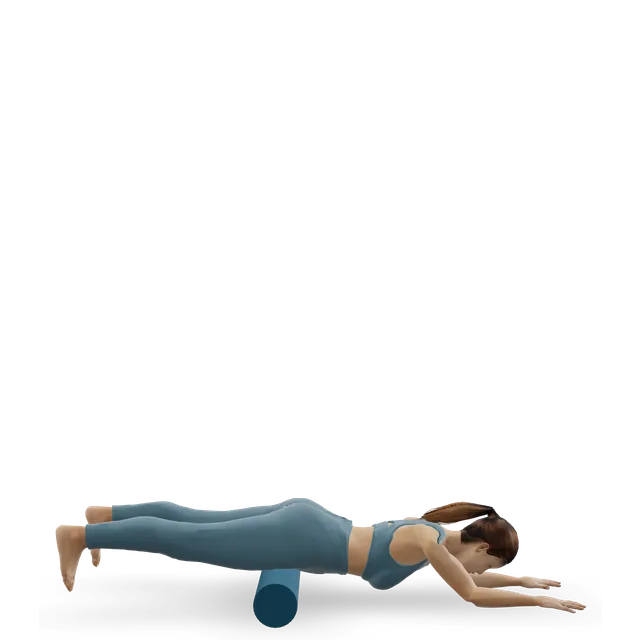
Fascia guide

Fascia release for the glutes: glute release with a ball or roller, what it does, and when buttock pain needs checking

Glute release means rolling or leaning on a ball or foam roller on your buttocks, then stretching and strengthening. It gives your hips a few minutes of extra movement, about as much as stretching, mostly by changing what your nervous system allows, not by breaking up adhesions or releasing fascia.

The honest headline: where you press matters, because the sciatic nerve runs through the middle of the buttock, and buttock pain often comes from the back, the hip joint or a tendon rather than a tight muscle. Range that lasts comes from stretching and strength work.

This guide covers the three glute muscles and where to work on each, how to use a ball or roller safely, what trials show for tight glutes, back pain and sciatica, routines to follow, and the warning signs that need help first.

The short version

A few minutes of hip range

Rolling the glutes raised hip range by 14.8%, against 2% for rolling the IT band (the iliotibial band down the outside of the thigh). After rolling the outer thigh, the extra hip range had gone within 10 minutes. Across 26 trials, rolling matched stretching for short-term range.

Sources 1, 2, 3

It doesn't release fascia

The change is mostly in the nervous system. Dense fascia doesn't change shape at the forces a roller or ball applies, though softer layers may shift a little.

Sources 4, 5

Keep a ball out of the middle

Use the outer, upper part of the buttock and keep the ball moving. The sciatic nerve runs through the middle: a nerve injury followed ball self-massage there in one case report, though the woman already had back and buttock pain, so it can't prove the ball caused it. Stop if pain or tingling spreads down the leg.

Source 6

Buttock pain often isn't a tight glute

It can come from the lower back, the hip joint, the sacroiliac joint or a tendon at the sitting bone. Piriformis syndrome can be described by 4 features, but how accurate they are and how common it is are unknown, and for deep buttock pain no treatment has been shown better than another.

Sources 7, 8

Release doesn't fix back pain on its own

We found no trial of glute self-release for back pain. Hip-focused exercise helped a little in the short term, at very low certainty, and the National Institute for Health and Care Excellence (NICE) recommends hands-on treatment for low back pain only as part of a package that includes exercise.

Sources 9, 10

Strength keeps the range

Strength training through a full range improves range as much as stretching, and hands-on treatment added nothing to exercise for hip problems.

Sources 11, 12

Your glutes, and what release changes

Three glutes and a nerve

The gluteus maximus forms most of the buttock; the gluteus medius and minimus sit at the side, under the crest of the pelvis; the piriformis and other small rotators lie deep beneath. The sciatic nerve runs from under the piriformis through the middle of the buttock: in the case report, a scan showed the nerve swollen there. Our muscle guides cover each muscle, and our thoracolumbar fascia guide shows how the gluteus maximus joins the fascia of the lower back.

Source 6

What rolling changes

In 27 people, rolling the buttock muscles raised hip range far more than rolling the IT band, which is almost pure fascia, and the researchers concluded that the usual theory behind rolling may need rethinking. Rolling works mainly by changing how much stretch you tolerate and how sensitive the area is.

Sources 1, 5

Glute knots

Tender spots (trigger points) were found in the gluteus medius of 34% to 45% of people with low back pain, and latent ones in 74%, more often with pain from a trapped nerve root, in 9 small studies. They're found by feel, and examiners agree only moderately on where they are, as our trigger points guide explains.

Source 13

What the evidence says

Rolling improves range for a short timeStrong evidence

A meta-analysis of 26 trials found foam rolling gave a large short-term gain in range against no exercise, the same as stretching.

Source 3

The extra range fades within minutesEmerging evidence

In 34 people, rolling the outer thigh 3 times for 20 seconds improved hip range straight away and at 3 minutes, but not at 10, 15 or 20 minutes. Our hips guide gives 10 to 20 minutes across trials.

Source 2

Rolling muscle changes more than rolling fasciaEmerging evidence

In 27 people, rolling the gluteal muscles improved the hip's inward range by 14.8%, while rolling the IT band changed it by 2%.

Source 1

Soreness after exerciseEmerging evidence

In 8 men, 20 minutes of rolling after heavy squats eased thigh tenderness over the next 2 days, and across 16 trials rolling eased soreness a little, mostly from 24 hours. No trial looked at the glutes alone.

Sources 14, 15

Pressure on tender spotsEmerging evidence

Pressure eased tender spots in the neck and upper back in the short term: in 119 people, either gentle pressure for 90 seconds or firmer pressure for 30 seconds, and in 40 people, a 5-day home programme of pressure followed by stretching. There's no trial in the glutes.

Sources 16, 17

Back pain: hip exercise helps a little, release is untestedEmerging evidence

A 2023 review of 8 trials (508 people) found very low certainty evidence that hip strengthening and hip stretching eased low back pain a little in the short term (by about half a point to 0.7 points out of 10), with no benefit later. In 184 adults aged 60 to 85 with back pain and weak, painful hips, hip-focused physiotherapy improved disability more than physiotherapy aimed at the spine at 8 weeks, but both groups had improved about the same by 6 months. NICE says to consider manual therapy, including soft tissue techniques such as massage, for low back pain with or without sciatica only as part of a treatment package that includes exercise.

Sources 9, 18, 10

Deep buttock painMixed evidence

A review of 13 studies (508 patients) of injections and surgery for deep gluteal syndrome, which includes piriformis syndrome, found low-quality evidence and no conservative treatment better than another. It advised following back pain and sciatica guidance, mainly physiotherapy, first. Piriformis syndrome is described by 4 features, but the tests' accuracy is unknown.

Sources 8, 7

Hands-on treatment added to exerciseMixed evidence

In a review of 10 studies of hip problems, adding manual therapy to exercise made no clear difference.

Source 12

Glute release, zone by zone, on a roller or ball

The set-up and the 90 seconds come from the move's page; the zones, pauses and follow-on moves are our editorial suggestions. Keep a ball off the middle of the buttock, where a sciatic nerve injury followed ball self-massage in one case report (Cho 2019). Our hips guide shows a shorter version of these steps.

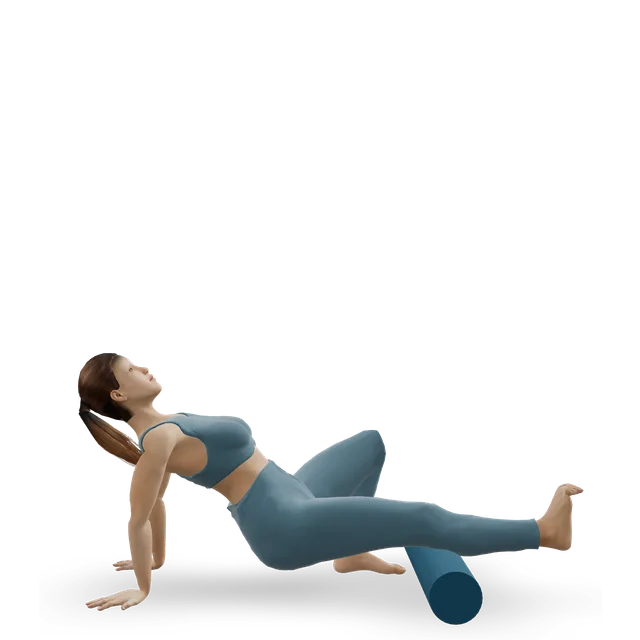
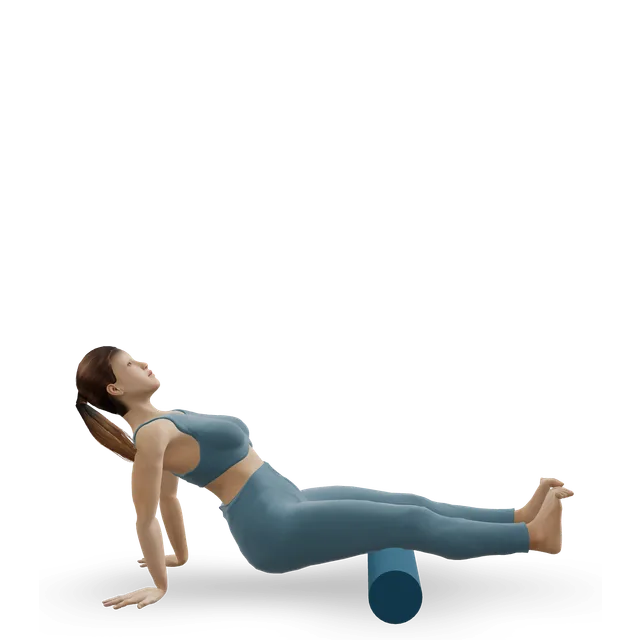
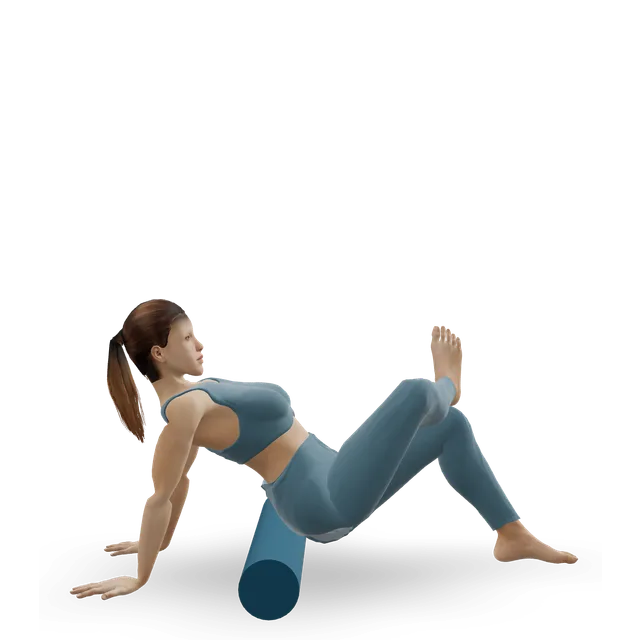
  1. Sit on a foam roller with your knees bent and feet flat, hands planted behind you.
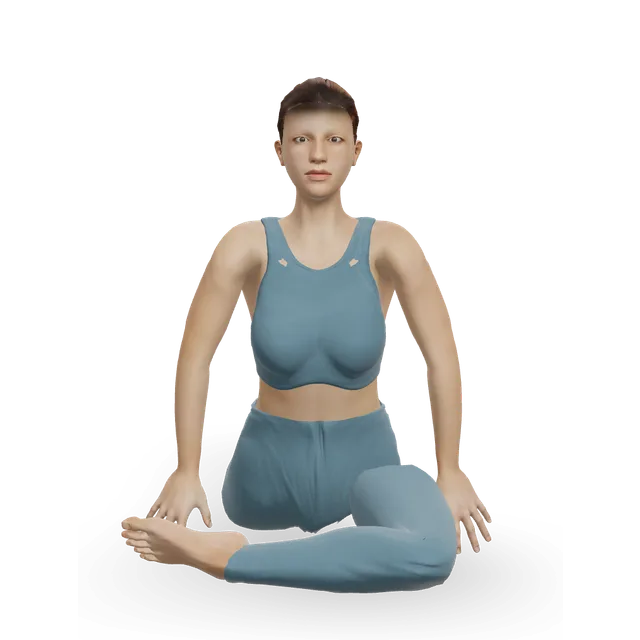
  2. Cross one ankle over the other knee and lean towards that side, so your weight is on the outer part of that buttock.
  3. The big glute: roll slowly over the fleshy outer part of the buttock, a few centimetres at a time.
  4. The side glutes: turn a little further onto your side, just below the crest of the pelvis, and use short strokes. Skip this if the bony point at the side of your hip is sore.
  5. Pause on a tender spot for a few slow breaths if it eases. Stop and move away if pain or tingling spreads down the leg.
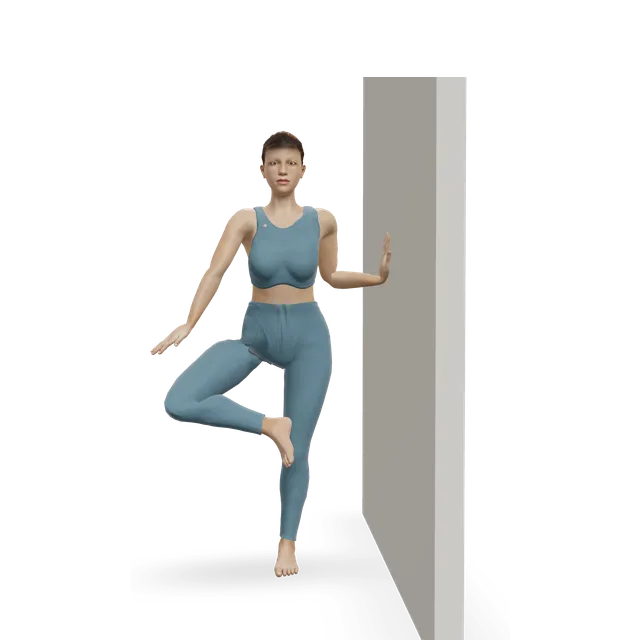
  6. With a ball, stay on the outer and upper buttock, on the floor or against a wall, and keep it moving. Never park it in the middle of the buttock or on a sore sitting bone.
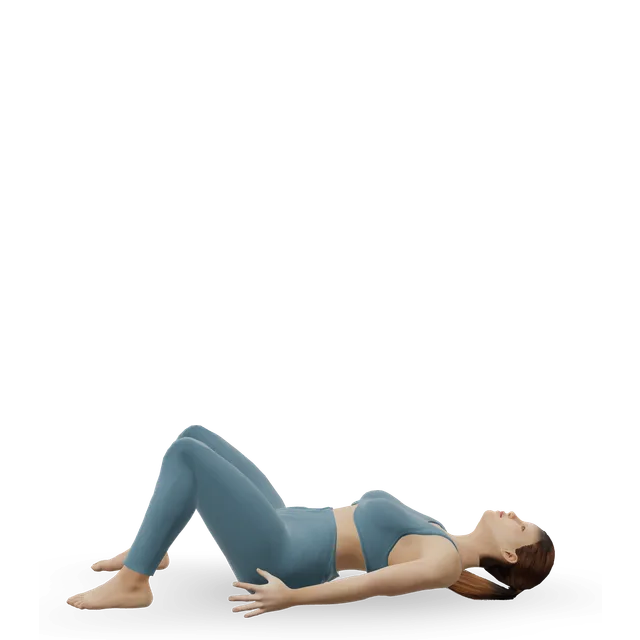
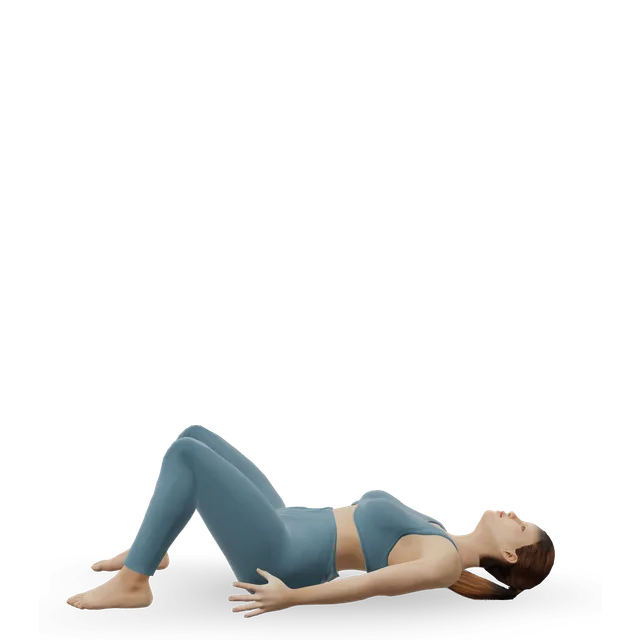
  7. Give each side about 90 seconds in all, then use the window: a figure-four stretch and 10 glute bridges.

Loading the 3D figure…

Gets into position, then repeats the movement. Technical checks passed; qualified exercise review is pending.

The movement on the figure: Glute and piriformis foam rolling

What helps: doses and the window

Each dose names its trial or move page, or is our editorial starting point. Doses are starting points, not prescriptions.

Roller or ball

About 90 seconds a side, in 2 or 3 slow rounds of 30 to 45 seconds, the move page's dose. A roller spreads the pressure and is the gentler start; a ball presses harder on one spot, so keep it on the outer buttock and keep it moving.

Source 6

Use the window

The extra range fades within minutes, so stretch straight after: a figure-four stretch, 2 holds of 30 seconds each side, then 10 glute bridges (our editorial starting points).

Source 2

Make it last

Our editorial starting point: stretch and strengthen 2 or 3 times a week for more than 4 weeks. Strength work through a full range improves range as much as stretching, and rolling programmes did better when they lasted over 4 weeks.

Sources 11, 19

Before exercise

Across 38 studies, rolling and stretching gave no more flexibility than other warm-ups, so a general warm-up does as much. If you like rolling first, keep it brief before jumping or sprinting, as our foam rolling guide advises.

Source 20

When rolling isn't the right tool

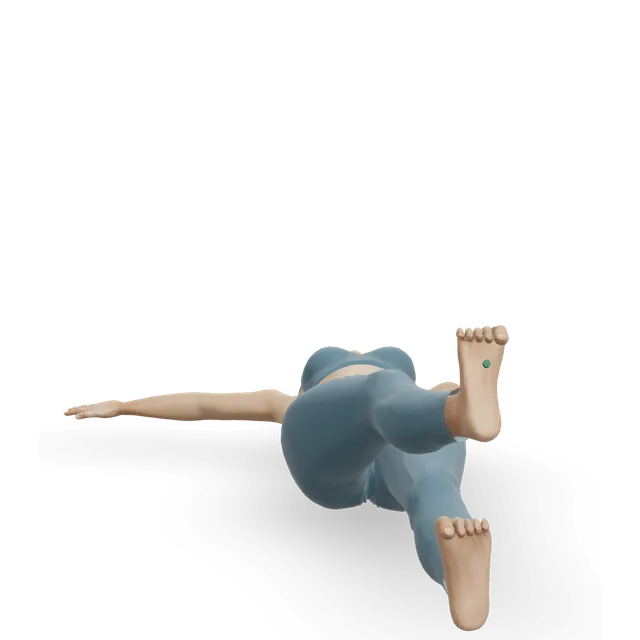
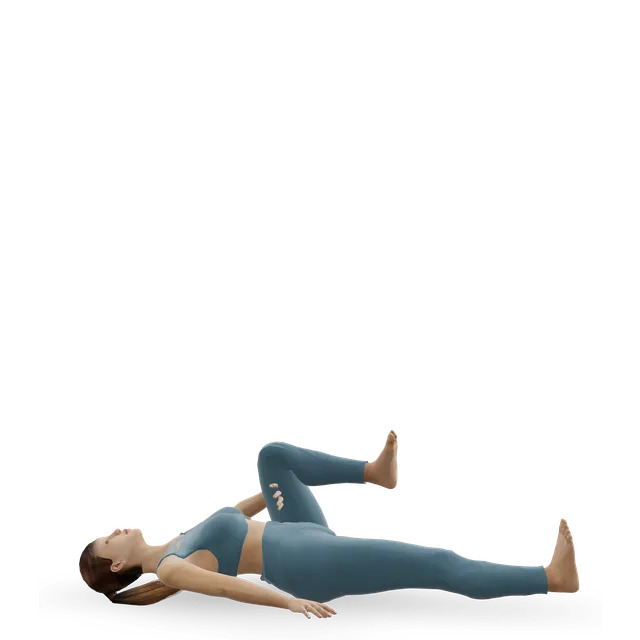
Pain or tingling down the leg, pain at the sitting bone when you sit, a sore bony point at the side of the hip, or pain after a fall. Use gentle movement instead, such as hip windshield wipers (10 slow passes side to side, 2 rounds, the move page's dose), and see the matching pain guide.

Roll and stretch

Roll about 90 seconds a side, then stretch straight away; skip the figure-four stretches if the outside of your hip is sore.

Strengthen

Strength through a full range keeps the range you gain; with outer hip pain, follow the hip bursitis guide's plan instead of the side-lying moves.

Routines to follow

The hip release routine rolls the glutes, stretches while the extra range lasts, then strengthens them.

When buttock pain isn't a tight glute

Where buttock pain comes from

The lower back, including sciatica; the sacroiliac joint; the hip joint, since most people with hip-joint pain feel it in the buttock, as our piriformis guide explains; the hamstring tendon at the sitting bone; the tendons at the side of the hip; or the tailbone. Our buttock pain guide helps you tell them apart.

Sciatica

The NHS advice is to keep active and do exercises; physiotherapy may include massage alongside exercise advice. Rolling a ball into a buttock that sends pain down the leg isn't part of that advice, and leg symptoms are a reason to stop.

Sources 21, 10

Piriformis syndrome

It's described by buttock pain, pain worse on sitting, tenderness near the notch at the back of the pelvis, and pain when the muscle is stretched or tensed, but it's contested and how common it is is unknown. For deep buttock pain, guidance is to start with the usual back pain and sciatica care.

Sources 7, 8

Pain at the sitting bone

Pain where you sit, often worse on hard chairs, can be the hamstring tendon. Our high hamstring tendinopathy guide advises avoiding pressure there, so don't roll or press on it.

Safety

Where not to press

  • Deep in the middle of the buttock, where the sciatic nerve runs.
  • The sitting bone, if it's sore.
  • The bony point at the side of the hip, while it's sore.
  • A leg that is swollen, red or darkened, or throbbing: it can be a clot, which needs an urgent check.

Sources 6, 22

Expert cautions for rolling

In an expert consensus of 37 researchers, open wounds and broken bones were reasons not to roll, and inflammation, a clot, a bone infection or bone forming in a muscle after an injury were at least reasons for caution.

Source 23

Ask first

Keep the pressure light if you take blood thinners, and ask first if you have osteoporosis, since sitting your full weight on a roller presses on the pelvis, or a nerve condition: the NHS lists these among the reasons hands-on treatments may not be safe. With osteoporosis, the NHS notes that even a cough or sneeze can break a weak rib.

Sources 24, 25, 26

Pregnancy and hip replacements

In later pregnancy, avoid lying flat on your back for more than a few minutes, and use side-lying or sitting positions. After a hip replacement, follow your surgical team's limits before rolling near the scar or doing deep crossed-leg stretches.

Sources 27, 28

When buttock pain needs checking

Call 999 or go to A&E

  • Loss of feeling around your genitals or bottom, changes in your bladder or bowels such as difficulty peeing or wetting or soiling yourself, changes in how sex feels or trouble getting an erection or orgasm, or pain, tingling, weakness or numbness in both legs. These can be signs of cauda equina syndrome, which needs treating in hospital urgently. Don't drive yourself.
  • Severe pain after a fall onto your hip or bottom, or you can't walk or put weight on the leg.

Sources 29, 21, 30

Urgent GP appointment or NHS 111

  • Back or buttock pain and you feel hot, cold, shivery or generally unwell, or severe pain that starts suddenly or is getting worse quickly.
  • A hip that's swollen and feels hot, or hip pain with a high temperature or feeling generally unwell: it can be a joint infection.

Sources 29, 30

After a fall, if your bones are thin

Osteoporosis is often only found when a fall or sudden knock breaks a bone, and breaks can happen in the pelvis. Low back, buttock or groin pain after even a minor fall, making walking very hard, needs checking: our buttock pain guide covers a possible fracture of the pelvis or the base of the spine.

Source 26

See a GP

Sciatica or back pain that hasn't improved after a few weeks of looking after it at home, is getting worse, or stops you doing your normal activities.

Sources 21, 29

Myths

"Glute release fixes back pain"Mixed evidence

No trial has tested glute self-release for back pain. Hip-focused exercise gave small short-term gains at very low certainty, hip-focused physiotherapy's lead had gone by 6 months, and NICE uses massage only alongside exercise.

Sources 9, 18, 10

"A tennis ball in the middle of the buttock releases the piriformis and cures sciatica"Mixed evidence

We found no trial. A sciatic nerve injury followed ball self-massage there in a case report; for deep buttock pain no treatment beats another, so back pain and sciatica care comes first; and the NHS advice for sciatica is to keep active and do exercises.

Sources 6, 8, 21

"Glute knots cause sciatica"Mixed evidence

Tender spots are common in the glutes of people with back pain, especially pain from a trapped nerve root, but they're found by feel, on which examiners agree only moderately, and being common doesn't make them the cause.

Source 13

"You're breaking up fascia in your glutes and IT band"Mixed evidence

Rolling over the IT band, which is almost pure fascia, changed hip range by 2%, against 14.8% for rolling the glute muscles, and dense fascia doesn't change shape at these forces.

Sources 1, 4

"It has to hurt to work"Mixed evidence

In a thigh trial, moderate pressure did as well as hard pressure. Pain that shoots down the leg means stop.

Source 31

"Fascia release slims your thighs and bum"Mixed evidence

Nothing shows that rolling or release removes fat. Even training one arm for 12 weeks didn't take more fat off it than the other, on magnetic resonance imaging (MRI) scans. Our fascia blasting verdict and thigh fat guide cover this.

Source 32

Questions people ask

How do I release my glutes with a ball?

Sit or lean on the ball with it under the outer, upper part of your buttock, keep it moving, and pause on a tender spot for a few breaths if it eases. Give each side about 90 seconds, then stretch and do a few bridges while the extra range lasts. Keep the ball out of the middle of the buttock.

Where shouldn't I put a ball on my glutes?

Deep in the middle of the buttock, where the sciatic nerve runs, on the sitting bone if it's sore, and on the bony point at the side of the hip if it's sore. A nerve injury followed ball self-massage in the middle of the buttock in one case report, though it can't prove the ball caused it. Stop if pain or tingling spreads down your leg.

Does glute release help lower back pain?

No trial has tested it. Hip-focused exercise helped back pain a little in the short term, at very low certainty, and NICE recommends hands-on treatment only as part of a package with exercise. Rolling can be a comfortable start before your exercises.

Can glute release help sciatica?

We found no trial. The NHS advice for sciatica is to keep active and do exercises, and a ball pressed into the middle of the buttock can irritate the nerve; our sciatica guide has the exercises.

What are glute knots?

Tender spots, often called trigger points, are common in the glutes of people with low back pain, but they're found by feel, and examiners agree only moderately on where they are. Pressing them can ease tenderness for a while; our trigger points guide covers what they are and aren't.

Why does glute massage hurt?

The glutes are thick, busy muscles, and steady pressure on tender spots hurts. Pain doesn't mean it's working: moderate pressure gave the same range as hard pressure in a trial. Pain that shoots down the leg, or numbness, means stop.

Should I use a foam roller or a ball on my glutes?

A roller spreads the pressure and is the gentler start; a ball presses harder on one spot, so keep it on the outer buttock and keep it moving. Either gives the same few minutes of extra range.

How long and how often should I roll my glutes?

About 90 seconds a side, in 2 or 3 slow rounds. The extra range fades within minutes, so for range that lasts, stretch and strengthen 2 or 3 times a week for more than 4 weeks.

How can I release tight glutes sitting down?

A seated figure-four stretch, with one ankle on the opposite knee and a lean forward, works at a desk. If you sit on a ball, put it under the outer part of the buttock, never on the sitting bone or in the middle, where the sciatic nerve runs. If sitting itself hurts at the sitting bone, see our high hamstring guide.

Should I roll my glutes before a workout?

You can: it gives a few minutes of extra hip range, though a general warm-up does as much for flexibility. Keep it brief before jumping or sprinting, as our foam rolling guide advises, and follow it with your usual warm-up moves.

When is buttock pain not a tight glute?

Often: it can come from the lower back, the hip joint, the sacroiliac joint or a tendon at the sitting bone. Numbness around your bottom or genitals, or new bladder or bowel trouble, needs a 999 call; pain with a fever, or after a fall, needs checking the same day.
Sources

  1. Hall & Chadwick Smith 2018 · Rolling the glutes against the IT band for hip range (crossover study of 27 people, International Journal of Sports Physical Therapy)
  2. D'Amico 2021 · How long the hip range gain from rolling the outer thigh lasts (study of 34 people, International Journal of Sports Physical Therapy)
  3. Wilke 2020 · Foam rolling and range of movement (multilevel meta-analysis of 26 trials, Sports Medicine)
  4. Chaudhry 2008 · A 3D model of how fascia deforms in manual therapy (modelling study, Journal of the American Osteopathic Association)
  5. Behm & Wilke 2019 · Do self-myofascial release tools release fascia? (narrative review, Sports Medicine)
  6. Cho 2019 · A sciatic nerve injury after massage ball self-massage of the buttock (case report, Medicine)
  7. Hopayian 2018 · The four features of piriformis syndrome (systematic review, European Journal of Orthopaedic Surgery and Traumatology)
  8. Hopayian 2023 · Treatments for deep gluteal syndrome (systematic review of 13 studies, Journal of Bodywork and Movement Therapies)
  9. Ceballos-Laita 2023 · Hip treatments for low back pain (meta-analysis of 8 trials, Brazilian Journal of Physical Therapy)
  10. NICE 2016 · Low back pain and sciatica in over 16s: assessment and management (NG59, last updated July 2026)
  11. Afonso 2021 · Strength training against stretching for range of movement (meta-analysis of 11 trials, Healthcare)
  12. Franceschi 2024 · Hands-on treatment added to exercise for hip problems (systematic review of 10 studies, Journal of Functional Morphology and Kinesiology)
  13. Monclús-Díez 2025 · Trigger points in people with low back pain (systematic review of 9 studies, Biomedicines)
  14. Pearcey 2015 · Foam rolling after heavy squats (crossover study of 8 men, Journal of Athletic Training)
  15. Zhou 2024 · Foam rolling and muscle soreness after exercise (meta-analysis of 16 trials, Journal of Bodywork and Movement Therapies)
  16. Hou 2002 · Pressure holds and other treatments for neck trigger points (randomised trial of 119 people, Archives of Physical Medicine and Rehabilitation)
  17. Hanten 2000 · A home programme of pressure then stretching for trigger points (randomised trial of 40 people, Physical Therapy)
  18. Hicks 2024 · Hip-focused against spine-focused physiotherapy for older adults with back pain (randomised trial of 184 people, Lancet Rheumatology)
  19. Konrad 2022 · Foam rolling programmes and range of movement (meta-analysis of 11 studies, Sports Medicine)
  20. Warneke 2024 · Foam rolling and stretching against other warm-ups (meta-analysis of 38 studies, Journal of Sport and Health Science)
  21. NHS · Sciatica
  22. NHS · DVT (deep vein thrombosis)
  23. Bartsch 2021 · Expert consensus on when not to foam roll (Delphi study of 37 experts, Journal of Clinical Medicine)
  24. NHS · Herbal medicines and complementary therapies
  25. NHS · Anticoagulant medicines: side effects
  26. NHS · Osteoporosis (past its review date: reviewed October 2022, review due October 2025)
  27. NHS · Exercise in pregnancy
  28. HealthLink BC · Massage therapy during pregnancy
  29. NHS · Back pain
  30. NHS · Hip pain
  31. Grabow 2018 · Harder roller pressure and range of movement (crossover trial of 16 people, Journal of Strength and Conditioning Research)
  32. Kostek 2007 · Training one arm, and arm fat (study of 104 people, Medicine and Science in Sports and Exercise)

Movement education, not medical advice. Stop for sharp or increasing pain, numbness or tingling, and get individual advice if you are pregnant, after an injury or surgery, or managing a health condition. Health disclaimer.