Fascia guide

Fascia release for the arms: forearm, biceps and triceps release for desk and gym workers, and when arm pain needs checking

Arm release mostly means forearm release: rolling a ball along the forearm after typing, gripping or racket sport, and rolling or stretching the biceps and triceps after the gym. It can ease tight, tired arms for a while, mostly through the nervous system; it doesn't release fascia.

The honest headline: for tennis elbow, hands-on treatment helps a little, for a short time, and strength work is the better-tested route for arms that ache from repetitive work. Some spots on the arm are places to keep pressure off, because nerves run close to the surface.

This guide shows how to release your forearms safely, why the upper arm is better stretched than pressed, what trials found for tennis elbow, carpal tunnel and arm pain from repetitive work, a 12-minute routine, and the arm symptoms that need checking first.

The short version

Mostly forearm release

Typing, gripping and racket sports load the forearm muscles, whose tendons attach at the outer elbow (tennis elbow) and inner elbow (golfer's elbow). The NHS lists typing and using a mouse among the causes of tennis elbow, and says a physiotherapist may massage the area alongside exercises.

Sources 1, 2

For tennis elbow, a little help for a short time

In a Cochrane review of 23 trials, hands-on treatment and exercise eased pain by about half a point out of 10 more than minimal care, and the benefit didn't last. Friction massage showed no clear benefit in 2 small trials.

Sources 3, 4

Two promising trials, not yet repeated

Myofascial release by a therapist helped tennis elbow a lot in 68 computer workers, and scraping added to home exercise did better than shockwave or exercise alone in 48 people. Each is a single small trial that nobody has repeated.

Sources 5, 6

Strength work is the better-tested route

In 66 workers with arm pain from repetitive work, 10 minutes of strength training 3 times a week for 10 weeks eased pain by 1.5 points out of 10 more than advice on working positions.

Source 7

Keep pressure off the nerves

Avoid the back and outer side of the upper arm, the inner elbow, the bony wrist and the armpit. A radial nerve injury needing surgery followed lacrosse ball self-massage of the upper arm, and a median nerve injury in the lower forearm followed two sessions of massage therapy.

Sources 8, 9

It won't slim your arms

Fat isn't lost from the part you work or massage: even training one arm for 12 weeks didn't take more fat off it than the other, on magnetic resonance imaging (MRI) scans.

Source 10

Your arms, and what release changes

The forearms

The extensors on the back of the forearm, the side that faces up when you type, share a tendon at the outer elbow, where tennis elbow happens; the flexors on the palm side share one at the inner elbow (golfer's elbow); and the brachioradialis runs along the thumb side. Our muscle guides cover each one.

The upper arm, and the nerve beside it

The biceps and the brachialis beneath it bend the elbow; the triceps straightens it. The radial nerve winds around the back and outer side of the upper arm, in a groove on the bone: a 44-year-old woman needed surgery to free it there after self-massage with a lacrosse ball, and had regained only partial use 18 months later.

Source 8

Why arms feel tight after the gym

After unaccustomed hard lowering work, the connective tissue around the biceps thickened by 14% to 17% over the next 4 days, in step with soreness, in 11 people. That's the tissue that feels tight after a heavy arm session, and it was still thicker on day 4, the last measurement.

Source 11

What forearm release does to the tissue

Little has been measured. One light scraping session on the forearm in 26 healthy people made no clear change in grip strength or ultrasound stiffness, and massage after forearm exercise slowed blood flow and lactate removal rather than speeding them. Rolling and massage seem to work mainly through the nervous system.

Sources 12, 13, 14

What the evidence says

Tennis elbow: hands-on treatment helps a little, brieflyMixed evidence

A Cochrane review of 23 trials (1,612 people) found one small placebo-controlled trial (23 people): pain was 2.0 against 4.1 out of 10 at the end of 2 to 3 weeks, with no follow-up after that. Across 12 trials (1,023 people), hands-on treatment, exercise or both eased pain by about half a point out of 10 and disability a little more than minimal care at 4 weeks to 3 months, and the benefit didn't last. The certainty was low. Mild, short-lived pain and bruising were more common with treatment.

Source 3

Friction massage for tennis elbowMixed evidence

A Cochrane review found only 2 small trials (57 people) and no clear benefit, on very low quality evidence. A 2025 review of friction massage added to physiotherapy for tendon pain reported large effects, but some of its numbers are implausibly large.

Sources 4, 15

Myofascial release in computer workersEmerging evidence

In 68 computer professionals with tennis elbow, 12 sessions of myofascial release by a therapist over 4 weeks cut pain and disability by 78.7%, against 6.8% with fake ultrasound, and the gain held at 12 weeks. It's a single trial from one clinic, and nobody has repeated it.

Source 5

Scraping for tennis elbowEmerging evidence

In 48 people, 8 sessions of scraping added to home exercise eased pain and improved grip and function more than shockwave plus exercise, or exercise alone, after treatment and 4 weeks later. It's a single small trial, not yet repeated. Our muscle scraping guide grades the wider scraping evidence for tennis elbow as mixed.

Source 6

Strength training for arm pain from repetitive workEmerging evidence

In 66 slaughterhouse workers with long-standing shoulder, elbow, forearm or hand pain, 10 minutes of strength training 3 times a week for 10 weeks eased pain by 1.5 points out of 10 more than advice on working positions, with less disability and more strength; desk workers weren't studied. In 30 people with tennis elbow, the Tyler twist, a strengthening exercise with a flexible bar, beat active release technique for pain (5.8 to 2.0, against 5.53 to 3.46) and grip.

Sources 7, 16

Carpal tunnel syndromeMixed evidence

The US orthopaedic surgeons' 2024 guideline lists massage and manual therapy among treatments that don't improve long-term outcomes, though the 4 manual therapy studies it describes each favoured treatment over a control group in the shorter term. A Cochrane review of 16 trials (741 people) of exercise and mobilisation found very low quality evidence. In 120 women, 3 sessions of manual therapy with home nerve and tendon glides did as well as surgery at 1 and 4 years, but a 2026 review of 4 trials found surgery gave more lasting recovery at 12 to 18 months.

Sources 17, 18, 19, 20

Massage after hard arm trainingEmerging evidence

In 10 untrained people, 10 minutes of massage 3 hours after hard lowering work for the elbow muscles eased soreness and swelling, but didn't change the loss and recovery of strength. Massage eases how it feels, not what the tissue is doing.

Sources 21, 11

Rolling the biceps and triceps

We found no trials of rolling the biceps or triceps. Rolling elsewhere gives a few minutes of range, mainly through the nervous system.

Forearm release for desk and gym workers

Steps and dose from the move's page, which calls 45 to 60 seconds per side an editorial starting point because there are no trials of forearm rolling. Our active release guide shows the same pin-and-stretch for a single tender spot.

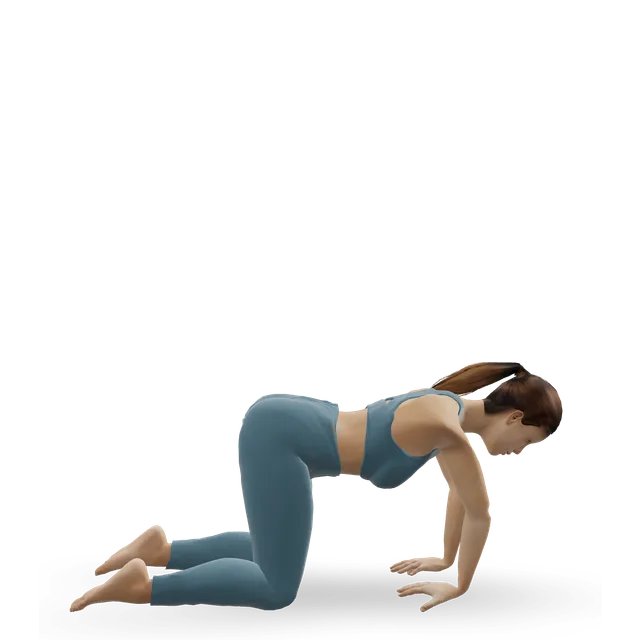
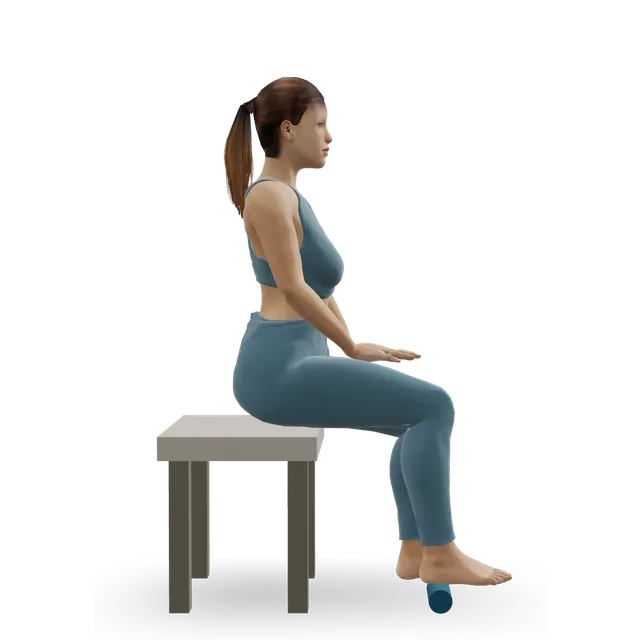
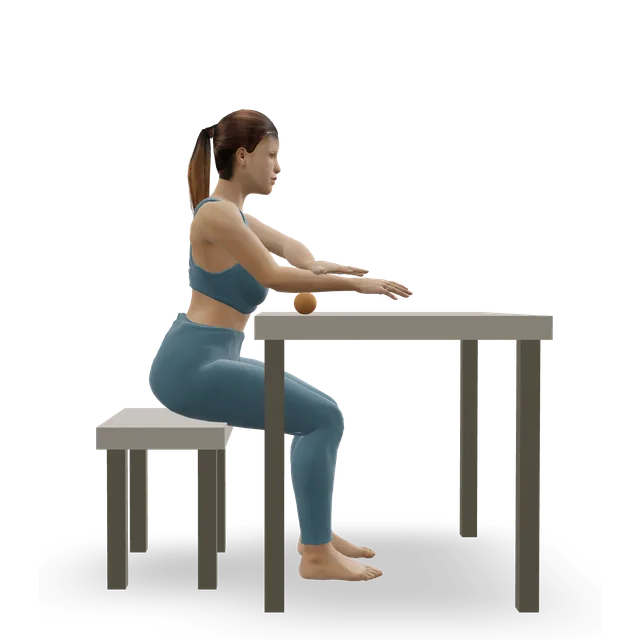
  1. Sit at a table with a massage ball under your forearm, palm down, just below the elbow.
  2. Rest your other hand on top to set a pressure you can breathe through.
  3. Roll slowly towards the wrist and back, about 3 seconds each way, stopping short of the bony wrist.
  4. On a tender spot, keep the ball still and slowly open and close your fingers for 2 or 3 breaths.
  5. Turn your palm up and repeat on the inner forearm, staying clear of the inner elbow.
  6. Give each forearm 45 to 60 seconds in all, then switch arms. Stop if your fingers tingle or go numb.
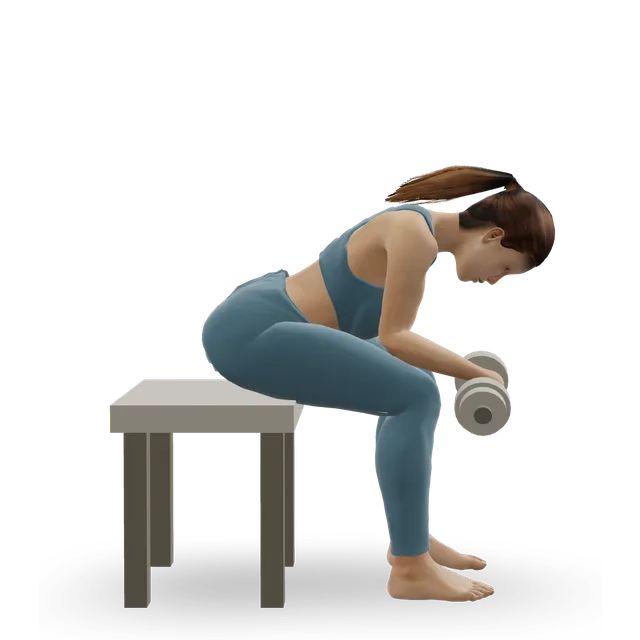
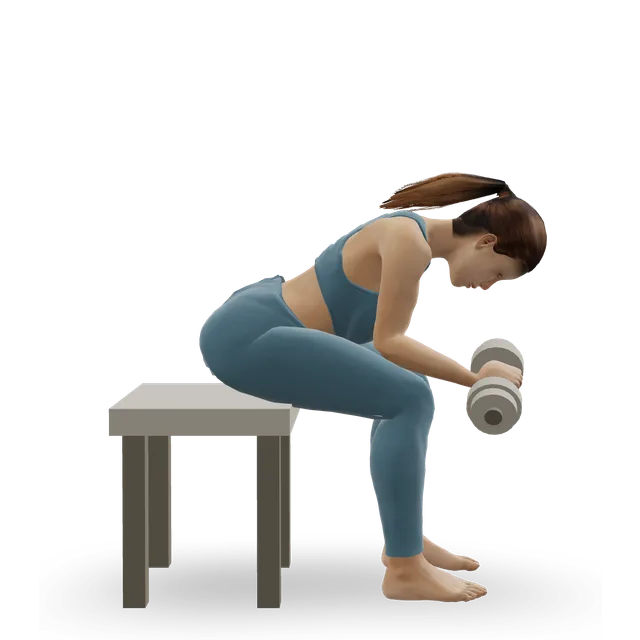
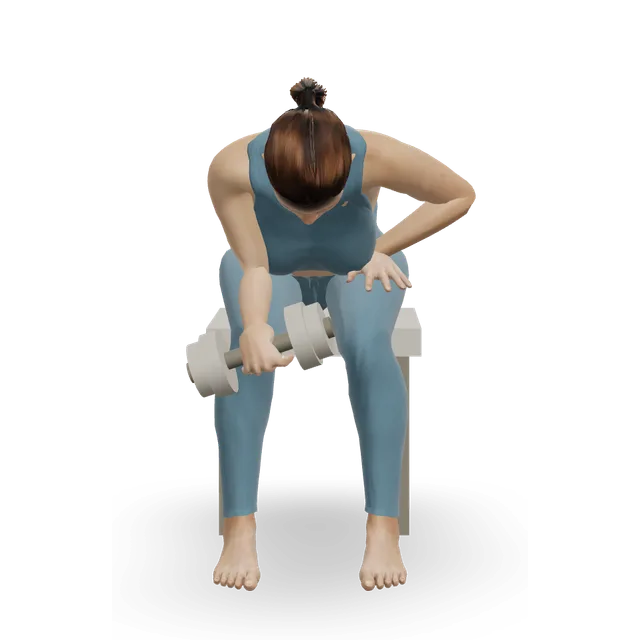
  7. Follow with wrist stretches both ways and some wrist curls: the arm release routine below puts it together.

Loading the 3D figure…

Gets into position, then repeats the movement. Technical checks passed; qualified exercise review is pending.

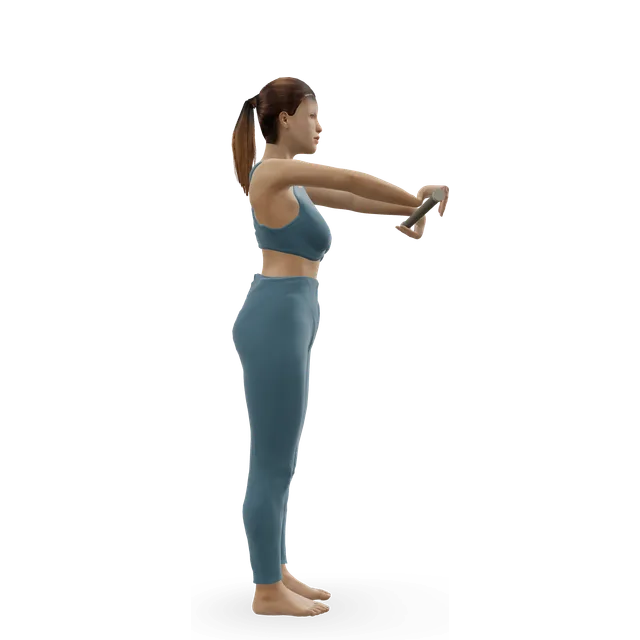
The movement on the figure: Forearm ball roll

What helps: doses for the forearm and upper arm

Each dose names its trial or move page, or is our editorial starting point. Doses are starting points, not prescriptions.

Forearms: roll, then stretch

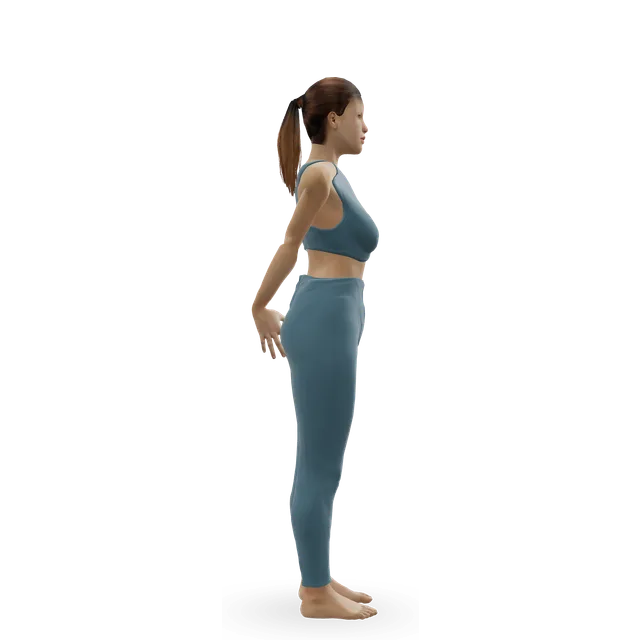
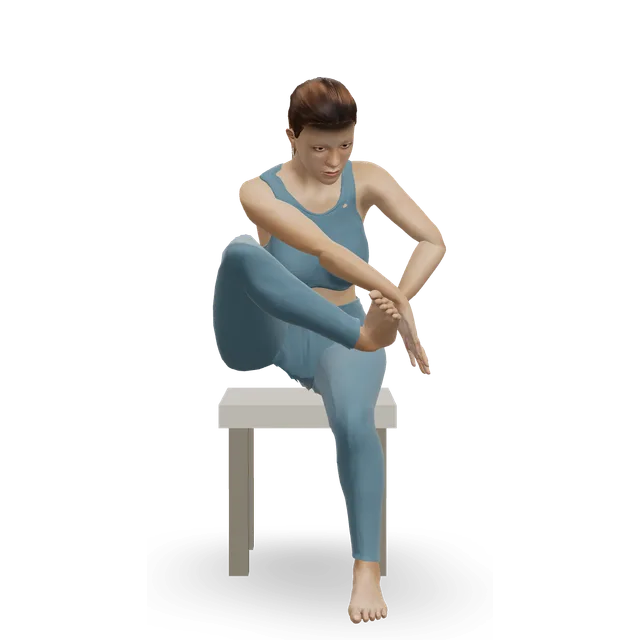
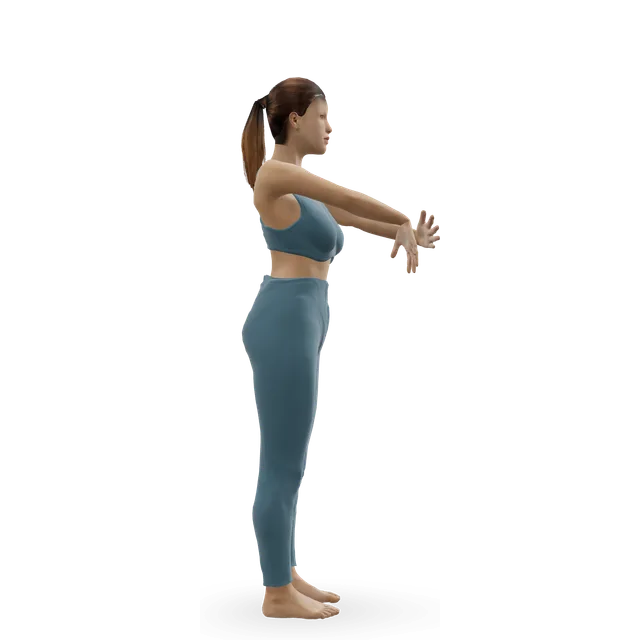
A ball along each forearm for 45 to 60 seconds, palm down then palm up, the move page's dose. Then the wrist extensor stretch, 3 holds of 30 seconds after any strengthening, its move page's dose from an NHS Scotland tennis elbow booklet, and a wrist flexor stretch, 2 holds of 20 to 30 seconds (our editorial starting point).

Upper arm: stretch rather than press

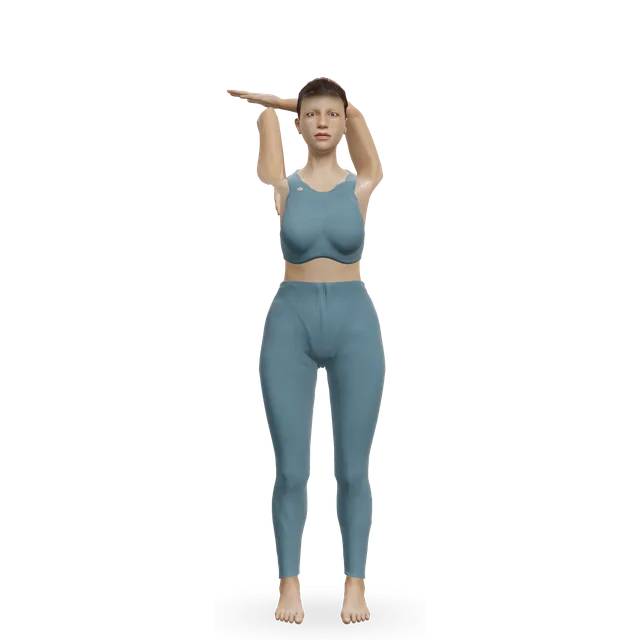
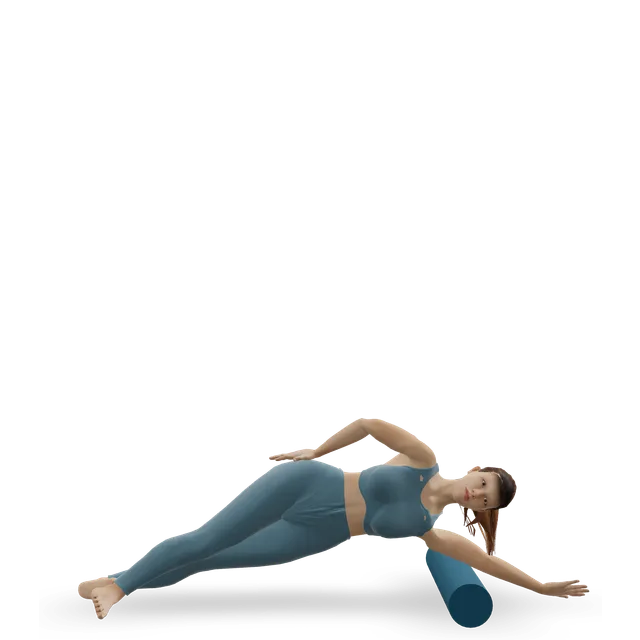
Use the overhead triceps stretch, 15 to 30 seconds 2 to 4 times each side (the move page's dose, from the American Council on Exercise), and a standing biceps stretch, 2 holds of 20 to 30 seconds (our editorial starting point). If you roll the upper arm, use a foam roller, never a ball, on the muscle, and stop at once for numbness on the back of the hand or a weak wrist.

Source 8

Strengthen

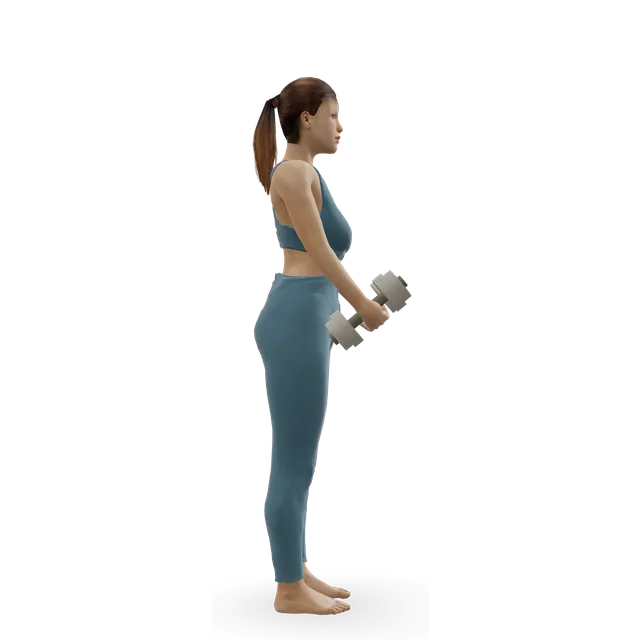
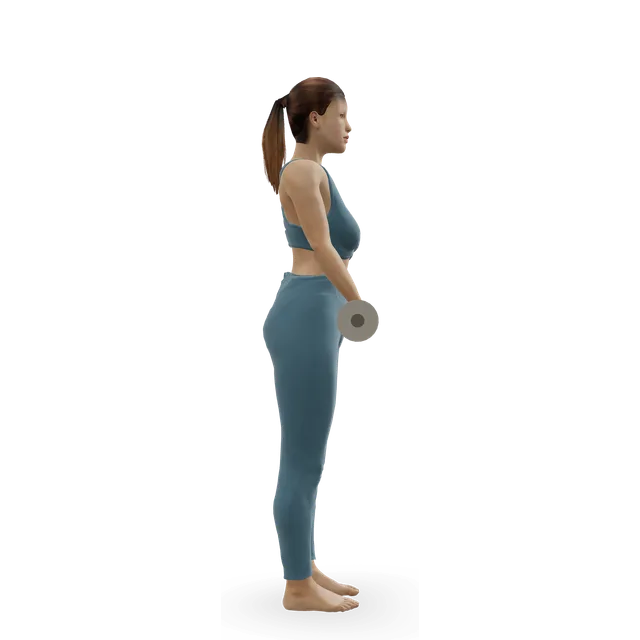
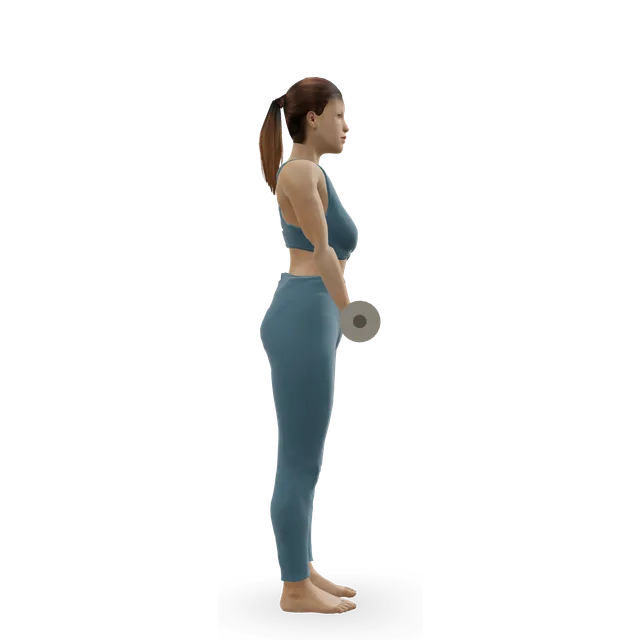
Reverse wrist curls and wrist curls, 2 sets of 10 to 15 with a light weight (our editorial starting point, within the ranges our tennis elbow guide uses). The Tyler twist, if you have a flexible bar: 3 sets of 15, about 4 seconds a repetition, with 30 seconds' rest (the move page's dose, from its trial). For tight arms, 2 or 3 sessions a week is our editorial starting point; with tennis elbow, follow our tennis elbow guide's plan.

Sources 7, 16

At a desk

Keep active, cut down on what makes it worse, and talk to your employer about changing the way you work. Don't rest a sore arm for more than a few days: the NHS says resting too long can leave it weaker and less flexible. Our tennis and golfer's elbow guides have the full exercise plans.

Sources 2, 1

Massage guns and scraping

Our massage gun guide suggests big muscles; on the forearm, keep a gun brief and light, on the muscle and off the bony elbow and wrist, the inner elbow and the armpit. Our muscle scraping guide covers scraping and who should avoid it.

Roll and stretch

Roll the forearms, then stretch; roll the upper arm only on a foam roller, never with a ball, and skip the kneeling wrist stretch with carpal tunnel symptoms.

Strengthen

Strength is what eased arm pain in trials; start light and build up over weeks.

Routines to follow

The arm release routine rolls the forearms, stretches the forearms and upper arms, then strengthens the wrists, in about 12 minutes.

Safety

Where not to press

  • The back and outer side of the upper arm, where the radial nerve runs: never with a ball.
  • The inner elbow, the bony wrist and the armpit, where nerves run close to the surface.
  • An arm that is swollen and throbbing, with red, blue or darker skin: it can be a clot.
  • Stop at once if your fingers tingle or go numb.

Sources 8, 9

Lymphoedema and cancer

Cancer Research UK advises avoiding general massage on an arm swollen by lymphoedema, which is common after breast cancer treatment, and very deep massage with cancer, and not massaging an area having radiotherapy. Specialist lymphatic drainage is a separate treatment: ask your lymphoedema team.

Source 22

Ask first

Keep the pressure light, or ask your doctor first, if you take blood thinners, which make bruising more likely, or have a nerve condition such as peripheral neuropathy: the NHS lists these among the reasons hands-on treatments may not be safe. With a ball or massage gun, bruising means the pressure was too hard.

Sources 23, 24, 25

Expert cautions for rolling

In an expert consensus of 37 researchers, open wounds and broken bones were reasons not to roll, and inflammation, a clot, a bone infection or bone forming in a muscle after an injury were at least reasons for caution.

Source 26

When arm pain needs checking

Call 999

  • Chest pain that spreads to your arms, neck or jaw, or feels tight or like squeezing: it could be a heart attack.
  • Sudden weakness or numbness in one arm, especially with a drooping face or slurred speech: it could be a stroke.
  • A swollen, painful arm with breathlessness or chest pain: it could be a clot that has reached the lungs. Don't drive yourself to A&E.

Sources 27, 28, 29

Urgent GP appointment or NHS 111

  • Your arm or shoulder is badly swollen or has changed shape, is hot or cold to the touch, or you feel feverish or unwell.
  • Pins and needles that don't go away, or no feeling in your arm.
  • Throbbing pain and swelling in the arm, with red, blue or darker skin and swollen veins: it could be a blood clot.

Sources 30, 29

See a GP

Numbness, tingling or weakness in your hand that is getting worse or not going away, or arm pain from repetitive work or tennis elbow that isn't improving with self-care. Our forearm and upper arm pain guides list the signs that need help the same day.

Sources 31, 2, 1

Myths

"Fascia release or blasting slims your arms"Mixed evidence

In 104 people who trained one arm for 12 weeks, MRI scans found fat loss across both arms, no more in the trained one, and nothing suggests rolling or blasting does better than training. Our arm fat guide covers what works.

Source 10

"Forearm massage cures tennis elbow"Mixed evidence

Hands-on treatment helped a little at the end of treatment, and the benefit didn't last; friction massage showed no clear benefit. Strengthening exercises are the backbone of our tennis elbow guide.

Sources 3, 4

"Forearm massage fixes carpal tunnel"Mixed evidence

The US orthopaedic surgeons' guideline says massage and manual therapy don't improve long-term outcomes, and the evidence for exercise and mobilisation is very low quality. The NHS options are a wrist splint, painkillers, hand exercises, steroid injections and surgery.

Sources 17, 18

"Forearm knots are scar tissue to break up"Mixed evidence

Tender spots are sensitive muscle, not lumps of scar tissue. Dense tissue doesn't change shape at the forces a ball or roller applies, and light forearm scraping didn't change ultrasound stiffness.

Sources 32, 12

"Massage flushes lactic acid from a pumped forearm"Mixed evidence

In the forearm, massage after exercise slowed blood flow and lactate removal rather than speeding them.

Source 13

"Massage guns release fascia"Mixed evidence

Guns give a few minutes of range, like rolling, mainly through the nervous system; nothing shows they change fascia.

Source 14

Questions people ask

What is fascia release for the arms?

Usually rolling a ball along the forearm, rolling or stretching the upper arm, or a therapist's hands or tools. It eases tight, tired arms for a while, mostly through the nervous system; dense fascia doesn't change shape at these forces.

Can you get knots in your forearm?

You can get tender spots in the forearm muscles, especially with typing, gripping or racket sports. They're sensitive muscle, not lumps of scar tissue, and light scraping didn't change forearm stiffness in a study.

How do I release a tight forearm?

Roll a massage ball along it for 45 to 60 seconds each side, palm down then palm up, pausing to open and close your fingers on tender spots. Then stretch your wrist both ways and do some wrist curls: strength work is what eased arm pain in a trial of workers.

Does forearm massage help tennis elbow?

A little, for a short time: in a Cochrane review, hands-on treatment and exercise eased pain by about half a point out of 10 at the end of treatment, and the benefit didn't last. Our tennis elbow guide's exercises are the main plan.

Does forearm massage help carpal tunnel?

The US orthopaedic surgeons' guideline says massage and manual therapy don't improve long-term outcomes. The NHS options are a wrist splint, painkillers, hand exercises, steroid injections and surgery; our carpal tunnel guide compares them.

Can I foam roll my biceps and triceps?

You can, gently, on a foam roller, but there are no trials of rolling them, and a lacrosse ball on the back and outer side of the upper arm injured the radial nerve in a case report. Stretching the biceps and triceps is the safer choice.

Is it safe to use a massage gun on my forearm?

Our massage gun guide suggests big muscles such as the calf, thigh and buttock. The forearm is small, so if you use one there, keep it brief and light, on the muscle, and off the bony elbow and wrist, the inner elbow and the armpit. Stop if your fingers tingle.

Will fascia release or blasting slim my arms?

No. In 104 people who trained one arm for 12 weeks, MRI scans showed fat loss across both arms, no more in the trained one, and nothing suggests rolling or blasting does better. Our arm fat guide covers what works.

Why do I bruise after fascia release?

With a roller, ball or massage gun, bruising means the pressure was too hard for your tissues. Ease off, and if you bruise easily or take blood thinners, ask your doctor before using balls, guns or scrapers.

Which forearm stretches should I do at my desk?

A wrist flexor and a wrist extensor stretch, holding each for about 30 seconds, plus a movement break every hour or so. The NHS advice for repetitive strain injury is to keep moving and not rest a sore arm for more than a few days.

When should I see a doctor about arm pain?

Get an urgent GP appointment or call 111 if your arm is badly swollen, hot or cold to the touch, or you feel feverish or unwell, or it's throbbing with red, blue or darker skin, which can be a clot. Call 999 for sudden arm weakness with a drooping face, or chest pain spreading to your arm. See a GP for hand numbness or weakness that is getting worse.
Sources

  1. NHS · Tennis elbow
  2. NHS · Repetitive strain injury (RSI)
  3. Wallis 2024 · Manual therapy and exercise for tennis elbow (Cochrane review of 23 trials)
  4. Loew 2014 · Deep friction massage for tennis elbow (Cochrane review of 2 trials)
  5. Ajimsha 2012 · Myofascial release for tennis elbow in computer workers (randomised trial of 68 people, Archives of Physical Medicine and Rehabilitation)
  6. Gercek 2025 · Scraping, shockwave or exercise for tennis elbow (randomised trial of 48 people, Journal of Sport Rehabilitation)
  7. Sundstrup 2014 · Strength training for arm pain in repetitive work (randomised trial of 66 workers, Pain Physician)
  8. Schafer 2026 · A radial nerve injury after lacrosse ball self-massage of the upper arm (case report, Annals of Plastic Surgery)
  9. Suh 2022 · A median nerve injury in the lower forearm after massage therapy (case report, Frontiers in Neurology)
  10. Kostek 2007 · Training one arm, and arm fat (study of 104 people, Medicine and Science in Sports and Exercise)
  11. Tenberg 2022 · The connective tissue around the biceps after hard lowering exercise (randomised crossover trial of 11 people, Sports Medicine Open)
  12. Cheatham 2023 · Light forearm scraping, grip and stiffness (study of 26 healthy adults, Journal of Sport Rehabilitation)
  13. Wiltshire 2010 · Massage, blood flow and lactate after forearm exercise (crossover study of 12 people, Medicine and Science in Sports and Exercise)
  14. Behm & Wilke 2019 · Do self-myofascial release tools release fascia? (narrative review, Sports Medicine)
  15. Siva 2025 · Friction massage added to physiotherapy for tendon pain (meta-analysis of 13 studies, International Journal of Therapeutic Massage and Bodywork)
  16. Kazi & Patil 2023 · The Tyler twist against active release technique for tennis elbow (randomised comparison of 30 people, Cureus)
  17. American Academy of Orthopaedic Surgeons 2024 · Management of carpal tunnel syndrome (clinical practice guideline)
  18. Page 2012 · Exercise and mobilisation for carpal tunnel syndrome (Cochrane review of 16 trials)
  19. Fernández-de-las-Peñas 2020 · Manual therapy against surgery for carpal tunnel syndrome, 4 years on (randomised trial of 120 women, Physical Therapy)
  20. Masiero 2026 · Surgery against non-surgical care for carpal tunnel syndrome (systematic review of 4 trials, Brain Sciences)
  21. Zainuddin 2005 · Massage after hard arm exercise (study of 10 people, Journal of Athletic Training)
  22. Cancer Research UK · Massage therapy (past its review date: review due September 2025)
  23. NHS · Herbal medicines and complementary therapies
  24. NHS · Anticoagulant medicines: side effects
  25. NHS · Peripheral neuropathy (past its review date: reviewed October 2022, review due October 2025)
  26. Bartsch 2021 · Expert consensus on when not to foam roll (Delphi study of 37 experts, Journal of Clinical Medicine)
  27. NHS · Heart attack
  28. NHS · Stroke: symptoms
  29. NHS · DVT (deep vein thrombosis)
  30. NHS · Shoulder pain (past its review date: reviewed May 2023, review due May 2026)
  31. NHS · Carpal tunnel syndrome
  32. Chaudhry 2008 · A 3D model of how fascia deforms in manual therapy (modelling study, Journal of the American Osteopathic Association)

Movement education, not medical advice. Stop for sharp or increasing pain, numbness or tingling, and get individual advice if you are pregnant, after an injury or surgery, or managing a health condition. Health disclaimer.