Foam rolling & fascia
Massage ball routine: feet, forearms and chest
A ball presses one spot the way a thumb does. In a trial, gentle pressure on a tender spot for up to 90 seconds eased it for a while, and in a home trial, pressure followed by a stretch helped more than range-of-motion exercise. Nothing here needs you on the floor. Use a pressure you can breathe through, and stop for tingling or numbness.
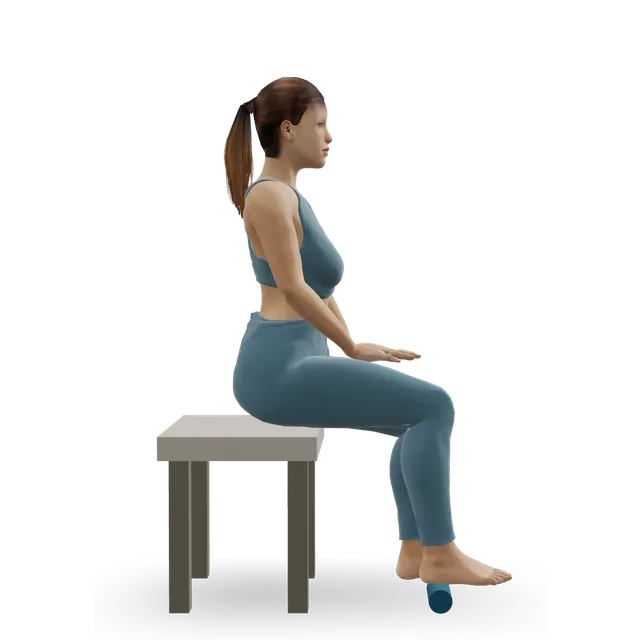
Feet
- Foot roll (ball or roller)1 to 2 minutes per footBeginner · Calves · 3D demoSeated, shoes off. Pause on tender spots; a softer ball suits sensitive feetHarder: Calf foam rolling
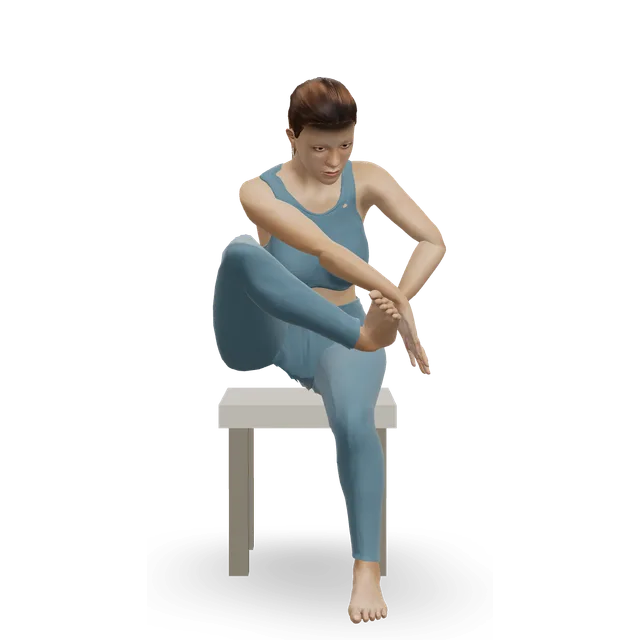
- Plantar fascia stretch (seated)3 holds of 20 to 30 s each footBeginner · Calves · 3D demoHarder: Toes-tucked kneeling (toe squat)
Forearms
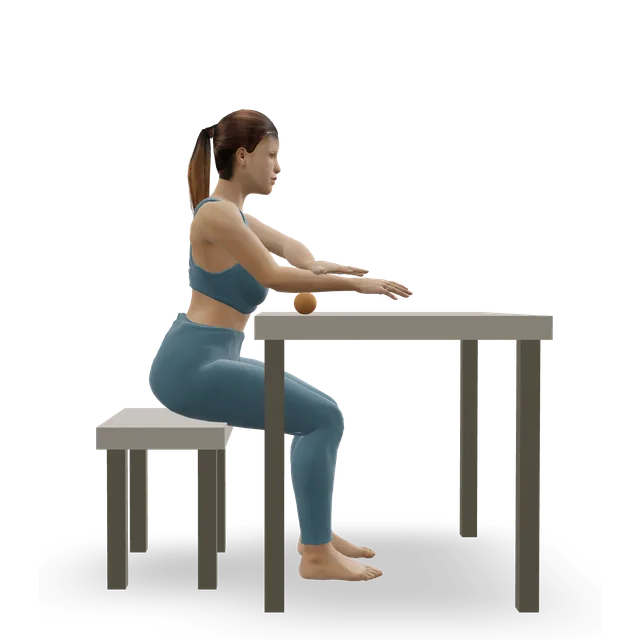
- Forearm ball roll45 to 60 s each arm, palm down then palm upBeginner · Forearms · 3D demoKeep off the bony wrist and the inner elbowHarder: Upper-arm foam roll (brachialis)
- Wrist flexor stretch2 holds of 20 to 30 s each armBeginner · Forearms · 3D demoEasier: Wrist circlesHarder: Quadruped wrist rocks

Chest
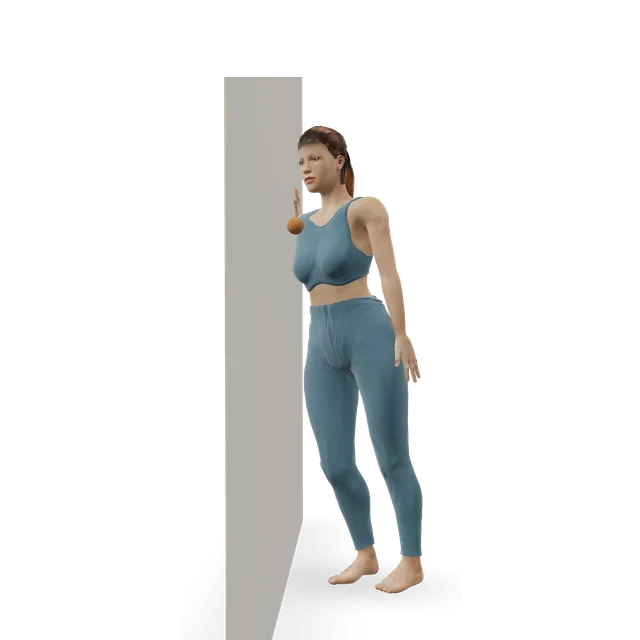
- Chest ball release (against a wall)45 to 60 s each sideBeginner · Chest, Shoulders · 3D demoBelow the collarbone, never in the armpit
- Doorway chest opener2 holds of 30 s each sideBeginner · Chest, Shoulders · 3D demoEasier: Elbows backHarder: Fish pose (Matsyasana)

Finish
- Upper trap release2 slow holds of 30 s each sideBeginner · 3D demoA stretch, with no ball on the neckEasier: Side neck stretch
- Thoracic rotation6 each side, moving with the breathBeginner · 3D demoEasier: Side-lying open bookHarder: World's greatest stretch


Tips
- Use a pressure you can breathe through, about where it first turns uncomfortable. In rolling trials, harder pressure added nothing.
- Stop for tingling, numbness or pain that spreads. Keep the ball off your neck, armpits, inner elbows and the bony wrist.
- With numb feet or diabetes, press gently and check your skin afterwards.
- Skip the chest ball over breast implants, a pacemaker or port, or after recent chest surgery or a rib injury.
- Our suggestion for your back and glutes: use the foam roller moves for now. The massage ball guide explains how to use a ball safely there.
The doses are suggested starting points, not a prescription. Choose a range you can control and stop for sharp or increasing pain, numbness or tingling. Get individual advice after an injury or surgery, or if you are pregnant or managing a health condition.
Guides that recommend it
Find more moves like these
More foam rolling & fascia
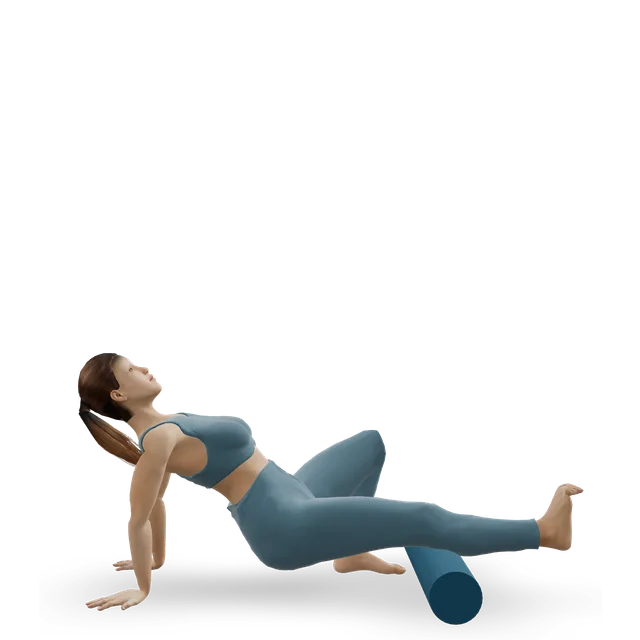
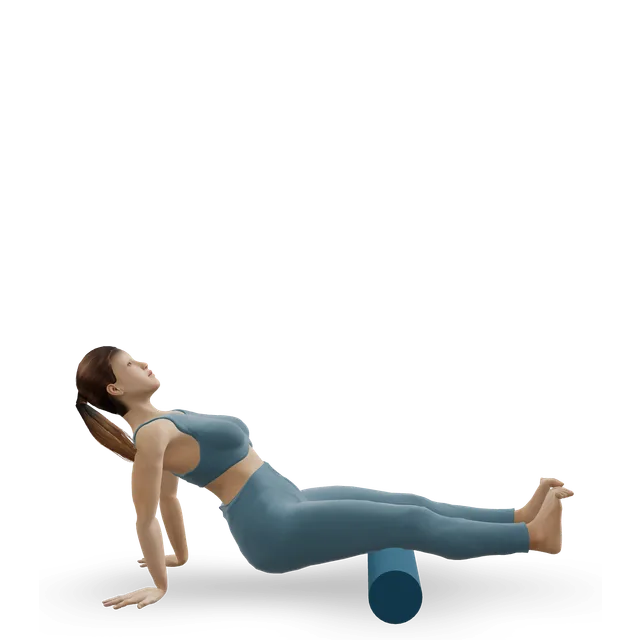
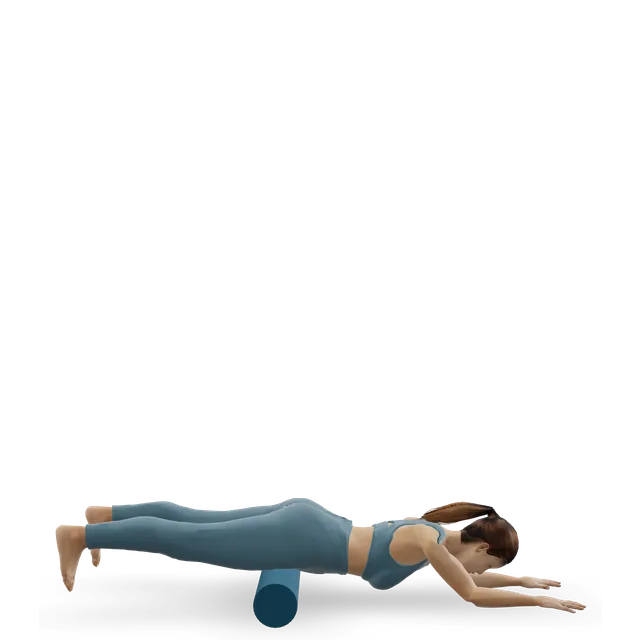
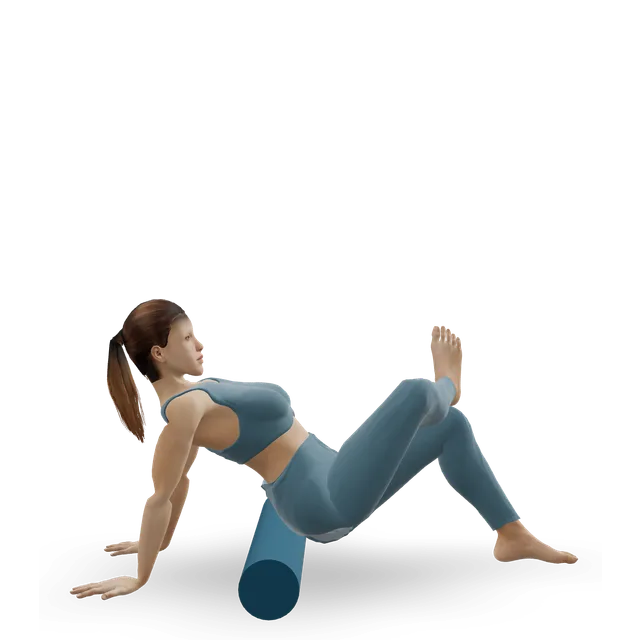
Full-body foam roller routine
A 10-minute foam roller routine for calves, thighs, glutes and upper back: about a minute per area, moderate pressure, slow rolls.
10 minBeginner6 movesA foam roller
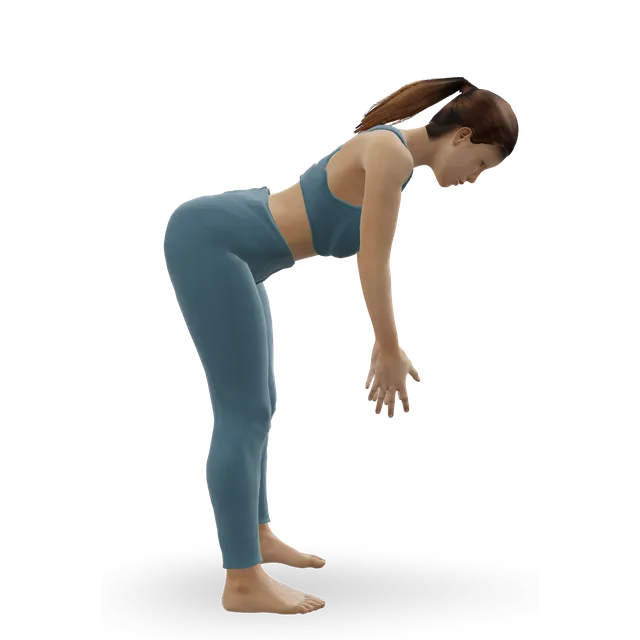


Fascia stretching routine
A 12-minute, no-equipment routine of slow long-line stretches, side bends and rotations, moving in many directions.
12 minBeginner10 movesNo equipment

Fascia release for legs
Roll then stretch each part of the leg, feet to hips, and finish with springy calf bounces. About 20 minutes.
20 minBeginner14 movesA massage ball, A foam rollerQuestions people ask
How long does the massage ball routine: feet, forearms and chest take?
About 15 minutes, including any warm-up and cool-down listed. Shorten it by doing fewer rounds; lengthen it by adding one.
What equipment do I need?
You need: A massage ball, A bench or box, A wall. Each move links to its guide, where you can find an alternative if you are missing something.
Is it suitable for beginners?
It is written for beginners. 4 of its 8 moves have an easier option listed beside them if you need one.
How do I make it easier or harder?
Use the easier or harder option listed under each move, change the number of rounds, or adjust the rest. Progress one change at a time.