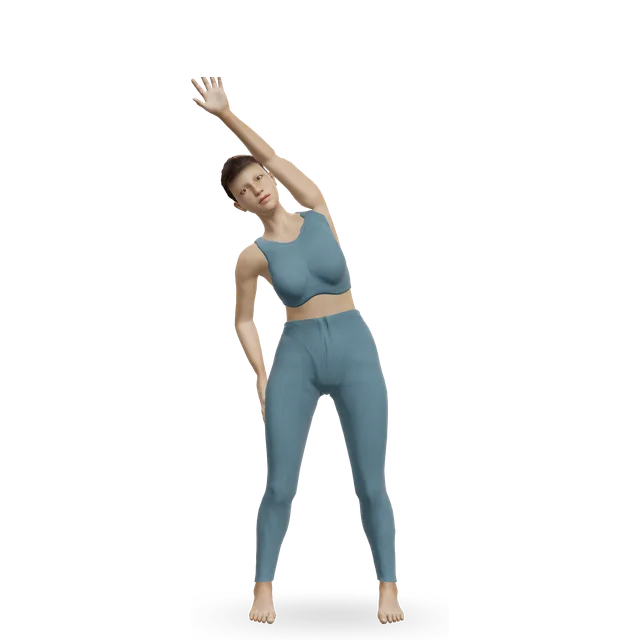
Spot pressure, 30 to 90 seconds
In a trial of 119 people with tender spots in the neck and shoulders, gentle pressure for 90 seconds, or firmer pressure for 30 seconds, eased tenderness best.
Source 1
Fascia guide
A massage ball presses one spot, the way a thumb does, where a foam roller spreads your weight. Hold gentle pressure on a tender spot for up to 90 seconds and it usually eases for a while; follow it with a stretch and move on.
There's little research on balls themselves, and nothing shows they break up knots or release fascia. Because a ball concentrates pressure, where you put it matters: single case reports describe nerve and artery injuries after ball pressure on the neck, the buttock and the upper arm.
This guide shows how to use a ball on each area with 3D demos, how long and how hard to press, which ball to choose, how a ball compares with a roller or a massage gun, the places to avoid, and a 15-minute routine.
In a trial of 119 people with tender spots in the neck and shoulders, gentle pressure for 90 seconds, or firmer pressure for 30 seconds, eased tenderness best.
Source 1
Most self-massage research uses rollers. Where balls, rollers and sticks were compared, they gave similar short-term results.
In one small study, a soft ball let the muscles relax and compressed the tissue more than a hard ball, with almost no discomfort.
Source 4
Single case reports describe a neck artery tear after massage balls on the neck, a sciatic nerve injury after ball self-massage of the buttock, and a radial nerve injury after lacrosse ball pressure on the upper arm. They show a harm can happen, not how often.
Rolling a ball under your foot is reasonable for comfort, but stretching and strengthening carry the evidence for heel pain, and we found no trials of ball massage for sciatica.
Pressure is force spread over an area, so under the same weight a ball presses one small spot harder than a roller does (our explanation). A lab study of rollers showed the same thing: a rigid roller with a raised surface touched less skin than a foam roller and pressed harder. That's why a ball suits small or hard-to-reach muscles, and why it can reach nerves.
Source 10
Hands, balls and rollers can't reshape dense fascia. The change is in how the area feels and how much pressure and stretch you tolerate.
Our descriptions: massage balls are usually firm rubber. A lacrosse ball is solid and hard, a tennis ball softer and hollow, a spiky ball has a knobbled surface, and a peanut ball is two balls joined so your spine sits in the gap. There are also soft inflatable balls, vibrating balls and, for the soles, golf balls.
The steps come from the move's own page, the hold times from a trial of sustained pressure (Hou 2002), and pressure followed by a stretch from a home programme (Hanten 2000). Don't stand on the ball with your full weight, and with numb feet or diabetes, press gently and check your skin afterwards.
Loading the 3D figure…
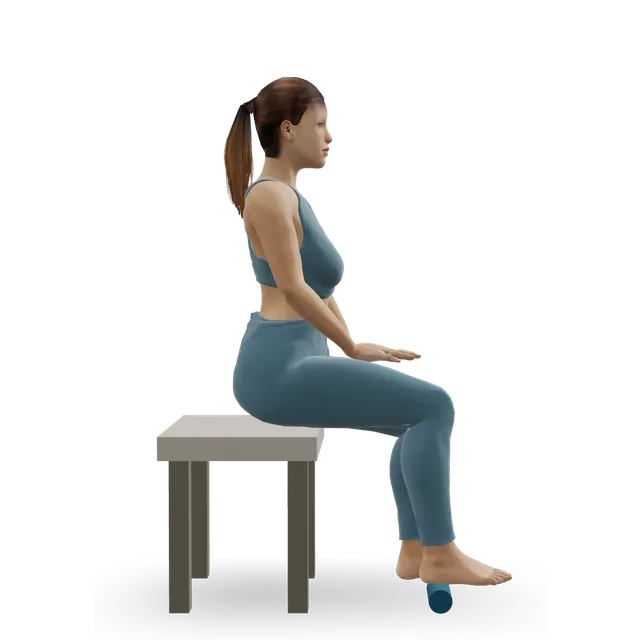
The movement on the figure: Foot roll (ball or roller)
Seated, roll from the heel to the ball of the foot and pause on tender spots: 1 to 2 minutes per foot, the move page's dose. Our suggestion: a golf ball is small and very hard, so use one only on the soles, gently.
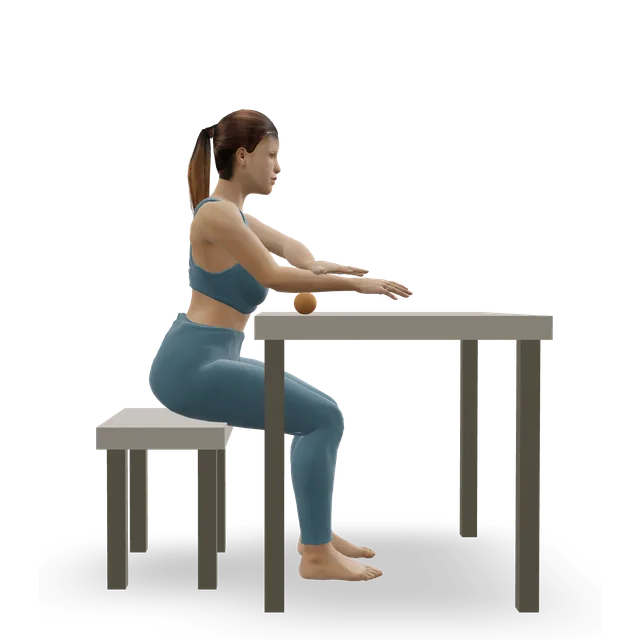
Rest the forearm on a ball on a table, put the other hand on top, and roll slowly from near the elbow to near the wrist, palm down and then palm up: 45 to 60 seconds per side, the move page's dose. Keep off the bony wrist and the inner elbow, and stop if your fingers tingle or go numb.
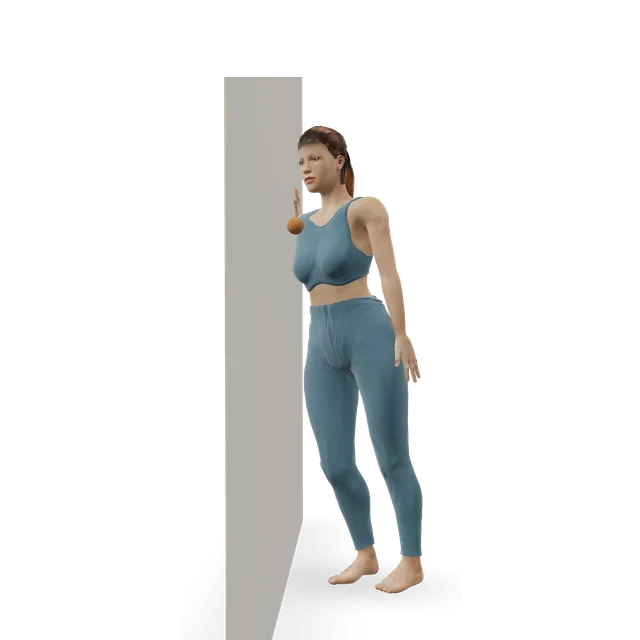
Stand facing a wall or door frame with the ball on the chest muscle below the collarbone, lean in, and make small circles or take a few slow breaths: 45 to 60 seconds per side, the move page's dose. Keep it out of the armpit, and skip it over breast implants, a pacemaker or port, or after recent chest surgery or a rib injury.
There's no ball demo for this yet, so these are our suggested steps: stand with your back to a wall and the ball between your shoulder blade and spine, bend your knees a little to move it, and hold a tender spot for 30 to 90 seconds. A peanut ball keeps the pressure off the spine. Ask first if you have osteoporosis, because fragile bones break more easily.
Our suggested steps: sit on the floor or a firm chair with the ball under the outer part of your buttock, lean in, pause, then move on. Don't park it deep in the middle of the buttock, where the sciatic nerve runs, and stop for tingling or pain down the leg. In a single case report, a woman's sciatic nerve was injured after she massaged her buttock with a ball; it shows a harm can happen, not how often.
Source 6
A US trainers' guide suggests a ball against a wall for the lats, the muscles down the side of your back below the armpit; keep out of the armpit itself. For the calf, our suggestion is to sit with the ball under it and the other leg crossed on top. Never press on a calf that is swollen, red or throbbing.
Don't press a ball into your groin or belly: the main blood vessels and nerve to the leg run through the groin crease, and our psoas guide explains the risks of deep belly pressure. Don't use a ball on your neck either: in single case reports, neck artery tears followed massage-ball use on the neck and neck self-massage.
Hold or roll slowly at a pressure you can breathe through; each move page gives its own starting dose.
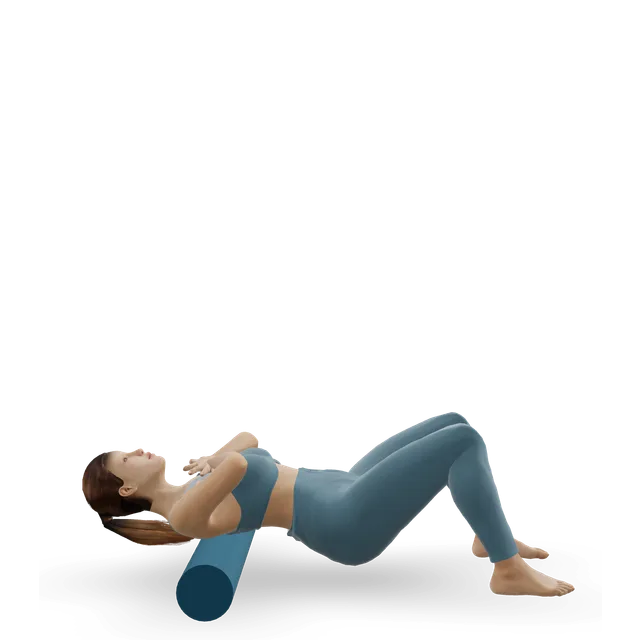
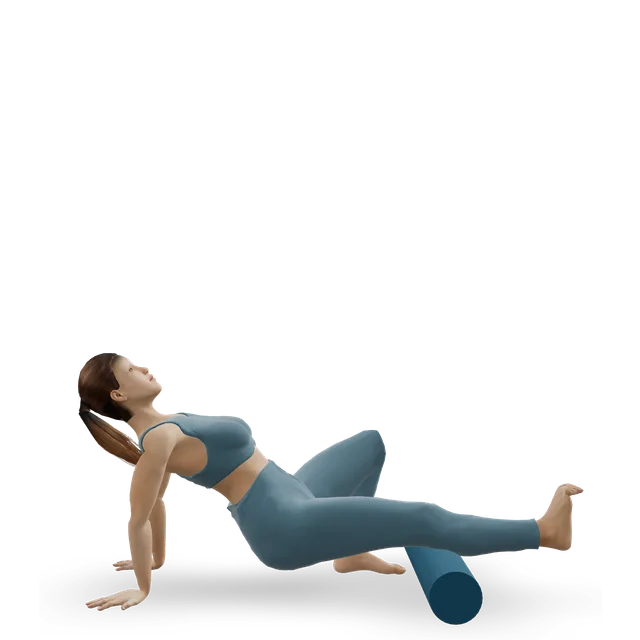
There's no ball version of these on the 3D figure yet, so use a roller, or follow the ball notes above and never park the ball deep in the middle of the buttock.
Pressure followed by a sustained stretch is the pattern from a home trial, so finish each area with its stretch.
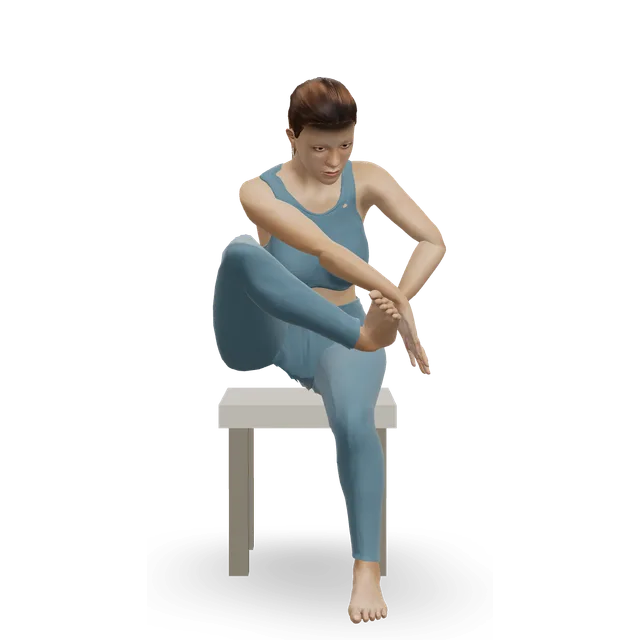 3D demoPlantar fascia stretch (seated)Beginner · A bench or box
 3D demoWrist flexor stretchBeginner · A wall
 3D demoDoorway chest openerBeginner · A wall
 3D demoUpper trap releaseBeginner · No equipment
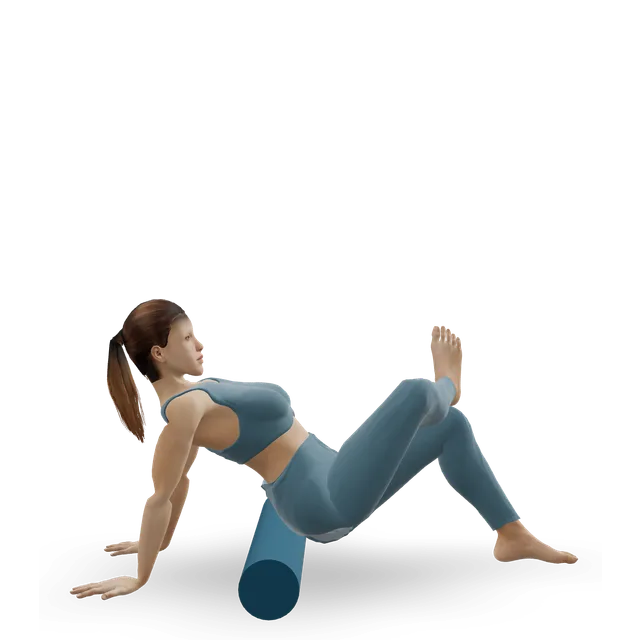
 3D demoReclined figure four (eye of the needle, Sucirandhrasana)Beginner · No equipment
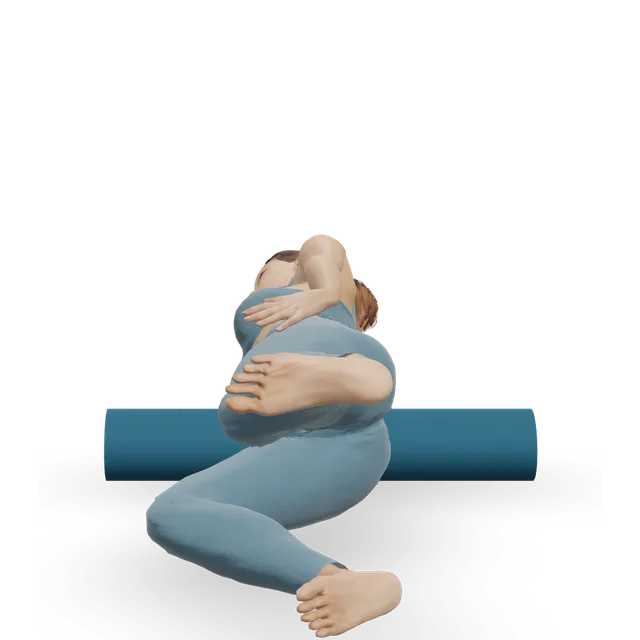
 3D demoSide-lying open bookBeginner · No equipment
Gentle pressure, where it first turns uncomfortable, for up to 90 seconds, or a little firmer for about 30 seconds: the two doses that eased tenderness best in a trial of 119 people.
Source 1
1 to 3 spots, then move on: our editorial starting point.
Slow passes of about 3 seconds each way, as the forearm move page suggests. For rollers, a clinical commentary gives 2 to 4 seconds a pass.
Source 17
Use a pressure you can breathe through. With rollers, harder pressure added no range, and in one small study a soft ball let muscles relax where a hard one made them tense.
Stretch or move the same area. In a 5-day home trial, pressure followed by a sustained stretch eased tender spots more than range-of-motion exercise.
Source 19
Daily is fine for comfort: our editorial view, as the home trial ran for 5 days. A whole routine needs 10 to 15 minutes, which is our editorial starting point.
Source 19
An umbrella review of 7 reviews found foam rollers, roller massagers and balls all improve short-term flexibility and recovery, with similar results across tools. In 15 students, a lacrosse ball under the foot, hamstring rolling or both gave the same sit-and-reach gain.
In 119 people with tender spots in the neck and shoulders, pressure at the point where it first hurt for 90 seconds, or firmer pressure for 30 seconds, eased pain and tenderness straight away. In 40 adults, a 5-day home programme of pressure then sustained stretching did better than range-of-motion exercise.
In a crossover study of 30 older adults with neck pain, a soft inflatable ball compressed the soft tissue more than a hard massage ball, with less muscle activity and almost no discomfort (0.2 against 5.2 out of 10). The study placed the ball under the back of the head, which we don't advise at home; we use it only as evidence about hardness.
Source 4
Tennis ball techniques eased pain in 30 people with upper back muscle pain, with no untreated group to compare, in 36 nurses, with no comparison group at all, and in older adults with low back pain, in a low-quality study. After a stroke, adding tennis ball release to physiotherapy reduced arm stiffness more than physiotherapy alone in a trial of 22 people.
In one small trial of 50 people with plantar fasciitis, one session of foam rolling the calf and sole eased heel pain about as much as stretching. In that trial's own results, the calf's sensitivity to pressure fell more with rolling, as pressure-pain thresholds rose by about 45% against 30% to 32% with stretching; the 2023 heel pain guideline's summary describes this result differently, as favouring stretching.
In a small, poorly reported trial of 30 people, adding frozen tennis ball rolling to stretching for 2 months eased pain more than stretching alone. A supervised programme of strengthening, stretching and self-massage with a stick helped chronic heel pain more than a leaflet in 64 people, though the massage's own share is unknown. The guideline gives its top grade to plantar fascia and calf stretching.
Rolling a tennis ball under both feet improved a sit-and-reach test straight away in 24 adults, and rolling any part of the back of the body helped hamstring flexibility for a while. But 7 weeks of rolling and stretching the soles changed neither shoulder range nor the calf muscles, beyond tolerating more stretch.
In 14 trained adults, a foam roller, a massage ball and a vibrating massage ball all slightly slowed squats straight after use; the plain ball slowed them least.
Source 31
A tennis ball or soft rubber ball is a good first ball: in one small study, a soft ball let the muscles relax and pressed deeper than a hard one.
Source 4
A firm ball concentrates more pressure on a smaller area. Our suggestion: keep it for thick muscles and short holds.
Source 10
On rollers, knobbly surfaces raised pain thresholds a little more than smooth ones, which tells you how the pressure feels, not that it does more good.
Source 32
Two balls joined together, so your spine sits in the gap and the pressure stays on the muscles beside it (our description).
Small and very hard. Our suggestion: use one only under the soles, gently.
In the one trial we found, a vibrating ball didn't beat a plain one.
Source 31
Where they've been compared, they did about the same. A ball presses one spot harder, so it suits small or hard-to-reach muscles such as the feet, chest, forearms and between the shoulder blades; a roller suits big muscles.
Pooled trials haven't shown that massage guns ease soreness, and a gun costs more. A gun suits people who can't lean into a wall or get down to the floor.
Source 33
Start with the 15-minute massage ball routine: feet, forearms and chest, each followed by its stretch, with nothing on the floor.
A 15-minute massage ball routine for desk-tired feet, forearms and chest: slow pressure on each, then the stretch that goes with it. No floor needed.
15 minBeginner8 movesA massage ball, A bench or boxPlantar fascia and calf stretches, a gentle foot roll and the towel heel raise: the exercises the 2023 heel pain guideline supports.
8 minBeginner7 movesA bench or box, A massage ballKnotted neck and shoulders: a minute of self-pressure, two gentle stretches, then the shoulder-blade strength work that eased neck pain in trials.
15 minBeginner8 movesA foam roller, A bandWrist mobility and forearm strength for desk work, climbing, push-ups and handstands.
10 minBeginner7 movesA wall, A dumbbellA quick stretch break you can do beside your desk: neck, back, chest, wrists, hips and quads.
5 minBeginner7 movesA wallThese come from single case reports and our cautions. The reports show what can happen, not how often it does.
The rolling rules apply. Experts agree you shouldn't press over open wounds or broken bones, and should take care over inflamed tissue or a possible clot. Ask a doctor first if you take blood thinners, have osteoporosis or have a nerve condition, and with numb feet or diabetes, press gently and check your skin afterwards.
Stop for tingling, numbness, burning pain or weakness during or after pressing, such as a weak wrist or fingers, or pain and numbness down the leg. If it hasn't settled within a day or two, see a GP: our advice, from single case reports of nerve injury.
A drooping face, a weak arm, slurred speech or a sudden severe headache, especially after any pressure on the neck: these can be signs of a stroke.
Source 39
Sustained pressure eases a tender spot for a while, but it doesn't change dense tissue. What a knot is remains disputed; our trigger points guide explains.
In one small study, a soft ball pressed deeper than a hard one, with relaxed muscles and almost no discomfort, and harder rolling gave no more range. Knobbly surfaces change how pressure feels, not the results.
Squeezing the plantar fascia by even 1% needs forces far beyond body weight. In one small trial, a session of rolling eased heel pain about as much as stretching, and the heel pain guideline gives its top grade to stretching.
Briefly, yes. After 7 weeks of rolling and stretching the soles, nothing changed elsewhere beyond tolerating more stretch.
In single case reports, neck artery tears followed massage-ball use on the neck and self-massage of the neck. Use neck stretches and strength work instead.
We found no trial. In a single case report, a sciatic nerve injury followed ball self-massage of the buttock, and the NHS advice for sciatica is to keep active and do exercises.
The best-supported holds are 30 to 90 seconds. Single case reports describe nerve injuries after ball pressure, so move on rather than digging in.
Put it between the muscle and the floor, a wall or a chair, lean in until the pressure is firm but easy to breathe through, and roll slowly or hold still on a tender spot. Then stretch or move the same area, as in a home trial of pressure then stretching.
Gentle pressure, where it first turns uncomfortable, for up to 90 seconds, or a little firmer for about 30 seconds: the two doses that eased tenderness best in a trial. Do 1 to 3 spots, then move on.
Where they've been compared, they did about the same. A ball presses one spot harder, so it suits small or hard-to-reach muscles such as the feet, chest, forearms and between the shoulder blades; a roller suits big muscles.
Start soft: in one small study, a soft ball let the muscles relax and pressed deeper than a hard one. A lacrosse ball is firm and best for short holds on thick muscles, a peanut ball keeps pressure off the spine, and spikes change the feel, not the results.
Stand with your back to a wall with the ball between your shoulder blade and spine, bend your knees to move it, and hold a tender spot for 30 to 90 seconds. Keep it off the spine itself and the neck, and ask first if you have osteoporosis.
Sit on it under the outer part of your buttock and keep it moving, and don't park it deep in the middle of the buttock, where the sciatic nerve runs. In a single case report, a nerve injury followed ball self-massage there. We found no trials for sciatica, so keep active and follow the NHS sciatica advice.
It's reasonable for comfort. In one small trial, a session of rolling the calf and sole eased heel pain about as much as stretching, and in another small, low-quality trial a frozen ball added to stretching helped more than stretching alone. Stretching and strengthening remain the core, and heel pain that isn't better after 2 weeks needs a GP.
We don't recommend it. In single case reports, neck artery tears followed massage-ball use on the neck and neck self-massage. Use neck stretches and strength work instead.
Neither has beaten the other. Pooled trials haven't shown that massage guns ease soreness, and balls and rollers give similar short-term results. A ball is cheaper and quieter; a gun suits people who can't lean into a wall or get down to the floor.
Follow the rolling rules: not over wounds, broken bones, bruises or varicose veins, and never on a swollen, painful calf. Ask first if you take blood thinners or have osteoporosis, and with numb feet or diabetes, press gently and check your skin.
No. Pressing a knot eases its tenderness for a while, but hands, balls and rollers can't change the shape of dense tissue. What a knot is remains disputed; our trigger points guide explains.
Movement education, not medical advice. Stop for sharp or increasing pain, numbness or tingling, and get individual advice if you are pregnant, after an injury or surgery, or managing a health condition. Health disclaimer.