What is active release technique?
A branded hands-on method in which the practitioner presses on a muscle, tendon or other soft tissue while you move that body part through a set range, usually lengthening it. It was developed by a US chiropractor, and the company certifies practitioners.
Does active release technique work?
It may help pain and flexibility for a short time, but the evidence is thin: small studies, some without a comparison group, and none against a sham. Where it was compared with similar techniques, it generally did about as well.
How is ART different from massage or myofascial release?
ART adds your own movement to pressure on one spot and follows set protocols, while massage and myofascial release press and move tissue in other ways. No trial shows ART beats them, though in one small trial adding ART to massage helped neck pain more than massage alone.
Does ART break up scar tissue and adhesions?
That's the company's claim, but no study has shown it. The one measurement of tissue found calf stiffness fell by about 6% for a few minutes, with no change in range or strength. Dense tissue needs far more force than hands apply to change shape.
Does ART hurt?
It can be uncomfortable while the practitioner presses and you move, and the area may be sore afterwards, which the company compares to aches after strength training. Say if discomfort turns into pain.
How many ART sessions do you need?
The company says most problems resolve in five or fewer treatments, but that hasn't been tested in a controlled trial. Trials used anything from a single session to 12 over 3 weeks.
Who does active release technique?
Chiropractors, physiotherapists, massage therapists and other practitioners who complete the company's seminars (15 contact hours for each Level 1 seminar) and recertify every year. Certification is a company credential, so also check the practitioner's professional registration.
Does ART work for plantar fasciitis?
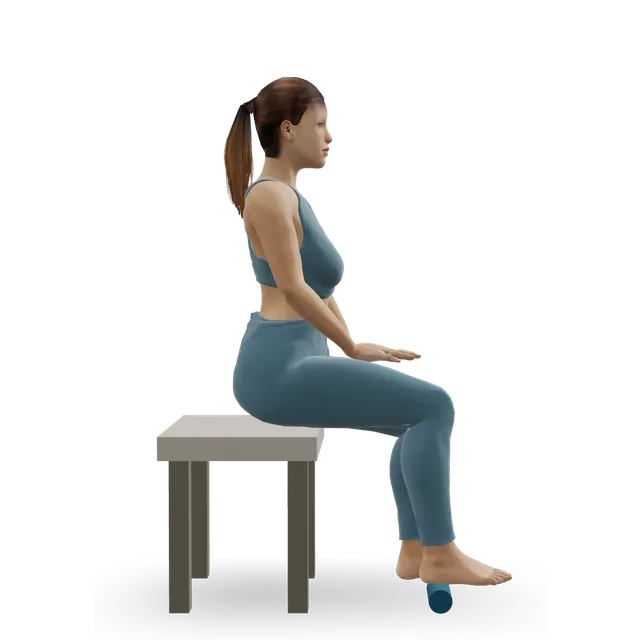
We found no published trials of ART for plantar fasciitis. Stretching, loading exercise and hands-on treatment from a clinician have the best heel pain evidence, which the plantar fasciitis guide covers.
Does ART help tennis elbow?
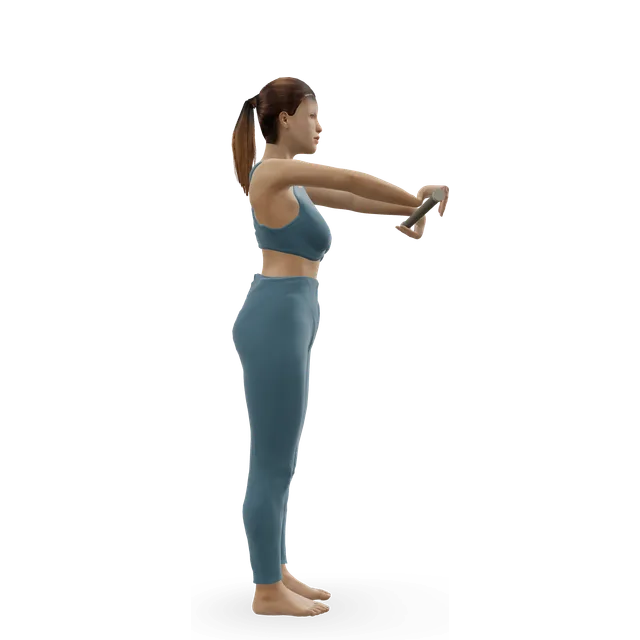
In the only trial we found, in 30 people, a simple bar exercise called the Tyler twist eased pain more and improved grip more than ART. Loading the tendon is the better-supported treatment, which the tennis elbow guide covers.
Can I do active release on myself?
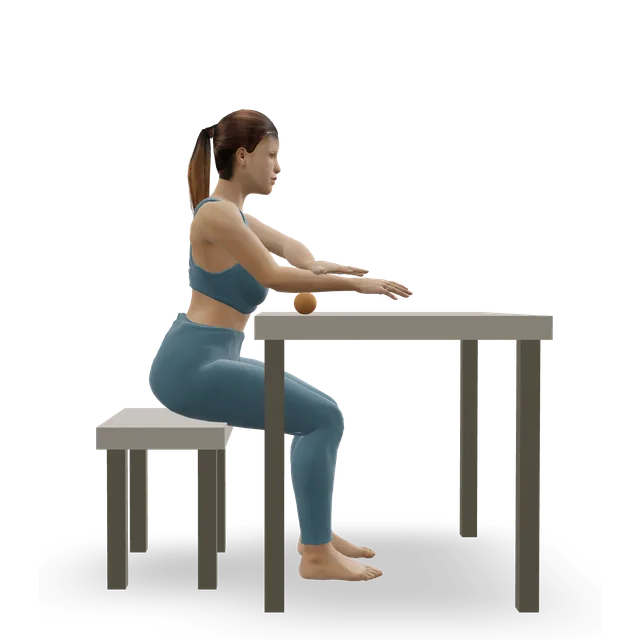
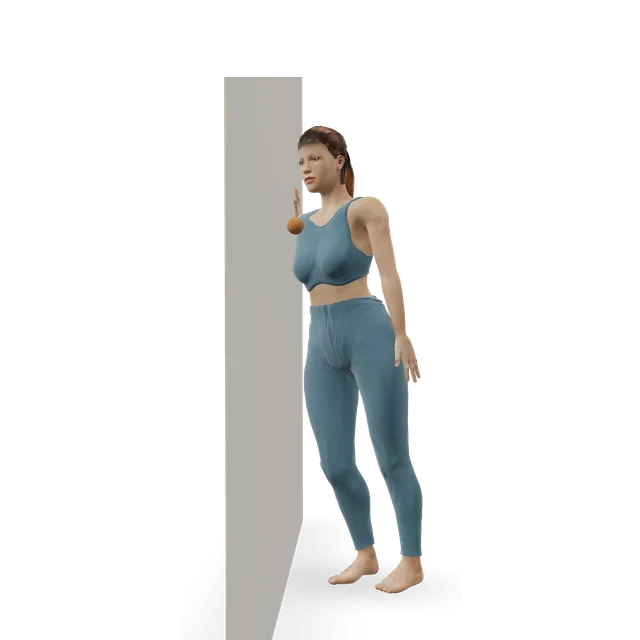
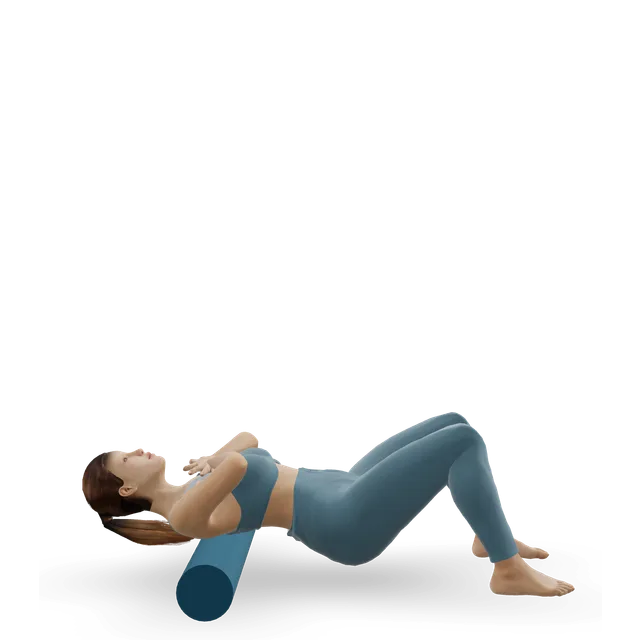
Not the branded method, but you can use the same idea: pin a tender spot with a ball and slowly move the joint. The forearm ball roll and the chest ball release are self versions; their move pages suggest 45 to 60 seconds per side as an editorial starting point.
Is ART safe, and who should avoid it?
No serious harms were reported in the studies we found, but the cautions for hands-on treatment apply: ask first if you take blood thinners, have weak bones or a nerve condition, and never have a swollen, painful leg treated. Stop if you feel tingling or numbness.
Is ART better than the Graston technique?
We found no trial comparing them. The Graston technique did no better than a sham in the trials that tested it for pain, ART hasn't been tested against a sham at all, and both are best used, if at all, alongside exercise.