No trial of yoga in gout
We found no trial of yoga in gout. The one trial a European review counted as yoga tested a course of medicated enemas ("yoga basti"), not yoga. Yoga can be one way to stay active between flares; it doesn't treat gout.
Yoga guide
No trial has tested yoga for gout, and no pose or breathing practice has been shown to lower uric acid; the medicine your doctor prescribes does that. What yoga can do is give you a gentle way to keep moving between flares, which the NHS advises, and much of it can be done sitting when your feet are sore.
This guide covers what to do in a flare (rest the joint), when and how to start again, the poses that spare a sore big toe, heat and drinking enough, weight, and why staying active matters for the heart and blood pressure problems that often come with gout. It ends with the classes to follow and the warning signs, starting with a hot, swollen joint and a fever, which needs help the same day.
We found no trial of yoga in gout. The one trial a European review counted as yoga tested a course of medicated enemas ("yoga basti"), not yoga. Yoga can be one way to stay active between flares; it doesn't treat gout.
The NHS says take your medicine early, rest and raise the limb, cool it with an ice pack wrapped in a towel for up to 20 minutes at a time, drink water and don't put pressure on the joint. Arthritis UK says avoid exercising in a flare. Slow breathing with your foot raised is fine.
Sudden pain and swelling in a joint with a very high temperature, or with feeling sick or unable to eat, can be a joint infection: get help the same day.
The NHS advises regular exercise, "but avoid intense exercise or putting lots of pressure on joints". In large studies, more active people developed gout less often (a link, not proof). Gentle yoga, sitting and standing, is one way to do it.
The National Institute for Health and Care Excellence (NICE) recommends medicine that lowers uric acid to a target, usually for life. No study shows poses, twists, breathing or hand positions lower uric acid, and very hard exercise briefly raises it.
After a big-toe flare, our suggestion is to skip kneeling with your toes tucked and keep the back heel down in lunges. Dehydration is a trigger and crash diets can set off attacks, so drink well and choose a room at normal temperature (our suggestion).
Gout is a type of arthritis that causes sudden, severe joint pain. Uric acid (urate) forms crystals in and around a joint, causing flares of pain, heat and swelling, usually in the big toe but also in other joints of the feet, ankles, knees, hands, wrists and elbows. The NHS says an untreated attack usually lasts 1 to 2 weeks; Arthritis UK says 5 to 7 days. NICE calls it a lifelong condition that benefits from long-term medicine to lower uric acid.
Being overweight, alcohol, the menopause, water tablets (diuretics) and some blood pressure medicines, high blood pressure, kidney problems and diabetes raise the chance of gout. A feverish illness, too much alcohol or a very large meal, getting dehydrated, injuring a joint and some medicines can set off a flare. Arthritis UK says lifestyle choices are not the main reason most people get gout.
Gout comes with more high blood pressure, heart failure and heart attacks than in people without it. In a review of 26 studies, about 2 in 3 people with gout had high blood pressure, but the estimate was so uncertain that the true share could lie anywhere from about a quarter to nine in ten. British guidance asks for heart risk to be checked at least once a year, and NICE's follow-up after a flare includes it.
Yoga is one way to take the regular, moderate exercise the NHS advises between flares, and it suits sore-feet days because much of it can be done sitting. It does nothing known to uric acid, and it doesn't treat a flare.
Source 4
Urate-lowering medicine carries the evidence for preventing flares, and flare medicines treat attacks. Yoga has no trial.
PubMed found 11 records on yoga with gout or uric acid, and none was a trial of yoga in gout. A review for the European rheumatology society listed one trial comparing "yoga" with bloodletting, but that trial, in 40 people, tested a course of medicated enemas called "yoga basti", not yoga. An umbrella review found no reviews of exercise or mind-body therapies in gout.
NICE looked for lifestyle trials, including exercise, and every trial it found was about diet. NICE's recommendations and the American College of Rheumatology's guideline say nothing about exercise; British guidance says diet and exercise should be discussed with everyone with gout. One aerobic exercise trial is registered, with no results yet.
NICE recommends offering urate-lowering medicine, with the dose adjusted to reach a target, to people with frequent or troublesome flares, moderate to severe kidney disease, diuretic treatment, tophi or long-term gouty arthritis. It starts at least 2 to 4 weeks after a flare settles and aims for uric acid below 360 micromol per litre.
Source 9
In 28,990 male runners followed for nearly 8 years, those running 8 km a day or more had about half the risk of gout of the least active. In 97,387 UK adults wearing activity monitors, being regularly active for at least 150 minutes a week went with lower risk over 8 years, and cramming it into 1 or 2 days didn't. These studies are about getting gout, not about flares, and show links, not cause.
In 6 untrained young men, repeated hard sprints raised uric acid by 40%, still raised the next morning, while 2 hours of moderate cycling in 7 others didn't. One moderate session didn't change it in 18 young men with high uric acid. These were small studies of people without gout, and none measured flares.
Do these, and don't put pressure on the joint, which can make the pain feel worse:
Source 4
You should avoid exercising during a flare-up of gout, as it could make your pain worse. It's important to rest and recover and begin exercising after the pain and swelling have gone down.
British guidance also advises resting the joint, from patient experience and expert opinion rather than trials, and NICE says an ice pack alongside your medicine may help, from one small study. In rabbits, moving an inflamed joint made the inflammation worse, while holding the muscles still didn't.
If you feel well, gentle movement that doesn't jar or load the painful joint, such as seated upper-body work, is reasonable; there's no evidence either way. Keep drinking fluids.
Source 4
Our suggestion, built on the NHS flare advice and our slow breathing move:
Source 4
In 33 people with gout wearing activity trackers, daily steps fell in flare weeks (5,900 against 6,972), and in 81 people followed for 6 months, activity picked up soon after a flare settled.
The NHS says "exercise regularly, but avoid intense exercise or putting lots of pressure on joints". Arthritis UK says start slowly, build up, and that "Exercise that leaves you out of breath is particularly good". The UK Gout Society suggests aerobic exercise for 20 minutes at least three times a week. Our editorial reading: moderate to brisk exercise, built up gradually, with hard sessions kept short and plenty to drink.
Start once the pain and swelling have gone down. Begin sitting, with ankle circles and gentle movement, then standing poses with a chair, and build back to your usual activity over 1 to 2 weeks. Leave the big-toe moves until the joint feels normal.
Aim for at least 150 minutes of moderate activity a week, plus strength work on 2 days, as the NHS advises for all adults, spread through the week. Our yoga for arthritis class 2 or 3 times a week can be part of it, alongside walking, cycling or swimming (our editorial starting point).
Kneeling with your toes tucked, lunges with the back heel lifted, stepping back in sun salutations and plank all bend the big toe joint back under your weight. The NHS says don't put pressure on a flaring joint. Our suggestion after a big-toe flare: skip toes-tucked kneeling, keep the back knee down with the toes untucked or the back heel down in lunges, and step rather than jump.
Source 4
Once the joint feels normal, big-toe movement, towel scrunches and calf raises help you get going again. If repeated attacks have damaged the joint, Arthritis UK says to treat it like arthritis: our big toe arthritis guide has a routine.
Source 5
Only once the pain and swelling have gone down. Ankle circles: "10 slow circles each way with each foot (our editorial starting point). An NHS leaflet suggests doing ankle range of movement exercises regularly through the day while an ankle is stiff." (the move page's dose). Slow breathing, 3 minutes; smaller ankle circles, 5 slow circles each way; seated march, 1 minute; heel slides, 10 each side; bridges, 8 to 10 slow lifts (our yoga for arthritis class). Seated back lift, 5 holds of 3 to 5 seconds; arm reach with the breath, 5 breaths; seated cat-cow, 6 slow rounds; seated twist, 5 each side with 5-second holds (our chair yoga class).
 3D demoSlow breathing (6 breaths a minute)Beginner · No equipment
 3D demoAnkle circlesBeginner · No equipment
 3D demoAnkle CARs (controlled articular rotations)Beginner · No equipment
 3D demoSeated marchBeginner · A bench or box
 3D demoSeated upper-back lift (sit tall, shoulders back)Beginner · A bench or box
 3D demoBreath reachBeginner · No equipment
 3D demoCat-cowBeginner · No equipment
 3D demoThoracic rotationBeginner · No equipment
 3D demoSupine heel slideBeginner · No equipment
 3D demoGlute bridgeBeginner · No equipment
Mountain pose, 5 breaths; chair pose, 3 holds of 10 to 15 seconds; warrior II with a short stance, 3 breaths each side; tree pose with your heel at your ankle and toes on the floor, 3 breaths each side; sit to stand, 8 to 10 slow reps; side-steps, 10 each way (all from our yoga for arthritis class). Stand on a recently flared foot only when walking on it is comfortable (our suggestion).
 3D demoMountain pose (Tadasana)Beginner · No equipment
 3D demoChair pose (Utkatasana)Beginner · No equipment
 3D demoWarrior II (Virabhadrasana II)Intermediate · No equipment
 3D demoTree pose (Vrksasana)Beginner · No equipment
 3D demoSit to stand from a chairBeginner · A bench or box
 3D demoSide-stepping (sideways walking)Beginner · A wall
Never on a hot, swollen joint. The two big-toe moves have no 3D demo; their pages give a big toe arthritis trial's doses. Towel scrunch, 2 sets of 12 each foot (our foot and ankle strengthening routine). Seated then standing calf raises, 2 sets of 10 to 15, stopping short of full tiptoe if the big toe is sore (our editorial starting point and the move's caution). One-leg stand, 2 holds of 30 seconds each leg near a wall (our editorial starting point).
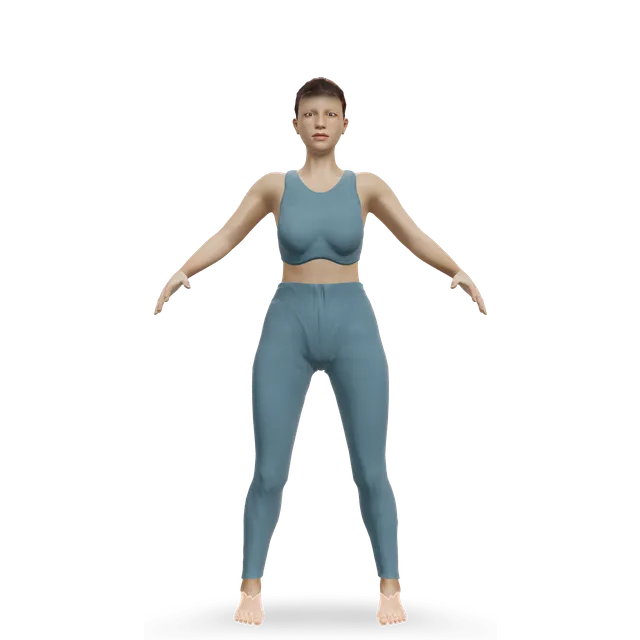 Big toe joint self-mobilisationBeginner · A bench or boxBig toe press (seated toe-flexor hold)Beginner · A bench or box
 3D demoTowel toe curlBeginner · Other / check instructions + A bench or box
 3D demoSeated bent-knee calf raise (soleus raise)Beginner · A bench or box
 3D demoSlow calf raiseBeginner · A wall
 3D demoSingle-leg standBeginner · A wall
Reclining bound angle with cushions under your thighs, 2 minutes; corpse pose with cushions under your knees, 5 minutes (our yoga for arthritis class). Alternate nostril breathing, 2 minutes of slow rounds with no holds (our yoga for rheumatoid arthritis class). Legs up the wall is optional: skip raising your hips if your blood pressure isn't under control (the move's caution).
Our suggestions: skip toes-tucked kneeling with a big toe that has had gout (our plantar fasciitis class already says to skip it with an arthritic big toe); in lunges, keep the back knee down with the toes untucked, or the back heel down; sit on a block instead of kneeling on a sore ankle, midfoot or knee; take downward dog and plank with your hands on a chair or wall until the toe is settled; and step, don't jump.
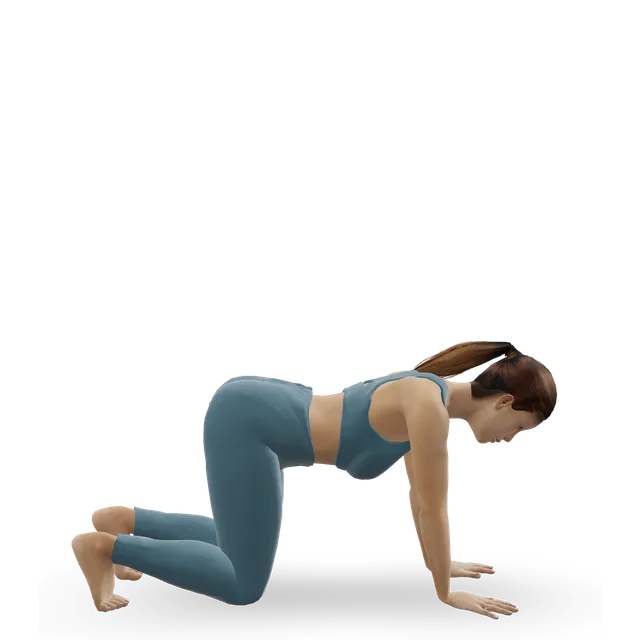 3D demoToes-tucked kneeling (toe squat)Intermediate · No equipment
 3D demoLow lunge (Anjaneyasana)Beginner · No equipment
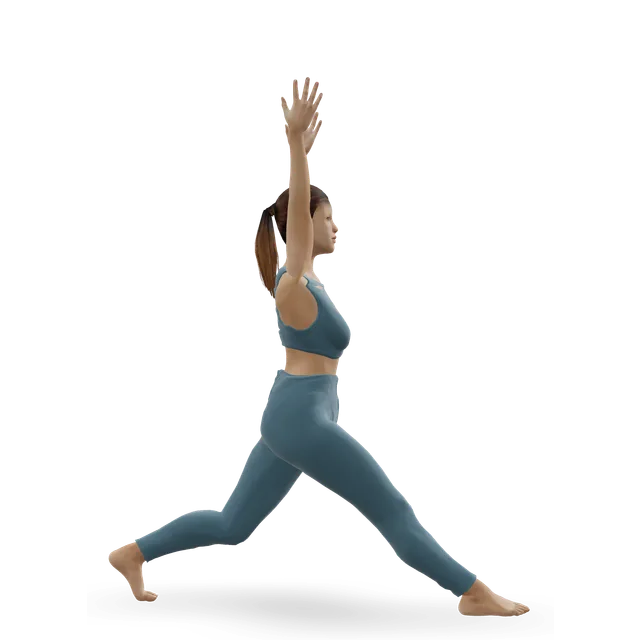 3D demoHigh lunge (crescent lunge, Ashta Chandrasana)Intermediate · No equipment
 3D demoWarrior I (Virabhadrasana I)Intermediate · No equipment
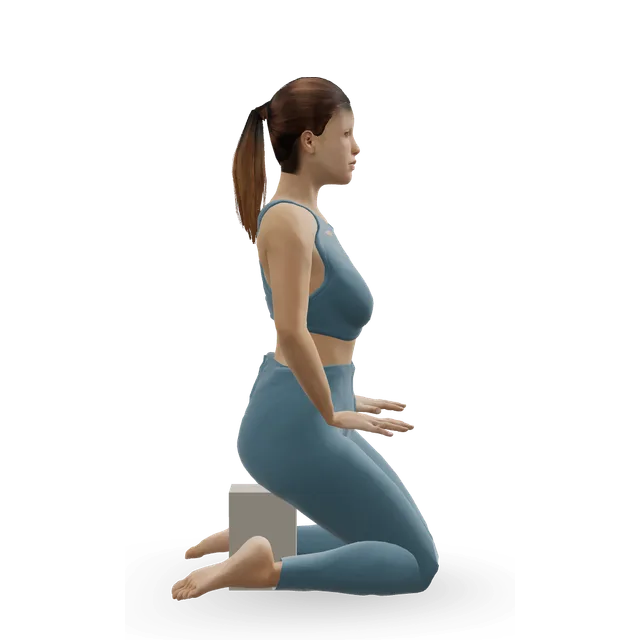 3D demoHero pose (Virasana)Intermediate · Firm cushion
 3D demoDownward-facing dog (Adho Mukha Svanasana)Beginner · No equipment
 3D demoSun salutation A (Surya Namaskar A)Intermediate · No equipment
Claims that twists squeeze the kidneys, that a pose stimulates the pancreas or that hand positions (mudras) control uric acid have no study behind them. Medicine is what brings uric acid to target.
The NHS says drink plenty of fluids to avoid getting dehydrated, and lists dehydration as a trigger. The UK Gout Society suggests about 8 large glasses (1.5 litres) of fluid a day, and British guidance more than 2 litres of water a day after kidney stones. No study has tested hot yoga in gout; our suggestion is a room at normal temperature with water to hand.
A review of 10 mostly observational studies favoured weight loss, but the evidence for fewer attacks was low quality, and attacks can rise for a while after rapid loss. In a 16-week trial of 61 people with gout and obesity, a low-energy diet took off 7.7 kg more than control without changing uric acid, flares or pain. The UK Gout Society says going without food for long periods and losing weight quickly can trigger attacks, and the NHS says avoid crash diets.
Between flares only. Start with our 30-minute yoga for arthritis class, which is mostly seated and standing with a chair and has no kneeling, tucked toes or jumping. The chair class suits the first sessions after a flare, and the blood pressure class keeps the head up with no breath holds. Leave the foot and ankle routine until a big-toe flare has fully settled, and skip its spring block for a couple of weeks.
A 30-minute joint-friendly yoga class for arthritis: seated breathing and joint warm-ups, standing poses with a chair, gentle lying poses and a long relaxation.
30 minBeginner17 movesA bench or box, A wallA free 20-minute chair yoga class for older adults: slow breathing, gentle seated stretches and twists, standing poses holding the chair, and a calm finish.
20 minBeginner18 movesA bench or box, Something with weightForty minutes of short-hold poses, slow breathing and a 10-minute relaxation, with no head-down poses or breath holds.
40 minBeginner14 movesA step, Firm cushionA 45-minute restorative yoga sequence: five fully supported poses held for 4 to 10 minutes each, with slow breathing and a long final rest.
45 minBeginner6 movesFirm cushion, A wallA 6-minute breathing routine: slow breathing, crocodile breathing, alternate nostril breathing, box breathing and 4-7-8 breathing.
6 minBeginner5 movesNo equipmentA 15-minute barefoot routine for stronger toes, arches, calves and ankles, finishing with balance. You need only a towel, a wall and a resistance band.
15 minBeginner11 movesA wall, Other / check instructionsThese are the warning signs from our gout, foot and big toe guides, word for word. This is general information, not a diagnosis. A&E means accident and emergency; in the US, call 911 for 999.
Same day: a sudden, very painful, hot, swollen, red joint, often the big toe but sometimes the middle of the foot (the midfoot) or the ankle, especially with a high temperature, feeling shivery or being unable to eat. It may be gout, but it could be a joint infection (septic arthritis), which is urgent.
If you have sudden pain and swelling in a joint and:
These can be signs of an infection inside the joint (septic arthritis), which usually needs treatment in hospital.
Source 6
If you get a rash or other skin reaction. For any other serious side effect, call NHS 111.
Same day (urgent GP appointment or NHS 111): severe pain that usually starts in the side of your tummy or your lower back, may spread to the area at the top of your inner thigh (groin), your testicles or the area around the opening of your vagina, and may come and go, or this pain with a high temperature or feeling hot, cold or shivery. It can be a kidney stone.
Same day (urgent GP appointment or NHS 111): throbbing pain in one leg (rarely both), usually the calf or thigh; swelling in one leg (rarely both); red, blue or darkened skin around the painful area, which may be harder to see on brown or black skin; or swollen veins. This can be a deep vein thrombosis (DVT). It is more likely after surgery, a hospital stay, 3 or more days in bed, a journey of over 4 hours, pregnancy or a recent birth, cancer, a previous clot, or contraception or hormone replacement therapy (HRT) that contains oestrogen.
Source 31
Call 999 or go to A&E (accident and emergency) straight away for severe difficulty breathing (gasping, choking or not able to get words out), a chest that feels tight or heavy, pain that spreads to your arms, back, neck and jaw, lips or skin turning very pale, blue or grey, or sudden confusion. If you're more short of breath than usual, or your heart is racing, fluttering or skipping beats, contact NHS 111.
A joint pain that is sharp, gets worse during a session, lingers into the next day or changes how you move is a reason to use an easier version, and to see a GP or physiotherapist if it keeps happening (the rule in our plans). Muscle soreness for a day or two after something new is normal. In a hot class, stop if you feel dizzy, sick or unwell; our hot yoga guide lists the signs of heat illness.
Speak to a GP first if you haven't exercised for some time, or if you have a medical condition such as heart or kidney disease.
The NHS advises getting advice from a healthcare professional first if you have a health problem, an injury or symptoms, or have recently had a heart attack or an operation.
Source 25
Only the flaring joint rests. Between flares, the NHS advises regular exercise, and British guidance says exercise should be discussed with everyone with gout.
The NHS says rest and raise the limb and don't put pressure on the joint, and Arthritis UK says avoid exercising in a flare. In rabbits, moving an inflamed joint made it worse.
No study of poses, twists, breathing or hand positions has shown it, and the one "yoga" trial in gout tested medicated enemas, not yoga.
NICE recommends urate-lowering medicine to a target, usually for life. Keep taking it every day, even when you feel well.
No study supports it, and dehydration is a recognised trigger for attacks.
Between flares, gentle yoga is one way to get the regular exercise the NHS advises. No trial has tested yoga in gout, and it doesn't treat a flare or lower uric acid; medicine does that.
Not with the affected joint: rest it, raise it, use an ice pack wrapped in a towel for up to 20 minutes at a time, and don't put pressure on it. Slow breathing with your foot raised is fine.
Once the pain and swelling have gone down. Start sitting, with ankle circles and gentle movement, then standing poses with a chair, and build back over a week or two.
After a big-toe flare, our suggestion is to skip kneeling with your toes tucked and lunges with the back heel lifted; keep the back knee down or the back heel down instead. After an ankle or knee flare, sit on a block rather than kneeling on the joint.
No study shows it. Very hard exercise raises uric acid for a day or so and moderate exercise doesn't seem to change it; urate-lowering medicine is what brings it to target.
No study has tested them. Claims that twists squeeze the kidneys or that hand positions control uric acid have no evidence behind them.
We'd choose a room at normal temperature. Dehydration is a recognised trigger for attacks, and no study has looked at hot yoga in gout.
We found no study showing it does, and more active people get gout less often. Very hard efforts briefly raise uric acid, and dehydration and knocks to a joint are triggers, so build up gradually and drink well.
Yes, if it's been prescribed. NICE recommends urate-lowering medicine to a target, usually for life, and the NHS says keep taking it even when you feel well.
Gradual weight loss is advised if you're overweight, though the evidence that it cuts attacks is low quality. Avoid crash diets and long fasts, which can trigger attacks.
No. A hot, swollen joint with a very high temperature, or with feeling sick or unable to eat, can be a joint infection: get help the same day.
Gout comes with more high blood pressure and heart disease, and regular activity helps both. If your blood pressure is high, keep head-down poses short or skip them, as our blood pressure guides explain.
Exercise education, not a personal prescription, and clinical review of these guides is pending. If you are pregnant, have a health condition such as glaucoma, high blood pressure or osteoporosis, or have had recent surgery, check with a doctor, midwife or physiotherapist before starting, and stop for sharp or increasing pain. Health disclaimer.













