What the guidelines say about exerciseStrong evidence
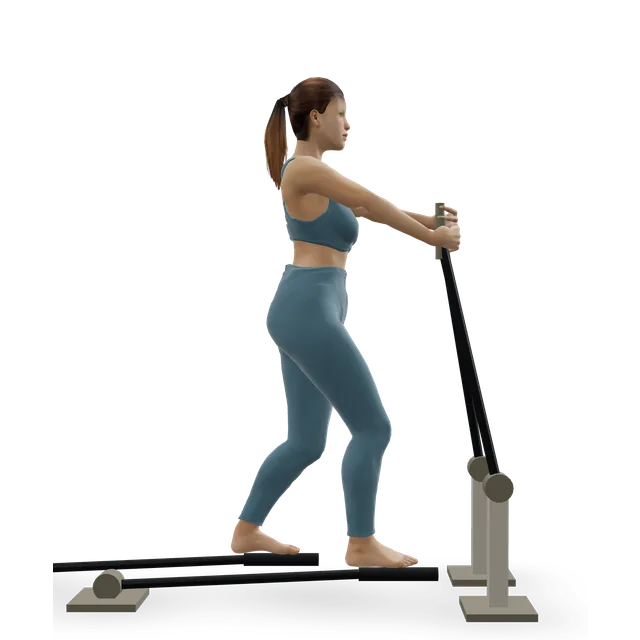
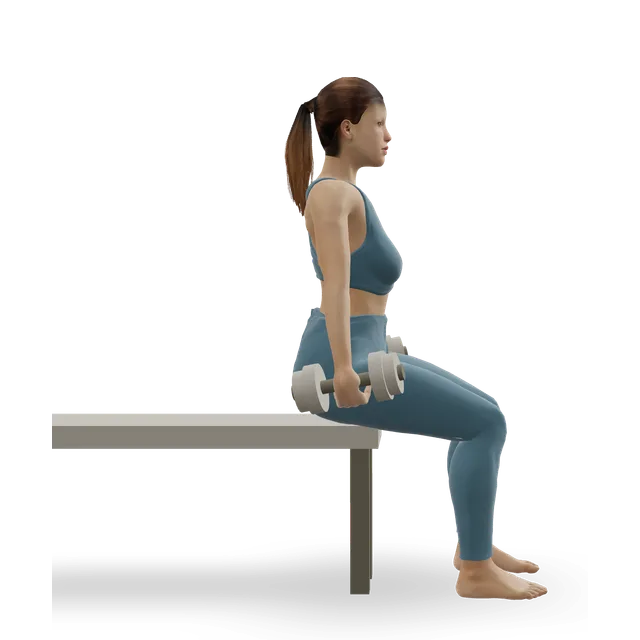
The NHS advises regular exercise but not intense exercise or lots of pressure on the joints. Arthritis UK says staying active reduces your chances of an attack, and that exercise leaving you out of breath is particularly good. The Austrian rheumatology society recommends 150 to 300 minutes a week of moderate cardio, and the UK Gout Society suggests aerobic exercise that gets your heart pumping for 20 minutes at least 3 times a week. The National Institute for Health and Care Excellence (NICE) and the American College of Rheumatology (ACR) make no recommendation on exercise.
The grade reflects that this is consistent guidance; it rests on studies that follow people over time, not on trials.
Sources 1, 2, 17, 18, 11, 14
Almost no research on exercise in goutStrong evidence
Guidelines found almost no exercise research in gout, and we found no study showing exercise triggers flares. NICE looked for lifestyle trials, including exercise, and the 7 it found were all about diet or supplements. A review for the European Alliance of Associations for Rheumatology (EULAR) found "little research on the effect of physical activity in gout": one study linking 150 minutes a week of exercise with fewer tophi, and one trial comparing yoga with an Ayurvedic bloodletting treatment. A Chinese trial of aerobic exercise in people with gout is registered, but we found no results.
Sources 6, 7, 19
More active people get gout less oftenEmerging evidence
In 28,990 male runners followed for nearly 8 years, those running 8 km a day or more had about half the risk of gout of the least active, and the fittest 65% less; lower body weight explained part of this. In 97,387 UK adults who wore activity monitors for a week, regular activity of at least 150 minutes a week was linked with 21% lower risk over 8 years, allowing for uric acid, while cramming it into 1 or 2 days was not. In 416,481 UK adults, a healthy lifestyle that included activity was linked with 37% lower risk, whatever their genes, and a genetic study linked moderate activity with less gout.
These studies show links, not cause and effect, and they're about getting gout in the first place, not about flares.
Sources 4, 5, 20, 21
Hard exercise and uric acidEmerging evidence
In 6 untrained young men, repeated 1-minute cycling sprints raised uric acid by 40%, and it was still higher the next morning, while in 7 others 2 hours of moderate cycling didn't raise it. In 7 people, adding arm exercise to intense leg exercise raised uric acid further, to a peak of 585 against 355 micromol per litre. A single moderate session didn't raise uric acid in 18 young men with high levels. None of these small studies measured flares.
Sources 8, 9, 22
Fewer steps in flare weeksEmerging evidence
In 33 people with gout who wore activity trackers, daily steps fell in weeks with a flare (5,900 against 6,972).
Source 23
Heart, circulation and life expectancyEmerging evidence
In UK Biobank, heart and circulatory disease was about twice as common in people with gout (11.38 against 5.49 events per 1,000 person-years), and a healthier lifestyle, including activity, was linked with lower risk at every uric acid level. Across 26 studies, 63.9% of people with gout had high blood pressure, and across 11 cohorts, death rates were 23% higher. In 467,976 Taiwanese adults with high uric acid, but not necessarily gout, being active for 30 minutes on 5 days a week was linked with 4 to 6 years longer life than being inactive.
Sources 24, 25, 26, 27
Weight lossMixed evidence
A review of 10 mostly observational studies favoured weight loss, but the evidence for fewer attacks was low quality, and uric acid and attacks rose for a while after weight-loss surgery. In a 16-week trial in 61 people with gout and obesity, a low-energy diet took off 15.4 kg against 7.7 kg without changing uric acid, flares or pain. The ACR rates weight loss as very low certainty, though it reports that a fall in body mass index (BMI) of more than 5% was linked with 40% lower odds of further flares in one study.
Sources 28, 15, 14
Moving an inflamed jointMixed evidence
In a rabbit model of acute gout, moving the joint through its range made the inflammation worse, while static muscle work across the joint didn't. It's an animal study, but it fits the advice to rest a flaring joint.
Source 29
What people with gout sayEmerging evidence
In interviews with 25 people with gout, people described stigma, losing independence during flares, and uncertainty about whether exercise could trigger flares or damage joints, especially without advice written for gout.
Source 30