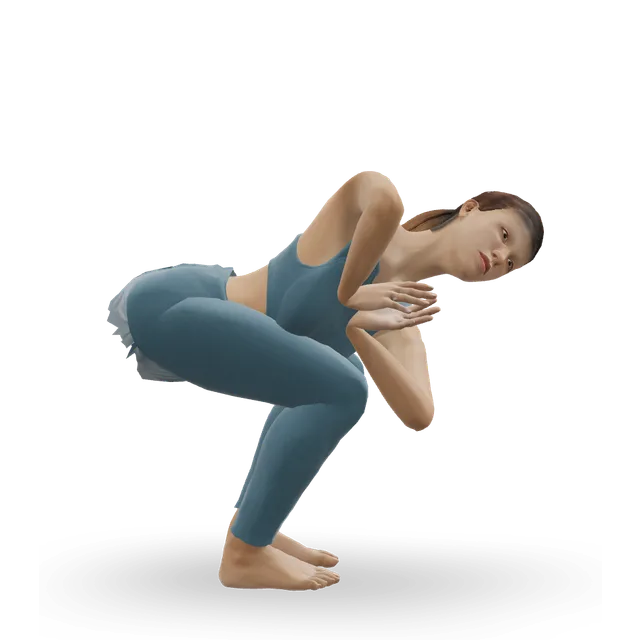
Can I do yoga after ACL surgery?
Yes, usually, as an extra to your physiotherapy rather than instead of it, and only what your team allows at each stage. No trial has tested yoga after ACL reconstruction, so the poses here follow the NHS rehabilitation stages. Strength training stays the core of your recovery.
When can I start yoga after ACL surgery?
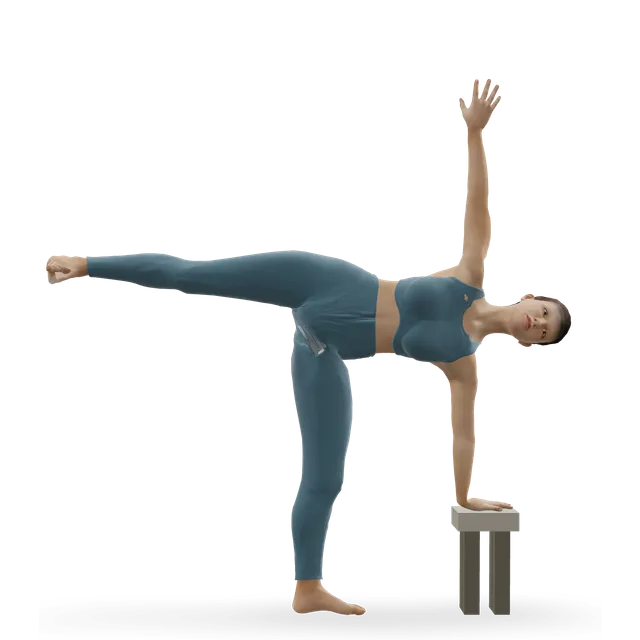
Slow breathing, seated upper-body poses and lying poses that match your exercises can start in the first weeks. Standing poses holding a chair usually fit from about 2 to 6 weeks, and one-leg balance from about 6 weeks, when your team agrees. These timings are our reading of NHS protocols, and your team's come first.
Which yoga poses should I avoid after ACL surgery?
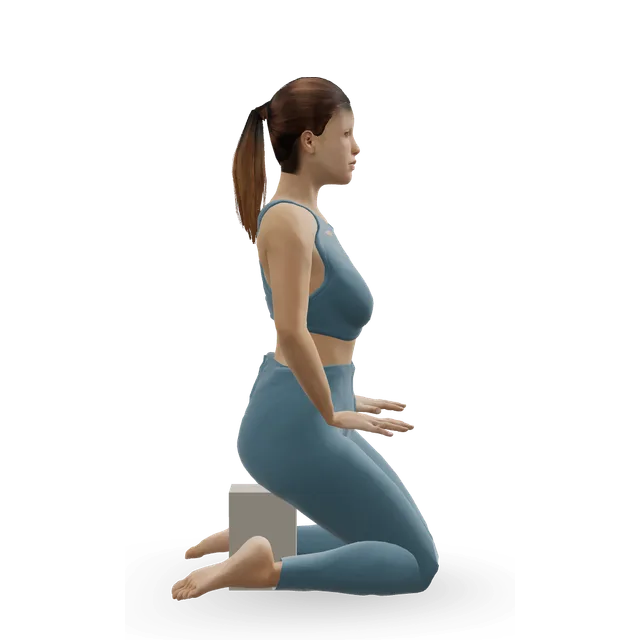
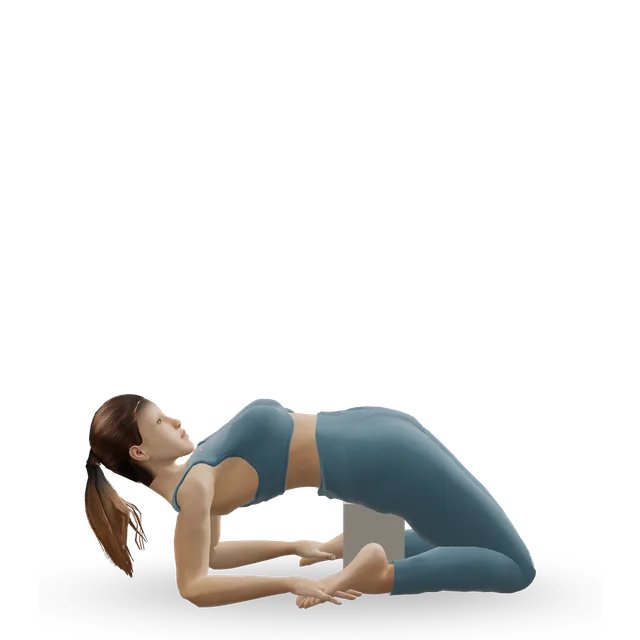
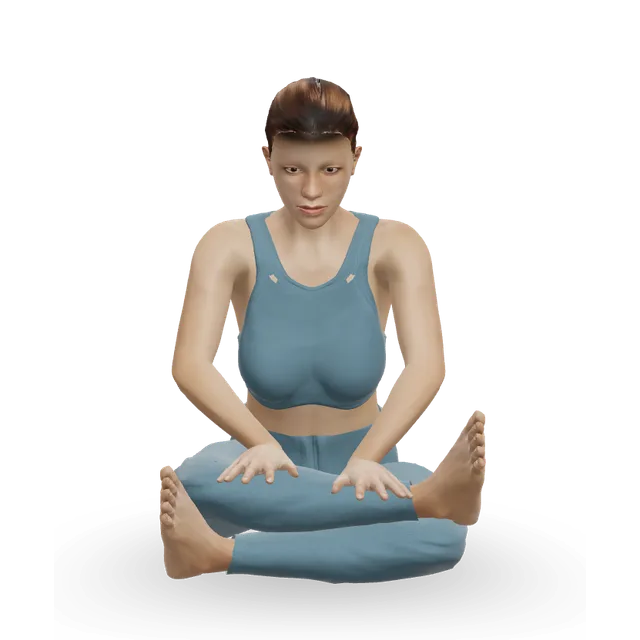
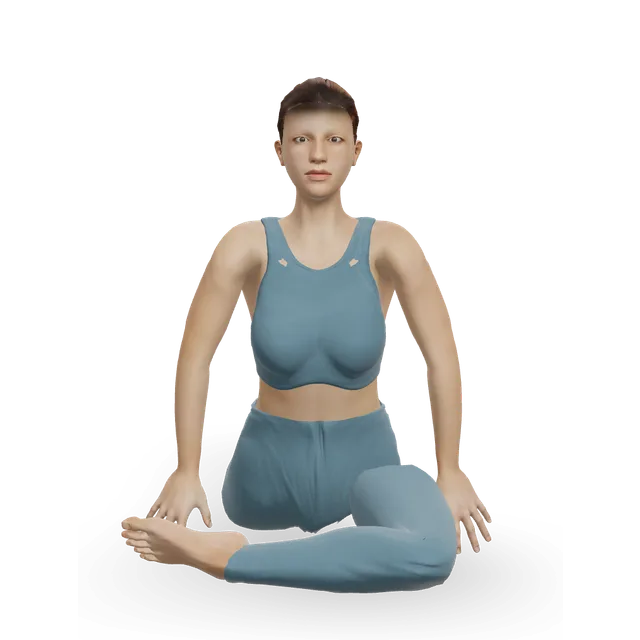
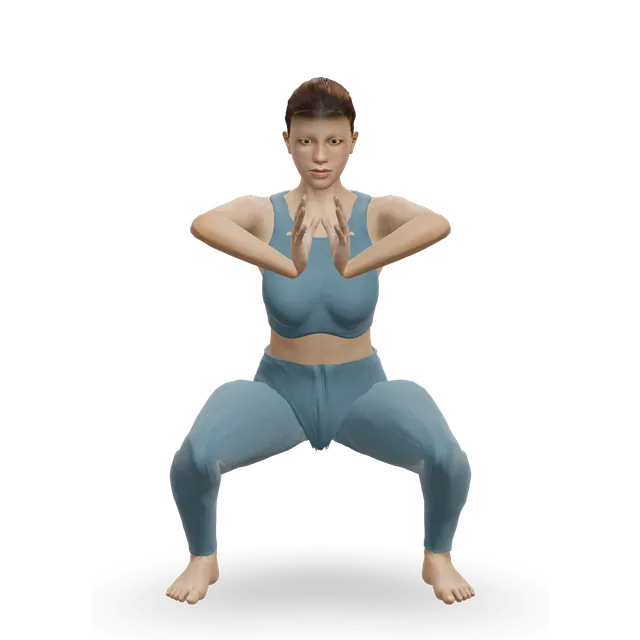
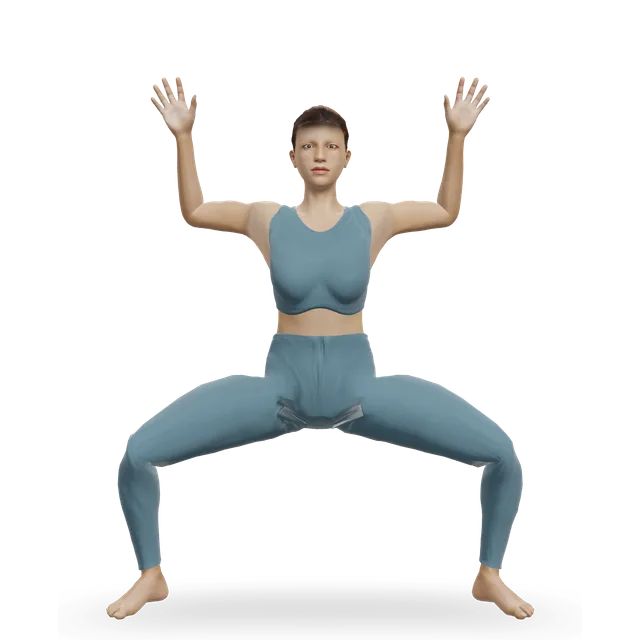
Early on, anything that kneels, folds the knee fully under your weight (hero, child's pose, deep squats) or twists a bent knee (lotus, pigeon, fire log), and jumping in sun salutations. The NHS asks you to avoid twisting your knee, bending down and reaching up as much as possible in the first weeks. Bring them back gradually once the knee bends fully and your team agrees.
Can I kneel in yoga after ACL surgery?
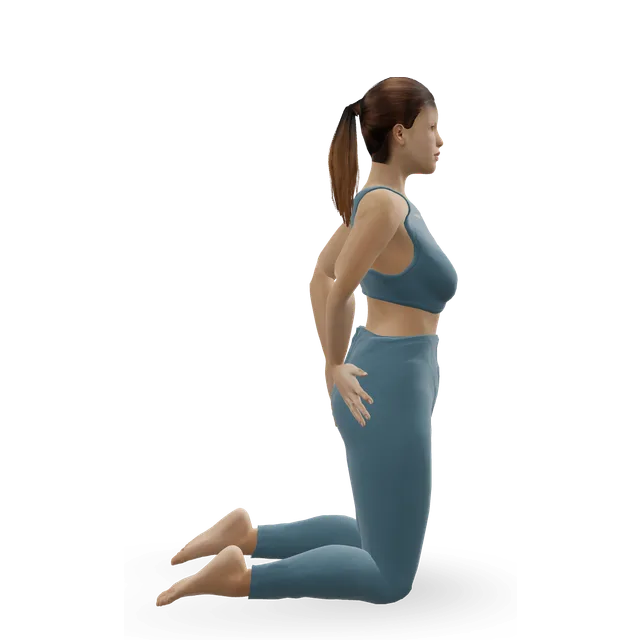
Once the wound has healed and your team agrees, on a folded blanket and for short spells. Kneeling is harder after a patellar tendon graft: in one large registry, about 1 in 5 people had severe kneeling difficulty at 2 years, against about 1 in 10 after a hamstring graft. Until it's comfortable, use standing or chair versions.
Is yoga good for ACL recovery?
It can help with balance, range and feeling calmer, but it hasn't been tested as ACL rehabilitation. Guidelines say strength and balance training must be combined and one can't replace the other, and recovery takes 9 months or more of progressive work. Use yoga beside your physiotherapy plan.
Can I do hot yoga after ACL surgery?
We suggest waiting until the wound has healed, the knee no longer swells after exercise and you're past the strength-and-balance stage. No study has tested heat after knee surgery, heat doesn't loosen scar tissue, and the NHS uses ice for swelling. Hot yoga also carries risks of overheating and dehydration.
Can I do yoga with a torn ACL, before or instead of surgery?
Get the knee assessed first, and see our ACL injury guide. In a Swedish trial of 121 young active adults, structured rehabilitation with surgery only if needed did as well as early reconstruction at 5 and 11 years, and about half never had the operation. Gentle, controlled poses can fit that rehabilitation, but poses that pivot, twist on a bent knee or land from a jump are where an unstable knee gives way.
I also had a meniscus repair. Does that change things?
Yes: your surgeon's limits on bending and weight come first, and they're often stricter, commonly no bending past 90 degrees for about 6 weeks, as our meniscus surgery guide explains. A meniscus repair also makes the knee more likely to stiffen, so tell your team promptly if the bend or straightening isn't coming back.
My knee won't straighten fully. Will yoga help?
Keep doing the straightening exercises your physiotherapist gave you, and rest with a towel under your heel, never a pillow under your knee. If it isn't getting straight in the first weeks, tell your physiotherapist or surgical team promptly, because stiffness is easier to treat early. Don't force it in a pose.
Can yoga help me feel confident about going back to sport?
Fear of another injury is the commonest reason people don't go back. Breathing and relaxation may help you feel calmer, but programmes aimed at fear have shown small or no effects on getting back to sport, so build confidence with your physiotherapist through graded practice.
Does yoga stop me tearing my ACL again?
No study has tested that. Second ACL injuries are common, about 1 in 4 in under-25s who go back to sport, and the protection comes from passing your return-to-sport tests and keeping up an injury prevention warm-up of strength, balance, jumping and landing.
When should I get help after ACL surgery?
Call 999 for leg pain or swelling with breathlessness or chest pain. Get an urgent GP appointment or call NHS 111 for throbbing or cramping leg pain, a high temperature, or a knee or wound that is red, swollen, oozing or getting worse, and contact your team the same day if the knee locks.