Yoga flows
Yoga after ACL surgery: a 25-minute class for the strength-and-balance stage, with no kneeling, jumping or pivoting
Twenty-five minutes for the strength-and-balance stage after an ACL (anterior cruciate ligament) reconstruction, from about 6 weeks, and only when your surgical team or physiotherapist agrees. Follow their restrictions first: this class adds to your physiotherapy exercises and never replaces them, or the loaded strength work and return-to-sport tests. It keeps the knee straight in rests, bends it only a little, and has no kneeling, jumping or pivoting. Do it 2 or 3 times a week on days that aren't your main strength sessions. The structure is our own and untested, and no trial has tested yoga after ACL surgery.
Settle, lying (about 5 minutes)
- Beginner · 3D demoA rolled towel under the heel of your operated leg, nothing under the knee. In for about 4, out for about 6Easier: Breath reachHarder: Crocodile breathing (prone diaphragmatic breathing)
- Quad set (static quads)10 holds of 5 secondsBeginner · Quads · 3D demoTighten your thigh to press the back of your knee down towards the floorHarder: Straight-leg raise
- Straight-leg raise10 each sideBeginner · Quads, Hip flexors, Abs · 3D demoOther knee bent; the knee stays straight as you liftEasier: Quad set (static quads)Harder: Leg extension
- Supine heel slide10 slow repetitions each sideBeginner · Hip flexors, Hamstrings, Quads · 3D demoAs far as is comfortable, inside the range your team allowsHarder: Hip windshield wipers




Stand strong (about 8 minutes)
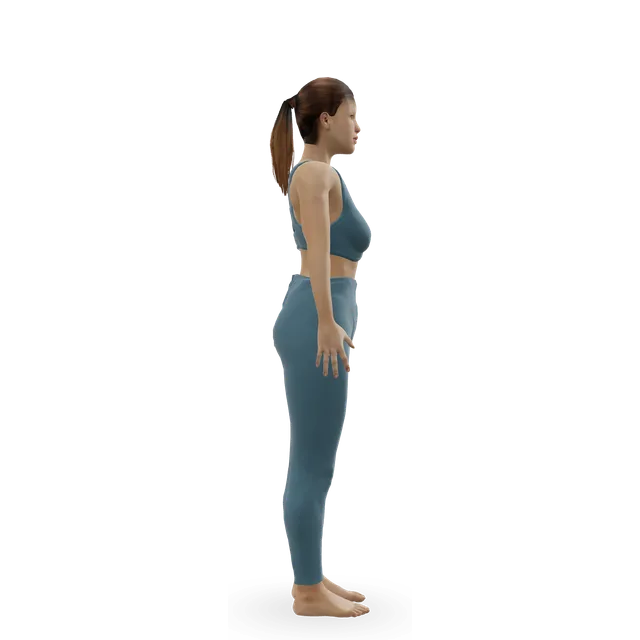
- Mountain pose (Tadasana)5 breathsBeginner · Calves, Back, Abs · 3D demoKnees soft, not pushed back; weight even on both feetHarder: Tree pose (Vrksasana)
- Chair pose (Utkatasana)3 holds of 10 to 15 secondsBeginner · Quads, Glutes, Shoulders · 3D demoHands on a chair back; bend only as far as your team allows, knees over your toesHarder: Revolved chair pose (Parivrtta Utkatasana)
- Sit to stand from a chair2 sets of 8Beginner · Quads, Glutes, Hamstrings · 3D demoA firm chair against a wall; weight even through both feetEasier: Sit to stand, pushing on the thighsHarder: Bodyweight squat
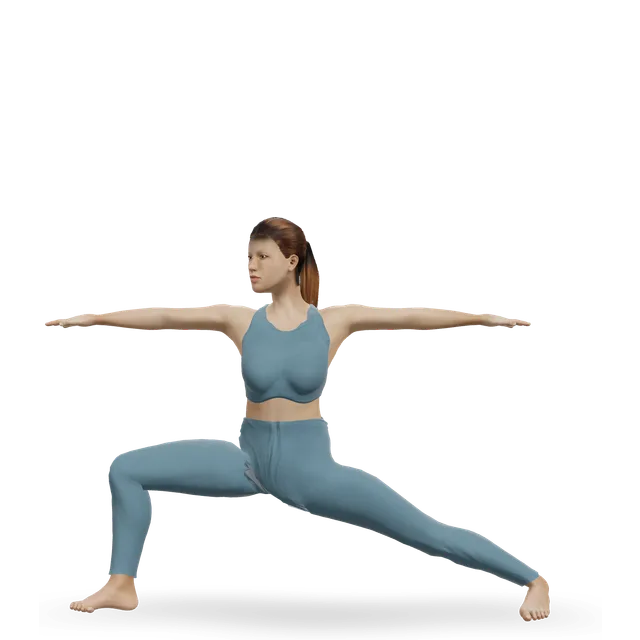
- Warrior II (Virabhadrasana II)3 breaths each sideIntermediate · Quads, Glutes, Adductors · 3D demoSide-on to a chair, short stance, front knee pointing over the middle of your footEasier: Chair pose (Utkatasana)Harder: Extended side angle (Utthita Parsvakonasana)
- Warrior I (Virabhadrasana I)3 breaths each sideIntermediate · Quads, Glutes, Hip flexors · 3D demoShort stance, back heel lifted, both knees facing forwardEasier: Low lunge (Anjaneyasana)Harder: Warrior III (Virabhadrasana III)
- Beginner · Calves · 3D demoHands on a counter; rise and lower slowly on both feetEasier: Seated bent-knee calf raise (soleus raise)Harder: Standing dumbbell calf raise






One leg at the wall (about 6 minutes)
- Single-leg stand2 holds of 20 to 30 seconds each sideBeginner · Hip abductors, Calves, Glutes · 3D demoFingertips on a counter, standing knee soft, not locked back; do both legsEasier: Tandem stance and heel-to-toe walkHarder: Single-leg reach matrix
- Tree pose (Vrksasana)3 breaths each sideBeginner · Glutes, Hip abductors, Calves · 3D demoFingertips on the wall; heel at your ankle with the toes on the floor, never pressed into the side of the kneeEasier: Mountain pose (Tadasana)Harder: Standing hand-to-big-toe pose (Utthita Hasta Padangusthasana)
- Side-stepping (sideways walking)10 steps each way, next to a counterBeginner · Hip abductors, Glutes, Adductors · 3D demoSmall steps, toes forward, hips levelHarder: Lateral band walk
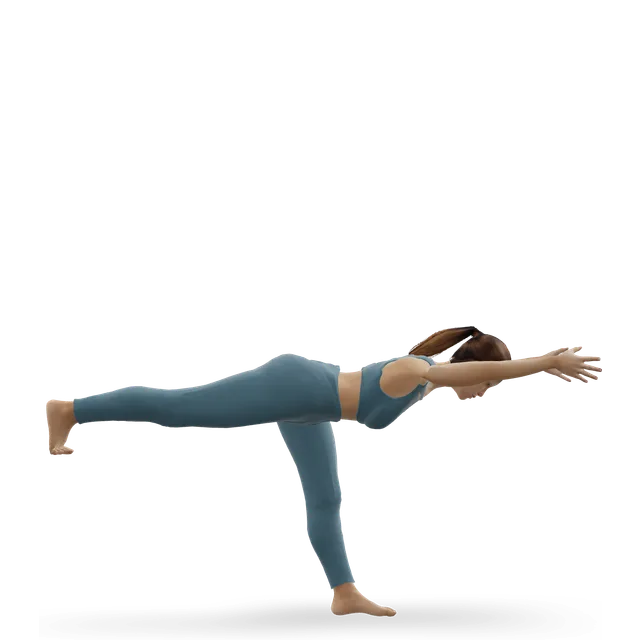
- Warrior III (Virabhadrasana III)3 to 5 breaths each sideAdvanced · Glutes, Hamstrings, Back · 3D demoHands on a wall at hip height, standing knee soft, lifted leg low. Skip it until single-leg stands feel steadyEasier: High lunge (crescent lunge, Ashta Chandrasana)Harder: Standing splits (Urdhva Prasarita Eka Padasana)



Floor (about 4 minutes)
- Glute bridge8 slow liftsBeginner · Glutes, Hamstrings, Abs · 3D demoFeet hip-width apart; walk them further away if the front of your knee achesEasier: Pelvic tilt into bridgeHarder: Single-leg glute bridge
- Supine hamstring stretch with a strap2 holds of 30 seconds each legBeginner · Hamstrings, Calves · 3D demoOther knee bent. After a hamstring graft, leave it out until your team allows it (following the site's ACL guidance)Easier: Leg-up hamstring stretchHarder: Contract-relax hamstring stretch (PNF)
- Wall calf stretch (gastrocnemius)30 seconds each sideBeginner · Calves · 3D demoBack knee straight, heel downEasier: Seated calf stretch with a towelHarder: Heel-on-step calf and hamstring stretch



Rest (about 3 minutes)
- Beginner · 3D demoA rolled towel under your heels or calves, never under your knees

Tips
- Start only when your surgical team or physiotherapist agrees, and follow their restrictions first; this class adds to your physiotherapy exercises and never replaces them.
- No kneeling, jumping or pivoting: step, don't jump, and keep your knee pointing the same way as your foot.
- Keep pain at 3 out of 10 or less during and after, and if the knee is warmer, more swollen or more painful afterwards, ease off and tell your physiotherapist (adapted from our ACL surgery recovery guide's rule).
- If you had a meniscus repair, keep every bend inside the limit your surgeon gave you.
- Our yoga after ACL surgery guide lists the warning signs, including when to call 999.
- No trial has tested this class or yoga after ACL surgery; its doses come from our knee replacement, hip replacement, knee pain and glutes classes.
The doses are suggested starting points, not a prescription. Choose a range you can control and stop for sharp or increasing pain, numbness or tingling. Get individual advice after an injury or surgery, or if you are pregnant or managing a health condition.
Guides that recommend it
Find more moves like these
More yoga flows

Beginner yoga flow
A 20-minute beginner yoga sequence: mountain, chair, warrior II, triangle, tree, down dog, cobra and child's pose.
20 minBeginner11 movesStep
Sun salutation flow
A 20-minute flow built on sun salutations A and B, with warrior poses and a short cool-down.
20 minIntermediate8 movesNo equipment


Yoga for tight hips
A hip-opening yoga sequence: low lunge, lizard, goddess, pigeon, bound angle and happy baby.
25 minBeginner10 movesWallQuestions people ask
How long does the yoga after acl surgery: a 25-minute class for the strength-and-balance stage, with no kneeling, jumping or pivoting take?
About 25 minutes, including any warm-up and cool-down listed. Shorten it by doing fewer rounds; lengthen it by adding one.
What equipment do I need?
You need: A bench or box, A wall. Each move links to its guide, where you can find an alternative if you are missing something.
Is it suitable for beginners?
It is written for beginners. 12 of its 18 moves have an easier option listed beside them if you need one.
How do I make it easier or harder?
Use the easier or harder option listed under each move, change the number of rounds, or adjust the rest. Progress one change at a time.