Pilates guide

Pilates after ACL surgery: when to start, the graft, kneeling and deep bends, the reformer, balance and the road back to sport

Pilates can help after an anterior cruciate ligament (ACL) reconstruction, as an addition to your rehabilitation, never instead of it. No trial has tested Pilates after ACL surgery, but its basics, such as quad sets, straight-leg raises, bridges, side-lying leg work and single-leg balance, are moves rehabilitation already uses, and guideline groups say trunk (core) exercises can be added, on low-certainty evidence.

Your surgeon and physiotherapist set the timeline, and their restrictions come first. The main changes are about your graft, kneeling and deep bending: after a hamstring graft, resisted knee bending and deep hamstring stretches often wait about 12 weeks, and kneeling can be sore for a while, especially after a patellar tendon graft.

This guide covers when to start, the reformer exercise by exercise, the trunk and hips, balance and the road back to sport, what a strong core can and can't prevent, and the warning signs, with a staged 25-minute class. Our ACL surgery guide covers the full rehabilitation stages and the return-to-sport tests.

The short version

Pilates doesn't replace your ACL rehabilitation

Guidelines run rehabilitation in stages, moving on when you pass checks, for 9 to 12 months or more, and say exercise should be "the mainstay" of it. Pilates can add to your programme once your team agrees.

Sources 1, 2, 3

No trial has tested Pilates after ACL surgery

One small trial found mat Pilates improved thigh strength after a partial ACL tear without surgery, against no treatment, and two people did Pilates-based exercise before surgery. None of the three NHS ACL leaflets we read mentions Pilates.

Sources 4, 5, 6, 7, 8, 9

Trunk and hip work can be added

Two guideline groups say core exercises can be added to rehabilitation, each on two weak studies. Small trials found better knee scores, hop tests and landing mechanics, not less pain or fewer injuries.

Sources 1, 3, 10, 11

Your graft changes the class

After a hamstring graft, resisted knee bending and deep hamstring stretches often wait about 12 weeks. After a patellar tendon graft, kneeling is more often sore. Seated knee extensions follow graft-specific rules too.

Sources 12, 13, 14, 7

A strong core isn't proven to prevent another ACL injury

Prevention programmes halve ACL injuries, but adding core strengthening didn't make them work any better, and trunk and balance measures didn't predict ACL injuries in large studies of elite players.

Sources 15, 16, 17, 18

A second ACL injury is common in young athletes

About 1 in 4 under-25s who go back to sport injure an ACL again, the other knee about as often as the graft. Keep your team's prevention warm-up going for as long as you play.

Sources 19, 20

Your operation, and where Pilates fits

The operation

The ACL is a band of tissue in the middle of the knee that helps it move and stay stable. In a reconstruction, the surgeon replaces it with a graft, usually from your hamstring, through keyhole surgery taking 1 to 3 hours, often as a day case; the screws or staples "will be left inside your knee permanently". Not every torn ACL needs surgery: our ACL injury guide covers that decision.

Sources 21, 22, 23

Recovery takes months

The NHS: "It may take several months or longer to recover", and "it can take up to a year to be able to play sport again". Most people go back to work after about 4 to 6 weeks. One NHS trust's patient passport says "There are no set timescales as rehabilitation is symptom and goal-based".

Sources 24, 2, 8

What the knee needs at each stage

First, a fully straight knee, the swelling down and the thigh switched on; the NHS asks you to avoid twisting your knee, bending down and reaching up as much as possible at first, and never to rest with a pillow under the knee. Then strength and control, then running, hopping and landing, then sport. Experts stress getting the knee straight and the thigh working early.

Sources 24, 1, 25

Where Pilates fits

Lying, side-lying and standing Pilates work trains the thigh, the hips and the trunk, and single-leg balance; one NHS trust's weeks 6 to 12 list includes bridges, single-leg bridges, hip work and balance. Kneeling, deep bending, twisting on the knee and jumping wait. Pilates becomes an add-on to the strength, running and landing work in your plan, not the plan itself.

Sources 1, 7

What the evidence says

No Pilates trial after ACL reconstruction; small trials of trunk and hip work added to rehabilitation.

No Pilates trial after ACL reconstructionStrong evidence

Our searches found no Pilates trial after ACL surgery, only single case descriptions (a dancer rehabilitated on the reformer; one woman with reconstructed knees who did Pilates for 15 years). A 2025 review of 18 exercise trials after ACL injury found single studies with very uncertain benefit of tai chi and Pilates over no treatment, and that "no exercise was likely more beneficial than another".

Sources 4, 26, 27, 28

Mat Pilates after a partial tear, without surgeryMixed evidence

In a Turkish trial, 50 adults aged 20 to 45 with a partial ACL tear did mat Pilates 3 times a week for 12 weeks or had no treatment. Thigh strength was better after Pilates, and that group felt more satisfied with their knee's stability. It wasn't after surgery, and it shows Pilates beats doing nothing, not that it beats physiotherapy.

Sources 5, 29

Pilates before surgery: two peopleMixed evidence

In a Canadian case series of 2 people, 6 weeks of Pilates-based exercise before reconstruction went with a settled knee and better thigh strength and knee function. It's a student project summary, never published in a journal.

Source 6

Core work can be added to rehabilitationEmerging evidence

The Aspetar guideline says "Core stability exercises might improve functional outcomes and subjective knee function and can be used as an addition to the rehabilitation protocol", on very low certainty evidence from 2 studies. The German Knee Society's 2026 consensus agrees, on low-certainty evidence from 2 studies.

Sources 1, 3

Core and hip training after reconstructionMixed evidence

In 26 male athletes about 8.5 months after surgery, 8 weeks of core exercise improved core endurance, hip strength and single-leg landing more than no added training, with no injury outcomes. A 2025 review of 10 trials found better knee scores and hop tests but not less pain, and its full text rates the trials at high risk of bias. Hip strengthening added in the first 12 weeks changed a balance test but not knee scores; adding clamshells helped knee straightening in 40 people 1 to 3 years after surgery.

Sources 10, 11, 30, 31, 32, 33, 34

Adding exercise to standard rehabilitationEmerging evidence

Across 11 trials (552 people), adding specific exercise to conventional rehabilitation eased pain a little and improved strength and function, with differences between trials that couldn't be explained. Other reviews rank water-based work highly for thigh strength and call strategies for movement control limited but promising.

Sources 35, 36, 37

Strength and control are the core of rehabilitationStrong evidence

Guidelines combine strength work with movement control, move people on by checks rather than dates, and say purely time-based decisions about returning to sport should be abandoned. Pilates fits inside the control part, alongside the strength work.

Sources 1, 38, 39, 40

Balance and confidenceEmerging evidence

Balance and proprioception training improved knee function and hopping modestly across 13 trials (529 people). Of people who don't return to sport, about two-thirds give a psychological reason, most often fear of another injury, and psychological approaches eased pain and fear of movement in 11 small trials. A calm, graded class may help confidence, which no trial has tested.

Sources 41, 42, 43, 44

When to start, and how to build up

Our synthesis of the guidelines and NHS leaflets, not a tested plan. Protocols vary: each step is when your team says so.

A typical timeline

Your own team's plan comes first, and a meniscus repair at the same time slows the early stages.

  • The first weeks: lying moves that are already part of your rehabilitation: breathing, quad sets, straight-leg raises, heel slides and ankle pumps.
  • From about 2 weeks: side-lying hip work, bridges, the dead bug and sit to stand, and balance near a support.
  • From about 6 to 12 weeks: single-leg work such as step-downs and single-leg bridges (after a hamstring graft, once your team allows loaded hamstring work); one NHS trust may refer you to an ACL class at this stage, while the graft is still healing to the bone.
  • From about 3 months and beyond: Pilates as an add-on to running, hopping and landing work, with kneeling once it's comfortable and your team agrees.

Sources 24, 1, 7, 9

Let pain and swelling guide you

The site's ACL surgery guide uses a working limit: keep pain during and after exercise at 3 out of 10 or less, and ease off any move after which the knee is warmer, more swollen or more painful. The NHS suggests an ice pack wrapped in a tea towel and raising the leg to ease swelling.

Source 24

Your graft

After a hamstring graft: the 12-week ruleMixed evidence

A US rehabilitation protocol: "If a hamstring autograft is used, resisted hamstring activities are not performed for 12 weeks after surgery." Guidelines that protect the donor site mainly limit resisted knee bending and avoid hamstring stretching, but a 2025 review says the reasons are "largely based on other clinical guidelines, anecdotal observations or basic biomechanics", and one NHS trust lists leg curls from week 6. Follow your own team.

In Pilates terms: feet-in-straps work on the reformer, hamstring curls against a band, long single-leg bridges and deep hamstring stretches (the saw, the spine stretch forward, the single straight-leg stretch) wait for your team's go-ahead (our reading). The tendon regrows in most people, and deep knee-bending strength is the slowest to come back.

Sources 12, 13, 45, 7

After a patellar tendon graftMixed evidence

A Cochrane review of 19 trials found patellar tendon grafts caused "more anterior knee problems, especially with kneeling", and in a Norwegian registry of 10,329 people, hamstring grafts had lower odds of kneeling difficulty at 5 years. But in a trial of 330 people followed for 10 years, kneeling pain was uncommon whatever the graft (4% to 7%) and didn't differ. So kneeling may be sore for a while; pad it, keep it short and use non-kneeling versions until it's comfortable.

Sources 14, 46, 47

Leg extensions follow the graftEmerging evidence

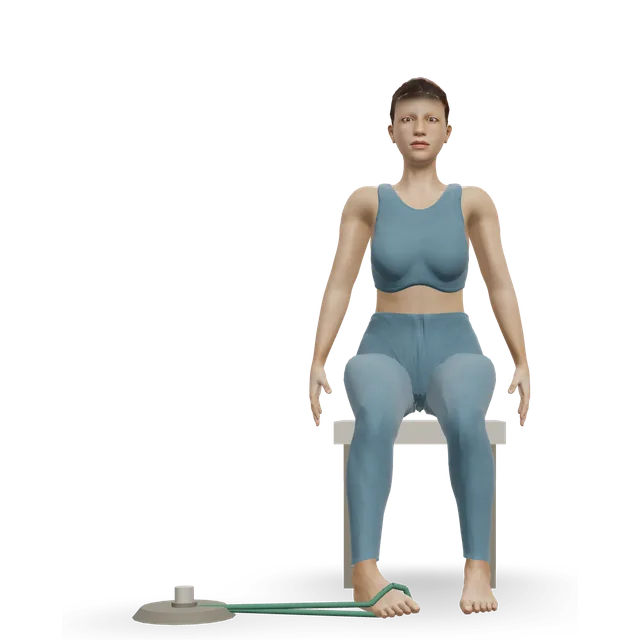
One NHS trust allows leg extensions without resistance from week 4 between 90 and 45 degrees of bend, but no resistance until 12 weeks after a hamstring graft. Seated knee extensions in a Pilates or chair class follow the same rule.

Sources 7, 1

Open- and closed-chain workEmerging evidence

Exercises with the foot pushing against something (closed chain, like a leg press or reformer footwork) and with the foot free (open chain, like a seated knee extension) gave similar knee looseness, strength and function across 10 studies; another review found open-chain work built thigh strength better at 3 to 4 months, at low certainty. Studies started open-chain work at a median of day 15, few with set criteria.

Sources 48, 49, 50

A meniscus repair at the same timeEmerging evidence

A 2025 European and US consensus says after a meniscus repair "Deep squatting, jumping (deep loaded flexion) and rotational knee movements activities should be avoided for a minimum of 4 months" (expert opinion), with squats built up gradually. Your surgeon's plan for the repair comes first.

Sources 51, 52, 53

Kneeling and deep bends

Kneel when it's comfortable and your team agrees

No guideline gives a kneeling timeline, and none of the three NHS ACL leaflets we read mentions kneeling. Kneel in class only once it's comfortable and your team agrees, then on a folded mat or cushion, and keep it short (our suggestion).

Sources 14, 13

Swaps for kneeling moves

Do the side kick lying down instead of kneeling, the dead bug instead of the bird dog, and cat-cow sitting on a chair. Leave the knee hover, the kneeling side kick and the reformer's knee stretches until kneeling is easy (our suggestion).

Source 14

Deep knee bends

Rolling like a ball, the seal, rocking and child's pose need a deep knee bend. Leave them until bending is back and comfortable, and longer after a meniscus repair.

Sources 51, 24

Reformer Pilates after ACL surgery

Our reading of the classical reformer order against the rehabilitation guidelines, not evidence: no reformer trial after ACL surgery exists.

Footwork is a leg press

Reformer footwork opens the classical order and is a lying leg press against springs. The Aspetar guideline starts the leg press at about 3 weeks after a hamstring graft in a half-squat range (0 to 45 degrees of bend), so set the footbar and the stopper so your knee bends only as far as your team allows, with moderate springs (our reading; timings vary, so start when your team says so).

Sources 54, 1

Calf and bridge work

Running and the tendon stretch are calf work on the footbar, and the pelvic lift is a bridge with your feet on the bar; these fit the middle stage (our reading).

Source 54

Feet in straps after a hamstring graft

Leg circles and frogs move the knee against springs, and pulling down against the straps works the hamstrings, so after a hamstring graft leave them until your team allows loaded hamstring work (our reading).

Sources 54, 12, 13

What waits

The knee stretch series and the elephant kneel or stand on the moving carriage, so they wait until kneeling is comfortable. The jump board is jumping, so it waits for the same clearance as hopping. One protocol for a different, faster operation (an ACL repair with internal bracing) used the reformer's leg press and jump board early, which doesn't apply to a reconstruction.

Sources 54, 55

The first weeks: a straight knee and a working thigh

As your team allows. Use the ACL surgery guide's doses, which come from NHS leaflets: quad sets, hold 5 seconds building to 30, 3 sets of 10, 3 times a day; straight-leg raises, hold 5 seconds, 3 sets of 10, 3 times a day; heel slides, 10 slides, 4 to 5 times a day, as far as is comfortable; ankle pumps, 10 times, 4 to 5 times a day. Lateral breathing: the move page's dose, "5 to 8 breaths at the start of every session". Never rest with a pillow under the knee.

Hips and trunk, with the knee protected

From about 2 weeks, as your team allows; 2 or 3 times a week. Side kick: the move page's dose, "8 to 10 each side". Wall side leg lift, standing on the operated leg: the move page's dose, "10 to 12 each side". Bridge and sit to stand: 2 to 3 sets of 8 to 12 (the ACL guide's NHS trust dose). Single-leg stand: 3 holds of up to 30 seconds on each leg, near a support (the ACL guide's dose). Side-lying leg raise, clam and dead bug: 2 sets of 8 to 10 each side; leg circles: 5 small circles each way (our editorial starting points). Seated knee extension: the move page's dose, "3 sets of 10 to 15 each leg, 2 to 3 days a week", in the range your team allows, without resistance until 12 weeks after a hamstring graft in one NHS trust's plan.

One-leg control

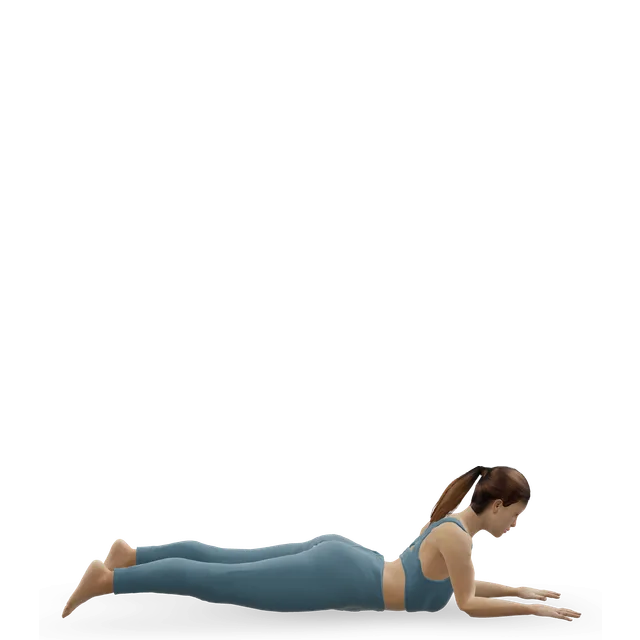
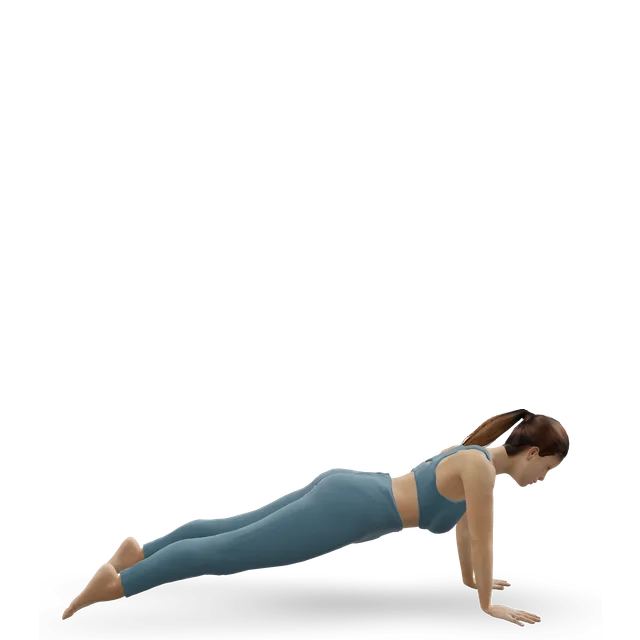
From about 6 to 12 weeks, as your team allows. Step-down: 3 sets of 8 to 10 each leg; split squat and single-leg Romanian deadlift: 3 sets of 8 to 12 each leg, holding a support (the ACL guide's doses). Single-leg bridge: 2 sets of 6 to 10 each side (our editorial starting point), after a hamstring graft only once loaded hamstring work is allowed. Single-leg kick: the move page's dose, "6 to 8 each leg (the classical sequence uses 6)", once bending past a right angle is comfortable. Leg pull front: the move page's dose, "3 to 5 each side (the classical sequence uses 3)", once kneeling and full planks are comfortable.

What to change or leave out

Kneeling moves

The kneeling side kick, the knee hover, the bird dog, cat-cow on all fours and the knee plank: wait until kneeling is comfortable and your team agrees, then pad the knee and keep it short.

Sources 14, 46

Deep knee bends

Rolling like a ball, the seal, rocking, child's pose and side-sitting for the mermaid: leave them until the bend is back and comfortable, longer after a meniscus repair.

Source 51

Loaded hamstring work and deep hamstring stretches

After a hamstring graft, wait for your team's go-ahead, often about 12 weeks: feet-in-straps work, a band round the heel, long single-leg bridges, the saw, the spine stretch forward and the single straight-leg stretch.

Sources 12, 13, 45

Twisting on a planted foot, and jumping

Leave out standing hip circles on one leg, hops and the reformer jump board until your team clears running and hopping, which usually waits for strength and swelling checks at about 3 months.

Sources 24, 1

The trunk, the hips and getting back to sport

Trunk and hip risk factors: inconsistentMixed evidence

In 277 college athletes, poorer trunk control predicted knee ligament injuries in women, and in 501 athletes weaker hips predicted non-contact ACL injuries, but both studies had few injuries (25 and 15). In 838 elite Norwegian female players, no balance measure predicted ACL injury; a previous ACL injury did. In 322 elite female footballers, trunk lean on a hop and knee collapse went with injury, but there were only 15 injuries. Across 69 studies of women's team sports, most suggested risk factors weren't linked with injury or the evidence conflicted.

Sources 56, 57, 58, 17, 59, 60, 18

Prevention programmes work, but not clearly through the coreEmerging evidence

Across 8 meta-analyses, prevention programmes cut ACL injuries by about half, and by about two-thirds for non-contact injuries in women. In young female athletes, "Programs including balance, core-strengthening, stretching, or agility exercises were no more effective than programs that did not incorporate these components"; landing practice and leg strength mattered. Programmes change little of the hip and knee movement they target, and a 2026 position statement says direct evidence for strategies aimed at trunk lean and knee collapse "remains limited".

Sources 15, 16, 61, 62, 63

Return to sportEmerging evidence

Across 69 studies, 81% went back to some sport, 65% to their previous level and 55% to competitive sport. Experts treat return to sport as a path from training again, to playing, to playing at your old level, decided by your team with tests of strength, hopping and confidence.

Sources 64, 40, 65

Second injuriesEmerging evidence

Across 19 studies, 15% had a second ACL injury (7% the graft, 8% the other knee), and 23% of under-25s who went back to sport. Over about 10 years, 11% tore the graft and 12% the other knee's ACL. In footballers under 21, the figure was 31.9%.

Sources 19, 20, 66, 67

Pilates and landing in healthy athletesMixed evidence

In 30 young female volleyball players, 8 weeks of Pilates reduced errors on landing tests, which are screening tests, not injuries. In 34 novice runners, 12 weeks of home mat Pilates didn't significantly change how far the knee caved in while running.

Sources 68, 69

Where Pilates fits

Trunk, hip and balance work sits beside your team's strength, running, landing and prevention programme. It can't promise fewer injuries.

Sources 16, 3

Classes to follow

Our staged class has no kneeling and keeps loaded hamstring work back until your team allows it; its structure is our own and untested. The knee pain class suits the middle stage (after a hamstring graft, leave out its hamstring stretch until your team agrees). The leg and knee workouts are the ones the ACL guide uses; after a hamstring graft, leave out the knee strengthening workout's slider hamstring curl, and its reverse Nordic until kneeling is comfortable. The knee control warm-up and the netball class suit the later stages. If you'd rather do yoga, our yoga after ACL surgery guide covers it.

Knee-kind Pilates after ACL surgery: a 25-minute class in three stages, with no kneeling until you're cleared

A 25-minute Pilates class after ACL surgery in three stages: a straight knee and a working thigh, hips and trunk, then one-leg control, with no kneeling.

25 minBeginner17 movesBench or box, wall

Pilates for knee pain: a 25-minute class with no kneeling

A 25-minute Pilates class for sore knees and knee arthritis: lying and side-lying leg work, shallow squats and balance, with no kneeling at all.

25 minBeginner15 movesBench or box, something with weight

Low-impact leg workout (no jumping)

A gentle leg strength routine with no jumping: sit-to-stands, step-ups, wall sits, bridges and calf raises.

20 minBeginner7 movesBench or box, step

Knee strengthening workout: from first steps to full range

A 25-minute session for knees that don't currently hurt: thigh and hamstring strength, single-leg control, then an optional full-range block with knees over toes.

25 minBeginner14 movesBench or box, wall

Knee control warm-up

A 20-minute warm-up that trains your knees to track over your toes: side-hip strength, squats and lunges with alignment practice, balance and quiet landings.

20 minBeginner10 movesWall, band

Landing-leg Pilates for netball players: a 25-minute class for the ankles, the landing leg for quick stops, trunk control, the hips and shoulders

A 25-minute Pilates class for netball: ankles, the landing leg for quick stops, a trunk that doesn't lean or twist as you land, the hips and the shoulders.

25 minBeginner15 movesWall, band

When to stop and get help

This is general information, not a diagnosis. A&E means accident and emergency; in the US, call 911 for 999, and use your doctor's urgent line or urgent care for NHS 111.

Call 999 or go to A&E

Leg pain or swelling with breathlessness or chest pain: call 999 or go to A&E, and do not drive yourself. It can be a blood clot that has reached the lungs.

Sources 70, 71

Urgent GP appointment, NHS 111 or your surgical team

  • After ACL surgery: throbbing or cramping pain in your leg, a high temperature, feeling hot and cold, oozing or pus from the wound, or tenderness, swelling, pain or redness in the knee that is not getting better or is getting worse (redness may be harder to see on brown or black skin). Ask for an urgent GP appointment or get help from NHS 111: these can be signs of an infection or a blood clot.
  • Same day (urgent GP appointment or NHS 111): throbbing pain in one leg (rarely both), usually the calf or thigh; swelling in one leg (rarely both); red, blue or darkened skin around the painful area, which may be harder to see on brown or black skin; or swollen veins. It could be a blood clot (deep vein thrombosis, DVT), which is more likely while you're moving about much less than usual or after a hospital stay.
  • You fall or twist the knee and then can't put weight on it, or it becomes very painful, badly swollen or changes shape: get advice from NHS 111 or your surgical team now.
  • The knee is locked and you cannot fully straighten it. Contact your surgical team or NHS 111 the same day.

Sources 70, 72, 73

Tell your physiotherapist or team

  • Once you're back in sport, the knee gives way again, with a pop or swelling within a few hours: get it assessed, as you did the first time. A torn graft can need more surgery.
  • You're not sure what your limits are, or you're not reaching the stage your team expected: ask them rather than guess.
  • The knee isn't getting fully straight in the first weeks, or the bend isn't coming back as expected: tell your physiotherapist (our suggestion; experts stress getting the knee straight early).

Sources 70, 25

During Pilates

Use your team's rule first. The ACL surgery guide's working limit is pain of 3 out of 10 or less during and after exercise; ease off any move after which the knee is warmer, more swollen or more painful, use ice and raise the leg, and avoid twisting on the knee (our suggestion, from the NHS recovery advice). Our knee pain after Pilates guide covers kneeling, reformer footwork and deep bends.

Source 24

Chest pain or fainting: call 999

Call 999 if:

  • You get sudden pain or discomfort in your chest that doesn't go away; it can feel like squeezing or pressure, burning or indigestion.
  • The pain spreads to your left or right arm, or your neck, jaw, stomach or back.
  • You have chest pain and feel sweaty, sick, light-headed or short of breath.
  • Someone faints while exercising, can't be woken within 1 minute, or has chest pain or a pounding, fluttering or irregular heartbeat.

Sources 74, 75

Breathlessness

Call 999 or go to A&E (accident and emergency) straight away for severe difficulty breathing (gasping, choking or not able to get words out), a chest that feels tight or heavy, pain that spreads to your arms, back, neck and jaw, lips or skin turning very pale, blue or grey, or sudden confusion. If you're more short of breath than usual, or your heart is racing, fluttering or skipping beats, contact NHS 111.

Source 76

Stop and get advice if

You feel any pain or become unwell, as the NHS advises for its Pilates videos, and especially for chest pain or pressure, unusual breathlessness, dizziness or fainting. If you have a health problem, an injury or any symptoms, get advice from a healthcare professional, such as a GP, before you start.

Source 77

Myths

"Pilates rehabilitates an ACL on its own"Strong evidence

No trial has tested Pilates after reconstruction, and guidelines put progressive strength, movement control, running, landing and return-to-sport testing at the centre for 9 to 12 months. Pilates is an addition.

Sources 4, 1, 2

"A strong core prevents ACL injuries"Mixed evidence

Prevention programmes work, but adding core strengthening didn't make them more effective, and trunk and balance measures didn't predict ACL injuries in large studies. Landing practice and leg strength mattered more.

Sources 16, 17, 18

"Kneeling will damage the graft"Mixed evidence

We found no study showing it. Kneeling is often uncomfortable for a while, more often after a patellar tendon graft, and kneeling pain was uncommon 10 years on in one trial. Wait until it's comfortable and your team agrees.

Sources 14, 46, 47

"You need a reformer for Pilates after ACL surgery"Mixed evidence

The Pilates trial in partial ACL tears used mat work. Reformer footwork is a leg press, which a leg press machine, bridges and sit-to-stands also train.

Sources 5, 1

"If you can do Pilates, you're ready for sport"Strong evidence

Returning to pivoting sport depends on strength, hop and movement tests, confidence and time, and about 1 in 4 young athletes who go back injure an ACL again.

Sources 40, 19

Questions people ask

Can I do Pilates after ACL surgery?

Yes, as an addition to your rehabilitation once your team agrees. No trial has tested Pilates after ACL surgery, but quad sets, straight-leg raises, bridges, side-lying leg work and balance are moves rehabilitation already uses, and guideline groups say core exercises can be added. Your physiotherapist's plan comes first.

When can I start Pilates after ACL surgery?

The lying moves are part of your first weeks at home. Side-lying hip work and bridges often come from about 2 weeks, single-leg work from about 6 to 12 weeks, and one NHS trust may refer you to an ACL class in weeks 6 to 12. That's our summary, and protocols vary, so start when your team says so.

When can I do reformer Pilates after ACL surgery?

Ask your physiotherapist. Lying footwork is a leg press, which one guideline starts at about 3 weeks after a hamstring graft in a small range, so set the stopper and keep the springs moderate. The kneeling knee stretches and the jump board wait until kneeling and hopping are cleared. This is our reading of the method, not tested evidence.

Can I kneel in Pilates after ACL surgery?

Only once kneeling is comfortable and your team agrees; then pad the knee and keep it short. A Cochrane review found more kneeling problems after a patellar tendon graft, though a 10-year trial found kneeling pain uncommon by then whatever the graft.

Which Pilates exercises should I avoid after ACL surgery?

Early on, leave out kneeling moves, deep knee bends such as rolling like a ball and child's pose, twisting on a planted foot and jumping. After a hamstring graft, wait for your team before resisted knee bending and deep hamstring stretches, and after a meniscus repair deep bending waits at least 4 months.

Is Pilates good after a hamstring graft?

Yes, with changes: leave out resisted knee bending (feet in straps, band curls, long single-leg bridges) and deep hamstring stretches until your team allows them, often about 12 weeks. A US protocol advises that wait; reviews say the reasons rest mostly on habit and biomechanics, and one NHS trust lists leg curls from week 6, so follow your own team.

Can Pilates prevent another ACL injury?

It hasn't been shown to. Prevention programmes cut ACL injuries by about half, but adding core strengthening didn't make them work better; landing practice and leg strength matter most. Keep your team's prevention warm-up going.

Is Pilates enough rehab after ACL surgery?

No. Guidelines centre rehabilitation on progressive strength and movement control for 9 to 12 months or more, then running, landing and return-to-sport tests. Pilates adds trunk, hip and balance work.

Can you do Pilates with a torn ACL?

Often yes, with your physiotherapist's guidance. In one trial, 12 weeks of mat Pilates improved thigh strength in adults with a partial tear, against no treatment. Our ACL injury guide covers rehab first against surgery.

Will Pilates help me feel confident on my knee again?

Possibly. Fear of another injury is the commonest reason people don't return to sport, and psychological approaches eased fear of movement in small trials. A calm, graded class may help, though no trial has tested Pilates for this.

Can I do Pilates after other knee surgery?

Usually, with the same care. After a meniscus repair, deep bending waits longer, and after a knee replacement our Pilates after a knee replacement guide applies.

When should I stop and get help after ACL surgery?

Leg pain or swelling with breathlessness or chest pain needs 999. Throbbing or cramping leg pain, a high temperature, oozing or pus from the wound, or a knee getting more tender, swollen, painful or red needs an urgent GP appointment or NHS 111. A knee that gives way, locks or swells quickly needs checking.


Sources

  1. Kotsifaki 2023 · Aspetar clinical practice guideline on rehabilitation after ACL reconstruction (guideline, Br J Sports Med; read in full)
  2. van Melick 2016 · The Dutch (KNGF) ACL rehabilitation guideline (Br J Sports Med)
  3. Häner 2026 · ACL rehabilitation after reconstruction: the German Knee Society consensus (Delphi, J Exp Orthop; read in full)
  4. PubMed, Europe PMC and ClinicalTrials.gov · Our searches for Pilates studies after ACL injury and knee surgery: no trial after ACL reconstruction (November 2026)
  5. Çelik 2017 · Mat Pilates for a partial ACL tear without surgery in 50 adults (RCT, Knee Surg Sports Traumatol Arthrosc)
  6. Lau 2023 · Pilates-based exercise before ACL reconstruction in 2 people (case series, student capstone abstract, University of British Columbia)
  7. Cambridge University Hospitals NHS Foundation Trust · ACL reconstruction rehabilitation (patient information, April 2024; read in full)
  8. St George's University Hospitals NHS Foundation Trust · Post-operative ACL reconstruction patient passport (October 2025; read in full)
  9. James Paget University Hospitals NHS Foundation Trust · Anterior cruciate ligament reconstruction (patient leaflet, December 2025; read in full)
  10. Saki 2023 · Core exercise about 8.5 months after ACL reconstruction in 26 male athletes (RCT, Sci Rep; read in full)
  11. Bafrouei 2025 · Core exercise after ACL reconstruction: 10 trials, 463 people (systematic review and meta-analysis, Sci Rep; read in full)
  12. Adams 2012 · The Delaware criterion-based rehabilitation progression after ACL reconstruction (clinical commentary, J Orthop Sports Phys Ther; read in full)
  13. Briem 2025 · Graft-specific exercise advice in 17 ACL rehabilitation guidelines (scoping review, Knee Surg Sports Traumatol Arthrosc; read in full)
  14. Mohtadi 2011 · Patellar tendon or hamstring graft for ACL rupture: 19 trials, 1,597 adults (Cochrane review)
  15. Webster 2018 · ACL injury prevention programmes: 8 meta-analyses (meta-analysis of meta-analyses, J Orthop Res)
  16. Petushek 2019 · ACL injury prevention in young female athletes: 18 studies, 27,231 athletes (systematic review and meta-analysis, Am J Sports Med; read in full)
  17. Steffen 2017 · Balance and ACL injury in 838 elite female handball and football players (prospective cohort, Br J Sports Med)
  18. Collings 2021 · Risk factors for leg injuries in women's team sports: 69 studies, 14,492 athletes (systematic review, Sports Med)
  19. Wiggins 2016 · Second ACL injuries in younger athletes: 19 studies (systematic review and meta-analysis, Am J Sports Med)
  20. Khan 2026 · Graft and other-knee ACL tears over 10 years: 18 studies, 5,735 people (systematic review and meta-analysis, J ISAKOS)
  21. NHS · What is ACL (anterior cruciate ligament) surgery?
  22. NHS · How ACL (anterior cruciate ligament) surgery is done
  23. NHS · Why ACL (anterior cruciate ligament) surgery is done
  24. NHS · Recovering from ACL (anterior cruciate ligament) surgery
  25. Wackerle 2026 · The Freddie Fu Panther Symposium expert group, part 1: early and middle stages of ACL rehabilitation (expert opinion, Knee Surg Sports Traumatol Arthrosc)
  26. Verhagen 2025 · Exercise-based rehabilitation for ACL injuries: 18 trials (systematic review and meta-analysis, Musculoskelet Sci Pract)
  27. Brown 1996 · A dancer with ACL insufficiency rehabilitated on the reformer (case description, Work)
  28. Oliveira 2022 · Fifteen years of Pilates for reconstructed knees with osteoarthritis in one woman (case report, J Bodyw Mov Ther)
  29. Giummarra 2022 · Non-surgical care of partial ACL tears: 2 trials (systematic review, BMC Musculoskelet Disord)
  30. Wu 2017 · Core strength training after ACL reconstruction in 80 people (trial, Zhongguo Gu Shang; English abstract)
  31. Garrison 2014 · Hip strengthening in the first 12 weeks after ACL reconstruction in 43 people (trial, Int J Sports Phys Ther)
  32. Kaleem 2024 · Clamshell exercises for knee extension lag after ACL reconstruction in 40 people (RCT, Knee)
  33. Nagelli 2018 · Neuromuscular training and hip landing mechanics after ACL reconstruction (controlled lab study, Am J Sports Med)
  34. Nagelli 2020 · Neuromuscular training, knee function and hip landing mechanics after ACL reconstruction (cohort, Orthop J Sports Med)
  35. Zhou 2025 · Adding specific exercise therapy after ACL surgery: 11 trials, 552 people (systematic review and meta-analysis, Front Physiol)
  36. Zhong 2025 · Exercise therapy after ACL reconstruction: 38 trials (network meta-analysis, BMC Musculoskelet Disord)
  37. Kang 2026 · Rehabilitation for neuromuscular control after ACL reconstruction: 9 trials (systematic review, Hong Kong Physiother J)
  38. Logerstedt 2017 · Knee ligament sprains: the US physical therapy guideline, revision 2017 (J Orthop Sports Phys Ther)
  39. Wright 2015 · ACL reconstruction rehabilitation: the MOON guidelines (Sports Health)
  40. Meredith 2020 · Return to sport after ACL injury: the Panther Symposium consensus (Orthop J Sports Med)
  41. Chen 2025 · Proprioceptive training after ACL reconstruction: 13 trials, 529 people (systematic review and meta-analysis, Ann Med)
  42. Zhao 2026 · Neuromuscular, proprioceptive and other training after ACL reconstruction: 22 trials (network meta-analysis, Knee Surg Sports Traumatol Arthrosc)
  43. Nwachukwu 2019 · Psychological reasons for not returning to play after ACL reconstruction: 28 studies (systematic review, Orthop J Sports Med)
  44. Zhang 2026 · Psychological interventions after ACL reconstruction: 11 trials, 440 people (meta-analysis, J Clin Med)
  45. Högberg 2026 · What hamstring tendon harvest does to the hamstrings, and loading after it (narrative review, Sci Prog; read in full)
  46. Vuletić 2025 · Hamstring grafts and kneeling problems at 5 years in 10,329 people (Norwegian registry study, J Exp Orthop)
  47. Mohtadi 2026 · Quality of life and osteoarthritis 10 years after ACL reconstruction with three graft types in 330 people (RCT, J ISAKOS)
  48. Perriman 2018 · Open- against closed-chain exercise after ACL reconstruction: 10 studies (systematic review and meta-analysis, J Orthop Sports Phys Ther)
  49. Pamboris 2024 · Open- against closed-chain exercise after ACL reconstruction: 9 trials (systematic review and meta-analysis, Front Sports Act Living)
  50. Forelli 2025 · When studies start open-chain exercise after ACL reconstruction: 26 studies (scoping review, Sports Med Open)
  51. Pujol 2025 · Rehabilitation after meniscus repair: the EU-US 2024 consensus, part I (Delphi, Knee Surg Sports Traumatol Arthrosc; read in full)
  52. Monson 2025 · Rehabilitation principles after meniscus repair (review, Curr Rev Musculoskelet Med)
  53. Albishi 2026 · Rehabilitation after isolated meniscus repair: 13 studies (systematic review, J Clin Med)
  54. Pilatesology 2024 · Classical reformer order and spring settings: basic (PDF; read in full)
  55. Irfan 2021 · A rehabilitation protocol for ACL repair with internal bracing, including the reformer (clinical commentary, Int J Sports Phys Ther; read in full)
  56. Zazulak 2007 · Trunk control and knee injury risk in 277 college athletes (prospective study, Am J Sports Med)
  57. Zazulak 2007 · Trunk position sense and knee injury in the same athletes (prospective study, Am J Sports Med)
  58. Khayambashi 2016 · Hip strength and non-contact ACL injury in 501 athletes, 15 injuries (prospective study, Am J Sports Med)
  59. Petushek 2021 · Watching drop jumps and single-leg squats doesn't predict ACL injury in 880 elite female athletes (prospective cohort, J Orthop Sports Phys Ther)
  60. Collings 2022 · Strength and movement risk factors for ACL injury in 322 elite female footballers (prospective study, Med Sci Sports Exerc)
  61. Sugimoto 2015 · Which exercises in ACL prevention programmes go with fewer injuries in young women: 14 trials (meta-analysis, Br J Sports Med)
  62. Lima 2024 · Injury prevention programmes change little of how female players move: 16 trials (systematic review and meta-analysis, Sports Med)
  63. Collings 2026 · Reducing the risk of ACL injury: Exercise and Sports Science Australia position statement (Sports Med)
  64. Ardern 2014 · Return to sport after ACL reconstruction: 69 studies, 7,556 people (systematic review and meta-analysis, Br J Sports Med)
  65. Wackerle 2026 · The Freddie Fu Panther Symposium expert group, part 2: return to sport (expert opinion, Knee Surg Sports Traumatol Arthrosc)
  66. Webster 2025 · Graft and other-knee ACL tears in 388 under-18s over 10 years (survival analysis, Orthop J Sports Med)
  67. López Personat 2026 · Second ACL injuries in footballers: 34 studies, 16,905 players (systematic review and meta-analysis, Knee Surg Sports Traumatol Arthrosc)
  68. Rahimi 2025 · Pilates and landing tests in 30 young female volleyball players (trial, BMC Sports Sci Med Rehabil)
  69. González 2023 · Home mat Pilates and knee movement during running in 34 novice runners (trial, J Bodyw Mov Ther)
  70. NHS · Complications of ACL (anterior cruciate ligament) surgery
  71. NHS · Pulmonary embolism
  72. NHS · DVT (deep vein thrombosis)
  73. NHS · Knee pain
  74. NHS · Chest pain (past its review date: reviewed August 2023, review due August 2026)
  75. NHS · Fainting
  76. NHS · Shortness of breath
  77. NHS · Pilates for beginners (video, with safety advice)

Exercise education, not a personal prescription, and clinical review of these guides is pending. If you are pregnant, have a health condition or have had recent surgery, check with a doctor, midwife or physiotherapist before starting, and stop for sharp or increasing pain. Health disclaimer.