Pilates guide

Pilates for athletes: what it adds to sports training, core and trunk control, injury and recovery, what the trials show, and how to fit it in

Pilates can add useful things to an athlete's training: trunk endurance and control, mobility, balance and a lower-load session for lighter days. In small trials it improved trunk endurance, flexibility and balance, and in one trial of trained runners two mat classes a week cut 5 km times. But no trial has shown that it prevents sports injuries, and it doesn't replace the strength, power and sport training that do.

So Pilates sits beside your sport, your coach and your strength and conditioning, never in place of them. This guide covers what Pilates offers and what it doesn't, what the trials in athletes and the wider core training research show, injuries and rehab, recovery and training load, mat or reformer, and how to fit it into your week, with a 30-minute class for any sport and links to our sport-specific Pilates guides.

The short version

A complement to training, not a substitute

Pilates trains trunk endurance and control, mobility and balance at low load, and the NHS counts it as muscle-strengthening activity. It doesn't supply the heavy loads, speed, power or fitness your sport needs.

Sources 1, 2

The trials are small

By our count there are about 16 small studies of Pilates in athletes, many without a proper comparison group, and one review of 12 of them that didn't pool their results. The strongest is in runners: two 1-hour mat classes a week for 12 weeks cut 5 km time by about 2.4 minutes, against 0.7 minutes with running alone.

Sources 3, 4, 5

Core training helps a little

Across 31 studies in athletes, trunk training improved trunk endurance most, and strength, jumps, sprints and sport skills a little. Older reviews called the benefit marginal, and results for sprint speed conflict.

Sources 2, 6, 7, 8

Pilates isn't proven to prevent injuries

We found no study that counted sports injuries after Pilates. Strength training cut sports injuries to under a third and balance training to about half; stretching didn't help. Warm-ups with several parts, including trunk work, are the tested prevention.

Sources 4, 9, 10

Count it as training

The International Olympic Committee (IOC) says poor management of training load is a major risk for injury. A hard reformer class is a session, not a rest day.

Source 13

Once or twice a week, on lighter days

The trials used 2 or 3 sessions a week for 6 to 12 weeks, and trunk training did better after more than 18 sessions. One or two sessions a week of 20 to 60 minutes, on lighter days, is our suggestion.

Sources 2, 5, 14

What Pilates adds, and what it doesn't

What it can add

Trunk endurance and control while your arms and legs move (the hundred, dead bug, leg pull and side bend), hip strength in side-lying and bridging positions, back-extension endurance (the swan and swimming), upper-back rotation, balance on one leg, and every move done on both sides. It's also a lower-intensity session that suits a lighter day (our reading).

Source 1

What it doesn't

Heavy, progressive strength training (the training that cut sports injuries most), jumps and landing practice, sprinting and fast changes of direction, sport skills and aerobic fitness. Trunk training did least for sprint speed.

Sources 9, 22

"Core training" in the research

The core training trials used planks, side planks, bridges, dead bugs, curl-ups, back extensions and rotation work, sometimes on wobbly surfaces. Many are Pilates-like, but they weren't Pilates, so when this guide carries their results over to Pilates, it's our reading.

Sources 2, 23

Mat and equipment

Mat Pilates needs only a mat; studios use spring-loaded equipment such as the reformer. Teacher-training schools run athletic conditioning courses on the reformer, aiming to "Improve strength, power and agility". In the one trial that compared them in athletes, footballers did slightly better on 3 tests after reformer Pilates than after mat Pilates.

Sources 24, 14

What the trials in athletes show

Most of these studies are small and short, many have no proper comparison group, and none counted injuries.

Small studies, one descriptive reviewMixed evidence

A 2023 review found 12 studies of Pilates in athletes, lasting 4 to 14 weeks, and reported gains in balance, agility, strength, flexibility, core strength and endurance, but it didn't pool the results or rate their quality. Our own count, including newer studies, is about 16, in runners, footballers, volleyball, basketball and baseball players, dancers and archers.

Sources 3, 4

Runners: the strongest trialEmerging evidence

In 32 trained runners, two 1-hour classical mat Pilates sessions a week for 12 weeks, alongside running, cut 5 km time from 25.65 to 23.23 minutes, against 25.33 to 24.61 minutes with running alone, and made running more economical. One small trial; our Pilates for runners guide has more.

Source 5

FootballersMixed evidence

In 30 amateur footballers, 8 weeks of mat or reformer Pilates in place of half their team sessions improved many tests within each group, but against the comparison group (players from another team) only a hop, an agility and a passing test differed, and jumps, balance, flexibility and sprints didn't. In 15 youth players, 5 weeks of mat Pilates increased knee strength, though the comparison group improved too.

Sources 14, 25

Court sportsMixed evidence

In 30 young female volleyball players, reformer Pilates 3 times a week for 8 weeks improved how they landed from jumps. In 45 basketball players, jump training plus Pilates raised vertical jump most, but the groups differed at the start. In 16 volleyball players with no comparison group, plank endurance improved.

Sources 15, 26, 27

Dancers, archers and baseball playersMixed evidence

In 22 hip-hop dancers, 12 weeks of mat Pilates improved tummy-muscle tests but not jumps or balance, and the authors say their results "do not establish efficacy". Dancers' posture and flexibility, archers' balance and baseball players' trunk strength improved in small studies, most without a proper comparison group.

Sources 28, 29, 30, 31, 32

Runners' movementMixed evidence

Clinical Pilates improved movement screening scores in 40 recreational runners, with no comparison group, and a 12-week home mat programme didn't change how much novice runners' knees caved in while running.

Sources 33, 34

Flexibility, balance and enduranceEmerging evidence

In 47 young women (not athletes), mat Pilates for an hour twice a week for 8 weeks improved flexibility, tummy-muscle endurance and balance. A review of hamstring flexibility found results in athletes were contradictory, that at least 3 sessions a week for 6 weeks were needed for a large change, and that the gains faded from the second week after stopping.

Sources 35, 36

StrengthMixed evidence

Across 11 trials (not in athletes), Pilates was no better than other exercise for strength, balance or flexibility, with very low to low certainty. Our guide to Pilates and strength has more.

Source 37

Core training and performance

Trunk endurance improves mostEmerging evidence

Across 31 studies with 693 athletes, trunk training improved trunk muscle endurance by a large amount, and strength, leg power, sprints, changes of direction and sport-specific performance by small to moderate amounts. More than 18 sessions did better; sessions of 30 minutes or less did better for sprint and agility, and longer sessions for sport-specific performance.

Source 2

Balance and jumpsEmerging evidence

Core training improved balance and vertical jump with moderate certainty across 22 studies, but not throwing speed. In team-sport athletes it improved balance most, with more than 2 sessions a week doing better for balance.

Sources 38, 7, 23

Speed: the reviews disagreeMixed evidence

In 37 studies of footballers, core training improved jumps and agility tests but not 20 or 30 m sprints, and another review found no significant effect on speed; a third found small improvements in sprints in team-sport athletes.

Sources 22, 8, 7

Older reviews were cautiousMixed evidence

"Targeted core stability training provides marginal benefits to athletic performance", one review concluded, and another noted that few studies had seen performance improve despite better core stability. A review of core training and sport skills found low-quality studies.

Sources 6, 39, 40

Wobbly surfaces aren't neededEmerging evidence

In 39 elite youth footballers, core training on stable or unstable surfaces gave similar results.

Source 41

Injuries: what prevents them, and where the core fits

Strength and balance training prevent injuries; stretching doesn'tStrong evidence

Across 25 trials with 26,610 people, strength training cut sports injuries to under a third, balance training to about half and programmes with several parts by about a third, while stretching made no difference. In 6 strength training trials, more training volume meant more protection.

Sources 9, 42

A "weak core" is a weak predictorMixed evidence

Some core measures were linked with later leg injuries, but the findings were inconsistent: in one group of students a model including core endurance predicted overuse injuries only 53% of the time, in another no core measure predicted sudden injuries, and across 21 studies most trunk and hip measures weren't risk factors for knee injuries.

Sources 43, 44, 45, 11, 46

Trunk control and knees in womenEmerging evidence

In 277 college athletes, poor control of the trunk after a sudden push predicted knee ligament injuries in women, but not in men.

Sources 12, 47

Core work inside prevention programmesEmerging evidence

"Definitive evidence demonstrating an association between core instability and injury is lacking", but prevention programmes with several parts, including core exercises, do reduce leg injuries. The tested programmes are sport warm-ups such as the FIFA 11+ and the SHRed basketball warm-up, on our sports pages.

Sources 10, 48

Pilates and injuries: untestedMixed evidence

We found no study that counted injuries after Pilates in athletes. In one survey of young elite athletes, speed skaters who did Pilates had more back pain, most likely because people with back pain take up Pilates. Like any exercise, Pilates can cause injuries: a Dutch survey of injured gym-goers included people hurt in yoga or Pilates.

Sources 4, 49, 50

Pilates in rehab

After a sports herniaEmerging evidence

In 88 men with sports hernia (long-standing groin pain), adding Pilates 3 times a week for 6 weeks to laser and ultrasound treatment improved function and hip scores, though the extra pain relief was too small to matter.

Source 16

After a partial ACL tearEmerging evidence

In 50 adults with a partial ACL tear, 12 weeks of mat Pilates 3 times a week improved thigh muscle strength against no treatment.

Source 17

Unstable anklesEmerging evidence

In 51 college footballers with unstable ankles, Pilates and balance training both helped; players chose their group, so it wasn't a randomised comparison.

Source 51

Not a Pilates trial

A well-known study in elite Australian footballers is sometimes cited for Pilates, but Pilates was what the comparison group did; the tested treatment was a physiotherapist's motor control programme.

Source 52

With your physiotherapist

Pilates fits rehab when your physiotherapist builds it in. Follow your injury's guide first: our sports hernia, ACL and ankle instability guides, and our clinical Pilates guide.

Recovery and training load

No trial of Pilates for recoveryMixed evidence

We found no trial of Pilates as active recovery or for muscle soreness in athletes. In 10 active women, 4 weeks of gentle mat Pilates didn't change lactate. Claims that Pilates flushes out lactic acid have no trial behind them. A gentle session can be a pleasant way to move on a lighter day; that's all we can say.

Sources 4, 53, 54

Count it in your training loadStrong evidence

The IOC says poor load management is a major risk for injury, including sudden changes in training and competition, a crowded calendar, stress and travel. Count a hard Pilates or reformer class as a session, and keep gentle sessions for easy days.

Source 13

Before or after training

Don't do a hard trunk session in the hour before training or competition. Gentle breathing and mobility can go in a warm-up; longer holds and harder trunk work suit a separate, lighter day or after training, as our yoga for athletes guide suggests (our suggestion).

Fitting Pilates into your week

These are our editorial suggestions, from the trials' doses: no trial has tested how athletes should fit Pilates in.

How much

One or two sessions a week of 20 to 60 minutes, for at least 6 to 8 weeks before you judge it. The trials used 2 or 3 sessions of 50 to 60 minutes a week for 6 to 12 weeks, and trunk training did better after more than 18 sessions.

Sources 2, 5, 14

When

On lighter days or rest-day mornings, not straight before power or speed work. In competition weeks, keep it gentle: breathing, mobility and balance.

Alongside strength training

Keep your strength training: it's what builds strength and power and cuts injuries. Pilates is extra trunk, hip and mobility work.

Source 42

Young athletes

The US National Strength and Conditioning Association (NSCA) warns that young athletes are at risk of overuse injury from high volumes of competition without preparatory conditioning. Pilates can be part of that conditioning, within sensible total hours; our Pilates for teenagers guide has more.

Source 55

Your sport

Our sport-specific Pilates guides have the moves and a class for each sport. For sports without one yet, the sports page has the warm-up and training.

Back pain, bone stress and eating enough

Back pain in young athletesEmerging evidence

In sports that arch the back, such as gymnastics and cricket fast bowling, back pain that is worse arching back and doesn't settle can be a stress fracture of the spine and needs checking. Keep Pilates back-extension moves small until it has been.

Source 21

Bone stress injuriesStrong evidence

They often start as a mild ache after activity and become a sharp pain in one spot each time the bone is loaded, with pain at night or at rest later on. Don't train through bone pain you can point to.

Source 20

Eating enoughStrong evidence

Eating too little for the training you do (relative energy deficiency in sport) harms bone and health in women and men. Missed periods or repeated stress fractures need a GP or sports doctor; our eating disorders guide has help lines.

Source 56

Trunk endurance

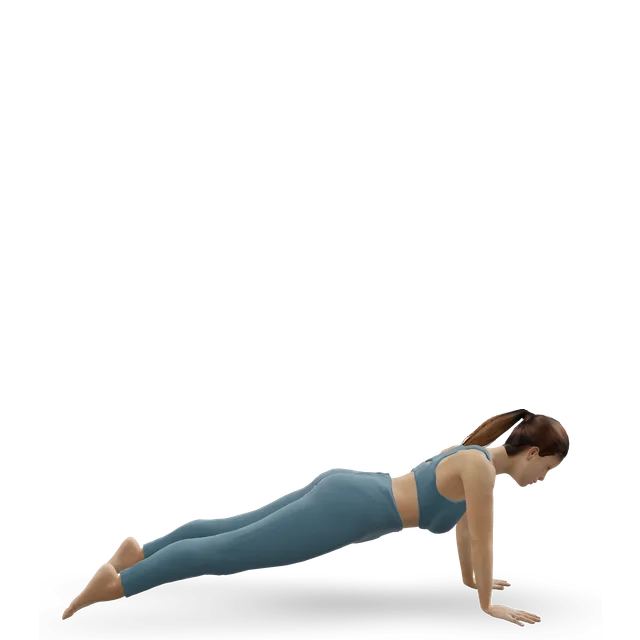
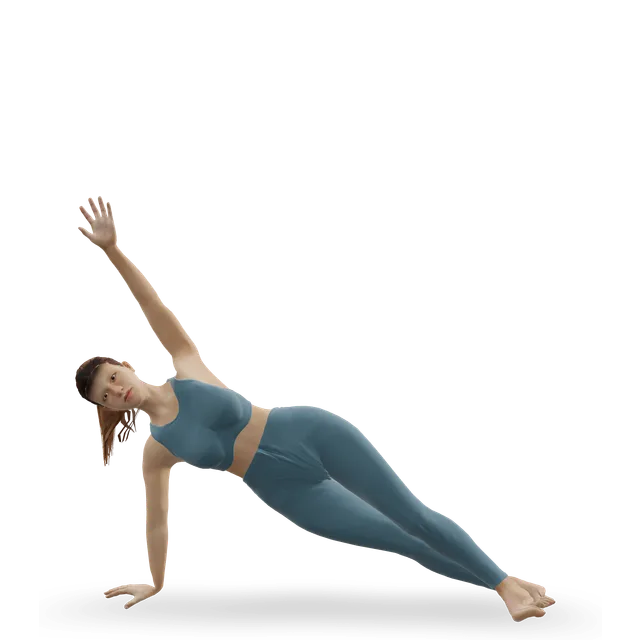
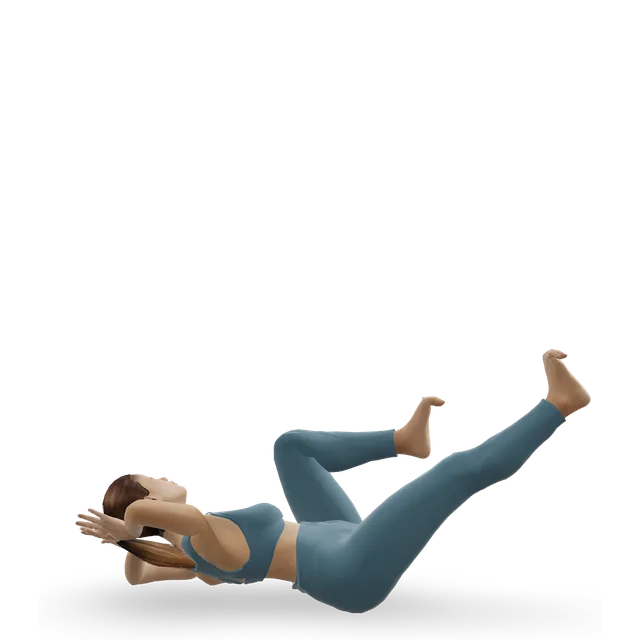
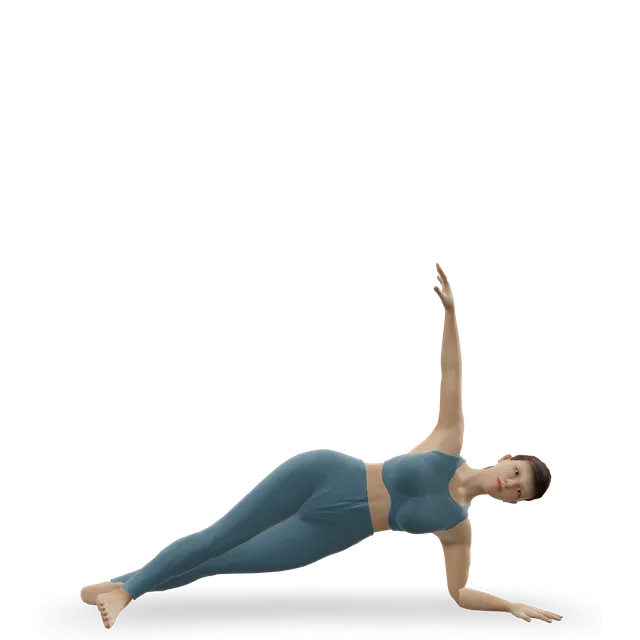
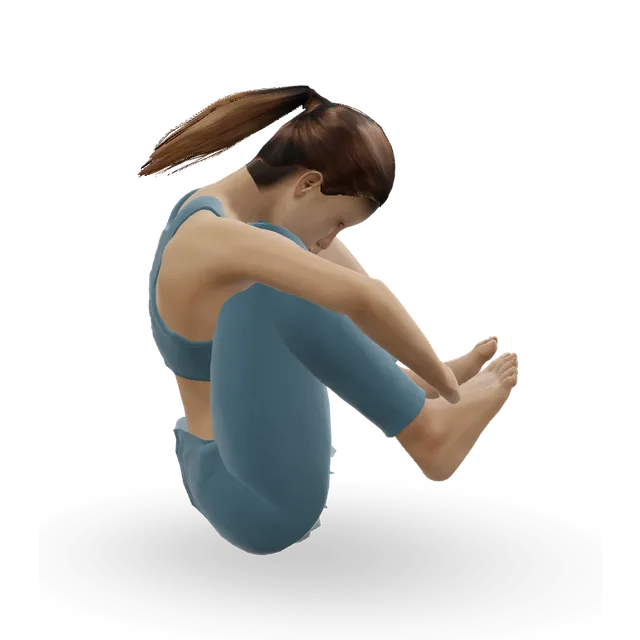
Hundred, 50 beats building to 100; leg pull front and side bend, 3 to 5 each side; criss-cross, 6 each side slowly (the move's page for each). Dead bug, 2 sets of 8 each side, and side plank, 2 holds of 20 seconds each side with your knees down to start (our skiers class).

Hips

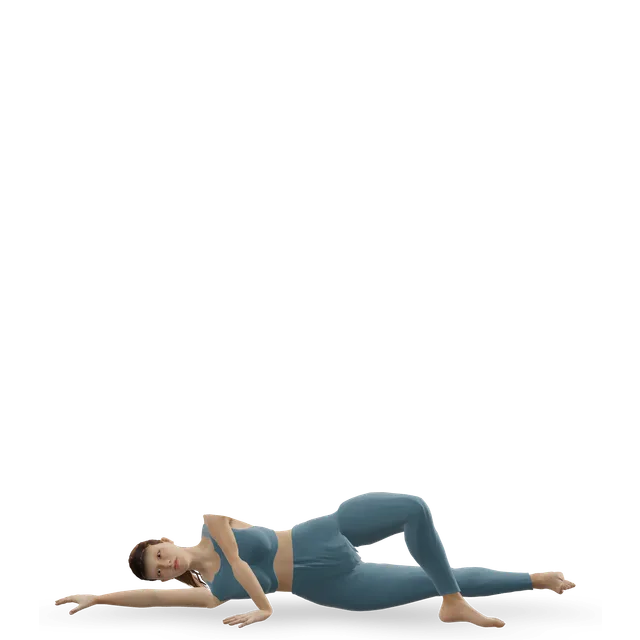
Side kick, 8 each side; inner thigh lift, 10 each side; clamshell, 10 each side (our sports Pilates classes); side plank with leg lift, 2 holds of 20 seconds each side, or a knee side plank (our footballers class).

The back of the body

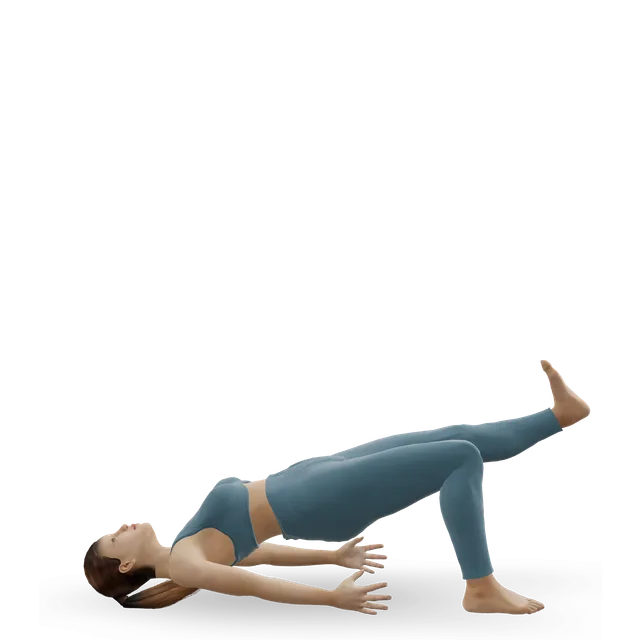
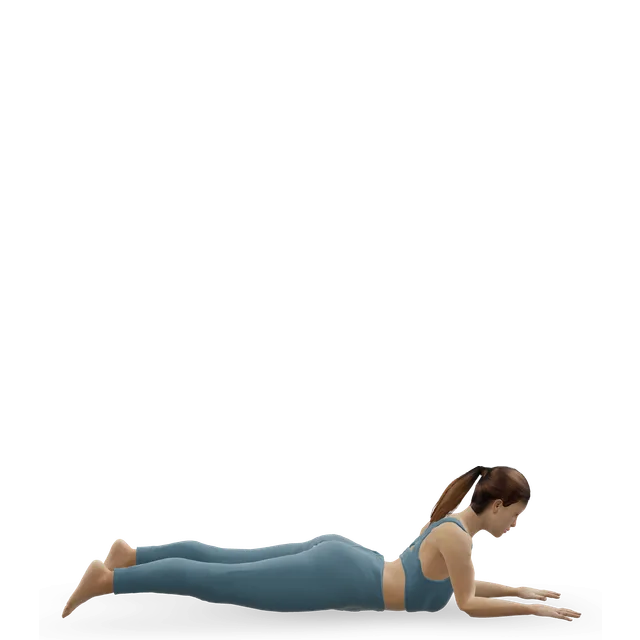
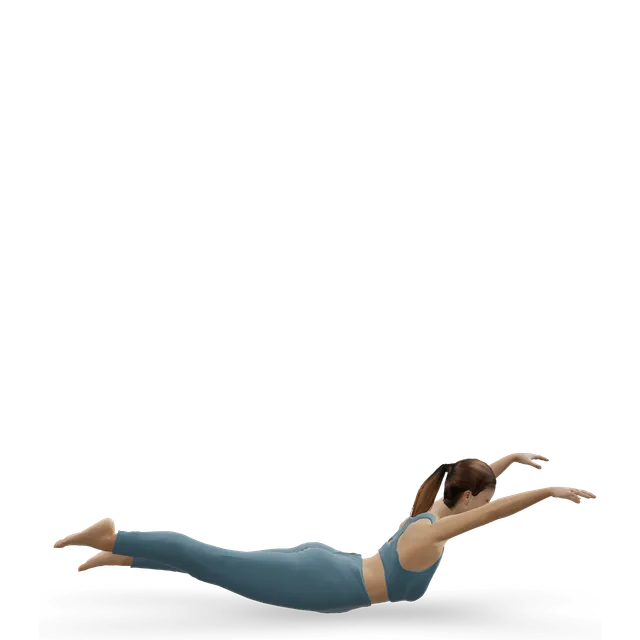
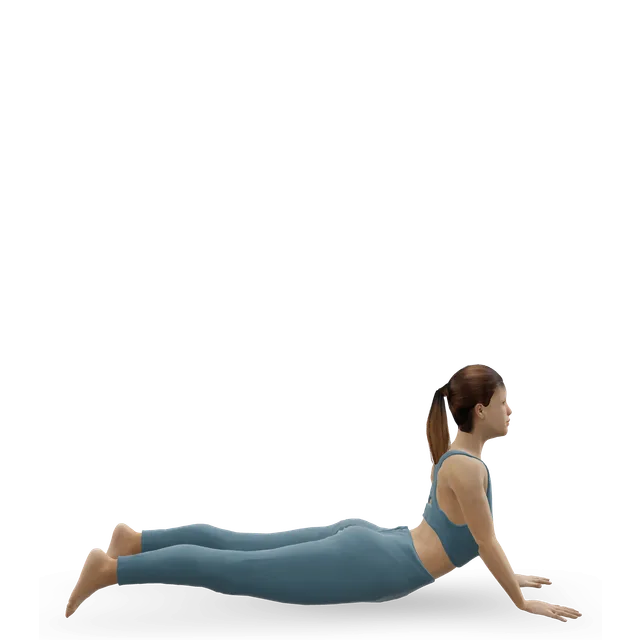
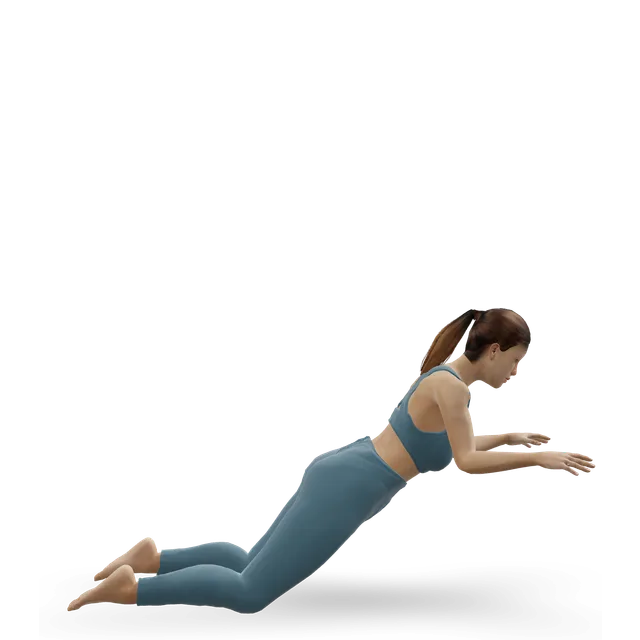
Shoulder bridge, 3 to 5 kicks each leg; single-leg kick, 6 to 8 each leg; swimming, 2 to 3 sets of 20 to 30 seconds; swan, 5 to 6 (the move's page for each). Keep them small if your back is sore when you arch.

Rotation and the upper back

Spine twist and saw, 3 to 4 each side (the move's page); thoracic rotation, 6 each side (our sports Pilates classes). Keep the saw's reach small after a hamstring strain.

Balance, both legs equally

Single-leg stand, 2 holds of 30 seconds each leg, eyes closed or on a cushion once it's easy; hip airplane, 5 slow turns each leg holding a counter (our skiers class).

What to change or leave out

In a hard training week

Swap the hundred, leg pull and side planks for breathing, mobility and balance only (our suggestion).

Source 13

Back pain that's worse arching

Keep the swan, swimming and single-leg kick small, and get it checked if it lasts.

Source 21

After a hamstring strain

Keep reaches small in the saw and spine stretch, as the move pages say, and follow our hamstring strain guide's stages.

Sore wrists or shoulders

Use forearm versions, or leave out the leg pull front and side bend, as the move pages say.

Bendy joints

Work in the middle of your range rather than hanging into it, as the move pages say.

Classes to follow

Your sport's own Pilates class comes first if we have one. Our 30-minute class suits any sport. The strength and classical mat classes add variety, and the sport warm-ups are the tested injury prevention: Pilates doesn't replace them.

Both-sides Pilates for athletes: a 30-minute class for trunk endurance, hips, the back of the body and one-leg balance

A 30-minute Pilates class for athletes in any sport: trunk endurance, hips, the back of the body, rotation and one-leg balance, done equally on both sides.

30 minIntermediate18 movesA wall

Pilates for runners: trunk, hips and single-leg control

A 30-minute mat Pilates workout for runners, adapted from one small trial's programme: the abdominal series, side kicks for the hips, planks and balance.

30 minIntermediate18 movesA wall

Recovery-day Pilates for footballers: a 25-minute class for trunk, groin, hips and hamstrings

A 25-minute Pilates class for footballers: trunk control, the groin and outer hips, hamstrings with the hip extended, and balance, for recovery days.

25 minBeginner17 movesOther / check instructions, A wall

Off-court Pilates for basketball players: a 25-minute class for trunk control, hips, ankles and one-leg balance

A 25-minute Pilates class for basketball players: planks and side planks, trunk control, hip strength, calf and ankle work and one-leg balance, for lighter days.

25 minBeginner15 movesA step, A wall

Both-sides Pilates for tennis players: a 25-minute class for rotation, shoulder blades and hips

A 25-minute Pilates class for tennis and padel players: trunk endurance, rotation both ways, shoulder blades, hips and single-leg balance, on a mat.

25 minBeginner19 movesA band, An anchor point

Rotation-focused Pilates for golfers: a 25-minute mat and standing class

A 25-minute Pilates class for golfers: upper-back and hip rotation, trunk control, side-hip strength and one-leg balance, done equally on both sides.

25 minBeginner19 movesA wall

Off-the-wall Pilates for climbers: a 25-minute class for trunk tension, hips and shoulder blades

A 25-minute Pilates class for climbers: trunk tension, hips for high steps and turning in, shoulder blades and pushing, with no hanging or gripping.

25 minBeginner18 movesNo equipment

Pre-season Pilates for skiers: a 25-minute class for trunk, hips and single-leg balance

A 25-minute Pilates class for skiers: trunk endurance, hips and thighs, wall sits and single-leg balance, for the 6 to 8 weeks before your trip.

25 minBeginner17 movesA wall, A band

Off-the-erg Pilates for rowers: a 25-minute class for trunk endurance, hips, upper back and shoulder blades

A 25-minute mat Pilates class for rowers: hip hinging and hip range for the catch, moving trunk endurance, glutes, hamstrings, upper back and shoulder blades.

25 minBeginner19 movesNo equipment

Shoulder-safe Pilates for swimmers: a 25-minute dryland class for shoulder blades, trunk and hips

A 25-minute dryland Pilates class for swimmers: shoulder-blade control, trunk endurance, back extension, hips and rotation, built for loose shoulders.

25 minBeginner16 movesA wall

Off-the-bike Pilates for cyclists: a 25-minute class for back extension, trunk and hips

A 25-minute Pilates class for cyclists: back extension, trunk endurance, glutes and side hips, upper-back rotation and the neck, the opposite of the bike.

25 minBeginner17 movesNo equipment

Mid-range Pilates for dancers: a 25-minute mat class for feet, turnout control and trunk

A 25-minute Pilates class for dancers: feet and calves, turnout control from the hip, trunk endurance and back extension, all in the middle of your range.

25 minBeginner17 movesOther / check instructions, A bench or box

Seat-and-symmetry Pilates for horse riders: a 25-minute mat and standing class

A 25-minute Pilates class for horse riders: trunk endurance, pelvis and hip control both sides, upper-back rotation, balance and a two-point hold.

25 minBeginner16 movesA wall

Pilates strength workout: a 30-minute class with weights or a band

A 30-minute Pilates strength class with dumbbells or a band: Pilates trunk work plus squats, lunges, rows and push-ups, each set taken until it is hard.

30 minIntermediate15 movesA dumbbell, A band

Full-body mat Pilates workout

A 30-minute intermediate mat Pilates class that follows the classical order, from the hundred to the push-up, with prep versions of the hardest moves.

30 minIntermediate22 movesNo equipment

Classical Pilates mat: the basic order

The opening of a classical mat class in Joseph Pilates' order: the Hundred, Roll Up, leg circles, rolling, two leg stretches and the spine stretch.

10 minBeginner7 movesNo equipment

Reformer-inspired mat Pilates (no machine)

A 25-minute mat workout built on the order of a classical reformer class, with a mat or standing version of each reformer exercise. No machine needed.

25 minBeginner16 movesA wall

FIFA 11+ warm-up

FIFA's 11+ injury prevention warm-up as its manual sets it out: running drills, strength, balance and jumping at three levels, then faster running.

20 minBeginner20 movesCardio machine, A wall

Basketball injury prevention warm-up

A 10-minute basketball warm-up from a Canadian programme: runs, shuffles, line hops, jump landings, planks, Nordics, lunges and one-leg balance with a ball.

10 minBeginner12 movesCardio machine, A wall

Knee control warm-up

A 20-minute warm-up that trains your knees to track over your toes: side-hip strength, squats and lunges with alignment practice, balance and quiet landings.

20 minBeginner10 movesA wall, A band

Hamstring and groin injury prevention

The Nordic hamstring and Copenhagen adduction programmes from the football trials: a 10-week build, three adductor levels, then once a week in season.

15 minIntermediate6 movesA wall, An anchor point

Bedtime Pilates: a 15-minute wind-down on the floor

A slow 15-minute Pilates wind-down for the last hour before bed: slow breathing, small lying moves and a few minutes of stillness, with no effort or holds.

15 minBeginner9 movesFirm cushion

When to stop and get help

These match our sports, stress fracture and back pain guides. In the US, call 911 where this page says 999.

Chest pain or fainting: call 999

Call 999 if:

  • You get sudden pain or discomfort in your chest that doesn't go away; it can feel like squeezing or pressure, burning or indigestion.
  • The pain spreads to your left or right arm, or your neck, jaw, stomach or back.
  • You have chest pain and feel sweaty, sick, light-headed or short of breath.
  • Someone faints while exercising, can't be woken within 1 minute, or has chest pain or a pounding, fluttering or irregular heartbeat.

Sources 18, 19

Unusual breathlessness

Call 999 or go to A&E (accident and emergency) straight away for severe difficulty breathing (gasping, choking or not able to get words out), a chest that feels tight or heavy, pain that spreads to your arms, back, neck and jaw, lips or skin turning very pale, blue or grey, or sudden confusion. If you're more short of breath than usual, or your heart is racing, fluttering or skipping beats, contact NHS 111.

Source 57

A possible stress fracture

Pain in one spot on the shin or a foot bone that you can point to with a fingertip, worse with impact and later present at rest or at night: a possible stress fracture. Stop running and jumping until it has been checked.

Same day, and stop running now: groin or front-of-hip pain in a runner, sometimes felt in the thigh or knee, that builds with running, hurts with every step or at night, or hurts when the hip is turned to the end of its range. Keep weight off the leg, using crutches if you have them, and get an urgent GP appointment or help from NHS 111 the same day: a stress fracture of the hip (femoral neck) needs urgent imaging.

A stress fracture from ordinary activity, more than one stress fracture, periods that have stopped or become irregular, or worries that you're eating too little for your training: see a GP about bone health and energy intake.

Sources 20, 21

Back pain in young athletes

Back pain that is worse arching back and has lasted more than a couple of weeks can be a stress fracture of the spine (spondylolysis): get it checked.

Source 21

A head injury

Call 999 if someone has hit their head and has been knocked out and hasn't woken up, can't stay awake or keep their eyes open, has a fit, has fallen from a height of more than 1 metre or 5 stairs, has problems with their vision or hearing, has clear fluid coming from their ears or nose, has new numbness or weakness, has problems with walking, balance, understanding, speaking or writing, hit their head at high speed, or their behaviour has changed. Get help from NHS 111 if they're being sick, feel dizzy or take medicine that thins the blood. If you're told to go to A&E (accident and emergency), don't drive yourself there if you have hit your head.

With a suspected concussion, if in doubt, sit them out. The UK's grassroots guidelines say no sport for at least 24 hours, get checked by a healthcare professional or NHS 111 within 24 hours, follow a staged return, and no competition before day 21; if symptoms last beyond 28 days, stay out of sport and see a doctor. Pilates waits too: gentle breathing and mobility fit the early, light-activity stages, and trunk and strength work come later (our reading). Our concussion guide has the stages.

Source 58

After an injury

Follow your injury's guide and your physiotherapist's stages before going back to classes.

Before you start

The NHS advises getting advice from a healthcare professional first if you have a health problem, an injury or symptoms, or have recently had a heart attack or an operation.

Source 59

Myths

"Pilates prevents sports injuries"Strong evidence

No study has counted injuries after Pilates in athletes. Strength and balance training are the tested methods, and stretching didn't help.

Sources 4, 9

"A strong core prevents all injuries"Strong evidence

Most trunk and hip measures didn't predict knee injuries, and definitive evidence linking a weak core with injury "is lacking".

Sources 11, 45, 10

"Pilates can replace strength training"Emerging evidence

Pilates was no better than other exercise for strength. Heavier, progressive strength training builds strength and power and cuts injuries.

Sources 37, 42, 2

"Core training makes you faster"Mixed evidence

It improved jumps, balance and agility a little, but reviews disagree on sprint speed.

Sources 22, 8, 7

"You need a reformer for real Pilates"Mixed evidence

The strongest athlete trial used mat Pilates; in the one comparison, both mat and reformer groups improved, the reformer group slightly more on 3 tests.

Sources 5, 14

"Pilates flushes lactic acid and speeds recovery"Mixed evidence

No trial in athletes has tested this, and one 4-week study in active women found no change in lactate.

Sources 53, 54

"Pilates is too easy to count as training"Strong evidence

Harder mat and reformer classes are muscle-strengthening work the NHS counts, and the IOC wants all training load counted.

Sources 1, 13

Questions people ask

Is Pilates good for athletes?

It can be a useful extra: small trials show better trunk endurance, flexibility and balance, and in one trial of trained runners, two mat sessions a week for 12 weeks cut 5 km times. The trials are small and none counted injuries. Use it alongside strength, power and sport training, not instead of them.

Does Pilates improve sports performance?

It can improve fitness tests linked to performance, such as trunk endurance, balance and some jump and agility tests, but most trials are small and many have no proper comparison group. Core training in general helps performance a little, and sprint speed least.

Does Pilates prevent sports injuries?

It hasn't been tested. Strength training and balance training are what cut injuries in trials, and stretching didn't. Keep your sport's injury prevention warm-up and add Pilates for control and mobility.

Is reformer Pilates good for athletes?

Yes, if you like it, and teacher-training schools run athletic reformer courses. In the one mat-and-reformer comparison in footballers, both groups improved and the reformer group did slightly better on 3 tests. Mat Pilates is cheaper and is what most trials used.

How often should athletes do Pilates?

Once or twice a week, 20 to 60 minutes, on lighter days (our suggestion). Trials used 2 or 3 sessions a week for 6 to 12 weeks, and trunk training worked better after more than 18 sessions.

Should I do Pilates before or after training?

Not a hard session in the hour before training or competition. Gentle breathing and mobility can go in a warm-up; harder trunk work and longer holds suit a separate, lighter day or after training (our suggestion).

Is Pilates good for active recovery?

A gentle class is a reasonable way to move on a lighter day, but no trial has tested Pilates for recovery or muscle soreness in athletes. Count a hard reformer class as training, not recovery.

Is yoga or Pilates better for athletes?

Neither has been shown to be better. Both have small trials in athletes, both improve flexibility and balance a little, and neither has been shown to prevent injuries. Pilates leans towards trunk endurance and control, yoga towards flexibility and breathing; our yoga for athletes guide covers yoga.

Can Pilates replace weight training?

No. Pilates builds trunk endurance and control, but it was no better than other exercise for strength, and heavier, progressive loads are what build strength and power and cut injuries.

Does a strong core prevent injuries?

Not on its own. Most trunk and hip measures didn't predict knee injuries, and the injury benefit of core training comes from programmes that also train strength, balance and landings.

Is Pilates good for male athletes?

Yes: the runner and football trials were in men. Our Pilates for men guide covers lifting alongside Pilates.

Can Pilates help me come back from an injury?

It can be part of rehab when your physiotherapist builds it in: added to treatment, it improved function after a sports hernia and thigh strength after a partial ACL tear. Follow your injury's guide and your physiotherapist's stages first.

Sources

  1. NHS · Physical activity guidelines for adults aged 19 to 64
  2. Saeterbakken 2022 · Trunk training in athletes: 31 studies, 693 athletes (systematic review and meta-analysis, Sports Med; read in full)
  3. Yilmaz 2023 · How Pilates affects sports performance: 12 studies (systematic review, Turk J Physiother Rehabil; read as the abstract)
  4. PubMed · Our search for trials of Pilates and sports injuries or recovery in athletes (October 2026)
  5. Finatto 2018 · Mat Pilates and 5 km running time in 32 trained runners (randomised trial, PLoS One; read in full)
  6. Reed 2012 · Core stability training and athletic performance: 24 studies (systematic review, Sports Med)
  7. Liu 2026 · Core training in team-sport athletes: 22 studies, 588 athletes (systematic review and meta-analysis, BMC Sports Sci Med Rehabil)
  8. Yu 2025 · Core training and athletic performance: 29 trials, 956 athletes (meta-analysis, BMC Sports Sci Med Rehabil)
  9. Lauersen 2014 · Exercise to prevent sports injuries: 25 trials, 26,610 people (systematic review and meta-analysis, Br J Sports Med)
  10. Huxel Bliven 2013 · Core stability training for injury prevention (review, Sports Health)
  11. Chia 2020 · Trunk and hip measures as risk factors for knee injuries: 21 studies (systematic review and meta-analysis, J Orthop Sports Phys Ther)
  12. Zazulak 2007 · Trunk control and knee injury risk in 277 college athletes (cohort study, Am J Sports Med)
  13. Soligard 2016 · How much is too much? Training load and injury (IOC consensus statement, Br J Sports Med)
  14. Yılmaz 2025 · Mat or reformer Pilates in 30 amateur footballers (trial, PLoS One; read in full)
  15. Rahimi 2025 · Reformer Pilates and landing in 30 young female volleyball players (trial, BMC Sports Sci Med Rehabil; read in full)
  16. Elgohary 2026 · Adding Pilates to treatment for sports hernia: 88 men (randomised trial, J Integr Complement Med)
  17. Çelik 2017 · Pilates after a partial ACL tear: 50 adults (trial, Knee Surg Sports Traumatol Arthrosc)
  18. NHS · Chest pain (past its review date: reviewed August 2023, review due August 2026)
  19. NHS · Fainting
  20. Crunkhorn 2025 · How bone stress injuries develop and heal in athletes (review, Sports Med; read in full)
  21. Beck 2021 · Bone stress injuries in adolescent athletes (narrative review, Sports; read in full)
  22. Rodríguez 2025 · Core stability training in soccer players: 37 studies, 1,174 players (systematic review and meta-analysis, J Bodyw Mov Ther)

  23. Dong 2023 · Core training and sport-specific performance: 8 trials, 169 athletes (meta-analysis, Behav Sci; read in full)
  24. Merrithew (STOTT PILATES) · Athletic conditioning on the reformer, level 1 (teacher training course page)
  25. Parolini 2024 · Mat Pilates and leg strength in 15 youth footballers (pilot trial, Sensors; read in full)
  26. Chouhan 2022 · Plyometrics, Pilates or both for vertical jump in 45 basketball players (trial, Cureus; read in full)
  27. Sousa Barbosa 2024 · Mat Pilates and plank endurance in 16 young volleyball players (study without a comparison group, J Bodyw Mov Ther)
  28. Senger 2026 · Mat Pilates in 22 hip-hop dancers (randomised pilot trial, J Dance Med Sci)
  29. Ahearn 2018 · Pilates added to dance training in 20 dancers (single-group study, J Dance Med Sci)
  30. Park 2016 · Pilates and balance in 20 high-school archers (trial, J Exerc Rehabil; read in full)
  31. Yook 2022 · Pilates in adolescent baseball players (single-group study, Int J Environ Res Public Health)
  32. Park 2020 · Pilates, hamstring strength and trunk strength in 8 adolescent baseball players (pilot study, J Exerc Rehabil)
  33. Laws 2017 · Clinical Pilates and movement screening in 40 recreational runners (study without a comparison group, Int J Sports Med)
  34. González 2023 · Home mat Pilates and knee movement in 34 novice runners (randomised trial, J Bodyw Mov Ther)
  35. Kibar 2016 · Mat Pilates for balance, flexibility and endurance in 47 young women (randomised trial, J Sports Med Phys Fitness)
  36. Vaquero-Cristóbal 2015 · Pilates and hamstring flexibility: 21 studies (systematic review, Nutr Hosp)
  37. Pinto 2022 · Is Pilates better than other exercise for strength? 11 trials (systematic review, Heliyon)
  38. Rodríguez-Perea 2023 · Core training and performance: 22 studies (systematic review and meta-analysis, Biol Sport; read in full)
  39. Hibbs 2008 · Core stability, core strength and sports performance (review, Sports Med)
  40. Luo 2022 · Core training and skill performance in athletes: 16 studies (systematic review, Front Physiol; read in full)
  41. Prieske 2016 · Core strength training on stable or unstable surfaces in 39 elite youth soccer players (randomised trial, Scand J Med Sci Sports)
  42. Lauersen 2018 · Strength training to prevent sports injuries: 6 trials, 7,738 people (meta-analysis, Br J Sports Med)
  43. De Blaiser 2018 · Core stability as a risk factor for leg injuries in athletes: 9 studies (systematic review, Phys Ther Sport)
  44. De Blaiser 2019 · Core stability and overuse leg injuries in 139 students (cohort study, Am J Sports Med)
  45. De Blaiser 2021 · Core stability and sudden leg injuries in 142 students (cohort study, Phys Ther Sport)
  46. Leetun 2004 · Core stability measures and leg injuries in 140 college athletes (cohort study, Med Sci Sports Exerc)
  47. Zazulak 2007 · Trunk position sense and knee injury (cohort study, Am J Sports Med)
  48. Silfies 2015 · Core stability, upper-limb injuries and performance in athletes (critical review, Braz J Phys Ther)
  49. van Hilst 2015 · Low back pain in 181 young elite hockey players, footballers and speed skaters (cross-sectional study, J Back Musculoskelet Rehabil)
  50. Kemler 2022 · Injuries during gym and fitness activities in 494 Dutch adults (survey, Sports)
  51. Jiang 2022 · Pilates or balance training in 51 college footballers with unstable ankles (non-randomised trial, Int J Environ Res Public Health; read in full)
  52. Hides 2012 · Motor control training and games missed in elite Australian football, with Pilates as the comparison (stepped trial, Med Sci Sports Exerc)
  53. Moon 2022 · Low-intensity mat Pilates and recovery in 10 active women (study, Phys Act Nutr)
  54. Pilates Method Alliance · Why athletes love Pilates (blog, July 2024; an example of untested claims)
  55. Lloyd 2016 · Long-term athletic development (NSCA position statement, J Strength Cond Res)
  56. Mountjoy 2023 · Relative energy deficiency in sport (IOC consensus statement, Br J Sports Med)
  57. NHS · Shortness of breath
  58. NHS · Head injury and concussion
  59. NHS · Pilates for beginners (exercise video, with safety information)

Exercise education, not a personal prescription, and clinical review of these guides is pending. If you are pregnant, have a health condition or have had recent surgery, check with a doctor, midwife or physiotherapist before starting, and stop for sharp or increasing pain. Health disclaimer.