No trial of Pilates in cyclists
We found no study of Pilates in cyclists. What exists is small trials of core training, and they point one way: better trunk endurance and control, not more power.
Source 1
Pilates guide
Riding holds your back rounded, your hips bent and your neck tipped back for hours, and back and neck pain are common in riders at every level. Pilates trains the opposite: back extension, trunk endurance, the glutes and side hips, and upper-back and neck movement. No trial has tested Pilates in cyclists, though, and it won't add watts: in a trial in road cyclists, heavy strength training raised power far more than core exercises.
So use it for comfort and control, alongside strength training and riding, not instead of them.
This guide covers what the bike does to your body, what goes with back pain in riders (and what doesn't), what the trunk training trials in cyclists found, how Pilates fits with strength training and riding, the moves to start with, and a 25-minute class.
We found no study of Pilates in cyclists. What exists is small trials of core training, and they point one way: better trunk endurance and control, not more power.
Source 1
58% of professional road cyclists had low back pain in a year. In recreational riders, the neck, knees, groin and buttocks, hands and back were the commonest complaints, and about 1 in 4 Italian amateur riders had back pain in a year.
Riders with back pain tend to have less back-muscle endurance and round their lower back more on the bike. Tight hamstrings don't explain it: hamstring length didn't change the spine's shape on the bike, and riders with back pain weren't less flexible.
Trunk training made mountain bikers stronger through the trunk and steadier on the bike without changing their cycling economy. In 36 road cyclists, heavy strength training raised power far more than core exercises over 12 weeks.
Across 10 trials, Pilates eased long-lasting back pain about as much as other exercise, and a relaxed rather than braced tummy did slightly better in a 2026 trial. No trial has tested it in cyclists.
Road cycling doesn't build bone, and mat Pilates isn't the impact or heavy strength work that does.
Source 12
On the bike, the lower back rounds, more with lower and further handlebars, and the upper back tends to round more the longer you pedal. Off the bike, cyclists stand with more upper-back rounding than people who don't ride.
Source 13
A previous episode of back pain had the strongest link (4.2 times the odds), and coached or planned training went with less back pain. Riding load matters more than most bike measurements. Riders with back pain showed less back-extensor endurance, more lower-back rounding, thinner deep tummy and back muscles and, in a small study, less work from the deep back muscle (multifidus). These are associations.
High-volume road cyclists had healthier discs, bigger and leaner deep hip flexors and longer trunk endurance than adults who didn't do sport.
Source 16
Back extension, trunk endurance, the glutes and side hips, the front of the hips, and upper-back and neck movement. It is light resistance: it doesn't replace the heavy strength training that improves cycling power, or the impact work your bones need.
Our searches found no trial of Pilates in cyclists. Pages promising fewer injuries or more power from Pilates aren't backed by cycling trials.
Source 1
In 24 female mountain bikers aged 14 to 22, 8 weeks of trunk training (three 30-minute sessions a week) raised trunk strength and side endurance and cut sideways bike sway, but didn't change how much oxygen riding cost. In 24 elite female road cyclists, 8 sessions of lumbopelvic stability training improved plank and side-plank times and one-leg control.
When 15 competitive cyclists rode again after a core fatigue workout, their knees moved more, both side to side and in how far they bent, while pedal forces didn't change. It's a small lab study, and it doesn't show that core training prevents injury.
Source 19
In 36 trained road cyclists, 12 weeks of heavy strength training twice a week (half squats, one-leg presses, hip flexion and calf raises) raised power over 5 seconds, 1 minute, 5 minutes and 20 minutes far more than core exercises (bridges, planks and back extensions) or riding alone. Core training beat riding alone only for 5-second sprints. The riders weren't blinded.
Source 9
Across 10 trials, Pilates eased long-lasting low back pain by about 14 points out of 100 in the short term compared with minimal treatment, with no evidence it beats other exercise. In 64 people with back pain, Pilates-based trunk exercise eased disability more than stationary cycling at 8 weeks, but not at 6 months.
Across 17 studies of cyclists, heavy strength training improved cycling performance, efficiency and sprint power without changing aerobic capacity, at low certainty. The core-versus-strength trial points the same way.
Do both: Pilates on one or two easy days, and heavy strength work twice a week in the off-season, as our cycling page and strength workout for cyclists set out (our reading). The NHS asks adults for muscle-strengthening on at least 2 days a week, and counts Pilates.
No trial has tested Pilates or core training for riders' back pain. Because riders with back pain tend to have less back-muscle endurance, back extension and trunk endurance work make sense, as our back pain when cycling guide says, but that's our reading, not a tested treatment.
In 152 people with long-lasting back pain, Pilates taught with a relaxed tummy improved disability slightly more than Pilates with the core held tight.
Source 11
In 96 trained cyclists, hamstring length changed the spine's shape in a sit-and-reach test but not on the bike. Stretch your hamstrings for comfort if you like, not to protect your back.
How much you ride matters more than most bike measurements, and planned training went with less back pain. Build up rides gradually, and get a bike fit if something hurts.
The neck was the commonest complaint in recreational riders, and weight on the bars can irritate nerves at the wrist. A review suggests a bike fit for symptoms that keep coming back.
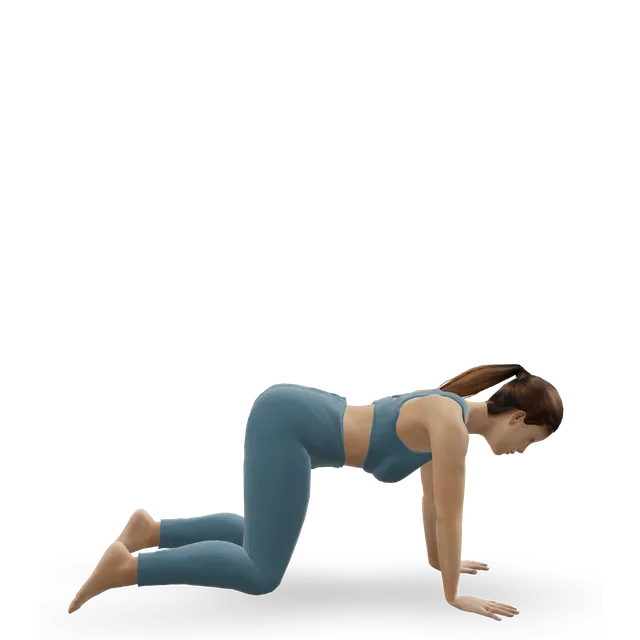
Upper-back rotation, chin tucks and back extension move the parts that stay fixed on the bike. With numb hands, do the all-fours moves on your fists or forearms. Our neck pain when cycling and numb hands when cycling guides cover the rest.
Source 13
A review found road cycling "does not appear to confer any significant osteogenic benefit", and road riders in regular training had low bone density in key areas such as the lower back. Impact and strength work load bone; with osteoporosis, swap Pilates roll-downs and curl-ups for other moves, as a UK consensus advises.
Our editorial plan, built on the trials:
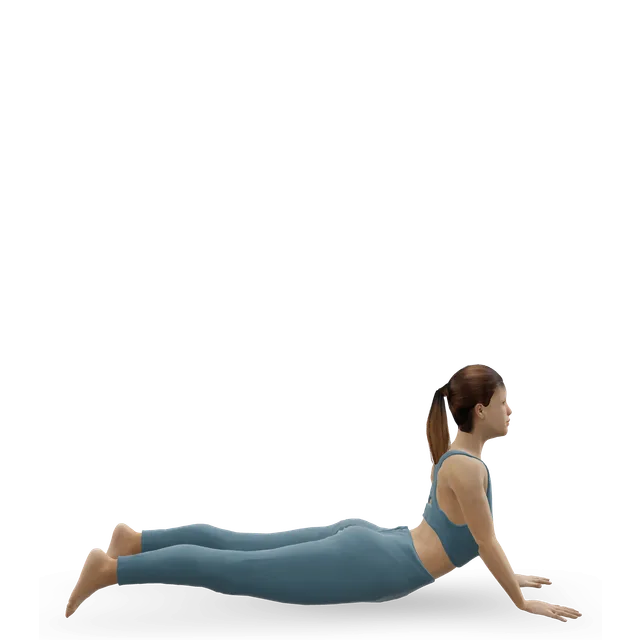
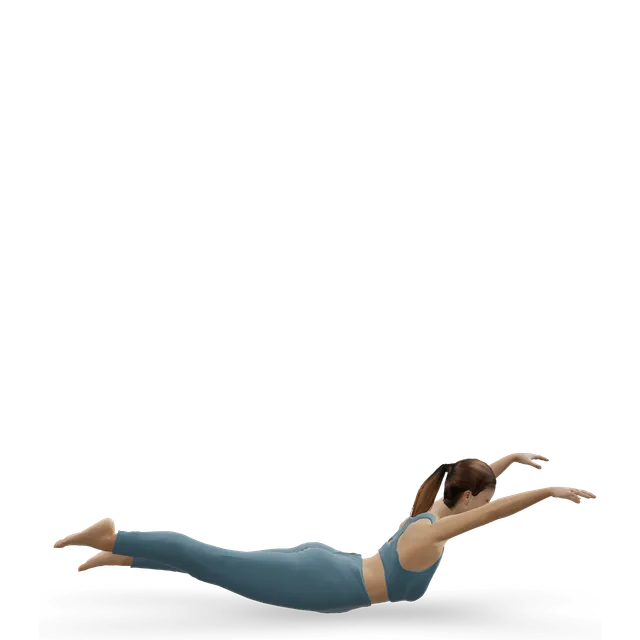
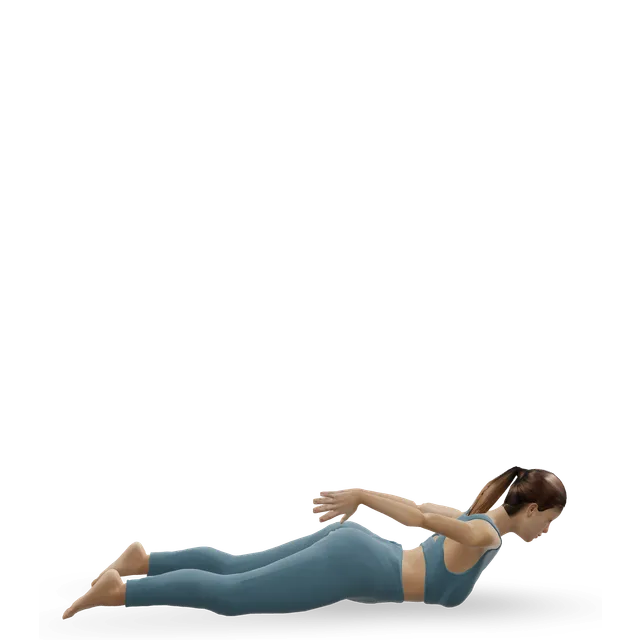
5 to 6 swans, 2 to 3 sets of 20 to 30 seconds of swimming and 4 to 5 double-leg kicks each side are the move pages' doses; 1 round of 8 of each letter for the Y-T-W raises and 2 sets of 6 bird dogs each side are from our mobility routine for cyclists.
Start with the hundred's 50 beats and 3 knee hovers of 15 to 30 seconds (the move pages' doses), and 6 dead bugs each side and two 20-second side planks on your knees (our editorial starting point).
The Pilates moves' pages give their doses; 10 clams each side is our editorial starting point, and two 30-second hip flexor stretches each side are from our mobility routine for cyclists.
6 thoracic rotations and 8 to 10 open books each side, and 3 to 4 spine twists, are the move pages' doses; 10 chin tucks of 5 seconds and a minute of wrist flow are from our mobility routine for cyclists.
The roll-up, spine stretch forward and rolling like a ball aren't banned, but you spend hours bent forward on the bike, so balance each with a back extension move (our suggestion). With osteoporosis, use a flat-back hinge and a head-down chest lift instead, as a UK consensus advises.
Source 23
With numb or sore hands, do the leg pull front, push-up, side bend and knee hover on fists or forearms, or swap them.
With a sore neck, leave out the neck pull, roll-over and jack knife, and keep your head down in the hundred and leg stretches.
Do the 25-minute Pilates class on easy or rest days and the strength workout for cyclists twice a week in the off-season. The mobility and yoga routines suit the days after long rides.
A 25-minute Pilates class for cyclists: back extension, trunk endurance, glutes and side hips, upper-back rotation and the neck, the opposite of the bike.
25 minBeginner17 movesNo equipmentA 50-minute gym session for cyclists: heavy squats, one-leg presses, hip flexion and calf raises as in the cycling trials, plus jumps for bone.
50 minIntermediate13 movesCardio machine, A barbellA 15-minute routine for cyclists: hips, upper back, chest, neck and wrists through the ranges riding doesn't use, plus back and neck endurance.
15 minBeginner12 movesA foam roller, A wallA 25-minute yoga class for riders: front of the hips, hamstrings and buttocks, gentle back bends, chest, neck and hands, after a ride or on a rest day.
25 minBeginner15 movesA wallA gentle 15-minute Pilates-based routine for ongoing low back pain, built from neutral-spine moves with options for backs that dislike bending or arching.
15 minBeginner10 movesNo equipmentA 12-minute routine for a stiff upper back and rounded shoulders: chin tucks, wall angels, Y-T-W raises and open books.
12 minBeginner8 movesA foam roller, A wallEach plan gives you two strength days a week; add a Pilates class on one of the other days.
Two full-body strength sessions a week: the minimum that meets health guidelines, with every set, rep and rest, and an 8-week progression.
2 training days45 minBeginner3 days a weekA 3-day strength plan for men over 40 with power and bone work, two cardio days and mobility, built on research on ageing muscle.
3 training days45 minBeginnerCall 999 if:
Call 999 or go to A&E (accident and emergency) for loss of feeling or numbness around the genitals or bottom, new trouble peeing or controlling your bladder or bowels, changes in genital sensation during sex or problems with erections or orgasm, or pain, tingling, weakness or numbness in both legs. These are signs of cauda equina syndrome, which needs treating in hospital urgently. Don't drive yourself.
Numbness in the saddle area that doesn't clear after a ride needs checking urgently. Numbness that clears soon after a ride, with none of those signs, is usually pressure from the saddle (our suggestion).
Source 26
Call 999 if someone has hit their head and has been knocked out, can't stay awake, has a fit, has vision or hearing problems, clear fluid from the ears or nose, new numbness or weakness, or problems walking, speaking or understanding, or hit their head at high speed, such as in a road accident. With a suspected concussion, the UK's grassroots guidelines say no riding a bike for at least 24 hours, get checked by a healthcare professional or NHS 111 within 24 hours, follow a graded return, and no racing before day 21. Our concussion guide has the stages.
Call 999 or go to A&E for new problems walking, loss of bladder or bowel control, or a sudden loss of coordination, such as difficulty doing up buttons. If you can't turn your head far enough to check behind you, don't ride until you can, and see a GP if it doesn't ease within a few weeks (our neck pain when cycling guide).
Numbness or pins and needles that is still there after a ride, comes back on every ride, or is there all the time: see a GP. A weak or clumsy hand after riding needs seeing promptly (our numb hands when cycling guide).
See a GP if back pain hasn't improved after a few weeks of looking after it at home.
Source 26
The NHS advises against sports with a risk of falling, such as mountain biking. Our Pilates in pregnancy guide covers the Pilates side.
Source 29
The NHS advises getting advice from a healthcare professional first if you have a health problem, an injury or symptoms, or have recently had an operation.
Source 30
Riders with back pain tend to have less back-muscle endurance, and trunk training improved trunk strength and bike control in small trials. But no trial shows it prevents back pain, and it adds little power. Worth doing for comfort and control, alongside strength training.
Not shown. Core exercises gave far smaller power gains than heavy strength training in road cyclists, and trunk training didn't change cycling economy in mountain bikers.
Hamstring length didn't change the spine's shape on the bike, and riders with back pain weren't less flexible.
High-volume road cyclists had healthier discs than adults who didn't do sport. Back pain goes with riding load and a past episode.
The trunk training trials in cyclists used floor exercises. The reformer adds springs and straps; the mat does the same jobs.
It's a good way to train what riding leaves out: back extension, trunk endurance, the glutes and side hips, and upper-back and neck movement. No trial has tested Pilates in cyclists, and it won't add power on its own.
Not as far as the trials show. In 36 road cyclists, core exercises gave far smaller power gains than heavy strength training over 12 weeks, and trunk training didn't change cycling economy in mountain bikers. For speed, strength training and riding itself matter more.
It may, though it hasn't been tested in riders. Riders with back pain tend to have less back-muscle endurance and round their lower back more, and Pilates eases long-lasting back pain about as much as other exercise. Our back pain when cycling guide has the warning signs.
It helps trunk endurance and bike control: 8 weeks of trunk training reduced sideways bike sway in mountain bikers. It isn't a substitute for leg strength training, and no trial shows it prevents back pain.
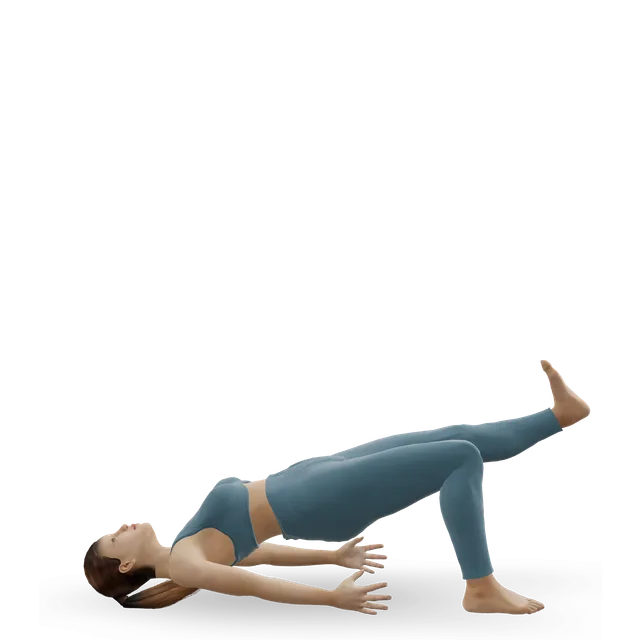
Back extension (the swan, swimming and double-leg kick), trunk endurance (the hundred, dead bug, bird dog and side plank), the hips (bridges, side kicks, clams and a hip flexor stretch), and upper-back rotation with chin tucks. Our 25-minute class puts them together.
It can be: the springs add resistance to leg and back work. No study has tested it in cyclists, and the mat does the same jobs.
Neither has been tested in riders. Yoga suits hip, back and chest range and winding down, Pilates suits trunk control, and strength training does more for performance than either, as our yoga for cyclists guide also says.
Yes. Do the harder session first, and leave a long trunk session out of the day before intervals or a race (our suggestion).
Once or twice a week on easy or rest days is a good start. Keep heavy strength training twice a week in the off-season too, the pattern in the cycling trials.
It isn't a treatment for either. Chin tucks and upper-back rotation can ease a stiff neck, and changing hand position matters for numb hands; our neck pain and numb hands when cycling guides cover what helps.
In female mountain bikers, trunk training improved trunk strength and bike control. Triathletes can use the same class on easy days; our triathlon page covers the rest of their training.
No: road cycling doesn't build bone, and mat Pilates isn't the impact or heavy strength work that does. The jumps on our cycling page help.
Exercise education, not a personal prescription, and clinical review of these guides is pending. If you are pregnant, have a health condition or have had recent surgery, check with a doctor, midwife or physiotherapist before starting, and stop for sharp or increasing pain. Health disclaimer.