Pilates guide

Pilates for dancers: its roots in dance, turnout, feet and hypermobility, and what it does for your dancing

Pilates was developed by a physical culture teacher, Joseph Pilates, and later adopted by dancers: from the late 1930s, New York dancers trained with him and sent him their injured colleagues. Today, small studies in dancers suggest Pilates can build trunk endurance, alignment and flexibility. A review of those studies, in a PhD thesis, found it may be ineffective for balance and jump height, and no trial has tested it for dance injuries.

So use it alongside strength and jump training, not instead of them, and keep it in the middle of your range if your joints are bendy.

This guide covers what dancing asks of your feet, hips, back and trunk, what the Pilates studies in dancers found, turnout, hypermobility, injuries and eating enough, which moves to start with and which to change, and a 25-minute mid-range class.

The short version

Developed by a physical culture teacher, adopted by dancers

Joseph Pilates began as a teacher of physical culture. From the late 1930s, New York dancers such as George Balanchine and Martha Graham trained with him, and his mat work took shape while he taught at a dance camp in the 1940s.

Source 1

Small studies, modest gains

Across 14 small studies of Pilates in dancers, reviewed in a PhD thesis, Pilates generally helped muscular endurance, posture, alignment and flexibility, but the review found it may be ineffective for balance and jump height. In a 12-week pilot trial in 22 hip-hop dancers, tummy strength improved and jumps barely changed.

Sources 2, 3

Not tested for injuries

No trial has tested Pilates for dance injuries. The one injury prevention trial in professional ballet used a broader strength programme, and across sports, strength training cut injuries to under a third while stretching did nothing.

Sources 4, 5

Feet and ankles first

Most dance injuries are overuse injuries of the legs, with the foot and ankle the commonest site. Mat Pilates does little for the feet, so add calf raises, toe work and balance.

Sources 6, 7

Turn out from the hips

In pooled studies, injured dancers forced more turnout beyond what their hips gave than uninjured dancers. Pilates hip work helps you control turnout from the hip, in the middle of your range (our reading).

Source 8

Eat enough

Missed or irregular periods are a key sign of not eating enough for your dancing, and more food and a lighter workload come first. See a GP if you've missed 3 periods in a row or your periods haven't started by 15.

Sources 9, 10

Pilates and dance: how they met

A physical culture teacher

Joseph Pilates, born in Germany in 1883, "began his career as a proponent and teacher of 'physical culture'", the Pilates Method Alliance says. His ideas were shaped by his father's fitness and sport, his work with injured soldiers in the First World War, and influences that included modern dance. He worked in England as a circus tumbler before the war.

Source 1

Then the dancers came

In New York, Pilates "developed a reputation for his ability to 'fix' dancers' injuries", and Balanchine, Graham and Hanya Holm "studied with 'Uncle Joe' and referred injured colleagues to him". Ted Shawn invited him to the Jacob's Pillow dance camp, where he taught from 1942 to 1947 and his signature mat exercises developed. Several dancers became the first generation of Pilates teachers, and by the mid-1960s modern dance choreographers were adding mat exercises to their warm-ups.

Source 1

What dancing asks of your body, and where Pilates fits

Where dancers get hurt

Injury rates are under 5 per 1,000 hours of dancing in every study, but most injuries come from overuse. In ballet, the legs account for 66% to 91% of injuries and the foot and ankle for 14% to 57%; in two ballet companies, ankle impingement led the problems needing medical attention and ankle sprains the ones that stopped dancers dancing, mostly from pointe work and jumps. The hip and groin account for about 17% of injuries, and about 73% of dancers have low back pain in a year.

Sources 6, 11, 12, 7, 13, 14

What goes with injury

A previous injury is the most consistent link, along with poor coping skills, overload and, in some studies, hypermobility. These are associations, not proof of cause.

Sources 15, 16, 17

What Pilates offers, and what it doesn't

Controlled trunk work, hip control lying on your side and in bridges, back extension, and on a reformer, footwork against springs. In the studies it helped endurance, alignment and flexibility. What it doesn't give is heavy leg work, landing practice, jump power or fitness for long rehearsals, which is where strength and conditioning helps dancers.

Sources 18, 2, 19

What the evidence says

A review of 14 small studiesMixed evidence

A systematic review in a 2025 PhD thesis found 14 studies of Pilates in dancers (12 separate studies, as three papers report one), with 1 to 38 dancers each and mixed quality. It concluded that they "generally supported the effectiveness of Pilates in dancers with respect to muscular endurance, posture, alignment, and flexibility", but that Pilates "may be ineffective with respect to balance and vertical jump". Only one study compared Pilates with another kind of exercise.

Source 2

Hip-hop dancers: stronger tummies, not higher jumpsEmerging evidence

In a pilot trial, 22 hip-hop dancers were randomised to 12 weeks of classical mat Pilates (two hours a week) or their usual activities. Tummy strength and endurance tests improved with Pilates, jump height changed trivially and balance didn't change. The authors say the results "do not establish efficacy".

Source 3

Reformer and before-and-after studiesMixed evidence

In 18 Latin dance students, 12 weeks of reformer Pilates improved movement and judged technique more than usual training. In 20 college dancers, adding two Pilates classes a week for 14 weeks went with fewer posture faults and better tummy strength. Both are small, and the second had no comparison group.

Sources 20, 21

Not tested for injuriesMixed evidence

None of the Pilates studies counted injuries. In a 2026 review of treatment for injured dancers, most studies of Pilates and core work were case reports, and high-level evidence was described as limited.

Sources 22, 2, 23

The ballet prevention trial wasn't PilatesEmerging evidence

In one professional ballet company, dancers who did three 30-minute strength sessions a week for at least 4 weeks (side planks, bridges, bird dogs, dead bugs, Nordic hamstring lowers, calf and foot work, lunges and balance) were injured 82% less often than controls, but only 11 of 20 kept it up. A 2026 review of 8 dance prevention studies couldn't judge whether programmes work. Across sports, strength training cut injuries to under a third.

Sources 4, 24, 5

Pilates or strength training?

Strength without sizeEmerging evidence

Across 36 studies, strength and conditioning raised dancers' leg strength, power, upper-body strength and flexibility. In 22 professional ballerinas, 12 weeks of thigh strength training raised strength without changing thigh size or body weight.

Sources 19, 25

Range you can useEmerging evidence

In 39 dance students, strengthening at the end of the range and gentle stretching raised how high they could lift the leg themselves more than hard stretching. Slow, forced stretches can strain the high hamstring tendon: 15 professional dancers took a median of 50 weeks to get back to full dancing.

Sources 26, 27

Do both

Pilates suits trunk endurance, control and alignment. Jumps, heavy legs and fitness need their own work, as our dance page and strength workout for dancers set out (our reading).

Sources 19, 2

Turnout

Forced turnout goes with injuryMixed evidence

In pooled screening studies, injured dancers had about 23 degrees more compensated turnout, the turnout forced at the knees and feet beyond what the hips give, than uninjured dancers. Findings on turnout in standing conflict: injured dancers had more in the pooled studies, but in 29 pre-professional dancers, those with more overuse injuries used less.

Sources 8, 28

Bone shape and hip rotationMixed evidence

In 64 dancers, more twist in the thigh bone went with less outward rotation of the hip when it was measured lying down, but it didn't change how much turnout they used standing.

Source 29

Turnout training: tiny studiesMixed evidence

A 7-week turnout conditioning programme improved active turnout in 16 pre-professional dancers, and targeted training added about 14 degrees in 6 university dancers. Both were tiny and uncontrolled, and no study has tested Pilates for turnout.

Sources 30, 31

What this means for Pilates

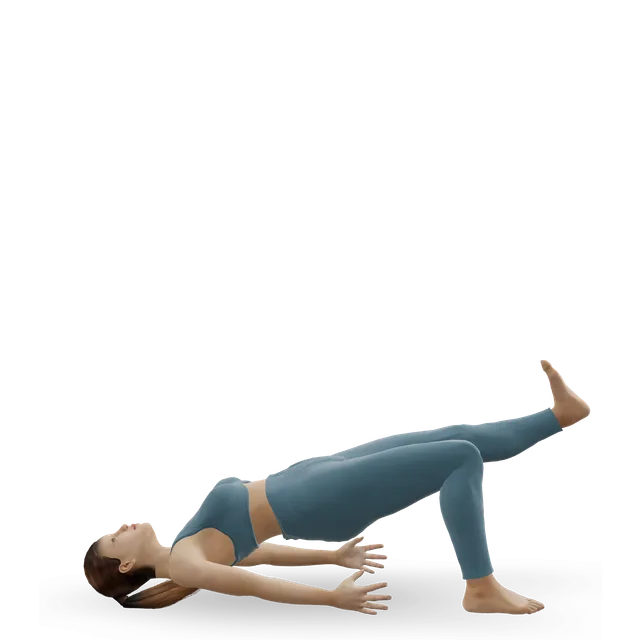
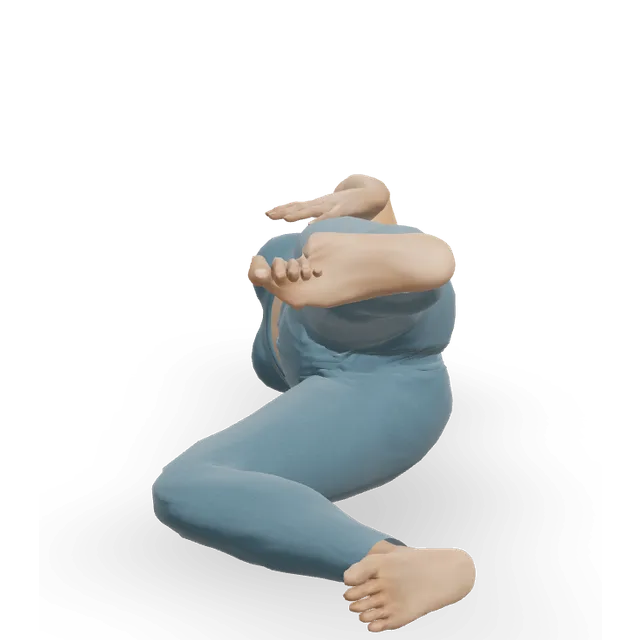
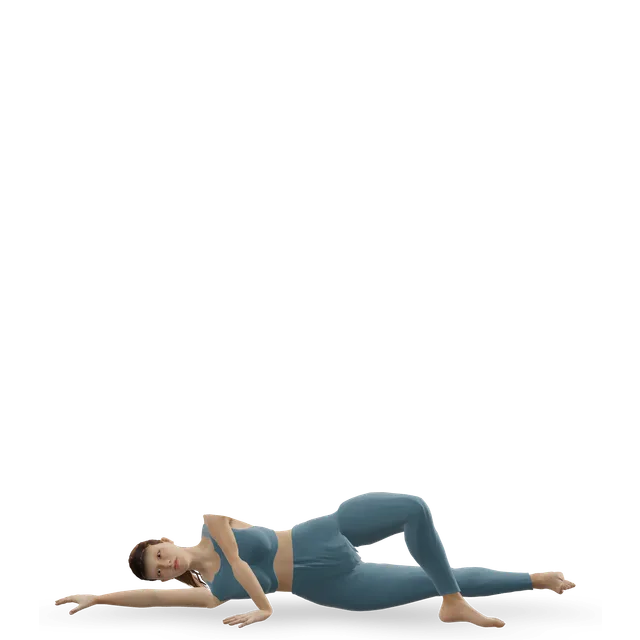
Clams, side kicks, small leg circles and bridges train the hip muscles that turn your legs out and steady the pelvis. Turn out from the hips, keep your knees over your middle toes, and don't force the feet (our reading).

Source 8

Hypermobility

Our Pilates for hypermobility guide has the adapted class and the moves to change.

Very common in dancersEmerging evidence

72% of 85 elite Australian dancers met the usual cut-point for bendy joints on the Beighton score, and the authors suggest a higher cut-point for dancers.

Source 32

Mixed links with injuryMixed evidence

Hypermobility didn't raise hip pain, injury or retirement over 5 years in 40 professional ballet dancers, or injuries in 185 contemporary students, where a past injury mattered more. In 73 young ballet students, hypermobility and tiredness went with injury in a one-off survey.

Sources 33, 17, 34

Control before rangeStrong evidence

The NHS says the main treatment for symptomatic hypermobility is improving muscle strength and fitness, and "do not overextend your joints just because you can". One Dance UK says hypermobile dancers can "strengthen the muscular system and control the range of joint movement". In Pilates, stop each reach before the end of your range and keep your knees and elbows soft.

Sources 35, 36

Feet and ankles

Where the injuries are

Foot and ankle injuries lead in ballet, mostly from pointe work and jumps. Pilates mat work barely loads the feet; reformer footwork works the calves against springs.

Sources 7, 6

What to add

The ballet trial used calf and band foot work and one-leg balance. Our editorial starting point: 2 sets of 10 slow calf raises (parallel, then turned out), 2 sets of 12 towel scrunches each foot and 2 holds of 20 seconds on each leg, as in our foot and ankle routine and dance warm-up.

Source 4

Eating enough, periods and bones

Missed periods are a warning signStrong evidence

A dance consensus agreed that reduced or absent periods are a key sign of relative energy deficiency in dance (RED-D), when you don't eat enough for your dancing. Increasing food intake and adjusting your dance workload come first. The NHS lists "doing too much exercise" among the causes of missed periods.

Sources 9, 10

Eating disorders are more common in danceEmerging evidence

Across 33 studies, 12.0% of dancers had an eating disorder (16.4% in ballet), about 3 times the risk of non-dancers. The NHS names pressure to be slim in jobs such as ballet among the risks, and says to see a GP as soon as you can.

Sources 37, 38

Pilates doesn't fix this

Food and a manageable workload do. Don't add extra training to make up for not eating enough.

Source 9

Fitting Pilates around dancing

Our suggested week

Our editorial plan, built on the studies:

  • Pilates once or twice a week on lighter dance days, for at least 8 to 12 weeks, the length of most dance studies.
  • Two strength sessions a week, with jump and landing work, as our dance page sets out.
  • A short moving dance warm-up before class, not a Pilates class.
  • Lighter weeks after performance periods, and at least one full rest day a week.

Sources 2, 3, 19

Trunk

Start with 5 to 8 breaths and the hundred's 50 beats (the move pages' doses), and 20 dead bugs, alternating sides, and two 30-second side planks, as in our strength workout for dancers.

Hips and turnout control

Keep circles and lifts small and the pelvis still; the Pilates moves' pages give their doses, and 10 clams each side, turning out from the hip, is our dance warm-up's dose.

Feet, ankles and balance

Our editorial starting point: 2 sets of 10 slow calf raises, 2 sets of 12 towel scrunches each foot, 3 sets of 10 band ankle turns, and 2 holds of 20 seconds on each leg, parallel then turned out.

Back extension

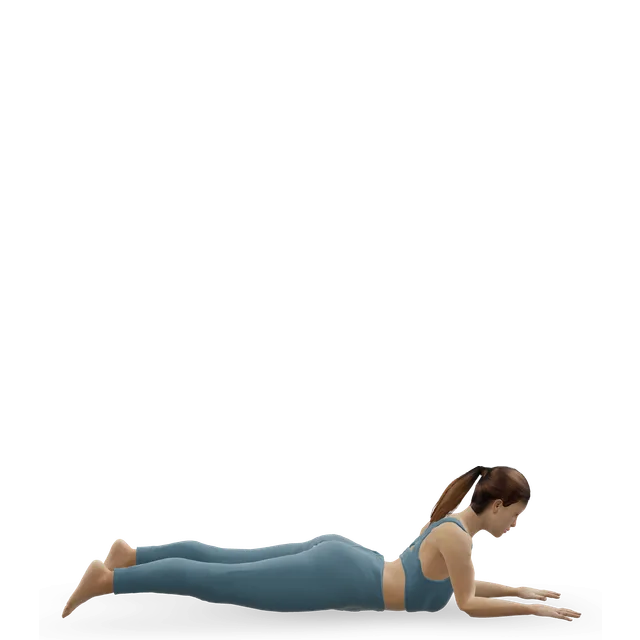
Keep the lift small if arching pinches; 5 to 6 swans and 6 to 8 single-leg kicks each leg are the move pages' doses.

What to change or leave out

End-of-range reaches

In the saw, spine stretch forward and straight-leg stretches, stop short of the end of your range if you're hypermobile, and leave them out after a hamstring strain until it's settled.

Sources 35, 27

Weight on the neck

Leave out the roll-over, jack knife, control balance and boomerang if you're hypermobile, unless a physiotherapist who knows your neck has cleared them, and with any neck problem (the move pages' cautions).

Weight on the hands

In the leg pull front, push-up and side bend, keep your elbows soft, use fists if your wrists bend back too far, and push the floor away.

Big back bends

Leave out rocking and the swan dive if arching hurts your back, and get a teenager's lasting back pain checked before going on.

Forced range

Skip long, forced splits and forced turnout. Build range you can control instead.

Sources 27, 26, 8

Classes to follow

Do the 25-minute Pilates class on lighter dance days and the strength workout for dancers twice a week; use the dance warm-up before class. The hypermobility class suits bendy joints.

Mid-range Pilates for dancers: a 25-minute mat class for feet, turnout control and trunk

A 25-minute Pilates class for dancers: feet and calves, turnout control from the hip, trunk endurance and back extension, all in the middle of your range.

25 minBeginner17 movesOther / check instructions, A bench or box

Strength workout for dancers: feet, hips, hamstrings, trunk and landings

A strength session for dancers, built on the professional ballet trial: calf and foot work, hip and trunk strength, Nordic lowers, step-downs and landings.

55 minIntermediate21 movesA wall, A step

Dance warm-up: feet, hips, spine and small jumps

A dance warm-up for class, rehearsal or performance: easy cardio, ankle circles and rises, leg swings, spine moves, turnout, balance and small jumps.

15 minBeginner16 movesA wall, A dumbbell

Pilates for hypermobility: a supported 20-minute class

A 20-minute Pilates class for hypermobile joints, HSD and hEDS: supported positions first, mid-range control, slow changes and steady breathing.

20 minBeginner17 movesOther / check instructions, A band

Foot and ankle strengthening routine: toes, arches, calves and balance

A 15-minute barefoot routine for stronger toes, arches, calves and ankles, finishing with balance. You need only a towel, a wall and a resistance band.

15 minBeginner11 movesA wall, Other / check instructions

Pilates glute workout: a 25-minute mat class (with a band if you have one)

A 25-minute Pilates class for your glutes: bridges, the side kick series, face-down kicks and standing work at a wall, with a band to make it harder.

25 minBeginner16 movesA wall, A band

Plans

The beginner plan builds a Pilates habit; the two-day plan adds strength sessions around your dancing.

When to stop and get help

A foot or ankle injury: call 999 or go to A&E

Call 999 or go to A&E if, after an injury, you heard a crack, the foot or ankle has changed shape or points at an odd angle, a bone is sticking out, there is a bad cut over it, you're in severe pain, or the toes look blue or white, feel numb or are cold to touch. Don't drive yourself.

Can't walk on it: same day

Get an urgent GP appointment or help from NHS 111 if, after an injury, you can't put weight on it or walk more than a few steps, the pain is very bad or getting worse, or the swelling or bruising is large or getting worse. See a GP if it isn't better after 2 weeks of looking after it, keeps coming back or stops you doing normal things.

Source 39

Bone pain that builds, or a pop at the back of the thigh

Pain in one spot of a bone that builds with each jump, then aches at rest or at night, can be a stress fracture: stop jumping and get it checked. Sudden pain or a pop high at the back of the thigh during a stretch needs checking the same day.

Source 27

Missed periods or worries about food: see a GP

See a GP if you've missed your period 3 times in a row, your periods haven't started by 15 or have become irregular, or you've had a stress fracture from ordinary activity or more than one. If you're worried about your eating, see a GP as soon as you can, or call the eating disorder charity Beat on 0808 801 0677.

Sources 10, 9, 38

Joints that slip

See a GP if you think you have joint hypermobility syndrome: keeping getting sprains, joints that pop out, or pain and stiffness. A joint that has come out and stayed out needs A&E.

Source 35

Back pain: call 999

Call 999 or go to A&E (accident and emergency) if you have back pain with pain, tingling, weakness or numbness in both legs, a loss of feeling around your genitals or bottom, or changes in your bladder or bowels. These can be signs of cauda equina syndrome, which needs treating in hospital urgently. Don't drive yourself.

Source 40

A head injury: call 999

Call 999 if someone has hit their head and has been knocked out and hasn't woken, can't stay awake, has a fit, has problems with their vision or hearing, has clear fluid from their ears or nose, or has new numbness, weakness or problems walking, balancing or speaking.

Source 41

Chest pain or fainting: call 999

Call 999 if:

  • You get sudden pain or discomfort in your chest that doesn't go away; it can feel like squeezing or pressure, burning or indigestion.
  • The pain spreads to your left or right arm, or your neck, jaw, stomach or back.
  • You have chest pain and feel sweaty, sick, light-headed or short of breath.
  • Someone faints while exercising, can't be woken within 1 minute, or has chest pain or a pounding, fluttering or irregular heartbeat.

Sources 42, 43

Before you start

The NHS advises getting advice from a healthcare professional first if you have a health problem, an injury or symptoms, or have recently had an operation.

Source 44

Myths

"Pilates was invented for dancers, so it's all dancers need"Mixed evidence

It was developed by a physical culture teacher and adopted by dancers. In the studies it helped endurance, alignment and flexibility, but a review found it may be ineffective for jumps and balance, and strength and conditioning improved dancers' strength and power more broadly.

Sources 1, 2, 19

"Pilates will make you jump higher"Mixed evidence

Not shown. A review of 14 dance studies found it may be ineffective for jump height, and hip-hop dancers' jumps barely changed after 12 weeks.

Sources 2, 3

"Pilates prevents dance injuries"Mixed evidence

Untested. The one ballet prevention trial used a broader strength programme, and a review of dance prevention studies couldn't judge whether programmes work.

Sources 2, 4, 24

"Force your turnout from your feet"Mixed evidence

In pooled studies, injured dancers forced more turnout beyond what their hips gave than uninjured dancers. Turn out from the hips, within your range.

Source 8

"Weights make dancers bulky"Emerging evidence

Twelve weeks of thigh strength training raised ballerinas' strength without changing thigh size or body weight.

Sources 25, 19

"Hypermobile dancers should stretch more to keep their range"Mixed evidence

The NHS says not to overextend your joints just because you can, and One Dance UK stresses controlling the range. Hypermobility on its own isn't a problem, but with pain or sprains, control comes first.

Sources 35, 36, 33

"You need a reformer for real Pilates"Mixed evidence

The dance studies used both mat and reformer, and none compared them. The reformer adds springs and straps; the mat does the same jobs.

Sources 2, 18

Questions people ask

Is Pilates good for dancers?

It's a good way to build trunk endurance, alignment and flexibility, which is what small studies in dancers found. A review of those studies found it may be ineffective for balance and jump height, and no trial has tested it for dance injuries. Use it alongside strength, jump and fitness work.

Did Joseph Pilates work with dancers?

Yes. He began as a teacher of physical culture, and from the late 1930s New York dancers such as George Balanchine and Martha Graham trained with him and sent him injured colleagues. His mat work took shape while he taught at the Jacob's Pillow dance camp from 1942 to 1947.

Does Pilates help with turnout?

No study has measured it. Turnout should come from the hips: injured dancers forced more turnout beyond what their hips gave than uninjured dancers. Clams, side kicks and bridges train the hip muscles that turn your legs out, in the middle of your range.

Will Pilates help me jump higher?

Probably not on its own. A review of dance studies found Pilates may be ineffective for jump height, and hip-hop dancers' jumps barely changed after 12 weeks of mat Pilates. Jump training and heavier strength work have more support.

Can Pilates prevent dance injuries?

It hasn't been tested. The one injury prevention trial in professional ballet used a strength programme with Pilates-like trunk and hip exercises, Nordic hamstring lowers and calf and foot work, and injuries fell in the dancers who kept it up. Pilates can be part of that kind of programme.

I'm hypermobile. Is Pilates good for me?

Yes, if it builds control rather than more stretch: work in the middle of your range, keep your elbows and knees soft and skip legs-overhead moves. Hypermobility is very common in dancers and isn't a problem on its own. Our Pilates for hypermobility guide has an adapted class.

Is reformer Pilates good for dancers?

It can be: the springs add resistance to footwork and leg work. The dance studies used both mat and reformer and didn't compare them, so the mat does the same jobs and is easier to keep up at home.

What are the best Pilates exercises for ballet dancers?

The hundred and leg stretches for trunk endurance; bridges, clams, side kicks and small leg circles for the hips; the swan, swimming and single-leg kick for back extension; and calf raises, toe work and balance for your feet. Our 25-minute class puts them together.

Will Pilates make me bulky or give me long, lean muscles?

Neither. Pilates is light resistance, and even heavier thigh strength training didn't change ballerinas' thigh size or body weight. How your muscles look depends mostly on your body, food and the total work you do.

How often should dancers do Pilates?

Once or twice a week on lighter dance days for at least 8 to 12 weeks, the length of most dance studies, alongside two strength sessions, is our suggestion. Before class, do a dance warm-up instead.

Is yoga or Pilates better for dancers?

Neither has been compared in dancers. Pilates suits trunk endurance and control; for range, strengthening at the end of your range improved active range more than hard stretching in dance students.

When should a dancer see a doctor?

Go to A&E for a foot or ankle injury that has changed shape, cracked, or gone numb, blue or cold, and get same-day help if you can't put weight on it. See a GP if you've missed 3 periods in a row, your periods haven't started by 15, or you've had a stress fracture from ordinary activity.


Sources

  1. Pilates Method Alliance · History of Pilates (read in full)
  2. Bergeron 2025 · Pilates training for dancers: 14 studies (systematic review in a PhD thesis, University of Wolverhampton; chapter read in full)
  3. Senger 2026 · 12 weeks of mat Pilates in 22 hip-hop dancers (pilot RCT, J Dance Med Sci)
  4. Vera 2020 · An injury prevention programme in a professional ballet company (RCT, Orthop J Sports Med; read in full)
  5. Lauersen 2014 · Exercise to prevent sports injuries: 25 trials, 26,610 people (systematic review and meta-analysis, Br J Sports Med)
  6. Smith 2015 · Injuries in ballet (systematic review, Orthop J Sports Med)
  7. Katakura 2023 · Foot and ankle injuries in 2 professional ballet companies over 3 seasons (cohort study, Orthop J Sports Med)
  8. Armstrong 2018 · Screening tests and injury in dance, including turnout (systematic review and meta-analysis, Sports Med Open)
  9. Allen 2024 · Relative energy deficiency in dance (RED-D) (consensus statement, BMJ Open Sport Exerc Med; read in full)
  10. NHS · Stopped or missed periods
  11. Vassallo 2019 · Injury rates in recreational, student and professional dancers: 16 studies (systematic review, J Sports Sci)
  12. Sun 2024 · Injuries in modern and contemporary dancers: 18 studies (systematic review and meta-analysis, Front Public Health)
  13. Trentacosta 2017 · Hip and groin injuries in dancers (systematic review, Sports Health)
  14. Swain 2019 · Low back pain in dance: 50 studies (systematic review, J Orthop Sports Phys Ther)
  15. Kenny 2016 · Risk factors for injury in pre-professional dancers: 47 studies (systematic review, Br J Sports Med)
  16. Lira 2026 · Injuries and risk factors in classical ballet dancers: 46 studies (systematic review, J Dance Med Sci)
  17. van Rijn 2021 · Hypermobility and injuries in 185 pre-professional contemporary dancers (cohort study, J Clin Med)
  18. Pilates Method Alliance · Beginner's guide to Pilates equipment, from reformer to Cadillac and beyond
  19. Ngo 2024 · Strength and conditioning in dance: 36 studies (systematic review and meta-analysis, Eur J Sport Sci)
  20. Che 2025 · 12 weeks of reformer Pilates in 18 Latin dance students (randomised trial, Front Physiol)
  21. Ahearn 2018 · Pilates added to dance training in 20 college dancers (before-and-after study, J Dance Med Sci)
  22. PubMed · Our search for studies of Pilates in dancers (27 October 2026)
  23. Tsartsapakis 2026 · Manual therapy, core training and Pilates in injured dancers: 16 studies (scoping review, Healthcare; read in full)
  24. Critchley 2026 · Injury prevention strategies in dance: 8 studies (systematic review, J Dance Med Sci)
  25. Koutedakis 2004 · Thigh strength training in 22 professional ballerinas (RCT, J Strength Cond Res)
  26. Wyon 2013 · Strength or stretching for active range in 39 dance students (RCT, J Strength Cond Res)
  27. Askling 2007 · Hamstring strains from slow stretching in 15 professional dancers (case series, Am J Sports Med)
  28. Negus 2005 · Turnout and leg injuries in 29 pre-professional ballet dancers (correlational study, J Orthop Sports Phys Ther)
  29. Hamilton 2006 · Thigh-bone twist, hip rotation and turnout in 64 ballet dancers (cross-sectional study, Br J Sports Med)
  30. Sherman 2014 · A 7-week turnout conditioning programme in 16 pre-professional dancers (uncontrolled study, J Dance Med Sci)
  31. Pata 2014 · Turnout training in 6 university dancers (multiple-baseline study, J Dance Med Sci)
  32. Chan 2018 · Hypermobility in 85 elite Australian dancers (observational study, Phys Ther Sport)
  33. Mayes 2021 · Hypermobility and hip pain, cartilage and retirement in professional ballet dancers over 5 years (cohort study, Clin J Sport Med)
  34. Dondin 2023 · Hypermobility, fatigue and injuries in 73 young ballet students (cross-sectional study, J Dance Med Sci)
  35. NHS · Joint hypermobility syndrome (past its review date: reviewed August 2023, review due August 2026)
  36. One Dance UK · Managing joint hypermobility: a guide for dance teachers (resource summary)
  37. Arcelus 2014 · Eating disorders in dancers: 33 studies (systematic review and meta-analysis, Eur Eat Disord Rev)
  38. NHS · Eating disorders
  39. NHS · Sprains and strains
  40. NHS · Back pain
  41. NHS · Head injury and concussion
  42. NHS · Chest pain (past its review date: reviewed August 2023, review due August 2026)
  43. NHS · Fainting
  44. NHS · Pilates for beginners (exercise video, with safety information)

Exercise education, not a personal prescription, and clinical review of these guides is pending. If you are pregnant, have a health condition or have had recent surgery, check with a doctor, midwife or physiotherapist before starting, and stop for sharp or increasing pain. Health disclaimer.