Pilates
Pilates for hypermobility: a supported 20-minute class
This class is for hypermobile joints, hypermobility spectrum disorder (HSD) and hypermobile Ehlers-Danlos syndrome (hEDS). It follows what physiotherapists and Pilates teachers who work with hypermobility recommend: start supported and lying down, keep each move in the middle of your range, change position as little and as slowly as you can, and keep breathing. Elbows and knees stay soft, never locked; if your wrists bend back a lot, use fists or your forearms. If a joint feels about to slip, make the move smaller or stop. You'll need a pillow, a cushion or soft ball, and a belt or band. With postural tachycardia syndrome (PoTS), drink a glass or two of water first, keep the room cool, and sit for a minute before you stand.
Lying, head supported
- Beginner · Abs · 3D demoPillow under your head, knees bent. Let the breath be easy; if you catch yourself holding it or bracing hard, softenHarder: Roll-up (Pilates)
- Supine heel slide8 each sideBeginner · Hip flexors, Hamstrings, Quads · 3D demoPillow under your head. Slide only as far as your pelvis stays stillHarder: Hip windshield wipers
- Knee fold5 each sideBeginner · Abs, Hip flexors · 3D demoPillow under your head. Lift to a tabletop and no furtherEasier: Supine heel slideHarder: Dead bug heel taps
- Dead bug heel taps5 each sideBeginner · Abs, Hip flexors · 3D demoPillow under your head. Keep your back still as each heel taps downEasier: Bent-knee fall-outHarder: Forearm plank
- Pelvic tilt into bridge6 slow repsBeginner · Glutes, Abs, Hamstrings · 3D demoNo prop needed. Lift only as high as your back stays still; don't push your knees forward or your ribs upHarder: Glute bridge
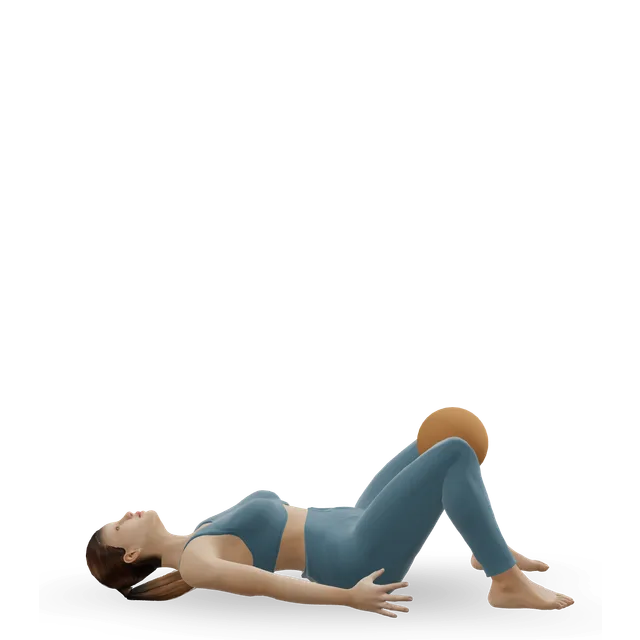
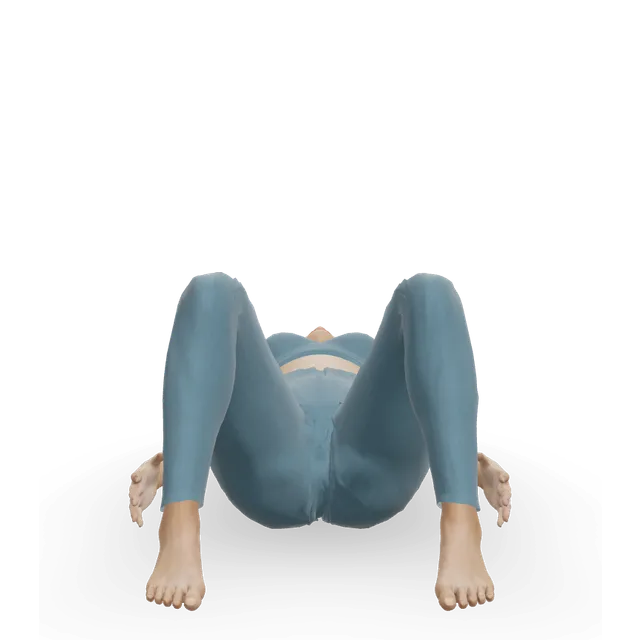
- Lying adductor ball squeeze5 holds of 5 sBeginner · Adductors, Abs · 3D demoA cushion or soft ball between your knees: a steady, moderate squeeze, breathing throughoutHarder: Copenhagen plank
- Supine isometric hip abduction (belt press)3 holds of 5 to 10 sBeginner · Hip abductors, Glutes, Abs · 3D demoA belt or band around your thighs, just above the knees: press out gentlyHarder: Lateral band walk
- Beginner · Abs, Neck · 3D demoHands behind your head to support it, no pillow; a small liftHarder: Single-leg stretch (Pilates one leg stretch)






On your side: all three moves, then the other side
- Clamshell8 each sideBeginner · Hip abductors, Glutes · 3D demoHead on a pillow. Open only as far as your pelvis stays stillEasier: Supine isometric hip abduction (belt press)Harder: Lateral band walk
- Beginner · Adductors, Abs · 3D demoHead on a pillow or your arm. A small lift of the bottom legEasier: Side kick (Pilates side kick series)Harder: Kneeling side kick (Pilates side kick kneeling)
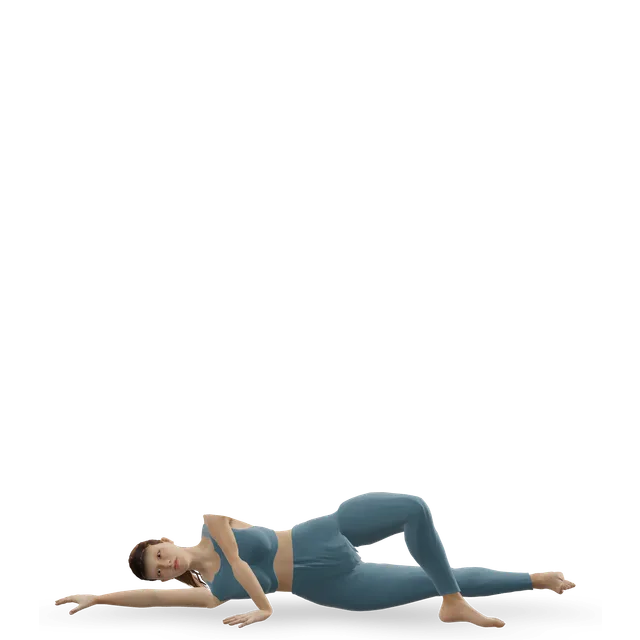
- Side-lying open book5 each sideBeginner · Back, Chest, Shoulders · 3D demoHead on a pillow. Open only as far as is comfortableHarder: Thoracic rotation


Face down, then kneeling
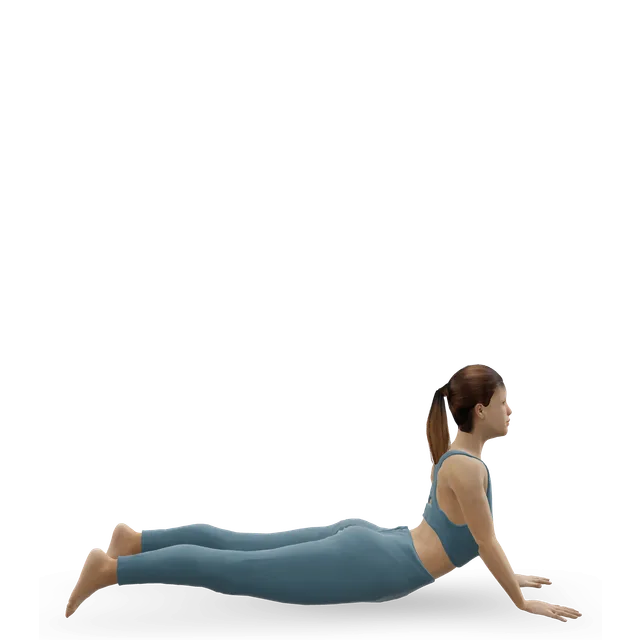
- Swan (Pilates swan dive)5 small liftsIntermediate · Back, Glutes, Triceps · 3D demoForearms on the mat, no prop: lift your head and chest a littleEasier: Mermaid (Pilates seated side bend)Harder: Double-leg kick (Pilates double kick)
- Bird dog, one limb at a time5 each arm and leg, 3 s holdBeginner · Abs, Back, Glutes · 3D demoA folded mat or cushion under your knees if they're sore. Elbows soft; fists if your wrists bend back too farEasier: Side-lying tummy draw-inHarder: Bird dog
- Knee plank2 holds of 15 sBeginner · Abs, Shoulders, Glutes · 3D demoOn your forearms, cushion under your knees if needed; push the floor awayHarder: Forearm plank


Sit for a minute, then sit and stand
- Thoracic rotation6 each sideBeginner · 3D demoSeated on a chair: turn slowly with your hips stillEasier: Side-lying open bookHarder: World's greatest stretch
- Sit to stand from a chair8 slow repsBeginner · Quads, Glutes, Hamstrings · 3D demoA sturdy chair. Stand up slowly the first time and pause before walkingEasier: Sit to stand, pushing on the thighsHarder: Bodyweight squat
- Single-leg stand2 holds of 20 s each sideBeginner · Hip abductors, Calves, Glutes · 3D demoNext to a counter, standing knee softEasier: Tandem stance and heel-to-toe walkHarder: Single-leg reach matrix



Tips
- Tell your teacher or physiotherapist that you're hypermobile, and which joints give you trouble.
- Notice how you feel over the next 48 hours, and adjust the next session.
- Sore muscles for a few days are normal when you start; sharp joint pain, pain in new places or a joint slipping are not: drop back and tell your physiotherapist.
- With PoTS: two glasses of water first, wait an hour after a meal, keep cool, sit before standing, and lie with your legs raised afterwards.
- With vascular Ehlers-Danlos syndrome (EDS), keep everything easy and don't hold your breath.
- If you faint during exercise, call 999 (911 in the US).
The doses are suggested starting points, not a prescription. Choose a range you can control and stop for sharp or increasing pain, numbness or tingling. Get individual advice after an injury or surgery, or if you are pregnant or managing a health condition.
Guides that recommend it
Find more moves like these
More pilates

Beginner Pilates workout
A 20-minute mat Pilates workout for complete beginners. It covers breathing, spine position and the foundation moves, each with an easier option.
20 minBeginner13 movesNo equipment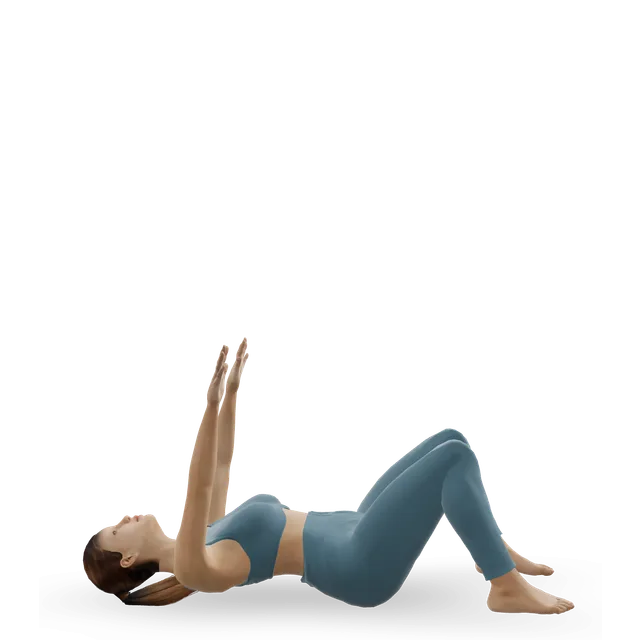

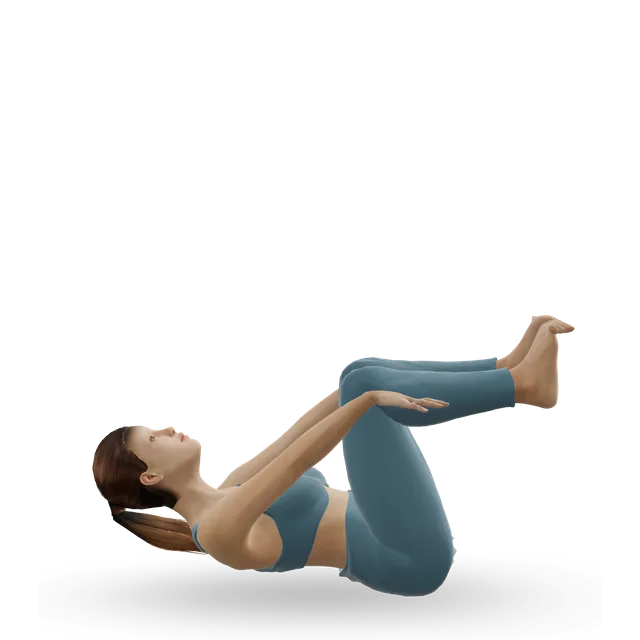
10-minute Pilates abs
Ten minutes of the classic Pilates abdominal series: the hundred, the roll-up and the series of five, with a plank to finish.
10 minIntermediate11 movesNo equipment
Full-body mat Pilates workout
A 30-minute intermediate mat Pilates class that follows the classical order, from the hundred to the push-up, with prep versions of the hardest moves.
30 minIntermediate22 movesNo equipmentQuestions people ask
How long does the pilates for hypermobility: a supported 20-minute class take?
About 20 minutes, including any warm-up and cool-down listed. Shorten it by doing fewer rounds; lengthen it by adding one.
What equipment do I need?
You need: Other / check instructions, A band, A bench or box, A wall. Each move links to its guide, where you can find an alternative if you are missing something.
Is it suitable for beginners?
It is written for beginners. 9 of its 17 moves have an easier option listed beside them if you need one.
How do I make it easier or harder?
Use the easier or harder option listed under each move, change the number of rounds, or adjust the rest. Progress one change at a time.