No trial of Pilates in riders
We found no peer-reviewed study of Pilates in horse riders. The British Horse Society suggests Pilates, yoga or general fitness classes for riders, without citing trials.
Pilates guide
Riding asks for a steady trunk over a pelvis that moves with the horse, and most riders are one-sided. Pilates for horse riders, sometimes called equestrian Pilates, trains both sides evenly: trunk endurance, the hips and pelvis, upper-back rotation and balance. The British Horse Society suggests Pilates among classes for riders, but no trial has tested it in riders, and no exercise has been shown to stop falls.
So use it for comfort, balance and back endurance, with lessons for your position and a good hat for your safety.
This guide covers what riding asks of your body, what the rider studies show about posture, symmetry and back pain, falls and what protects you, older riders, getting back to activity after a concussion, the moves to start with and change, and a 25-minute class.
We found no peer-reviewed study of Pilates in horse riders. The British Horse Society suggests Pilates, yoga or general fitness classes for riders, without citing trials.
In small motion studies, riders rotated or leaned to one side in every gait, and kept the same lopsided posture whichever way they rode. Pilates can train both sides evenly; that it fixes your seat is untested.
Between about a quarter and nearly 9 in 10 riders have back pain at any one time, more with heavy riding workloads and daily stable work. In young riders, weaker side-plank endurance went with back pain.
Shorter stirrups and the standing phase of rising trot cut the jolts through the spine, and strength didn't explain the difference.
Source 7
No exercise has been shown to prevent falls. A risk-taking attitude predicted injury in eventers, and how jockeys landed mattered. A hat to a current standard protects against bleeding in or around the brain, though not against every concussion.
British Equestrian's and the UK's concussion guidance set a graded return, with no riding before day 21. Pilates fits into those stages, never ahead of them, and after your doctor's advice.
A recreational riding lesson averaged about 5 metabolic equivalents (METs), moderate exercise. A rider's head is about 9 feet (2.7 metres) off the ground, at speeds up to 40 mph.
In dressage riders, the load through the lower back rose from walk to rising trot to canter to sitting trot. Sport riders had better core stability than recreational riders, who were better than non-riders. Shorter stirrups and rising trot reduced the jolts.
In 127 riders, lopsided posture went with competition level and years of riding. In 12 junior elite riders, the inner thighs were 8% to 19% stronger than the outer hips, and every show jumper had tight hip flexors. These are small studies and associations.
Even, both-sides work for the trunk and hips, pelvic control, upper-back rotation and extension, hip flexor length and balance. It doesn't replace riding lessons for your position, a suitable horse, or a hat and body protector for your safety.
Our searches of PubMed and Europe PMC found no peer-reviewed trial of Pilates in horse riders. Pages promising a better seat or fewer falls from Pilates aren't backed by riding trials.
Source 1
What's known rests on a 4-rider pilot, in which 60 days of gym exercise three times a week went with more even saddle pressure, and a conference abstract, in which 25 horse and rider pairs who had regular physical therapy had more even pelvises than 25 who didn't, a one-off comparison. A 2025 review of 17 studies found only two that tested any training.
In 75 people, sport riders had the best core stability, then recreational riders, then non-riders. It shows riding and core control go together, not that Pilates improves riding.
Source 17
In 13 riders, shorter stirrups and the standing phase of rising trot cut the peak jolts at the base of the spine, the neck and the head, and the riders' strength didn't explain the difference.
Source 7
All 17 riders in one video study rotated to the left. In 10 riders, the trunk tilted 19 degrees to the right on the right circle but 14 degrees to the left on the left circle, on average; riders kept the same lopsided posture whichever way they rode, and each degree of lopsidedness on a balance chair predicted 2.4 degrees while riding. In 127 riders, lopsided posture went with competition level and years of riding.
Six beginners' position improved over 24 weeks of twice-weekly lessons. The British Horse Society's Riding Fit award pairs off-horse alignment, balance and breathing work with position work on the horse, and a review suggests ongoing flexibility and movement training "may be useful". Pilates fits that off-horse part, untested.
Across 14 studies, 27.9% to 87.9% of riders had low back pain at any one time, linked with workload and stable duties. 61.7% of 347 Portuguese riders had it in a year. Elite riders had more back pain than non-riders without more worn discs on scans.
In 19 child riders, side-plank endurance under 65 seconds and body fat over 23% predicted back pain. In 9 riders with long-lasting back pain, an 8-week exercise programme improved pain and riding, without a comparison group.
In a review of 10 trials, Pilates eased long-lasting back pain by about 14 points out of 100 in the short term compared with minimal treatment (low-quality evidence), and didn't clearly beat other exercise. A relaxed rather than braced tummy did slightly better in a 2026 trial. No trial has tested Pilates for back pain in riders.
If your back hurts, Pilates is a reasonable way to keep moving and build trunk endurance. For jolts in trot, stirrup length and a rising trot matter more than strength (our reading).
Source 7
In 12 junior elite riders, the inner thighs were stronger than the outer hips, and all the show jumpers had tight hip flexors. Side-lying leg work for the outer hips and a hip flexor stretch suit most riders, and inner-thigh squeezes aren't a priority (our reading).
Source 19
Hats, body protectors, roads and the rules are on our horse riding page.
In British Columbia, riding led to 0.49 hospital admissions per 1,000 hours of riding and one death per 10,000 riders a year, 60% of them from head injuries. About 1 in 5 riders has a serious injury in a riding career.
In Swedish eventers, a risk-taking attitude was the only factor that predicted injury. In a pilot of 14 jockeys and track riders, lower aerobic fitness went with falls, but so did greater strength. No trial has tested fitness training to prevent falls.
In 80 race falls, jockeys who hung on to the reins or didn't tuck and roll had riskier landings. Riders without hats had about 9 times the odds of bleeding in or around the brain, but 91% of head injuries in riders whose hats were returned after falls were concussions.
In 3,036 people treated for injuries around horses at a Swedish trauma centre, older patients had more spinal fractures and chest injuries.
Source 32
A UK consensus says horse riding carries an inherent risk of falling and fracture, but for people who ride regularly the benefits are likely to outweigh the risks unless they have had several fragility fractures or painful spinal fractures. In Pilates, swap roll-downs and curl-ups for flat-back and head-down versions, as it advises.
Source 33
Our concussion guide has the full stages.
British Equestrian: "IF IN DOUBT, SIT THEM OUT". Stop riding at once, and get checked by a healthcare professional or NHS 111 within 24 hours. Its graded return to riding pathway: complete rest for 48 hours; light activity from 48 to 72 hours, with no resistance training; grooming, stretching or practising your riding position not before day 7; training drills, which may include resistance training, not before day 14; and riding a suitable horse, supervised, not before day 21. Move on only if symptoms don't come back, and see your GP if they aren't improving after 21 days. The UK's grassroots guidelines also set no competition before day 21.
Our editorial reading, after your doctor's advice and never faster than the guidance: gentle breathing and mobility from stage 3 at the earliest, and Pilates strength work from stage 4 at the earliest, dropping back a stage if symptoms return.
Source 12
Our editorial plan:
Start with 5 to 8 breaths and the hundred's 50 beats (the move pages' doses), 2 sets of 8 dead bugs each side and 5 bird dogs of 10 seconds each side (from our strength workout for horse riders), and 8 slow pelvic tilts into a bridge and two 20 to 30-second side planks on your knees each side (our editorial starting point).
Work both sides equally; the Pilates moves' pages give their doses, and 2 sets of 8 side-lying leg raises and a 30-second hip flexor stretch each side are from our strength workout for horse riders.
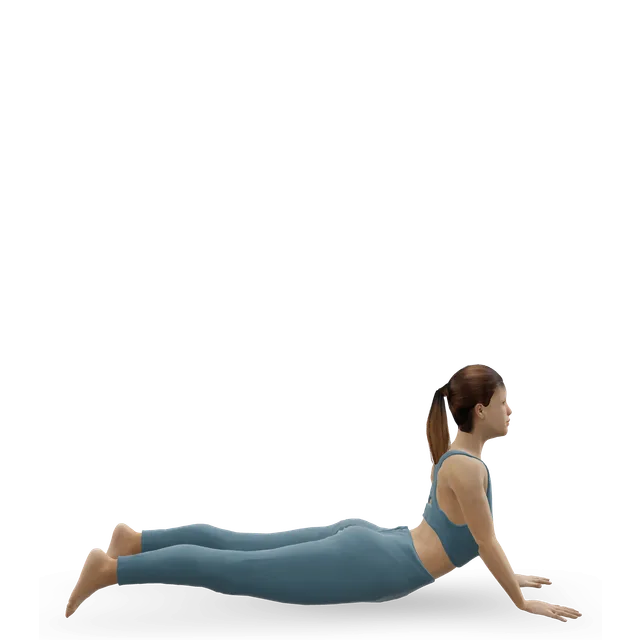
 3D demoSide kick (Pilates side kick series)Beginner · No equipment
 3D demoSide-lying leg raiseBeginner · No equipment
 3D demoSingle-leg circle (Pilates one leg circle)Beginner · No equipment
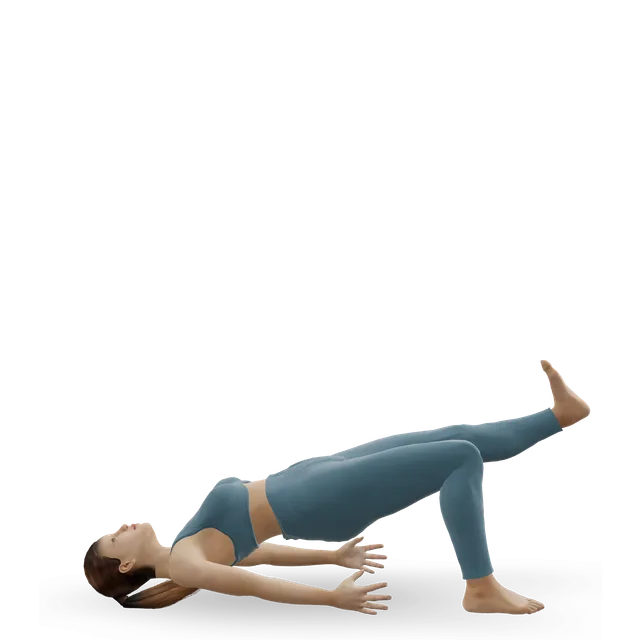 3D demoShoulder bridge (Pilates)Intermediate · No equipment
 3D demoHalf-kneeling hip flexor stretchBeginner · No equipment
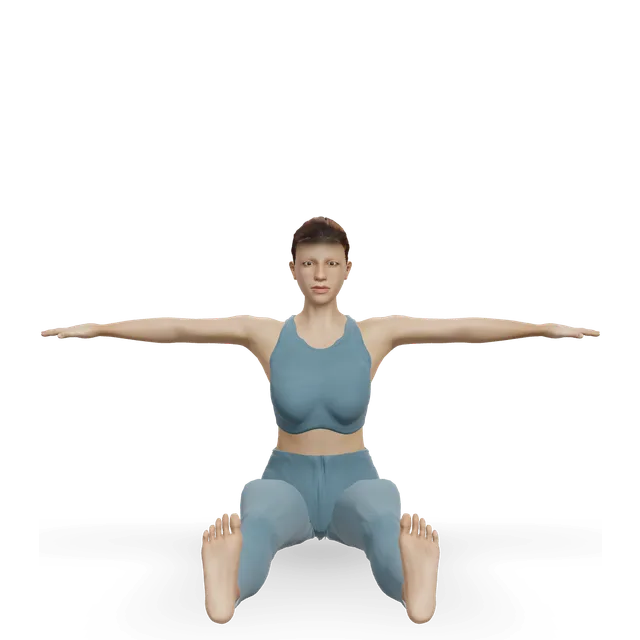
3 to 4 spine twists, 3 mermaids each direction and 6 thoracic rotations each side are the move pages' doses; turn the same amount each way.
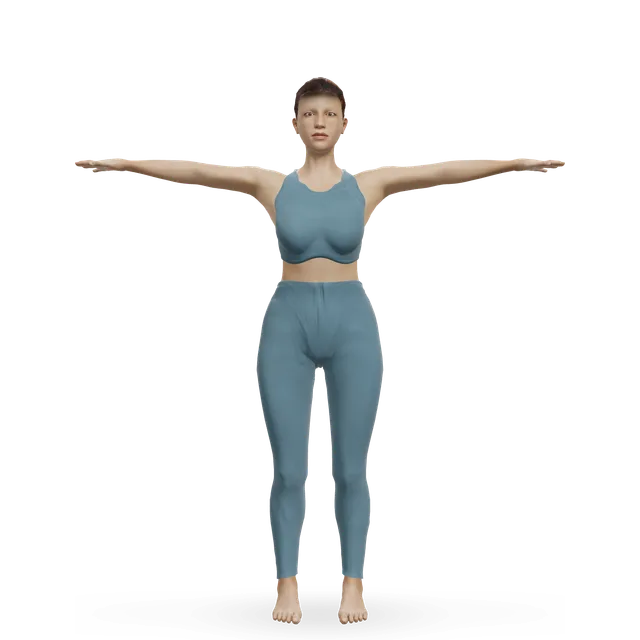
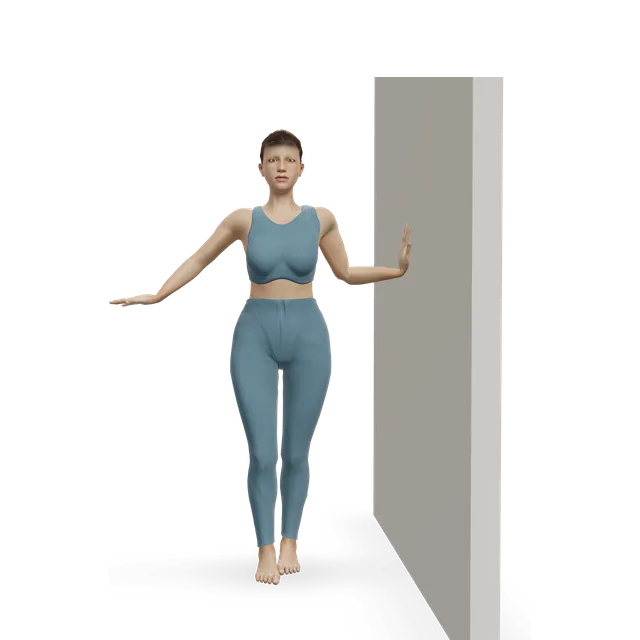
Our editorial starting point is two 30-second holds on each leg and 8 hip hinges, then two 20-second holds of your jumping position; two 20 to 30-second wall sits are from our strength workout for horse riders.
With osteoporosis, a past spinal fracture or as an older rider, leave out the roll-up, rolling like a ball, roll-over, jack knife and neck pull; use a flat-back hinge and a head-down chest lift instead.
Source 33
After a knock to the head, leave out all of it until the concussion stages allow, as above.
Source 12
Not a priority for most riders, whose inner thighs were the stronger side in a small study of junior riders (our reading); keep it if you enjoy it.
Source 19
Do the 25-minute Pilates class on non-riding days, the strength workout for riders twice a week, and the horse riding warm-up before you get on.
A 25-minute Pilates class for horse riders: trunk endurance, pelvis and hip control both sides, upper-back rotation, balance and a two-point hold.
25 minBeginner16 movesA wallA 10-minute warm-up before you ride: marching, arm circles, cat-cow, thoracic rotations, hip circles, Cossack squats, bridges, balance and hip hinges.
10 minBeginner10 movesA wallA 40-minute off-horse session for riders: curl-ups, side planks, bird dogs and dead bugs, hip work, squats, step-ups and wall sits, rows, carries and balance.
40 minBeginner17 movesA wall, A bandA gentle 15-minute Pilates-based routine for ongoing low back pain, built from neutral-spine moves with options for backs that dislike bending or arching.
15 minBeginner10 movesNo equipmentA 25-minute Pilates class for steadier balance: standing balance and leg strength at a kitchen counter, then mat work for your trunk and hips.
25 minBeginner17 movesA wall, A bench or boxA 20-minute light session after a concussion: a symptom check, 10 to 15 minutes of easy cycling or walking, gentle bodyweight moves and a cool-down.
20 minBeginner8 movesCardio machine, A bench or boxThe beginner Pilates plan builds a habit; the plan for women over 50 adds strength and bone work.
A free 4-week, 3-day Pilates plan for complete beginners. Two mat days and one wall day, with clear rules for when to move each exercise to its harder version.
3 training days25 minBeginner3 days a weekA weekly plan for women over 50: strength, bone-loading and balance on 3 days plus walking, built on UK osteoporosis consensus advice.
3 training days45 minBeginnerThe NHS's 999 list includes anyone who has hit their head and has fallen from a height of more than 1 metre, which in our reading covers a fall from a horse. British Equestrian's red flags need immediate help from a medical professional, or 999 if none is there: neck pain, a severe or worsening headache, double vision, weakness or tingling in the arms or legs, being sick, losing consciousness or getting drowsier, a fit, or restless, combative or agitated behaviour. Don't move them or take off their riding hat unless you're trained, unless they're having difficulty breathing.
No more riding that day: if in doubt, sit them out. They shouldn't get back on, go home alone or drive, and should be seen by a healthcare professional or NHS 111 within 24 hours. Contact NHS 111 straight away if they feel dizzy or take medicine that thins the blood.
Neck pain, or weakness or tingling in the arms or legs, after a fall are among British Equestrian's red flags: call 999. Call 999 or go to A&E (accident and emergency) for back pain after a serious accident, with symptoms in both legs, or with changes in your bladder or bowels.
Kicks and crushes can injure organs in the tummy without much to see, so get checked the same day after a kick to the tummy or chest, even if you feel fine (our suggestion). Our horse riding page has the full warning signs, including face, eye, shoulder and wrist injuries.
Call 999 if:
Our pregnancy guide lists horse riding among activities with a high risk of falling, and the NHS advises against sports where you could fall or bump your tummy. Avoid riding, and talk to your midwife; our Pilates in pregnancy guide covers the Pilates side.
Source 39
The NHS advises getting advice from a healthcare professional first if you have a health problem, an injury or symptoms, or have recently had an operation.
Source 40
Not shown. No exercise has been shown to prevent falls; attitude to risk, the horse and how you land matter, and in a pilot of jockeys, greater strength went with more falls, not fewer.
Not shown. What's known rests on a 4-rider pilot and a conference abstract. Pilates trains both sides evenly; lessons work on your position.
A riding lesson is moderate exercise, about 5 METs.
Source 14
Shorter stirrups and rising trot cut the jolts, and strength didn't explain the difference.
Source 7
No rider study used a reformer. It adds springs and straps; the mat trains the same areas.
Source 41
It's a good way to train what riding asks for: a steady trunk, even hips and balance on both sides. The British Horse Society suggests Pilates among classes for riders, but no trial has tested Pilates in riders.
It hasn't been tested. Most riders are one-sided, and what's known about off-horse training rests on a 4-rider pilot and a conference abstract. Pilates can train both sides evenly, and lessons with a coach improve position too.
It may: Pilates eases long-lasting back pain about as much as other exercise, and an 8-week exercise programme helped 9 riders with back pain in a study without a comparison group. For jolts in trot, shorter stirrups and rising trot matter more than strength.
No exercise has been shown to prevent falls. Wear a hat to a current standard, ride a horse that suits you, and if you fall, let go of the reins, tuck your chin and roll away from the horse, our suggestion from videos of jockeys' falls.
Pelvic tilts and bridges, the hundred, dead bug, bird dog and side plank for your trunk, side kicks and side-lying leg raises for the outer hips, a hip flexor stretch, the spine twist and mermaid both ways, and standing balance into your jumping position. Our 25-minute class puts them together.
It can be: the springs add resistance to leg and hip work. No study has tested it in riders, and the mat trains the same areas.
The same reasoning applies. Dressage riders were more lopsided at higher competition levels, and the load through the back is highest in sitting trot, so work both sides evenly and build trunk endurance.
Once or twice a week on non-riding days or after riding, alongside two days of strength work, as the NHS advises for all adults. Before you get on, use the 10-minute horse riding warm-up instead.
Neither has been tested in riders. Pilates suits trunk control and even hip work; choose the one you'll keep doing.
Follow British Equestrian's and the UK's concussion guidance and your doctor's advice first. British Equestrian allows stretching and practising your riding position from day 7 at the earliest, resistance training from day 14 at the earliest and riding from day 21, moving on only if symptoms don't return; Pilates fits those stages, never ahead of them.
Yes, for balance, trunk and hip strength, with some changes. Older riders have more spinal and chest injuries in falls, and with osteoporosis, swap rounded roll-downs and curl-ups for flat-back and head-down versions.
Call 999 if they hit their head: the NHS list includes a fall from more than 1 metre, which in our reading covers a fall from a horse. Neck pain, a bad or worsening headache, double vision, weak or tingling limbs, being sick or drowsiness are 999 red flags too, and don't move them or take off their hat unless you're trained.
Exercise education, not a personal prescription, and clinical review of these guides is pending. If you are pregnant, have a health condition or have had recent surgery, check with a doctor, midwife or physiotherapist before starting, and stop for sharp or increasing pain. Health disclaimer.