Pilates guide

Pilates for rowers: the back, ribs and hips, trunk control and a routine

Pilates can be useful off-water conditioning for rowers: it trains the trunk to stay steady while the hips and limbs move, plus hip range for the catch, glutes, hamstrings and the upper back. No trial has tested Pilates in rowers, and no core programme has been shown to prevent back pain, so it supports your rowing and strength training rather than replacing them.

This guide covers where rowers get hurt and why (the low back, the ribs, knees and wrists), what the trunk and core trials show, what World Rowing and British Rowing advise, juniors, a 25-minute class, and the warning signs, including a rib that hurts more to breathe.

The short version

The low back gets hurt most; ribs cost the most time

In 153 Australian international rowers, the low back was injured most often, but rib injuries cost the most training. Rib stress fractures affect about 8 to 16% of elite rowers over a career. Knees and wrists come next.

Sources 1, 2, 3

Pilates hasn't been tested in rowers

We found no trial of Pilates in rowers, and no core programme has been shown to prevent back pain in rowers. Pilates is conditioning that sits beside your rowing and strength training.

Sources 4, 5

Use your hips at the catch

World Rowing's summary of the 2021 expert consensus asks for at least 130 degrees of hip flexion, full knee range, flexible hamstrings and good endurance in the trunk muscles, especially the back and buttock muscles. Rowers without back pain tip the pelvis forward at the catch.

Sources 5, 6

Moving trunk work, not long planks

World Rowing's summary says static exercises such as planks are unlikely to help and favours dynamic trunk exercises, while British Rowing asks for core and trunk strength and endurance. Pilates moves that keep the trunk steady while the arms and legs move fit both (our reading).

Sources 5, 7

Tiredness rounds the lower back

Lower-back bending at the catch increases as rowers tire, and more on a fixed rowing machine than in a boat. Stop a set, or a piece, when your posture goes.

Sources 6, 8

A rib that hurts to breathe needs checking early

Pain at the side of the chest that gets worse with deep breaths, coughing or rolling over in bed may be a rib stress fracture: see a GP or physiotherapist early.

Sources 9, 10

Where rowers get hurt

The low back, at every levelStrong evidence

The low back was the commonest injury site in Australian international rowers (84 of 270 injuries over 8 seasons), in junior world championship rowers, in masters internationals (about a third of injuries) and in UK club rowers. Over a year, 53% of New Zealand international rowers had back pain, and World Rowing says about 2 in 3 adult rowers have back pain each year, against about 1 in 3 people in the community.

Sources 1, 3, 11, 12, 13, 5

Ribs cost the most timeStrong evidence

In the Australian team, chest wall (rib) injuries took the most training time; women had 1.4 times the men's risk of them and half the men's risk of low back injuries. Rib stress fractures affect 8 to 16% of elite rowers over a career, about 2% of university rowers and 1% of junior elite rowers, and in the Australian team a fracture cost a median of 69 days.

Sources 1, 2, 14

Knees and wrists nextEmerging evidence

The knee came second in Irish and masters internationals, and in juniors the knee and then the forearm and wrist came after the low back. Feathering the blade, especially in cold weather, can inflame the tendons where they cross in the forearm above the wrist (intersection syndrome), which affected about 5% of one elite squad over 3 years.

Sources 3, 15, 11, 9, 16

Mostly overuseStrong evidence

83% of injuries in the Australian team and 74% in juniors came on gradually from overuse, and UK club rowers had more injuries in land training than on the water. So build land sessions, Pilates included, up gradually too (our reading).

Sources 1, 3, 12

What rowing asks of your back, ribs and hips

The stroke

At the catch, the knees bend to about 110 to 120 degrees and the trunk leans forward about 30 degrees; the drive starts with the legs, the back swings through and the arms finish. World Rowing asks for at least 130 degrees of hip flexion, so the lean can come from the hips rather than the lower back.

Sources 9, 5

Why backs hurt

Each stroke loads the spine while it is bent forward, hundreds of times a session. The lower back nears the end of its bending range at the catch, bends more as you tire, and more on a fixed rowing machine than in a boat, and the forces on it reach several times body weight.

Sources 6, 17, 18, 8, 19

It isn't weak back muscles

Rowers with back pain had larger, more active back muscles than rowers without it. The back muscles hold the spine steady in the early drive, and the tummy muscles work mostly late in the drive.

Sources 20, 21, 22

Ribs

A rib stress fracture is an overuse crack, usually in ribs 4 to 8 at the side of the chest. Experts link it to the pull of the serratus anterior (a muscle on the side of the ribs) against the external oblique (a tummy muscle), long pieces on the rowing machine, big changes in training, and eating too little for the training.

Sources 2, 9, 23, 24

Where Pilates fits

Off-water conditioning on a mat: the trunk staying steady while the hips and limbs move, hip range and hinging, glute and hamstring strength, upper-back extension and rotation, and shoulder-blade control. British Rowing keeps rowers 15 and under to core, trunk and conditioning work, and a Pilates class fits that. It doesn't replace rowing, strength training or managing your training load.

Sources 25, 5

The reformer "rowing" series

Classical Pilates has a rowing series on the reformer: seated arm exercises (Into the Sternum, 90 Degrees, From Chest, From Hips, Shave and Hug) at an advanced level, and other schools have similar back rowing series. They train the arms and posture; they aren't rowing training (our reading).

Sources 26, 27

What the evidence says

No Pilates trial in rowersMixed evidence

We found no trial of Pilates in rowers. A review of 12 Pilates studies in athletes, mostly mat Pilates for 4 to 14 weeks, included none in rowing.

Sources 4, 28

Core trials in rowers are smallMixed evidence

In college rowers (34 analysed), core endurance training twice a week for 8 weeks improved side-bend endurance but none of the performance tests, including 2,000 m time. In 26 elite rowers, a trunk stability programme (perturbation-based training) improved back-related disability by about 5 points out of 100 but not pain, in a study that wasn't randomised. In 28 rowers aged 12 to 13, loaded trunk training improved 700 m time more than body-weight trunk work (5.3% against 2.7%), with no group that skipped trunk training.

Sources 29, 30, 31

Strength training helps performanceEmerging evidence

Across trials, strength training improved rowing performance by a small amount and leg strength a little more, against other training. The legs give about 45% of the power on the water, the trunk about 32% and the arms 23%, so Pilates doesn't replace strength training.

Sources 32, 33

Trunk training in athletesEmerging evidence

Across 31 studies in athletes, trunk training improved sport-specific performance by a moderate amount, but an earlier review found trunk strength gave only limited gains in athletic performance.

Sources 34, 35

Pilates for back pain in generalEmerging evidence

In long-lasting low back pain, exercise lowers pain by about 15 points out of 100, and Pilates helps about as much as other exercise (low-quality evidence); mat and equipment Pilates both helped. NICE (the National Institute for Health and Care Excellence) recommends group exercise, including mind-body approaches, and the NHS says Pilates may help ease back pain. Our Pilates for back pain guide has more.

Sources 36, 37, 38, 39, 40

Treating back pain in rowersEmerging evidence

In 36 adolescent rowers with back pain, a cognitive functional approach (physiotherapy that retrains how you move and works on worries about pain) lowered pain while rowing by 2.4 points out of 10, without changing back muscle endurance. In a small study of 10 elite rowers with back pain, Nordic hamstring curls lowered pain.

Sources 41, 42

The back: use your hips, build endurance, manage load

No proven way to prevent itStrong evidence

World Rowing's summary of the 2021 consensus says "There is no one proven way to prevent back pain in rowers". The consensus says prevention and management "should include education on risk factors, rowing biomechanics and training load".

Sources 5, 43

What the experts ask forStrong evidence

"The range of a rower's hip flexion should be at least 130 degrees, knee range of motion should be full, the hamstrings should have good flexibility and the muscles of the trunk should have good endurance, particularly in the back and buttock muscles."

Source 5

Planks: the sources differMixed evidence

World Rowing's summary of the consensus says "Static exercises such as 'planks' are unlikely to help", favours dynamic trunk exercises, and adds that "it is likely that good trunk muscle endurance will help maintain good rowing technique". British Rowing's youth guidance and a US sports medicine tip sheet still recommend core and trunk work in general terms. Our class uses moving trunk work and short side planks.

Sources 5, 7, 10

Tiredness and the rowing machineEmerging evidence

Lower-back bending at the catch increases as you tire, and more on the rowing machine than in a single scull (4.4 against 1.3 degrees in one study). Rowers without back pain kept a neutral or forward-tilted pelvis at the catch and moved more at the hips. World Rowing links machine sessions of more than 30 minutes without a break to more back pain, and a US sports medicine tip sheet advises limiting machine pieces to 30 minutes.

Sources 6, 18, 8, 44, 5, 10

Who gets back painEmerging evidence

Previous back pain was the one significant risk factor across 10 studies, with 2.65 times the odds of another episode. Training volume, sweep or sculling, and sex weren't significant in that analysis, though single cohorts linked more hours and more machine training with back pain, and former college rowers who started before 16 or did machine sessions over 30 minutes had more. Junior sweep rowers who changed side had more sudden back injuries.

Sources 45, 13, 46, 47, 3

Back pain usually settlesEmerging evidence

"For most rowers, their back pain is not serious", World Rowing's summary says, and former elite rowers had no more back pain than non-athletes 10 years on. The consensus advises early unloading from what aggravates it, pain control and exercise, then a gradual return.

Sources 5, 46, 43

How Pilates fits

No one has tested whether Pilates prevents back pain in rowers, and no core programme has been shown to. What the experts agree on: use your hips at the catch, build the endurance of your back and buttock muscles with moving exercises, manage your training load, and stop a piece when your posture goes.

Sources 5, 43

Ribs

What a rib stress fracture feels likeStrong evidence

It usually affects ribs 4 to 8 at the side of the chest. The pain builds with rowing and gets worse with coughing, deep breathing and changing position, including rolling over in bed.

Sources 2, 9, 10

What raises the riskMixed evidence

Dr Anders Vinther, a physiotherapist who researches rowers' ribs, told World Rowing that "the largest risk factor for rib stress injury remains big changes in training". A review of 17 studies found the evidence on risk factors weak. In 25 New Zealand elite women rowers, 64% were eating too little for their training, and lightweight women with rib pain had lower bone density in the spine.

Sources 23, 48, 24, 49

Suggestions, not proofMixed evidence

Suggested measures include strengthening the serratus anterior and the legs, hip and lower-back flexibility, rowing machines on slides, and calcium and vitamin D. None has been tested, as our rowing guide says. Shoulder-blade moves such as scapular push-ups work the serratus anterior, but that's our reading, not proof that they prevent fractures.

Sources 2, 48

Coming backEmerging evidence

Rib stress fractures generally heal in 6 to 8 weeks if they're found early, and a review reported 4 to 6 weeks of lost training. Follow your physiotherapist or medical team: our rib injury guide gives the stages, with breathing and small, comfortable movements first, and planks and push-ups from about 4 to 6 weeks.

Sources 9, 48

Hips, knees and wrists

HipsEmerging evidence

In 20 elite rowers, 85% had a cam-shaped hip (extra bone where the ball of the hip meets the thigh bone) and 95% had labral tears on scans, but only half had groin pain. Don't force hip range: pain at the front of the hip or in the groin at the catch needs a physiotherapist's check (our suggestion).

Source 50

KneesEmerging evidence

The joint behind the kneecap takes heavy loading in rowing, and raising the foot stretcher reduces how far the knee bends at the catch. Our knee pain guides have more.

Source 9

WristsEmerging evidence

Pain in the forearm a few centimetres above the wrist that comes on with feathering, especially in the cold, can be intersection syndrome. In Pilates, use fists or your forearms in weight-bearing moves while it's sore.

Sources 16, 9

Juniors and training load

Core and conditioning firstStrong evidence

British Rowing's guidance is "J15 and under and older rowers new to strength training to be core/trunk & conditioning only", and juniors 14 and under scull only on the water. It also says "The stage at which rowers become tired, where technique and posture fluctuate, is where the rower is most prone to injury". A Pilates class counts as core and conditioning (our reading).

Source 25

What British Rowing asks forStrong evidence

"Good posture and control of the pelvis and spine is required, using deep core and trunk muscles", and "Good flexibility is strongly encouraged". It also asks for a low drag setting on the rowing machine for beginners and juniors, gradual progression, and other sports alongside rowing.

Source 7

Back pain in young rowersEmerging evidence

In one survey of school rowers, 94% of boys and 78% of girls had had back pain. Adolescent rowers with back pain stayed closer to the end of their lower-back bending range for longer. A junior whose back pain lasts more than a couple of weeks or stops them training needs a check (see the warning signs), and our Pilates for teenagers guide covers growing bodies and strength training.

Sources 51, 52

Fitting Pilates around rowing

What the trials used

Trunk training twice a week, 30 to 40 minutes a session, for 8 to 10 weeks in adult rowers, and twice a week for 6 weeks in young rowers.

Sources 29, 30, 31

Our suggested week

Our editorial starting point:

  • One or two 25-minute Pilates sessions a week, on lighter days or after easy water sessions.
  • More in the off-season and fewer in race season.
  • Not straight before a hard piece or a test.
  • Juniors 15 and under can use it as part of their core and conditioning.
  • Keep your strength training: Pilates doesn't replace it.

Source 25

Learn the hip hinge for the catch

Steps 1 to 4 are the move page's instructions; step 5 is our reading of World Rowing's advice on hip flexion and the finding that rowers without back pain tip the pelvis forward at the catch.

  1. Stand with your feet about hip-width apart, knees soft, and your hands in the creases at the front of your hips.
  2. Send your hips back as your trunk leans forward, keeping your back in a steady, comfortable shape and your neck in line with it.
  3. Go only as far as you can without your lower back rounding; start with a small range.
  4. Press through your feet and bring your hips forward to stand.
  5. In the boat or on the rowing machine, let the forward lean at the catch come from this hinge, not from rounding your lower back.

See the movement on the 3D figure: Hip-hinge practice

Trunk endurance, moving

2 sets of 6 bird dogs each side with 5-second holds are from our Pilates for cyclists class; 2 sets of 8 dead bugs each side from our skiers' and swimmers' classes; 50 beats of the hundred and 8 single-leg stretches each side are the move pages' doses (or within them); 2 side planks of 20 seconds each side, knees down to start, and 2 sets of 10 Pallof presses each side are from our strength workout for rowers. Keep holds short and move with control.

The catch: hinge and hip flexion

8 hip hinges, and 30 seconds each side of the hamstring and hip flexor stretches, are from our strength workout for rowers; 5 knee folds each side and 8 slow 90/90 switches sit within the move pages' doses. Keep your pelvis level and your lower back still as the hip moves.

Glutes and hamstrings

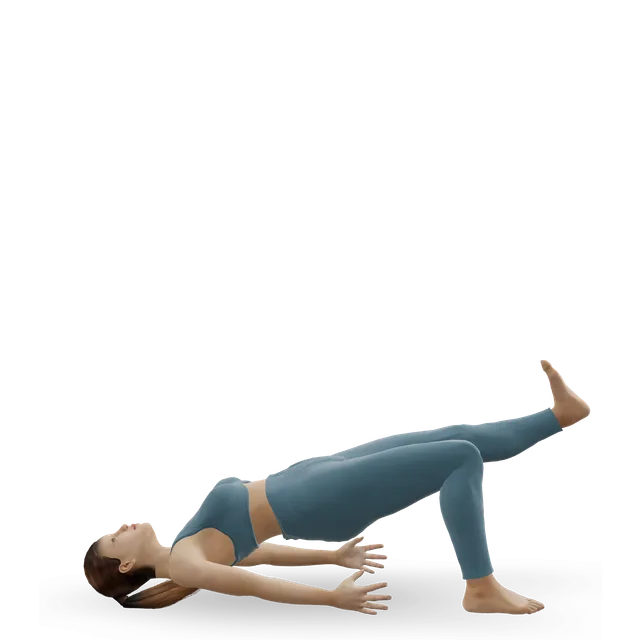
3 shoulder-bridge kicks each leg, 6 single-leg kicks each leg and 8 side kicks each side are the move pages' doses (or within them); 6 single-leg bridges each side are from our Pilates glute workout. Nordic curls are optional for experienced rowers: 3 sets of 5 twice a week is what a small study in rowers with back pain used, over a short range at first (our suggestion).

Upper back, ribs and shoulder blades

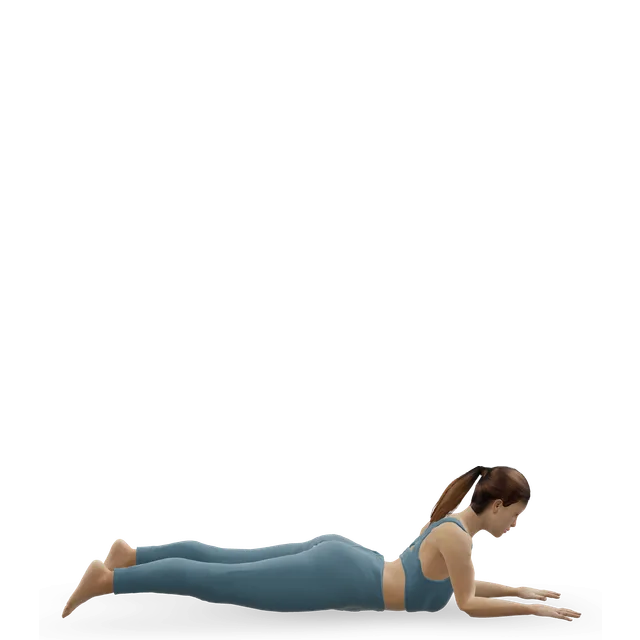
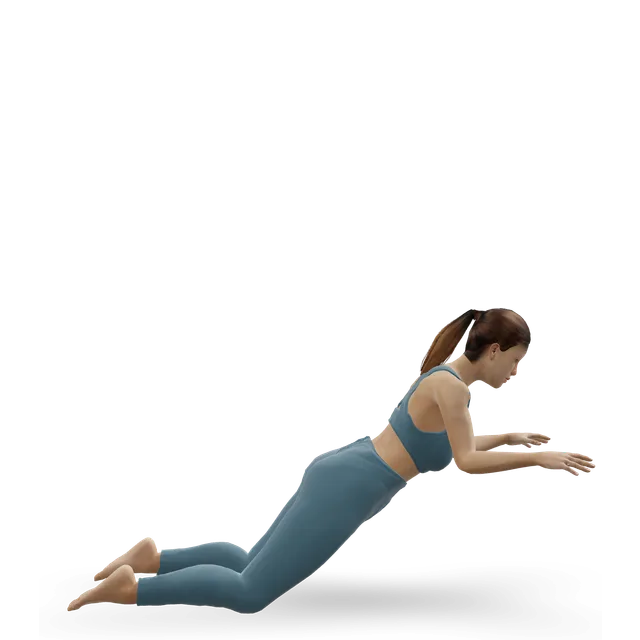
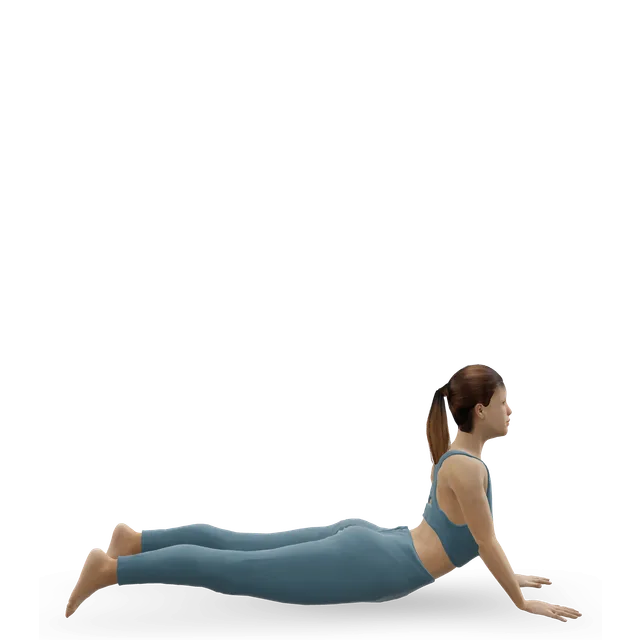
5 swan lifts, 2 sets of 20 seconds of swimming, 5 lateral breaths with your hands on your ribs, and 5 to 8 slow breaths at each spot on the foam roller are the move pages' doses (or within them); 5 of each Y-T-W shape are from our climbers' and tennis players' classes; 10 scapular push-ups, 6 open-book rotations each side and 15 band pull-aparts from our strength workout for rowers. Check with your doctor before the foam roller if you have osteoporosis.

What to change with back pain, a rib injury or sore wrists

Back pain that's worse bending forward

Leave out the roll-up, teaser, neck pull and the rolling moves (rolling like a ball, seal and open-leg rocker), and hinge from your hips. Skip the segmental roll-down if bending forward brings on leg pain.

Back pain that's worse arching

Keep the swan, swimming and single-leg kick small, or do more bird dogs instead.

A rib stress injury

No loaded or deep twists or side bends (the saw, criss-cross, mermaid, side bend and hip twist), and no planks, push-ups, scapular push-ups or Pallof presses until your physiotherapist agrees, usually from about 4 to 6 weeks, as our rib injury guide says. Don't lie on the sore side, and don't roll a ball or foam roller over the ribs. These changes are our suggestion: no Pilates guidance covers rib stress injuries.

Sore wrists

Use fists or your forearms in weight-bearing moves; the forearm plank keeps weight off bent-back wrists.

Long static planks

Not needed: World Rowing's summary of the consensus says static exercises such as planks are unlikely to help. Keep side planks short.

Source 5

Masters rowers with osteoporosis

Avoid deep rounding of the back under load. Keep a long spine and hinge from the hips, as our rowing guide says; our Pilates for osteoporosis guide has more.

Classes to follow

Start with our 25-minute class for rowers. The strength workout for rowers is the gym side, the rowing machine workouts suit indoor rowers, and the Pilates for back pain class suits a sore back.

Off-the-erg Pilates for rowers: a 25-minute class for trunk endurance, hips, upper back and shoulder blades

A 25-minute mat Pilates class for rowers: hip hinging and hip range for the catch, moving trunk endurance, glutes, hamstrings, upper back and shoulder blades.

25 minBeginner19 movesNo equipment

Strength workout for rowers: legs, hinge, pull and trunk

A 50-minute strength session for rowers: back squats, Romanian deadlifts, chest-supported rows, push-ups, side planks, bird dogs and Pallof presses.

50 minIntermediate15 movesCardio machine, A band

Rowing machine workout for beginners: set-up, technique and steady rounds

A 25-minute beginner rowing machine workout: set the damper, learn the stroke one part at a time, row three easy rounds of 4 to 5 minutes, then stretch.

25 minBeginner4 movesCardio machine

Rowing machine interval workout: power strokes and 20-second pushes

A 25-minute first interval session on the rowing machine: a warm-up with two accelerations, then 20 seconds hard and 1 minute 40 easy, 6 rounds building to 8.

25 minBeginner3 movesCardio machine

McGill big 3 core routine

The McGill big three for the core: curl-ups, side planks and bird dogs, each held for 10 seconds at a time in falling sets of 5, 3 and 1 reps.

12 minBeginner3 movesNo equipment

Pilates for back pain (gentle routine)

A gentle 15-minute Pilates-based routine for ongoing low back pain, built from neutral-spine moves with options for backs that dislike bending or arching.

15 minBeginner10 movesNo equipment

Off-the-bike Pilates for cyclists: a 25-minute class for back extension, trunk and hips

A 25-minute Pilates class for cyclists: back extension, trunk endurance, glutes and side hips, upper-back rotation and the neck, the opposite of the bike.

25 minBeginner17 movesNo equipment

Shoulder-safe Pilates for swimmers: a 25-minute dryland class for shoulder blades, trunk and hips

A 25-minute dryland Pilates class for swimmers: shoulder-blade control, trunk endurance, back extension, hips and rotation, built for loose shoulders.

25 minBeginner16 movesA wall

Pilates for posture: upper back, shoulders and neck

A 20-minute Pilates routine for posture: breathing, head and shoulder-blade control, back strength and upper-back mobility, with no loaded rounding.

20 minBeginner13 movesA wall, A band

Plans

We don't have a rowing plan yet. The beginner strength programme suits adult rowers new to lifting. The workout plan for teenagers suits juniors, but British Rowing keeps rowers 15 and under to core, trunk and conditioning work.

When to stop and get help

These match our rowing, rib injury and back pain guides. In the US, call 911 where this page says 999.

Chest pain or fainting: call 999

Call 999 if:

  • You get sudden pain or discomfort in your chest that doesn't go away; it can feel like squeezing or pressure, burning or indigestion.
  • The pain spreads to your left or right arm, or your neck, jaw, stomach or back.
  • You have chest pain and feel sweaty, sick, light-headed or short of breath.
  • Someone faints while exercising, can't be woken within 1 minute, or has chest pain or a pounding, fluttering or irregular heartbeat.

Sources 53, 54, 55

On the rowing machine

British Rowing's safety alert on indoor rowing says: "If you do not feel well then do not exercise. If something is making you feel unwell then stop doing it."

Sources 56, 57

Unusual breathlessness

Call 999 or go to A&E (accident and emergency) straight away for severe difficulty breathing (gasping, choking or not able to get words out), a chest that feels tight or heavy, pain that spreads to your arms, back, neck and jaw, lips or skin turning very pale, blue or grey, or sudden confusion. If you're more short of breath than usual, or your heart is racing, fluttering or skipping beats, contact NHS 111.

A rib that hurts

Pain at the side of the chest that builds with rowing, or hurts when you breathe deeply, cough or sneeze, needs a physiotherapist or doctor early, before it becomes a fracture. Our rib injury guide has more.

Rib pain with no injury that builds up with rowing, golf or other training: see a GP. It may be a rib stress fracture.

After a fall or blow to the ribs, call 999 or go to A&E if breathlessness or chest pain gets worse, you have pain in your tummy or shoulder, or you cough up blood.

Sources 9, 10, 58

Back pain: call 999

Call 999 or go to A&E: loss of feeling or numbness around the genitals or bottom, new trouble peeing or controlling your bladder or bowels, changes in genital sensation during sex or problems with erections or orgasm, or pain, tingling, weakness or numbness in both legs. These are signs of cauda equina syndrome, which needs treating in hospital urgently. Don't drive yourself.

Call 999 or go to A&E: back pain with chest pain, or back pain that started after a serious accident, such as a car crash.

Source 40

Back pain: the same day

Same day (GP or NHS 111): back pain and you feel hot, cold, shivery or generally unwell, or severe pain that starts suddenly or is getting worse quickly.

Same day: leg weakness that is getting worse.

Source 40

Junior rowers

A teenager in a sport that arches or twists the back, such as gymnastics, dance, diving, volleyball, cricket fast bowling, baseball pitching, weightlifting, football or rugby, with back pain that lasts more than a couple of weeks, is worse arching back or stops them training: get it checked by a GP or sports physiotherapist. It can be a stress fracture in the spine.

Eating enough

Low energy intake harms bone in women and men, and it's a suspected driver of rib injuries. See your GP, and eat enough for your training.

Sources 24, 49

In Pilates

With a rib injury, follow the rib injury guide's stages, don't lie on the sore side, and stop any move that makes the rib hurt to breathe. With back pain, keep moving within comfort and favour the direction that eases it. Stop a set when you can't keep your back long (our suggestion).

Before you start

The NHS advises getting advice from a healthcare professional first if you have a health problem, an injury or symptoms, or have recently had a heart attack or an operation.

Source 59

Myths

"Pilates can replace rowing or strength training"Emerging evidence

Strength training improves rowing performance, while core endurance work improved trunk tests but not 2,000 m time. British Rowing treats trunk work as support for posture, alongside other training.

Sources 32, 29, 7

"Core strength prevents back pain in rowers"Mixed evidence

"There is no one proven way to prevent back pain in rowers." Rowers with back pain have larger, more active back muscles, not weak ones, and a programme that eased young rowers' pain didn't change their back endurance.

Sources 5, 20, 21, 41

"Planks are the best core exercise for rowers"Mixed evidence

World Rowing's summary of the consensus says static exercises such as planks are unlikely to help and favours moving trunk exercises for the back and buttock muscles. Other rowing sources still recommend core work in general terms.

Sources 5, 7, 10

"Rowing is bad for your back"Mixed evidence

Back pain is common in rowers, but former elite rowers had no more back pain than non-athletes 10 years on, and "For most rowers, their back pain is not serious".

Sources 5, 13, 46

"A flexible back is a safe back"Emerging evidence

Not for the lower back at the catch: it already nears the end of its range there, and rowers with back pain stay nearer that end and round more. The range you want is at the hips and hamstrings.

Sources 17, 52, 6, 5

"Serratus exercises prevent rib stress fractures"Mixed evidence

No prevention study has found an effect; big changes in training are the biggest risk.

Sources 48, 23

"You need a reformer for real Pilates"Emerging evidence

Mat and equipment Pilates both helped back pain, and most Pilates studies in athletes used the mat.

Sources 38, 28

Questions people ask

Is Pilates good for rowers?

It can be useful conditioning: it trains the trunk to stay steady while the hips and limbs move, plus hip range, glutes, hamstrings and the upper back. No trial has tested Pilates in rowers, so it's an addition to rowing and strength training, not a replacement.

Can Pilates prevent back pain in rowers?

Nobody has shown that any core programme prevents it. What the experts recommend is using your hips at the catch, building the endurance of your back and buttock muscles with moving exercises, and managing your training load.

What are the best core exercises for rowers?

Moving ones that build endurance in the back and buttock muscles, such as bird dogs, dead bugs, bridges and Pilates swimming, rather than long planks. Short side planks and Pallof presses suit sweep rowers too.

Can Pilates make me row faster?

It hasn't been tested. Core endurance training improved trunk tests but not 2,000 m time in college rowers, while strength training does improve rowing performance.

How often should rowers do Pilates?

Once or twice a week, on lighter days, is a sensible start; this is our suggestion. The trunk training trials in rowers used twice a week for 8 to 10 weeks.

Should rowers do planks?

Short planks are fine, but World Rowing's summary of the expert consensus on back pain says static exercises such as planks are unlikely to help, and favours moving trunk exercises. Other rowing sources still recommend core work in general terms.

Can I do Pilates with a rib stress fracture?

Only gentle parts at first: breathing and moves that don't twist, side-bend or load the ribs, and not lying on the sore side. Follow your physiotherapist's return plan; our rib injury guide has the stages, with planks and push-ups from about 4 to 6 weeks.

What is the Pilates rowing series? Can you row on a reformer?

The rowing series is a set of seated arm exercises on the reformer in classical Pilates, with names such as Into the Sternum, From Chest and Shave. It trains the arms and posture; it isn't rowing training.

Is rowing bad for your back?

Back pain is common in rowers, but former elite rowers didn't have more back pain later than non-athletes, and most rowers' back pain isn't serious. Previous back pain is the biggest warning sign of more to come.

How much hip mobility do rowers need?

World Rowing suggests at least 130 degrees of hip flexion, full knee range and flexible hamstrings. Rowers without back pain tip the pelvis forward at the catch and move more at the hips.

Can junior rowers do Pilates?

Yes. British Rowing's guidance is that rowers aged 15 and under do core, trunk and conditioning work rather than heavy strength training, and a Pilates class fits that.

When should a rower see a doctor?

For a rib that hurts more to breathe, cough or roll over in bed, back pain that lasts or keeps coming back, or wrist or forearm pain with feathering that keeps coming back. Back pain with numbness around the genitals or bottom, weakness in both legs, or bladder or bowel changes needs 999.

Sources

  1. Trease 2020 · Injury and illness in 153 Australian international rowers over eight seasons (cohort, Br J Sports Med)
  2. McDonnell 2011 · Rib stress fractures among rowers (review, Sports Med)
  3. Smoljanovic 2009 · Injuries among 398 elite junior rowers (survey, Am J Sports Med)
  4. PubMed · Our search for Pilates studies in rowers (October 2026)
  5. World Rowing · Guide for managing low back pain in rowers: a summary of the 2021 consensus (May 2021)
  6. Nugent 2021 · Rowing-related low back pain and rowing technique: 22 studies (systematic review, Br J Sports Med)
  7. British Rowing · Youth rowing guidance 2024 (read in full)
  8. Wilson 2013 · Low back movement on the ergometer and in a single scull in 19 elite rowers (study, Sports Biomech)
  9. Hosea 2012 · Rowing injuries (review, Sports Health; read in full)
  10. AOSSM STOP Sports Injuries · Tip sheet: rowing injuries (2025)
  11. Smoljanović 2018 · Injuries in 743 international masters rowers (survey, Croat Med J)
  12. Finlay 2020 · Injuries in 160 UK amateur club rowers (survey, Phys Ther Sport)
  13. Newlands 2015 · Low back pain in 76 international rowers (cohort, Br J Sports Med)
  14. Harris 2020 · Rib stress injuries in 151 Australian Rowing Team athletes (cohort, Br J Sports Med)
  15. Wilson 2010 · Injuries in Irish international rowers over 12 months (cohort, Br J Sports Med)
  16. Hoy 2019 · Intersection syndrome of the wrist in elite rowers (case series, BMJ Open Sport Exerc Med)
  17. Strahan 2011 · Spine and pelvis movement in sweep and scull ergometer rowing (study, Clin J Sport Med)
  18. Caldwell 2003 · Repeated rowing, low back bending and back muscle activity in 16 rowers (study, Clin Biomech)
  19. Morris 2000 · Forces on the low back in female rowers (study, Int J Sports Med)
  20. McGregor 2002 · The trunk muscles of elite oarsmen with and without back pain (study, Br J Sports Med)
  21. Yamashita 2023 · Trunk muscle activity on the ergometer in rowers with and without low back pain (study, J Sports Sci Med)
  22. Pollock 2009 · Trunk muscle activity during rowing in elite women (study, Med Sci Sports Exerc)
  23. World Rowing · Rib pain: the latest research (June 2022)
  24. Scheffer 2023 · Low energy availability in 25 New Zealand elite female rowers (study, J Sci Med Sport)
  25. British Rowing · How much, how often: training levels for young rowers (2019; read in full)
  26. Pilatesology · Reformer rowing series (classical method encyclopedia, public summary)
  27. Merrithew (STOTT PILATES) · Exercise of the month: back rowing (June 2024)
  28. Yilmaz 2023 · Pilates and sports performance: 12 studies (systematic review, Turk J Physiother Rehabil; read in full)
  29. Tse 2005 · Core endurance training in 45 college rowers (trial, J Strength Cond Res)
  30. Schäfer 2022 · Perturbation-based trunk training in 26 elite rowers (non-randomised pilot study, PLoS One; read in full)
  31. Hammami 2026 · Loaded or body-weight trunk training in 28 pubertal rowers (randomised trial, PLoS One; read in full)
  32. Thiele 2020 · Strength training in rowers (systematic review and meta-analysis, J Sports Sci)
  33. Kleshnev 2000 · Power in rowing: legs, trunk and arms (conference paper, ISBS proceedings)
  34. Saeterbakken 2022 · Trunk muscle training in athletes: 31 studies (systematic review and meta-analysis, Sports Med; read in full)
  35. Prieske 2016 · Trunk strength and athletic performance (systematic review and meta-analysis, Sports Med)
  36. Hayden 2021 · Exercise therapy for chronic low back pain: 249 trials (Cochrane review)
  37. Yamato 2015 · Pilates for low back pain: 10 trials (Cochrane review)
  38. da Luz 2014 · Mat or equipment Pilates for chronic low back pain (randomised trial, Phys Ther)
  39. NICE NG59 · Low back pain and sciatica in over 16s (recommendation 1.2.2)
  40. NHS · Back pain
  41. Ng 2015 · A cognitive functional approach for back pain in 36 adolescent rowers (randomised trial, Br J Sports Med)
  42. Kasmi 2017 · Nordic hamstring exercise in 10 elite rowers with back pain (study, Turk J Kinesiol; read in full)
  43. Wilson 2021 · Preventing and managing low back pain in elite and subelite rowers (consensus statement, Br J Sports Med)
  44. McGregor 2002 · Spinal movement and pelvic tilt in 20 elite oarsmen on MRI (study, Med Sci Sports Exerc)
  45. Ze 2025 · Risk factors for low back pain in rowers: 10 studies, 2,082 rowers (systematic review and meta-analysis, BMC Sports Sci Med Rehabil)
  46. Foss 2012 · Low back pain in former elite athletes, including 173 rowers, over 10 years (cohort, Am J Sports Med)
  47. Teitz 2002 · Back pain in 1,632 former intercollegiate rowers (survey, Am J Sports Med)
  48. D'Ailly 2016 · Rib stress fractures in rowers: return to sport, risk factors and prevention (systematic review, J Sports Med Phys Fitness)
  49. Dimitriou 2014 · Bone density and rib pain in elite lightweight women rowers (study, BMJ Open)
  50. Wedatilake 2021 · Hip shape and disc disease in 20 elite rowers (study, BMJ Open Sport Exerc Med)
  51. Ng 2014 · Low back pain in 365 adolescent rowers (survey, J Sci Med Sport)
  52. Ng 2015 · Spinal movement in adolescent rowers with and without back pain (study, J Appl Biomech)
  53. NHS · Heart attack
  54. NHS · Chest pain (past its review date: reviewed August 2023, review due August 2026)
  55. NHS · Fainting
  56. British Rowing · Safety alert: care when indoor rowing (February 2020)
  57. British Rowing · RowSafe (February 2026 version)
  58. NHS · Broken or bruised ribs
  59. NHS · Pilates for beginners (exercise video, with safety information)

Exercise education, not a personal prescription, and clinical review of these guides is pending. If you are pregnant, have a health condition or have had recent surgery, check with a doctor, midwife or physiotherapist before starting, and stop for sharp or increasing pain. Health disclaimer.