One part of an active week
Teenagers need an average of at least 60 minutes a day of activity that makes them breathe faster, with a mix that builds muscles and bones. Only about half of 5 to 16 year olds in England get it, fewer girls than boys.
Pilates guide
Pilates is a good, safe way for teenagers to build trunk and hip strength, body control and flexibility. In small school trials, short sessions twice a week built trunk endurance and kept the upper back from rounding. It is one part of an active week, not the whole of it: teenagers need an average of an hour a day of activity that gets them out of breath, with running and jumping for their bones, and strength training is safe with good teaching. It adds to sport and coaching rather than replacing them.
This guide covers what Pilates does for growing bodies, sport and posture, back pain, mood and body image, the reformer and age, a 25-minute class, and the warning signs to know. If you're struggling, call Samaritans free on 116 123, any time, day or night (UK and Ireland). If you're under 19, you can also call Childline on 0800 1111.
Teenagers need an average of at least 60 minutes a day of activity that makes them breathe faster, with a mix that builds muscles and bones. Only about half of 5 to 16 year olds in England get it, fewer girls than boys.
Supervised strength training hasn't been shown to injure growth plates or stunt growth, and the NHS says young people can use weights if a qualified adult trains and supervises them.
In small school trials, mostly from one research group, short Pilates sessions twice a week built trunk endurance and kept the upper back from rounding; another trial in teenage girls found no change in posture.
Across hundreds of trials in young people, exercise eased depression and anxiety by a moderate amount, more with moderate and harder effort. We found no Pilates trial in teenagers with depression or anxiety.
About a third of young people have low back pain over a year, and school bags aren't a proven cause. Back pain that lasts in a teenager who arches or twists in sport needs checking for a stress fracture in the spine.
Studio age limits are studio policy, not a health rule. Reformers are built for adults, so a good teacher checks the fit and supervises closely.
Source 16
The UK Chief Medical Officers say 5 to 18 year olds "should engage in moderate-to-vigorous intensity physical activity for an average of at least 60 minutes per day across the week", with "a variety of types and intensities" to build movement skills, muscular fitness and bone strength, and less time sitting. The World Health Organization adds vigorous activity, and activities that strengthen muscle and bone, on at least 3 days a week.
Pilates builds muscle strength, trunk endurance and control. The Chief Medical Officers say "Bone strengthening involves moderate and high impact activities", and Pilates has little impact and is mostly light to moderate, so pair it with sport, running and jumping (our reading, as our Pilates for kids guide says).
In England in 2024 to 2025, 49% of 5 to 16 year olds met the guideline (boys 52%, girls 46%), and 28% averaged less than 30 minutes a day. Worldwide, 81% of 11 to 17 year olds don't get enough.
The US National Strength and Conditioning Association says "To date, injury to the growth cartilage has not been reported in any prospective youth resistance training research study", and that there's no evidence it harms growth. In a review of 22 supervised programmes, training didn't affect height or weight, and injuries were rare.
Strength training makes children and teenagers stronger, more so with age. The American Academy of Pediatrics and an international consensus support supervised strength training for young people.
In US emergency departments, weightlifting injuries in younger children were mostly accidents, such as dropped weights. The NHS says young people can use weights if a qualified adult trains them and supervises them.
A 2020 review of 11 studies in children and young people called the research preliminary, with programmes that varied widely. Most Pilates trials in teenagers are small.
A 2024 review found moderate-certainty evidence that Pilates improves the upper-back and lower-back angles a little in children and teenagers against doing nothing. In 236 teenagers, 15 minutes twice a week in school PE (physical education) for 9 months kept the upper-back curve from increasing while their classmates' increased; in 103 teenagers with a rounded upper back, the same dose for 38 weeks reduced the curve by about 5.6 degrees more than in the comparison group. These are small trials, mostly from one research group, which we read as abstracts.
In 441 teenagers, 10 minutes of Pilates twice a week in PE for 12 weeks improved the endurance of the tummy and back muscles and hamstring flexibility, and most gains lasted 12 weeks after it stopped. In 52 teenagers who'd had back pain, 6 weeks of Pilates improved back muscle endurance more than no programme.
In 45 girls aged 13 to 16 with rounded shoulders, 6 weeks of Pilates didn't change head, shoulder or upper-back angles, while corrective exercise and the Alexander technique did.
Source 9
In 30 young volleyball players, 8 weeks of Pilates three times a week reduced landing errors; in 15 young footballers, 15 sessions of mat Pilates increased leg strength; and baseball players gained trunk strength in a study without a comparison group.
In 34 teenagers with pain at the front of the knee, Pilates-based core work added to physiotherapy for 3 months reduced pain and improved strength more than physiotherapy alone.
Source 32
Trunk training improved sport-specific performance across 31 studies in athletes, and small Pilates trials in young athletes found better landing technique and strength. Pilates adds to a teenager's sport, coaching and strength training; it doesn't replace them.
Work in the middle of your range and build control rather than more stretch; our Pilates for hypermobility and Pilates for dancers guides have more.
About a third of children and teenagers (34%) have low back pain over a year, and 42% of adolescent athletes. A review of 69 studies found no convincing evidence that school bags cause it. Supervised exercise lowered pain by about 3 points out of 10 in two small trials.
A stress fracture in the back of a lower vertebra (spondylolysis) was behind 30% of back pain in 1,025 adolescent athletes. In a trial of 64 athletes with one, starting physiotherapy straight away got them back to sport 38 days sooner than resting first, with fewer recurrences.
Pain at night, constant pain, numbness or weakness, fever, bladder or bowel changes, or a visible change in the shape of the spine. The warning signs below give the details.
If your back hurts more when you arch, skip the swan, swimming, rocking and kicks and do the bird dog; if it hurts more bending forward, skip roll-ups and rolling. Get pain that lasts more than a couple of weeks checked (our suggestion, from the moves' own cautions).
A Cochrane review is very uncertain whether exercises reduce the curve, and Pilates trials are poor quality; one small trial found Schroth exercises did better than Pilates. Sport is encouraged: the scoliosis specialists' society SOSORT recommends staying active in sport, and the NHS says children with scoliosis "can usually do most types of exercise". Our Pilates for scoliosis guide has more.
Keep moves in the middle of your range and build control. The NHS advises gentle, low-impact exercise and regular breaks, and NHS physiotherapy teams use Pilates with teenagers with hypermobility, back pain and posture problems.
In high school students, growing wasn't linked to losing flexibility. If you're growing fast, cut back the jumps before the strength work, as our strength workout for teenagers suggests (our editorial suggestion), and get knee or heel pain that keeps coming back checked.
Source 48
Across 375 trials in 5 to 18 year olds, exercise eased depression (moderate certainty) and anxiety by a moderate amount; moderate-intensity and mixed exercise helped depression most and strength training helped anxiety most. Low-intensity training didn't clearly ease anxiety.
We found no Pilates trial in teenagers with depression or anxiety. Across 32 trials at all ages, Pilates helped quality of life and self-esteem, with limited or unclear effects on depression and anxiety.
Offer advice on regular exercise and encourage "a structured and supervised exercise programme of typically up to 3 sessions per week of moderate duration (45 minutes to 1 hour) for between 10 and 12 weeks". Exercise sits alongside the help a GP or mental health team gives, never in place of it.
Source 51
More active teenagers tend to feel better about their bodies, but "fitspiration" posts on social media made body dissatisfaction worse, especially in younger people. In 2,287 young adults, women who did yoga or Pilates had disordered eating as often as others, and men who did them used extreme ways of controlling their weight more often. Train for what your body can do, not how it looks.
Exercise that feels driven by rules or guilt, or that carries on despite injury or illness, can be part of an eating disorder; the NHS lists "exercising too much" among the signs. A small Pilates programme was safe for girls with anorexia in specialist care, but that's for the treatment team to decide.
No guideline sets a minimum age for Pilates or the reformer. The Pilates Association Australia says what matters on equipment is "the size of the child, the appropriateness of load and instability", with no more than 4 young people per teacher on equipment (8 on the mat).
Source 16
Springs and a moving carriage need teaching: in one case report, an adult dislocated both shoulders on an unsupervised reformer session. Start with a teacher, and tell them about injuries, scoliosis, bendy joints or a health condition.
The same teachers' body says inversions such as the roll-over and jack knife, and apparatus work, "should be taught with caution" to children and adolescents because of "the potential load on bone growth plates". They aren't needed, so our class leaves them out.
Source 16
10 to 15 minutes twice a week inside school PE for 12 weeks to 9 months, and 50-minute sessions three times a week for 8 weeks in young athletes.
Our editorial starting point:
5 lateral breaths, 50 beats of the hundred, 8 single-leg stretches each side, 6 slow criss-crosses each side and 3 leg pulls each side are the move pages' doses (or within them); 6 slow bridges and 6 heel taps each side are from our beginner Pilates class; 6 dead bugs each side from our golfers' and tennis players' classes; 2 side planks of 20 seconds each side, knees down to start, from our strength workout for teenagers. Rest your head if your neck tires.
 3D demoLateral breathing (Pilates breathing)Beginner · No equipment
 3D demoPelvic tilt into bridgeBeginner · No equipment
 3D demoDead bug heel tapsBeginner · No equipment
 3D demoHundred (Pilates)Intermediate · No equipment
 3D demoSingle-leg stretch (Pilates one leg stretch)Intermediate · No equipment
 3D demoDead bugBeginner · No equipment
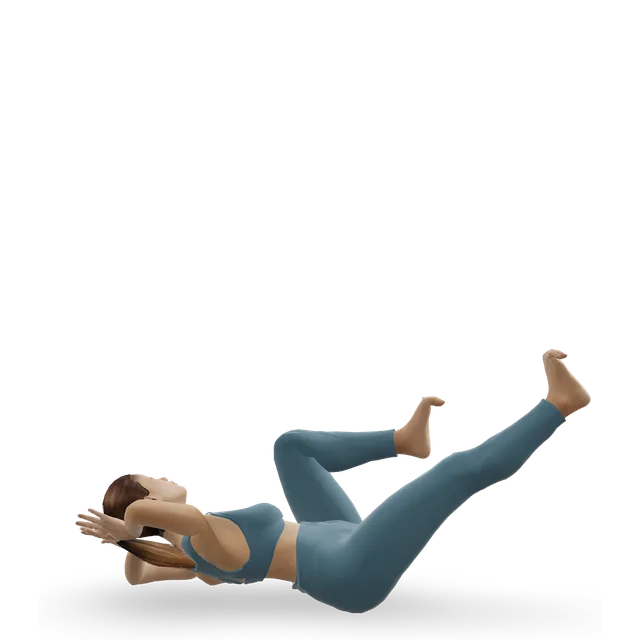 3D demoCriss-cross (Pilates)Intermediate · No equipment
 3D demoSide plankIntermediate · No equipment
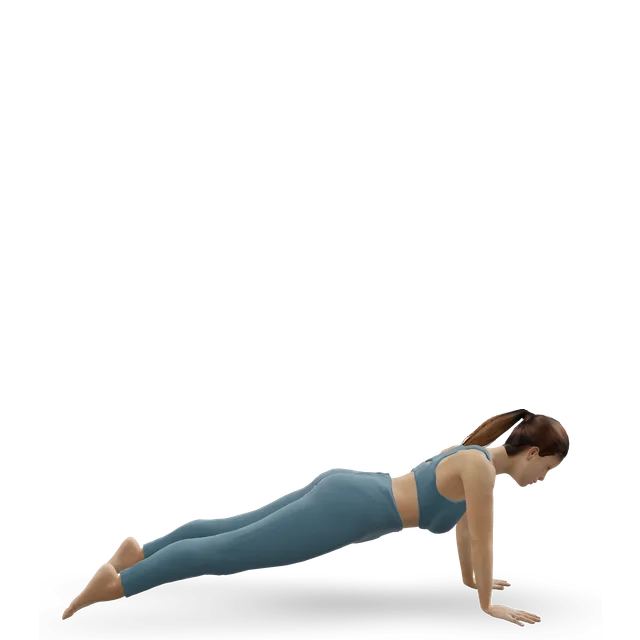 3D demoLeg pull front (Pilates leg pull down)Advanced · No equipment
3 shoulder-bridge kicks each leg, 8 side kicks each side, 5 leg circles each way and 5 slow hip airplane turns each leg (for athletes) are the move pages' doses (or within them); 10 clams each side is from our beginner Pilates class; 20 seconds of tree pose each side from our Pilates for kids class. Keep circles small if your joints are bendy.
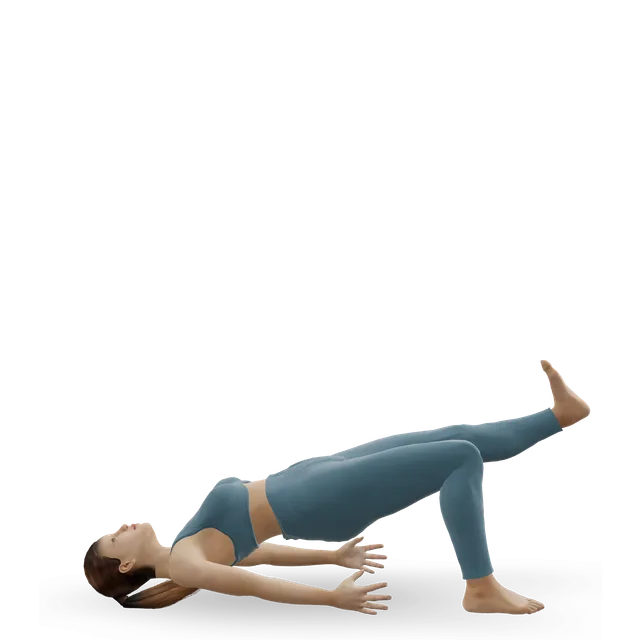 3D demoShoulder bridge (Pilates)Intermediate · No equipment
 3D demoSide kick (Pilates side kick series)Beginner · No equipment
 3D demoSingle-leg circle (Pilates one leg circle)Beginner · No equipment
 3D demoClamshellBeginner · No equipment
 3D demoTree pose (Vrksasana)Beginner · No equipment
 3D demoSingle-leg standBeginner · A wall
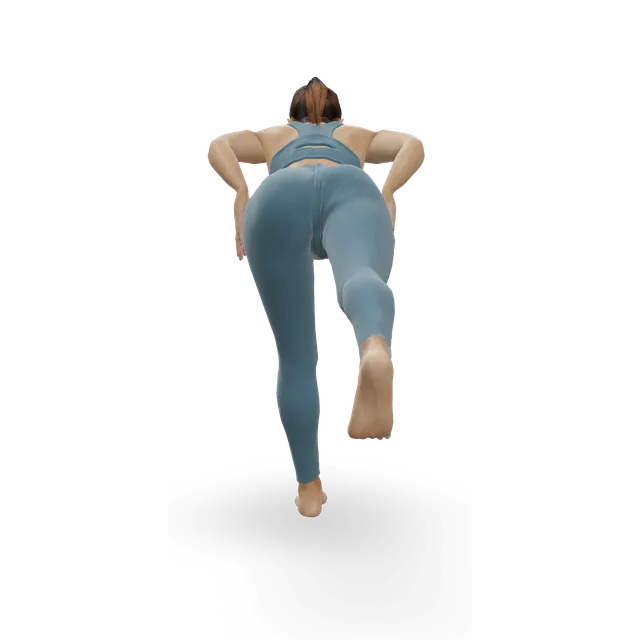 3D demoHip airplaneAdvanced · No equipment
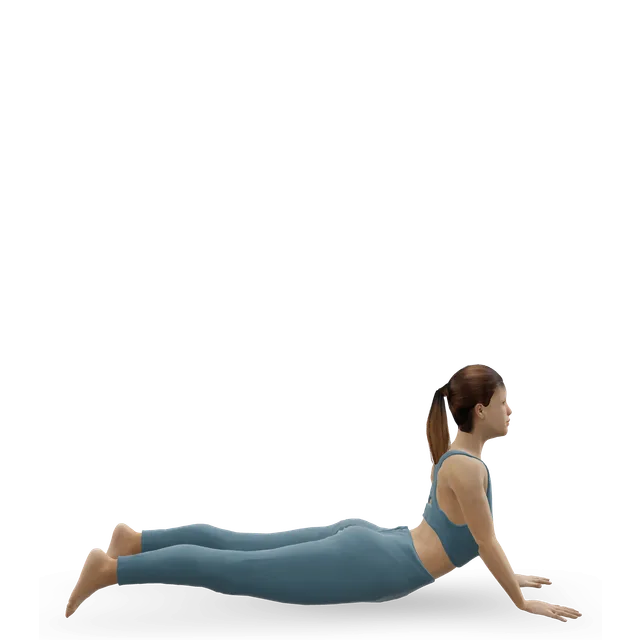
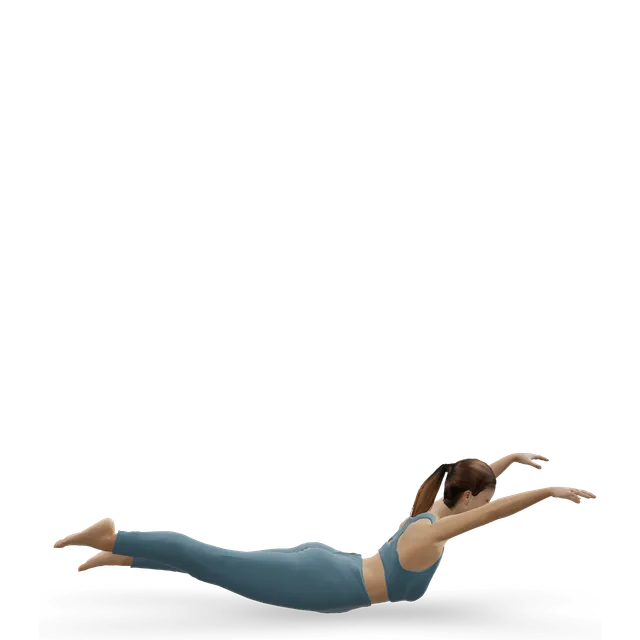
5 small swan lifts and 2 sets of 20 seconds of swimming sit within the move pages' doses; 5 bird dogs each side is from our beginner Pilates class; 5 of each Y-T-W shape from our tennis players' and climbers' classes; 8 slow chin tucks held 3 to 5 seconds and 8 wall angels from our Pilates for posture class. If arching hurts your back, do the bird dog instead of the swan and swimming.
8 open-book rotations each side, 8 cat-cows and 3 spine twists each side are the move pages' doses (or within them); 30 seconds each side of the hip flexor and hamstring stretches is from our strength workout for teenagers.
Leave out the roll-over, jack knife, control balance, boomerang, crab and neck pull, as our Pilates for kids guide does, and the high scissors and high bicycle. Roll back only to your shoulder blades in rolling like a ball, on a soft mat.
Source 16
Skip the swan, swimming, rocking and kicks, and do the bird dog instead. If the pain lasts more than a couple of weeks, get it checked.
Source 15
Stop reaches before the end of your range in the saw, spine stretch and mermaid, and keep your elbows and knees soft.
Use fists or your forearms in planks and leg pulls; the forearm plank keeps weight off bent-back wrists.
Pad kneeling moves or half-kneel on the other knee, as our Osgood-Schlatter guide suggests.
Start with our 25-minute class for teenagers; the beginner class is the next step, and the strength workout for teenagers is the strength side. The posture, scoliosis and hypermobility classes and the sports classes suit teenagers with those needs.
A 25-minute Pilates class for teenagers: trunk and hip strength, back and shoulder-blade work for posture, a short plank block and slow breathing to finish.
25 minBeginner19 movesNo equipmentA 20-minute mat Pilates workout for complete beginners. It covers breathing, spine position and the foundation moves, each with an easier option.
20 minBeginner13 movesNo equipmentA 40-minute first strength workout for teenagers: a warm-up, landing and jump drills, then squats, hinges, push-ups, rows, step-ups and carries, kept light.
40 minBeginner19 movesA wall, A dumbbellA 20-minute Pilates routine for posture: breathing, head and shoulder-blade control, back strength and upper-back mobility, with no loaded rounding.
20 minBeginner13 movesA wall, A bandA 20-minute Pilates routine for scoliosis: back, hip and trunk strength, with each one-sided move done evenly. General fitness, not a curve treatment.
20 minBeginner15 movesNo equipmentA 20-minute Pilates class for hypermobile joints, HSD and hEDS: supported positions first, mid-range control, slow changes and steady breathing.
20 minBeginner17 movesOther / check instructions, A bandA 25-minute Pilates class for dancers: feet and calves, turnout control from the hip, trunk endurance and back extension, all in the middle of your range.
25 minBeginner17 movesOther / check instructions, A bench or boxA 25-minute Pilates class for footballers: trunk control, the groin and outer hips, hamstrings with the hip extended, and balance, for recovery days.
25 minBeginner17 movesOther / check instructions, A wallA 25-minute dryland Pilates class for swimmers: shoulder-blade control, trunk endurance, back extension, hips and rotation, built for loose shoulders.
25 minBeginner16 movesA wallFor teenagers who want to get stronger. It has no Pilates day of its own: our class can take the place of one sport or strength session a week (our suggestion).
These match our Pilates for kids and back pain guides. If you're a parent, these are the signs to know; if you're a teenager, tell an adult you trust. In the US, call 911 where this page says 999.
Call 999 if:
Back pain with numbness around the genitals or bottom, new trouble peeing or controlling the bladder or bowels, or weakness or numbness in both legs. These can be signs of cauda equina syndrome, which needs treating in hospital urgently.
Source 63
Sudden pain in the hip, thigh or knee, a limp, or not putting any weight on 1 leg: an urgent GP appointment or NHS 111 the same day. Hip problems can sometimes be felt in the thigh or knee.
Source 64
If you are thinking about suicide or can't keep yourself safe, call 999 or go to A&E. For urgent help, call Samaritans free on 116 123, any time, or in England call 111 and select the mental health option. In the US, call or text 988.
Call Samaritans free on 116 123, any time, day or night (UK and Ireland). If you're under 19, you can also call Childline on 0800 1111.
Source 65
The NHS says: "If you think your child is depressed, or you're concerned about their general wellbeing, make an appointment with them to see a GP." The charity YoungMinds runs a free parents' helpline on 0808 802 5544, Monday to Friday, 9.30am to 4pm.
Source 66
Exercising compulsively, or to control your weight or make up for eating, can be a sign of an eating disorder. Our exercise and eating disorders guide explains the signs and where to get help.
The NHS lists signs such as spending a lot of time worrying about your weight and body shape, exercising too much, and having very strict habits or routines around food. If that sounds like you, see a GP as soon as you can. You can also talk in confidence to the eating disorder charity Beat: 0808 801 0677 (England), 0808 801 0432 (Scotland), 0808 801 0433 (Wales) or 0808 801 0434 (Northern Ireland), 3pm to 8pm, Monday to Friday.
Training hard on too little food harms health and performance in girls and boys: this is called relative energy deficiency in sport (REDs). See a GP if you miss 3 periods in a row, your periods haven't started by 15, or you keep getting injured or feel exhausted.
You feel any pain or become unwell, as the NHS advises for its Pilates videos, and especially for chest pain or pressure, unusual breathlessness, dizziness or fainting. If you have a health problem, an injury or any symptoms, get advice from a healthcare professional, such as a GP, before you start.
Source 69
No prospective study of supervised training has found growth-plate injuries, and training didn't affect height. It makes young people stronger.
Teenagers need an average of an hour a day of activity that gets them out of breath, with impact for bones. Pilates is one part.
Short school programmes kept the upper back from rounding in a few small trials from one group, but another trial found no change. Small differences in posture are normal and rarely cause pain.
A review of 69 studies found no convincing evidence that they do.
Source 14
In high school students, growing wasn't linked to losing flexibility.
Source 48
No guideline sets one. What matters is whether the equipment fits and how closely the teacher supervises.
Source 16
Trials included teenage boys in school PE, football and baseball.
In young people, moderate and harder exercise eased anxiety, while low-intensity programmes didn't clearly help.
Yes, as one part of an active week. In small school trials, short Pilates sessions twice a week built trunk endurance and kept the upper back from rounding. Teenagers also need an hour a day of activity that gets them out of breath, with running and jumping for their bones.
Yes, with a good teacher. No study has measured injuries in teenagers doing Pilates, and supervised strength training is safe for young people. Upside-down moves like the roll-over and jack knife are left out as a precaution.
There's no minimum age, and trials have included children from 5. Teenagers can follow a normal beginners' class, and our Pilates for kids guide covers younger children.
No guideline sets an age for the reformer; studio age limits are studio policy. What matters is that the reformer fits their size and a teacher supervises closely, and a Pilates teachers' body suggests no more than 4 people per teacher on equipment.
No. The guidelines ask for an average of 60 minutes a day of moderate-to-vigorous activity, with vigorous and muscle- and bone-strengthening activity on 3 days a week. Only about half of teenagers manage it, and fewer girls than boys.
Yes, they can, and no, it won't: no prospective study has found growth-plate injuries from supervised strength training, and training didn't affect height. The NHS says young people can use weights if a qualified adult trains and supervises them.
It may help a little: in school trials, Pilates kept the upper back from rounding more, but one trial in teenage girls found no change. Small differences in posture are normal and rarely cause pain.
It can help as conditioning: small trials found better landing technique in volleyball players and more leg or trunk strength in footballers and baseball players. It adds to sport and strength training rather than replacing them.
Exercise helps teenagers' anxiety and low mood, and harder sessions seem to help more than very gentle ones. Pilates hasn't been tested in teenagers with anxiety or depression, so it's one part of feeling better, not a treatment. If you're struggling, talk to someone: Childline is free on 0800 1111.
Yes. Trials included girls and boys, in school PE, football, baseball and volleyball, and Pilates suits anyone who wants a stronger trunk and better control.
Usually, yes: back pain is common in teenagers and usually not serious, and exercise helps. If your pain is worse when you arch back and you do a sport like gymnastics, dance or fast bowling, or it has lasted more than a couple of weeks, get it checked first: it can be a stress fracture in the spine.
Yes, with the right changes: young people with scoliosis can usually do most exercise and should stay active in sport, though Pilates won't straighten a curve. With very bendy joints, keep moves in the middle of your range.
Exercise education, not a personal prescription, and clinical review of these guides is pending. If you are pregnant, have a health condition or have had recent surgery, check with a doctor, midwife or physiotherapist before starting, and stop for sharp or increasing pain. Health disclaimer.