Pilates guide

Pilates for basketball players: ankles, knees and jumping, trunk and hip control, what the evidence shows, and a routine

Basketball's injuries are mostly ankle sprains and knee problems, and the protection with the evidence is cheap and quick: lace-up ankle braces and a 10-minute warm-up that already includes planks and side planks. Pilates can add trunk control, hip strength, calf and ankle work and one-leg balance on a lighter day, but the few trials of Pilates in basketball players are tiny, and none has looked at injuries.

So Pilates sits beside your basketball training, the warm-up, and your strength and jump work, never in place of them. This guide covers what basketball asks of your body, where the trunk and hips come into ankle and knee injuries, what the Pilates and core training studies in players show, how to fit Pilates around the game, and the warning signs to know, with a 25-minute off-court class and 3D demos.

The short version

Ankles first, then knees

Ankle sprains were the commonest injury in US college basketball, and across 11 studies about 2 in 3 injuries were in the legs, mostly ankles and knees. In Finnish teenagers, more than a quarter of injuries were repeats, most of them ankle sprains.

Sources 1, 2, 3

The proven protection isn't Pilates

Lace-up ankle braces cut ankle injuries by about two-thirds in a trial of 1,460 players, balance-based training cut ankle sprains, a 10-minute warm-up went with about a third fewer ankle and knee injuries in young players, and ACL programmes cut ACL injuries in girls and women. Our basketball page has them all.

Sources 4, 5, 6, 7

Those programmes already include trunk work

The SHRed Injuries Basketball warm-up has front planks and side planks, and ACL programmes with trunk and hip control exercises went with fewer ACL injuries. But in the largest review of ACL programmes, adding core strengthening didn't make them work any better.

Sources 8, 9, 7

Trunk control and the knee: plausible, not proven

Leaning the trunk sideways on landing loads the knee, and poor trunk control predicted knee injuries in women in one study. But in 258 basketball and floorball players, trunk movement didn't predict knee injuries.

Sources 10, 11, 12, 13

The Pilates trials in players are tiny

Six weeks of Pilates added nothing to fitness in 15 young players, and Pilates did no better than standard stabilisation exercises in 16 girls. A Pilates-style core programme improved standing balance in 24 boys.

Sources 14, 15, 16, 17

Where it fits

Keep the warm-up before every practice and game, and jump and strength training for your vertical. Add one 25-minute Pilates class a week in season for the trunk, hips, calves and back, on a lighter day (our suggestion).

Sources 6, 21, 22

What basketball asks of your body, and where players get hurt

Stop-start, jumping and cutting

In the playing time of a 40-minute game, players cover 5 to 6 km at a hard average pace, above 85% of maximum heart rate. A basketball injury review cites 35 to 46 jumps and landings a game, though some of the figures behind it come from other sports. Sprints, sudden stops, cuts, sideways shuffles, and one- and two-leg landings in traffic.

Sources 23, 5

Ankle sprainsStrong evidence

The commonest injury in US college basketball (18% of men's and 17% of women's injuries), almost half of the injuries that stopped Finnish teenagers playing, and a third of injuries in British players. A previous sprain is the clearest risk for another.

Sources 1, 3, 24

KneesEmerging evidence

About 18% of basketball injuries are at the knee. In videos of ACL injuries, women's knees caved inwards 5.3 times as often as men's. Jumper's knee (patellar tendinopathy) affected about 1 in 5 basketball players across studies and about 1 in 3 elite Norwegian male players.

Sources 2, 25, 26, 27, 28

Achilles and backEmerging evidence

Basketball caused about 43% of sport-related Achilles tendon ruptures in US emergency departments. 44% of young basketball players had low back pain over a year, and across studies about 1 in 4 basketball players had back pain at any one time.

Sources 29, 22, 30

What Pilates can add, and what it can't

It can add trunk endurance in planks, side planks and mat work, side-lying and bridging hip work, back-extension endurance, upper-back rotation and, with our class, calf strength and one-leg balance. It doesn't give you landings at speed, jump training, sprints, heavy strength work, braces or the basketball warm-up, which have the evidence (our reading).

What the evidence says

Pilates in basketball players: few, small trialsMixed evidence

We found four small trials. In 15 young male players, 7 Pilates exercises twice a week for 6 weeks, added to team training, made "no statistically significant differences" to body composition, flexibility, agility or power against team training alone. In 16 girls aged 12 to 16, an hour of Pilates or of standard stabilisation exercises 3 times a week for 6 weeks both improved fitness tests, with no difference between them.

Sources 35, 14, 15

Pilates and jumpingMixed evidence

In 45 male players training 3 times a week for 6 weeks, plyometric (jump) training plus Pilates raised vertical jump more than either alone. But the groups jumped differently at the start, there was no group that just played, and the reporting was unclear, so it's weak evidence. Jump training on its own reliably raises basketball players' jumps.

Sources 16, 21

Pilates-style core work and balanceEmerging evidence

In 24 boys aged 12 to 14, a core programme built from Pilates mat moves (the hundred, swimming, shoulder bridge, clam, side kick and others), 3 times a week for 6 weeks on top of strength training, halved standing balance errors against strength training alone. Plank time and posture didn't change, and the core group trained for longer overall.

Source 17

Other court and jumping athletesMixed evidence

In 30 young female volleyball players, reformer Pilates 3 times a week for 8 weeks improved how they landed from jumps. Volleyball players who had done Pilates for 2 years or more jumped no higher than those who hadn't. In adults whose knees cave in on landing, Pilates improved the knee's angle in a drop jump. None of these studies counted injuries.

Sources 36, 37, 38

Core training in basketball playersMixed evidence

A review of 8 small studies found core training can help basketball players' athletic and skill tests. In 40 men, 12 weeks of McGill core exercises improved 3-point shooting; in 51 girls, core tests improved but athletic performance didn't differ between groups; and core and mobility training improved young players equally. Balance improves most consistently.

Sources 18, 19, 20, 39, 40

No study has counted injuries after PilatesMixed evidence

We found no study that counted basketball injuries after Pilates. The basketball injury prevention programmes that have been tested don't list a trunk or core component.

Sources 35, 5

Where Pilates fits next to braces and the warm-up

Lace-up ankle bracesStrong evidence

In 1,460 high-school players, lace-up braces worn for every practice and game cut acute ankle injuries from 1.41 to 0.47 per 1,000 exposures, in players with and without a previous sprain, without more knee injuries.

Source 4

The SHRed Injuries Basketball warm-upEmerging evidence

This 10-minute warm-up of 13 exercises (running, agility, strength and balance) went with 36% fewer ankle and knee injuries in players aged 11 to 18, whether or not teams were supervised; it wasn't a randomised comparison. Its strength part includes a front plank on the elbows (20 to 30 seconds) and a side plank (15 to 30 seconds a side), so you already do some Pilates-like trunk work before every session.

Sources 6, 8

ACL programmes for girls and womenStrong evidence

Across 18 studies of 27,231 young female athletes, ACL prevention programmes cut ACL injuries by about half, and by about two-thirds in basketball players. Programmes with strength and landing practice did best; adding balance, core strengthening, stretching or agility exercises didn't make them more effective. An earlier review found trunk and hip control exercises went with fewer ACL injuries, alongside strength work.

Sources 7, 9

So, Pilates on other days

Keep the warm-up before every practice and game, and the braces if you've sprained an ankle. Pilates adds trunk, hip, calf and balance work on a lighter day; it doesn't replace any of them (our reading).

Ankles

What protects anklesStrong evidence

Braces (in a large trial) and balance-based training (across basketball studies) both cut ankle sprains. After a sprain, our ankle sprain guide's balance programme comes first.

Sources 4, 5

Hip strength and ankle sprains: mixed findingsMixed evidence

Hip strength didn't predict ankle sprains in 169 high-school athletes, including basketball players, but weaker hip muscles went with more sprains in male soccer players and in men across 16 studies. Side-lying hip work is a reasonable addition, not proven protection.

Sources 32, 33, 34

Where Pilates helps

One-leg balance on both legs, calf raises for push-off, and outer-ankle work with a band, as in our class. These are the same ingredients as the warm-up's balance block (our reading).

Knees, landings and the trunk

Why the trunk matters to the kneeEmerging evidence

Leaning the trunk to the side when landing or cutting raises the load that makes the knee cave in. In 277 college athletes, poor trunk control predicted knee ligament injuries in women; video of knee and trunk movement in one-leg landings separated injured from uninjured female athletes in a small study; and in NBA videos, most ACL injuries happened with the trunk tilting towards the injured leg.

Sources 10, 11, 31, 12

But not every study agreesEmerging evidence

In 258 young basketball and floorball players, trunk movement in a pivot test wasn't linked with later knee injuries.

Source 13

What to do

Practise landings in your warm-up and jump training, as our basketball page sets out, and use Pilates for trunk and hip control on other days. No test can tell who will tear an ACL, so everyone trains landings (our reading, as our basketball page says).

Jumper's knee

Keep knee-bending moves small, and follow our jumper's knee guide, which keeps tendon pain at 3 out of 10 or less while you load it. The tendon's own loading programme is the treatment; Pilates is for the rest of your body.

Jumping higher

Jump and strength training workStrong evidence

Across 32 studies of 818 basketball players, plyometric (jump) training improved jump height, short sprints, changes of direction and balance. Our how to jump higher guide and basketball strength and jump workout cover it.

Source 21

Pilates on its own doesn'tMixed evidence

Pilates alone didn't change leg power in young players, and the one trial where adding Pilates helped had serious flaws.

Sources 14, 16

Fitting Pilates around basketball

These are our editorial suggestions: no trial has tested how basketball players should fit Pilates in.

Every practice and game

The SHRed warm-up, about 10 minutes, before your basketball warm-up.

Sources 6, 8

Off season and pre-season

Strength and jump training twice a week, as our basketball page sets out, and one or two 25-minute Pilates classes on other days.

In season

One Pilates class a week on a light day, nothing hard in the hour before practice, and no new hard trunk work the day before a game.

Back care

Back pain is common in young players. Trunk endurance and back-extension work are a sensible part of looking after your back; our Pilates for back pain guide has more.

Source 22

Trunk

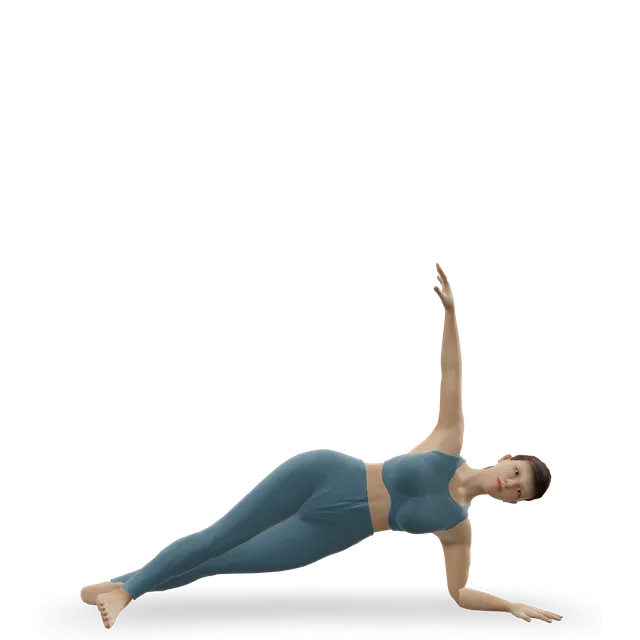
Forearm plank, 20 to 30 seconds, and side plank, 15 to 30 seconds each side (the SHRed warm-up's level 1); hundred, 50 beats building to 100 (the move's page); dead bug, 2 sets of 8 each side (our skiers class); half-kneeling Pallof press, 2 sets of 10 each side (our basketball strength and jump workout).

Hips

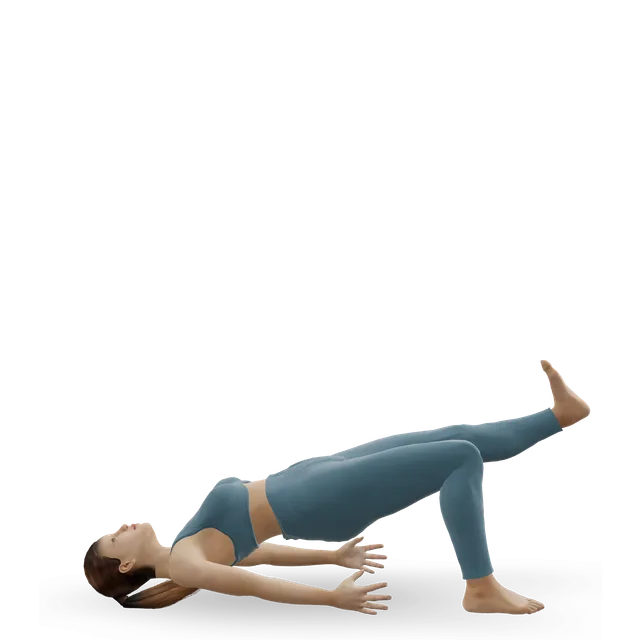
Side kick, 8 each side, and clamshell, 10 each side (our sports Pilates classes); side plank with leg lift, 2 holds of 20 seconds each side, or a knee side plank (our footballers class); shoulder bridge, 3 to 5 kicks each leg (the move's page).

Ankles, calves and one-leg balance

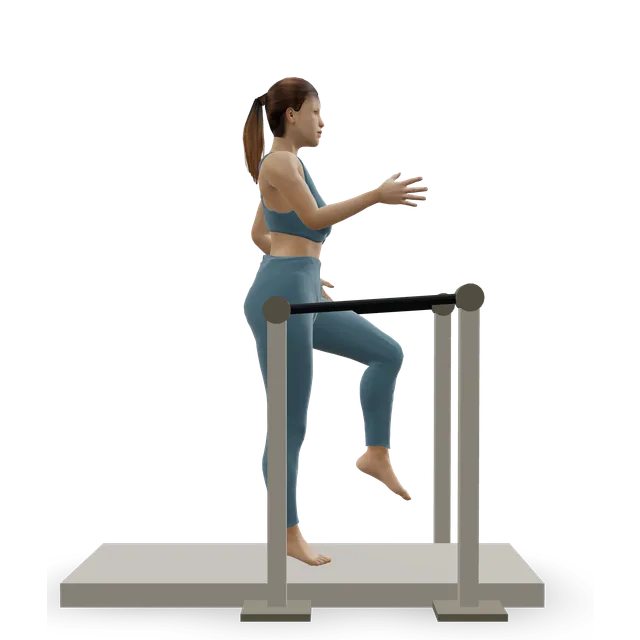
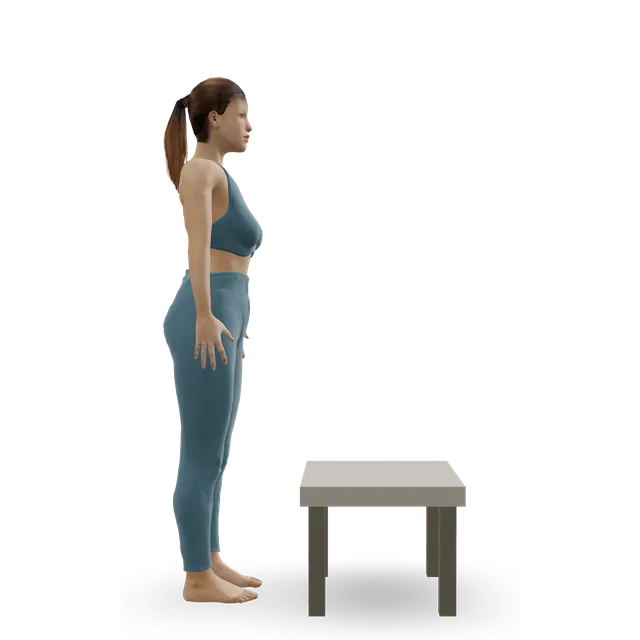
Single-leg calf raise from a step, 2 sets of 12 each leg, slow on the way down (our netball strength and landing workout); band ankle eversion, 8 each side (our foot and ankle routine); single-leg stand, 2 holds of 30 seconds each leg, eyes closed once it's easy, and hip airplane, 5 slow turns each leg holding a counter (our skiers class).

Back and upper back

Swimming, 2 sets of 20 to 30 seconds (the move's page); thoracic rotation, 6 each side (our sports Pilates classes); cat-cow, 8 slow waves (the move's page). Landing drills stay in your basketball warm-up and jump workout.

What to change or leave out

After an ankle sprain

Do one-leg work next to a wall, and skip it if it hurts; follow our ankle sprain guide's stages.

Jammed fingers or sore wrists

Do planks and side planks on your forearms, and leave out the knee hover and leg pull until they settle.

Jumper's knee now

Keep the single-leg kick and other deep knee bends small, and follow our jumper's knee guide.

Back pain that's worse arching

Keep the swan and swimming small, and get it checked if it lasts (see the warning signs).

After ACL surgery

Your physiotherapist's stages come first; our Pilates for knee pain guide covers Pilates after ACL surgery.

Classes and workouts

Our 25-minute class is the Pilates session. The basketball warm-up goes before every practice and game, and the strength and jump workout is the gym session; the knee, ankle and balance routines add more.

Off-court Pilates for basketball players: a 25-minute class for trunk control, hips, ankles and one-leg balance

A 25-minute Pilates class for basketball players: planks and side planks, trunk control, hip strength, calf and ankle work and one-leg balance, for lighter days.

25 minBeginner15 movesA step, A wall

Basketball injury prevention warm-up

A 10-minute basketball warm-up from a Canadian programme: runs, shuffles, line hops, jump landings, planks, Nordics, lunges and one-leg balance with a ball.

10 minBeginner12 movesCardio machine, A wall

Basketball strength and jump workout

A 45-minute basketball gym session: landings, box jumps, skater bounds and hop-and-sticks, then squats, hinges, split squats, Nordics, calf raises and planks.

45 minIntermediate13 movesA bench or box, A dumbbell

Knee control warm-up

A 20-minute warm-up that trains your knees to track over your toes: side-hip strength, squats and lunges with alignment practice, balance and quiet landings.

20 minBeginner10 movesA wall, A band

Foot and ankle strengthening routine: toes, arches, calves and balance

A 15-minute barefoot routine for stronger toes, arches, calves and ankles, finishing with balance. You need only a towel, a wall and a resistance band.

15 minBeginner11 movesA wall, Other / check instructions

Balance exercises routine

Balance practice in 10 minutes: tandem stance, single-leg stands, marches, heel walks, tree pose and floor transfers.

10 minBeginner7 movesA wall, A bench or box

Recovery-day Pilates for footballers: a 25-minute class for trunk, groin, hips and hamstrings

A 25-minute Pilates class for footballers: trunk control, the groin and outer hips, hamstrings with the hip extended, and balance, for recovery days.

25 minBeginner17 movesOther / check instructions, A wall

Pre-season Pilates for skiers: a 25-minute class for trunk, hips and single-leg balance

A 25-minute Pilates class for skiers: trunk endurance, hips and thighs, wall sits and single-leg balance, for the 6 to 8 weeks before your trip.

25 minBeginner17 movesA wall, A band

Pilates for knee pain: a 25-minute class with no kneeling

A 25-minute Pilates class for sore knees and knee arthritis: lying and side-lying leg work, shallow squats and balance, with no kneeling at all.

25 minBeginner15 movesA bench or box, Something with weight

Full-body mat Pilates workout

A 30-minute intermediate mat Pilates class that follows the classical order, from the hundred to the push-up, with prep versions of the hardest moves.

30 minIntermediate22 movesNo equipment

When to stop and get help

These match our basketball, ankle sprain, ACL and Achilles guides. In the US, call 911 where this page says 999.

An ankle sprain or a crack

Call 999 or go to A&E if you heard a crack, the joint has changed shape or points at an odd angle, it's numb or tingling, or the skin has turned blue or grey or is cold. Get help from NHS 111 or an urgent treatment centre if you can't put any weight on it or walk more than a few steps.

Source 41

A knee injury

Go to A&E (accident and emergency) if you've injured your knee and it has changed shape, it becomes very swollen very quickly, you felt a pop or snap, you can see bone sticking out, or it's bleeding heavily. Don't drive yourself: ask someone to take you, or call 999 if the pain means you can't move your leg to get there.

Get advice from NHS 111 now: you cannot move the knee or put any weight on it, or it is very painful, badly swollen or has changed shape, or it locks, gives way or clicks painfully. A pop, quick swelling and a knee that gives way point to an ACL injury: our ACL injury guide says what to do.

Source 42

A snap at the back of the ankle

Same day: a sudden snap or pop at the back of the heel or calf, or a feeling of being kicked there, then walking flat-footed and being unable to push off, stand on tiptoe or climb stairs. It could be an Achilles tendon rupture or a broken heel bone. Go to A&E or a minor injuries unit, or contact NHS 111.

Source 43

A head injury

Call 999 if someone has hit their head and has been knocked out and hasn't woken up, can't stay awake or keep their eyes open, has a fit, has fallen from a height of more than 1 metre or 5 stairs, has problems with their vision or hearing, has clear fluid coming from their ears or nose, has new numbness or weakness, has problems with walking, balance, understanding, speaking or writing, hit their head at high speed, or their behaviour has changed. Get help from NHS 111 if they're being sick, feel dizzy or take medicine that thins the blood. If you're told to go to A&E (accident and emergency), don't drive yourself there if you have hit your head.

With a suspected concussion, if in doubt, sit them out. The UK's grassroots guidelines say no sport for at least 24 hours, get checked by a healthcare professional or NHS 111 within 24 hours, follow a staged return, and no competition before day 21; if symptoms last beyond 28 days, stay out of sport and see a doctor. Pilates waits too: gentle breathing and mobility fit the early, light-activity stages, and trunk and strength work come later (our reading). Our concussion guide has the stages.

Sources 44, 45, 46

Chest pain or fainting: call 999

Call 999 if:

  • You get sudden pain or discomfort in your chest that doesn't go away; it can feel like squeezing or pressure, burning or indigestion.
  • The pain spreads to your left or right arm, or your neck, jaw, stomach or back.
  • You have chest pain and feel sweaty, sick, light-headed or short of breath.
  • Someone faints while exercising, can't be woken within 1 minute, or has chest pain or a pounding, fluttering or irregular heartbeat.

Sources 47, 48

Unusual breathlessness

Call 999 or go to A&E (accident and emergency) straight away for severe difficulty breathing (gasping, choking or not able to get words out), a chest that feels tight or heavy, pain that spreads to your arms, back, neck and jaw, lips or skin turning very pale, blue or grey, or sudden confusion. If you're more short of breath than usual, or your heart is racing, fluttering or skipping beats, contact NHS 111.

Source 49

See a GP or physiotherapist soon

  • An ankle that keeps giving way months after a sprain.
  • Back pain that is worse arching back and has lasted more than a couple of weeks can be a stress fracture of the spine (spondylolysis): get it checked.

Sources 41, 50

Before you start

The NHS advises getting advice from a healthcare professional first if you have a health problem, an injury or symptoms, or have recently had a heart attack or an operation.

Source 51

Myths

"Pilates prevents ankle sprains"Strong evidence

No study has counted ankle sprains after Pilates. Lace-up braces and balance-based warm-ups are the tested methods.

Sources 35, 4, 5, 6

"A strong core protects your ACL"Mixed evidence

Trunk and hip control are part of the ACL programmes that work, but adding core strengthening didn't make them more effective, and trunk movement didn't predict knee injuries in one large group of players.

Sources 9, 7, 13

"Pilates will make you jump higher"Mixed evidence

One flawed trial found Pilates added to jump training helped; the one Pilates trial with a comparison group found no change in leg power. Jump training reliably raises jump height.

Sources 16, 14, 21

"Pilates replaces basketball conditioning"Strong evidence

A game demands sprints, landings and repeated hard efforts. The warm-up, strength and jump training cover those; Pilates doesn't.

Sources 23, 6, 21

"Pro players do reformer Pilates, so that's what keeps them healthy"Strong evidence

Professional players' routines aren't trials, and no study has tested Pilates for basketball injuries.

Source 35

"You need a reformer"Mixed evidence

The Pilates trials in basketball players used mat exercises. A mat is enough.

Sources 14, 15, 17

Questions people ask

Is Pilates good for basketball players?

It can be a useful extra for trunk control, hip strength, balance and back care. But the few trials in basketball players are tiny and mixed, and one found 6 weeks of Pilates made no difference to fitness. It doesn't replace the warm-up, strength and jump training that have the evidence.

Does Pilates prevent ankle sprains?

It hasn't been tested. Lace-up ankle braces and balance-based warm-ups like SHRed Injuries Basketball are what cut ankle sprains in studies. Pilates' one-leg balance and ankle work can sit alongside them.

Can Pilates help prevent ACL injuries?

Possibly a little, as part of a bigger programme. Trunk and hip control are part of the ACL programmes that work, but adding extra core strengthening didn't make them better. For girls and women, the ACL programme on our basketball page comes first.

Will Pilates help me jump higher?

Not on its own. In one small trial, players who added Pilates to jump training jumped highest, but the trial had serious flaws, and another found no change in leg power with Pilates. Jump and strength training are the proven ways.

What are the best Pilates exercises for basketball players?

Planks and side planks (as in the SHRed warm-up), the hundred and dead bug for the trunk, side kicks, clams and the shoulder bridge for the hips, and calf raises and one-leg balance for the ankles. Our 25-minute class puts them together.

Is reformer Pilates good for basketball players?

It can be, if you enjoy it and can afford it. The basketball Pilates trials used mat exercises, so a mat is enough.

When should basketball players do Pilates?

On a lighter day: once a week in season and once or twice in the off season, not in the hour before practice or a game (our suggestion). Keep the 10-minute warm-up before every practice and game.

Do NBA players do Pilates?

Some professional players do, but their routines aren't trials, and no study has tested Pilates for basketball injuries. What works for them, and for you, is the full package: warm-up, strength, jumps, conditioning and rest.

Can Pilates help basketball players with back pain?

It may: back pain is common in young players, and Pilates helps long-lasting low back pain in general, as our Pilates for back pain guide explains. Back pain that's worse arching back and lasts more than a couple of weeks needs checking for a stress fracture of the spine.

Can I do Pilates with jumper's knee?

Yes, if you keep knee-bending moves small and follow our jumper's knee guide, which keeps tendon pain at 3 out of 10 or less. The tendon's own loading programme is the treatment; Pilates is for the rest of your body.

Is Pilates good after an ankle sprain?

One-leg balance, calf raises and outer-ankle work help after a sprain, alongside a lace-up brace for play. Follow our ankle sprain guide's stages first, and see a GP or physiotherapist if your ankle keeps giving way.

Does core training help basketball performance?

A little: in small trials it improved balance and some shooting and agility tests, while jumps and sprints changed inconsistently. Balance improves most reliably.

Sources

  1. Zuckerman 2018 · Injuries in US college basketball, 2009 to 2015 (surveillance study, Br J Sports Med)
  2. Andreoli 2018 · Basketball injuries: 11 studies, 12,960 injuries (integrative review, BMJ Open Sport Exerc Med)
  3. Pasanen 2017 · Ankle injuries in adolescent basketball: 201 players over 3 years (cohort study, Scand J Med Sci Sports)
  4. McGuine 2011 · Lace-up ankle braces in high-school basketball: 1,460 players (cluster randomised trial, Am J Sports Med; read in full)
  5. Taylor 2015 · Preventing leg injuries in basketball: 10 studies (systematic review and meta-analysis, Sports Health; read in full)
  6. Emery 2022 · The SHRed Injuries Basketball warm-up in players aged 11 to 18 (quasi-experimental study, J Orthop Sports Phys Ther)
  7. Petushek 2019 · Preventing ACL injuries in young female athletes: 18 studies, 27,231 athletes (systematic review and meta-analysis, Am J Sports Med; read in full)
  8. University of Calgary · SHRed Injuries Basketball: the warm-up programme, its planks and side planks, and the handout (version 3.0)
  9. Sugimoto 2015 · Which exercises in ACL programmes matter: 14 trials (meta-analysis, Br J Sports Med)
  10. Hewett 2011 · How the trunk, hip and knee connect in ACL injury (review, Exerc Sport Sci Rev; read in full)
  11. Zazulak 2007 · Trunk control and knee injury risk in 277 college athletes (cohort study, Am J Sports Med)
  12. Gill 2023 · How ACL injuries happen in the NBA: 38 videos (video analysis, Br J Sports Med)
  13. Leppänen 2021 · Pivot-turn movement and knee injuries in 258 basketball and floorball players (cohort study, Am J Sports Med)
  14. da Cruz 2014 · Pilates and fitness in 15 young basketball players (randomised trial, J Exerc Physiol Online)
  15. Canbolat 2021 · Pilates or stabilisation exercises in 16 adolescent female basketball players (randomised trial, J Exerc Ther Rehabil; read in full)
  16. Chouhan 2022 · Plyometrics, Pilates or both for vertical jump in 45 basketball players (trial, Cureus; read in full)
  17. Azim 2026 · Core stabilisation training for balance in 24 adolescent basketball players (randomised trial, Front Physiol; read in full)
  18. Luo 2023 · Core training in basketball players: 8 studies (systematic review, PLoS One; read in full)
  19. Hessam 2023 · McGill core training in 40 male basketball players (randomised trial, J Sport Rehabil)
  20. Liang 2025 · Core stability training in 51 adolescent female basketball players (randomised trial, J Sport Rehabil)

  21. Ramirez-Campillo 2022 · Jump (plyometric) training in basketball players: 32 studies, 818 players (meta-analysis, J Sport Health Sci)
  22. Pasanen 2016 · Low back pain in young basketball and floorball players (study, Clin J Sport Med)
  23. Stojanović 2018 · What a basketball game demands: 25 studies (systematic review, Sports Med)
  24. Kataria 2025 · Injuries in British basketball: 122 players (survey, BMJ Open Sport Exerc Med)
  25. Krosshaug 2007 · How ACL injuries happen in basketball: 39 videos (video analysis, Am J Sports Med)
  26. Lian 2005 · Jumper's knee in elite athletes from different sports (cross-sectional study, Am J Sports Med)
  27. Nutarelli 2023 · How common patellar tendinopathy (jumper's knee) is in athletes (systematic review and meta-analysis, Orthop J Sports Med)
  28. Owoeye 2021 · Patellar and Achilles tendon problems in 515 youth basketball players (cohort study, Int J Environ Res Public Health)

  29. Lemme 2018 · Achilles tendon ruptures in the US, 2012 to 2016 (surveillance study, Orthop J Sports Med; read in full)
  30. de Carvalho Borges 2023 · Musculoskeletal problems in basketball players (systematic review and meta-analysis, Healthcare)
  31. Dingenen 2015 · Video of the knee and trunk in one-leg landings and knee injury: 50 female athletes (cohort study, Clin Biomech)
  32. McHugh 2006 · Hip strength, balance and ankle sprains in 169 high-school athletes (cohort study, Am J Sports Med)
  33. Powers 2017 · Hip strength and ankle sprains in 210 male soccer players (cohort study, J Athl Train)
  34. Mason 2022 · Risk factors for ankle sprains in men and women: 16 studies (systematic review and meta-analysis, Sports Med Open)
  35. PubMed · Our search for Pilates studies in basketball players (October 2026)
  36. Rahimi 2025 · Reformer Pilates and landing in 30 young female volleyball players (trial, BMC Sports Sci Med Rehabil; read in full)
  37. Greco 2019 · Fitness in young volleyball players who do Pilates and those who don't: 56 players (comparative study, Acta Medica Mediterranea; read in full)
  38. Demir 2026 · Pilates or neuromuscular exercise for knees that cave in: 36 adults (randomised trial, Res Sports Med)
  39. Gong 2023 · Core stability training and balance in 20 young male basketball players (trial, Front Physiol; read in full)
  40. Amato 2025 · Core or mobility training in 31 young basketball players (comparative study, Sports)
  41. NHS · Sprains and strains
  42. NHS · Knee pain
  43. NHS · Heel pain
  44. NHS · Head injury and concussion
  45. British Basketball and the home nations · Concussion guidelines 2025 (read in full)
  46. FIBA · Concussion guidelines 2024 to 2025 (read in full)
  47. NHS · Chest pain (past its review date: reviewed August 2023, review due August 2026)
  48. NHS · Fainting
  49. NHS · Shortness of breath
  50. NHS · Back pain
  51. NHS · Pilates for beginners (exercise video, with safety information)

Exercise education, not a personal prescription, and clinical review of these guides is pending. If you are pregnant, have a health condition or have had recent surgery, check with a doctor, midwife or physiotherapist before starting, and stop for sharp or increasing pain. Health disclaimer.