Pilates guide

Pilates for netball players: landing and the knees, ankles, quick stops, the shoulder, what the evidence shows, and a routine

Netball is a game of jumping, landing and stopping dead, so its commonest injuries are ankle sprains and knee injuries, including tears of the anterior cruciate ligament (ACL), most of which happen on landing. Pilates can help with part of that: it trains your trunk not to lean or twist as you land, your hips, your ankles and one-leg control, which support the landing and strength work that has cut ACL injuries in other sports. No study has tested Pilates in netball players, though, and none has counted injuries.

So Pilates sits beside the KNEE warm-up, your strength and landing work, your coach and your club's medical and return-to-play rules, never in place of them.

This guide covers landings and the knees, ankles, quick stops and the trunk, the shoulder, what the small Pilates trials in landing sports show, how to fit Pilates around netball, a 25-minute class and the warning signs.

The short version

No Pilates study in netball

We found no study of Pilates in netball players, and no netball programme of any kind has been tested on injury rates. The nearest Pilates trials, in young volleyball players and young adults whose knees cave in, measured landing tests, not injuries.

Sources 1, 2, 3

Ankles and knees

Across 46 studies, the ankle made up 13% to 84% and the knee 8% to 50% of netball injuries, mostly from landings, collisions and falls. ACL rupture was the commonest reason netballers were admitted to hospital in Australia, and a previous injury went with about 7 times the odds of a leg injury in a community club.

Sources 4, 5, 6

ACL tears come from landings

In videos of 21 elite netball ACL injuries, 17 happened on landing from a jump, often a wide two-footed landing with a nearly straight knee after a high pass. In another 16, players were knocked off balance in the air or twisted and leaned the trunk as they landed. In college athletes, poorer trunk control went with knee injuries, in a small study.

Sources 7, 8, 9

What prevents ACL injuries, in other sports

Warm-ups with landing and strength work halved ACL injuries, and cut non-contact ACL injuries in women by about two-thirds. Adding core strengthening or balance didn't make them any better for the ACL, so trunk work supports good landings rather than doing the job on its own.

Sources 10, 11

Balance work and the ankle

About four in five netballers sprain an ankle, and up to half sprain it again. In other sports, balance training cut sprains in people who'd sprained before, and braces cut repeat sprains, so one-leg balance is the Pilates part with the clearest link.

Sources 12, 13, 14

Keep the KNEE warm-up

Netball Australia's KNEE warm-up is meant for at least twice a week, all season. In community clubs only 12% to 18% of its activities were done as intended, and the strength, landing and agility parts were mostly skipped. Pilates can't make up for skipping them.

Sources 15, 16

What netball asks of your body, and where players get hurt

Each study counted injuries its own way, so each figure keeps its own group and measure. Most studies come from Australia and New Zealand. Our netball guide has the full injury section.

Landings and quick stopsEmerging evidence

The footwork rule means landing and stopping within a step, mostly on one leg. In 18 state and under-21 players, landing forces were 3.5 to 5.7 times body weight; landings that ran on had the lowest, and an extra step didn't lower them. Landing technique is the main influence on the load. Netball rates about 7 METs.

Sources 17, 18, 19

How often players get hurtEmerging evidence

In non-elite players over two seasons, there were 14 injuries per 1,000 player hours; in one Australian community club, 13.8 per 1,000 hours, with collisions causing 28% and awkward landings 27%; and at the 2019 World Cup, 54.8 per 1,000 match hours, with contact injuries outnumbering non-contact ones about 3 to 1. At Australian under-17 and under-19 championships, lateral ankle sprains, foot blisters and lower back pain were the commonest problems. Only two netball studies have followed injuries continuously.

Sources 20, 6, 21, 22, 23

Professional and hospital dataEmerging evidence

In professional Australian netball, the ankle made up 20.9% and the knee 15.7% of injuries, and knee joint injuries cost 44.9 days each. In community insurance claims, the knee made up 42% and the ankle 29%. ACL rupture (16.5%) and Achilles injury (15.9%, at an average age of 35) were common netball hospital admissions, and in New Zealand ankle and knee claims rose most in 10 to 14-year-olds.

Sources 24, 25, 5, 26

The lower backEmerging evidence

Lower back pain was among the commonest problems at Australian junior championships. In adults with back pain, Pilates eases it about as much as other exercise (a Cochrane review, low to moderate quality); back pain in a young player that's worse arching backwards needs checking.

Sources 22, 27

Leaking with landingsMixed evidence

In a small study of professional netball and Australian football players, 42.1% reported leaking urine, the commonest pelvic floor symptom. Our Pilates for the pelvic floor guide covers what helps.

Source 28

What the evidence says about Pilates and core training

No Pilates study in netball; small Pilates trials in other landing sports that measured landing tests; and stronger evidence for warm-ups with landing and strength work.

Pilates in landing sportsMixed evidence

Our searches found no Pilates study in netball players, and a registered UK trial of neuromuscular training in recreational netballers has no results. In 30 young female volleyball players, 8 weeks of reformer and Cadillac Pilates (three 50-minute sessions a week) cut landing errors on a video test; in 36 young adults whose knees cave in, 6 weeks of Pilates improved the knee angle on landing about as well as neuromuscular exercise. Neither counted injuries.

Sources 1, 2, 3, 29

Pilates after a partial ACL injuryMixed evidence

In 50 adults with a partial ACL injury, mat Pilates 3 times a week for 12 weeks improved thigh strength more than no treatment. That's rehabilitation, not prevention.

Source 30

Core and stability work in netballMixed evidence

One international squad's functional stability programme was followed by injury rates described as markedly reduced, in a report with no numbers in its summary and no comparison group. In South African netballers, adding corrective exercise to the same conditioning improved a movement screen score, but most tests improved equally in both groups, and core stability had mostly weak links with performance in female university athletes.

Sources 31, 32, 33

What does prevent ACL injuriesStrong evidence

Across 8 meta-analyses, warm-ups with landing and strength work halved ACL injuries and cut non-contact ACL injuries in women by two-thirds; in randomised trials they fell by about half. In 18 studies of 27,231 young female athletes, ACL injuries fell from about 1 in 54 players to 1 in 111, more with landing and lower-body strength work, while core strengthening and balance added nothing for the ACL. Australia's sports science body says there's no evidence yet in netball, and rates trunk and hip training as changing landing mechanics at the lowest level of evidence.

Sources 10, 34, 11, 35

What prevents ankle sprainsStrong evidence

In other sports, a home balance programme after a sprain cut repeat sprains from 33% to 22%; balance training cut sprains in people who'd sprained before (risk ratio 0.64); and braces cut repeats (risk ratio 0.37). Neuromuscular training helps prevent ankle sprains in female athletes. None of these trials was in netball.

Sources 36, 37, 13, 14, 38

Trunk training and performanceEmerging evidence

In 31 trials of athletes, trunk training improved trunk endurance a lot and strength, sprint, change of direction and sport tests a little, in trials of middling quality. No Pilates trial in netball has measured performance.

Source 39

Where Pilates fits next to the KNEE warm-up

The KNEE programmeEmerging evidence

Netball Australia's free KNEE warm-up has four parts (warm-up and footwork, strength, balance and landing, and agility), before every court session or match and at least twice a week, all season. Its strength block already includes bridges, planks and side planks. It improved one direction of a balance test against a usual warm-up, but hasn't been tested on injuries, and coaches find it long and complex.

Sources 40, 15, 41, 16, 42

NetballSmartMixed evidence

Netball New Zealand says its Dynamic Warm-up decreases injury, but the trials measured performance and landing, not injuries: it improved a plank hold and vertical jump in school players, and landing technique in another study. In girls aged 11 to 13, coached strength and jump training lowered landing forces.

Sources 43, 44, 45, 46

How to fit Pilates in

Do the KNEE warm-up every session and Pilates on a light day: once a week in season and once or twice off season, about 25 minutes, never in the hour before training or a match (our suggestion). In Wales, only 7% of players surveyed used an ACL prevention programme.

Sources 15, 47

Landings, the knees and the trunk

How netball ACL tears happenEmerging evidence

Most elite netball ACL tears came on landing from a jump, often slowing sharply after a high pass on a wide two-footed landing with a nearly straight knee, or after a bump in the air or a twist and lean of the trunk. Across sports, non-contact ACL injuries were most frequent in netball, handball and skiing, and an expert panel rated poor landing technique the top risk factor to tackle in women's netball.

Sources 7, 8, 48, 49

The trunk and the kneeMixed evidence

In 277 college athletes, more sideways trunk movement after a sudden release predicted knee ligament injuries, though there were only 25 knee injuries. Leaning the trunk sideways raises the load on the knee, which is why side planks, Pallof presses and one-leg control are in our class (our reading).

Sources 9, 50, 51

After an ACL reconstructionEmerging evidence

In 267 Australian netballers followed for about 7 years after a reconstruction, 10% tore the ACL in the other knee and 4% ruptured the graft, and teenagers were at higher risk. Keep a prevention warm-up going for both legs, and follow your surgeon's and physiotherapist's return-to-sport checks.

Source 52

Ankles

Sprains, and going back too soonEmerging evidence

About four in five netballers sprain an ankle, up to half sprain it again, and nine in ten report the ankle feeling unstable. Of 1,592 non-elite players, 60% sought care after their last sprain and only 23% were cleared before going back (10% in the UK).

Sources 12, 53, 54

Where Pilates fits

Ankle circles and band work, calf raises and one-leg balance, as in our class. After a sprain, the balance block 3 times a week for 8 weeks matches the home programme that cut repeat sprains, and a brace for matches has the evidence (our reading).

Sources 37, 14

Quick stops, the shoulder and fingers

Overhead passing and fingers

Shoulder problems are much less common than ankle and knee injuries in netball, and children hurt arms, wrists and fingers more often than adults. Shoulder-blade work fits passing overhead (our reading), and with a sore finger, use fists or forearms for all-fours moves.

Source 4

Juniors, pregnancy and walking netball

Young players

Knee and ankle claims rose most in 10 to 14-year-olds in New Zealand, and teenagers who had ACL surgery had more repeat tears. Pilates suits young players as control work beside coached strength and landing training (our suggestion).

Sources 26, 52

Pregnancy

England Netball says the decision to play during pregnancy is the player's own, with medical advice and regular check-ups. Our Pilates in pregnancy guide has the swaps.

Source 55

Walking netball

In an evaluation in England's Women's Institutes, walking netball improved physical function, wellbeing and activity, and most groups kept going. Pilates on other days adds strength and balance.

Source 56

Ankles and the landing leg

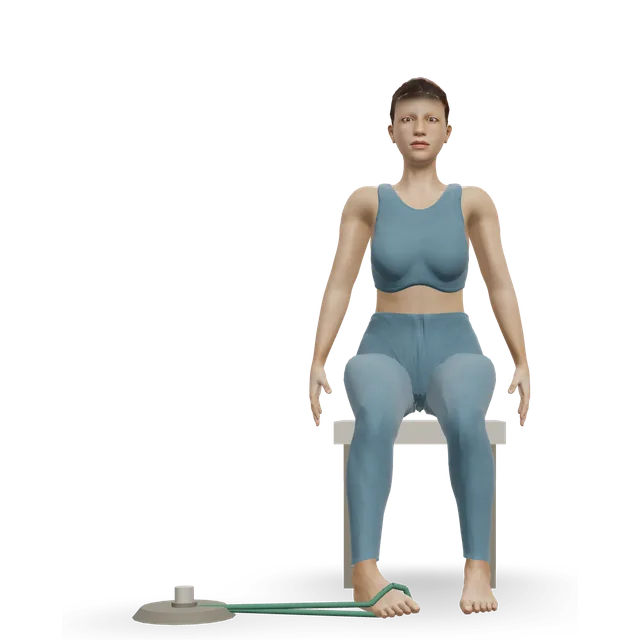
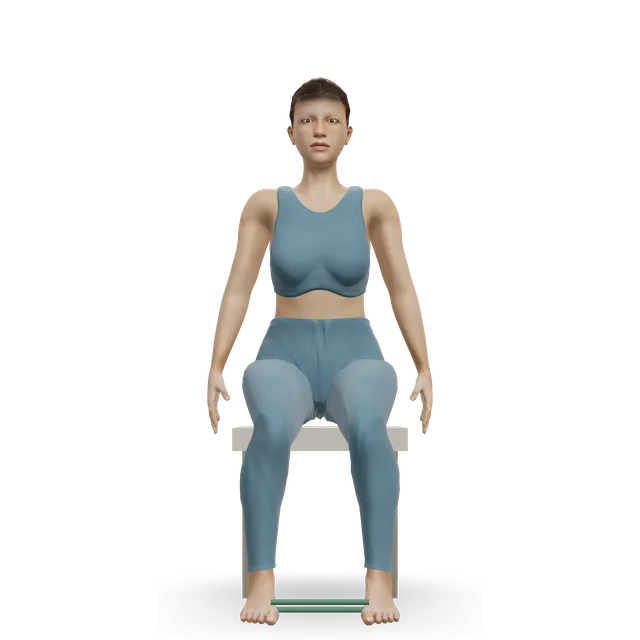
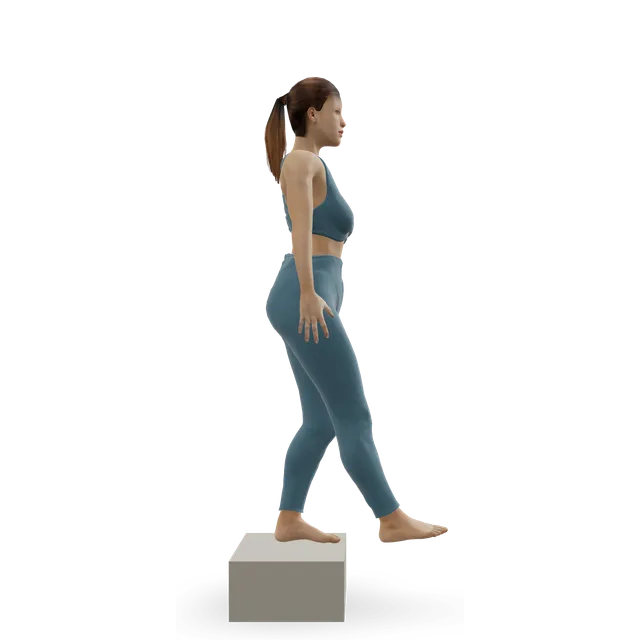
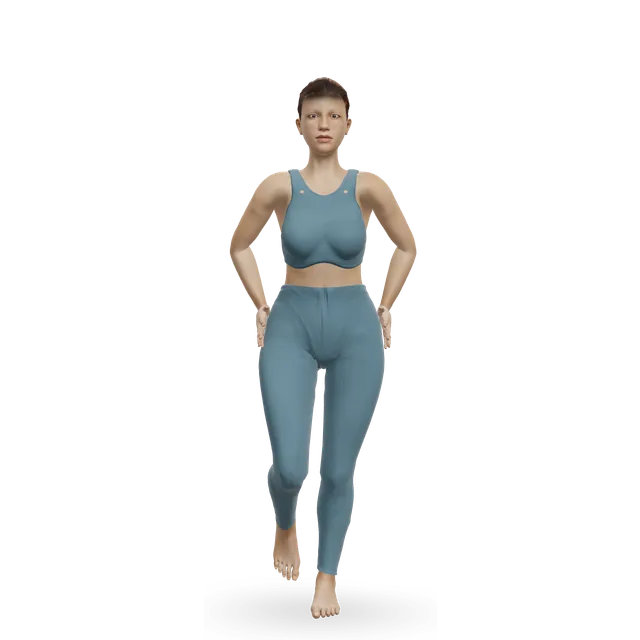
Knee-to-wall rocks, 10 slow rocks each side; band ankle inversion and eversion, 2 sets of 8, each foot; tibialis raise, 10; slow calf raise, 12; wall side leg lift, 10 each side (all from our Pilates after an ankle sprain class); Patrick step-down, 2 to 3 × 8 slow each leg, and single-leg reach matrix, 1 round of 5 reaches each direction, each leg (our Pilates for hikers class); single-leg stand, 2 × 30 s each leg (our Pilates for basketball players class), knee soft and not caving in.

Trunk control for landings

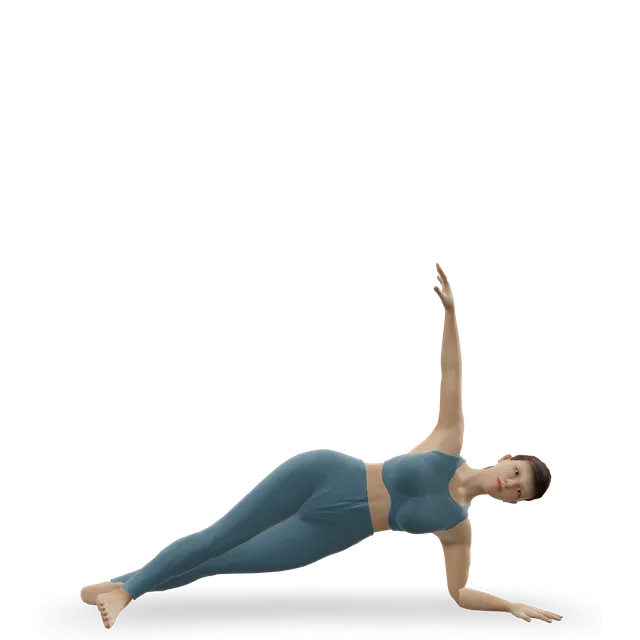
Side plank with leg lift, 2 × 20 s each side, and bird dog, 2 × 6 each side, 5 s holds (our Pilates for footballers class); Pallof press, 2 × 8 each side (our Pilates for weightlifters class); dead bug, 2 × 8 each side, and forearm plank, 2 holds of 20 to 30 s (our Pilates for basketball players class).

Hips

Glute bridge, 2 sets of 12 (our Pilates glute workout); clamshell, 10 each side (our Pilates for basketball players class); side kick, 8 to 10 each side (the move page's dose).

Shoulders, calves and breathing

Y-T-W raises, 5 of each shape (our Pilates for weightlifters class); wall calf stretch, 30 s each leg (our Pilates after an ankle sprain class); lateral breathing, 5 to 8 breaths at the start of every session (the move page's dose).

What to change or leave out

Before training or a match

No Pilates class in place of the KNEE warm-up, and no long static holds just before play (our suggestion).

Sources 15, 57

After an ankle sprain

Do balance work beside a counter, and ease off the deep reaches in the first weeks after a sprain, as the reach matrix's page says. Our Pilates after an ankle sprain guide has the stages.

Source 58

After an ACL injury or reconstruction

Only what your physiotherapist's plan allows; Pilates doesn't replace the return-to-sport checks.

Source 52

Achilles pain

No heel drops below a step while it's painful; get a painful Achilles assessed before loading it below step level, as the step calf raise's page says.

Source 59

A sore knee

Use a lower step for the step-downs and keep the reaches small (our suggestion).

Source 60

Pregnancy

After the first trimester, prop yourself up instead of lying flat, as the move pages say.

Source 55

After a concussion

Only the stages you've been cleared for, as the concussion lines in the warning signs say.

Source 61

Classes and workouts

Our 25-minute class works the ankles, the landing leg for quick stops, the trunk against leaning and twisting, the hips and the shoulders; its structure is our own and untested. Our Pilates for basketball players class is its nearest neighbour, with more trunk and hip work. The KNEE warm-up and the strength and landing workout are netball's own sessions; the ankle sprain, knee pain and jumper's knee classes are for those injuries, and the pelvic floor class is for leaking with landings.

Landing-leg Pilates for netball players: a 25-minute class for the ankles, the landing leg for quick stops, trunk control, the hips and shoulders

A 25-minute Pilates class for netball: ankles, the landing leg for quick stops, a trunk that doesn't lean or twist as you land, the hips and the shoulders.

25 minBeginner15 movesWall, band

Off-court Pilates for basketball players: a 25-minute class for trunk control, hips, ankles and one-leg balance

A 25-minute Pilates class for basketball players: planks and side planks, trunk control, hip strength, calf and ankle work and one-leg balance, for lighter days.

25 minBeginner15 movesStep, wall

Netball warm-up: the KNEE programme

Netball Australia's KNEE warm-up for players aged 14 and over: footwork drills, lunges, squats, arabesques, bridges, planks, landings, tuck jumps and Y-drills.

20 minBeginner20 movesCardio machine, wall

Netball strength and landing workout

A 35-minute netball session: drop landings, hop-and-sticks, lateral bounds and jumps, then goblet squats, split squats, single-leg hinges, Nordics and hip work.

35 minIntermediate15 movesWall, step

Ankle-steadying Pilates after a sprain: a 25-minute class for ankle strength, hips and one-leg balance

A 25-minute Pilates class for the weeks after a sprained ankle: footwork on a wall, band work in every direction, side-lying hip work and a balance progression.

25 minBeginner18 movesBench or box, wall

Pilates for knee pain: a 25-minute class with no kneeling

A 25-minute Pilates class for sore knees and knee arthritis: lying and side-lying leg work, shallow squats and balance, with no kneeling at all.

25 minBeginner15 movesBench or box, something with weight

Tendon-friendly Pilates for jumper's knee: a 25-minute class with the loading plan's holds built in, shallow knee bends and no jumping

A 25-minute Pilates class for jumper's knee: the loading plan's first-stage hold, hip, trunk and calf work, no kneeling, shallow knee bends and no jumping.

25 minBeginner13 movesWall

Balance exercises routine

Balance practice in 10 minutes: tandem stance, single-leg stands, marches, heel walks, tree pose and floor transfers.

10 minBeginner7 movesWall, bench or box

Pilates for your pelvic floor: squeeze, move, release

A 20-minute Pilates workout for your pelvic floor, built on UK pelvic health physiotherapists' booklet: squeeze as you breathe out, move, then fully release.

20 minBeginner18 movesWall, bench or box

New to Pilates?

The beginner Pilates plan builds the basics over 4 weeks, 3 days a week; fit it around training and matches.

When to stop and get help

This is general information, not a diagnosis. A&E means accident and emergency; in the US, call 911 for 999, and use your doctor's urgent line or urgent care for NHS 111.

A knee that gives way

Go to A&E (accident and emergency) if you've injured your knee and it has changed shape, it becomes very swollen very quickly, you felt a pop or snap, you can see bone sticking out, or it's bleeding heavily. Don't drive yourself: ask someone to take you, or call 999 if the pain means you can't move your leg to get there.

Get advice from NHS 111 now if your knee is very painful, you can't move it or put any weight on it, it's badly swollen or has changed shape, or it locks, gives way or clicks painfully. A pop, quick swelling and a knee that gives way point to an ACL injury: our ACL injury guide says what to do.

Source 60

A sprain or a crack

Call 999 or go to A&E (accident and emergency) if you heard a crack when you were injured, the injured part has changed shape or points at an odd angle, it's numb or tingling, or the skin has turned blue or grey or is cold to touch. Get help from NHS 111 or an urgent treatment centre if it's very painful, very swollen or bruised, or you can't put weight on it or walk more than a few steps.

Same day (NHS 111 or an urgent treatment centre): after an injury, you can't put weight on it or walk more than a few steps, the pain is very bad or getting worse, there is a lot of swelling or bruising or it is getting worse, it feels very stiff, or it's not feeling any better after treating it yourself. Get the same help if you also have a very high temperature, or feel hot, cold or shivery: this could be an infection. If you think it's broken, don't treat it yourself.

Sources 58, 62

After an ankle sprain

A previous injury went with about 7 times the odds of a leg injury in a community club, and up to half of netballers sprain again. Wear a brace for sport, do the balance programme in our sprained ankle guide, and get checked before you return to matches.

See a GP or physiotherapist if:

  • An ankle that keeps giving way months after a sprain.

Sources 6, 12, 14, 37

A snap at the back of the ankle

Contact NHS 111 if you heard a snap or popping noise, can't walk on tiptoe or up stairs, or have swelling and bruising in your calf and ankle. Our Achilles rupture guide says to get it checked the same day.

Same day: a sudden snap or pop at the back of the heel or calf, or a feeling of being kicked there, then walking flat-footed and being unable to push off, stand on tiptoe or climb stairs. It could be an Achilles tendon rupture or a broken heel bone. Go to A&E or a minor injuries unit, or contact NHS 111.

Source 59

A jammed or broken finger

Go to A&E if a finger points at an odd angle, looks blue or feels numb, or is cut with bone showing. Get help from NHS 111 if it's painful, swollen and bruised, or stiff and difficult to move. A fingertip that won't straighten needs same-day advice, as our mallet finger guide explains.

Source 63

A head injury: call 999

The NHS says to call 999 if someone has hit their head and:

  • Has been knocked out and hasn't woken up, or can't stay awake or keep their eyes open.
  • Has a fit (seizure).
  • Has problems with their vision or hearing, or clear fluid coming from their ears or nose.
  • Has new numbness or weakness in any part of their body, or problems with walking, balance, understanding, speaking or writing.
  • Has a dent in their head, or their behaviour has changed, such as being more irritable or distracted.

Source 64

Suspected concussion

Stop playing: if in doubt, sit them out. Under the UK's grassroots concussion guidelines, there's no training or matches for at least 24 hours, an assessment within 24 hours by a healthcare professional or NHS 111 (the UK National Health Service's urgent advice line), and no return to competition before day 21. Contact NHS 111 straight away if they're being sick, feel dizzy or take medicine that thins the blood. Our concussion guide covers the stages.

With a suspected concussion, if in doubt, sit them out. The UK's grassroots guidelines say no sport for at least 24 hours, get checked by a healthcare professional or NHS 111 within 24 hours, follow a staged return, and no competition before day 21; if symptoms last beyond 28 days, stay out of sport and see a doctor. Pilates waits too: gentle breathing and mobility fit the early, light-activity stages; bodyweight strength work can start in the light aerobic exercise stage, which allows "low intensity, body weight resistance training"; and springs, weights and harder trunk work come later (our reading). Our concussion guide has the stages.

Sources 61, 64

Fainting or chest pain: call 999

Call 999 if someone faints while exercising, or faints and can't be woken within a minute, or has chest pain, a pounding, fluttering or irregular heartbeat, or a fit. Call 999 for sudden chest pain that doesn't go away, pain that spreads to your arms, neck, jaw, stomach or back, or chest pain with sweating, feeling sick, light-headedness or breathlessness.

Sources 65, 66

Unusual breathlessness

Call 999 or go to A&E (accident and emergency) straight away for severe difficulty breathing (gasping, choking or not able to get words out), a chest that feels tight or heavy, pain that spreads to your arms, back, neck and jaw, lips or skin turning very pale, blue or grey, or sudden confusion. If you're more short of breath than usual, or your heart is racing, fluttering or skipping beats, contact NHS 111.

Source 67

Pregnant

England Netball follows World Netball's guidelines: whether to play while pregnant is the player's decision, but it strongly recommends getting individual medical advice before playing and having regular check-ups, because netball involves contact and a risk of injury to mother and baby. World Netball says playing during pregnancy is at the player's own risk.

Source 55

Who should check first

The PAR-Q+ (Physical Activity Readiness Questionnaire for Everyone) asks about a heart condition or high blood pressure, chest pain, dizziness or losing consciousness, other long-term conditions and their medicines, a bone or joint problem that activity could make worse, and being told to exercise only under supervision. If you answer yes to any, check with your GP or a qualified exercise professional first. If you're over 45 and not used to hard exercise, ask a qualified exercise professional before the hardest sessions, and delay if you're ill.

Source 68

Stop the session if

You feel any pain or become unwell, as the NHS advises for its Pilates videos, and especially for chest pain or pressure, unusual breathlessness, dizziness or fainting. If you have a health problem, an injury or any symptoms, get advice from a healthcare professional, such as a GP, before you start.

Source 69

Before you start

The NHS advises getting advice from a healthcare professional first if you have a health problem, an injury or symptoms, or have recently had a heart attack or an operation.

Source 69

Myths

"Pilates prevents ACL tears"Strong evidence

Untested in netball or anywhere. The programmes that cut ACL injuries are built on landing and strength work, and adding core strengthening or balance didn't make them better for the ACL. Pilates helps the trunk and hips that support good landings.

Sources 11, 35

"A strong core is all you need for good landings"Emerging evidence

Trunk control is one part, but most elite ACL tears came from landing with a nearly straight knee after a high pass, which is about landing technique, practised with landings.

Sources 9, 7, 18, 49

"Pilates can replace the KNEE warm-up"Strong evidence

No: the warm-up's landing, strength and agility parts are built from what works in other sports, and they're the parts clubs skip most.

Sources 35, 15, 16

"Netball is non-contact, so injuries are just bad luck"Emerging evidence

At the 2019 World Cup, contact injuries outnumbered non-contact ones about 3 to 1, and a previous injury was the strongest risk factor in a community club.

Sources 21, 6

"Pilates will make me jump higher"Mixed evidence

No Pilates trial in netball has measured it. Trunk training improves sport tests a little in athletes, and jump and strength training are what raise jump height, as our netball guide explains.

Source 39

"Stretching before a match prevents injuries"Strong evidence

Across trials, stretching didn't prevent sports injuries, while strength and balance training did.

Source 57

Questions people ask

Is Pilates good for netball?

It can be a useful extra: trunk control, hip strength, ankle work and one-leg balance support the landings netball is built on. No study has tested Pilates in netball players, and none has counted injuries. Keep the KNEE warm-up and your strength and landing work; Pilates adds to them.

Will Pilates stop ACL injuries?

Nobody can promise that. In other sports, warm-ups with landing and strength work halved ACL injuries, and adding core work didn't make them more effective. Pilates supports that work; it doesn't replace it.

What are the best core exercises for netball?

Ones that train your trunk not to lean or twist when you land: side planks with a leg lift, Pallof presses, bird dogs and planks, plus one-leg balance, as in our class. Trunk control is linked to knee injuries in small studies, but it's one part of prevention, not all of it.

When should netball players do Pilates?

On a light day: once a week in season and once or twice off season, for about 25 minutes, is our suggestion. Not in the hour before training or a match, and never instead of the KNEE warm-up, which should run at least twice a week.

Can Pilates help after an ankle sprain?

Its one-leg balance work can: in other sports, a home balance programme cut repeat sprains from 33% to 22%. Wear a brace for matches if you've sprained before, and follow our ankle sprain guide's stages.

Can I do Pilates after ACL surgery?

Often yes, within your physiotherapist's plan: in a trial in adults with a partial ACL injury, mat Pilates improved thigh strength. Your return to netball follows your surgeon's and physiotherapist's checks, not a Pilates class.

Does Pilates help landing technique?

In 30 young volleyball players, 8 weeks of reformer Pilates cut landing errors on a video test, but that's one small trial. Landing technique itself is best practised with landings, as in the KNEE warm-up.

Is reformer Pilates better than mat for netball?

No study has compared them in netball players. Mat work trains the same trunk, hips and balance; the reformer adds spring resistance.

Can Pilates help back pain from netball?

Lower back pain was among the commonest problems at a junior championship, and Pilates eases back pain in adults about as much as other exercise. Back pain in a young player that's worse arching backwards and doesn't settle needs checking.

I leak when I land. Will Pilates help?

Leaking is common in female court athletes, reported by 42.1% in one small study. Pelvic floor muscle training is the place to start, and our Pilates for the pelvic floor guide covers it; a pelvic health physiotherapist can help.

Is Pilates good for walking netball players?

Yes, as strength and balance work on other days. Walking netball itself improved physical function and wellbeing in an English evaluation.

Sources

  1. PubMed, Europe PMC and ClinicalTrials.gov · Our searches for Pilates studies in netball players: none found (November 2026)
  2. Rahimi 2025 · Reformer Pilates and landing tests in 30 young volleyball players (randomised trial, BMC Sports Sci Med Rehabil; read in full)
  3. Demir 2026 · Pilates or neuromuscular exercise for knees that cave in, 36 young adults (randomised trial, Res Sports Med)
  4. Downs 2021 · Injuries in netball: 46 studies (systematic review, Sports Med Open; read in full)
  5. Flood 2009 · Basketball and netball injuries admitted to hospital in Australia (study, Med J Aust)
  6. Franettovich Smith 2020 · Injuries in an Australian community netball club (cohort, Phys Ther Sport)
  7. Belcher 2024 · How 21 ACL injuries happened in elite netball games (video study, Sports Biomech)
  8. Stuelcken 2016 · How 16 ACL injuries happened in elite netball (video study, J Sports Sci)
  9. Zazulak 2007 · Trunk control and knee injuries in 277 college athletes (cohort, Am J Sports Med)
  10. Webster 2018 · ACL injury prevention programmes: 8 meta-analyses (meta-analysis of meta-analyses, J Orthop Res)
  11. Petushek 2019 · Preventing ACL injuries in young female athletes: 18 studies, 27,231 athletes (meta-analysis, Am J Sports Med; read in full)
  12. Rowe 2021 · Ankle sprain prevention and management in netball: 30 studies (scoping review, BMC Sports Sci Med Rehabil; read in full)
  13. Schiftan 2015 · Balance training to prevent ankle sprains: 7 trials, 3,726 people (meta-analysis, J Sci Med Sport)
  14. Barelds 2018 · Ankle braces to prevent ankle injuries in athletes: 6 trials (systematic review and meta-analysis, Sports Med)
  15. Netball Australia · The KNEE Program: recreational (14 and over)
  16. Saad 2021 · How community netball clubs deliver the KNEE programme (observational study, J Sports Sci)
  17. Otago 2004 · Landing forces in 18 netballers and the footwork rule (lab study, J Sci Med Sport)
  18. Steele 1990 · Biomechanics and netball performance (review, Sports Med)
  19. Adult Compendium of Physical Activities 2024 · Sports: netball 7.0 METs
  20. McManus 2006 · Injuries and risk factors in 368 non-elite netballers (cohort, J Sci Med Sport)
  21. Janse van Rensburg 2022 · Injuries at the 2019 Netball World Cup (study, Phys Sportsmed)
  22. Smyth 2020 · Health problems at the 2018 Australian under-17 and under-19 netball championships (cohort, J Sci Med Sport)
  23. Horne 2024 · How netball injury studies have been done: 65 studies (scoping review, Syst Rev; read in full)
  24. Toohey 2022 · Injuries in professional Australian netball over 3 seasons (cohort, J Sci Med Sport)
  25. Joseph 2019 · Australian community netball injury insurance claims in 2016 (study, J Sci Med Sport)
  26. Belcher 2020 · Ten years of netball ankle and knee injury claims in New Zealand (study, J Sci Med Sport)
  27. Yamato 2015 · Pilates for low back pain: 10 trials, 510 people (Cochrane systematic review)
  28. Cunningham 2026 · Pelvic floor symptoms in professional netball and football players (survey, J Sci Med Sport)
  29. ClinicalTrials.gov NCT05268354 · Neuromuscular training in adult recreational netballers, UK (status unknown, no results)
  30. Çelik 2017 · Pilates after a partial ACL injury in 50 adults (randomised trial, Knee Surg Sports Traumatol Arthrosc)
  31. Elphinston 2006 · A functional stability programme and injuries in an international netball squad (descriptive report, J Sci Med Sport)
  32. Kovac 2022 · Adding corrective exercise to conditioning in netball players (randomised trial, BMC Sports Sci Med Rehabil; read in full)
  33. de Bruin 2021 · Core stability and performance in female university athletes (study, S Afr J Sports Med)
  34. Huang 2020 · ACL injury prevention programmes in randomised trials (systematic review and meta-analysis, Am J Sports Med)
  35. Collings 2026 · Reducing the risk of ACL injury (Exercise and Sports Science Australia position statement, Sports Med; read in full)
  36. Doherty 2017 · Treating and preventing ankle sprains: 46 reviews (overview of systematic reviews, Br J Sports Med)
  37. Hupperets 2009 · Home balance training after an ankle sprain in 522 athletes (randomised trial, BMJ; read in full)
  38. Caldemeyer 2020 · Neuromuscular training to prevent ankle sprains in female athletes (systematic review, Phys Sportsmed)
  39. Saeterbakken 2022 · Trunk muscle training and performance in athletes: 31 studies (systematic review and meta-analysis, Sports Med)
  40. Netball Australia · The KNEE Program: about
  41. Grayson 2024 · The KNEE programme and a balance test in netball players (randomised trial, Phys Ther Sport)
  42. Smith 2024 · Coaches' views on injury prevention programmes in community netball (qualitative study, Phys Ther Sport)
  43. Netball New Zealand · NetballSmart and the Dynamic Warm-up
  44. McKenzie 2019 · The NetballSmart Dynamic Warm-up and performance in 81 school players (cluster randomised trial, Phys Ther Sport)
  45. Belcher 2021 · Two NetballSmart warm-ups and landing technique in 77 youth players (controlled study, Phys Ther Sport)
  46. Hopper 2017 · Neuromuscular training and landing in 23 netballers aged 11 to 13 (randomised trial, Front Physiol; read in full)
  47. Abdul 2024 · ACL injury prevention programmes in Welsh netball (survey, Cureus; read in full)
  48. D'Ambrosi 2026 · How ACL injuries happen across sports: 26 video studies (meta-analysis, Knee Surg Sports Traumatol Arthrosc)
  49. Whitehead 2025 · Injury risk factors in women's netball and which to tackle first (systematic review and expert consensus, Br J Sports Med)
  50. Hewett 2005 · Knee movement on landing and later ACL injury in 205 female athletes (cohort, Am J Sports Med)
  51. Hewett 2011 · The trunk, hip and knee in ACL injury (review, Exerc Sport Sci Rev; read in full)
  52. Honeywill 2024 · ACL tears in the other knee and graft ruptures in 267 netballers after reconstruction (cohort, Orthop J Sports Med; read in full)
  53. Rowe 2023 · What 1,592 netballers did after an ankle sprain (survey, J Sci Med Sport)
  54. Hopper 1995 · Netball injuries in competition over 5 years in Western Australia (study, Br J Sports Med)
  55. England Netball · Pregnancy guidance
  56. Kinnafick 2021 · Walking netball in middle-aged and older women (evaluation, Int J Behav Nutr Phys Act; read in full)
  57. Lauersen 2014 · Exercise to prevent sports injuries: 25 trials, 26,610 people (meta-analysis, Br J Sports Med)
  58. NHS · Sprains and strains
  59. NHS · Heel pain
  60. NHS · Knee pain
  61. Sport and Recreation Alliance and partners · UK concussion guidelines for non-elite (grassroots) sport (November 2024 update)
  62. NHS · Ankle pain
  63. NHS · Broken finger or thumb
  64. NHS · Head injury and concussion
  65. NHS · Fainting
  66. NHS · Chest pain (past its review date: reviewed August 2023, review due August 2026)
  67. NHS · Shortness of breath
  68. PAR-Q+ Collaboration 2025 · The Physical Activity Readiness Questionnaire for Everyone (PAR-Q+)
  69. NHS · Pilates for beginners (video, with safety advice)

Exercise education, not a personal prescription, and clinical review of these guides is pending. If you are pregnant, have a health condition or have had recent surgery, check with a doctor, midwife or physiotherapist before starting, and stop for sharp or increasing pain. Health disclaimer.