Can I do Pilates with a concussion?
Not in the first 24 to 48 hours, beyond a minute or two of easy breathing sitting up. After that, gentle head-up Pilates is fine if your symptoms rise by no more than 2 points out of 10 and settle within an hour. Walking or a static bike stays your main activity.
When can I start Pilates after a concussion?
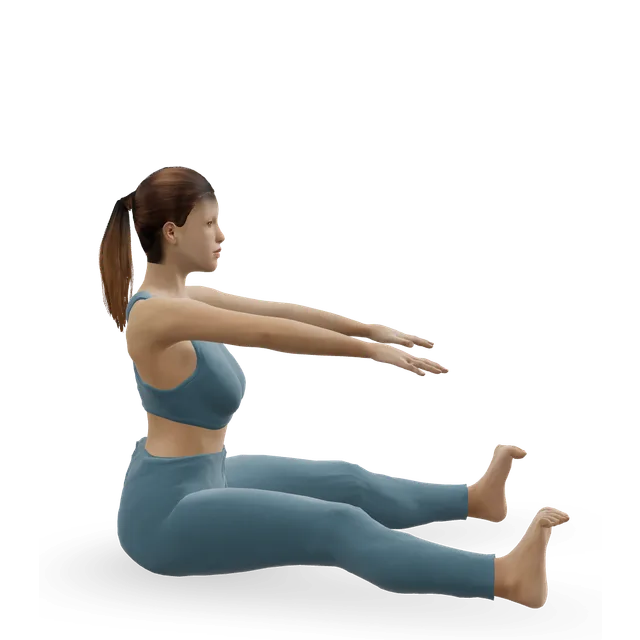
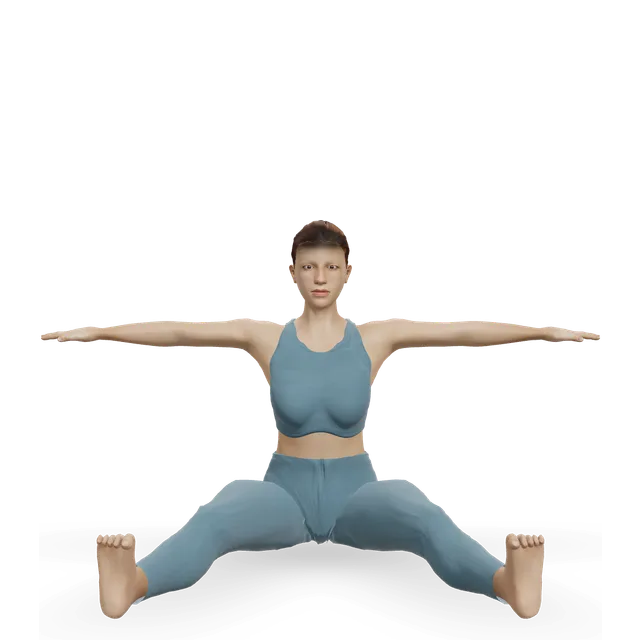
Seated Pilates once easy daily activities don't make symptoms more than mildly worse, then head-up, bodyweight Pilates in the light exercise stage, which the UK guidelines say allows low-intensity, body weight resistance training. Placing Pilates in the stages is our reading: no guideline mentions it.
Is Pilates good for concussion recovery?
It hasn't been tested: no published study exists, and the first trial isn't recruiting yet. Light aerobic exercise is what sped recovery in trials, and gentle stretching was the slower group.
Which Pilates exercises should I avoid after a concussion?
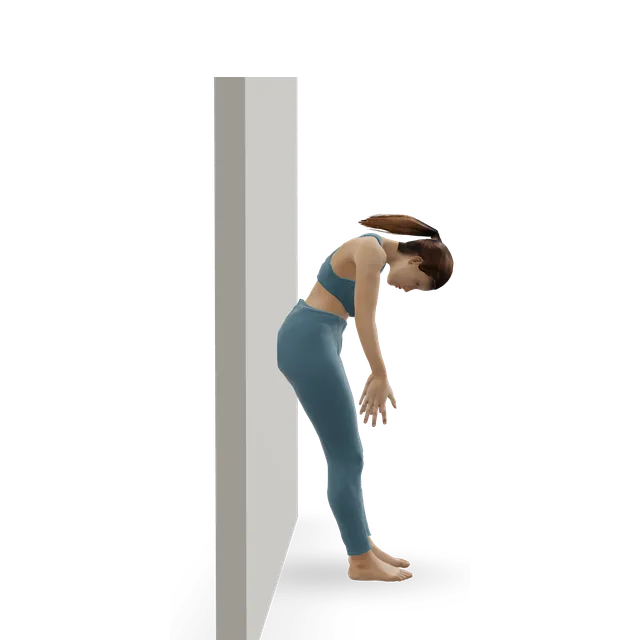
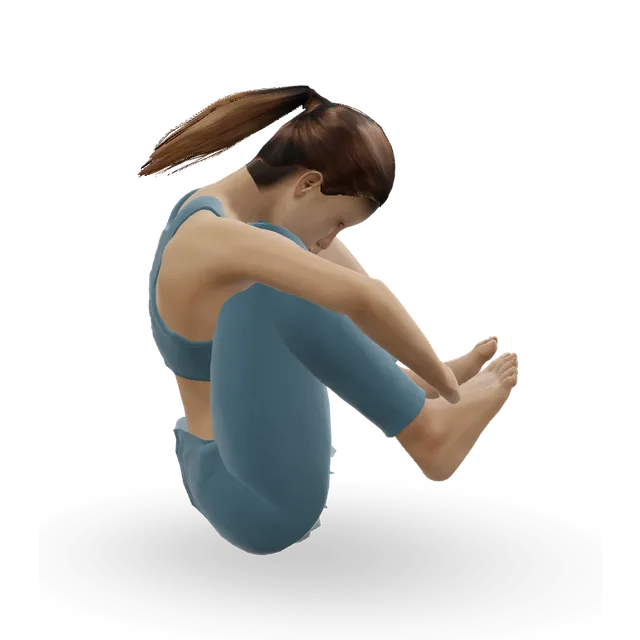
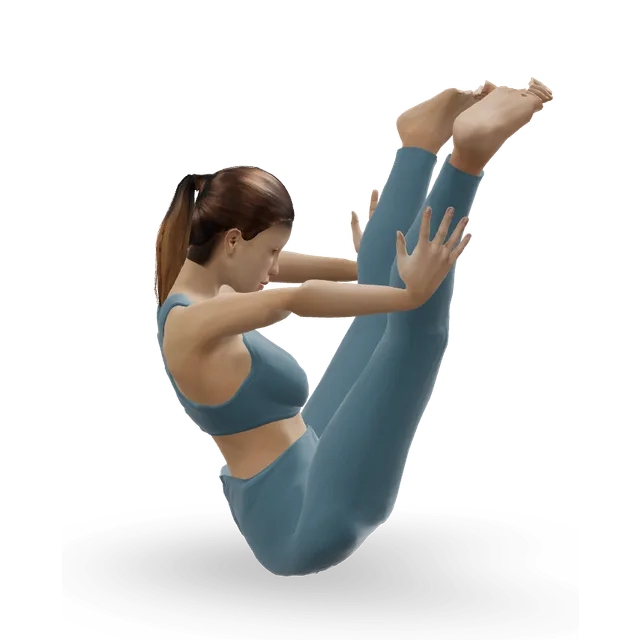
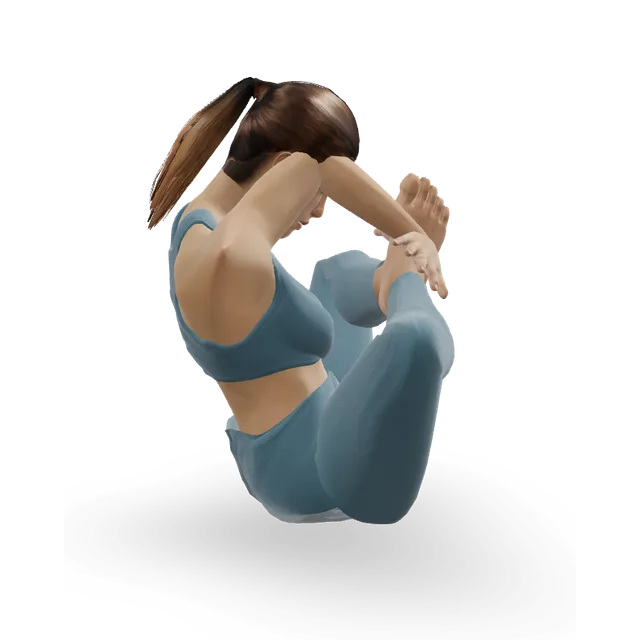
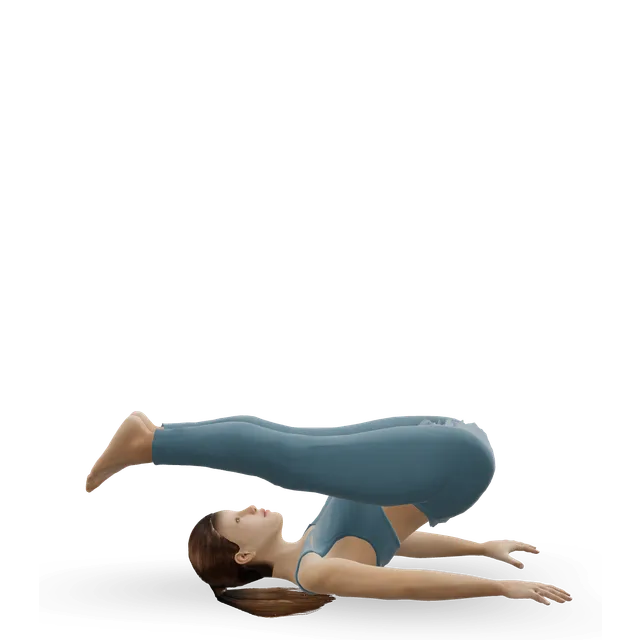
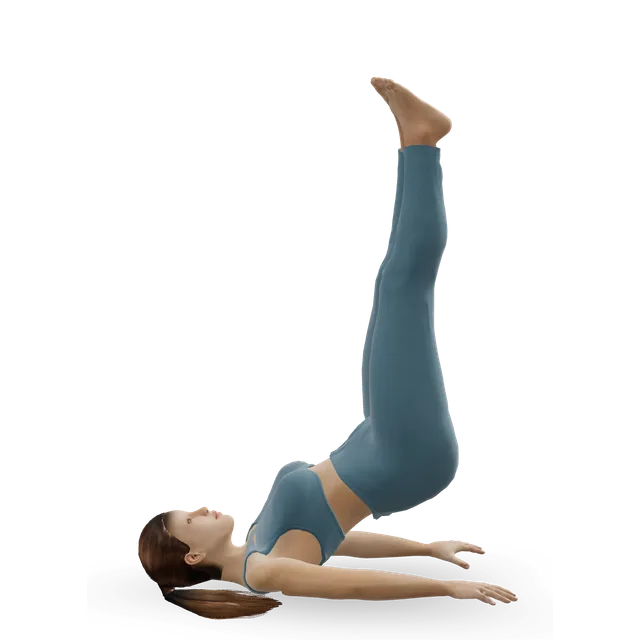
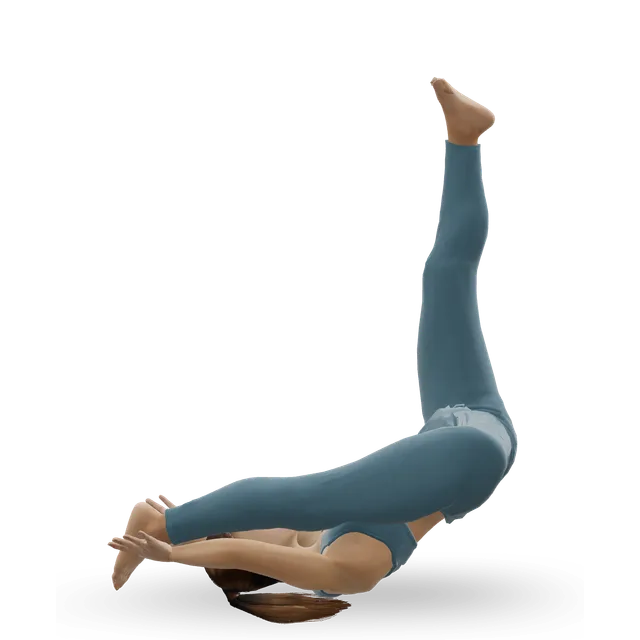
Until you're free of symptoms at rest: rolling moves, the roll-over and jack knife, roll-downs and deep forward folds, and lying back or getting up fast. Anything you could fall from, such as standing work on a reformer carriage or a jumpboard, waits until you've had 14 days free of symptoms at rest.
Can I do reformer Pilates after a concussion?
Lying footwork with light springs once you're free of symptoms at rest, when the UK guidelines say to increase resistance training. Standing, kneeling or jumping on the moving carriage waits until 14 days free of symptoms at rest, because of the fall risk.
Can I do the hundred and curl-ups after a concussion?
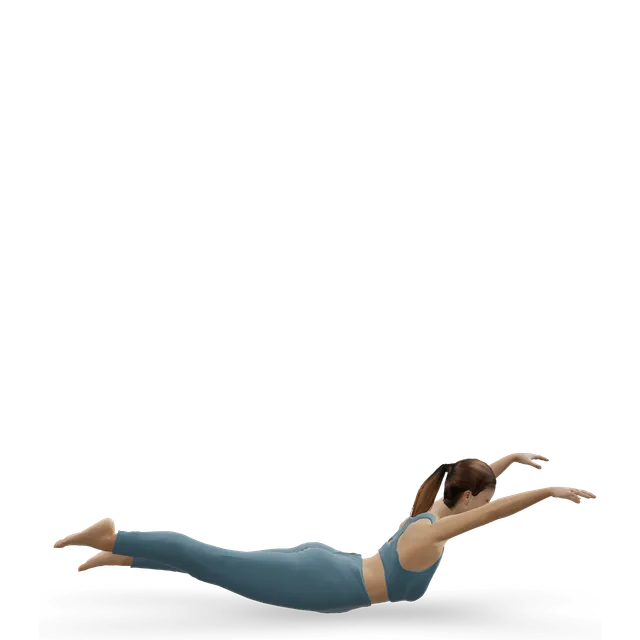
Keep your head down at first, and add head-up curls once you're free of symptoms at rest, resting your head if it aches. Neck pain is common after a concussion and came with nearly half of college sport concussions in one study.
Why do I feel dizzy when I get up from the mat?
Light-headedness on standing up from lying down is common after a concussion: 37% of teenagers felt it, against 4% without one. Roll onto your side, sit for a minute, then stand with a counter in reach. Spinning when you lie down or roll over can be BPPV, which a GP can test and treat.
Is Pilates good for post-concussion syndrome?
No Pilates study exists for it. If dizziness, neck pain or headaches last more than 10 days, neck and balance physiotherapy is recommended, and helped people back to sport sooner in a small trial. Pilates can be general strength work alongside.
Can I follow a Pilates video after a concussion?
Not in the first 48 hours: the UK guidelines say to keep screen time to the absolute minimum then, and in a trial, screens slowed recovery. Use printed steps, then short videos later if they don't bring symptoms on.
When can I go back to my usual Pilates class?
Fuller classes with head-down moves once you're free of symptoms at rest; rolling, upside-down and fall-risk work after 14 days free of symptoms at rest, as the UK guidelines time anything with a risk of a knock to the head. Hot classes, loud music and mirrors can wait until symptoms have settled.
Should I tell my Pilates teacher?
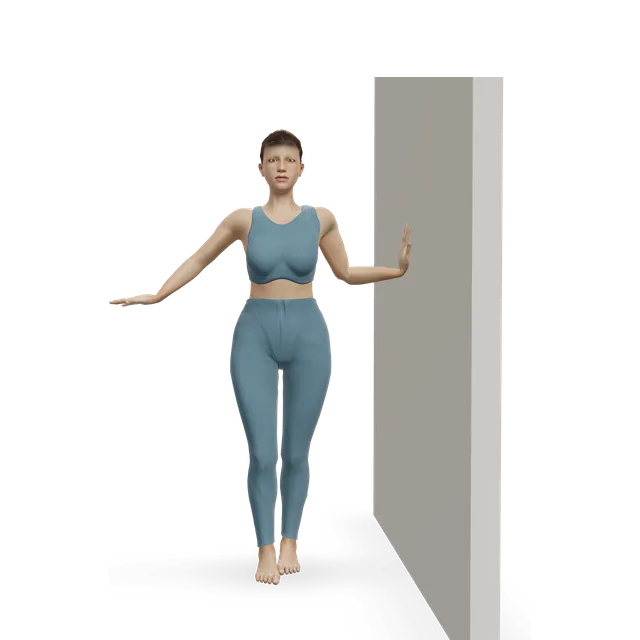
Yes: ask for no hands-on adjustments to your head or neck, a spot near a wall, and permission to skip moves. Leave the class if your symptoms rise more than mildly.
What are the warning signs after a head injury?
Call 999 for getting drowsier, a fit, repeated vomiting, a severe or worsening headache, new weakness, numbness, double vision or trouble speaking. Call NHS 111 if you're being sick or dizzy, take blood thinners, or aren't improving by 14 days.