Yoga guide

Yoga for whiplash: when to start, gentle neck movement, and what the evidence shows

Whiplash is a neck injury from a sudden movement of the head, usually in a car crash or a fall. The NHS advice is to keep doing your everyday activities, even if they hurt a little, not to wear a collar and not to rest your neck for long; it usually gets better within 2 to 3 months, though some people take longer. Gentle yoga can be part of keeping moving, once the injury warning signs have been ruled out.

Yoga itself hasn't been tested for whiplash: we found no trial, and one whiplash research centre says it can't yet be recommended for that reason. What has been tested is staying active and exercise, and for neck pain that lasts, yoga helped in short-term trials.

This guide covers the warning signs to check first, when to start, gentle neck, shoulder and breathing practice, the poses to leave out at first, concussion, what the evidence shows, and a free 15-minute class for the first weeks.

The short version

First, rule out a broken neck

After a crash or fall, doctors use a checklist, the Canadian C-spine rule, to decide who needs a scan: being 65 or over, a dangerous crash or fall, or tingling in the arms or legs means imaging. The warning signs below come before any yoga.

Sources 1, 2

Then keep moving: no collar, no long rest

The NHS advises carrying on with everyday activities, which may hurt a little but speeds recovery, not using a neck brace or collar, and not resting your neck for long periods. In 458 people, a rigid collar did no better than acting as usual or gentle mobilisation.

Sources 3, 4, 5

Most recovery is in the first 3 months

Recovery is fastest in the first 3 months and then levels off; about half of people still report some neck pain a year later. Fear of moving, low mood and coping by resting predict slower recovery.

Sources 6, 7

No yoga trial

Our searches found no trial of yoga, tai chi, qigong or Pilates in whiplash. The closest, a trial of body awareness therapy (slow movement, posture and breathing), found it about as good as exercise therapy for long-lasting whiplash.

Sources 8, 9, 10

More treatment isn't always better

A few physiotherapy sessions for people still struggling after 3 weeks gave a small benefit at 4 months only, and for long-lasting whiplash a 20-session exercise programme did no better than advice. Neck-specific exercise did help more than a prescription for general activity.

Sources 11, 12, 13

Gentle first, and no inversions for now

Borrowing from the neck pain trials, where yoga helped long-lasting neck pain in the short term: start with breathing, small separate neck movements and shoulder rolls, add strength from about week 3, and leave out headstands, deep backbends and forced stretches for the first weeks (our suggestion).

Sources 14, 15

First, check the warning signs

These are the warning signs from our neck pain, whiplash and concussion guides, word for word. Check them before any yoga, and again if anything new appears. This is general information, not a diagnosis. A&E means accident and emergency; in the US, call 911 for 999.

Call 999 or go to A&E after a neck injury

Call 999 or go to A&E after a neck injury if the person is unresponsive, has severe neck pain or cannot move their head, has fallen from a height such as 5 or more stairs, or is drunk or has taken recreational drugs. Do not drive yourself. Being 65 or over, a dangerous fall or crash (from more than 1 metre or 5 stairs, diving, a high-speed or rollover crash, being thrown from a vehicle, a bicycle collision or an accident on a motorised recreational vehicle), or tingling in the arms or legs after an injury puts you at high risk of a broken neck: get checked.

Call 999 or go to A&E: new problems walking, loss of bladder or bowel control, or a sudden loss of coordination, such as difficulty doing up buttons. These can be signs of pressure on the spinal cord.

Call 999 or go to A&E: a headache that came on suddenly and is extremely painful; numbness or weakness in the face or body; a drooping face, or being unable to lift both arms and keep them up; difficulty speaking, swallowing, balancing, walking or remembering; double vision or loss of vision; drowsiness or confusion. A torn neck artery often starts with headache and neck pain, sometimes with dizziness or tingling, so head or neck pain unlike any you have had before needs checking.

Sources 16, 17

If you hit your head

Call 999 if someone has hit their head and has been knocked out and hasn't woken up, can't stay awake or keep their eyes open, has a fit, has fallen from a height of more than 1 metre or 5 stairs, has problems with their vision or hearing, has clear fluid coming from their ears or nose, has new numbness or weakness, has problems with walking, balance, understanding, speaking or writing, hit their head at high speed, or their behaviour has changed. Get help from NHS 111 if they're being sick, feel dizzy or take medicine that thins the blood. If you're told to go to A&E (accident and emergency), don't drive yourself there if you have hit your head.

Source 18

Get help the same day

Same day (NHS 111) after a neck injury, if any of these are new or getting much worse: severe neck pain; numbness or weakness in the arms or legs; clumsy hands (dropping things, or struggling with handwriting, buttons or zips); changes in bladder or bowel control; changed feeling around the bottom or genitals, or sexual problems such as recently being unable to have an orgasm or an erection; or feeling generally unwell. The same applies if you have a history of spinal problems, such as osteoporosis or rheumatoid arthritis.

Same day after whiplash (urgent GP appointment or NHS 111): severe pain despite taking paracetamol or ibuprofen; tingling or pins and needles on one or both sides of the body; problems walking or sitting upright; a sudden "electric shock" feeling in the neck and back, which may also go into the arms and legs; or weak hands, arms or legs. Don't drive or cycle until you've spoken to a GP or NHS 111.

Sources 16, 3

Dizziness

But new dizziness with a headache, or with vision or speech problems, after a neck injury is a warning sign of an artery injury: recent trauma is present in 40% to 64% of neck artery tears. Get that checked urgently.

Concussion

The jolt that causes whiplash can also cause a concussion, the UK concussion guidelines say, so a headache, dizziness, poor concentration or feeling foggy after the injury may be concussion, which has its own graduated return to activity.

With a suspected concussion, if in doubt, sit them out. The UK's grassroots guidelines say no sport for at least 24 hours, get checked by a healthcare professional or NHS 111 within 24 hours, follow a staged return, and no competition before day 21; if symptoms last beyond 28 days, stay out of sport and see a doctor. Yoga waits too: gentle breathing fits the early, light-activity stages, and no head-down poses or inversions until you're cleared (our reading). Our concussion guide has the stages.

Sources 19, 18

See a GP or physiotherapist

Whiplash that hasn't improved after 1 week, painkillers that aren't helping, or you're worried about the pain: see a GP. In many areas you can refer yourself to NHS physiotherapy.

Still struggling about 3 weeks after the injury: in a large trial, a few physiotherapy sessions gave a small extra benefit.

Recovery is slow, or the pain is getting you down: the NHS mentions referral to physiotherapy, a pain specialist or psychological support.

Dizziness that lingers once the warning signs above have been ruled out: a physiotherapist can assess it.

Sources 3, 11

Chest pain: call 999

Call 999: chest pain that spreads to your arm, neck or jaw, especially with breathlessness, sweating or feeling sick. It could be a heart attack.

Call 999 if:

  • You get sudden pain or discomfort in your chest that doesn't go away; it can feel like squeezing or pressure, burning or indigestion.
  • The pain spreads to your left or right arm, or your neck, jaw, stomach or back.
  • You have chest pain and feel sweaty, sick, light-headed or short of breath.
  • Someone faints while exercising, can't be woken within 1 minute, or has chest pain or a pounding, fluttering or irregular heartbeat.

Sources 20, 21

Breathlessness

Call 999 or go to A&E (accident and emergency) straight away for severe difficulty breathing (gasping, choking or not able to get words out), a chest that feels tight or heavy, pain that spreads to your arms, back, neck and jaw, lips or skin turning very pale, blue or grey, or sudden confusion. If you're more short of breath than usual, or your heart is racing, fluttering or skipping beats, contact NHS 111.

Source 22

Before you start

The NHS advises getting advice from a healthcare professional first if you have a health problem, an injury or symptoms, or have recently had a heart attack or an operation.


What whiplash is

A neck injury from a sudden jolt

The NHS: "Whiplash is a neck injury caused by sudden movement of the head." The common symptoms are neck pain, stiffness and difficulty moving your head, headaches, and pain and muscle spasms in the shoulders and arms, and they can take several hours to start. NHS inform says there is often a delay of 24 to 48 hours, and that some people also get, for a short time, dizziness or blurred vision, nausea, memory loss or difficulty concentrating.

Sources 3, 23

The grades

Clinicians grade whiplash from I to IV: grade I is neck pain, stiffness or tenderness with no physical signs; grade II adds signs such as less movement and tender points; grade III adds nerve signs such as weakness or changed reflexes; grade IV is a fracture or dislocation. This guide is for grades I and II; grade III needs a clinician's plan.

Source 4

Who needs a scanStrong evidence

The Canadian C-spine rule picked up all 151 important neck injuries in the 8,924 adults it was built on. NICE uses its elements: high-risk features such as being 65 or over, a dangerous mechanism or tingling in the limbs mean a scan; people with low-risk features who can turn their head 45 degrees each way usually don't need one. It is a tool for clinicians, not a self-test.

Sources 1, 2

How it usually goesEmerging evidence

A task force review found that about 50% of people with whiplash still report neck pain a year after the injury. Recovery is mostly in the first 3 months, then levels off, and poor recovery goes with high early pain and disability, stress symptoms after the crash and catastrophising. In the largest early-care trial, 48% still had considerable neck pain at a year.

Sources 6, 7, 24, 5

When to start, and how hard

From the first days: gentle movement

Once the warning signs have been ruled out, the advice is consistent: carry on with everyday activities, move your neck gently, and don't wear a collar. NHS inform encourages gently moving your neck and shoulders immediately after the injury and an early return to normal hobbies, and the US physiotherapy guideline recommends posture and range-of-motion exercises and reassurance that recovery is expected within 2 to 3 months.

Sources 3, 23, 25

Joining a class

Start with the short practice on this page. A gentle class can follow once small neck movements are comfortable, often after 2 or 3 weeks; inversions, deep backbends and fast or hot classes wait longer (our suggestion, built from the guidelines and our whiplash guide's staged plan).

After whiplash, keep your neck moving gently within comfort and follow our whiplash guide: the NHS advises against a neck collar and against resting your neck for long periods. After neck surgery, follow your surgical team's limits first (our suggestion).

The pain rule

NHS inform's neck exercise advice: during exercise, pain up to 5 out of 10 is acceptable; 6 or more is too much. Your neck should be no worse overall, and no worse the next morning. If it is, do fewer repetitions, move more slowly or rest longer between movements.

The NHS says everyday activity after whiplash may hurt a little and still speeds recovery. In the first weeks, guidelines advise against intensive, high-intensity training.

If an exercise sends pain, tingling or numbness down your arm, or extra symptoms last more than an hour, make it smaller or leave it out. Stop and get checked for dizziness, vision or speech problems, or any warning sign above.

Sources 26, 3, 25

No cracking or forcing

Until the injury and artery warning signs have been ruled out, do not crack your own neck or force it into end-of-range stretches. This is a cautious editorial suggestion based on the injury and artery guidance.

What the evidence says

No trial has tested yoga for whiplash, so this section draws on the whiplash trials of movement and exercise, and on yoga for neck pain in general, and says where it does.

No yoga trialsStrong evidence

Our searches of PubMed, Europe PMC and ClinicalTrials.gov found no trial of yoga in whiplash. A whiplash research centre at the University of Queensland says there are no studies of yoga for whiplash and that it can't be recommended because of a lack of scientific evidence.

Sources 8, 9

The nearest evidenceMixed evidence

In 113 people with long-lasting whiplash, 10 weeks of basic body awareness therapy, a Scandinavian physiotherapy of slow movement, posture and breathing, did about as well as exercise therapy, with a little more gain in physical functioning and no serious side effects. In 108 people at risk of a poor recovery, adding stress management to exercise improved neck disability by about 10 points out of 100. Neither was yoga, so this supports keeping the calm parts of a practice, not claims that yoga treats whiplash (our reading).

Sources 10, 27

Early movement, not collars or restStrong evidence

In 97 people after car crashes, frequent gentle neck movements eased pain more than rest, a soft collar and gradual self-mobilisation, and kept more neck movement 3 years later. In 108 people, a soft collar for 3 weeks gave no benefit and more time off work. In 458 people, a rigid collar, acting as usual and active mobilisation did equally well at a year. An Australian guideline rates collars as ineffective and says to stay active and do neck exercises.

Sources 28, 29, 5, 30, 4

What guidelines sayStrong evidence

Australian, US and Canadian guidelines agree: reassurance, staying active, early range-of-motion and neck exercise, and no collar. The US guideline advises against intensive, high-intensity training in the early weeks. None mentions yoga.

Sources 4, 25, 31

Extra physiotherapy helped a little, brieflyEmerging evidence

In the UK MINT trial (3,851 people), extra advice in the emergency department made no difference. For 599 still struggling at 3 weeks, up to six physiotherapy sessions improved neck disability by 3.7 points on a 100-point scale at 4 months, but not at 8 or 12 months.

Source 11

Months later, advice did as well as a long programmeEmerging evidence

In the PROMISE trial (172 people, 3 months to 5 years after their injury), 20 exercise sessions did no better than advice for pain at 14 weeks, 6 months or a year. In another trial, exercise plus advice helped a little more than advice at 6 weeks, but not at a year, and a review found general exercise gave no long-term benefit.

Sources 12, 32, 33

Neck-specific exercise for those still strugglingEmerging evidence

In 216 people with long-lasting whiplash, physiotherapist-led neck-specific exercise beat a prescription for general activity: at a year, 61% against 26% had at least halved their pain, though the difference in pain had faded by 2 years.

Source 13

Yoga for long-lasting neck pain (borrowed)Emerging evidence

In trials of long-lasting neck pain without a specific cause, yoga eased pain and disability more than usual care in the short term, and about as much as other exercise. Whiplash wasn't studied, so this is borrowed evidence.

Sources 14, 15

Weeks 0 to 3: breathe, walk and move the neck a little, often

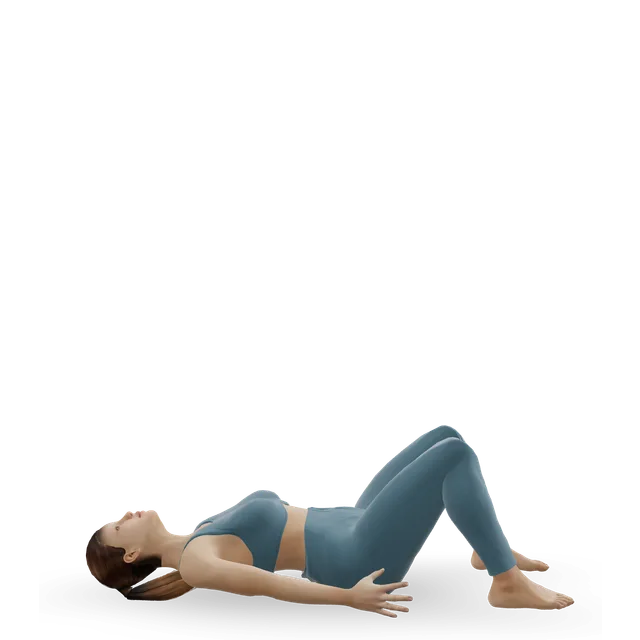
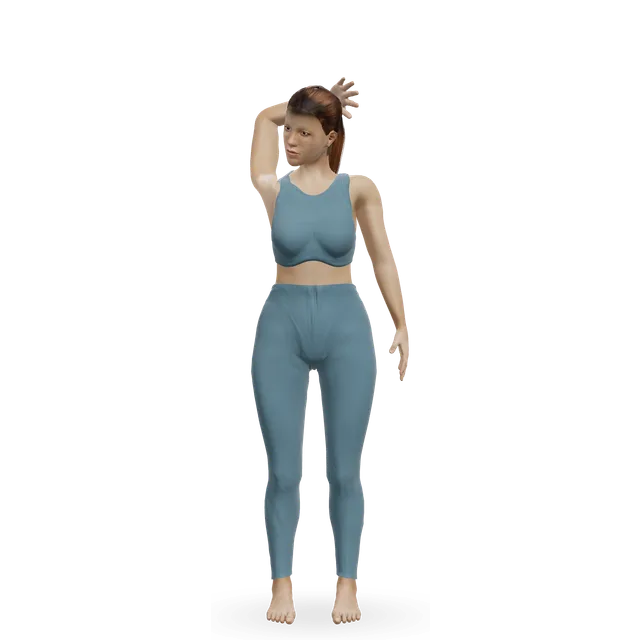
Only once the warning signs have been ruled out. Doses follow the first stage of our whiplash guide, from NHS inform's advice, unless marked. Slow breathing: 2 minutes, in for about 4 and out for about 6; corpse pose: 2 to 3 minutes, a folded towel under your head (our yoga for neck pain class). Walking: daily, alongside your everyday activities. Neck movements: 2 to 3 reps each way, every hour or two, building to about 10, as small separate turns, tilts and nods rather than circles. Chin tucks: 5 to 10 reps, 2 to 3 times a day. Lying chin tucks: 5 to 10 gentle holds. Shoulder rolls: 10 each way. Thoracic rotation: 6 rotations per side, moving with the breath (the move page's dose). Breath reach: 5 breaths, exhale longer than inhale (the move page's dose), seated.

Weeks 3 to 12, if it's still bothering you: endurance and level-head poses

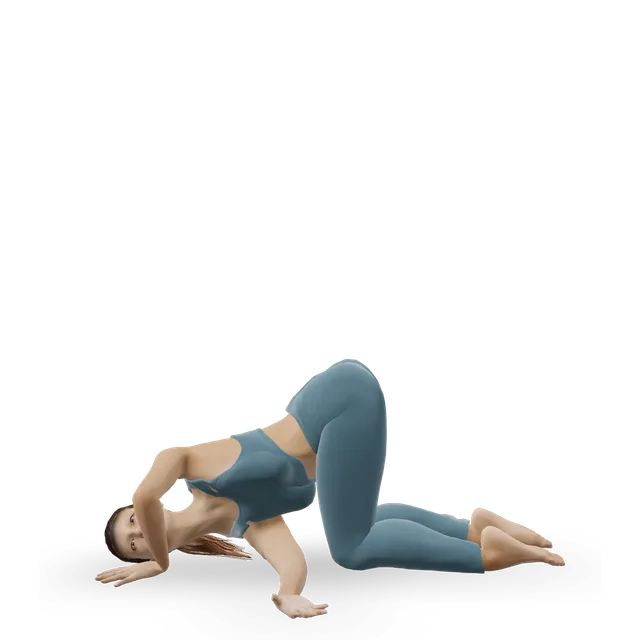
Two or three days a week. From the second stage of our whiplash guide: isometric neck holds 3 to 5 holds of 5 to 10 seconds each direction, light effort, after a clinician has checked you (the move's caution says recent whiplash means starting with a clinician); chin tuck with head lift 3 to 5 holds of 5 seconds; band row 2 to 3 sets of 10 to 15; face-down Y-T-W raises 5 of each shape, 2 rounds; side-lying open book 8 each side; wall angels 8 slow slides. Yoga poses with your head level: cat-cow 8 waves, slower than feels natural (the move page's dose), small range; thread the needle 30 seconds each side and child's pose 1 minute with your forehead supported (our yoga for neck pain class); mountain pose 5 slow breaths; warrior II and tree pose 3 breaths each side (our yoga for neck pain and yoga for sciatica classes).

Poses to leave out in the first weeks

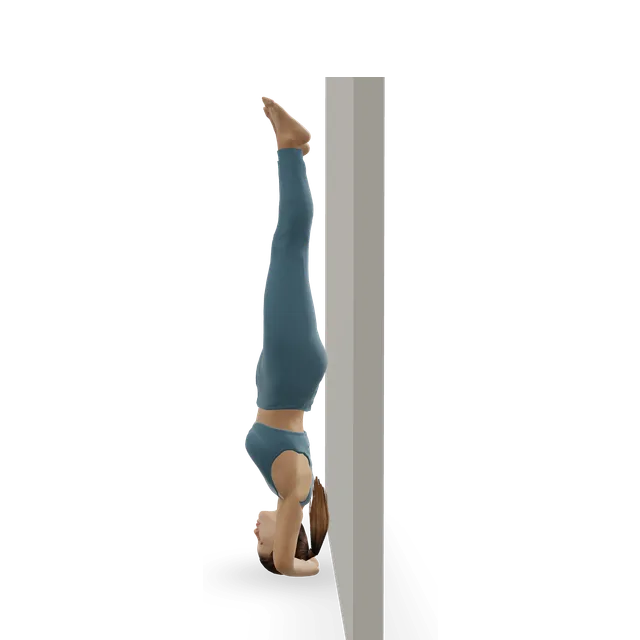
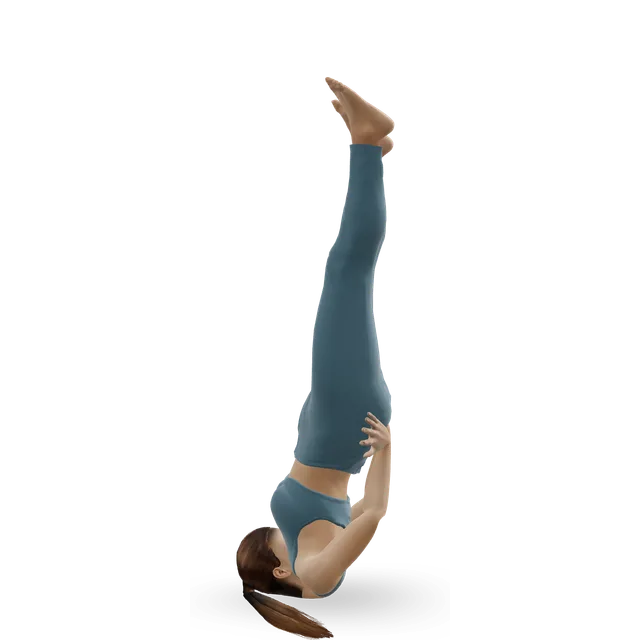
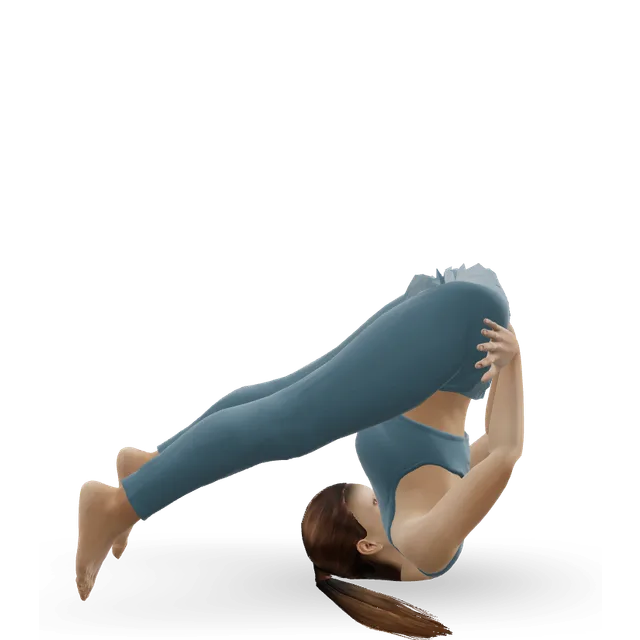
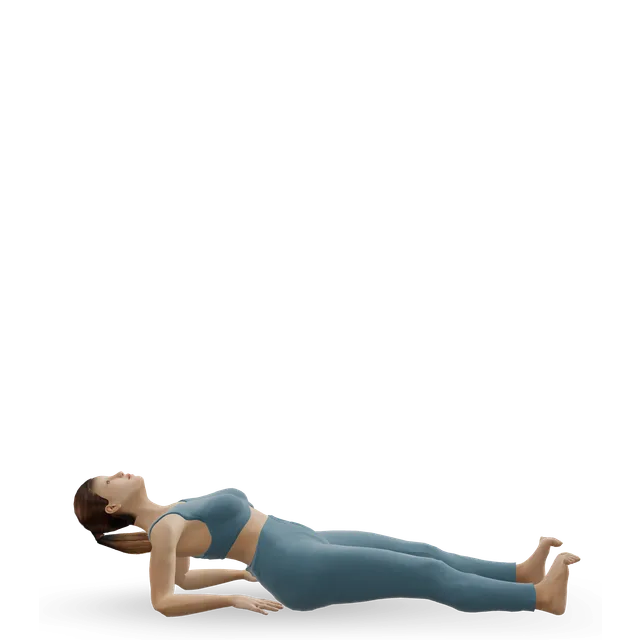
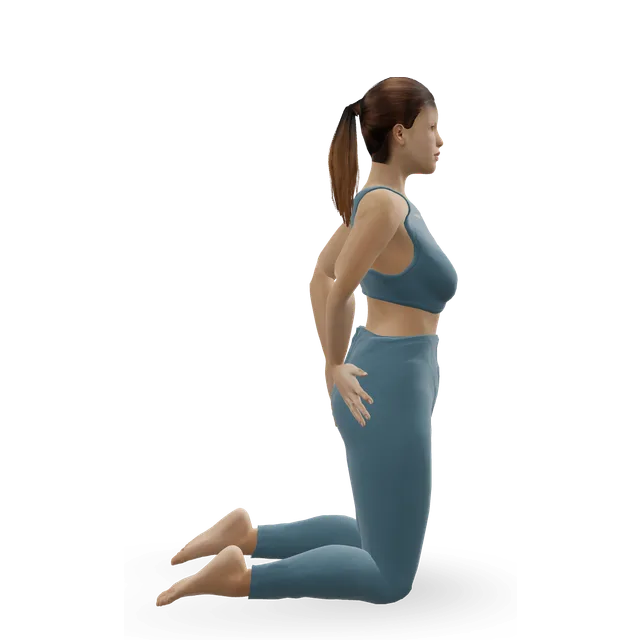
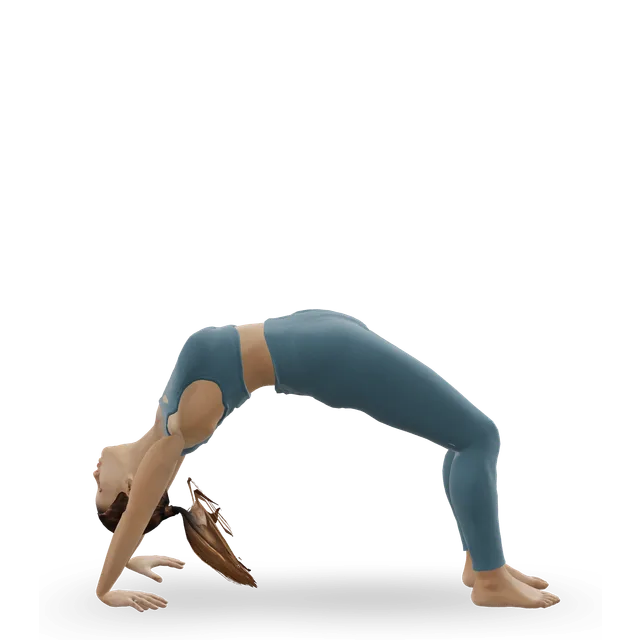
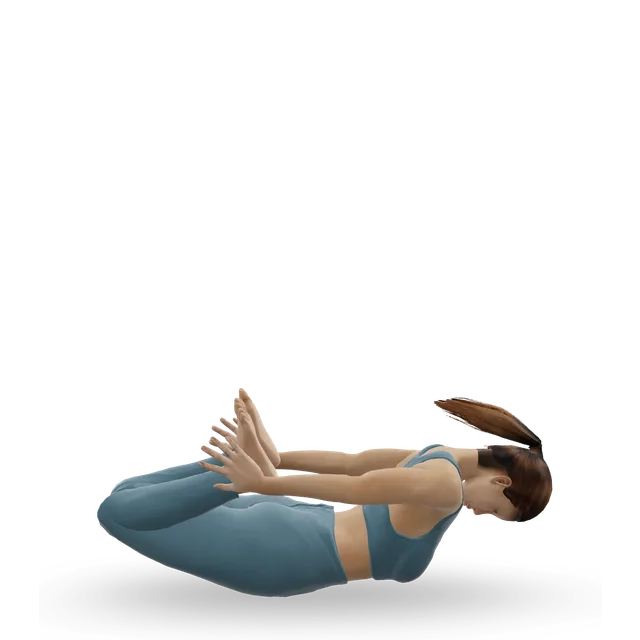
Our suggestion, from the guidelines' advice against intensive training early on and the neck guides' inversion and backbend changes: leave out headstand, shoulder stand and plough (weight through the neck); fish, camel, wheel, bow and upward-facing dog (the head drops back); fast flows such as sun salutations with quick head movements; and hand-pulled neck stretches (the levator stretch's own page calls the hand "a guide, not a winch"). Bring them back gradually, if at all.

Classes to follow

In the first weeks, the 15-minute yoga after whiplash class, daily or most days, alongside walking. From about week 3, or once every movement in it is comfortable, the yoga for neck pain class; the neck and shoulder strength routine once a clinician has checked you.

Walking alongside

Walk daily, alongside your everyday activities, building up gradually.

If it's still bothering you after 3 months

Strength and confidence, not a cureEmerging evidence

A long, intensive programme isn't a reliable fix, and simple advice did as well in the best trial. Neck-specific strength work, ideally guided by a physiotherapist, helped more than general activity in another. Yoga can sit alongside it for enjoyment, movement and confidence.

Sources 12, 13, 25

Help beyond exercise

The NHS mentions referral to physiotherapy, a pain specialist or psychological support when whiplash is slow to improve. Stress and worry play a part in recovery, and the calm parts of yoga, slow breathing and relaxation, may help you cope, though they haven't been tested in whiplash (our reading).

Sources 3, 34, 24

Myths

"Wear a neck collar after whiplash"Strong evidence

The NHS says a neck brace or collar doesn't help, an Australian guideline rates collars ineffective, and a soft collar gave no benefit and more time off work in a trial.

Sources 3, 4, 29

"Rest your neck until the pain has gone"Strong evidence

The NHS advises carrying on with everyday activities and not resting your neck for long periods. Early movement did better than rest in a small trial and as well as other care in a large one.

Sources 3, 28, 5

"More therapy means faster recovery"Emerging evidence

Extra emergency department advice made no difference, extra physiotherapy helped a little at 4 months only, and for long-lasting whiplash a 20-session programme did no better than advice.

Sources 11, 12

"Yoga heals whiplash"Strong evidence

No trial has tested yoga in whiplash. It can be one enjoyable way to keep moving, which is what the evidence supports.

Sources 8, 9

"If it still hurts at 3 months, something must be badly damaged"Emerging evidence

About half of people still report some neck pain a year after whiplash, and early pain, stress and coping predict recovery more than the crash itself. Most people don't need a scan unless the warning signs appear.

Sources 6, 24

Questions people ask

Is yoga good for whiplash?

It hasn't been tested: we found no trial of yoga in whiplash. But keeping moving is the NHS's main advice, and gentle yoga, started with small neck movements and breathing, is one way to do it once the injury warning signs have been ruled out.

When can I start yoga after whiplash?

Gentle movement can start in the first days, once a doctor or NHS 111 has ruled out the warning signs, and the NHS says everyday activity speeds recovery. A gentle class can follow once small neck movements are comfortable, often after 2 or 3 weeks; that timing is our suggestion, and inversions and deep backbends wait longer.

Can I do yoga after a car accident?

Only after the injury warning signs on this page, and any concussion, have been checked. Then start with breathing and small, slow neck and shoulder movements rather than a full class.

What are the best yoga poses for whiplash?

No pose is proven best. In the first weeks: slow breathing, small separate nods, turns and tilts, shoulder rolls, seated twists that turn from the chest, a lying chin nod, and child's pose with your forehead supported.

Which yoga poses should I avoid after whiplash?

In the first weeks, leave out headstand, shoulder stand and plough, poses that drop your head back such as fish, camel, wheel and upward-facing dog, deep forced stretches, and fast or hot classes. Bring them back gradually, if at all; this is our suggestion, as no study has tested yoga poses after whiplash.

Is restorative yoga good for whiplash?

It can help you relax, and stress and worry play a part in recovery, but restorative yoga hasn't been tested in whiplash. Support your head so your neck stays level, and add gentle movement as well as rest.

Should I wear a neck brace for whiplash?

No: the NHS says a neck brace or collar doesn't help, and trials found no benefit and more time off work. Keep your neck moving gently instead.

How long does whiplash take to heal?

The NHS says it usually gets better within 2 to 3 months, though some people have symptoms for longer: about half still report some neck pain a year later. Most recovery happens in the first 3 months.

Should I exercise with whiplash?

Yes, gently: everyday activity may hurt a little but speeds recovery, and guidelines recommend early neck movement exercises and advise against intensive training in the first weeks. If you're still struggling about 3 weeks after the injury, a physiotherapist can help.

My whiplash still hurts after 3 months. Will yoga fix it?

No single treatment reliably fixes it: a 20-session exercise programme did no better than advice in the best trial. Neck-specific exercise helped more than general activity in another, and yoga can sit alongside it for movement and confidence; the NHS mentions referral to physiotherapy, a pain specialist or psychological support.

Could I have concussion as well as whiplash?

Yes: the jolt that causes whiplash can also cause a concussion, the UK concussion guidelines say. A headache, dizziness, poor concentration or feeling foggy after the injury may be concussion, which has its own staged return, with no head-down poses or inversions until you're cleared.

Sources

  1. Stiell 2001 · The Canadian C-spine rule for neck imaging after injury: 8,924 adults (cohort study, JAMA)
  2. NICE NG232 · Head injury: assessment and early management (2023)
  3. NHS · Whiplash (last reviewed August 2026, review due August 2029)
  4. SIRA 2014 · Guidelines for the management of acute whiplash-associated disorders, third edition (State Insurance Regulatory Authority, New South Wales; archived copy read in full)
  5. Kongsted 2007 · Neck collar, act as usual or active mobilisation for whiplash: 458 people (randomised trial, Spine)
  6. Carroll 2008 · Course and prognostic factors for neck pain in whiplash (Bone and Joint Decade Task Force, Spine)
  7. Kamper 2008 · Course and prognostic factors of whiplash: 38 cohorts (systematic review and meta-analysis, Pain)
  8. PubMed, Europe PMC and ClinicalTrials.gov · Our searches for yoga or mind-body trials in whiplash: no yoga trial (31 October 2026)
  9. RECOVER Injury Research Centre, University of Queensland · Yoga (whiplash treatment information, last modified 2021)
  10. Seferiadis 2016 · Basic body awareness therapy against exercise therapy for chronic whiplash: 113 people (randomised trial, Disabil Rehabil)
  11. Lamb 2013 · Emergency department advice and physiotherapy for acute whiplash: MINT, 3,851 people (randomised trial, Lancet)
  12. Michaleff 2014 · An exercise programme or advice for chronic whiplash: PROMISE, 172 people (randomised trial, Lancet)
  13. Ludvigsson 2016 · Neck-specific exercise against a prescription of physical activity for chronic whiplash: 216 people at 1 and 2 years (randomised trial, J Rehabil Med)
  14. Cramer 2017 · Yoga for chronic neck pain: 3 trials, 188 people (systematic review and meta-analysis, Clin Rehabil)
  15. Rasmussen-Barr 2023 · Exercise types for chronic neck pain: an overview of 25 systematic reviews, with certainty ratings (BMC Musculoskelet Disord; read in full)
  16. NHS inform · Neck injury
  17. NHS · Cervical spondylosis (past its review date: reviewed August 2023, review due August 2026)
  18. NHS · Head injury and concussion (last reviewed May 2025)
  19. UK Government and Sport and Recreation Alliance 2024 · UK concussion guidelines for non-elite (grassroots) sport (November 2024 update; read in full)
  20. NHS · Chest pain (past its review date: reviewed August 2023, review due August 2026)
  21. NHS · Fainting
  22. NHS · Shortness of breath
  23. NHS inform · Whiplash
  24. Ritchie 2016 · Recovery pathways and prognosis after whiplash injury (review, JOSPT)
  25. Blanpied 2017 · Neck pain: revision 2017 (clinical practice guideline, JOSPT; read in full)
  26. NHS inform · Exercises for neck problems
  27. Sterling 2019 · Stress inoculation training with exercise for acute whiplash: StressModex, 108 people (randomised trial, BJSM)
  28. Rosenfeld 2003 · Early active movement against rest and a soft collar after whiplash: 97 people followed for 3 years (randomised trial, Spine)
  29. Crawford 2004 · A soft collar for 3 weeks against early movement after neck sprain: 108 people (randomised trial, Injury)
  30. Wiangkham 2015 · Conservative care for acute grade II whiplash: 15 trials, 1,676 people (systematic review and meta-analysis, PLoS One)
  31. Côté 2016 · Management of neck pain and associated disorders: the OPTIMa guideline (Eur Spine J)
  32. Stewart 2007 · Exercise plus advice against advice alone for chronic whiplash (randomised trial, Pain)
  33. Griffin 2017 · General exercise and long-term pain and disability after whiplash (systematic review, JOSPT)
  34. Chartered Society of Physiotherapy · Whiplash (last reviewed August 2019)

Exercise education, not a personal prescription, and clinical review of these guides is pending. If you are pregnant, have a health condition such as glaucoma, high blood pressure or osteoporosis, or have had recent surgery, check with a doctor, midwife or physiotherapist before starting, and stop for sharp or increasing pain. Health disclaimer.