Better than no exerciseEmerging evidence
A 2025 review of 8 trials (439 adults) found that, compared with no exercise or minimal care, Pilates lowered pain by about 1.5 points out of 10 straight after a course (very low certainty) and eased disability (low certainty). Between 8 weeks and 3 months later, pain was about 2.5 points lower: the review rates this "moderate certainty", but it rests on just 2 trials and 98 people.
Only one of the 8 trials was at low risk of bias, the trials had 36 to 88 people each, and most followed people for only about a month after the course.
Source 1
Not better than other exerciseMixed evidence
Against other exercise (yoga, stabilisation, isometric and strengthening programmes), other exercise eased pain slightly more straight after treatment, by about half a point out of 10 (low certainty), and disability didn't differ. A review of 5 trials found Pilates no better than other treatments at 3 months (low certainty), and an overview of 25 reviews of exercise for neck pain found that was the only Pilates review it could include.
Sources 1, 2, 15
No single best exerciseMixed evidence
A network meta-analysis (a review comparing many trials at once) of 40 trials found that motor control exercise, strengthening, and yoga, Pilates, tai chi and qigong as a group all eased pain more than no treatment, and "not one superior type" (very low quality evidence). A 2026 overview of 52 reviews found yoga, Pilates and tai chi helped with no clear winner, and suggests matching the exercise to what each person prefers.
Sources 16, 17, 18
Strengthening has the best supportEmerging evidence
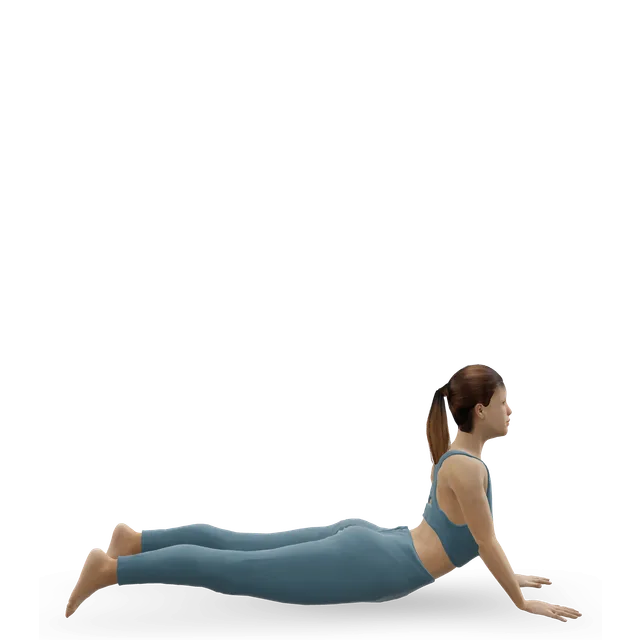
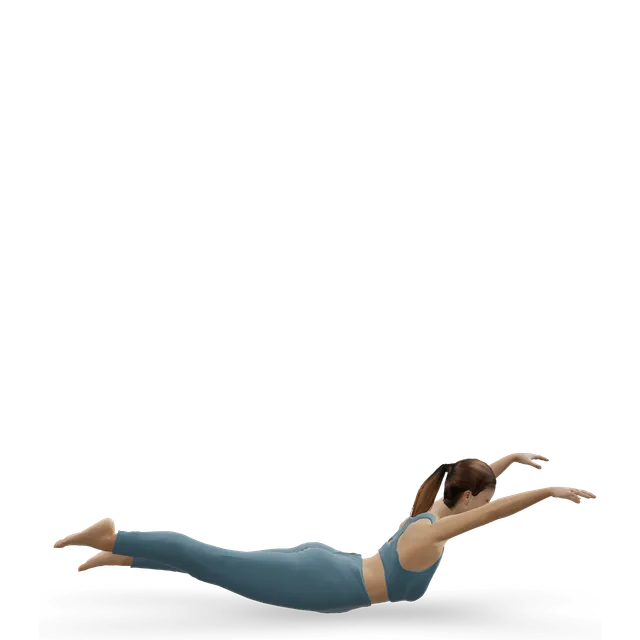
A Cochrane review found moderate-quality evidence that strengthening the neck, shoulder blades and arms eases long-lasting neck pain, while stretching alone, breathing exercises or general fitness training may not help (low quality). That's why our class adds upper-back and shoulder-blade work to the Pilates.
Source 3
Pilates and yoga: about equalMixed evidence
In two trials of 56 people each, Pilates and yoga helped about equally. Network analyses that rank yoga or stability exercise first are indirect and low certainty; one ranked Pilates best for mental quality of life. Our yoga for neck pain guide covers the yoga side.
Sources 12, 11, 19, 20
Single trialsMixed evidence
Pilates on a mat and equipment twice a week for 12 weeks beat usual medicines alone in 64 adults, and cut painkiller use. Clinical Pilates beat posture education in 50 adults over 6 weeks. Neck stabilisation exercise eased pain more than Pilates in 45 adults, and did at least as well for "text neck" in 75. Reformer Pilates twice a week for 6 weeks eased pain, fear of movement and poor sleep compared with no exercise in 54 women with back or neck pain. All of these trials were small.
Sources 10, 13, 21, 22, 23
At workMixed evidence
In 30 office workers, both groups did 8 weeks of supervised Pilates, one with kinesiology tape added, and both improved; with no group that skipped Pilates, it shows improvement over time rather than a Pilates effect. A 2026 review of 23 workplace studies concluded that Pilates may reduce pain and disability in workers with back or neck pain.
Sources 24, 25
Heat and electrical treatments add littleMixed evidence
In 50 women, adding hot packs, TENS (a small electrical device) and ultrasound to clinical Pilates helped more than Pilates alone. But a multidisciplinary guideline (OPTIMa) advises against clinic-based heat and electrical treatments for neck pain, so exercise stays the main treatment.
Sources 26, 27
Headaches that start in the neckMixed evidence
In 37 people with headaches from the neck (cervicogenic headache), clinical Pilates helped, but hands-on mobilisation by a physiotherapist reduced how often and how badly headaches came, and painkiller use, more. In a second trial of 25 people, mobilisation plus Pilates beat mobilisation alone for headache intensity. Our cervicogenic headache guide has more.
Sources 28, 29
Whiplash, a trapped nerve and neck arthritis: no trialsMixed evidence
Our search found no trial of Pilates for whiplash, a trapped nerve (cervical radiculopathy) or neck arthritis (cervical spondylosis). Pilates may still suit as general exercise once the warning signs below are ruled out, but follow your condition's guide first.
Sources 30, 1
Adults over 50Emerging evidence
In a review of mat Pilates in adults over 50 with long-term muscle and joint problems, including neck pain, Pilates helped about as much as other exercise. People kept up group classes well but home practice poorly.
Source 31