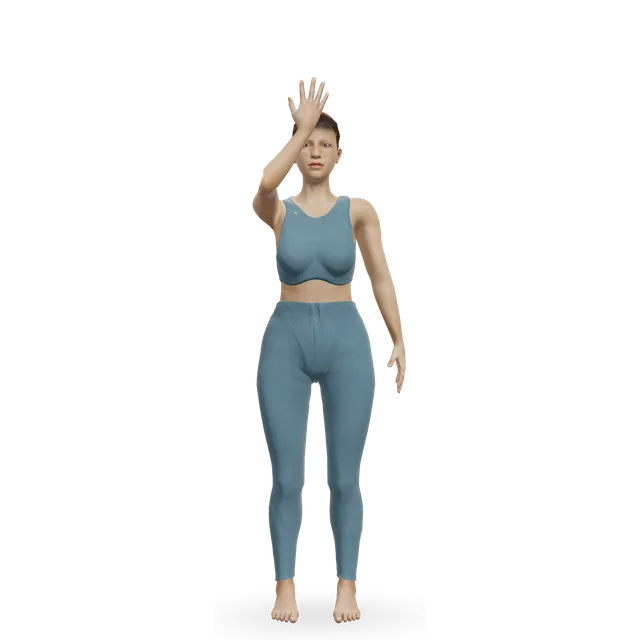
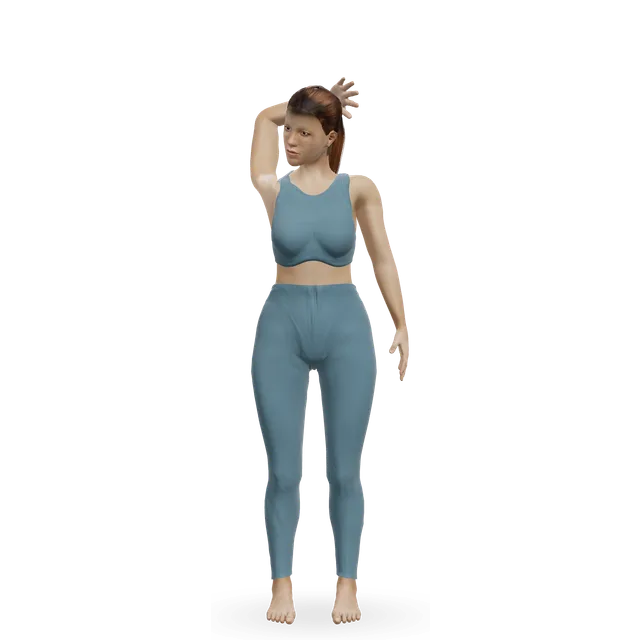
Also called deep cervical flexors, longus colli, longus capitis
The deep neck flexors are two pairs of thin muscles on the front of the neck vertebrae, behind the throat: the longus colli, running along the front of the spine from the top of the chest to the top of the neck, and the longus capitis, from the mid-neck to the underside of the skull.
They make the small nod of the head and help hold the neck's curve. In neck pain they often do less of the work while the larger front neck muscles do more; a gentle lying nod retrains them, and physiotherapists test them with a pressure sensor behind the neck.
Nod the head forward, chin toward throat, with the head staying on the pillow: the small nod of a 'yes'.Craniocervical flexion
Bend the neck forward and tilt it to the side.Cervical flexion and lateral flexion (longus colli)
Help hold the neck's natural curve against the weight of the head.Support of the cervical lordosis
Nerve supply
Branches from the front (ventral rami) of the neck nerves: the first to third (C1 to C3) for the longus capitis and the second to sixth (C2 to C6) for the longus colli.
Recorded with a sensor placed behind the throat, deep neck flexor activity rose step by step as a gentle nod deepened, in two small studies from one research group. In a computed tomography (CT) study of 36 people, a larger longus colli went with a less curved neck, and the authors concluded that it balances the pull of the head's weight. The longus colli is also rich in muscle spindles, the sensors that detect stretch.
A modelling study estimated that the longus capitis and colli can produce only small forces, with little ability to brace the neck in the way clinicians had assumed. How chin-nod training helps neck pain is still not fully understood.
In neck pain, people tend to use the deep flexors less and the sternocleidomastoid and scalenes more during the nod. In a trial, 6 weeks of gentle nod training increased deep flexor activity and reduced the surface muscles' activity; neck flexor strength training did not change the deep flexors.
Over 10 weeks, nod training made the longus colli bigger on ultrasound, while head-lift training made the sternocleidomastoid bigger instead. On muscle magnetic resonance imaging (MRI), the nod worked the longus capitis most, a head lift worked the longus colli and sternocleidomastoid more, and a chin tuck combined with a head lift worked them all hardest.
In the craniocervical flexion test, you lie on your back with a pressure sensor behind your neck, inflated to 20 millimetres of mercury (mmHg). You nod to five targets from 22 to 30 mmHg, and the result is the highest level you reach without the larger front neck muscles taking over, and how long you can hold it. Reviews disagree on how good a measure it is: one rates it reliable and valid on moderate evidence, another finds limited reliability and no link with how bad neck pain is. It is a clinic test, not one to score at home.
A simpler timed test, holding a chin-tucked head lift, averaged about 39 seconds in people without neck pain and 24 seconds in people with it. In healthy adults, men averaged about 39 seconds and women 29, with wide variation. A head lift also works the sternocleidomastoid hard, so it is not a pure deep flexor test.
The nod is meant to be light. An NHS leaflet teaches it lying with the head on a towel: nod gently, keep the back of the head on the towel, hold for up to 5 seconds, and don't push the head down, hunch your shoulders or hold your breath. The trials trained the same low-load movement.
The lying chin tuck comes first because it is the nod used in the trials, where it increased deep flexor activity and made the longus colli bigger. Our starting point: up to 10 holds of up to 10 seconds, once or twice a day, very gently, then add the chin tuck with head lift, 3 to 5 holds of 5 seconds building to 10 holds of 10 seconds. The upright chin tuck and the forward press follow from the muscles' actions. If any of these sends pain or tingling down an arm, make it smaller or stop, and read the pinched nerve guide.
In 14 women with neck pain, 6 weeks of twice-daily nod training increased deep flexor activation, most in those who started lowest, and the change went with how much their pain fell.
Whether it beats other exercise is unclear. One meta-analysis of 10 trials found nod-based training reduced pain and disability more than other treatments, though its summary doesn't say which treatments. A network meta-analysis of 40 trials found it about as effective as strengthening or yoga and Pilates, on very low-quality evidence, and a review of 12 trials found that different kinds of training reduced pain about equally.
In 200 people with headaches from the neck, 6 weeks of a low-load exercise programme reduced how often and how badly headaches came, with the effect still there a year later. A Cochrane review rated the evidence for neck and shoulder exercise that includes this nod training as moderate quality.
In another study, restricted movement, upper-neck joint problems and a poor nod test together picked out headaches from the neck, and these problems were not found in migraine or tension-type headache.
In 81 people, adding a craniocervical training programme of gentle nodding exercises to physiotherapy reduced headache frequency, intensity and duration at 6 months more than physiotherapy alone. It is one trial. In another study, people with tension-type headache did not show the nod-test problems seen in headaches from the neck, so the training may not work by fixing weak deep flexors.
Within a month of whiplash, the surface neck muscles were over-active during the nod, and this lasted at least 3 months even in people who recovered. In chronic whiplash, MRI showed more fat inside the longus capitis and colli than in people without. The whiplash guide's plan already includes the lying chin tuck.
Desk neck and forward head postureEmerging evidence
During a 10-minute computer task, people with neck pain drifted 4.4 degrees into a forward head position, against 2.2 degrees in people without. After 6 weeks of nod training the drift was smaller, while endurance and strength training did not change it. Our forward head posture guide covers how much change to expect.
Calcium deposits in the longus colli tendon can cause inflammation: neck pain that comes on fast, stiffness, painful swallowing and sometimes a fever. It is found on CT or MRI scans, in about 1 in 1,000 neck CT scans, is easily mistaken for an abscess, and usually settles over several weeks with anti-inflammatory treatment. Sudden severe neck pain with painful swallowing or a fever needs a doctor, not exercises.
Chin tucks will fix forward head postureEmerging evidence
Nod training improved how well people held their heads upright, but by small amounts. Forward head posture is only modestly linked with neck pain, and in a year-long study, bending the neck to text did not predict who developed neck pain.
Deep neck flexor training is the best exercise for neck painMixed evidence
The trials disagree. One meta-analysis favoured it, though the treatments it was compared with aren't named in its summary; the largest analysis found it about as good as strengthening, yoga or Pilates, and a review of 12 trials found that different kinds of training reduced pain about equally.
The deep neck flexors hold your neck stable like a corsetEmerging evidence
A modelling study found they are small muscles that can produce little force or bracing. Training them changes how the neck muscles share the work, but how that eases pain isn't clear.
Only a gentle nod reaches the deep neck flexorsMixed evidence
On muscle MRI, head lifts worked the longus colli as well as the sternocleidomastoid, while the nod mainly targeted the longus capitis. Yet nod training made the longus colli bigger and head-lift training the sternocleidomastoid. Both have a place: the nod for control, the head lift for endurance.
The longus colli and longus capitis, two pairs of thin muscles lying on the front of the neck vertebrae, behind the throat. Two small muscles at the top, the rectus capitis anterior and lateralis, are sometimes included.
What do the deep neck flexors do?
They make the small nod of the head, help bend the neck forward, and help hold the neck's natural curve. Their activity rises step by step as the nod deepens.
How do you strengthen the deep neck flexors?
Start with the lying chin tuck: a gentle nod with your head resting on a towel, without pushing your head down. An NHS leaflet holds it for up to 5 seconds; our plan builds to 10 holds of up to 10 seconds. When that is easy, lift the head just clear of the floor with the chin tucked.
What is the craniocervical flexion test?
A physiotherapist's test: you lie on your back with a pressure sensor behind your neck and nod to five targets on a gauge without the front neck muscles taking over. It reflects how the deep flexors work, but its reliability is limited, so it is not a precise measure or a test to do at home.
What is the deep neck flexor endurance test?
A timed hold of a chin-tucked head lift, lying on your back. People without neck pain held for about 39 seconds on average and people with neck pain about 24; in healthy adults, men averaged 39 seconds and women 29, with wide variation. A head lift also works the sternocleidomastoid, so it is not a pure deep flexor test.
Do deep neck flexor exercises help neck pain?
Yes, about as much as other neck exercise. They change how the deep and surface muscles share the work, and in one study the people whose deep flexors improved most had the most pain relief; but across 40 trials, strengthening, yoga and Pilates worked about as well.
Can deep neck flexor exercises help headaches?
In a trial of 200 people with headaches from the neck, a low-load exercise programme reduced headaches for a year, and adding craniocervical training to physiotherapy reduced tension-type headaches in another trial. Get a sudden or severe new headache checked first.
Will chin tucks fix my forward head posture?
They can improve how well you hold your head upright, but by small amounts, and changing posture hasn't been shown to relieve neck pain. Our forward head posture guide covers how much change to expect.
Why does my chin poke forward when I try to lift my head?
That is the larger front neck muscles taking over: in neck pain, people tend to use the sternocleidomastoid and scalenes more and the deep flexors less. Go back to the lying nod until you can lift without the chin poking.
What is longus colli tendinitis?
An inflammation from calcium deposits in the tendon of the longus colli, causing sudden neck pain, stiffness and painful swallowing. It needs a scan and a doctor, and it usually settles over several weeks with anti-inflammatory treatment.
Anatomy and movement education, not a diagnosis or treatment plan. If you have pain that follows an injury, is severe or getting worse, or comes with numbness, weakness or swelling, get it assessed. Health disclaimer.