Also called splenius, splenius muscle, splenius capitis muscle
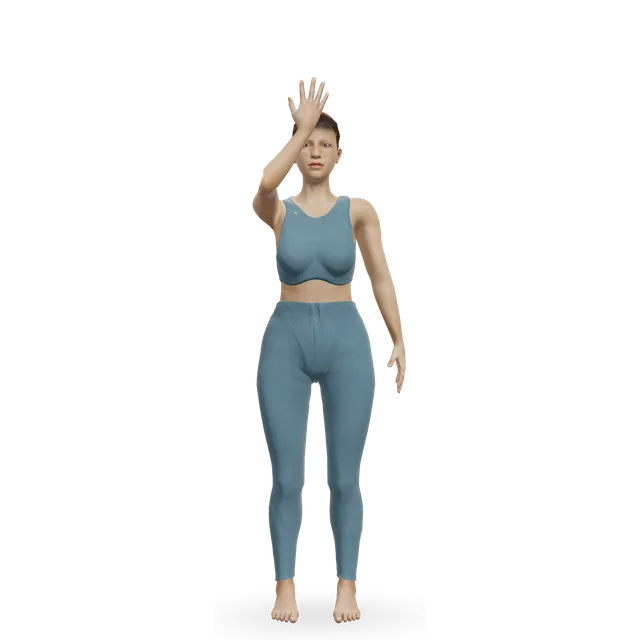
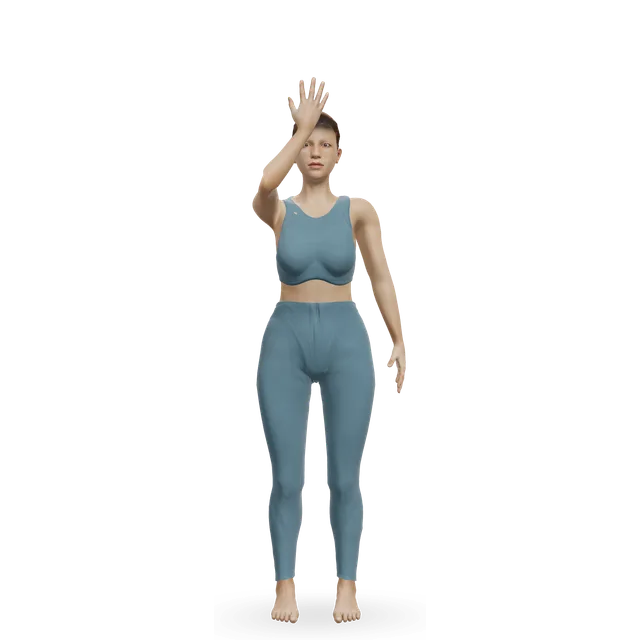
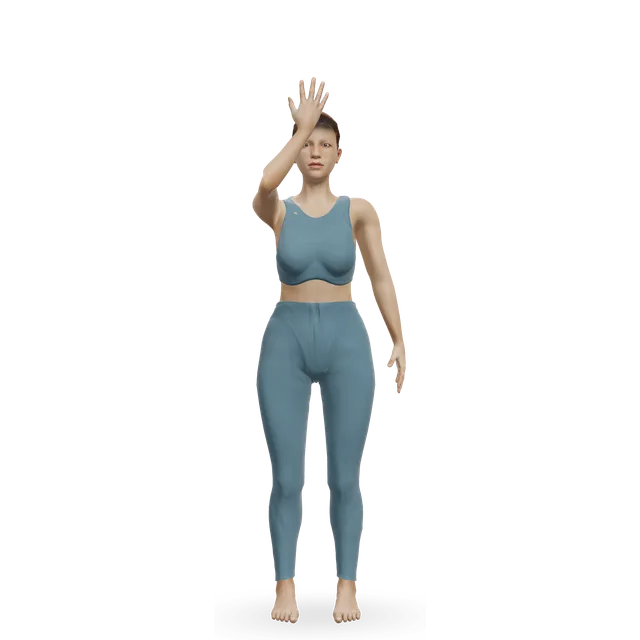
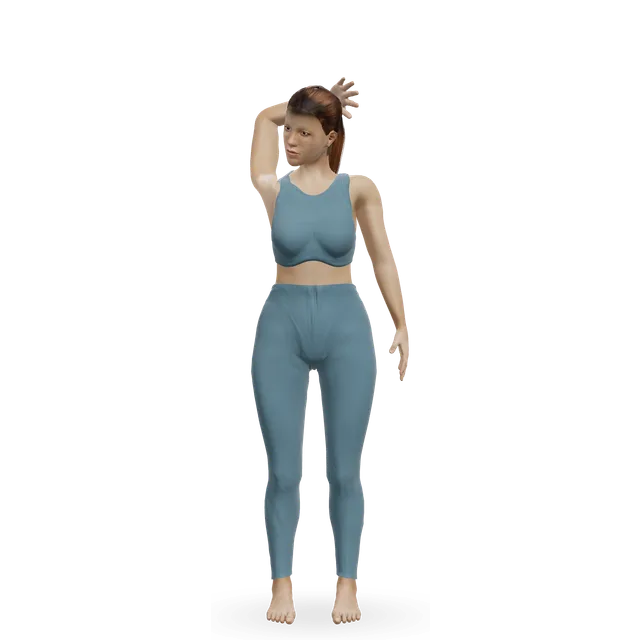
The splenius capitis is a flat, strap-shaped muscle at the back of the neck, under the trapezius. Each one runs from the spine at the base of the neck and the top of the upper back, up and out to the bony bump behind the ear and the base of the skull.
Working together, the two sides tip the head back. One side on its own turns the head toward that side, working with the opposite sternocleidomastoid. In a training study, neck exercises made it bigger and general lifting did not.
The bony points of the spine at the base of the neck and the top of the upper back.Spinous processes of C7 and T1 to T3 (or T4), and the supraspinous ligaments
Attaches to (insertion)
The bony bump behind the ear and the outer part of the ridge at the base of the skull.Mastoid process and lateral third of the superior nuchal line
What it does
Both sides together tip the head back, as when you look up at the sky.Bilateral extension of the head and neck
One side turns the head toward that side: looking over your left shoulder uses the left splenius capitis with the right sternocleidomastoid.Unilateral rotation of the head to the same side
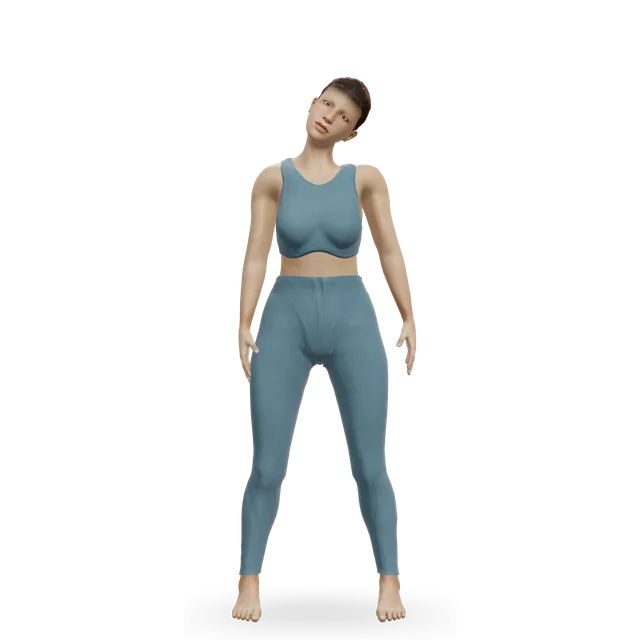
Helps tip the ear toward the shoulder on the same side.Assists lateral flexion to the same side
Nerve supply
Branches from the back (dorsal rami) of the upper neck nerves; one source, StatPearls, gives C2 to C3. Unlike the trapezius and sternocleidomastoid, it is not supplied by the accessory nerve.
The other half of every head turnEmerging evidence
Every turn of the head pairs the splenius capitis on one side with the sternocleidomastoid on the other. In fine-wire electromyography (EMG), which records muscle activity, its two main jobs were tipping the head back and turning it to its own side; it played only a small part in tilting.
In another EMG study of neck exercises against resistance, it was more active than the deeper semispinalis cervicis whenever the head turned, while the semispinalis did more when the head tipped back.
Neck-specific training makes it biggerEmerging evidence
In 22 active students, 12 weeks of a loaded head-extension exercise, three sets of 10 three days a week, made the splenius capitis about a quarter bigger on magnetic resonance imaging (MRI). A group doing squats, deadlifts, presses and rows without neck work grew their thigh muscles but not the overall size of their neck muscles. After training, the same light head-extension effort used about a third less of these muscles.
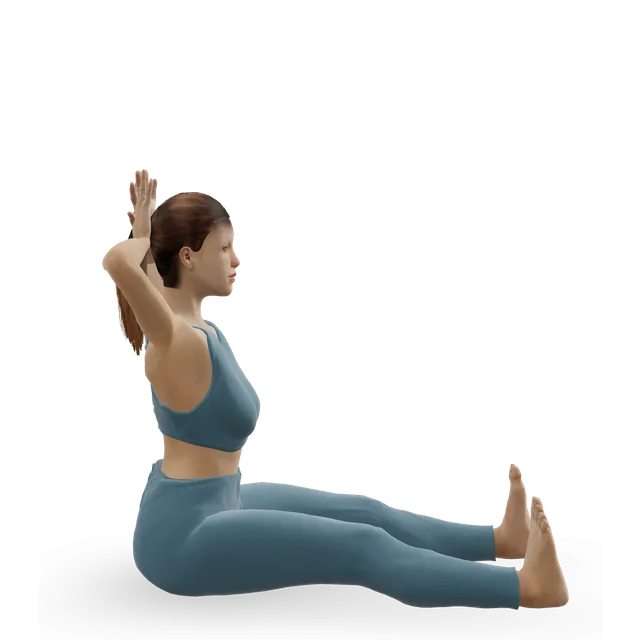
No study has measured these moves for the splenius capitis, so the order follows its actions: the backward press first, because tipping the head back is its main job, then the four-way holds and the side press. Resisted turning is where it out-worked a deeper neck muscle in one EMG study, but there is no resisted turning move here yet. In a year-long trial, band neck training raised neck extension strength by 69% in women with neck pain.
Looking down toward the opposite armpit bends the head forward, turns it away and tilts it away, the reverse of all three of its actions. Keep it gentle and let the head's weight do the work. No study has tested a stretch for the splenius capitis, and for neck pain, strengthening has better evidence than stretching alone.
In 15 people with neck pain and 12 without, examiners found more active trigger points (tender spots that bring on your familiar pain when pressed) across six neck muscles, the splenius capitis among them, in the people with pain. How many they had did not track how bad their pain or disability was, and a review found that examining for trigger points is not reliable.
General neck and shoulder strengthening is what the evidence supports: a Cochrane review rates it moderate quality for neck pain that lasts, and in a year-long trial, band neck training cut pain and disability in women office workers. If your neck locked up overnight, the stiff neck guide covers it.
The international headache classification calls tenderness of the muscles around the skull the most significant abnormal finding in tension-type headache, and very probably important to it; the splenius is one of the muscles it lists for examining. It also says the mechanisms are not known. A headache that starts suddenly and is extremely painful, or comes with weakness, confusion or loss of vision, needs 999.
On MRI scans, 79 women with persistent whiplash had more fat inside all the neck extensor muscles measured, the splenius capitis included, than 34 women without; the amount did not track their pain or disability. The same fat was not a feature of 23 women whose neck pain began without an injury. These are findings, not a treatment target: the whiplash guide's advice, keep moving and skip the collar, still applies.
A sudden, painful wry neck is covered by the stiff neck guide. A twisting or turning of the head that you can't control is different: cervical dystonia, a nerve condition, mainly involves the sternocleidomastoid and trapezius, with the splenius among the other muscles affected. It needs a doctor, not stretches.
Deadlifts and squats will build a strong neckEmerging evidence
In a 12-week MRI study, squats, deadlifts, presses and rows without neck work grew the thigh muscles but not the overall size of the neck muscles. Adding a loaded head-extension exercise made the splenius capitis about a quarter bigger. It was one small study.
A knot in your splenius capitis is the hidden cause of your painMixed evidence
Trigger points in it are more common in neck pain, but their number did not track pain or disability, and examiners don't reliably agree on where they are. The headache classification says how neck-muscle tenderness relates to tension-type headache is not known.
A tight neck needs stretching, not strengtheningEmerging evidence
For neck pain that lasts, stretching alone has low-quality evidence of little effect, while strengthening has moderate-quality evidence. In a year-long trial, neck strength training did much better than advice to stretch and do aerobic exercise.
At the back of the neck, under the trapezius. It runs from the spine at the base of the neck and the top of the upper back, up and out to the bony bump behind the ear and the base of the skull.
What does the splenius capitis do?
Both sides together tip your head back. One side on its own turns your head toward that side and helps tilt it: looking over your left shoulder uses the left splenius capitis with the right sternocleidomastoid.
What is the difference between the splenius capitis and the splenius cervicis?
They are neighbours. The splenius capitis runs from the base of the neck to the skull, while the splenius cervicis starts lower, on the upper-back spine, and attaches to the top three neck vertebrae, so it moves the neck rather than the head directly.
How is the splenius capitis different from the semispinalis capitis?
The semispinalis capitis lies underneath it. In recordings of muscle activity it worked mainly to tip the head back, while the splenius capitis both tipped the head back and turned it to its own side. Both grew by about a quarter with 12 weeks of specific head-extension training.
Why does my splenius capitis hurt when I turn my head?
It works every time you turn toward that side, so a sore neck often hurts there. Tender knots in it are common in neck pain, but how many you have doesn't track how bad the pain is. Neck strengthening has the best evidence; see the neck pain guide, or the stiff neck guide if it came on overnight.
How do you stretch the splenius capitis?
Turn your head away and look down toward the opposite armpit, as in the levator scapulae stretch, letting the head's weight do the work. No study has tested a splenius stretch, and for neck pain, strengthening has better evidence than stretching alone.
What exercises strengthen the splenius capitis?
Pressing the back and sides of your head into your hand without letting it move. In trials, a year of band neck training raised neck extension strength by 69%, and 12 weeks of loaded head extension made the splenius capitis about a quarter bigger.
Can the splenius capitis cause headaches?
Tender neck and scalp muscles, the splenius among them, are the main finding in tension-type headache, but how that tenderness relates to the headache isn't known. A headache that starts suddenly and is extremely painful, or comes with weakness, confusion or loss of vision, needs 999.
What nerve supplies the splenius capitis?
Small branches from the back of the upper neck nerves; one source gives the second and third neck nerves (C2 to C3). That is different from the trapezius and sternocleidomastoid, which are supplied by the accessory nerve.
Anatomy and movement education, not a diagnosis or treatment plan. If you have pain that follows an injury, is severe or getting worse, or comes with numbness, weakness or swelling, get it assessed. Health disclaimer.