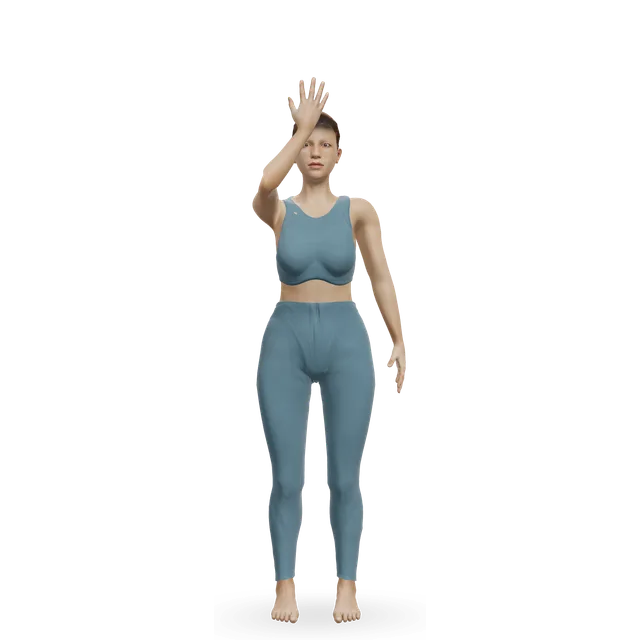
Wry neck (torticollis)
A tight or shortened SCM pulls the head into a tilt with the chin turned away. In babies it is usually congenital and treated with stretching physiotherapy; in adults it can come from nerve injury or a dystonia.
Source 1
Muscle guide · Neck
Also called SCM, front of the neck muscle
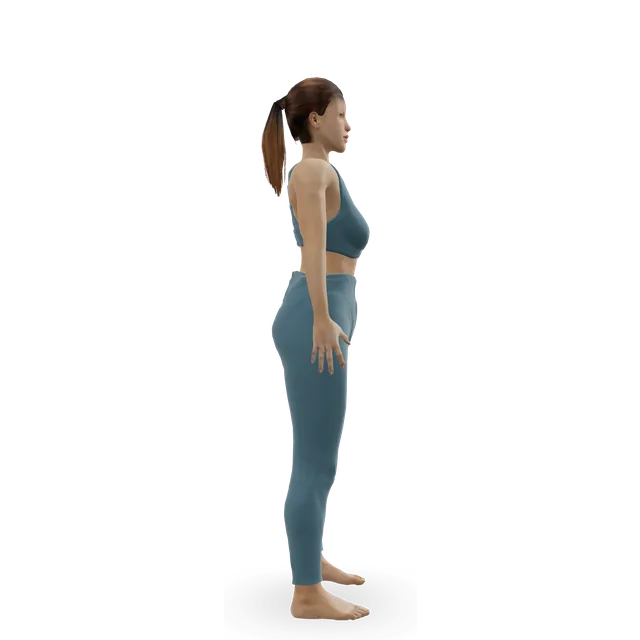
The sternocleidomastoid is the rope-like muscle you can see on each side of the neck, running diagonally from the top of the breastbone and the inner collarbone up to the bony bump behind the ear.
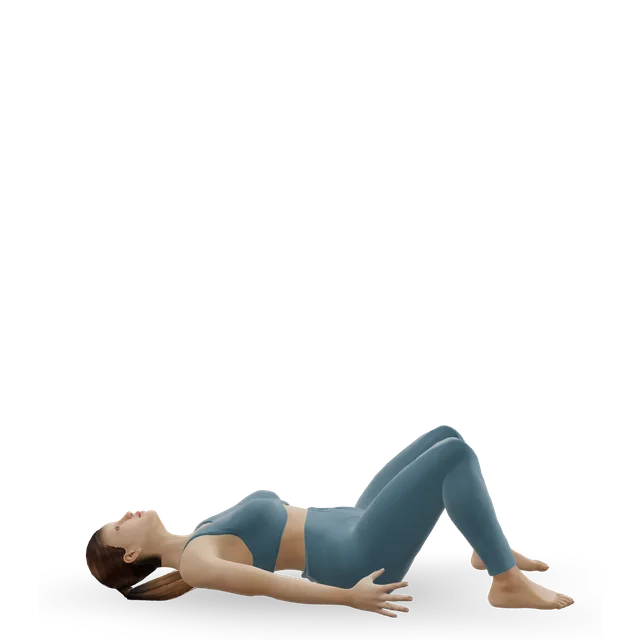
One side turns the head to the opposite side and tilts it toward the same side; both together bend the neck forward, as when you lift your head off a pillow, and help lift the chest in a deep breath.
Source 1
In a year-long trial in women with chronic neck pain, neck strength training with an elastic band cut pain and disability and more than doubled neck flexion strength. It trained the neck muscles together; no study isolated the SCM.
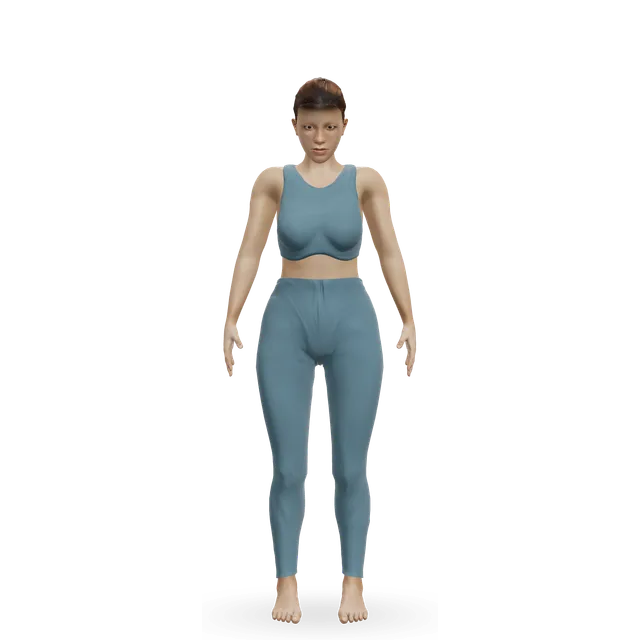
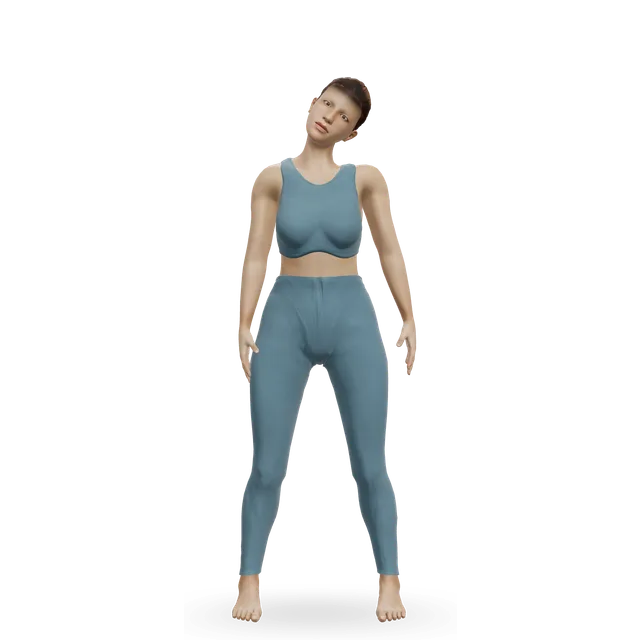
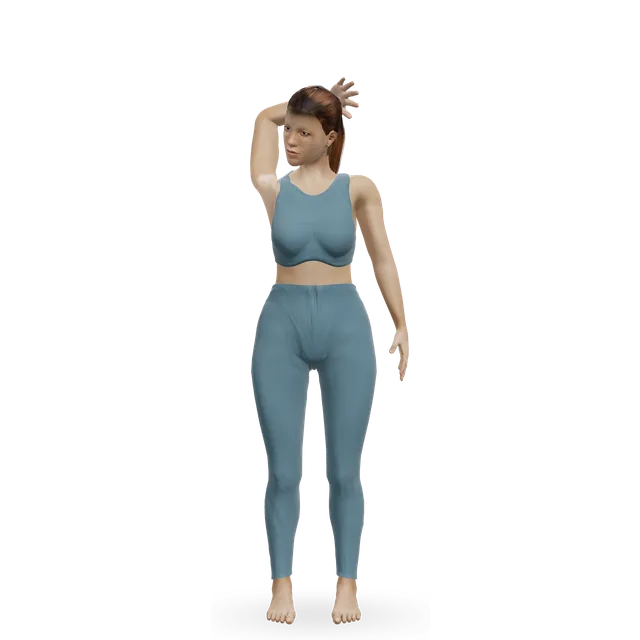
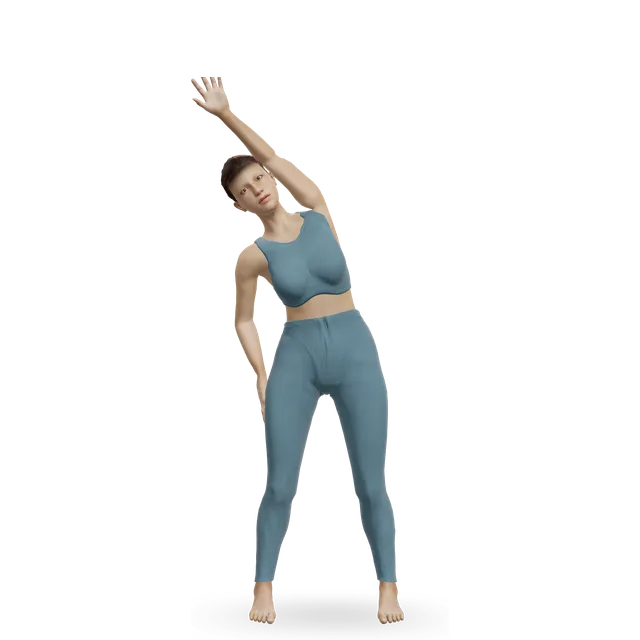
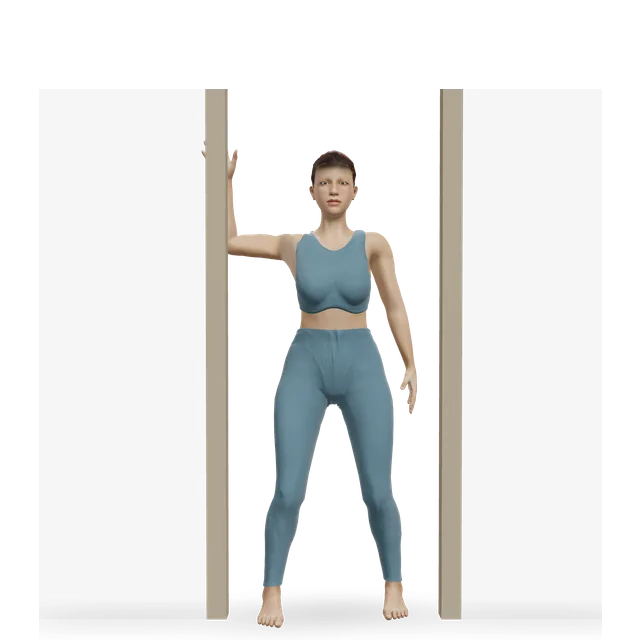
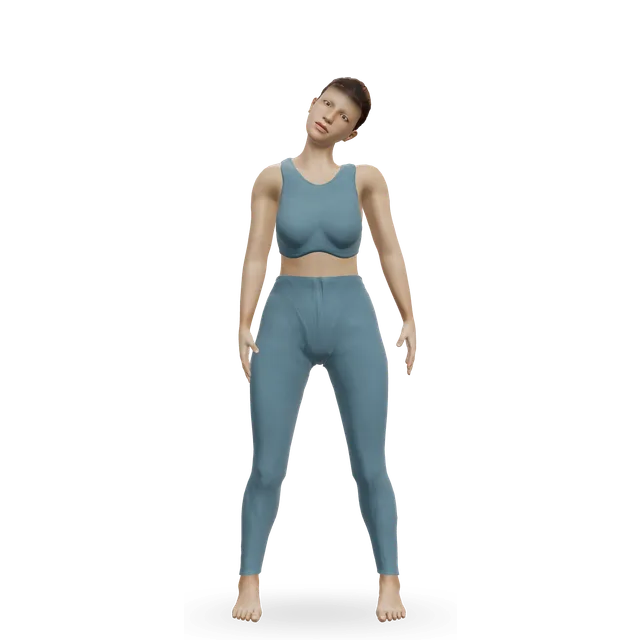
Tilt the head away and turn it slightly back toward the side being stretched.
A tight or shortened SCM pulls the head into a tilt with the chin turned away. In babies it is usually congenital and treated with stretching physiotherapy; in adults it can come from nerve injury or a dystonia.
Source 1
People with chronic neck pain tend to use the SCM more, and the deep neck flexors less, when they bend the neck. Strength training of the neck muscles helps, and stretching and massage add benefit when combined with physiotherapy.
One side turns the head the opposite way and tilts it to the same side; both together bend the neck forward and help with deep breaths.
Tilt your head away from the side you want to stretch and turn it slightly back toward that side.
People with chronic neck pain tend to overuse it; strengthening the neck muscles helped neck pain in a long-term trial.
Anatomy and movement education, not a diagnosis or treatment plan. If you have pain that follows an injury, is severe or getting worse, or comes with numbness, weakness or swelling, get it assessed. Health disclaimer.