Pilates guide

Pilates for headaches and migraine: the neck and posture, breathing and relaxation, which moves to change, what the evidence shows, and a class to follow

No trial has tested Pilates for migraine or tension headaches, and in the one small trial in headaches that start in the neck, Pilates on its own helped least. What helps migraine is regular aerobic exercise and relaxation; what helps tension headaches is neck and shoulder strength and learning to relax. Pilates can carry the strength, posture and breathing parts, as long as you change the moves that strain your neck or set off a headache.

This guide covers how Pilates loads your head and neck, what the evidence shows for migraine, tension headaches and headaches from the neck, posture, breathing, which moves to change, what to do on a headache day, and our 20-minute head-supported class. If a headache came on suddenly and is extremely painful, or comes with weakness, confusion or problems seeing or speaking, call 999: the warning signs are below.

The short version

No trial in migraine or tension headaches

No randomised trial has tested Pilates for migraine or tension-type headache. The one Pilates headache trial was small, in headaches that start in the neck, and Pilates on its own helped least; a series of 9 students with tension-type headache had no comparison group. So Pilates is a good way to exercise with headaches, not a treatment for them.

Sources 1, 2, 3

Migraine: aerobic exercise and relaxation

Aerobic exercise cut about 0.6 migraine days a month across 6 studies, and 40 minutes of cycling 3 times a week did as well as a preventive medicine and daily relaxation in one trial. A 2023 guideline grades aerobic exercise and yoga above relaxation and strength training, and doesn't mention Pilates. The Migraine Trust counts Pilates as strengthening exercise that can help the neck pain that often comes with migraine.

Sources 4, 5, 6, 7

Tension headaches: neck strength and learning to relax

A few minutes a day of band exercise cut how often office workers got headaches, and gentle deep neck training added to physiotherapy reduced tension-type headaches at 6 months. Relaxation and similar psychological treatments cut about 4.5 headache days a month. Stretching was linked with more headache days, not fewer. Pilates can carry the neck and shoulder-blade work.

Sources 8, 9, 10, 11

Posture: linked, not proven to cause

People with chronic headaches tend to hold their head further forward, but those studies are snapshots and can't show cause. In the one Pilates headache trial, the Pilates group's head posture improved most while its headaches improved least.

Sources 12, 13, 2

Change the moves that strain your neck

Rest your head down in curls when your neck tires, leave out legs-overhead and rolling moves on a headache day, keep breathing through every effort, and skip hot rooms and very hard sessions. Straining with the breath held can set off a cough headache, and exercise headache is commonest in hot weather.

Sources 14, 15, 7

Know the warning signs

A sudden, extremely painful headache, or a headache with weakness, confusion, or problems seeing or speaking, needs 999. A headache brought on by exercise, coughing or straining needs an urgent GP appointment or NHS 111. The full list, in the words of our headache guides, is below.

Sources 16, 17

Which headache, and how Pilates loads the head and neck

Which headache is it?

Tension-type headache feels like pressing or tightness on both sides of the head; the NHS says "You should be able to continue doing daily activities without making the headache worse", and lists stress, sleep problems, caffeine and taking painkillers too often among the causes. Migraine is usually a throbbing headache that "can be worse when you move around", often with feeling sick and sensitivity to light and sound, and a stiff neck can come at the start of an attack.

A headache that starts in the neck (cervicogenic headache) is usually on one side and brought on by neck movement or holding one position. Our guides to tension headaches, exercise for migraine and cervicogenic headache cover each one in full.

Sources 18, 19

Headaches brought on by effort

The international headache classification describes a primary exercise headache as "Brought on by and occurring only during or after strenuous physical exercise". The first time it happens, a bleed on the brain, a torn artery and narrowed blood vessels have to be ruled out, and it "occurs particularly in hot weather or at high altitude". Cough headache comes on with short efforts of straining with the breath held, and has another cause in about 40% of cases. That is why the warning signs sit high on this page.

Sources 15, 14

Where Pilates loads the head and neck

No study has measured neck load in Pilates moves; these are facts about the moves. Head-up curls hold the weight of your head: the chest lift, the hundred, the single-leg and double-leg stretch, the criss-cross and the scissors. Legs-overhead moves put weight towards your neck: the roll-over, jack knife, control balance, boomerang, and the high scissors and bicycle. Rolling like a ball, the open-leg rocker, the seal and the crab roll across the upper back, and several of these moves take your head below your heart.

Classical Pilates also sets a breath pattern, such as the hundred's 5 counts in and 5 out. Holding your breath while straining is what sets off cough headache, and very intense exercise, doing much more than usual, and not eating or drinking enough are migraine triggers the Migraine Trust names.

Sources 7, 14, 15

Rare but serious: a pop in the neck

A 42-year-old woman felt a "pop" in her neck during a reformer move, then got a headache that eased when she lay flat. She had a spinal fluid leak with blood collected over the brain, and recovered with bed rest and caffeinated drinks. That is one case, so there is no way to say how often it happens; our Pilates for neck pain guide carries the same warning.

Source 20

What the evidence says

Pilates: one small trial, reported twiceMixed evidence

In headaches from the neck (cervicogenic headache), 46 people were allocated to neck mobilisation by a physiotherapist, clinical Pilates, or both, 3 days a week for 6 weeks, and 37 were analysed. Pilates on its own helped least: headaches fell from about 11 to 8 a month with Pilates, against about 13 to 4 with mobilisation and 17 to 4 with both. Pain and painkiller use followed the same pattern. The groups that did Pilates improved their head and shoulder angles most.

A second paper reports two of the same three groups (25 people) with the same headache numbers: it is the same trial, not a second one. Its limits: one centre, groups that weren't alike at the start, patients and therapists who knew the treatment, no follow-up after treatment, and a registration posted after the trial had finished. Read it as one small trial in which Pilates alone did least for headaches.

Sources 2, 21, 22

A case series in tension-type headacheMixed evidence

Nine university students did four 30-minute clinical Pilates classes over 2 weeks, during exams, with no comparison group. The impact of their headaches on daily life improved in all 9, but pain intensity fell in only 2.

Source 3

No trial in migraine or tension-type headacheStrong evidence

We found no randomised trial of Pilates for migraine or tension-type headache, published or registered, in our searches of PubMed, Europe PMC and ClinicalTrials.gov in October 2026. That Pilates is untested here is clear; whether it helps is unknown.

Source 1

What the guideline and the Migraine Trust say about PilatesStrong evidence

The 2023 exercise guideline for migraine doesn't mention Pilates. The Migraine Trust lists it among muscle-strengthening exercise ("This can include lifting weights, yoga and Pilates") and says these exercises "can be particularly helpful in reducing neck pain, which is often associated with migraine". It adds that a combination of aerobic and muscle-strengthening exercise "is likely to be best for most people".

Sources 6, 7

No current Cochrane review

There is no current Cochrane review of exercise for migraine or tension-type headache; the nearest is Cochrane's 2019 review of psychological therapies for migraine. So the exercise evidence on this page comes from individual trials, other reviews and one guideline.

Sources 23, 24

Where other treatments carry the evidence

For migraine, the NHS lists preventive medicines, acupuncture, and relaxation techniques and cognitive behavioural therapy (CBT) among ways to prevent attacks, and in the cycling trial exercise did as well as topiramate, a preventive medicine. For chronic tension-type headache, NICE recommends a course of up to 10 acupuncture sessions over 5 to 8 weeks and makes no exercise recommendation. A pharmacist or GP can talk through the medicines; Pilates sits beside them, not in their place.

Sources 19, 5, 17

Migraine: what helps, and where Pilates fits

Aerobic exerciseEmerging evidence

Across 6 studies, aerobic exercise cut about 0.6 migraine days a month, on moderate-quality evidence. In the best-known trial, 91 adults did 40 minutes of indoor cycling 3 times a week (a 15-minute warm-up, 20 minutes at a harder effort and a 5-minute cool-down), a daily recorded relaxation programme, or took topiramate, for 3 months. Attacks fell by about 1 a month in each group, with no difference between them, and side effects came only with topiramate (in 33%). A 2022 review found aerobic exercise eased migraine pain by a moderate amount, on very low certainty evidence.

Sources 4, 5, 25

The 2023 guideline's gradesStrong evidence

The guideline grades aerobic exercise and yoga B; relaxation (including diaphragmatic breathing), high-intensity intervals, resistance training and tai chi C; and gives a C grade against neck strength exercise as a migraine treatment. That grade against rests on one trial of 42 people, in which 8 weeks of neck strengthening did no better than a sham treatment.

Sources 6, 26

Neck strengthening isn't a migraine treatmentMixed evidence

A 2026 review of neck strengthening in migraine (12 studies, few of them trials) found less disability but no clear change in how often or how badly attacks came, on very low to low certainty evidence. Neck work can still help the neck pain that often comes with migraine, so keep it for that, not to prevent attacks.

Sources 27, 26, 7

How much, and how oftenMixed evidence

Across 59 trials of treatments without medicines (10,020 people), exercise reduced migraine by a small to moderate amount, and the benefit levelled off at about 3 to 5 sessions a week of 30 to 40 minutes. The authors worked that figure out from MET-minutes, a measure of how much work the exercise is, and call the underlying evidence low quality; we read the abstract only. Treat it as a starting point, not a prescription.

Other reviews agree only loosely: combined aerobic and strength training ranked first in 27 trials (very low to low certainty), yoga and moderate or hard aerobic exercise beat medicines alone for frequency in 28 studies on "Very low-quality evidence", and a pooled analysis suggested "3 weekly 30-min sessions over 10-11 weeks", from before-and-after changes rather than comparisons with a control group.

Sources 28, 29, 30, 31

Relaxation and breathingMixed evidence

Behavioural treatments (CBT, relaxation and mindfulness) "may reduce" migraine attacks, on low strength of evidence, and a Cochrane review of psychological therapies found no clear effect on how often attacks came (very low quality). In two breathing trials, alternate nostril breathing 3 times a day for 3 months cut attacks and disability but not severity (86 adults, who knew which group they were in), and daily guided breathing and relaxation for 12 weeks cut headache days in chronic migraine (7.1 fewer a month, against 4.6 fewer in the comparison group; 90 adults). A calm Pilates class with slow breathing is one way to practise.

Sources 19, 32, 24, 33, 34

Not during an attack

Migraine pain "can be worse when you move around", and the Migraine Trust says strenuous exercise or just moving about makes many people feel worse during an attack, though some find gentle stretching helps them cope. There is very little evidence that exercise stops an attack, and even regular exercise is "unlikely to stop your migraine attacks altogether". If you feel an attack coming on in a class, stop.

Sources 19, 7

A week that fits the evidence

Our editorial starting point: Pilates for strength and calm 2 or 3 times a week; aerobic exercise such as cycling or brisk walking on 3 other days, building towards the trial's 40 minutes; and slow breathing on most days. Build up gradually, eat 1 to 2 hours before and drink before, during and after, as the Migraine Trust advises. Keep a headache diary, as NICE suggests for at least 8 weeks, and judge it after about 3 months, the length of the trials.

Sources 5, 7, 17

Tension headaches: what helps, and where Pilates fits

Neck and shoulder strengthMixed evidence

In 198 office workers with neck and shoulder pain, 2 or 12 minutes a day of elastic band exercise, 5 days a week for 10 weeks, cut headache frequency by 43% and 56% (0.64 and 0.79 fewer headache days a week), without making the headaches milder. A 2022 review found strength training reduced tension-type headache pain by a moderate amount, on very low certainty evidence. But in 60 people with tension-type headache, 10 weeks of neck and shoulder band training did no better than posture and desk advice, and neither group improved by an amount that matters.

Sources 8, 35, 25, 36

Deep neck trainingEmerging evidence

In 81 people, adding gentle craniocervical training (a small nod that works the deep muscles at the front of the neck) to physiotherapy reduced how often, how badly and how long tension-type headaches came, at 6 months. It is one trial, but it is the exercise the lying chin tuck teaches.

Source 9

Stretching isn't the answerMixed evidence

In a network analysis of 12 trials (759 people), exercise against usual care didn't clearly reduce how often headaches came. Strength exercise was the part linked with fewer headache days, and stretching was linked with more, on very low certainty evidence. In chronic tension-type headache, neck and shoulder strength and relaxation reduced intensity and frequency across 9 trials. Keep long neck stretches for comfort, and spend the time on strength.

Sources 11, 37

Relaxation and psychological treatmentEmerging evidence

CBT, relaxation and similar treatments cut about 4.5 headache days a month (somewhere between 3.5 and 5.5; 5 studies, moderate quality). The NHS suggests "activities to help you relax like exercise, yoga and massage".

Sources 10, 18

What NICE recommendsStrong evidence

NICE recommends a course of up to 10 acupuncture sessions over 5 to 8 weeks for chronic tension-type headache, and makes no exercise recommendation for headache. A headache diary is how you and your GP can tell whether anything is working.

Source 17

A week that fits the evidence

Our editorial starting point: Pilates 2 or 3 times a week as the place for the lying chin tuck, band rows, the band lateral raise and Y-T-W raises; long passive stretches as comfort rather than treatment; and a relaxation practice on most days. Judge it with a headache diary.

Sources 8, 9, 11

Headaches that start in the neck

Low-load neck exercise helps, but certainty has droppedEmerging evidence

In 200 people with cervicogenic headache, 6 weeks of low-load neck and shoulder-blade exercise, manipulation or both reduced how often and how badly headaches came, and the effect lasted to 12 months. A Cochrane review in 2015 rated the evidence for neck strengthening and endurance exercise moderate quality. A 2026 review of 29 trials rates it low certainty: exercise alone wasn't clearly better than usual care at 1 to 3 months, but was at 12 months (2 trials, 116 people).

Sources 38, 39, 40

Where Pilates fits

In the Pilates trial, hands-on mobilisation by a physiotherapist helped most and Pilates alone least. So Pilates is a place to do the low-load neck work, not a substitute for physiotherapy. Our cervicogenic headache and Pilates for neck pain guides cover it in full.

Source 2

Posture and headaches

Forward head posture: a link, not a causeMixed evidence

In 12 observational studies (1,083 people), people with chronic headache held their head further forward than people without headache, by a moderate amount. A 2025 review of 77 studies found migraine went with slightly more forward head posture (about 2.5 degrees) and weaker neck muscles, with very low certainty for every finding. These are snapshots: they can't show that posture causes headaches, and a review that proposes posture as a trigger says "Further research is needed". The NHS lists "bad posture" among common causes, so it may matter for some people.

Sources 12, 13, 41, 16

Better posture didn't mean fewer headachesMixed evidence

In the Pilates headache trial, the Pilates group's head and shoulder angles improved most but its headaches improved least. In small trials in people without headaches, Pilates improved head posture angles (28 women who didn't exercise; 46 people with neck posture problems, with no difference in pain or disability). Do the posture work for strength and comfort, not as a headache cure.

Sources 2, 42, 43

Breathe and relax (every session)

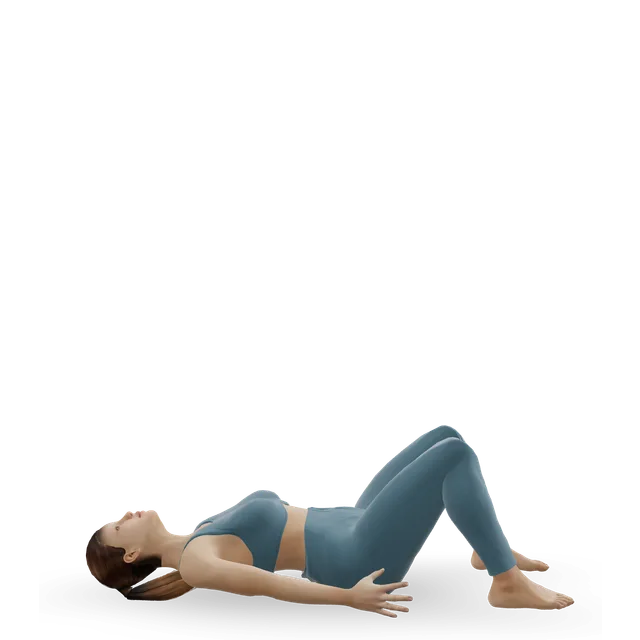
Lateral breathing, "5 to 8 breaths at the start of every session"; slow-paced breathing on most days, "At least 5 minutes, done regularly as part of your daily routine"; breath reach, "5 breaths, exhale longer than inhale"; corpse pose to finish, "Lie still for at least 5 minutes, up to 10, usually at the end of a session" (the move page's dose for each). Corpse pose is a yoga pose used here as a rest: the guideline grades relaxation, not this pose.

Deep neck and shoulder-blade strength, head supported

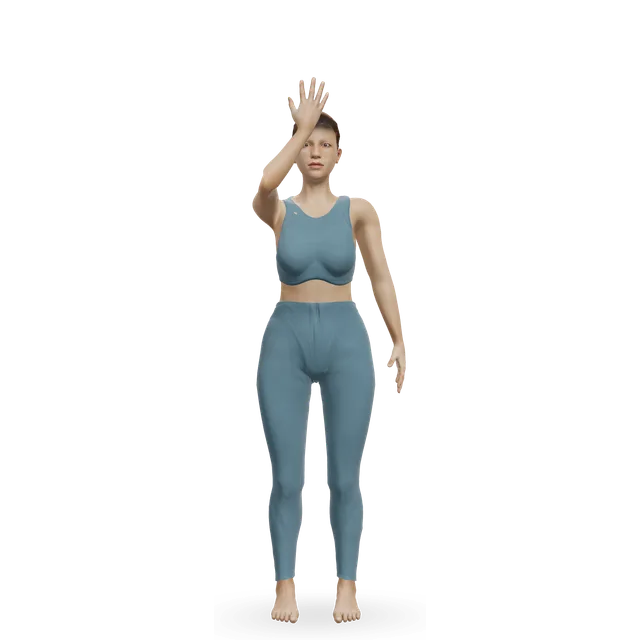
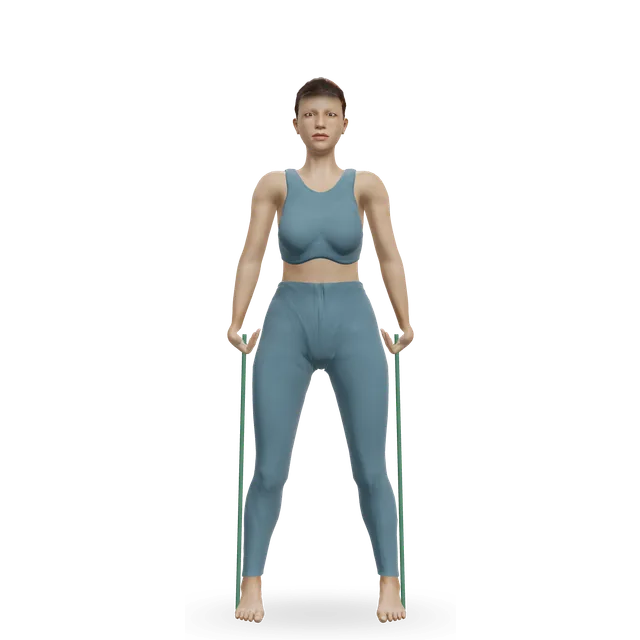
For tension-type headache and headaches from the neck. Lying chin tuck, up to 10 holds of 10 seconds, once a day, very light effort; later, the chin tuck head lift, 3 to 5 holds of 5 seconds, building to 10 holds of 10 seconds, and neck holds, 3 to 5 holds of 5 to 10 seconds each way, light effort; band lateral raise, 2 minutes a day, 5 days a week, the office workers' trial dose (our tension headache guide, for each). Band row, "3 sets of 10 to 15, stopping 2 to 3 reps short of failure, with 60 to 90 seconds' rest" (the move page's dose). Y-T-W raises, 5 of each shape, forehead on a towel, and wall angels, 6 to 8 slow slides (our Pilates for neck pain class).

Pilates on the mat, head down or supported

Knee fold, "2 sets of 5 to 10 each side, every other day"; heel slide, "10 slow repetitions each side, once or twice a day"; the hundred with your head down, "50 beats to start, building to 100 (the classical count)"; the swan, small, forehead on a towel to start, "5 to 6 reps"; side kick, head resting on your lower arm or a cushion, "8 to 10 each side" (the move page's dose for each). Heel taps, 5 each side, and pelvic tilts into a bridge, 6 to 8 slow reps with your weight on your shoulder blades, not your neck (our Pilates for neck pain class).

Upper back and neck movement

The open book, with a cushion under your head, "8 to 10 slow openings each side, pausing 2 seconds at the end (our editorial starting point)"; thoracic rotation, "6 rotations per side, moving with the breath"; cat-cow, "8 waves, slower than feels natural"; neck circles, "3 slow circles each way, once or twice a day (our editorial starting point)", using separate nods, tilts and turns instead with a sore neck (the move page's dose for each).

Aerobic exercise alongside the Pilates

Migraine's best-supported exercise. For migraine, build towards 40 minutes of cycling 3 times a week, as in the cycling trial (a 15-minute warm-up, 20 minutes at a harder effort, a 5-minute cool-down). For tension-type headache, our tension headache guide gives cycling, built to 20 to 30 minutes 3 times a week, and walking, 20 to 30 minutes most days.

Moves to change or leave out

Most of these are the moves' own cautions, word for word; the rest are our suggestions.

Head-up curls when your neck aches or a headache is starting

The hundred: "Rest your head on the mat if your neck aches." The chest lift: "Rest your head between reps if your neck aches." The single-leg, double-leg and single straight-leg stretch: "If your neck tires, rest the head down." The criss-cross: "Rest your head between sets if your neck aches." Do them with your head down, or swap in the heel taps.

Weight on your neck, and your head below your heart

The roll-over: "Do not do it with a neck problem: a Pilates teacher advises against putting weight over the neck with a cervical spine condition." The jack knife and boomerang: "Avoid it with neck or spine injuries". Control balance: "It may not suit a shoulder or neck injury." The high scissors and high bicycle: "Avoid it with a neck problem, osteoporosis, pregnancy, or wrist and elbow pain." Our suggestion: leave all of these out on headache days and with any headache that comes on with straining or exercise, and build back slowly.

Rolling moves and the neck pull

Rolling like a ball: "Skip it with a neck problem or a sore tailbone, and never roll on a hard floor." The open-leg rocker and the seal: skip them "with a neck problem, a sore tailbone or osteoporosis". The crab: "Avoid it with neck or spine injuries". The neck pull: "Never pull on your head." Our suggestion: leave the rolling moves out during a run of headaches.

Breath holding, heat and very hard sessions

Our suggestion: keep breathing through every effort, including planks and the teaser, because straining with the breath held is what sets off cough headache. Skip hot Pilates and classes much harder or longer than you're used to: exercise headache is commonest in hot weather, and very intense exercise or doing much more than usual can trigger migraine. Eat 1 to 2 hours before, and drink before, during and after.

Sources 14, 15, 7

Long passive neck stretches

Fine for comfort, but in tension-type headache trials stretching was linked with more headache days, not fewer (very low certainty). Spend most of the time on strength.

Source 11

On the reformer

Our suggestion: keep the headrest up for lying work, use springs you can move without straining or holding your breath, and leave the jumpboard and any legs-overhead moves for headache-free weeks. No study has looked at the reformer and headaches.

On a headache day

Our editorial starting point, from the NHS's migraine and tension headache pages, the Migraine Trust's exercise advice and the international classification's exercise and cough headache entries. No trial has tested exercise on a headache day.

  1. During a migraine attack, rest. Come back once it has passed, and start gently.
  2. With a mild tension headache, keep to lateral breathing and slow breathing, lying with your head on a folded towel, for 5 to 10 minutes.
  3. If that feels fine, add gentle movement only: knee folds, heel slides, the open book and cat-cow, slowly.
  4. Leave out head-up curls, legs-overhead and rolling moves, and anything that makes you hold your breath.
  5. Drink some water, and eat if you haven't for a while.
  6. If the session makes the headache worse, stop, and do less next time. A headache brought on by exercise, coughing or straining needs checking: see the warning signs.

See the movement on the 3D figure: Lateral breathing (Pilates breathing)

Classes

Our 20-minute head-supported Pilates for neck pain class comes first, 2 or 3 times a week: it keeps your head supported, trains the deep neck muscles and shoulder blades, and leaves out head-up curls, rolling and legs-overhead moves. Add the breathing session on most days, the cycling workout on 3 other days for migraine, and the neck and shoulder strength routine for tension-type headache.

Warning signs: when to get help

These are the same warning signs as our tension headache, neck pain and yoga for headaches guides, word for word. This is general information, not a diagnosis. A&E means accident and emergency; in the US, call 911 for 999, and use your doctor's urgent line or urgent care for NHS 111.

Call 999 or go to A&E

  • Call 999 or go to A&E: a headache that came on suddenly and is extremely painful, or a headache after a head injury within the last 3 months, for example from a fall or accident. A sudden, extremely painful headache can be a bleed on the brain.
  • Call 999 or go to A&E: a headache with a seizure (fit), numbness or weakness in the body or face, difficulty speaking, balancing, walking or remembering things, drowsiness or confusion, or loss of vision.
  • Call 999 or go to A&E: a headache with a rash that does not fade when a glass is rolled over it, a very high temperature, a stiff neck, or bright lights bothering you. These can be signs of meningitis.
  • Call 999 or go to A&E: an extremely painful headache and the white of the eye is red.
  • Call 999 or go to A&E: a headache that came on suddenly and is extremely painful; numbness or weakness in the face or body; a drooping face, or being unable to lift both arms and keep them up; difficulty speaking, swallowing, balancing, walking or remembering; double vision or loss of vision; drowsiness or confusion. A torn neck artery often starts with headache and neck pain, sometimes with dizziness or tingling, so head or neck pain unlike any you have had before needs checking.

Sources 16, 19

Get help the same day

  • Same day (urgent GP appointment or NHS 111): a headache with vision or eye problems, a headache triggered or made worse by coughing, sneezing, bending down or exercising, or a headache with vomiting.
  • Same day (urgent GP appointment or NHS 111): a severe headache with jaw pain when eating, blurred or double vision, a sore scalp, or numbness or weakness in the arms or legs. In people over 50 especially, jaw pain when eating with a tender scalp can be giant cell arteritis.
  • Contact a GP immediately, go to 111.nhs.uk or call NHS 111: a new or frequent headache that usually comes on suddenly (your scalp may also feel sore or tender), pain in the jaw muscles or tongue when eating or talking, or problems with your sight, such as double vision or loss of vision in 1 or both eyes. With pain and stiffness around the shoulders, these can be signs of temporal arteritis (giant cell arteritis), which up to 1 in 5 people with polymyalgia rheumatica develop. If you suddenly can't see from 1 or both eyes, call 999 or go to A&E.
  • A migraine attack has lasted longer than 72 hours, or aura lasts longer than 1 hour.
  • Get urgent medical help: you're pregnant or have given birth in the last few weeks and have symptoms of pre-eclampsia, such as pain below the ribs, a severe headache that does not go away with simple painkillers, vision problems such as blurred vision or seeing flashing lights, sudden swelling of the face, hands or feet, heartburn that does not go away with heartburn medicines, being sick, or feeling very unwell. If you're pregnant, call your maternity unit if you have the number; if you've recently given birth or cannot call your maternity unit, call 111.

Sources 16, 19, 44

See a GP

  • See a GP if you regularly get headaches, or you've tried treating a headache yourself and it's not getting better or is getting worse.
  • A new headache with a weakened immune system, a past cancer that can spread to the brain, or vomiting with no other cause, or a big change in what your headaches are like: see a GP promptly.
  • You get headaches several times a week or they're severe, painkillers and relaxation don't help, you have a throbbing pain at the front or on one side of your head, or you feel sick, vomit and find light or noise painful: see a GP. These can be signs of migraine or cluster headache.
  • You've been taking painkillers for headaches on 15 or more days a month (paracetamol, aspirin or anti-inflammatories), or on 10 or more days a month (triptans, opioids or combination painkillers), for 3 months or more: see a GP. Taking painkillers too often can itself cause headaches (medication overuse headache).
  • Your aura includes weakness, double vision, symptoms in only one eye, poor balance or reduced consciousness: NICE says these need further checks. If they're new or sudden, call 999.

Sources 16, 17

During Pilates

For neck and shoulder discomfort during exercise, use NHS inform's scale for neck exercise: 4 to 5 out of 10 is acceptable, 6 or more is too much, and your neck should be no worse the next morning.

A tension headache isn't made worse by routine activity such as walking or climbing stairs, and you should be able to carry on with your day. If a session brings on a headache, lighten it next time (our suggestion).

A headache triggered or made worse by exercise, coughing, sneezing or bending down is not a pain-rule question: ask for an urgent GP appointment or contact NHS 111. A sudden, extremely painful headache during exercise needs 999.

If you feel a pop or a sudden sharp pain in your neck during a move, stop. If a new headache follows, especially one that eases when you lie down, get advice the same day, and call 999 for any of the urgent headache or brain signs above (our suggestion, from a case report). Don't go back to rolling or upside-down moves until it's been checked.

A first headache brought on by exercise needs checking, and a headache that comes on with coughing or straining has another cause in about 40% of cases, so it needs checking too. A headache that is worse sitting or standing and eases lying down, starting after a class, can mean a spinal fluid leak: get it checked. In a hot room, a headache can be a sign of heat exhaustion, so leave the room, cool down and drink.

Sources 15, 14, 20

Hot Pilates

Stop, and don't restart that day, for signs of heat exhaustion such as tiredness, dizziness, a headache, feeling sick, heavy sweating, pale and clammy skin or cramps. Call 999 for signs of heatstroke, such as still being unwell after 30 minutes of resting somewhere cool, being cooled and drinking fluids, a very high temperature, hot skin that isn't sweating, confusion, a seizure or loss of consciousness. Get help from NHS 111 if you're struggling to treat heat exhaustion.

Chest pain or fainting while exercising: call 999

Call 999 if:

  • You get sudden pain or discomfort in your chest that doesn't go away; it can feel like squeezing or pressure, burning or indigestion.
  • The pain spreads to your left or right arm, or your neck, jaw, stomach or back.
  • You have chest pain and feel sweaty, sick, light-headed or short of breath.
  • Someone faints while exercising, can't be woken within 1 minute, or has chest pain or a pounding, fluttering or irregular heartbeat.

Sources 45, 46

Unusual breathlessness

Call 999 or go to A&E (accident and emergency) straight away for severe difficulty breathing (gasping, choking or not able to get words out), a chest that feels tight or heavy, pain that spreads to your arms, back, neck and jaw, lips or skin turning very pale, blue or grey, or sudden confusion. If you're more short of breath than usual, or your heart is racing, fluttering or skipping beats, contact NHS 111.

Stop the session if

You feel any pain or become unwell, as the NHS advises for its Pilates videos, and especially for chest pain or pressure, unusual breathlessness, dizziness or fainting. If you have a health problem, an injury or any symptoms, get advice from a healthcare professional, such as a GP, before you start.

Source 47

Before you start

The NHS advises getting advice from a healthcare professional first if you have a health problem, an injury or symptoms, or have recently had a heart attack or an operation.

Source 47

Myths

"Pilates cures migraines"Strong evidence

No randomised trial has tested Pilates for migraine. The exercise with evidence is aerobic, at about 0.6 fewer migraine days a month, and even that is a modest preventive effect, not a cure.

Sources 1, 6, 4

"Fix your posture and the headaches will stop"Mixed evidence

Forward head posture is commoner in chronic headache, but only in snapshot studies. In the one Pilates headache trial, posture improved most in the Pilates group while its headaches improved least.

Sources 12, 13, 2

"Stretch your neck to get rid of tension headaches"Mixed evidence

In a network analysis of 12 trials, stretching was linked with more headache days and strength exercise with fewer, on very low certainty evidence. Neck and shoulder strengthening and psychological treatment have the better evidence.

Sources 11, 8, 10

"Neck strengthening prevents migraine"Mixed evidence

The 2023 guideline grades neck strength exercise against as a migraine treatment, from a trial in which it did no better than a sham. A 2026 review found less disability but no clear change in attacks. It can still help the neck pain that comes with migraine.

Sources 6, 26, 27, 7

"Exercise through a migraine to shake it off"Strong evidence

Migraine pain can be worse when you move around, most people feel worse exercising during an attack, and there is very little evidence that exercise stops one. Rest, and come back when it has passed.

Sources 19, 7

"A headache after Pilates is just a tight neck"Strong evidence

Usually it is muscular or a migraine trigger, but a first headache brought on by exercise needs a bleed and an artery tear ruled out, and a pop in the neck followed by a headache that eases lying down needs checking the same day.

Sources 15, 20

"Hot Pilates is good for headaches"Emerging evidence

Exercise headache occurs particularly in hot weather, and very intense exercise is a migraine trigger. No study has tested hot Pilates in people with headaches.

Sources 15, 7

Questions people ask

Is Pilates good for headaches?

It can be part of what helps, but it hasn't been shown to treat headaches on its own. No trial has tested it for migraine or tension headaches, and in the one small trial in headaches from the neck, Pilates alone helped least. Its strength, posture and breathing work fit well alongside the treatments that do have evidence.

Can Pilates help migraines?

Indirectly. The exercise with evidence for migraine is aerobic, such as 40 minutes of cycling 3 times a week, which matched a preventive medicine in one trial. The Migraine Trust counts Pilates as strengthening exercise that can help the neck pain that often comes with migraine, so do both, plus a breathing practice.

Is Pilates good for tension headaches?

Neck and shoulder strengthening and gentle deep neck training have some evidence for tension headaches, and Pilates can include them. Relaxation and CBT-type treatments have the best evidence. Long neck stretches don't seem to help, and were linked with more headache days in one analysis.

Can Pilates cause headaches?

Sometimes. Straining with your breath held, head-up curls when your neck is tired, legs-overhead moves, hot rooms, much harder sessions than usual and not eating or drinking can set one off. A first headache brought on by exercise, or one set off by straining, needs an urgent GP appointment or NHS 111.

Why do I get a headache after Pilates?

The usual reasons are neck strain, holding your breath, not drinking or eating enough, heat or a harder session than usual. A headache that is worse sitting or standing and eases lying down, starting after a class, especially after a pop in your neck, needs checking the same day.

Which Pilates exercises are best for headaches?

Lateral breathing, head-supported mat work such as knee folds, heel slides and bridges, the lying chin tuck, band rows and Y-T-W raises for the shoulder blades, a small swan, and gentle upper-back rotation. Our 20-minute head-supported class puts them in order.

Which Pilates moves should I avoid with headaches?

On headache days, leave out the roll-over, jack knife, control balance, boomerang, the high scissors and bicycle, rolling like a ball, the seal and the neck pull, and do curls with your head down. Don't hold your breath in any move.

Should I do Pilates during a migraine?

Usually not: moving about makes migraine worse for most people, and there's very little evidence that exercise stops an attack. Some people find gentle stretching helps them cope. Rest, and come back when it has passed, starting gently.

Is reformer Pilates OK with headaches?

Usually, with the headrest up, springs you can move without straining or holding your breath, and the jumpboard and legs-overhead moves left for headache-free weeks. No study has looked at the reformer and headaches.

Does bad posture cause headaches, and can Pilates fix it?

Forward head posture is commoner in people with chronic headaches, but those studies can't show cause. Pilates improved head posture in small trials, but in the one headache trial, better posture didn't mean fewer headaches.

Is Pilates good for vestibular migraine?

It hasn't been studied. Gentle, steady exercise is reasonable if it doesn't bring on dizziness: stand up slowly from lying moves and keep head-down positions short (our suggestion). Our yoga for vertigo guide covers vestibular migraine.

When should I see a doctor about headaches?

Call 999 for a headache that came on suddenly and is extremely painful, or comes with weakness, confusion, problems speaking or seeing, or a fever and a stiff neck. Get an urgent GP appointment or NHS 111 for a headache triggered or made worse by coughing, sneezing, bending down or exercising. See a GP if headaches keep coming back or are getting worse.


Sources

  1. PubMed, Europe PMC and ClinicalTrials.gov · Our searches for Pilates trials in headache and migraine (October 2026)
  2. Uzun 2024 · Neck mobilisation, clinical Pilates or both for headaches from the neck: 46 people, 37 analysed (randomised trial, Neurosciences; read in full)
  3. Leite 2023 · Clinical Pilates in 9 students with tension-type headache (case series, Behav Sci; read in full)
  4. Lemmens 2019 · Aerobic exercise and migraine days: 6 studies (systematic review and meta-analysis, J Headache Pain; read in full)
  5. Varkey 2011 · Indoor cycling, relaxation or topiramate for migraine: 91 adults (randomised trial, Cephalalgia; read in full)
  6. La Touche 2023 · Prescribing exercise for migraine (evidence-based clinical practice guideline, J Headache Pain; read in full)
  7. The Migraine Trust · Migraine and exercise (reviewed December 2025)
  8. Andersen 2011 · Brief daily band exercise and headache in 198 office workers (secondary analysis of a randomised trial, Scand J Work Environ Health)
  9. van Ettekoven 2006 · Physiotherapy with deep neck (craniocervical) training for tension-type headache: 81 people (randomised trial, Cephalalgia)
  10. Yuan 2025 · Psychological treatment for tension-type headache (systematic review and meta-analysis, J Headache Pain)
  11. Tao 2025 · Which kinds of exercise prevent tension-type headache: 12 trials (component network meta-analysis, Postgrad Med J)
  12. Elizagaray-Garcia 2020 · Forward head posture in chronic and episodic headache: 12 observational studies (systematic review and meta-analysis, Pain Med)
  13. Pensri 2025 · Neck posture, movement and strength in migraine and tension-type headache: 77 studies (systematic review and meta-analysis, Musculoskelet Sci Pract)
  14. ICHD-3 · 4.1 Primary cough headache (International Headache Society)
  15. ICHD-3 · 4.2 Primary exercise headache (International Headache Society)
  16. NHS · Headaches
  17. NICE CG150 · Headaches in over 12s: diagnosis and management (2012, updated 2025)
  18. NHS · Tension headaches
  19. NHS · Migraine
  20. Davis 2014 · A spinal fluid leak after a reformer Pilates class (case report, J Med Case Rep; read in full)
  21. Uzun 2024 · The same trial's mobilisation arms: neck mobilisation with or without clinical Pilates, 25 people (randomised trial, Medicina; read in full)
  22. ClinicalTrials.gov · NCT05883319: neck mobilisation and clinical Pilates in headaches from the neck (trial record, posted after the trial's primary completion)
  23. PubMed · Our search for Cochrane reviews of exercise, relaxation or behavioural treatment in migraine and tension-type headache (October 2026)
  24. Sharpe 2019 · Psychological therapies for preventing migraine in adults (Cochrane review)
  25. Varangot-Reille 2022 · Different kinds of exercise for migraine and tension-type headache (systematic review and meta-analysis, J Pain)
  26. Benatto 2022 · Neck strengthening against a sham for migraine: 42 people (randomised trial, BMC Neurol)
  27. Burus 2026 · Neck strengthening and stabilisation in migraine: 12 studies (systematic review and meta-analysis, Cephalalgia)
  28. Xie 2026 · Drug-free treatments for migraine and the exercise dose: 59 trials (network meta-analysis, Clin J Pain)
  29. Xie 2025 · Which exercise, and how much, for migraine: 27 trials (network and dose-response meta-analysis, PeerJ)
  30. Reina-Varona 2024 · Exercise for migraine compared: 28 studies (network meta-analysis, Headache)
  31. Ogrezeanu 2026 · How much aerobic exercise is needed for migraine (dose-response meta-analysis, Headache)
  32. Treadwell 2025 · Behavioural treatments for preventing migraine (systematic review and meta-analysis, Headache)
  33. Çöme 2025 · Alternate nostril breathing for migraine: 86 adults (randomised trial, Prim Health Care Res Dev)
  34. Sujan 2025 · Yoga breathing and relaxation added to treatment for chronic migraine: 90 adults (randomised trial, Complement Ther Med)
  35. Andersen 2011 · 2 or 12 minutes a day of band training for neck and shoulder pain: 198 office workers (randomised trial, Pain)
  36. Madsen 2018 · Neck and shoulder strength training against posture and ergonomic advice for tension-type headache: 60 people (randomised trial, Cephalalgia)
  37. Onan 2025 · Physiotherapy for chronic tension-type headache: 9 trials (systematic review and meta-analysis, J Oral Facial Pain Headache)
  38. Jull 2002 · Exercise and manipulative therapy for headaches from the neck: 200 people (randomised trial, Spine)
  39. Gross 2015 · Exercises for neck disorders (Cochrane review)
  40. Martins 2026 · Non-surgical treatment of headaches from the neck: 29 trials (systematic review and meta-analysis, Ann Phys Rehabil Med)
  41. Mingels 2019 · Is spinal posture a trigger for episodic headache? (narrative review, Curr Pain Headache Rep)
  42. Lee 2016 · Pilates for forward head posture: 28 women (randomised trial, J Phys Ther Sci)
  43. Hürer 2021 · Clinical Pilates or home exercise for neck posture: 46 people (randomised trial, J Comp Eff Res)
  44. NHS · Temporal arteritis (giant cell arteritis) (past its review date: reviewed August 2023, review due August 2026)
  45. NHS · Heart attack
  46. NHS · Chest pain (past its review date: reviewed August 2023, review due August 2026)
  47. NHS · Pilates for beginners

Exercise education, not a personal prescription, and clinical review of these guides is pending. If you are pregnant, have a health condition or have had recent surgery, check with a doctor, midwife or physiotherapist before starting, and stop for sharp or increasing pain. Health disclaimer.