What happens in your head when you liftEmerging evidence
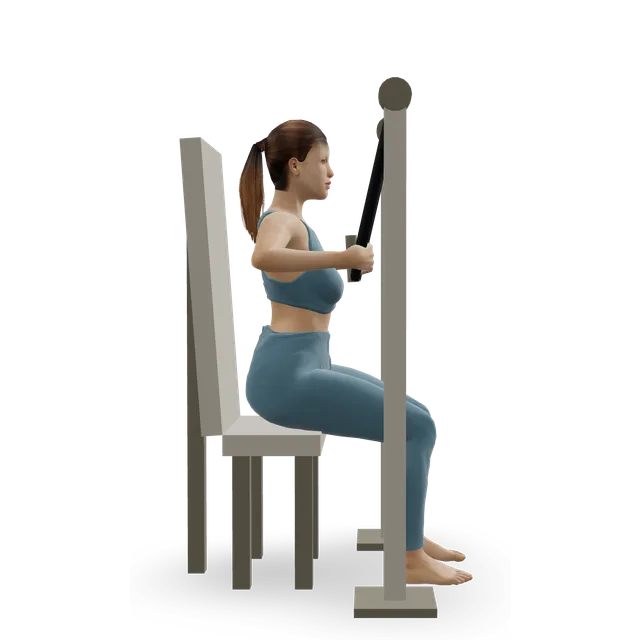
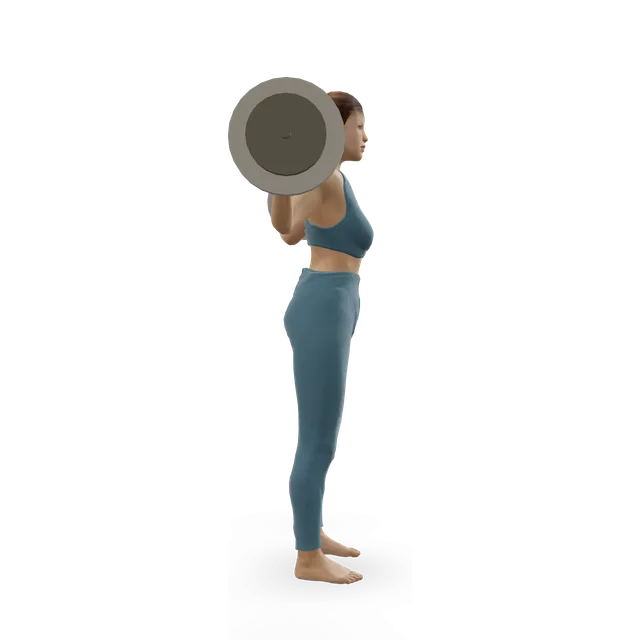
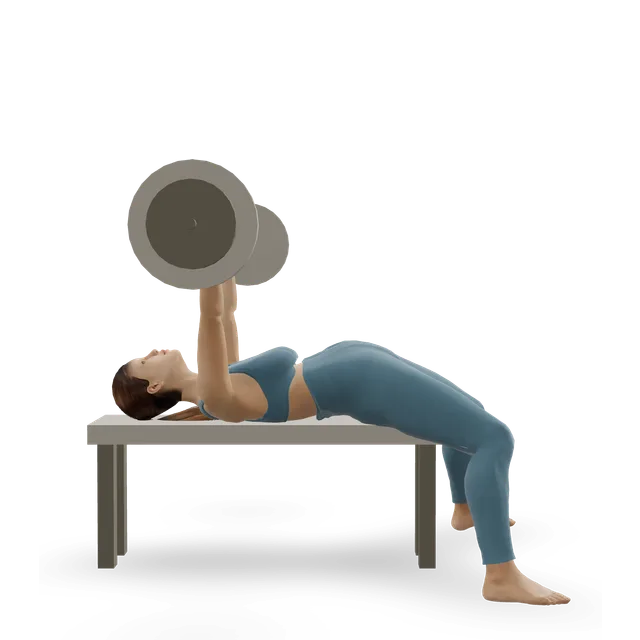
Every hard set raises blood pressure. Working muscles squeeze the blood vessels, and the brain drives pressure up with effort rather than with the weight itself (31 men). Straining against a held breath, the Valsalva manoeuvre, pushes it far higher: 5 bodybuilders averaged 320/250 mmHg at the peak of a heavy double-leg press, and in 10 athletes at their maximum a held breath gave 311/284 mmHg against 198/175 when they breathed out slowly. In 20 novice lifters, holding the breath gave the highest pressures; at moderate loads in 30 young adults, the difference was small.
A held breath also raises pressure inside the skull, which in 7 patients partly offset the strain on the brain's arteries, and a review calls the health risks of the Valsalva manoeuvre in lifting unconfirmed. That most lifting headaches come at grinding reps with a long held breath is our reading of these studies: no study has linked measured blood pressure to headaches.
Sources 1, 2, 3, 4, 5, 6, 7
Two lifting headaches: the straining headache and the exercise headacheStrong evidence
The international headache classification describes a primary exercise headache as one brought on only during or after strenuous exercise and lasting under 48 hours, with no other cause. It recognises "weight-lifters headache" among them, notes it is commoner in hot weather or at altitude, and says it is usually set off by sustained hard exercise.
A headache that hits within moments of a single heavy strain or held breath and fades over seconds to 2 hours is classed differently, as primary cough headache, also called Valsalva-manoeuvre headache. About 40% of cough headaches have another cause, most often a Chiari malformation, where the lowest part of the brain sits low at the base of the skull. For both, the first one needs checking: the classification says a bleed on the brain, a torn neck artery and reversible cerebral vasoconstriction syndrome (RCVS, a temporary narrowing of the brain's arteries) must be ruled out, NICE (the National Institute for Health and Care Excellence) lists headache triggered by exercise or by straining among the features to assess, and the NHS asks for an urgent GP appointment or NHS 111.
Sources 8, 9, 10, 11
Who gets it: common, especially in women, younger adults and beginnersEmerging evidence
In 1,838 Norwegian adults, 12.3% had ever had an exertional headache, a little more often women, after long-lasting, strenuous effort; nearly half of them also had migraine. Across 12 studies, about 4.9% of the general population had had a primary exercise headache, against 0.46% of people seen in headache clinics, starting on average at about 27, more often in women.
In 2,546 middle-aged adults at health checks, 1.19% had it; gym training set it off in 16 of 30, all were beginners or occasional exercisers, and none had seen a doctor. In 1,963 Taiwanese 13 to 15 year olds, 30.4% had a headache with exercise, but only 10.2% met the stricter criteria. In 300 young male conscripts, 12.7% had exertional headaches, 8 of 38 from bodybuilding and lifting. A lifting review says exertional, effort-migraine and neck headaches seem commoner in weightlifters.
Sources 12, 13, 14, 15, 16, 17, 18, 19
Usually harmless, sometimes not: telling them apartMixed evidence
In 6,412 headache patients seen over 10 years, 11 had headaches brought on by exercise, and those with another cause were rare, the commonest being a bleed on the brain. An earlier clinic series is less reassuring: of 72 people with headaches brought on by coughing, exercise or sex, 30 (42%) had another cause, and most of the exercise ones with a cause had a bleed. A later review counts 16 of that series' 28 exercise cases as harmless, so 12 were not. Clinic samples overstate how often it is serious.
Reviews say suspect another cause after a single episode, with other symptoms or signs, from about 40, or with a headache lasting more than a day. That's why the first one, and any that is sudden, severe or different, needs a doctor.
Sources 20, 21, 22, 23, 24
The rare serious causes, with numbersEmerging evidence
A bleed on the brain from a burst aneurysm affects about 7.9 people per 100,000 a year. The NHS says it may be more likely when lifting something heavy. In 250 people, vigorous exercise raised the short-term risk (relative risk 2.4), as did straining on the toilet and anything else that briefly raises blood pressure; in a study of 432 bleeds, regular exercise didn't change the risk, and in 513 records most bleeds started during everyday activities at home.
A torn neck artery affects about 2.6 people per 100,000 a year, with head or neck pain in 80% and a good recovery in 92%; headache is its commonest first symptom, usually one-sided and lasting days. A minor knock or strain came before 40.5% of 966 tears, though heavy lifting on its own wasn't linked in a smaller study, and tears in sport are uncommonly reported. RCVS causes repeated thunderclap headaches over 1 to 2 weeks, often set off by exertion, straining or sex, and more than half of cases follow childbirth or certain drugs. Rarely, a headache that comes with exertion and eases with rest is the heart. All of these are rare, and none is a reason to fear lifting.
Sources 25, 26, 27, 28, 29, 30, 31, 32, 33, 34, 35, 36, 37, 38
Headaches that aren't an exercise headacheStrong evidence
The NHS sends a headache that started suddenly and is extremely painful, or comes with a fit, numbness or weakness, trouble speaking, balancing or remembering, drowsiness, loss of vision, a rash that doesn't fade, a very high temperature, a stiff neck or bright lights bothering you, to 999. NHS inform asks for an urgent GP appointment for a headache triggered suddenly by coughing, laughing, sneezing, changing posture or physical effort.
A drooping face, an arm you can't lift and slurred speech are the NHS's FAST signs of a stroke. After a knock to the head, being sick, dizziness or blood-thinning medicine need NHS 111. And in the heat, a headache with tiredness, dizziness and heavy sweating can be heat exhaustion, which becomes heatstroke if you aren't better within 30 minutes of cooling down.
Sources 11, 39, 40, 41, 42, 43
When a scan or test mattersStrong evidence
For the first headache brought on by exercise or straining, a doctor decides on tests: the classification requires ruling out a bleed, a torn artery and RCVS, and a review says suspected secondary cases need a computed tomography (CT) scan and then a magnetic resonance imaging (MRI) scan of the brain and its blood vessels. Straining headaches need brain imaging because of Chiari malformation.
Once a doctor has diagnosed a primary exercise headache, more scans don't treat it. A headache that changes, or doesn't respond to treatment, needs reassessment rather than a routine repeat scan.
Sources 8, 9, 23, 10, 44
How it usually goesEmerging evidence
An exercise headache lasts under 48 hours by definition, and many last under an hour: 79% of the Taiwanese teenagers' headaches lasted an hour or less. It tends to come in bouts lasting from a month to a few years, and about 40% of people in the Norwegian study had it only during limited periods of their lives. A man with an excruciating headache on the leg press trained on with lighter weights and had no more headaches.
Migraine set off by exercise tends to come back with the same sport; many people managed lower-intensity exercise without attacks. No one can promise a date.
Sources 8, 16, 45, 22, 46, 47