What the bench press asks of the upper back, and what no one has measuredEmerging evidence
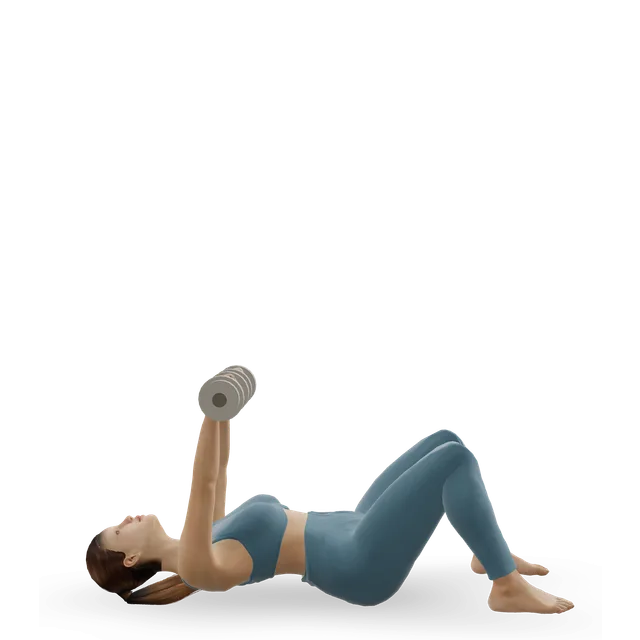
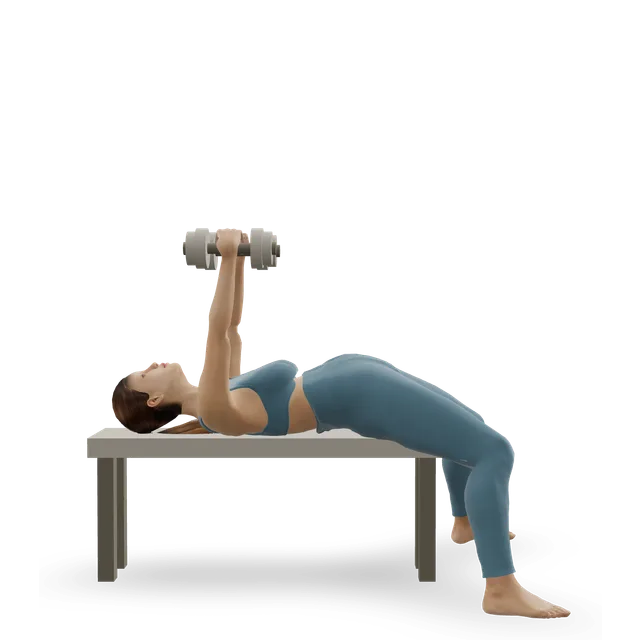
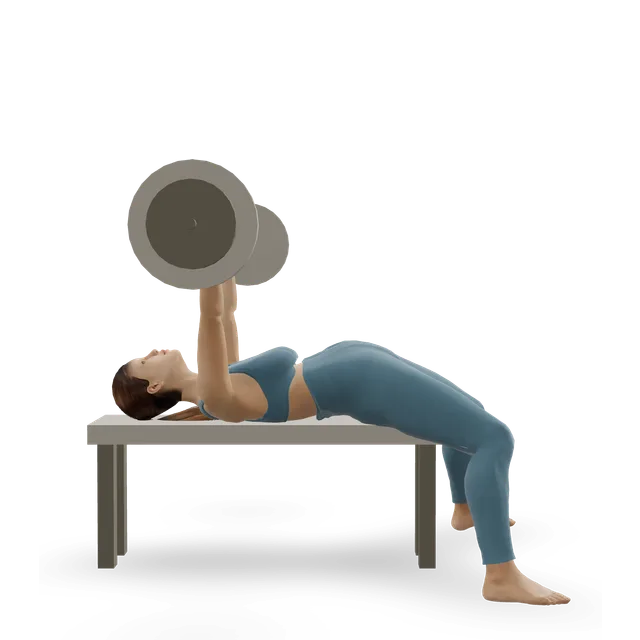
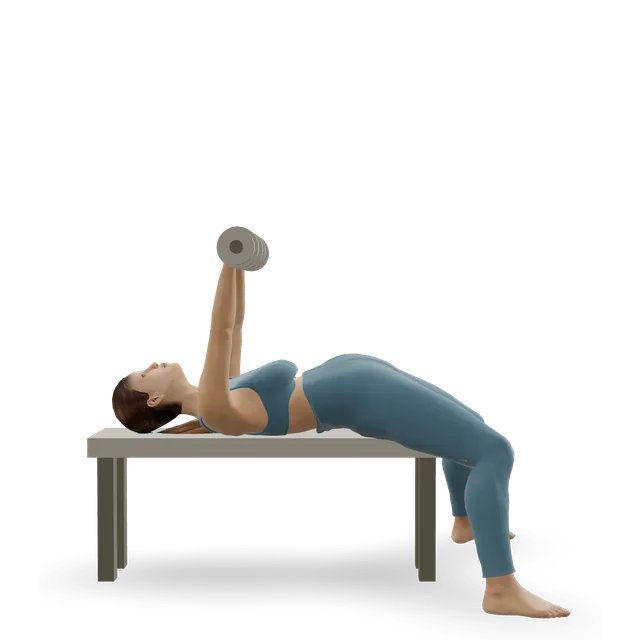
The site's bench press guide teaches five points of contact, with the shoulder blades pulled together and down into the bench and a natural arch. The muscles between the shoulder blades (the rhomboids and the middle trapezius) hold that position under the bar for the whole set, and the upper back muscles hold the arch.
In a computer model of 10 experienced lifters pressing a light 16 kg bar, pulling the shoulder blades back lowered the loads in the shoulder joint and the work of the rotator cuff. In 15 strength athletes, an arched set-up with the shoulder blades pulled back added 4.2 kg to the maximum and shortened the bar's path. No one has measured the upper back muscles, the rib joints or upper back pain during a bench press (a grip study measured only the chest and arms), so the map on this page comes from injury surveys, nerve and joint studies and case reports.
Sources 1, 2, 3
Who gets it: upper back injuries are uncommon in lifting, and commoner in womenEmerging evidence
Across weightlifting and powerlifting studies that gave counts, the thoracic (upper and mid back) and neck spine together made up 1.7% to 14.7% of injuries; in 101 Oceania powerlifters the shoulder (36%) and lower back (24%) led. In 104 Swedish powerlifters, 10 of 35 women with a current injury had one in the thoracic area, against under 15% of injured men (figures read from the paper's charts); women had significantly more neck and thoracic injuries, and 27% of injuries began in bench press training. In United States (US) emergency departments, the upper trunk made up 25.3% of weight training injuries, and the commonest diagnosis was a sprain or strain (46.1%).
Injury rates in powerlifting are low, 1.0 to 4.4 per 1,000 hours of training. Upper back pain is common in everyone: 15% to 27.5% of people have it over a year, more often young people and women. It tends to bother lifters with heavy or long sets, a big arch held long, a new programme, or an upper back already sore from desk work (our reading).
Sources 4, 5, 6, 7, 8, 9
The neck can send pain between the shoulder bladesEmerging evidence
In 50 people with a single trapped nerve root in the neck, pain in the neck or shoulder blade region came before arm symptoms in 70% and eased soon after surgery in 92%; pain between the shoulder blades pointed to the lowest neck nerves. A review of 86 studies found shoulder blade pain in 72% of the studies that mapped a trapped neck nerve, and only 2% reported it on its own, without neck or arm pain. The small joints of the lower neck can also send pain to the shoulder blade region.
So pain under one shoulder blade with a stiff neck, or arm symptoms that follow, belongs to the neck guides, not the bench press.
Sources 10, 11, 12
The rib joints and ribsEmerging evidence
In 8 healthy men, injecting the joints where the ribs meet the spine produced a deep, dull ache over the joint itself, with no chest, arm or organ-like pain. No study of rib joint pain in lifters was found, and "a rib out of place" has no evidence behind it.
A 24-year-old sprinter who bounced the bar off her chest got a stress fracture of the fifth rib, with pain at the front of the chest; it settled after 4 weeks without benching. First rib stress fractures are reported in young weightlifters, one with a shoulder blade that stuck out from a nerve injury and recovered within 2 weeks, and reviews of bench press injuries list rib fractures among them.
Sources 13, 14, 15, 16, 17
Rare but serious: the heart, the main artery and the lungsStrong evidence
Upper back pain is rarely the heart, the main artery or the lungs, but they come first. The NHS sends chest pain that spreads to your arm, neck, jaw or back, or comes with feeling sweaty, sick, light-headed or short of breath, to 999; it lists pain in your chest or upper back among the signs of a clot in the lung; and it names sudden chest or back pain that can feel like something being torn inside as a 999 sign. Sharp chest pain that only happens when breathing or coughing needs an urgent GP appointment or NHS 111, and with a broken or bruised rib, breathlessness or chest pain that is getting worse is a 999 call. The NHS also says see a GP for back pain coming from the top of your back, between your shoulders.
Sources 18, 19, 20, 21, 22, 23, 24, 25
When a scan or test mattersEmerging evidence
Not for an ache between the shoulder blades that eases with a changed bench. In 503 adults with shoulder blade pain, 284 of whom had a magnetic resonance imaging (MRI) scan, changes in the neck and the shoulder tendons were very common, and incidental findings rose with age, so a scan report has to match your symptoms.
Tests matter with the warning signs (an electrocardiogram (ECG) and blood tests for chest pain), after a fall or a dropped bar, for rib pain after bouncing the bar or building with training (a first X-ray can be normal), and for arm weakness or numbness that is getting worse.
Sources 26, 15, 18
How it usually goesEmerging evidence
No study follows upper back pain from the bench press. Soreness fades within about a week, and the NHS says back pain usually improves within a few weeks. In Swedish powerlifters, only 16% of those injured stopped training completely; most changed their training. A rib stress fracture settled with 4 weeks off the bench. No one can promise a date.
Sources 25, 6, 14