What the bench press asks of the elbow, and what no study has countedEmerging evidence
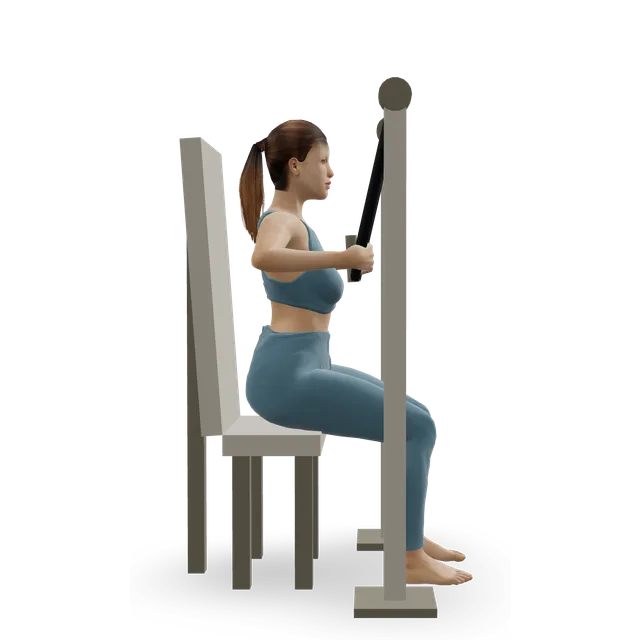
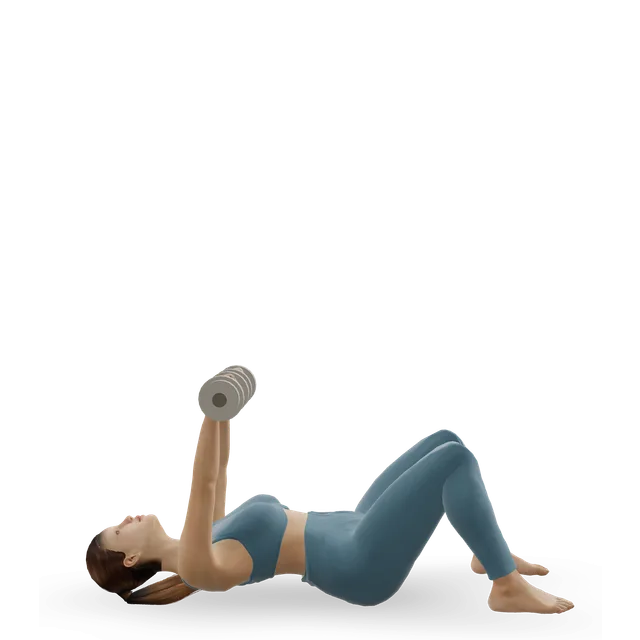
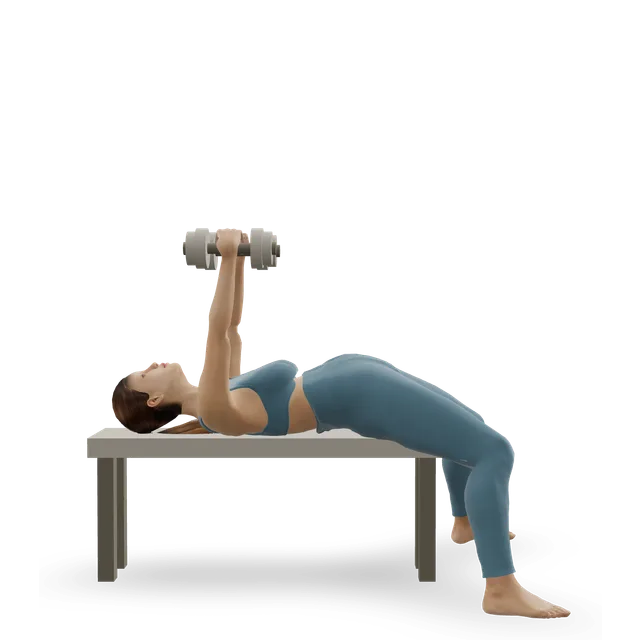
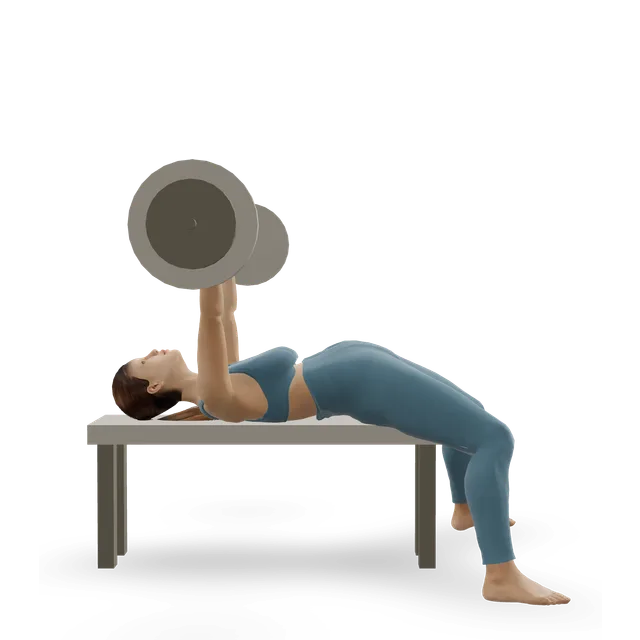
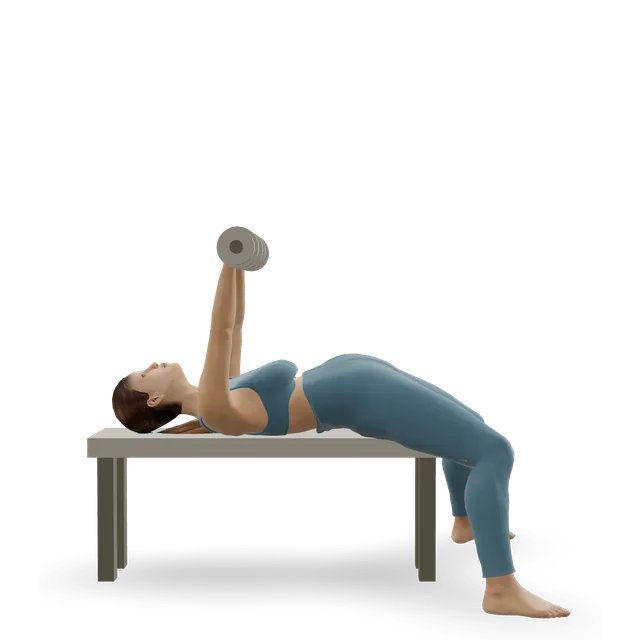
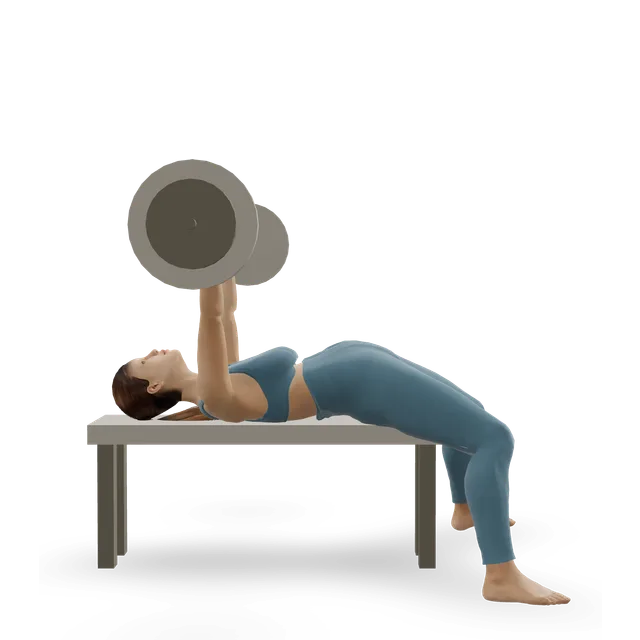
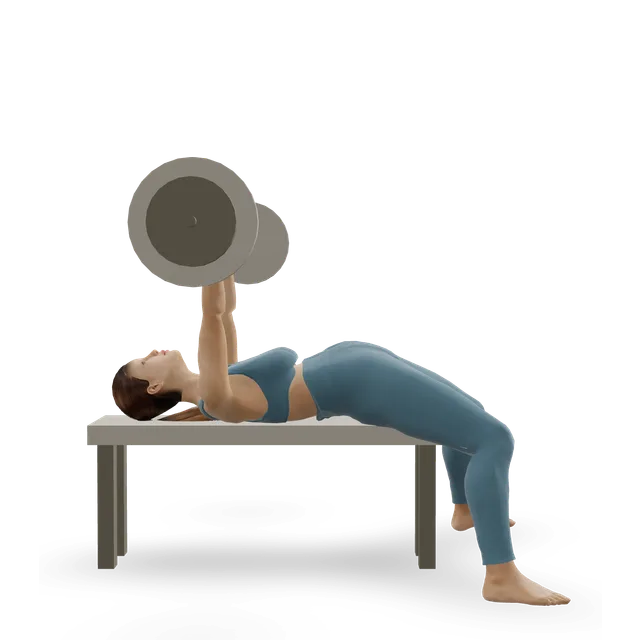
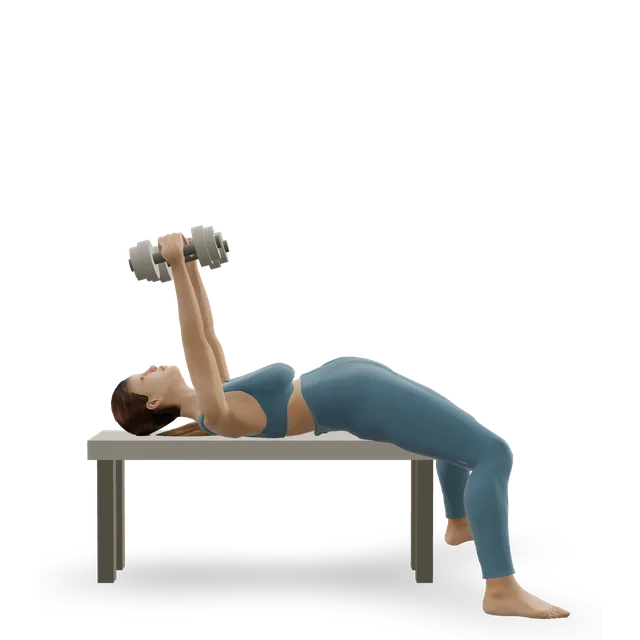
The triceps straightens the elbow to drive the bar up. The bar's leverage on the elbow is smallest around the sticking point and grows again towards lockout, and grip width shifts where the sticking point falls. In 14 trained men, a narrow grip (the width across the bony points of the shoulders) asked more of the elbow early in the press than medium and wide grips, and they lifted less with it (103.7 kg against 108.9 and 109.8 kg). Narrower grips raise triceps activity whether the palms face forward or back, and the hands push the bar sideways too: outward with a wide grip, inward with a narrow one.
The only study of the elbow joint's loads in the bench press itself found that the sideways force and twisting load at the elbow rose as 18 untrained men pressed a light bar to fatigue. None of these studies measured pain, and no study counts what causes elbow pain in people who bench press. So the map on this page comes from surveys of competitive lifters, case reports and series, reviews and health-service pages.
Sources 39, 40, 44, 43, 41, 45, 46, 1
Who gets itEmerging evidence
The elbow is a common, but not the commonest, sore spot in pressing sports. In powerlifting it is the third most injured area (8.0% of injuries across five surveys, behind the lower back and shoulder), 11% in 101 Oceania powerlifters, and 13% at the London 2012 Paralympics, where powerlifting is the bench press only, most of them overuse. Across the weight-training sports, the elbow is one of the five commonest injured areas. Lifters over 40 report more elbow injuries. Injury rates in powerlifting are low: 1.0 to 4.4 per 1,000 hours of training.
About a quarter of powerlifting injuries began in bench press training, and those were linked with the shoulder, not the elbow. In US emergency departments, the elbow was 5.1% of upper limb weight-room visits, and most weight-training injuries that reach them come from weights dropping on the person, not gradual elbow pain. These are competitive lifters and emergency visits; there are no figures for people who bench press in an ordinary gym.
Sources 1, 2, 3, 4, 7, 8, 9, 5, 6
The triceps tendon, from ache to tearEmerging evidence
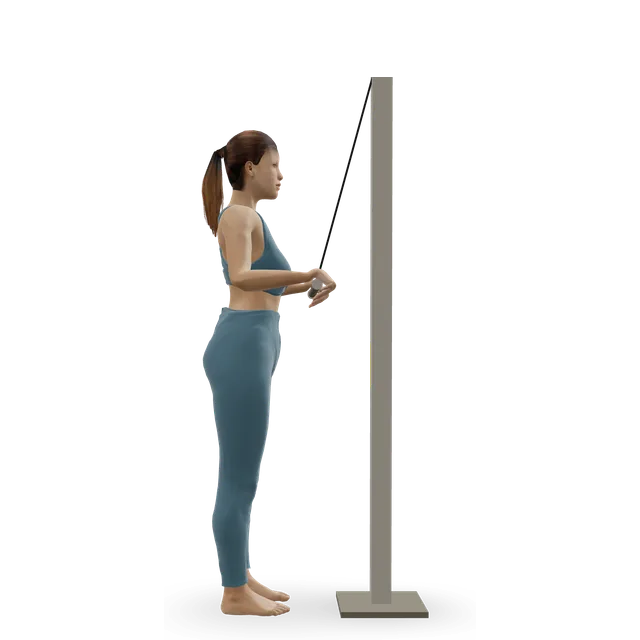
NHS referral guidance describes triceps tendon pain as "well localised pain at the triceps insertion on resisted elbow extension", usually after a change in load, often stiff in the morning and painful as you start, and says it "occurs occasionally in weightlifters". Strength is usually kept. It is the rarest tendon problem around the elbow, and its true frequency is unknown.
A tear is different and rare: about 0.5% of tendon tears seen in US emergency departments, in men about 12 times as often as women, at an average age of about 44. The American Academy of Orthopaedic Surgeons (AAOS) says most come from pushing a heavy load, with sudden sharp pain and swelling at the back of the elbow, a gap you can feel and weakness straightening the arm. In one series, 3 of 4 tears happened during heavy bench pressing, all in men who used anabolic steroids, 2 after steroid injections for triceps pain. Warning pain came first in 7 of 21 professional players' tears and in 8 of 31 tendon tears in steroid users, who had about 9 times the rate of tendon tears of non-users. Kidney disease, bursitis and steroid injections near the tendon raise the risk too.
Sources 10, 11, 12, 13, 14, 15, 16, 17, 18, 19
The inner elbow and the nerveEmerging evidence
The British Society for Surgery of the Hand says cubital tunnel syndrome usually starts with numbness or tingling in the little and ring fingers, on and off at first, brought on by leaning on the elbow or holding it bent. In cadaver studies, bending the elbow fully shrank the nerve's tunnel by 30% to 41% and stretched the nerve most behind the inner bump. The bench press bends the elbow less than skull crushers, so tingling from pressing is less common (our reading); a narrow grip and the bottom of the press are where it shows.
In healthy people, the nerve slid out of its groove at full bend in over half of elbows, so a flick alone isn't damage. A snapping triceps is rare, and almost always comes with a nerve that slips; 2 lifters had snapping and tingling only after weightlifting sessions. Golfer's elbow on the inner bump often comes with the nerve, so check for tingling.
Sources 22, 23, 24, 25, 26, 27, 11
Bursitis and the rare causes at the back of the elbowEmerging evidence
Olecranon bursitis is a soft swelling on the point of the elbow, usually from repeated pressure or knocks rather than from pressing, with the elbow still moving. About 1 in 4 cases is infected (24% of 2,692 soldiers), and fever is often absent (in 38% of infected cases in one review), so heat, redness and spreading pain matter more. The NHS says bursitis usually settles in a few weeks.
Rarer causes are on record: a stress fracture of the point of the elbow in a young weightlifter, and a bony spur in the triceps tendon, a third of 11 cases linked with weight training. A pop at the front of the elbow in strength athletes is usually a biceps tear from deadlifts or curls. Tennis elbow on the outside is about three times as common as golfer's elbow in the general population.
Sources 30, 29, 32, 31, 36, 37, 38, 35
When a scan or test mattersEmerging evidence
Not for ordinary overuse pain: NHS referral guidance manages triceps tendon pain without imaging at first, and lists its look-alikes (bursitis, arthritis, gout, a loose body, a stress fracture and the back of the joint pinching).
A suspected tear needs an examination and usually a scan: an X-ray shows a fleck of bone pulled off with the tendon in 61% to 88% of operated tears, and ultrasound or MRI shows how much is torn. Tears are often missed at first (10 of 22 in one series) and can be mistaken for bursitis. Tingling that lasts may need nerve tests, and a hot, swollen bursa may need fluid drawn off to test for infection.
Sources 10, 19, 20, 21, 22, 30
How it usually goesEmerging evidence
No study follows elbow pain from the bench press. NHS referral guidance says triceps tendon pain "Can improve within weeks to months depending on contributing factors. May persist for several years." Golfer's elbow settled in about 80% within 1 to 3 years in one review, and in tennis elbow, 96% had recovered at a year after a placebo injection. The NHS says bursitis should go away in a few weeks. After a triceps repair, most return to sport in about 4 to 6 months. No one can promise a date.
Sources 10, 11, 53, 29, 59, 58