Pain guide · Neck pain

Occipital neuralgia: shooting pain at the back of the head, nerve blocks, and what exercise can do

Occipital neuralgia is brief, shooting, stabbing or electric-shock pain that starts at the base of the skull and runs up over the back of the head, on one or both sides, along the occipital nerves. The scalp can be so sensitive that brushing your hair hurts, and there is often a tender spot just below the back of the skull. It is uncommon and easily mixed up with tension headaches, headaches from the neck and migraine, and it isn't dangerous in itself.

Because other headaches can look like it, a new or different headache needs a GP, and a sudden, extremely painful headache needs 999. This guide explains how occipital neuralgia differs from other headaches and what medicines and nerve blocks offer, and it is honest about exercise: no trial has tested it for the nerve itself, but a gentle plan with 3D demos can ease the neck pain and stiffness that often come with it.

When to get help first

Exercise is for pain that has been checked or is clearly mild and settling.

Get urgent medical help if

  • Call 999 or go to A&E: a headache that came on suddenly and is extremely painful, or a headache after a head injury within the last 3 months, for example from a fall or accident.
  • Call 999 or go to A&E: a headache with a seizure (fit), numbness or weakness in the body or face, difficulty speaking, balancing, walking or remembering things, drowsiness or confusion, or loss of vision.
  • Call 999 or go to A&E: a headache with a rash that does not fade when a glass is rolled over it, a very high temperature, a stiff neck, or bright lights bothering you.
  • Call 999 or go to A&E: a headache that came on suddenly and is extremely painful; numbness or weakness in the face or body; a drooping face, or being unable to lift both arms and keep them up; difficulty speaking, swallowing, balancing, walking or remembering; double vision or loss of vision; drowsiness or confusion. A torn neck artery often starts with headache and neck pain, sometimes with dizziness or tingling, so head or neck pain unlike any you have had before needs checking.
  • Same day (urgent GP appointment or NHS 111): a headache with vision or eye problems, a headache triggered or made worse by coughing, sneezing, bending down or exercising, or a headache with vomiting.
  • Same day (urgent GP appointment or NHS 111): a headache with jaw pain when eating, or a sore or tender scalp or temples. It could be temporal arteritis, which can lead to stroke or blindness if not treated quickly. Occipital neuralgia can make the scalp tender too, which is one more reason to get it checked rather than guess.
  • Same day (urgent GP appointment or NHS 111): a child with a headache that is getting worse or wakes them at night.

See a doctor or physiotherapist if

  • A new kind of headache, or headaches that are different from your usual ones: see a GP before assuming it's occipital neuralgia. Other headaches can look like it.
  • You've tried treating a headache yourself and it isn't getting better or is getting worse, or you get headaches regularly: see a GP.
  • You take painkillers for headaches on many days a month: see a GP. Taking too many painkillers can itself cause headaches.
  • A child or teenager with pain at the back of the head: see a GP. This kind of headache is rare in children and needs checking.
  • After a nerve block: redness or warmth at the injection site that is getting worse, or any other concern: contact your GP.

Understand it

What occipital neuralgia is

The occipital nerves (the greater, lesser and third occipital nerves) run from the top of the neck over the back of the head. In occipital neuralgia, pain comes in this area in brief, severe, shooting, stabbing or sharp attacks, on one or both sides. The international headache classification (ICHD-3) requires at least two of these: attacks lasting seconds to minutes, severe pain, and a shooting, stabbing or sharp quality. It adds a scalp that is sensitive to light touch or to brushing the hair, a tender spot over the nerve, pain eased for a while by a numbing injection around the nerve, and no better explanation. The pain can spread towards the eye.

The US National Institute of Neurological Disorders and Stroke (NINDS) also describes throbbing, burning or aching pain that begins in the neck and spreads upwards, and calls the condition rare.

Sources 1, 2

Who gets it, and whyEmerging evidence

There are no population studies. In 15 clinic studies (579 people), 73% were women, it usually began in their 40s, 81% had pain on one side, 98% involved the greater occipital nerve, 46% also had migraine and 30% had a history of neck injury. In a Dutch general practice database, it was among the rarer head and face pains, with new cases peaking in people's 60s.

Often no cause is found. It can follow a head or neck injury, or come from pressure on the upper neck nerves from wear and tear and, rarely, other conditions.

Sources 3, 4, 5

How it differs from other headachesStrong evidence

Occipital neuralgia comes in shooting, stabbing or electric attacks of seconds to minutes over the back of the scalp, with a sensitive scalp and a tender spot over the nerve. A tension-type headache is a pressing or tightening ache, usually on both sides, mild to moderate, not made worse by routine activity, and without feeling sick. A headache from the neck (cervicogenic headache) is usually on one side, spreads from the back of the head forward, and is brought on by neck movement or pressure, with a stiff neck. Migraine without aura is usually a throbbing headache on one side that lasts 4 to 72 hours, is worse with activity, and comes with feeling sick or sensitivity to light and sound.

They can occur together, and the upper neck nerves are involved in more than one of them, so the overlap is real. Occipital neuralgia is thought to be underdiagnosed, and each headache needs different treatment, which is why a GP's assessment matters.

Sources 1, 6, 7, 8, 9, 5

Scans and test injections: what they do and don't showStrong evidence

The diagnosis comes from your description and an examination. Relief for a while after a numbing injection around the nerve is part of the definition, although false positives are common.

Scans are used to rule out other causes. Changes in the upper neck are common in people without headache, and in 1,211 people without neck symptoms, 87.6% had bulging discs on an MRI (magnetic resonance imaging) scan, including about three quarters of those in their 20s. So a scan finding doesn't prove what is causing the pain.

Sources 1, 5, 7, 10

How it usually goesEmerging evidence

No study has followed occipital neuralgia over time in the general population. In clinics it can keep coming back, and relief from nerve blocks and other treatments often fades over weeks to months. On its own it isn't dangerous. The risk is missing another kind of headache, which is why a new headache needs a GP.

Sources 3, 5, 11, 12

What helps, and how strong the evidence is

Simple treatment comes firstEmerging evidence

An evidence review of injection and other pain procedures puts conservative care first: learning about the condition and self-care, medicines, physical therapy to ease secondary muscle tension and improve posture, and TENS (transcutaneous electrical nerve stimulation). It warns that overusing painkillers can make headaches worse, and that opioids have little or no place in a long-term headache that isn't dangerous. The NHS also lists taking too many painkillers as a cause of headaches, and suggests a headache diary to find triggers.

Sources 5, 12

MedicinesEmerging evidence

No guideline covers medicines for occipital neuralgia specifically. The nerve pain guideline from NICE (the National Institute for Health and Care Excellence) offers a choice of amitriptyline, duloxetine, gabapentin or pregabalin first, switching if one doesn't work or isn't tolerated, and suggests a specialist pain service for severe pain. Your GP or a headache specialist decides; don't change your medicines yourself.

Sources 13, 5

What exercise can and can't doMixed evidence

A 2024 review found that research on non-surgical, non-injection treatment for occipital neuralgia is limited to very low-quality evidence for TENS. Exercise, hands-on therapy, posture training, education and desensitisation have only a theoretical basis, so no trial shows that exercise reduces the attacks.

What neck exercise can do is ease the neck pain, stiffness and muscle tension that often come with it. Where the headache is partly from the neck, our cervicogenic headache guide has the trial evidence for neck exercise. Massage is neither proven nor disproven for occipital neuralgia. A tender nerve is part of the condition, so we don't suggest massaging or pressing on the tender spot itself (our suggestion).

Sources 14, 5, 1

Nerve blocks: often helpful, usually for a whileMixed evidence

An injection of local anaesthetic, often with a steroid, around the greater (and sometimes the lesser) occipital nerve is both a test and a treatment. One NHS neurology service tells patients it gives temporary benefit in about two thirds of people, often for only 1 to 2 weeks but sometimes much longer, and that about 1 in 3 get no useful benefit; steroid injections are given no more than once every 3 months. Another NHS service says the benefit can last from a few days to 8 to 12 weeks.

In small studies of occipital neuralgia, relief lasted under a week in some people and more than a month in others. The randomised trials are in migraine, not occipital neuralgia: an umbrella review found that blocks ease the pain of a migraine attack (moderate certainty) and that weekly blocks reduce headache days in chronic migraine at a month (low certainty), with longer-term benefit unclear.

Sources 1, 5, 15, 16, 17

Nerve block side effectsEmerging evidence

Dizziness (you wait 15 to 30 minutes before leaving), a sore or bruised spot, rarely an infection, a few days of worse headache, and, with a steroid, a small patch of hair loss at the site (under 1% in one service, under 2% in another). Very rarely, repeated steroid injections can affect the body's own cortisol. In 89 people with occipital neuralgia given 315 blocks, 9% had side effects, and the authors advise caution with stronger anaesthetic in people aged 70 or over, especially with blocks on both sides.

Sources 15, 16, 18

Pulsed radiofrequencyEmerging evidence

Pulsed radiofrequency uses a needle to apply pulses of electrical current next to the nerve without destroying it. In a double-blind trial of 81 people with occipital neuralgia or migraine with a tender occipital nerve, who had short-term relief from test injections, it reduced average pain at 6 weeks more than steroid injections (by 2.7 against 1.4 points out of 10), and was still better at 6 months, though other measures didn't improve as much. Destroying the nerve with heat is avoided because of the risk of nerve injury and painful nerve growths.

Sources 11, 5

Stimulators and surgery: for a fewMixed evidence

For severe pain that hasn't responded to other treatment, a neurosurgical guideline update found 15 studies of occipital nerve stimulation, all low-level evidence, and says clinicians may use it. Surgery to free the nerve reduced headache days by about 20 a month across 12 studies (838 people), but the results varied hugely, and a review of 22 surgical studies rated every one at serious or critical risk of bias. No trial has compared surgery with non-surgical care.

Sources 19, 20, 21, 5

AcupunctureMixed evidence

In 11 trials, mostly comparing acupuncture with medicines, pain scores were about 2.4 points out of 10 lower with acupuncture, but the authors called the results inconclusive.

Source 22

How much pain is OK while you exercise?

Borrowed from our neck guides, with one addition

No pain rule has been tested in occipital neuralgia, so this borrows the rule our neck pain guides use. Rate your neck pain from 0 to 10: during exercise, 0 to 3 is minimal and 4 to 5 is acceptable; 6 or more is too much. Your neck should be no worse the next morning; if it is, do fewer, slower or smaller movements.

The addition: stop any movement or position that sets off the shooting or electric pains, or makes your scalp more sensitive, and don't press, rub or roll the tender spot below the back of your head (our suggestion, because a sensitive scalp and a tender nerve are part of the condition).

Exercise shouldn't bring on a headache. Stop and get checked for dizziness, double vision, slurred speech or any of the warning signs above.

Sources 1, 12

The exercise plan: 3 stages

Start at the first stage. Each move opens a full guide with a 3D demo.

Stage 1

Calm the neck (while attacks are frequent, about the first 1 to 2 weeks)

Keep the neck moving gently without setting off attacks, and ease muscle tension. If lying with the back of your head on a surface sets off pain, use the sitting or standing versions. Add the pressure check (written steps below).

Chin tuck demonstrated on the 3D figure3D demoChin tuckBeginner · No equipment

5 to 10 gentle repetitions with a 5 s hold, 2 to 3 times a day, sitting or standing · Editorial dose

Easier: Lying chin tuck · Harder: Isometric neck holds (four-way)

Neck CARs (controlled articular rotations) demonstrated on the 3D figure3D demoNeck CARs (controlled articular rotations)Beginner · No equipment

With a sore neck, separate nods, tilts and turns, each held 5 s, 5 times; later, 3 slow circles each way, once or twice a day · The move page's dose. Keep the movements small, and skip any direction that sets off the shooting pain

Harder: Rabbit pose (Sasangasana)

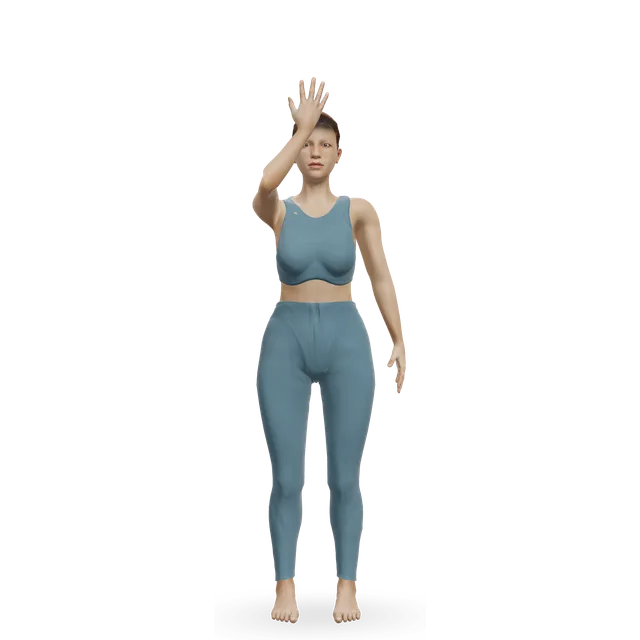
Shoulder rolls demonstrated on the 3D figure3D demoShoulder rollsBeginner · No equipment

10 to 15 slow circles each way · The move page's dose

Harder: Shoulder CARs (controlled articular rotations)

Thoracic rotation demonstrated on the 3D figure3D demoThoracic rotationBeginner · No equipment

6 rotations per side, moving with the breath · The move page's dose

Easier: Side-lying open book · Harder: World's greatest stretch

Treadmill walking demonstrated on the 3D figure3D demoTreadmill walkingBeginner · Cardio machine

10 to 20 minutes a day, or walk outdoors · Editorial dose

Harder: Treadmill jogging

Move on when: Attacks are less frequent, and none of these moves sets one off.

Follow along: a timer, a cue and the next move, one step at a time.
Stage 2

Endurance for the neck and shoulder blades (about weeks 2 to 6)

Build neck and upper back endurance with light loads, keeping pressure off the back of the head.

Lying chin tuck demonstrated on the 3D figure3D demoLying chin tuckBeginner · No equipment

Up to 10 gentle holds of up to 10 s, the head on a soft folded towel · Editorial dose. Skip it if lying on the back of your head sets off pain

Harder: Chin tuck

Chin tuck with head lift demonstrated on the 3D figure3D demoChin tuck with head liftIntermediate · No equipment

3 to 5 holds of 5 s, building to 10 holds of 10 s · Editorial dose. The same caution

Easier: Chin tuck

Isometric neck press, sides demonstrated on the 3D figure3D demoIsometric neck press, sidesBeginner · No equipment

Build to a 10-second press, 3 times each way, for 3 rounds, starting with light pressure · The move page's dose, from an NHS leaflet

Easier: Chin tuck · Harder: Chin tuck with head lift

Band row demonstrated on the 3D figure3D demoBand rowBeginner · A band + An anchor point

2 sets of 10 to 15, building to 3 sets of 10 to 15 · Building to the move page's dose, itself an editorial starting point

Harder: Supported single-arm dumbbell row

Prone Y-T-W raises demonstrated on the 3D figure3D demoProne Y-T-W raisesBeginner · No equipment

5 to 8 of each shape, 2 rounds, forehead on a folded towel · Editorial dose

Easier: Wall angel · Harder: Bent-over reverse fly

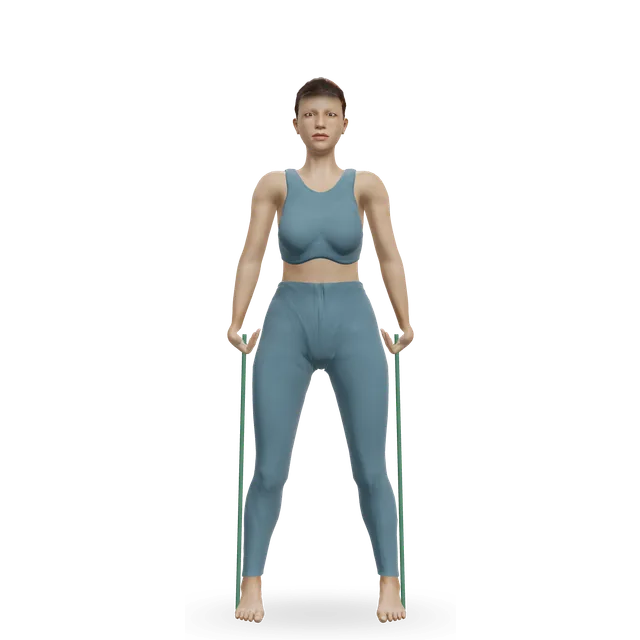
Band pull-apart demonstrated on the 3D figure3D demoBand pull-apartIntermediate · A band

2 sets of 12 to 15 with a light band · Editorial dose

Easier: Prone Y-T-W raises · Harder: Tuck back lever

Move on when: Neck pain stays at 5 out of 10 or less and has settled by the next morning, and sessions don't set off attacks or headaches.

Follow along: a timer, a cue and the next move, one step at a time.
Stage 3

Strength and fitness (from about week 6)

Shoulder and upper back strength, and regular aerobic exercise.

Band lateral raise demonstrated on the 3D figure3D demoBand lateral raiseBeginner · A band

2 sets of 10 to 15 · Editorial dose

Harder: Dumbbell lateral raise

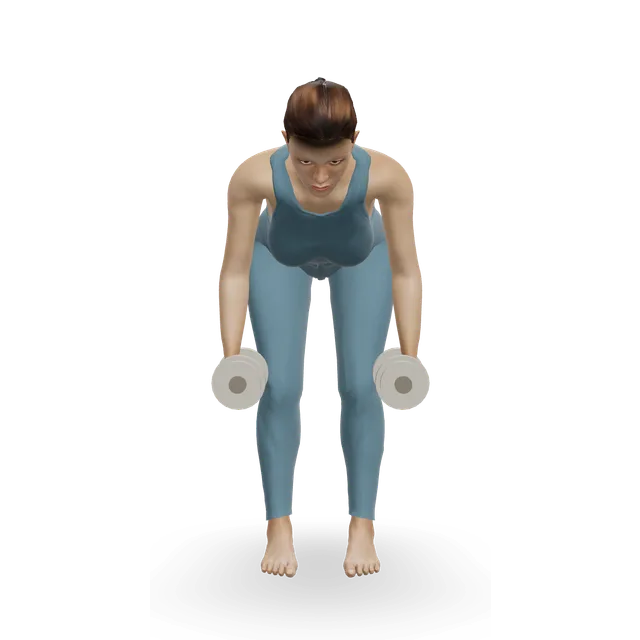
Bent-over reverse fly demonstrated on the 3D figure3D demoBent-over reverse flyIntermediate · A dumbbell

2 to 3 sets of 10 to 12, light · Editorial dose

Easier: Prone Y-T-W raises · Harder: Barbell rear-delt row

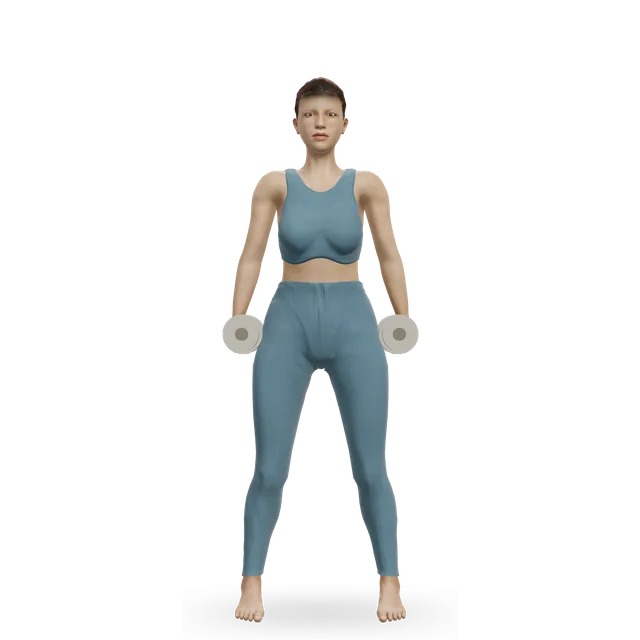
Dumbbell shrug demonstrated on the 3D figure3D demoDumbbell shrugBeginner · A dumbbell

2 to 3 sets of 8 to 12 with a pause at the top, starting light · Editorial dose. Lighten it, or leave it out, if it brings on a headache

Harder: Snatch shrug

Stationary cycling demonstrated on the 3D figure3D demoStationary cyclingBeginner · Cardio machine

Build to 20 to 30 minutes on most days, or walk briskly · Editorial dose

Easier: Recumbent exercise bike · Harder: Air bike intervals

Move on when: Keep going, adding a little load every week or two while the attacks stay settled. The neck and shoulder strength routine covers most of these moves; skip its lying moves if they press on the sore spot.

Follow along: a timer, a cue and the next move, one step at a time.

What to change for now

A pressure check for the back of the head (our suggestion)

None of this has been tested. It follows from the sensitive scalp and tender nerve that are part of the condition's definition, with the NHS's pillow advice for neck pain.

  • 1. For a week, notice what sets off the attacks.
  • 2. Then change one thing at a time, and keep what helps.
  • 3. Pillow: a low pillow that supports your neck and keeps your head level, without pressing on the tender spot at the back of your head, or lying on your side. For neck pain, the NHS suggests a low, firm pillow.
  • 4. Hats, hoods, headbands, ponytails and headphones: looser, or worn so they don't press on the back of your head.
  • 5. Hair: brush it gently, or in a different direction.
  • 6. Long spells looking down at a screen or a book: take regular breaks.

Sources 1, 23

Keep moving, and keep a diary

For neck pain, the NHS advises keeping the neck moving rather than wearing a collar, unless a doctor tells you to, and avoiding long spells with your neck in the same position, for example at a desk.

The NHS also suggests a headache diary to work out triggers: note when attacks happen, what you were doing, and any painkillers you took. Taking painkillers on many days a month can itself cause headaches, so see a GP if you need them often.

Sources 23, 12

Positions to swap, and why

Habit or positionWhy it mattersInstead
Rubbing, rolling or pressing the tender spot below the back of the headA sensitive scalp and a tender nerve are part of the condition. Massage is neither proven nor disproven here, and the move's page warns about neck massage devices.Leave the spot alone, and use gentle neck movement instead (our suggestion).Try: Neck CARs (controlled articular rotations)
Cracking or manipulating your own neckIt isn't a treatment for occipital neuralgia, and new head and neck pain needs checking first.Gentle chin tucks, within comfort.Try: Chin tuck
Pulling your head down into a stretchHand-loaded stretching at the end of the range pulls on the upper neck, and our neck guides advise against it.Let the head's weight do the work, or leave the stretch out.Try: Upper trap release
Lying with the tender spot pressed into a pillow or a hard surfaceLight touch on the scalp can be painful in this condition, and pressure on the tender spot may set off attacks (our suggestion).Lie on your side, or use a low pillow that supports your neck rather than the back of your head.
Tight hats, hoods, ponytails or headphones over the back of the headA sensitive scalp is part of the condition (our suggestion).Looser fits, or wear them so they don't press on the back of your head.
HeadstandsThey put body weight through the head and neck, and our neck guides advise leaving them out while the neck is painful.Leave them out for now.
Heavy shrugs or gym lifts that bring on a headacheOur cervicogenic headache plan advises lightening them.Lighter loads, or band lateral raises.Try: Band lateral raise
Taking painkillers on many days a monthTaking too many painkillers can itself cause headaches.See a GP about other treatment.

Routines to follow

More moves for this area

Questions people ask

What does occipital neuralgia feel like?

Sudden shooting, stabbing or electric-shock pains over the back of the head, lasting seconds to minutes, on one or both sides. There is often a tender spot below the back of the skull, and a scalp that hurts to touch or when you brush your hair. The pain can spread towards the eye.

Is occipital neuralgia serious?

On its own it isn't dangerous, but it is painful, and other headaches can look like it. Call 999 for a sudden, extremely painful headache, or one with weakness, confusion, loss of vision, a fit, a stiff neck with a high temperature, or a head injury in the last 3 months.

How is it different from a tension headache or migraine?

A tension-type headache is a pressing or tight ache on both sides, and migraine lasts hours and comes with feeling sick or sensitivity to light and noise. Occipital neuralgia comes in brief, shooting attacks. A headache from the neck is a one-sided ache brought on by neck movement, and they can occur together, so a GP's assessment matters.

What causes occipital neuralgia?

Often no cause is found. It can follow a head or neck injury, or come from pressure on the upper neck nerves from wear and tear or, rarely, other conditions. About 3 in 10 people in clinic studies had had a neck injury.

How is it diagnosed?

From your description and an examination. Part of the official definition is that the pain eases for a while after a numbing injection around the nerve, although false positives are common. Scans are used to rule out other causes, and neck changes on scans are common in people without symptoms.

What is an occipital nerve block, and how long does it last?

An injection of local anaesthetic, often with a steroid, next to the nerve at the back of the head. In one NHS service it helps about two thirds of people, often for 1 to 2 weeks and sometimes much longer, while about 1 in 3 get no useful benefit. Side effects include dizziness, a sore spot and, rarely, a small patch of hair loss.

Can exercise help occipital neuralgia?

No trial has tested it. Gentle neck movement and neck and shoulder strengthening can ease the neck pain and stiffness that often come with it, but they don't treat the nerve itself. Massage is neither proven nor disproven, and we suggest you don't rub or press the tender spot.

What medicines help?

Medicines for nerve pain are the usual choice; NICE's first choices for nerve pain are amitriptyline, duloxetine, gabapentin or pregabalin. Opioids have little place, and taking painkillers too often can itself cause headaches. Your GP will advise.

What if nerve blocks only help for a short time?

Pulsed radiofrequency, a needle treatment that doesn't destroy the nerve, gave more relief than steroid injections in a trial of 81 people. Nerve stimulation and surgery are options for a small number of people with severe pain that hasn't responded, though the evidence is low quality.

What is the best pillow for occipital neuralgia?

No study has tested pillows. For neck pain, the NHS suggests a low, firm pillow that keeps your head level with your body. Because the scalp and the tender spot can be sensitive, lying on your side, or with the pillow under your neck rather than the back of your head, may also help (our suggestion).

Does acupuncture help?

Trials, mostly comparing acupuncture with medicines, reported less pain. But the reviewers called the results inconclusive, so it isn't a proven treatment for occipital neuralgia.

How long does occipital neuralgia last?

Each attack lasts seconds to minutes. How long the condition lasts varies: no study has followed it over time in the general population, and in clinics it can keep coming back, with relief from treatments often fading over weeks to months. A GP can help you plan treatment if it keeps returning.


Related exercise guides

Other pain guides

Sources

  1. International Headache Society · ICHD-3 13.4: occipital neuralgia (classification, 2018)
  2. US National Institute of Neurological Disorders and Stroke · Headache (including occipital neuralgia)
  3. Melchior 2025 · Epidemiology and clinical features of occipital neuralgia (meta-analysis of 15 studies, Cephalalgia)
  4. Koopman 2009 · Incidence of facial pain in the general population (Dutch GP database, Pain)
  5. Lefel 2025 · Cervicogenic headache and occipital neuralgia (evidence-based interventional pain medicine, Pain Pract)
  6. International Headache Society · ICHD-3 2.1: infrequent episodic tension-type headache (classification, 2018)
  7. International Headache Society · ICHD-3 11.2.1: cervicogenic headache (classification, 2018)
  8. International Headache Society · ICHD-3 1.1: migraine without aura (classification, 2018)
  9. Mathew 2025 · Occipital neuralgia, cervicogenic headache and migraine with neck pain (review, Curr Pain Headache Rep)
  10. Nakashima 2015 · Neck MRI findings in 1,211 people without symptoms (cross-sectional study, Spine)
  11. Cohen 2015 · Pulsed radiofrequency against steroid injections for occipital neuralgia (trial of 81, Pain)
  12. NHS · Headaches
  13. NICE CG173 · Neuropathic pain in adults: medicines in non-specialist settings (2013, updated 2020)
  14. Deuel 2024 · Conservative and physical therapy care for occipital neuralgia (review, Curr Pain Headache Rep)
  15. Cambridge University Hospitals NHS · Greater occipital nerve block for headache (patient information, 2026)
  16. St George's University Hospitals NHS · Greater occipital nerve block (neurology leaflet, 2024)
  17. Atraszkiewicz 2025 · Greater occipital nerve block for migraine (umbrella review and meta-analysis, Cephalalgia)
  18. Sahai-Srivastava 2010 · Side effects of occipital nerve blocks in occipital neuralgia (315 blocks in 89 people, J Headache Pain)
  19. Staudt 2023 · Occipital nerve stimulation for refractory occipital neuralgia (neurosurgical guideline update, Neurosurgery)
  20. Nguyen 2025 · Nerve decompression surgery for occipital neuralgia (meta-analysis of 12 studies, J Craniofac Surg)
  21. Robinson 2021 · Surgery for occipital neuralgia (systematic review of 22 studies, Ann Plast Surg)
  22. Yun 2020 · Acupuncture for occipital neuralgia (meta-analysis of 11 trials, BMC Complement Med Ther)
  23. NHS · Neck pain
  24. NHS · Temporal arteritis

Exercise education, not a diagnosis or treatment plan. It is written from the guidelines and studies listed above; review by a clinician is pending. If your pain follows an injury, is severe, is getting worse, or comes with any warning sign listed on this page, get it assessed. Health disclaimer.