Common in men, if less common than in womenStrong evidence
About 81.6 million men worldwide had neck pain in 2020, about 2,000 in every 100,000 at any one time against 2,890 in women, and it is commonest in mid to later life. Women report more neck pain than men in most population studies, though the size of the gap varies between studies and one global round found it too small to be sure of. The reasons for the difference still need study.
In 12 English general practices, men's neck consultations rose with age, from 131 per 10,000 a year at 15 to 24 to about 290 from 65; women consulted about 1.4 times as often. In an Australian survey, waking neck pain and stiffness in men peaked at 40 to 59.
Sources 1, 2, 3, 4, 5, 6
Most of it is the neck itselfStrong evidence
The NHS's commonest causes of neck pain are sleeping in an awkward position, spending long periods at a desk, a pinched nerve, and an injury such as whiplash. It usually means a stiff ache at the back or side, pain at the end of turning or looking up, and sometimes a headache at the back of the head; clicking or grinding is common and not usually serious.
In 12,907 British adults, men's neck pain went with headaches, tiredness and stress (about 2 to 3 times as common) much more than with any job.
Sources 7, 8, 9
Work: desk, site and drivingMixed evidence
In the same British survey, male construction workers had the most neck pain (38% in a year), and working with the arms above the shoulders for over an hour a day added a little, but rates varied little by job, with no link to typing, lifting, vibrating tools or professional driving.
In office workers, a keyboard close to the body, little variety in the work and muscle tension went with more neck pain, but changing workstations and posture hasn't been shown to prevent new neck pain. Professional driving is mixed: Danish professional drivers had more hospital admissions for a slipped neck disc, while the British survey found no link with neck pain.
Sources 9, 10, 11, 12, 13
The gym and contact sport: one cause among severalEmerging evidence
82.3% of weight-training injuries seen in US emergency departments were in men, mostly strains and sprains and dropped weights; those records can't say how risky lifting is, as they don't count the people who lift without injury.
In elite English rugby, nerve-root injuries in the neck caused 15% of the days lost to spinal injuries in matches. A stinger (a burning, dead arm on one side after a tackle) affected 20.9% of 569 young male rugby players in a season, and most missed no games. When the tackler's head was in front of the ball carrier, head, neck and shoulder injuries were far more common (69.4 against 2.7 per 1,000 tackles).
Sources 14, 15, 16, 17
A trapped nerve is more common in menStrong evidence
In Rochester, Minnesota, a trapped nerve in the neck (cervical radiculopathy) was diagnosed in about 107 men and 64 women per 100,000 a year, most often at 50 to 54. Only 14.8% followed exertion or an injury. At follow-up, 90% had no or only mild symptoms, though about a quarter had surgery along the way and about a third had it again.
It "usually starts to improve within 12 weeks" but can take up to a year, NHS inform says. In 3 small studies, the biggest improvement usually came in the first 4 to 6 months.
Sources 18, 19, 20
Scans show wear in almost every man's neckStrong evidence
By 60 to 65, 95% of men had at least one age-related change on neck X-rays, and 73.3% of men in their 20s had bulging discs on magnetic resonance imaging (MRI) scans without any symptoms. Disc wear isn't a risk factor for neck pain. Cervical spondylosis "is a normal part of ageing and many people do not have any symptoms", the NHS says.
Sources 21, 22, 3, 23
Pressure on the spinal cord: rare, subtle and importantStrong evidence
Age-related changes can press on the spinal cord (degenerative cervical myelopathy), usually diagnosed in people's 50s. It starts subtly: fumbling buttons, keys or writing, unsteady walking or falls, and symptoms in both hands or the legs, sometimes with little neck pain. It needs an MRI and prompt referral, and the warning signs say how fast.
Sources 24, 23
Whiplash isn't a men's condition, and it usually settlesStrong evidence
Whiplash "usually gets better within 2 to 3 months", the NHS says. About half of people still report some neck pain a year later, and more pain and disability at the start predict a slower recovery; whether men recover differently is unclear.
Sources 25, 26, 27
The heart: when neck pain isn't the neckStrong evidence
Angina, chest pain from narrowed heart arteries, is more likely in men aged 45 and over, and heart pain can spread to the neck, jaw, arms and back. In 27 studies of heart attacks and unstable angina, 79% of men had chest pain, so most men having a heart attack have chest pain too, but not all; women more often had neck pain. Pain that comes with effort and eases with rest is the pattern to notice.
Sources 28, 29, 30
Men, doctors and a check-upEmerging evidence
In UK general practice records, men consulted 32% less often than women overall, but about as often when they had the same symptoms or conditions. The evidence that men put off seeing a doctor is weaker than often claimed, and not specific to neck pain. A check for a warning sign, or for pain that isn't settling, is never a fuss.
Sources 31, 32, 33
When a scan or test helpsStrong evidence
Not for ordinary neck pain or most trapped nerves: "Usually X-rays and MRIs are not required", NHS inform says. An MRI matters for signs of spinal cord pressure, or a trapped nerve that isn't improving or when surgery is being considered.
After a crash or fall, the National Institute for Health and Care Excellence (NICE) uses rules to decide on a computed tomography (CT) scan: being 65 or over, a dangerous injury such as a fall from more than 1 metre or 5 stairs, a high-speed or rollover crash or a bicycle collision, tingling in the arms or legs, or being unable to turn the neck 45 degrees each way. A suspected heart attack is checked with an electrocardiogram (ECG) and blood tests.
Sources 19, 34, 24, 35, 36, 29
How it usually goesStrong evidence
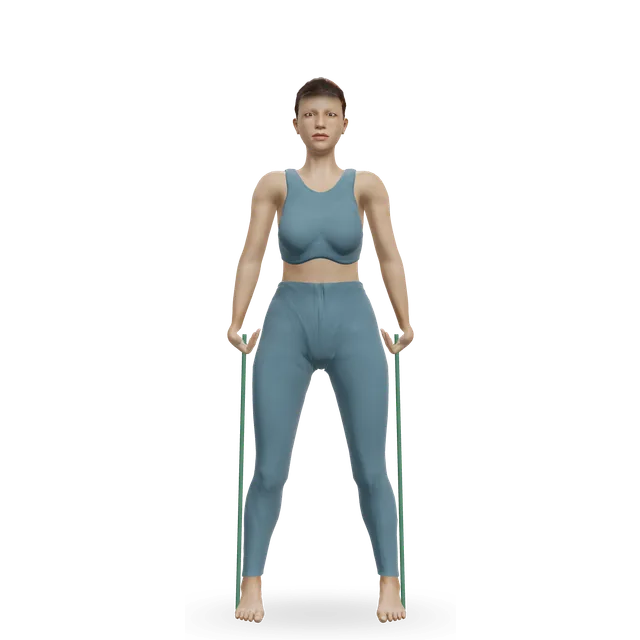
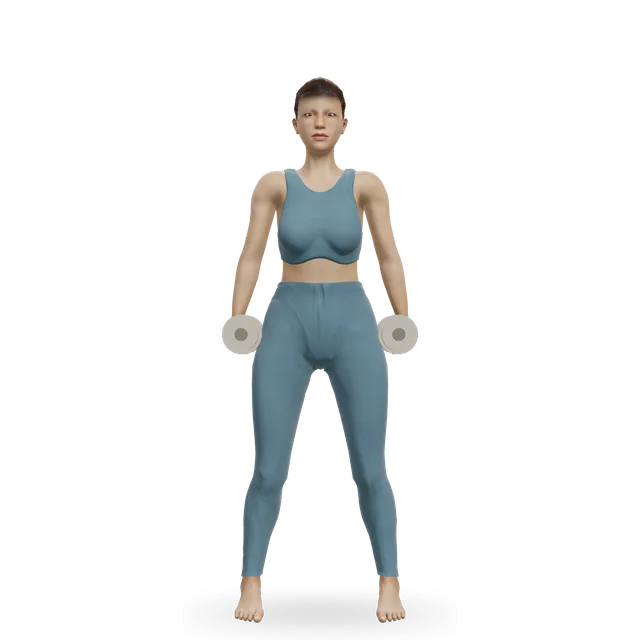
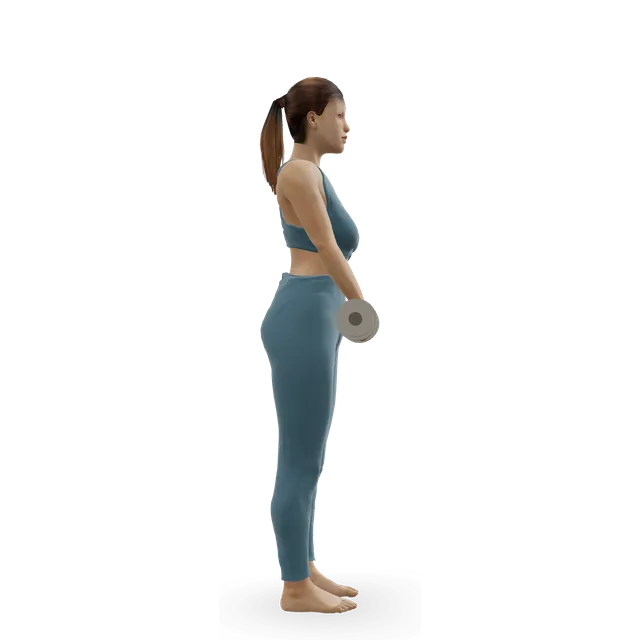
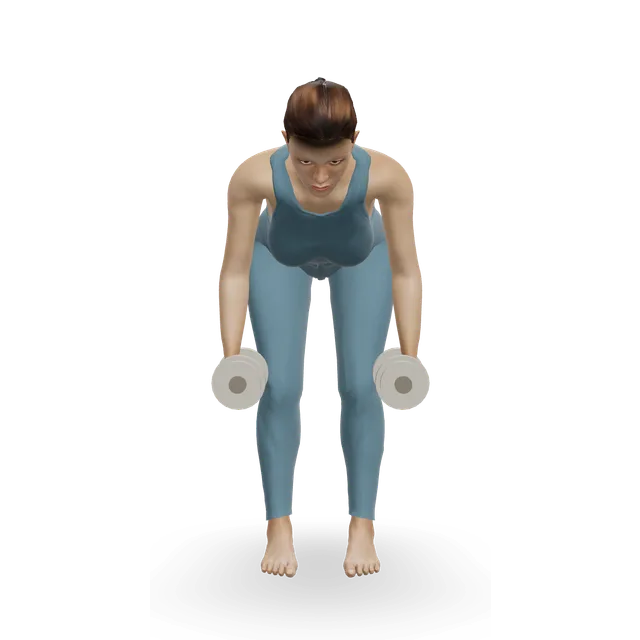
"Most neck pain only lasts a few weeks", the NHS says, and NHS inform expects most problems to improve within 8 weeks. It often comes back: half to three quarters of people report it again 1 to 5 years later, so keeping the strength work going matters. A trapped nerve usually starts to improve within 12 weeks, and whiplash within 2 to 3 months. No one can promise a timescale.
Sources 7, 8, 37, 19, 25